






Australian Terrier
Australianterrieri
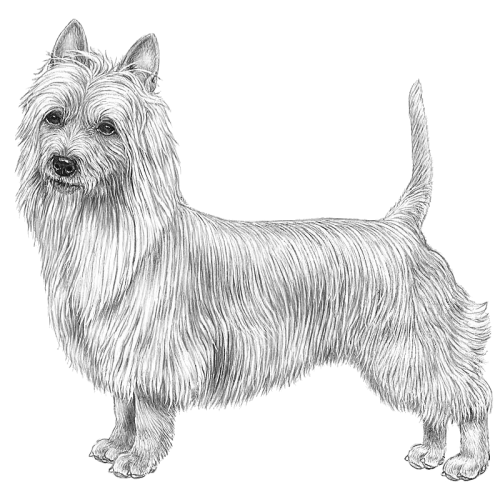
The Australian Terrier is one of Australia's oldest native breeds, developed in the 19th century by early settlers who crossed terriers brought from England, including the Yorkshire and the Skye Terriers. Bred for their tenacity and skill in hunting vermin, they became invaluable working dogs on farms, eventually gaining recognition for their small size, bold personality, and distinctive rough coat.
FCI Group
Terriers
AKC Group
Terrier
TKC Group
Terrier
Country of Origin
AU

Australian Terrier
Health Testing Requirements by Country
Autoimmune and Allergies
 FI
FI
Endocrine and Pancreas
Ataxia, Locomotor, and Epilepsy
Eye Conditions and Blindness
 SE
SE
Skeletal and Muscular
Gastrointestinal, Digestive, and Metabolic
Genetic Material and Diversity
Temperament
Test Relevances
Ataxia, Spinocerebellar, CAPN1-related
Some Relevance
Pyruvate Kinase Deficiency
No Evidence
Von Willebrand Disease I
No Evidence
Von Willebrand Disease III
No Evidence
Coat Colour Dilution, dilution, MLPH-related
No Evidence
Degenerative Myelopathy
No Evidence
Primary Lens Luxation (PLL)
No Evidence
- Updated