






Healthier Conversations for Healthier Dogs at the 6th International Dog Health Workshop - By Lauren Bennett

By Dave St. Louis in Guest Posts
· Viewed: 1,015 times
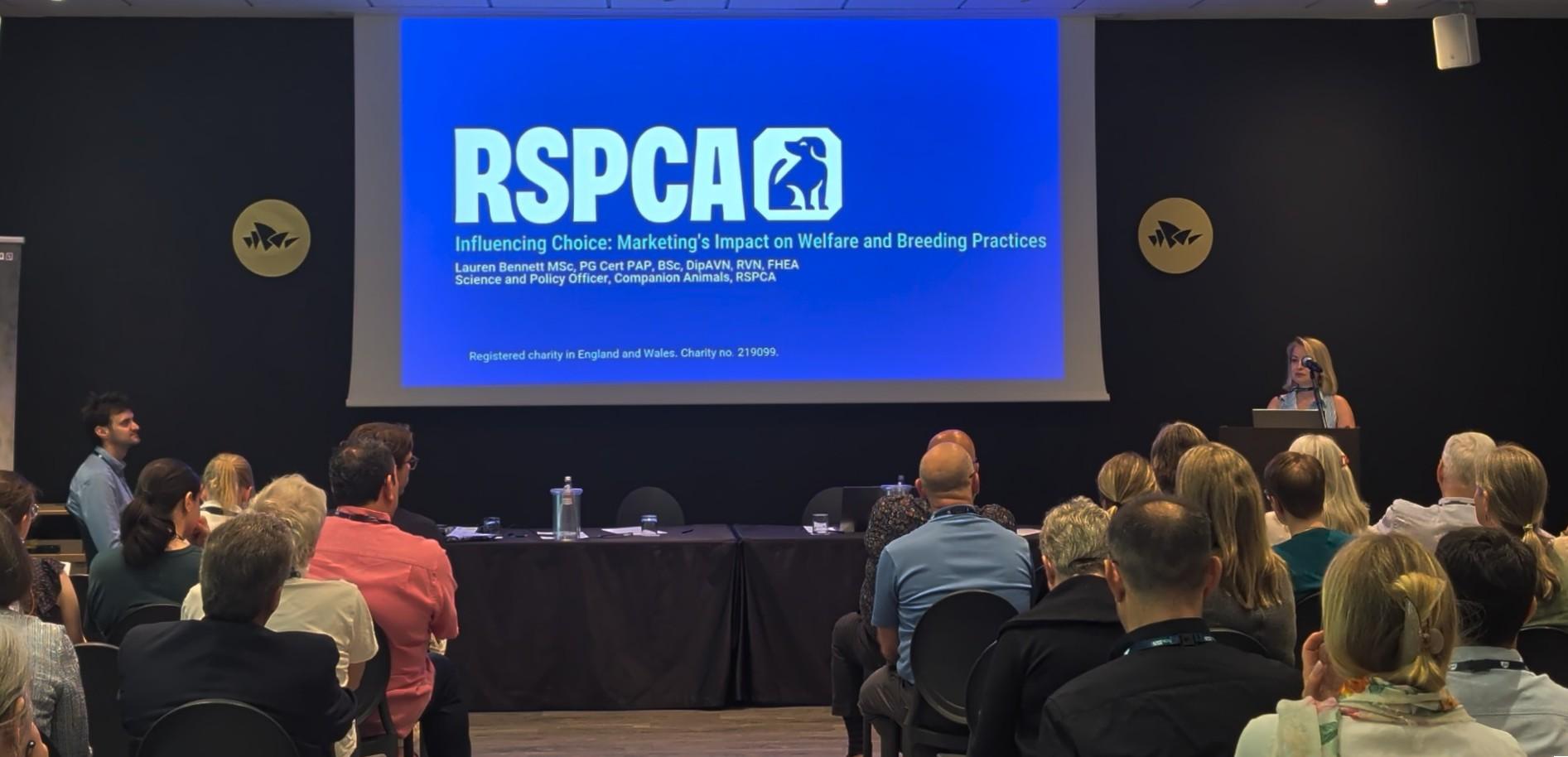
Editor's Note: Lauren Bennett was among our panel of distinguished speakers at the 6th International Dog Health Workshop in Bologna, Italy (30 May - 1 June 2026). Her presentation was entitled, 'Influencing Choice: Marketing's Impact on Pet Welfare and Breeding Practices'.
View a brief clip from Lauren's presentation here >
Working in animal welfare can sometimes feel like fighting an uphill battle. But coming together with other professionals, all with one shared goal to end suffering, can bring much-needed hope and optimism that gives us the strength to keep going.
My first time attending and speaking at the International Dog Health Workshop (IDHW) in Bologna was one of those moments.
I was excited - Bologna provided a beautiful backdrop for an event that unites experts from around the world to tackle one of the biggest welfare challenges facing dogs today: how we breed healthier dogs for the future.
But alongside that excitement was apprehension.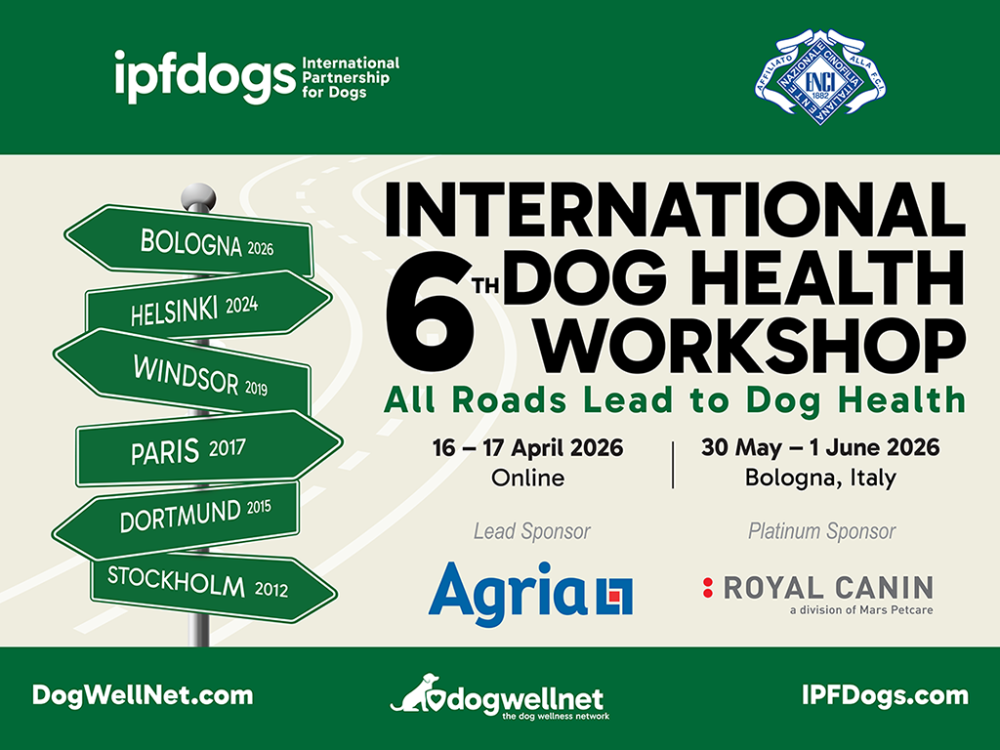
This event was full of different experts from the dog world - breeders, breed clubs, academics, geneticists and vets. Coming from the RSPCA, I was one of the few scientists specialising in animal welfare.
And unfortunately, animal welfare organisations and parts of the pedigree dog world have not always seen eye to eye.
We have long been concerned about the breeding of dogs with extreme conformations such as exaggerated physical characteristics, and the role that breed standards have played in perpetuating inherited health problems. Conversations can often be polarised, with welfare organisations on one side and breeders and breed clubs on the other.
But this event wasn’t about taking sides - it was about having the conversation about what we can all do to make sure every dog lives a healthy, happy life.
The RSPCA’s position, along with other animal welfare organisations, has always been clear - dogs should be bred for good health and temperament, not for aesthetics.
Whether a dog is a pedigree, purebred, crossbreed or mixed breed isn’t actually the issue - it’s about responsible breeding.
And responsible breeding requires a lot of time, knowledge, experience and money. It means carrying out appropriate health screening, understanding inherited diseases, making evidence-based breeding decisions, working closely with veterinary professionals - and most of all, always prioritising the welfare of both the parents and their puppies.
Unfortunately, appearance continues to be one of the biggest drivers of puppy purchasing decisions. But while aesthetics may influence human preferences, it’s ultimately the dogs that have to live with the painful consequences of those choices - and an endemic of dogs are now suffering due to their appearance.
We continue to see dogs struggling because they have been bred to conform to exaggerated physical features that compromise their ability to breathe, move, see, regulate their temperature, behave normally or live comfortably. These welfare issues remain a significant concern.
But acknowledging these problems shouldn’t stop us from recognising where positive change is starting to happen, and one of the strongest impressions I took away from the workshop was the diversity of people in the room, all with one shared goal.
Breeders often report feeling tarred with the same brush or condemned by both animal welfare experts and vet professionals. But as with any profession or community, there’s a spectrum - at one end are individuals motivated primarily by profit, with little regard for health or welfare. At the other are breeders who dedicate enormous amounts of time, resources and emotional investment to improving the health of future generations of dogs.
And these are breeders who were sitting alongside us in Bologna.
They are working with veterinary specialists, geneticists, breed clubs and researchers, as well as contributing to health databases, supporting genetic research and participating in carefully designed breeding and outcrossing programmes - with the aim of reversing the significant impact of breeding for problematic features like brachycephaly, along with other inherited diseases.
All of this is an important step in the right direction for the welfare of dogs bred for extreme characteristics, and if we keep moving forward in this way it will have a direct impact on their health, behaviour and welfare.
These initiatives aren’t quick fixes, and sometimes our opinions and perspectives may differ - but we have to be willing to challenge tradition and it’s important to work together for a stronger understanding and an improvement of animal welfare.
By listening to each other, we can better find solutions, overcome bias and foster greater empathy.
But to do that effectively, we need to trust each other.
Research has shown that many breeders feel judged or dismissed by veterinary professionals, while veterinarians often experience frustration when discussing breeding decisions or inherited disease with breeders. Animal welfare organisations also find themselves caught up in this dynamic. These strained relationships only create barriers to collaboration, at a time when we desperately need cooperation.
Complex welfare challenges cannot be solved by one profession, one organisation or one perspective alone. We need to have difficult conversations in order to learn and grow, or we risk disappearing into echo chambers.
Our decision to engage more directly with responsible breeders represents an important shift in how we believe lasting welfare improvements can be achieved.
 At the RSPCA, we will always advocate for adopting animals, rather than buying them - and working alongside people who do not agree with you on every issue can feel risky. But change doesn’t happen from the sidelines.
Influence comes from building relationships, asking difficult questions, listening to different perspectives and identifying the areas where common ground exists without compromising your core values.
It takes bravery to enter conversations where disagreement exists and to acknowledge that no single group holds all the answers. But when progress feels slow, it’s important to remember our shared goal - healthy dogs living happy lives.
One of the greatest strengths of bringing together people from different backgrounds is that it challenges our blind spots - constructive conversations from different perspectives and expertise are where innovation and change begin.
When geneticists, veterinary professionals, breeders, welfare organisations, behaviourists and researchers all contribute their expertise, we gain a much wider understanding of the challenges we face and the solutions that are possible.
And the whole workshop was incredibly encouraging - with a lot of people approaching me just to say thank you.
Many expressed their support for our developing strategy and how important it is to collaborate with each other. The shared recognition that meaningful change depends on working together felt like a pivotal moment - because no single stakeholder can improve canine welfare alone. We can’t simply talk about creating better welfare - we need to actively foster relationships and partnerships that make better welfare possible.
If we genuinely want healthier dogs, we need healthier conversations.
And after my first International Dog Health Workshop, I believe we're beginning to have them.
About Lauren
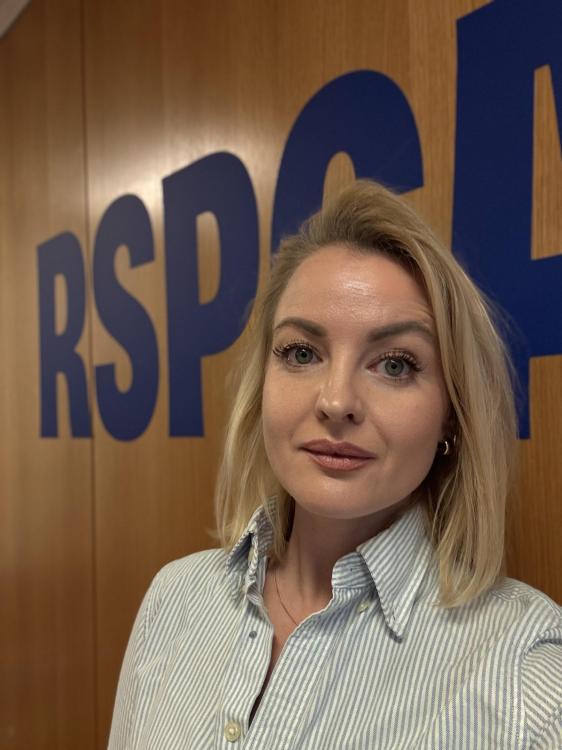
Lauren Bennett is a Science and Policy Officer in the Companion Animals Department at the RSPCA. Her work focuses on addressing the harms caused by breeding for aesthetics over health and welfare. Using robust scientific evidence, Lauren advocates for government and corporate legislative and policy change.
Lauren has an MSc in animal welfare, behaviour, ethics and law and was a senior lecturer in veterinary nursing before joining the RSPCA.
Recommended Comments