






Pedigree Breeds
184 entries in this category
-
- Last comment date
- Title
- Start Date
- Most Commented
- Most Viewed
- Last Updated
- Publish Date
- Brief Description
- Content
- Links to Breed Descriptions
- Other Names for Breed
- Country of Origin and Parent Breed Club
- Health and Well-Being
- Breed-Specific Articles
- Breed Standards
- Breed-Specific Statistics
- Breeding/Health Strategy Documents
- Breed-Specific DNA Tests
- Other Breed-Specific Webpages
- Breed-Specific Research
- Breed Clubs
- Custom
-
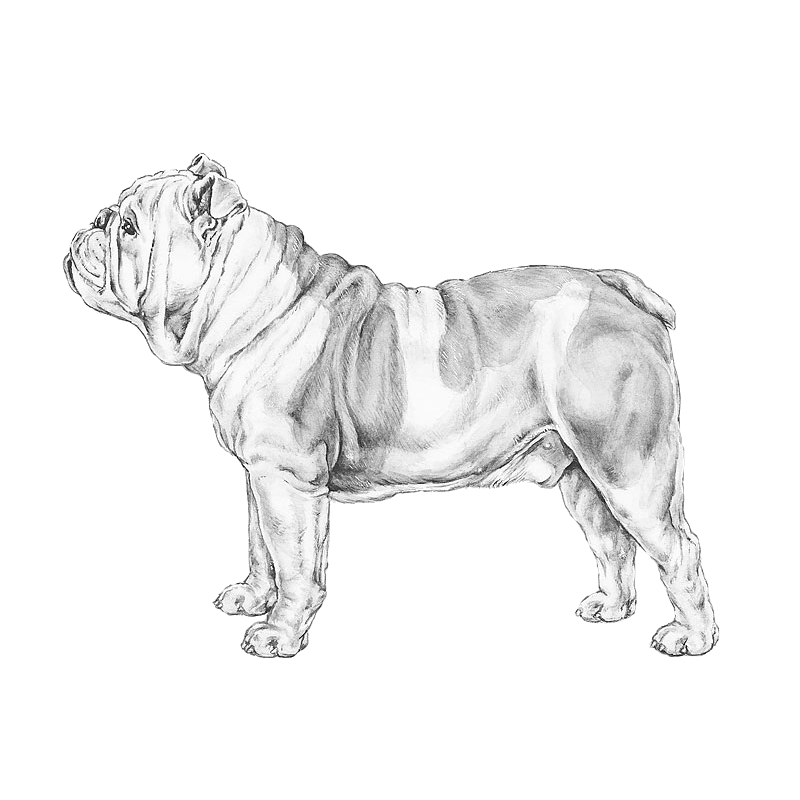
One of Britain’s oldest indigenous breeds, the Bulldog is known as the National dog of Great Britain and is associated throughout the world with British determination and the legendary John Bull. The Bulldog was first classified as such in the 1630s, though there is earlier mention of similar types referred to as bandogs, a term reserved today for a type of fighting dog.
Source: The Kennel Club
-
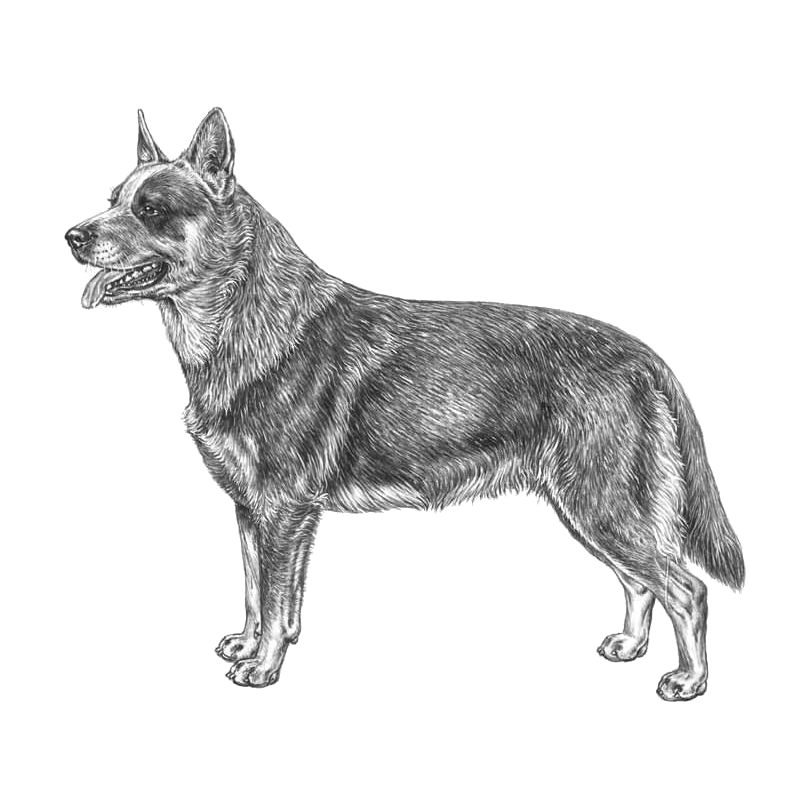
The Australian Cattle Dog (ACD), or simply Cattle Dog, is a breed of herding dog originally developed in Australia for droving cattle over long distances across rough terrain.
Source: Wikipedia
-
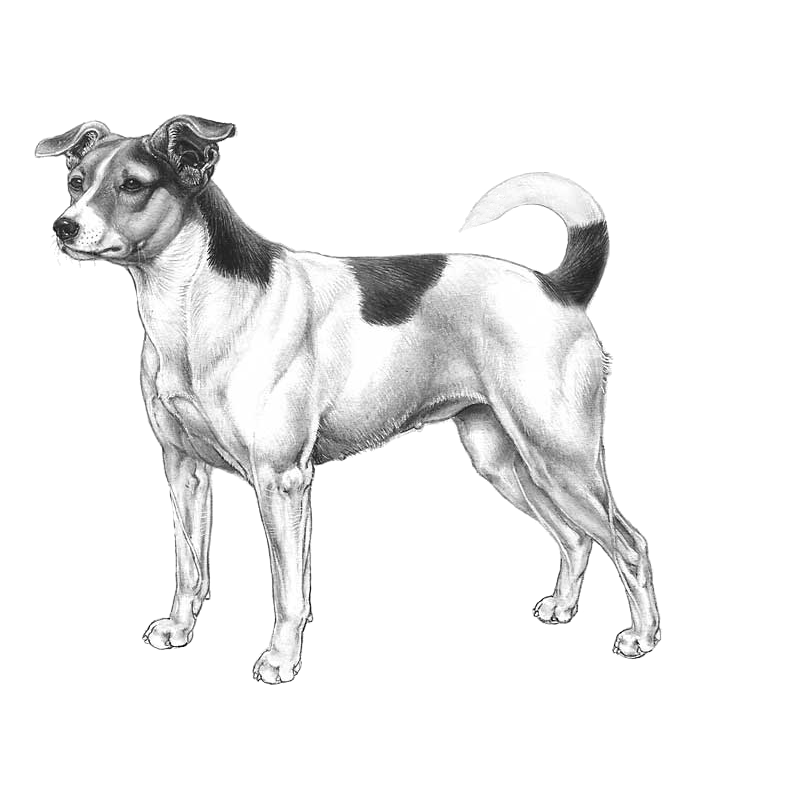
Dansk/svensk gårdshund (Danish–Swedish Farmdog) is a breed of dog that has its origin in Denmark and southern Sweden, but now has become popular all over Scandinavia.
Source: Wikipedia
The Danish-Swedish farm dog originally served to keep the farm free of rats and mice, for which it is equally suitable to today. The dogs are very teachable; and since the breed is small and light, with a lot of speed and intelligence, today they participate in various dog sports like agility, rally obedience, tracking training and obedience.
-
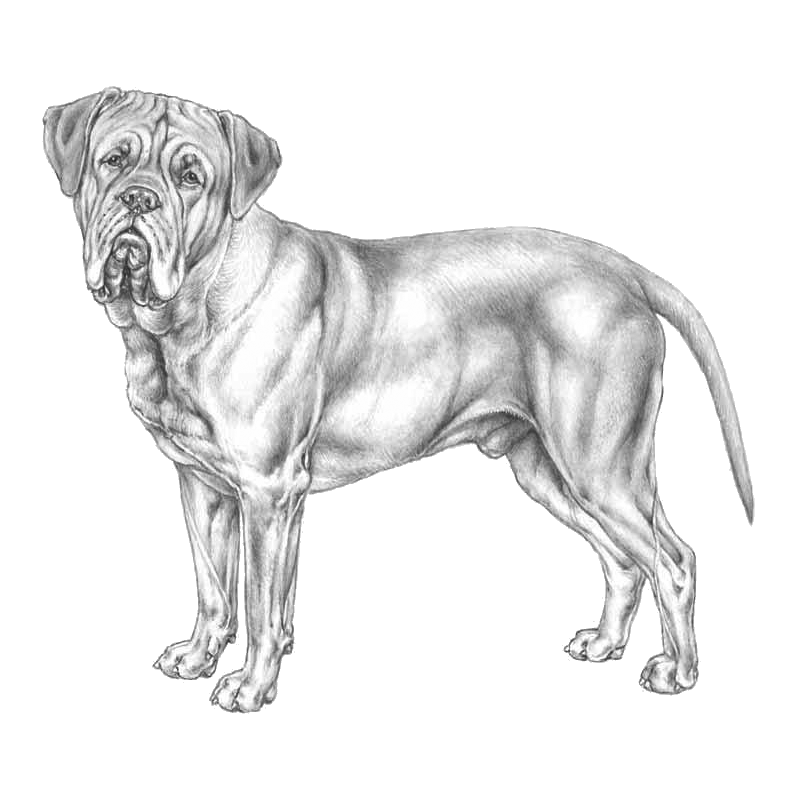
The Dogue de Bordeaux, Bordeaux Mastiff, French Mastiff or Bordeauxdog is a large French Mastiff breed—and one of the most ancient French dog breeds.
Source: Wikipedia
-
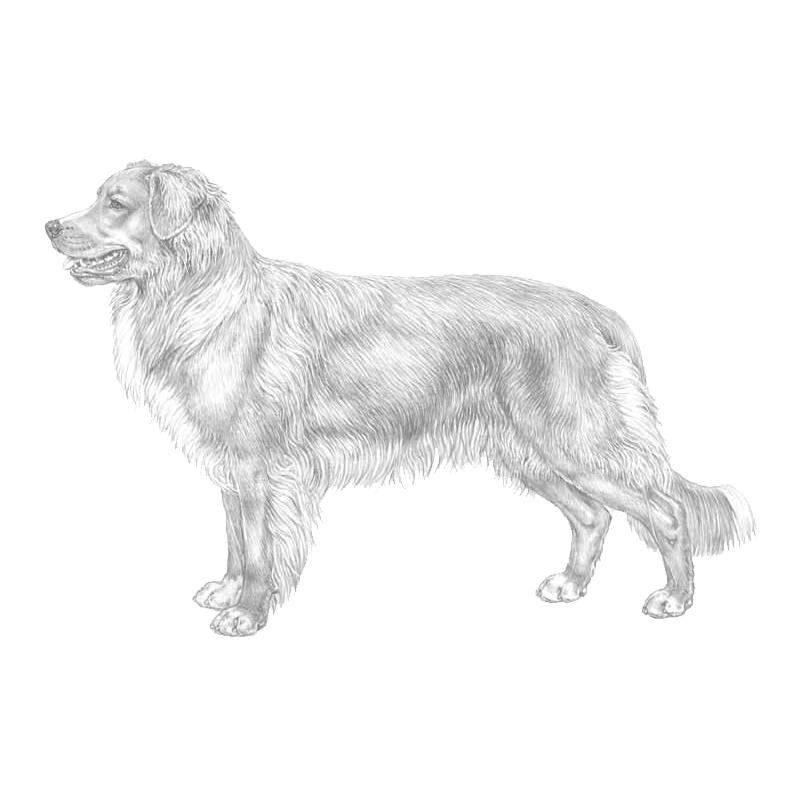 AKC: http://www.akc.org/dog-breeds/nova-scotia-duck-tolling-retriever/
The Toller is a medium-sized, powerful, compact, balanced, well-muscled dog; medium to heavy in bone, with a high degree of agility, alertness and determination. The Toller is highly intelligent, easy to train and has great endurance. A strong and able swimmer, he is a natural and tenacious retriever on land and from water setting himself for springy action the moment the slightest indication is given that retrieving is required.
Source: http://www.fci.be/en/nomenclature/NOVA-SCOTIA-DUCK-TOLLING-RETRIEVER-312.html
-
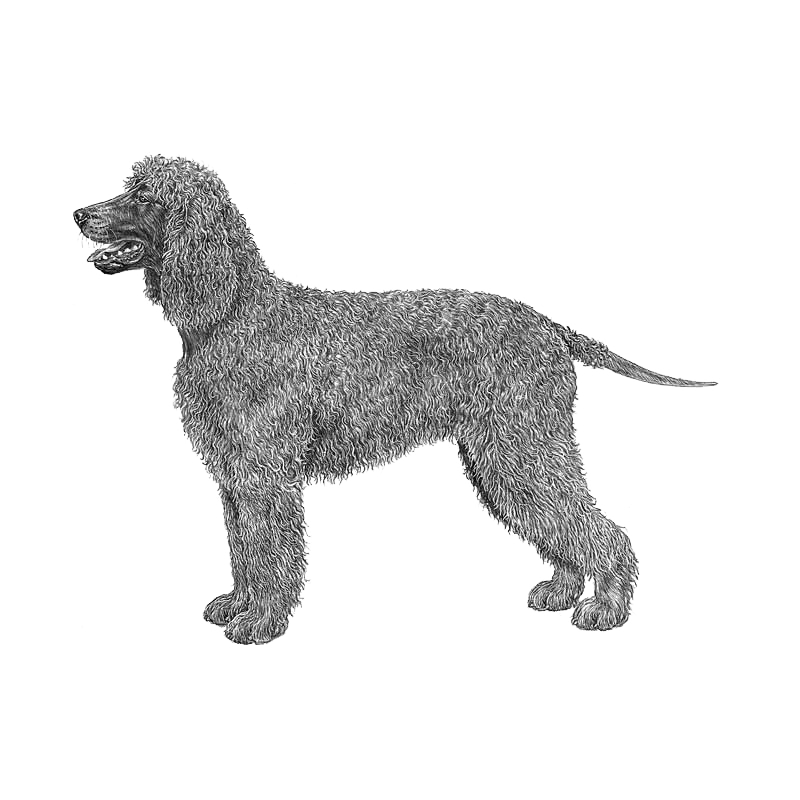
There is no real evidence of the ancestry of the Irish Water Spaniel except in its most peculiar feature-the rat tail. This feature appears in no similar dog and makes it very likely that the modern breed had an indigenous Irish ancestor. The tail has given rise to the names “ Whip Tail” and “ Rat Tail”.
(Source: Irish Kennel Club)
-
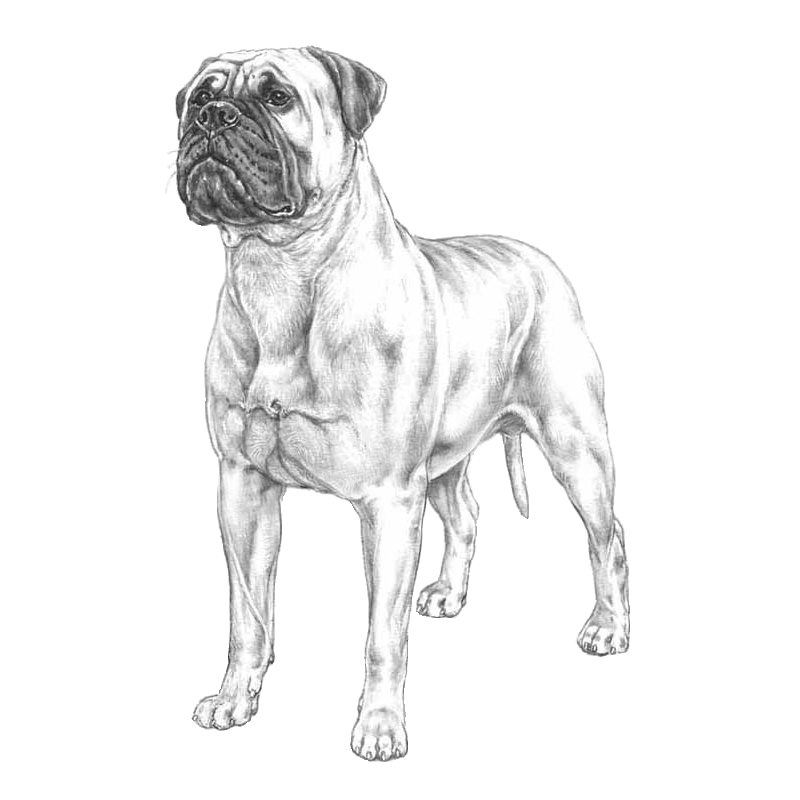
A British breed evolved from the Old English Mastiff and the Bulldog. Primarily used as a guard dog and, in olden times, to help the gamekeeper in the apprehension of poachers.
Source: The Kennel Club
-
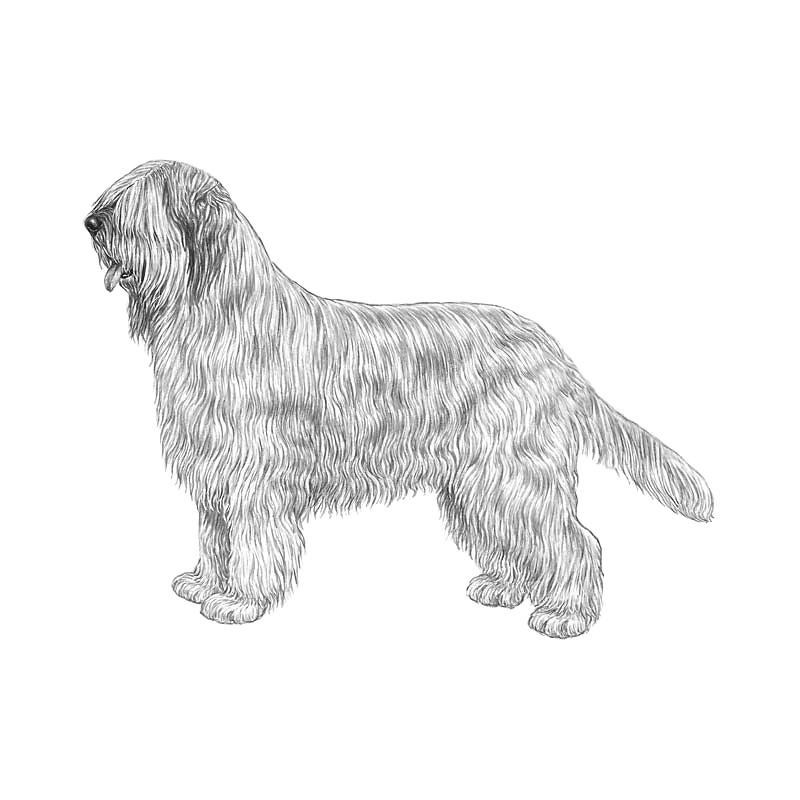
The Briard is an ancient breed of large herding dog, originally from France.
Source: Wikipedia
-
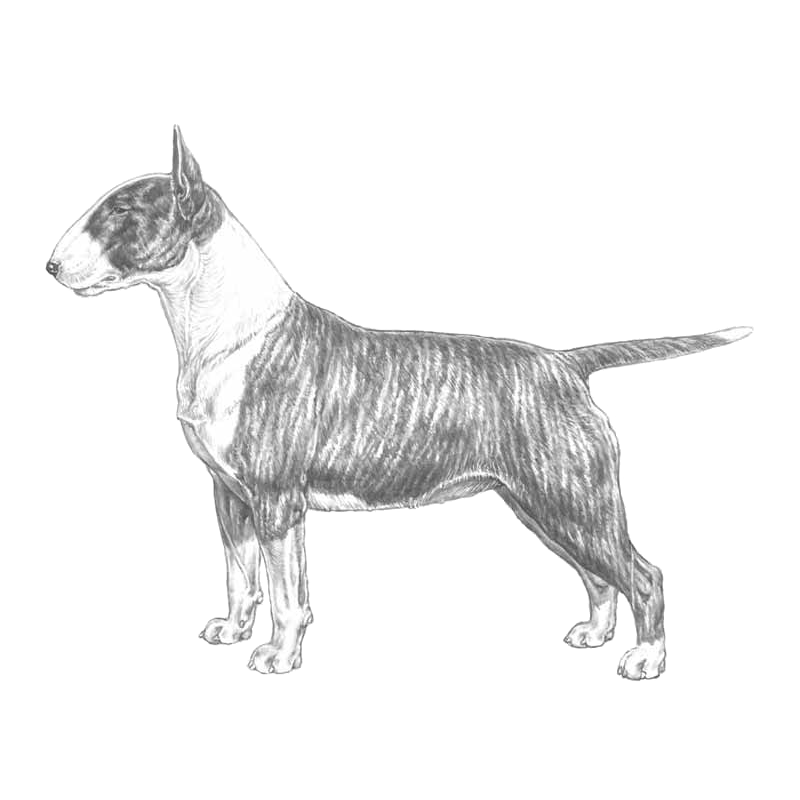
The Bull Terrier is a breed of dog in the terrier family. There is also a miniature version of this breed which is officially known as the Miniature Bull Terrier.
Source: Wikipedia