






Pedigree Breeds
184 entries in this category
-
- Last comment date
- Title
- Start Date
- Most Commented
- Most Viewed
- Last Updated
- Publish Date
- Brief Description
- Content
- Links to Breed Descriptions
- Other Names for Breed
- Country of Origin and Parent Breed Club
- Health and Well-Being
- Breed-Specific Articles
- Breed Standards
- Breed-Specific Statistics
- Breeding/Health Strategy Documents
- Breed-Specific DNA Tests
- Other Breed-Specific Webpages
- Breed-Specific Research
- Breed Clubs
- Custom
-
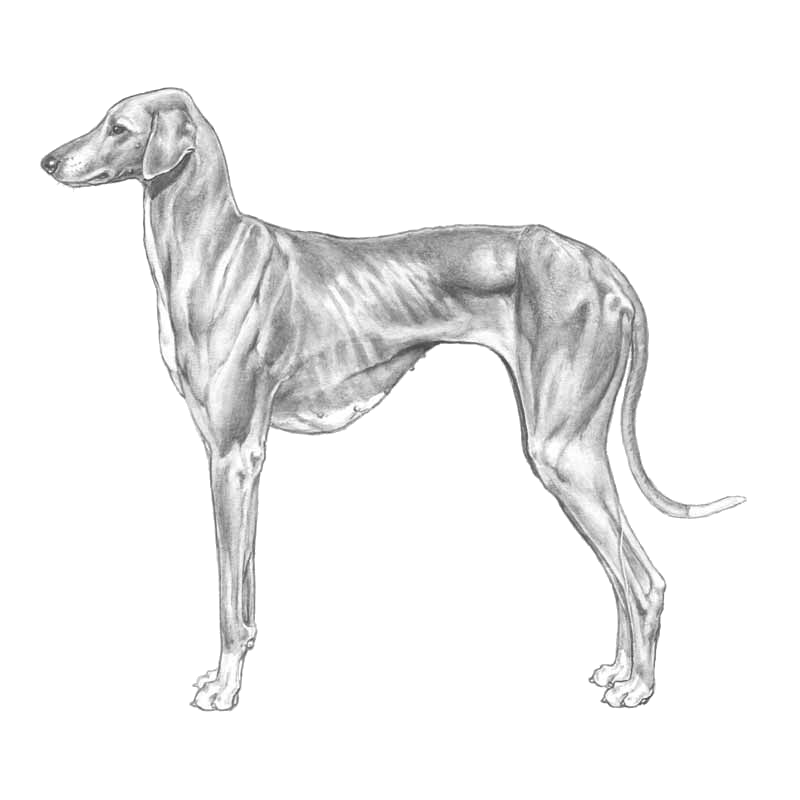
The Azawakh takes his name from the Azawakh Valley in the Niger Basin in Africa, where he lived a nomadic life with the tribes of the Sahara. As sighthounds they were used mostly on gazelle, hunting in packs, taking turns and thus exhausting their prey. They were much valued by their owners for their beauty and speed, rather like the Arabian horse. The Azawakh was also used as guardian of the camp.
Source: https://www.thekennelclub.org.uk/services/public/breed/display.aspx?id=1031Landrace
-
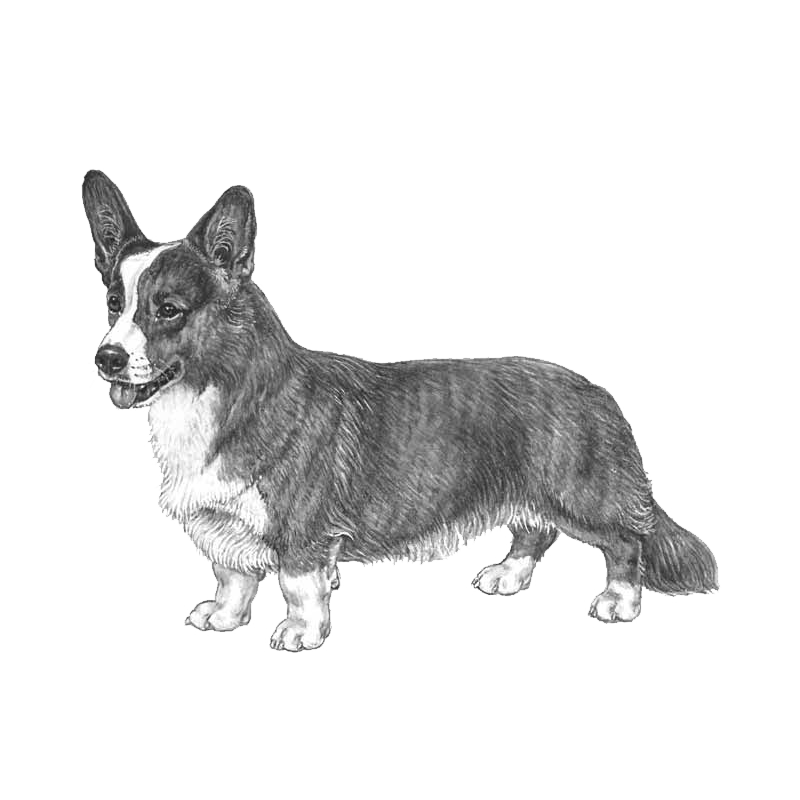
Welsh Corgis have historically been used as herding dogs, specifically for cattle. They are of the type of herding dog referred to as "heelers", meaning that they would nip at the heels of the larger animals to keep them on the move. Both Pembrokeshire and Cardigan are historically agricultural areas of Wales.
Source: https://en.wikipedia.org/wiki/Welsh_Corgi
The two Corgi breeds are named for those regions. Once interbred, the Kennel Club designated the different types as two distinct breeds in 1934. The Cardigan Welsh Corgi breed is listed by the Kennel Club in the current vulnerable breeds list. The breed is ranked by AKC at #68 of 195.
Source: https://www.thekennelclub.org.uk/search/breeds-a-to-z/breeds/pastoral/welsh-corgi-cardigan/
Also see: Pembroke Welsh Corgi https://dogwellnet.com/breeds/pedigreed/pembroke-welsh-corgi-r221/
-
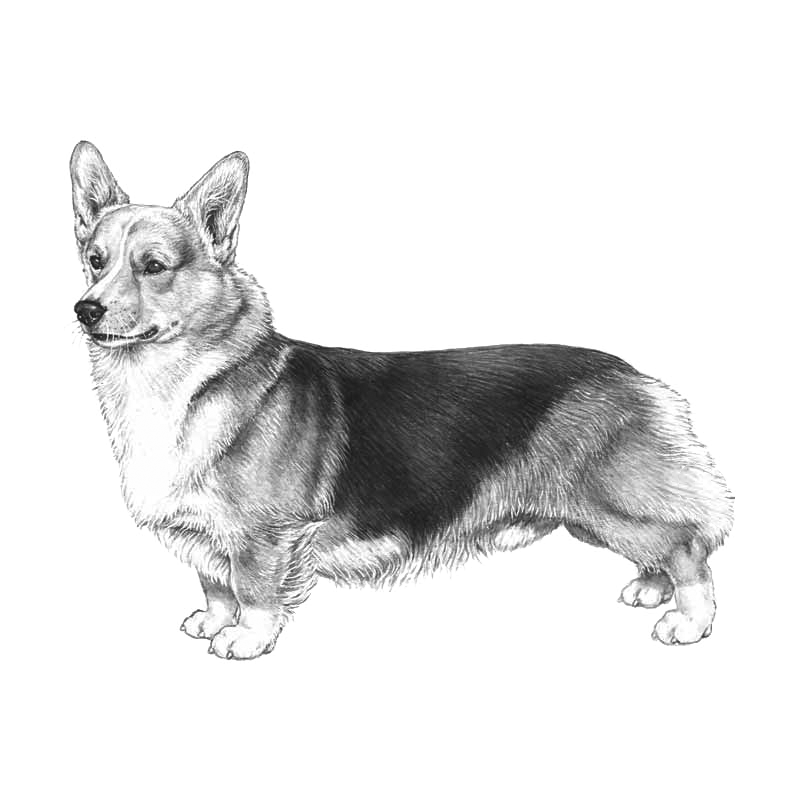
Welsh Corgis have historically been used as herding dogs, specifically for cattle. They are of the type of herding dog referred to as "heelers", meaning that they would nip at the heels of the larger animals to keep them on the move. Both Pembrokeshire and Cardigan are historically agricultural areas of Wales.
Source: https://en.wikipedia.org/wiki/Welsh_Corgi
The two Corgi breeds are named for those regions. Once interbred, the Kennel Club designated the different types as two distinct breeds in 1934. Slightly smaller than the Cardigan, not quite as long in body and with a smaller ear and straighter front legs, the Pembroke was traditionally docked, but that differentiation no longer exists since the docking ban. However some breeders have worked hard to produce natural bobtails. The Pembroke has always been the more popular breed, perhaps helped by the Royal patronage it has received since the reign of King George VI and carried on by our present monarch Queen Elizabeth II.
Source: https://www.thekennelclub.org.uk/search/breeds-a-to-z/breeds/pastoral/welsh-corgi-pembroke/
Also see: Cardigan Welsh Corgi https://dogwellnet.com/breeds/pedigreed/cardigan-welsh-corgi-r220/
-
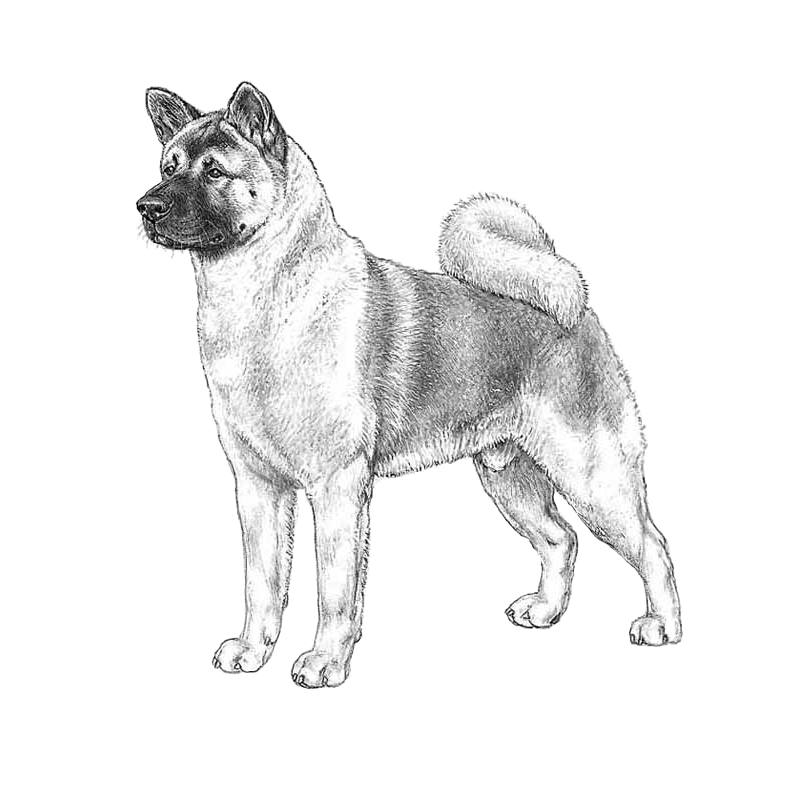
The American Akita is a large, powerful working dog. The dogs are very intelligent, extremely loyal, and can sometimes show an "aggressive" streak, almost exclusively towards dogs of the same sex. American Akitas are not aggressive towards people, but have a highly developed guard and protection instinct. American Akitas also have a strong hunting instinct and may regard small animals as prey to be hunted. Some do not show signs of affection towards people who are not members of their family or people they see regularly.
The American Akita is not hyperactive and adapts to a sedentary life, but it is important for his health that he exercises regularly.
Source: http://www.club-aacf.fr/description.html
-
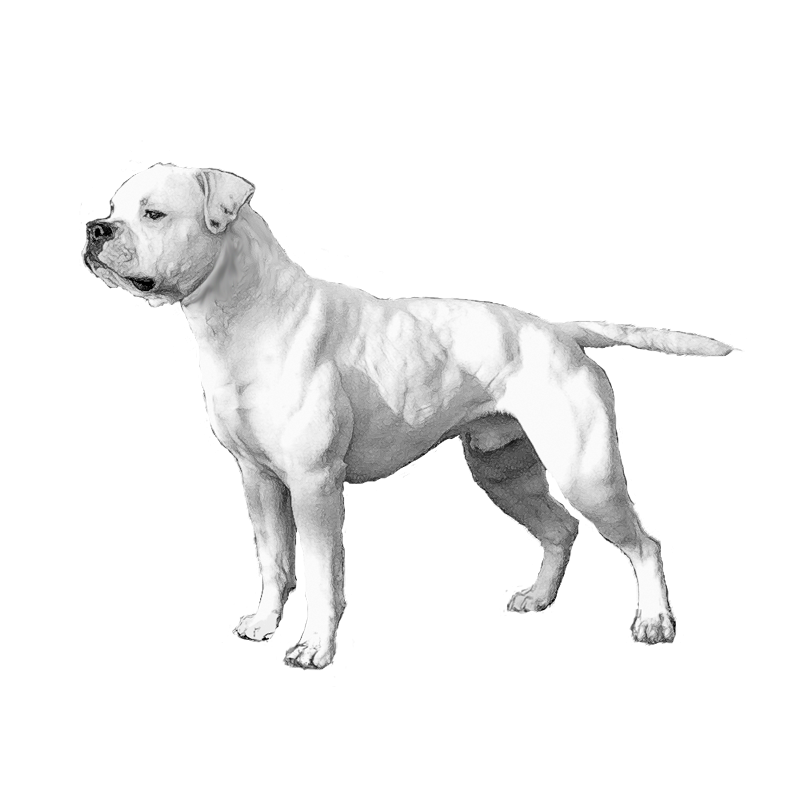
The American Bulldog is a powerful, athletic short-coated dog, strongly muscled, and well boned. The body is just slightly longer than tall. The head is large and broad, with a wide muzzle. Ears are small to medium in size, high set, and may be drop, semi-prick, rose, or cropped. The tail may be docked or natural.
The two men who are recognized as the pioneers of bringing the breed back from possible extinction are John D. Johnson and Alan Scott.
Source: https://www.ukcdogs.com/american-bulldog
Source: https://www.akc.org/dog-breeds/american-bulldog/
-
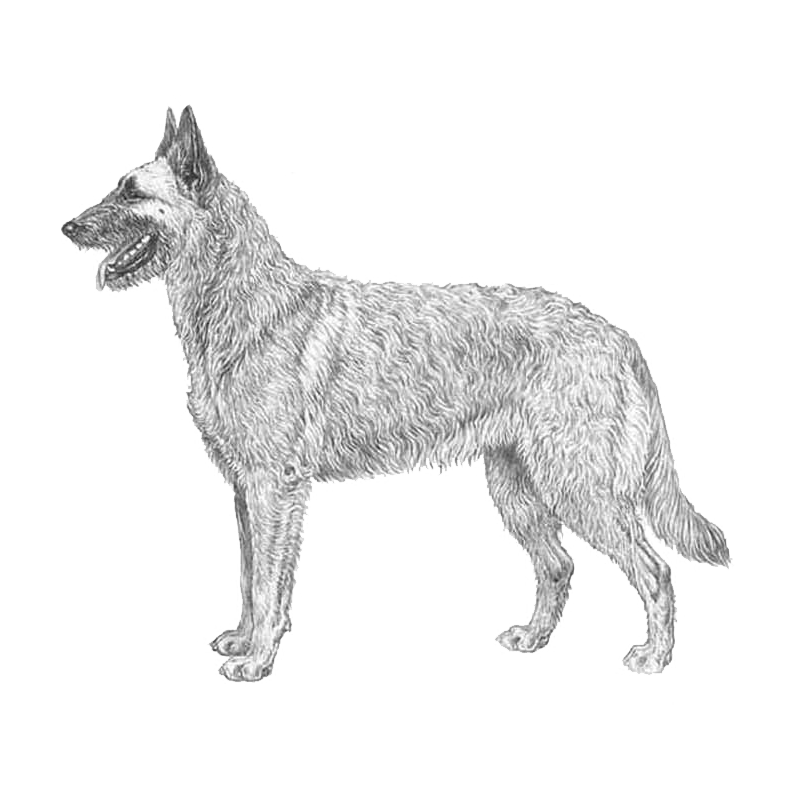
Pronounced lak-in-wah, it is named for the town of Laeken where it originated and is the rarest of the four Belgian herding breeds, which in their home country is considered a single breed.
NOTE: The Federation Cynologique Internationale (FCI) describes the Malinois, together with the Groenendael, the Laekenois, and the Tervueren, as varieties of the Belgian Shepherd dog breed. The American Kennel Club, however, officially recognizes the Belgian Malinois, the Belgian Sheepdog (FCI: Groenendael), the Belgian Laekenois (FCI: Laekenois), and the Belgian Tervuren (FCI: Tervueren) as four distinct breeds.
-
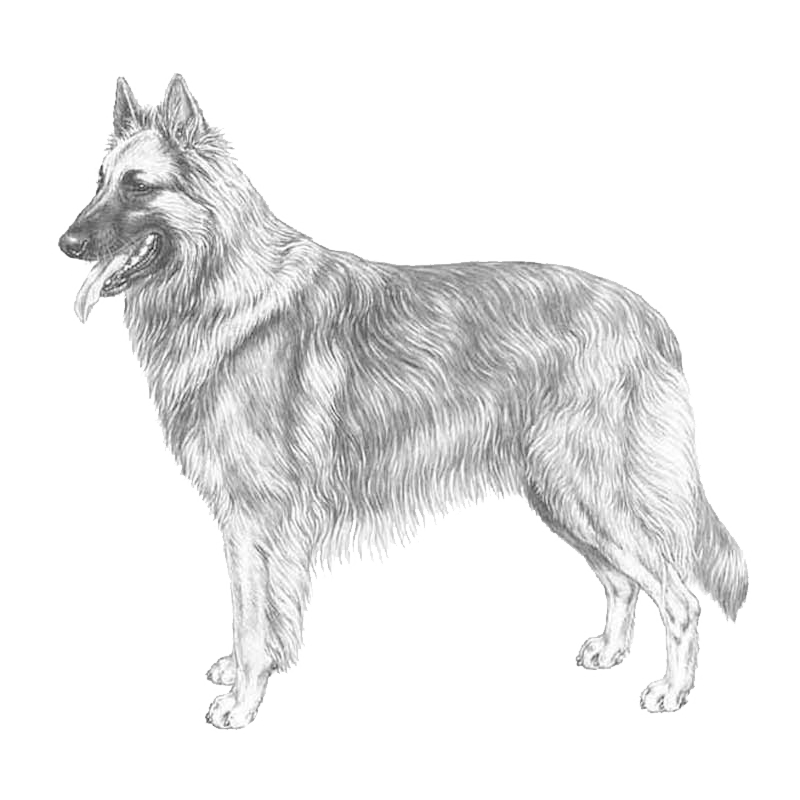
Originally the dogs were utilized on farms as herders and guardians; today’s Tervs are employed as military and police K-9s, as search-and-rescue, and as service dogs for the disabled as well as working companion that excel competing in a variety of dog sports.
NOTE: The Federation Cynologique Internationale (FCI) describes the Malinois, together with the Groenendael, the Laekenois, and the Tervueren, as varieties of the Belgian Shepherd dog breed. The American Kennel Club, however, officially recognizes the Belgian Malinois, the Belgian Sheepdog (FCI: Groenendael), the Belgian Laekenois (FCI: Laekenois), and the Belgian Tervuren (FCI: Tervueren) as four distinct breeds.
Source: https://www.ncbi.nlm.nih.gov/pmc/articles/PMC7140874/
-
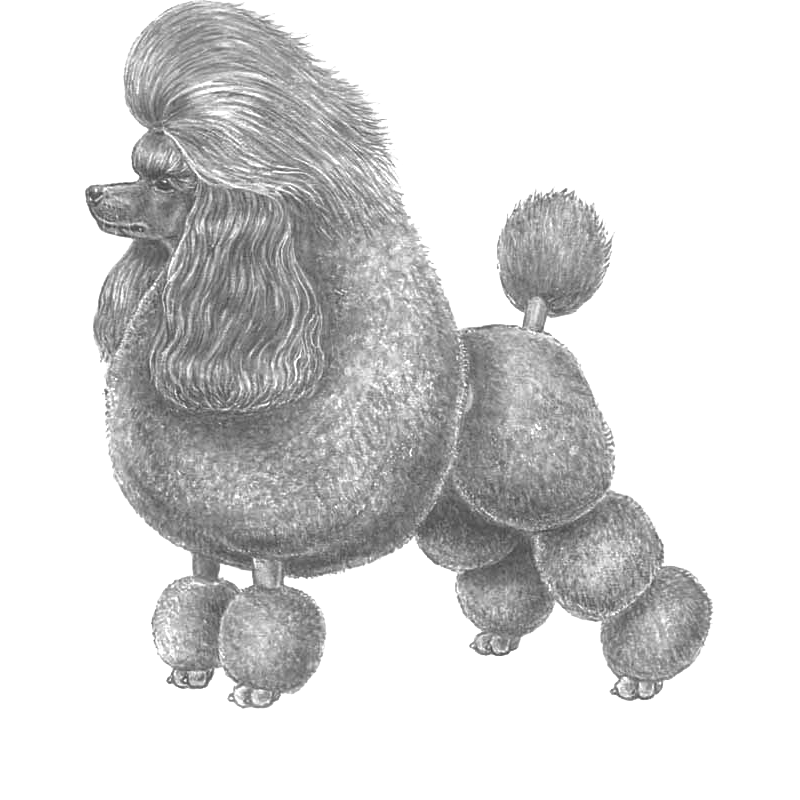
Originally the medium poodle was bred to be a hunting dog, specializing in retrieving birds from water. Today's dogs are versatile companions that compete in different dog sports/performance events. Poodles are well known competitors in the conformation show rings. The medium poodle is recognized by F.C.I. in European countries along with the other poodle sizes; variety data is from same resources. Size for the medium poodle is listed in the F.C.I. breed standard as between 35-45 cm. The AKC and UK Kennel Club do not recognize the medium poodle.
-
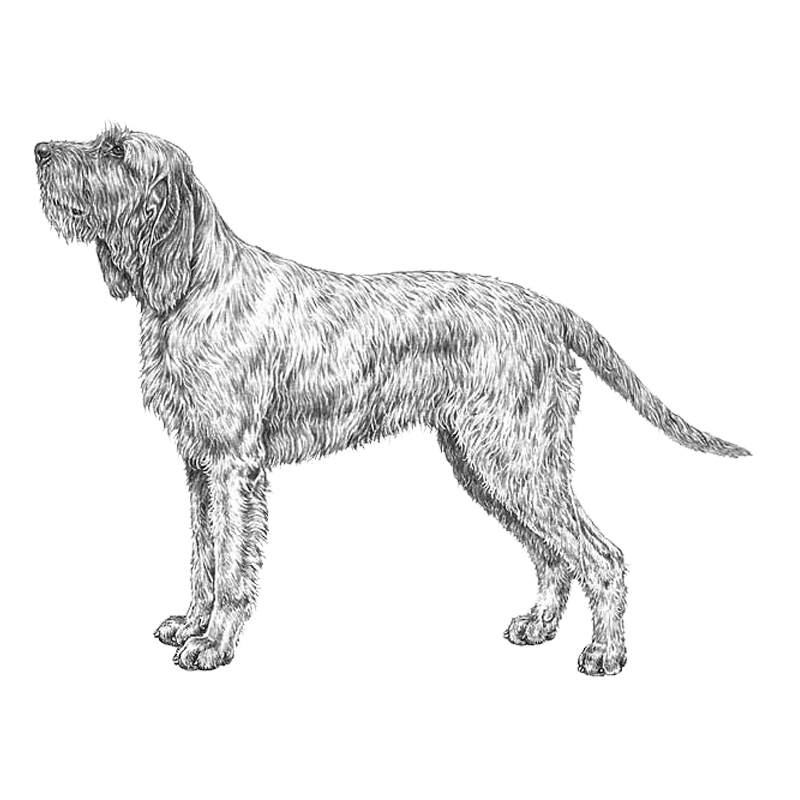
The Spinone Italiano is a "dog of solid construction, robust and vigorous with powerful bone, well-developed muscles and with a rough coat." "Naturally sociable, docile and patient, the Spinone is an experienced hunter in all terrains; very resistant to tiredness, goes easily into thorny underwood, or throws himself into cold water. He has remarkable dispositions for an extended and fast trot; by nature he is an excellent retriever."
Source: FCI Breed Standard (English)