







Infographic - Quick Facts on Degenerative Myelopathy and Genetic Testing

By Ann Milligan in Research Blog
· Viewed: 6,750 times
In general: Despite the devastating nature of this condition, it is rarely or infrequently diagnosed in all breeds; and the sod1 test is not – on its own – predictive of DM in any breed. Most occurrences of dogs presenting with typical signs have other degenerative conditions, not DM.
Breeders: Sod1 testing should not form the basis of breed-wide strategies. Eliminating dogs from breeding based on the sod tests is detrimental to breed diversity and will not achieve desired results, even in German Shepherd Dogs or Boxers, Bernese Mountain Dogs (sod1 and 2), Corgis, Rhodesian Ridgebacks, Borzois, or Chesapeake Bay Retrievers. Prioritizing testing for this condition will also take away emphasis from other more common and severe conditions. The sod1 gene is incompletely penetrant, meaning that sod1 is only one factor in the polygenic DM disease, not large enough to cause the disease by itself. This complex disease cannot be controlled on the basis of this test at a breed level. Limited potential uses of the sod1 test are listed below.
|
For a dog with clinical signs of DM - dogs with relatives confirmed* to have DM |
|
|
For Breeds where use of the sod1 (or sod2) test has been promoted... |
The facts suggest that this test is not accurate enough to label dogs as at risk and certainly not for use in breed-wide strategies. In fact, the test has sometimes been promoted in breeds where there have never been confirmed cases and where there are more significant diseases and issues to be considered in healthy breeding. |
|
For ALL BREEDS – sod1/2 testing should NOT be used as a breed-wide strategy. Please focus on common problems in your breed – the test will not work as you hope and will cause unintended consequences for breed health.
Elimination of animals from breeding based on sod1 (and sod2) testing may seriously damage any breed.
✧ OTHER IMPORTANT Breed-specific issues ✧ Prioritizing testing for Degenerative Myelopathy can take away emphasis from other more common and severe conditions. Tests and conditions that should be considered in breeding decisions and for owners choosing a breeder or a dog. |
|
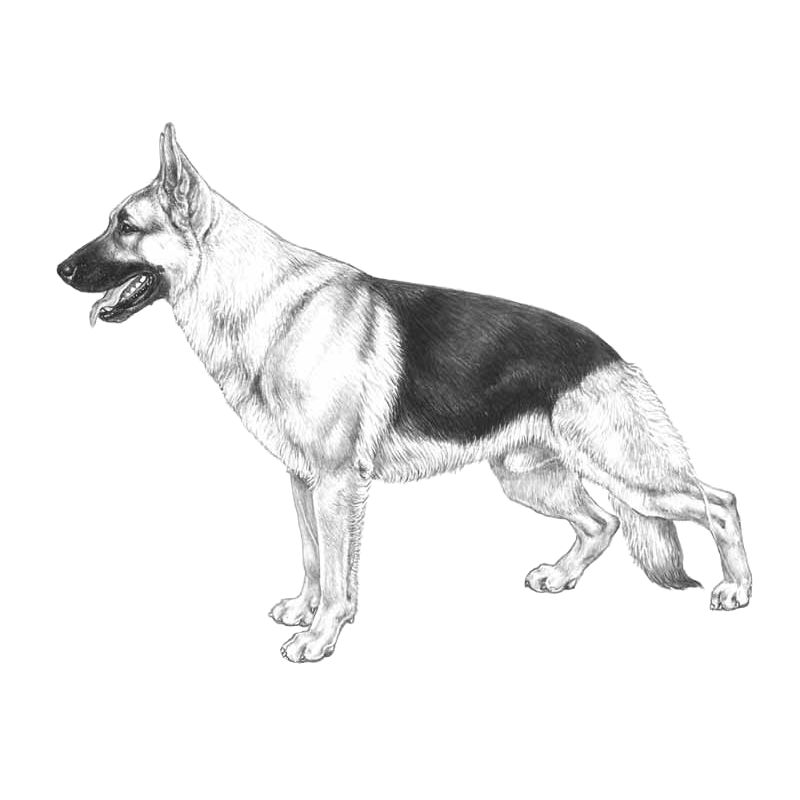
German |
Orthopedic evaluations (hips, elbows, spine), eye exams and temperament evaluation recommended by multiple health strategy providers. Risk for exaggerated characteristics: over-angulation, cow-hocked hindquarters with instability in hocks, arched top line cut away in loin and croup. |
|
|
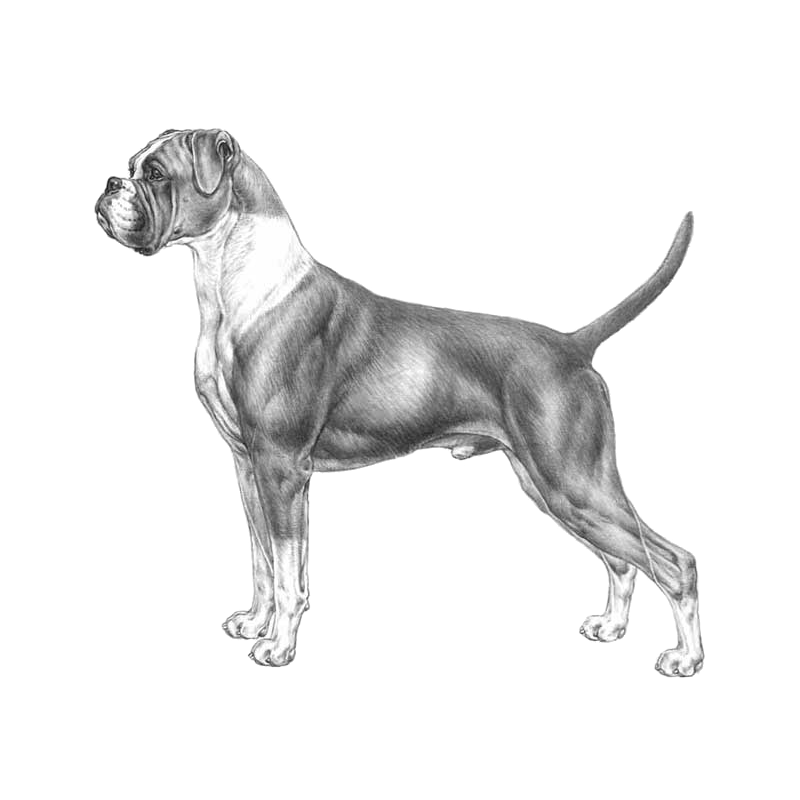
Boxer |
Orthopedic evaluations (hips, elbows, spine), heart evaluation and thyroid testing recommended by multiple health strategy providers. Risk for irritated skin and breathing problems. Length of nose bridge in relation to skull should be (at least) 1:2; nostrils should be open.
|
|
|
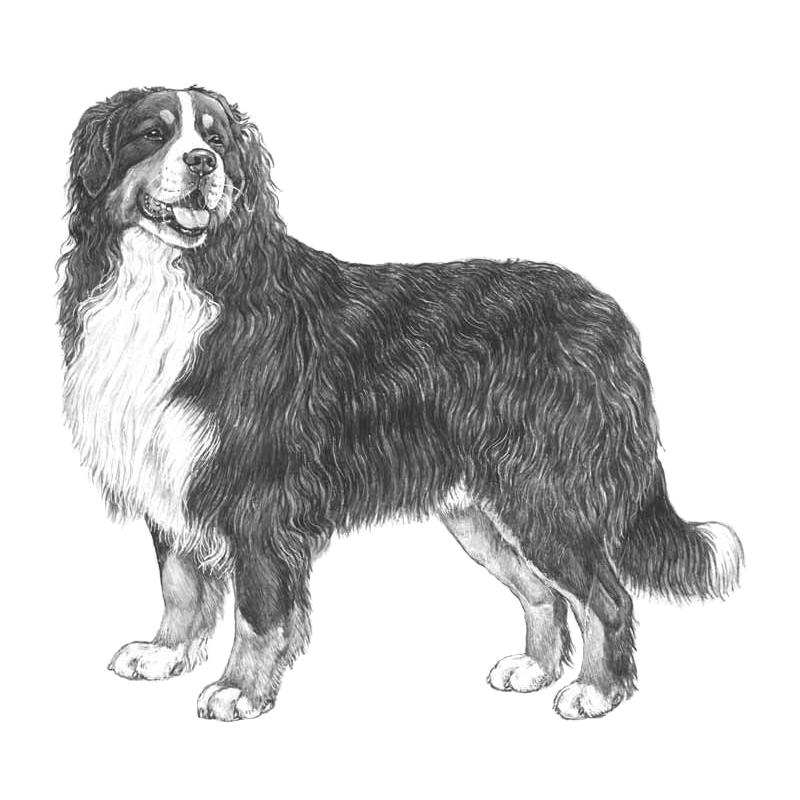
Bernese Mountain |
Orthopedic evaluations (hip, elbows) and eye exams recommended by multiple health strategy providers. Recognized health conditions that impact length and quality of life include: a high cancer rate, digestive issues (IBD, PLE, Bloat and food allergies/mal-absorption disorders) as well as reproductive issues. |
|
|
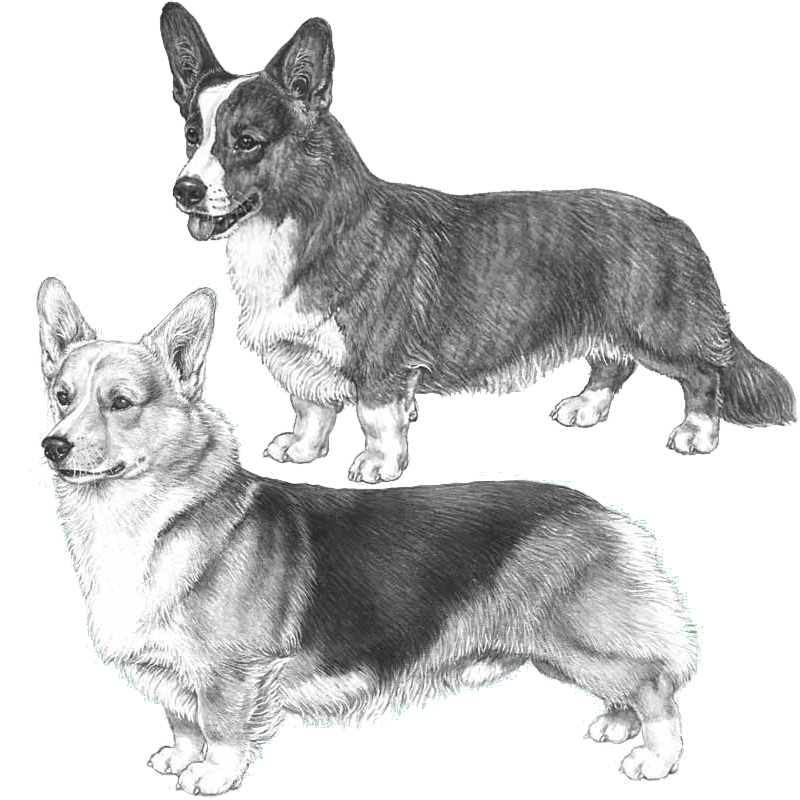
Corgis |
Orthopedic evaluations (hips, elbows, spine, patella), eye exams, behaviour and temperament evaluations recognized or recommended by multiple health strategy providers. Digestive issues recognized. |
|
|
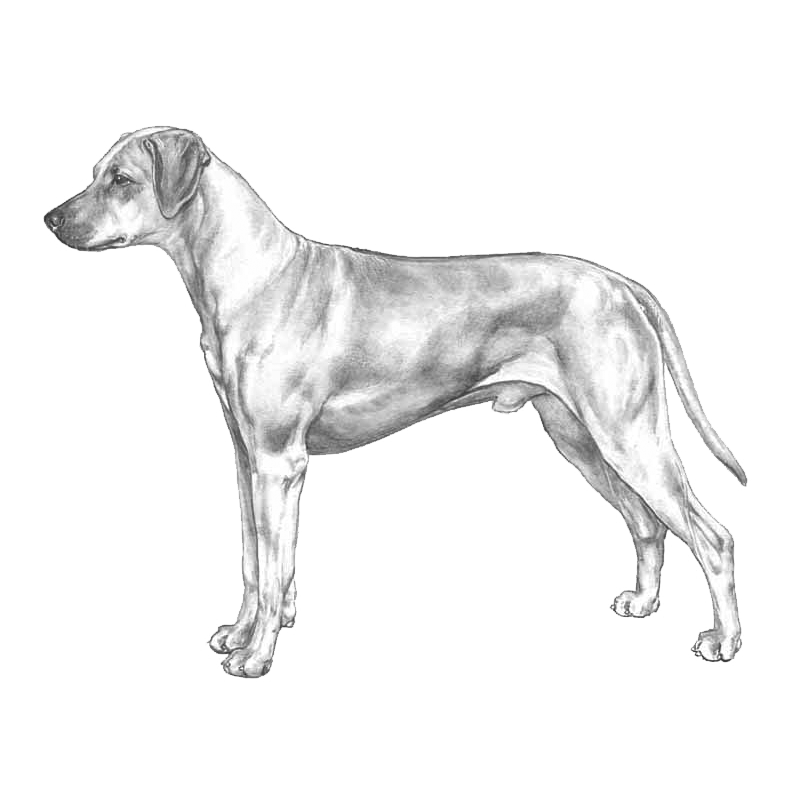
Rhodesian Ridgeback |
Testing for Juvenile Myoclonic Epilepsy (JME) and eye disease recommended by multiple health strategy providers. Character and temperament evaluations are conducted. Rhodesian dogs are affected by immunological diseases, of which allergies, atopy, hypothyroidism, and tumors are the most common. |
|
|
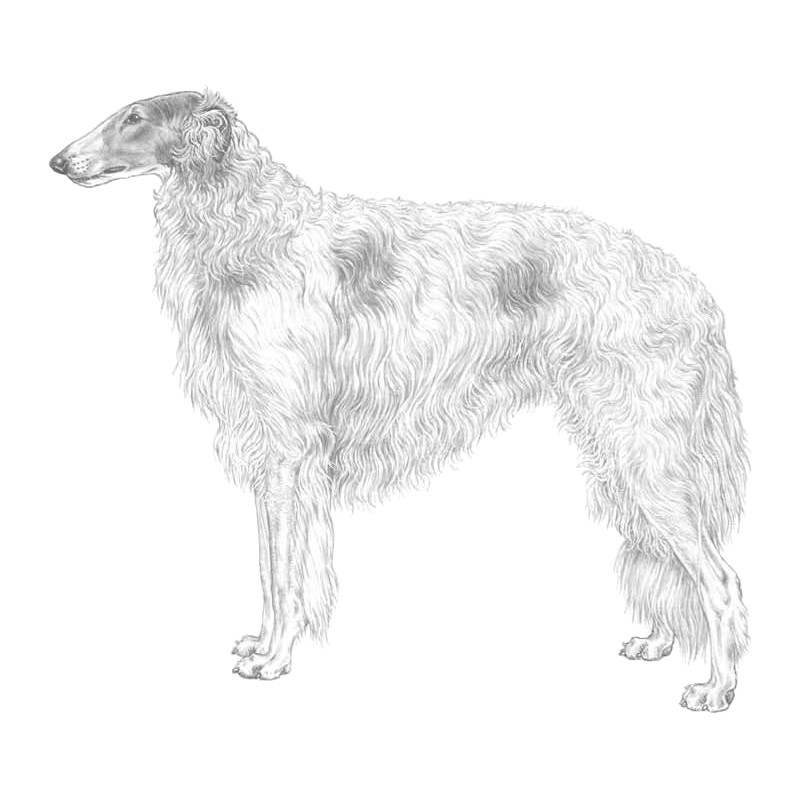
Borzoi |
Heart evaluation and thyroid testing are recommended by multiple health strategy providers. |
|
|
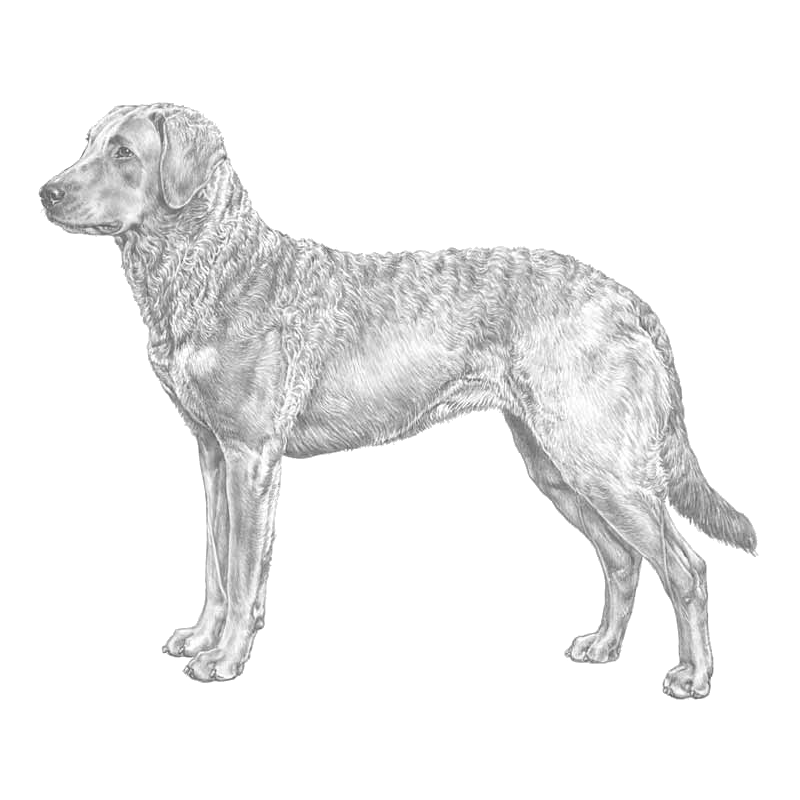
Chesapeake Bay Retriever |
Orthopedic evaluations (hips, elbows), eye exams and thyroid testing are recommended by multiple health strategy providers. |
|
|
No breeds should consider using a breed-wide breeding strategy for DM based on sod1 (or sod2) testing. Possible use within family lines or to rule out DM in certain individual cases might be helpful.
This article is available as a PDF. Degenerative Myelopathy and Genetic Testing Infographic - IPFD.pdf
|
_________
Related resources
See Article: DEGENERATIVE MYELOPATHY-DIAGNOSIS AND INHERITANCE - Dr. Jerold Bell
Also see DogWellnet Blogs:
Correcting the confusion around degenerative myelopathy - Dr. Brenda Bonnett
HGTD this week - BRR Updates on sod-1-Testing for Degenerative myleopathy-DM
Recommended Comments