






All Roads Lead to Dog Health...and They've Converged in Bologna

By Marc Ralsky in General
· Viewed: 3,138 times
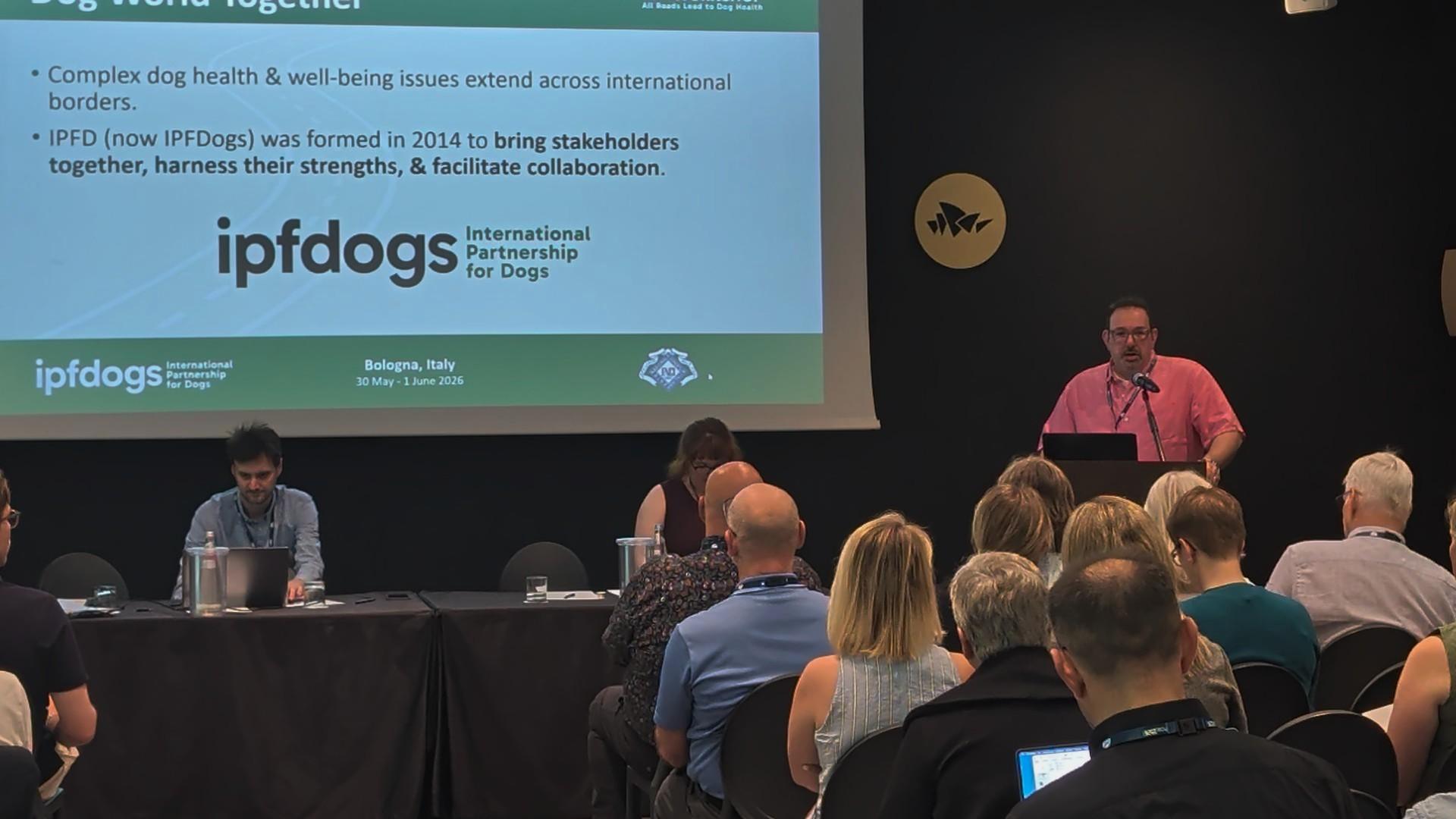
The 6th International Dog Health Workshop (and the second IDHW I've been part of) is underway, and it is quickly becoming another monumental learning journey. The first morning brought us….
Workshops are not conferences. They are not conventions. And they are certainly not just a lineup of presentations.
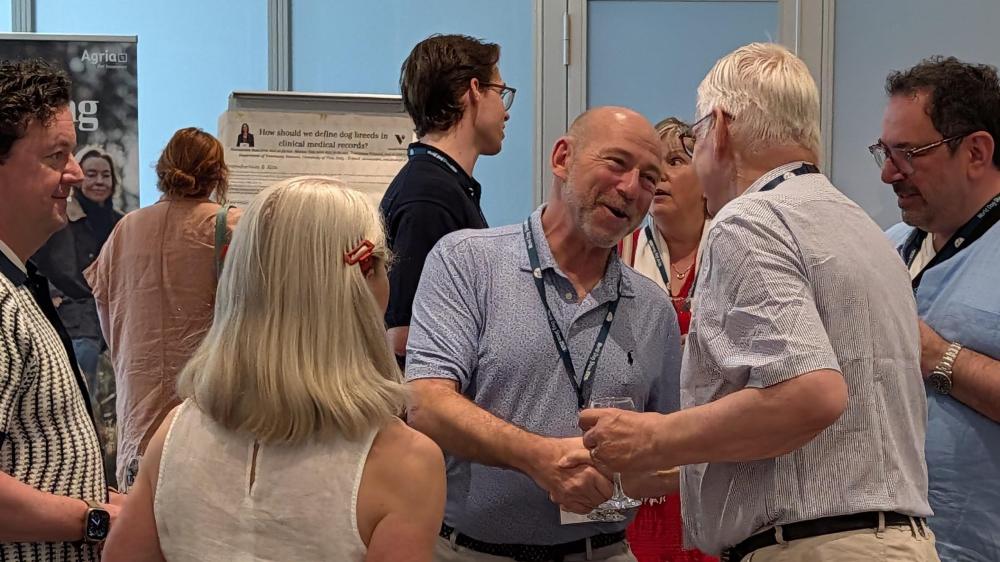 At their best, workshops create space for real collaboration, honest discussion and shared problem solving. They allow people to challenge the norm, open new doors of communication and lean into conversations that may be difficult, awkward or uncomfortable, but are necessary if we want to move forward.
This week, we have a room filled with more than 70 experts, all focused on dog health, welfare and well being, and the people who love, breed, care for and live with dogs.
The discussions have already been wide ranging and thought provoking. We have explored issues around extreme conformation, responsible breeding, canine health, welfare, education and the role different organizations can play in building better outcomes for dogs.
One of the important presentations came from our Chair, Pekka Olson, who spoke about the alarming rise in the cost of veterinary care for dogs. It is an issue being felt by dog owners, breeders, veterinarians, welfare organizations, and insurers around the world.
The conversation looked at where these rising costs may have come from, how they are showing up today, and what can be done to help protect access to care in the future. It also raised a difficult but necessary question: has the increasing corporate ownership of veterinary practices changed the way care is delivered, priced or accessed?
There are no simple answers. Veterinary medicine has advanced dramatically, and many of the treatments now available to our dogs would have been unimaginable a generation ago. At the same time, the cost of care can place real pressure on families and may affect the choices people are able to make for their dogs.
This is exactly the kind of issue that belongs in a workshop like this. It requires open discussion, shared data, international comparison and a willingness to look honestly at what is happening in different countries. It also asks us to think about how breeders, veterinarians, insurers, kennel clubs, welfare organizations, and dog owners can work together so that quality care remains both excellent and accessible.
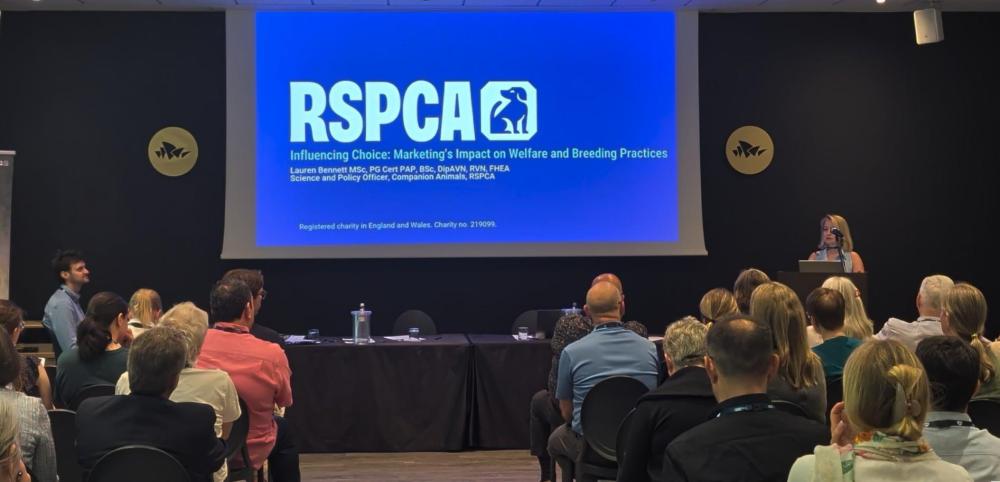 Another meaningful conversation came from the Lauren Bennett of the RSPCA, who spoke about a shift in approach toward working with good breeders, rather than placing all breeders into one broad category.
That is significant.
For too long, responsible purebred dog breeders have often carried the weight of criticism aimed at all dog breeding. Yet good breeders are among the most identifiable, accountable and engaged people in the dog world. They are the ones investing in health testing, education, mentorship, transparency and lifelong responsibility for the dogs they bring into the world.
To hear a major welfare organization speak about recognizing and working with good breeders feels like an important and potentially profound shift. It is a conversation that deserves to be watched closely over the next five years, not only in the United Kingdom, but in other countries where similar divides exist.
I applaud the RSPCA for taking this step forward in the best interests of dogs.
This is exactly why IPFDogs exists.
The International Partnership for Dogs was created because many organizations around the world were working on similar issues, often in isolation. Good work was happening, but it was not always connected. Knowledge was being built, but not always shared. Some groups had the desire to do more, but not always the capacity or access to the tools, research or examples they needed.
IPFDogs exists to help carry some of that load. We serve as a clearing house, a connector and a place where information, ideas and people can come together, both in person and virtually.
Because dogs are a universal language, much like music.
They connect us. They build bridges. They make people smile. And they inspire us to do more, be better and work together, even when the conversations are challenging.
Thank you to everyone who has brought their expertise, openness and commitment to this workshop.
And a very special thank you to our sponsors, Agria and Royal Canin, whose support helped make this event possible.
More to come...
Recommended Comments