





IDHW Reflections, Part Three

By Marc Ralsky in General
· Viewed: 723 times
Previous Entry: Marc’s 6th IDHW Reflections, Part Two
Better Puppy Choices Begin Long Before a Puppy Is Purchased
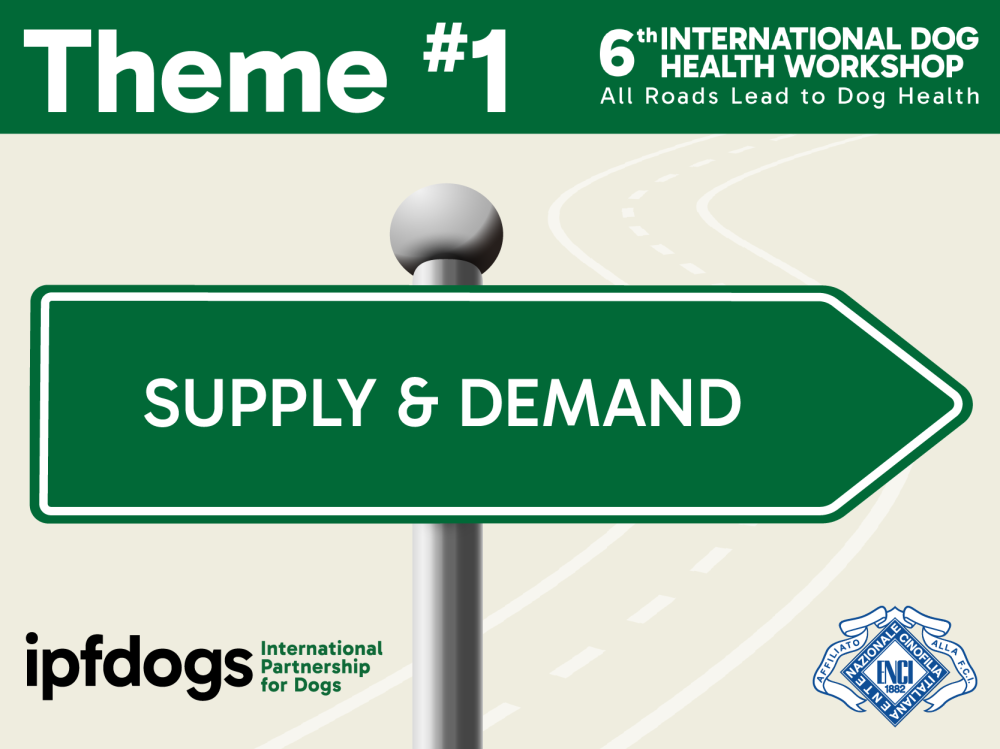 One of the hardest conversations at the International Dog Health Workshop in Bologna was also one of the most important.
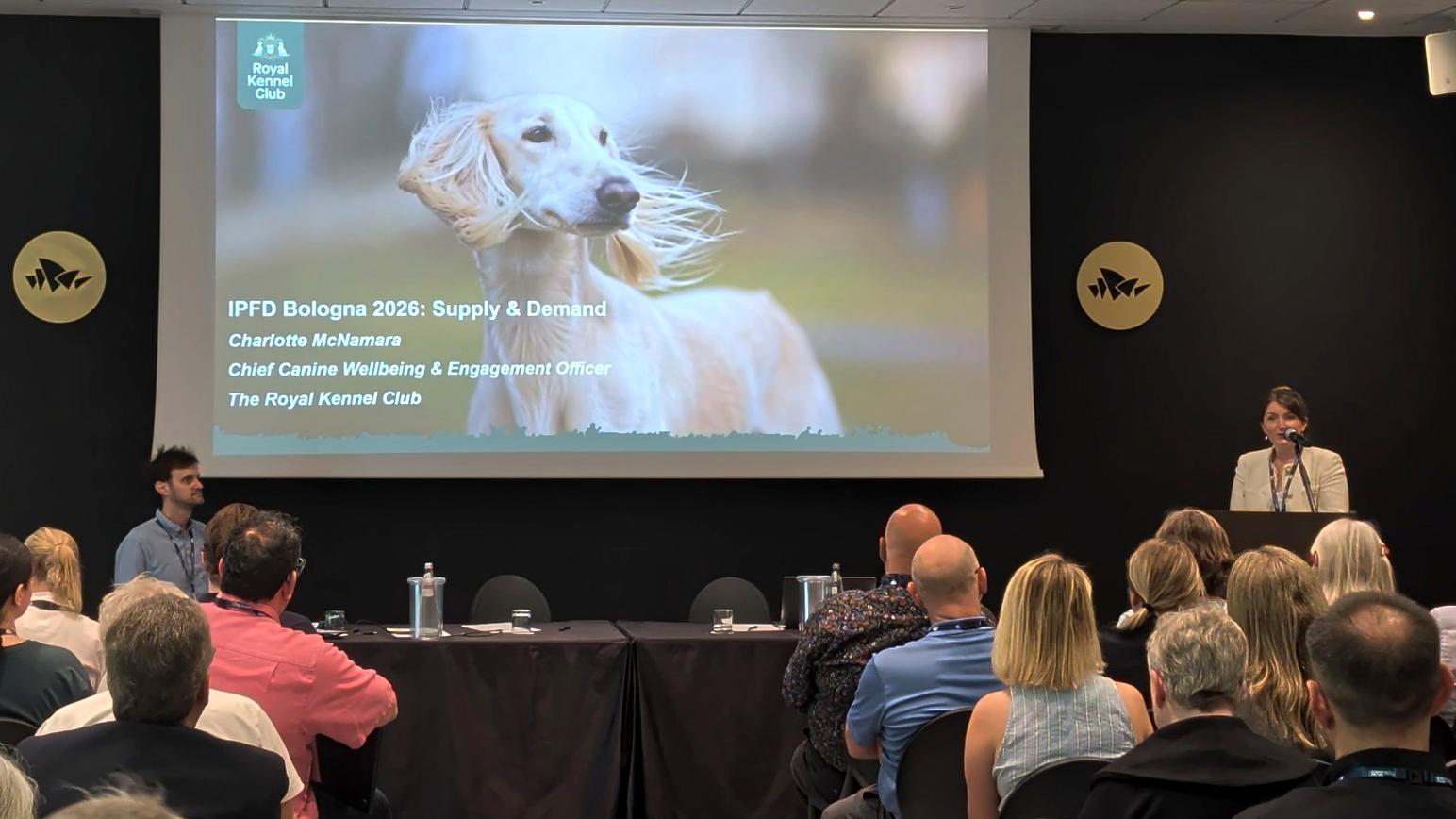
How do we influence the supply and demand for puppies?
It is a BIG question.
We know there are responsible breeders doing excellent work around the world. They health test. They plan carefully. They raise puppies thoughtfully. They support the families who buy from them for the lifetime of the dog.
We also know that there are many dogs being bred and sold with little concern for health, welfare, temperament, or the future of the puppy once money changes hands.
The difficult truth is that addressing responsible supply will never be enough on its own.
We also have to influence demand.
If puppy buyers continue to choose dogs based on convenience, social media trends, appearance, or immediate availability, then poor breeding practices will continue to find a market.
That was one of the clearest messages from Bologna.
The people we need to reach are not necessarily in the rooms where we gather. They are not reading long, often scientifically complex reports. They are not studying breed health strategies. They are often making decisions quickly, emotionally, and with very little reliable information.
They may have seen a dog online. They may have fallen in love with a photo. They may want a puppy now.
And when that happens, a 50-page document about responsible breeding is not going to change their decision.
We have to get better at speaking with people in the way they receive information.
That means shorter messages. Clearer messages. Better stories. More practical tools. More focus on what a good puppy buying journey should look like.
It also means teaching people to read real-world signals.
The term ‘red flag’ is used all the time. But what does it mean to a first-time puppy buyer? What should make them stop, ask more questions, or walk away?
We need to make that easier.
What should a responsible breeder look like? What questions should a buyer ask? Why should they meet the mother? Why should they visit more than once? What should they expect to know about health, temperament, and the puppy’s early life?
These things matter.
But another conversation in Bologna pushed us even further…
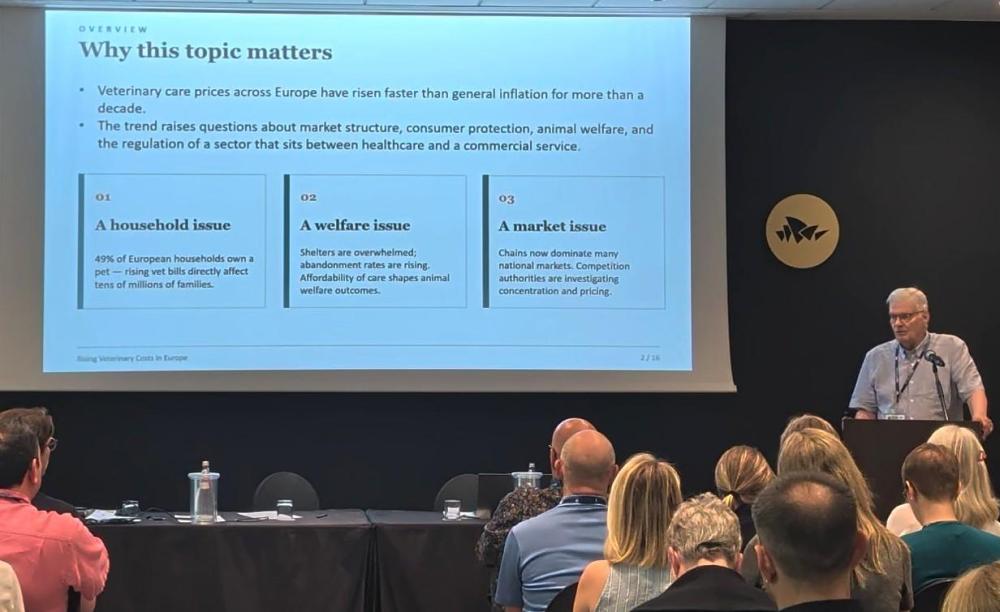 For many people, concern about welfare may not be enough to change behaviour. It should be. But it may not be.
The cost of owning a dog may be a stronger motivator.
What will this dog cost to insure? What might veterinary care cost over a lifetime? What does it mean if a family purchases a dog that may be at higher risk for serious health problems?
These are difficult questions. Nobody wants to reduce a dog to a financial calculation. But we also cannot ignore the reality that veterinary costs, treatment options, and long-term care affect families and affect dogs.
Helping people understand the real cost of ownership may be one of the most practical ways to help them make better decisions before a puppy comes home.
This is where data becomes important.
Not data for the sake of data. Not complicated systems that only experts can understand.
Data that helps us see what is happening, earlier.
At the workshop, the Global Canine Data Alliance discussion focused on the enormous amount of information that already exists across kennel clubs, veterinary databases, insurance systems, researchers, genetic laboratories, and breed organizations.
The challenge is that much of it is fragmented.
Different countries record information differently. The same dog may have multiple identifiers. Health conditions may be described in different ways. Valuable information exists, but it is not always connected or easy to use.
 The work of the Global Canine Data Alliance project is not about creating one enormous database overnight. It is about helping the people and organizations who already hold information find ways to connect, collaborate and learn from it.
Imagine being able to see changes in health trends earlier. Imagine identifying rising demand for a breed before irresponsible suppliers rush in to fill it. Imagine helping breed clubs and kennel clubs make decisions based on better information, rather than looking back years later and wondering what happened.
That is the potential.
It will take time. It will take trust. It will take human and financial resources. It will take careful governance and respect for the people and organizations who compile and hold the information.
But it is worth doing.
Because better puppy choices do not begin when a family walks into a breeder’s home or clicks on an online listing.
They begin much earlier.
They begin with what people see. What they hear. What they understand. What they value. And whether we have given them the information they need to make a better choice.
The 6th IDHW theme was, ‘All Roads Lead to Dog Health’. The roads ahead are not easy. But Bologna reminded us that we have people around the world who are willing to take this journey together.
Thank you to Agria, Royal Canin, and ENCI for helping make these conversations possible, and to everyone who continues to help educate prospective and current dog owners and build a better future for the dogs we all love.
Recommended Comments