






Pedigree Breeds
184 entries in this category
-
- Last comment date
- Title
- Start Date
- Most Commented
- Most Viewed
- Last Updated
- Publish Date
- Brief Description
- Content
- Links to Breed Descriptions
- Other Names for Breed
- Country of Origin and Parent Breed Club
- Health and Well-Being
- Breed-Specific Articles
- Breed Standards
- Breed-Specific Statistics
- Breeding/Health Strategy Documents
- Breed-Specific DNA Tests
- Other Breed-Specific Webpages
- Breed-Specific Research
- Breed Clubs
- Custom
-
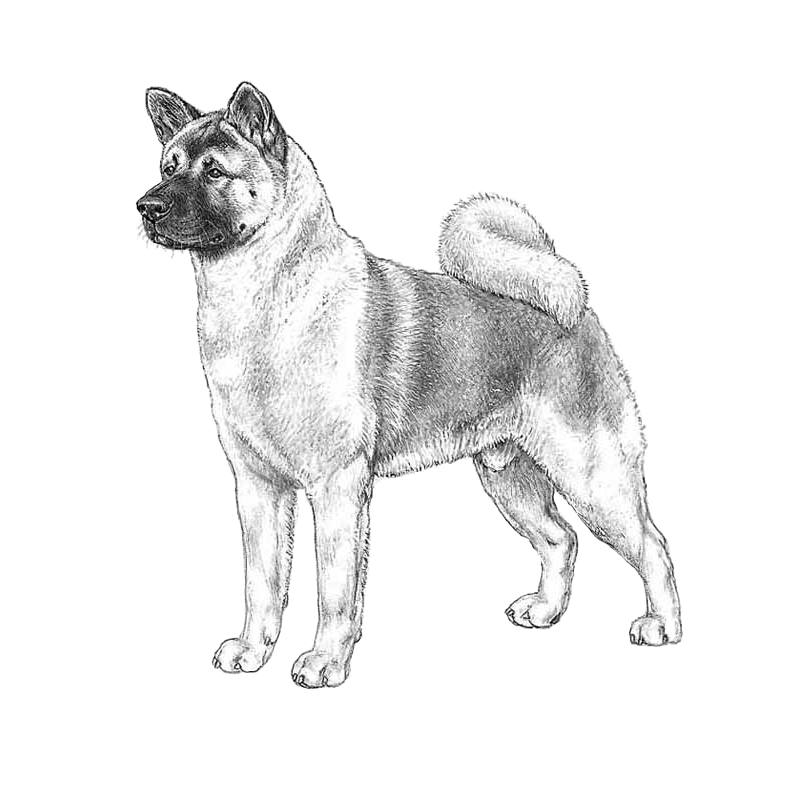
The American Akita is a large, powerful working dog. The dogs are very intelligent, extremely loyal, and can sometimes show an "aggressive" streak, almost exclusively towards dogs of the same sex. American Akitas are not aggressive towards people, but have a highly developed guard and protection instinct. American Akitas also have a strong hunting instinct and may regard small animals as prey to be hunted. Some do not show signs of affection towards people who are not members of their family or people they see regularly.
The American Akita is not hyperactive and adapts to a sedentary life, but it is important for his health that he exercises regularly.
Source: http://www.club-aacf.fr/description.html
-
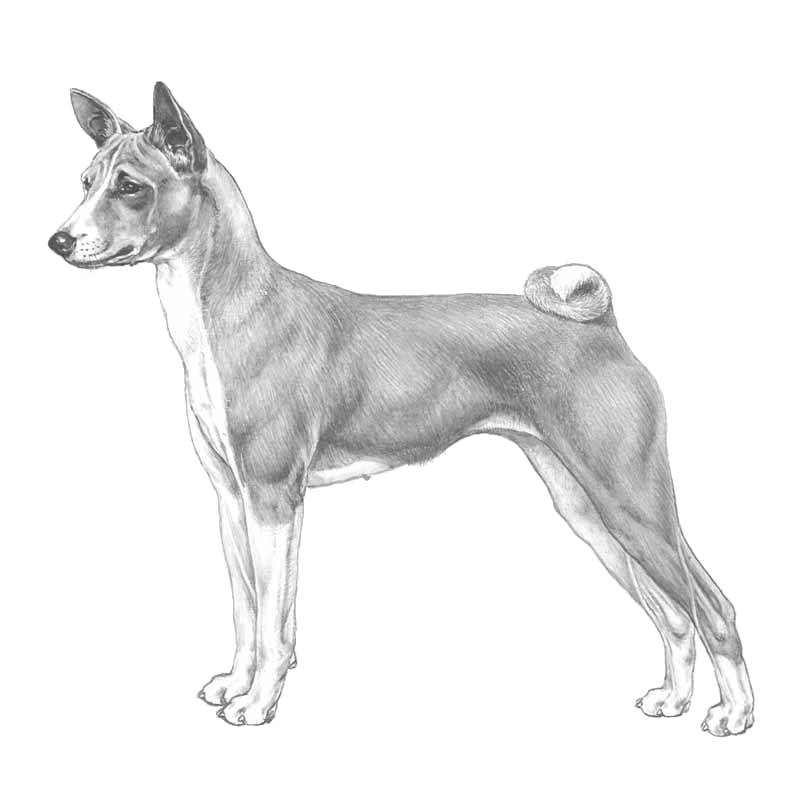
The Basenji originated in the "African Congo, where they had been used as an all purpose hunter working by sight and by scent.""
Basenji "history extends back to the time of the Pharaohs and paintings in their tombs bear a similar resemblance to the breed. Gazelle like in his elegance and with a stylish, swinging stride, he is catlike in his cleanliness and has no bark which is replaced by a yodeling sound."Source: The Kennel Club
-
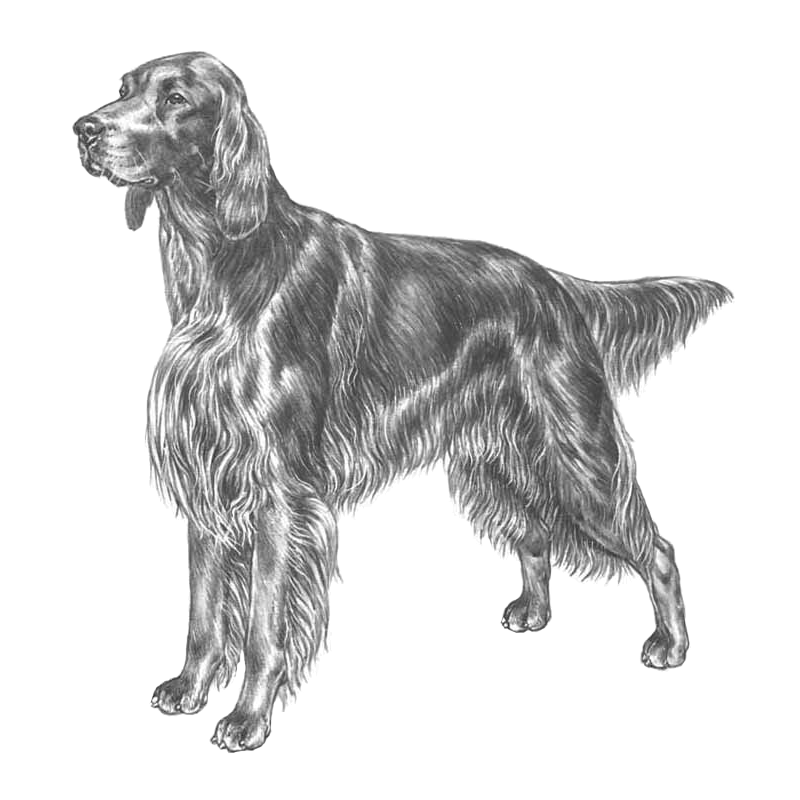 The breed is derived from the Irish Red and White Setter and an unknown solid red coloured dog. It was a clearly identifiable type in the 18th century.
The Irish Red Setter Club was established in 1882 to promote the Breed. The club issued the Breed Standard in 1886, and has organised field trials and shows to set the Standard for the Breed since that time. In 1998 the club published the working style for the breed. The standard and working style together describes the physical form and working ability of the breed. The Irish Red Setter has evolved down the years into a hardy, healthy, intelligent dog, possessed of excellent working ability and great stamina.
Source: http://www.ikc.ie/dog-ownership/types-of-dog/breeds/breed-details/50/
-
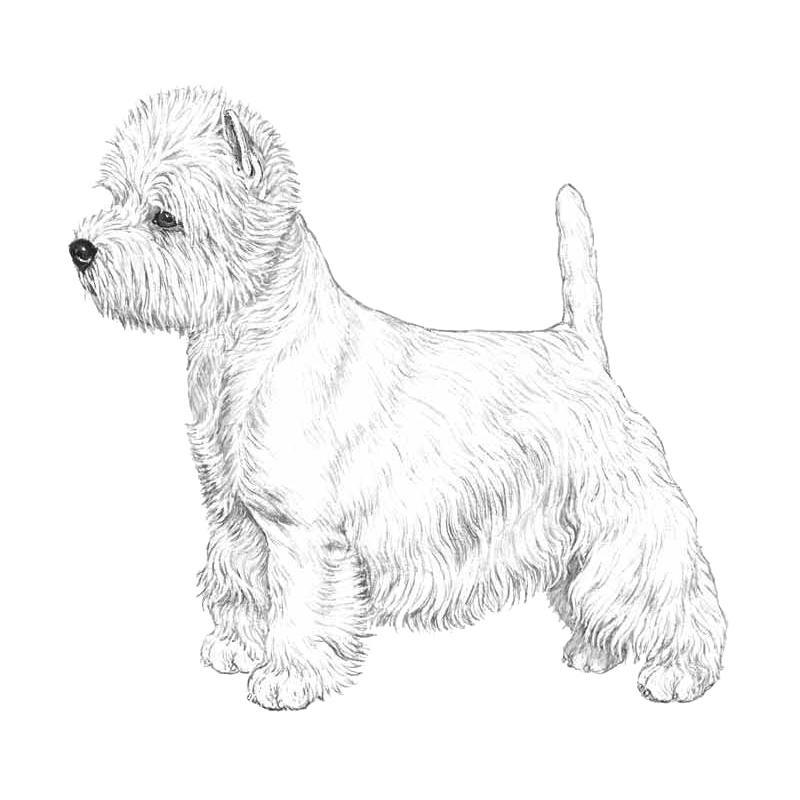
One of the most popular of the terrier breeds, the West Highland White has a cheerful, outgoing personality. He makes an ideal companion and playmate for youngsters as he is full of fun and virtually tireless.
Source: https://www.thekennelclub.org.uk/search/breeds-a-to-z/breeds/terrier/west-highland-white-terrier/
-
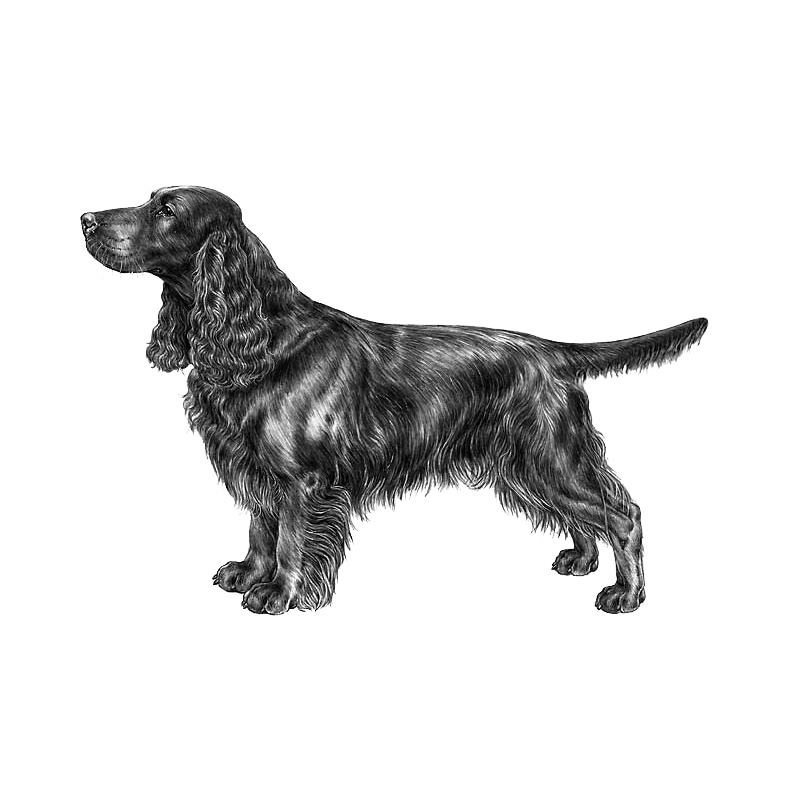
The Field Spaniel is an active and inquisitive breed, and makes a good companion. However, if left alone and unoccupied for long periods of time, they may become bored and destructive. They are suitable for dog agility and hunting. They are also patient with children and like to stay close to their family. When socialised, they are good with other dogs. They are generally docile and independent. Source: https://en.wikipedia.org/wiki/Field_Spaniel. With very few dogs in the UK-KC's registry the Field Spaniel is considered a Vulnerable Native Breed. Source: https://www.thekennelclub.org.uk/getting-a-dog-or-puppy/finding-the-right-dog/vulnerable-native-breeds/.
-
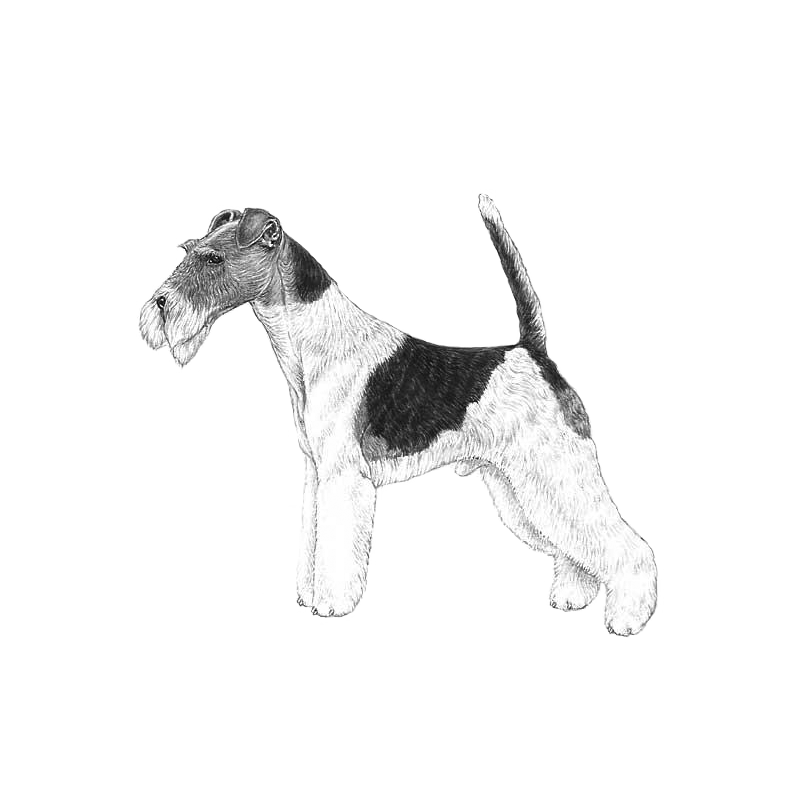
It is a fox terrier, and although it bears a resemblance to the smooth fox terrier, they are believed to have been developed separately.
-
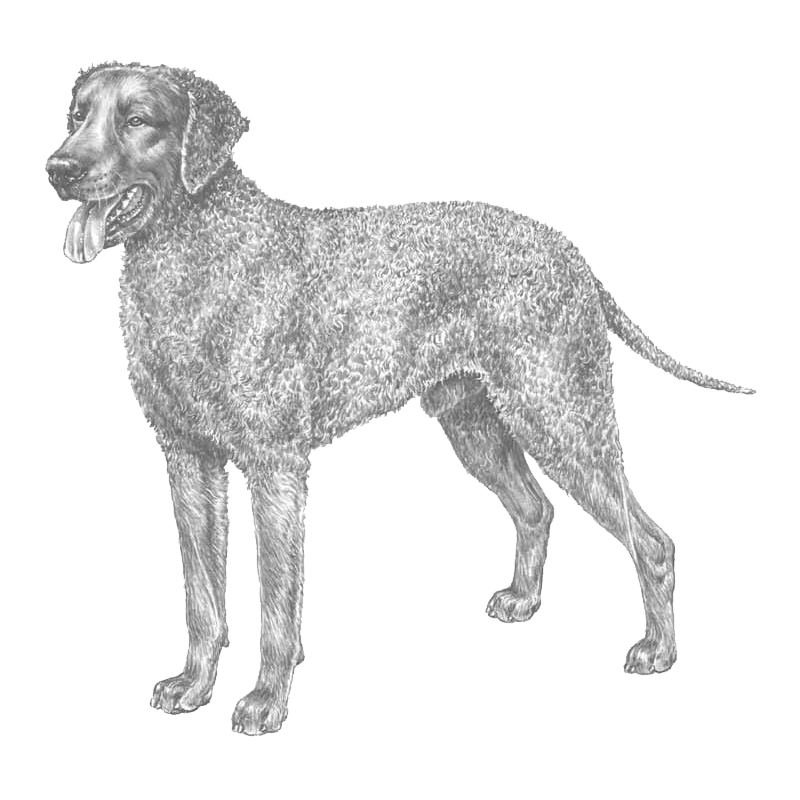
A breed with a hunting heritage as an upland game and waterfowl dog, the Curly Coated Retriever is an active, quick and agile breed requiring plenty of exercise. Known for possessing a discerning independent nature, the dogs can be aloof with strangers and are protective, affectionate and loyal companions.
..............
It has been claimed that the Curly Coated Retriever is the oldest of the Retriever breeds. He is also the tallest. The hallmark of the breed, a coat of small tight curls, nods acknowledgement to his ancestor, the English Water Spaniel, now extinct, which was added to a base of Retriever blood probably the Labrador. Poodle blood was also added to the mix to give the tightness of curl. The coat gives the dog a waterproof quality when retrieving ducks from water, the function for which he was originally bred.
Source: The Kennel Club (UK)
-
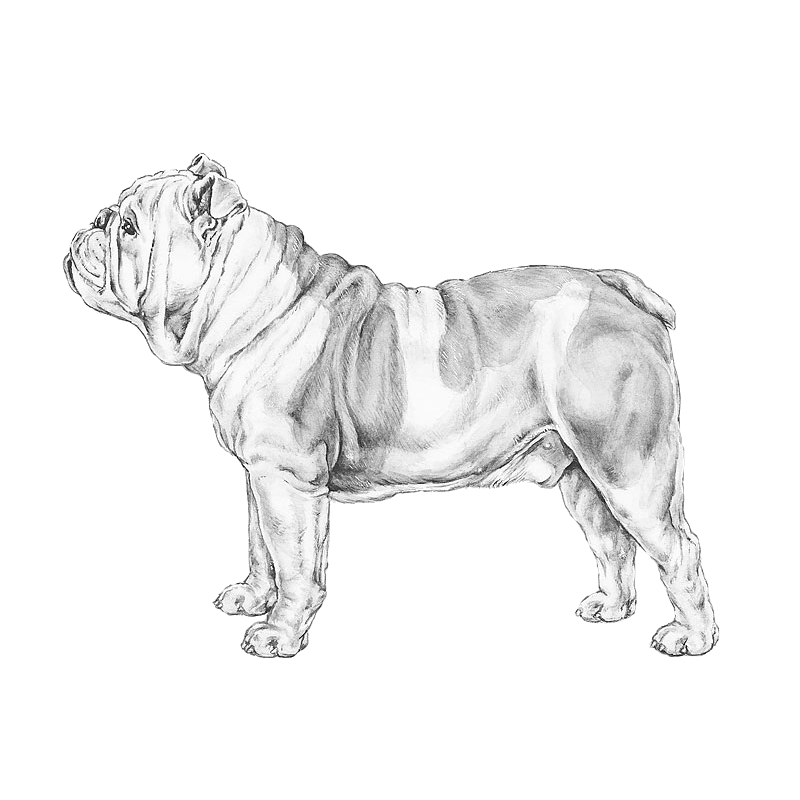
One of Britain’s oldest indigenous breeds, the Bulldog is known as the National dog of Great Britain and is associated throughout the world with British determination and the legendary John Bull. The Bulldog was first classified as such in the 1630s, though there is earlier mention of similar types referred to as bandogs, a term reserved today for a type of fighting dog.
Source: The Kennel Club
-
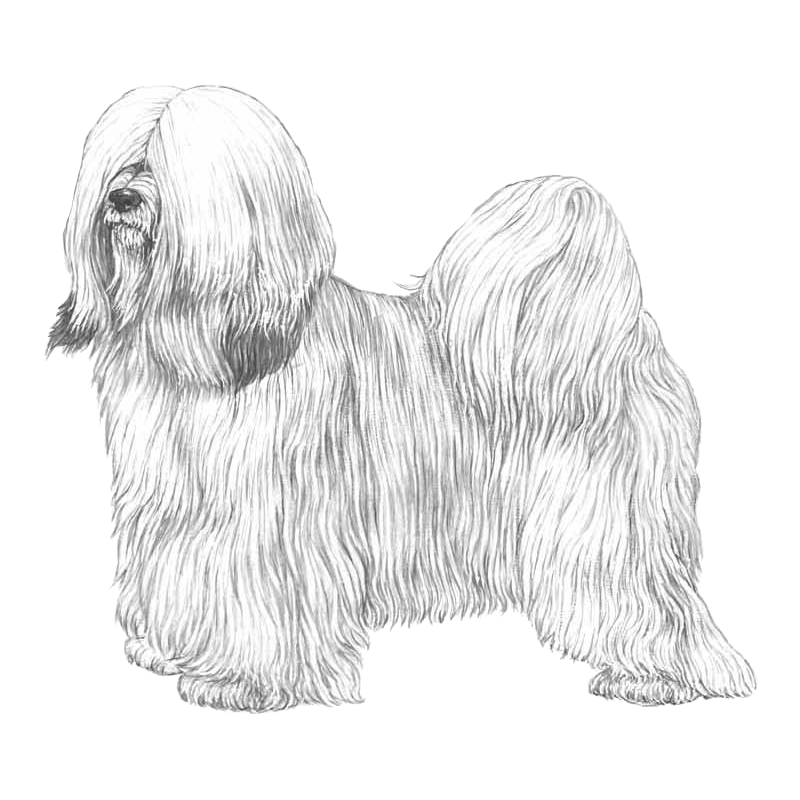
The Tibetan Terrier is a medium-size breed of dog that originated in Tibet. Despite its name, it is not a member of the terrier group. The breed was given its English name by European travelers due to its resemblance to known terrier breeds. The Tibetan name for the breed, Tsang Apso, roughly translates to "shaggy or bearded ("apso") dog, from the province of Tsang".
-
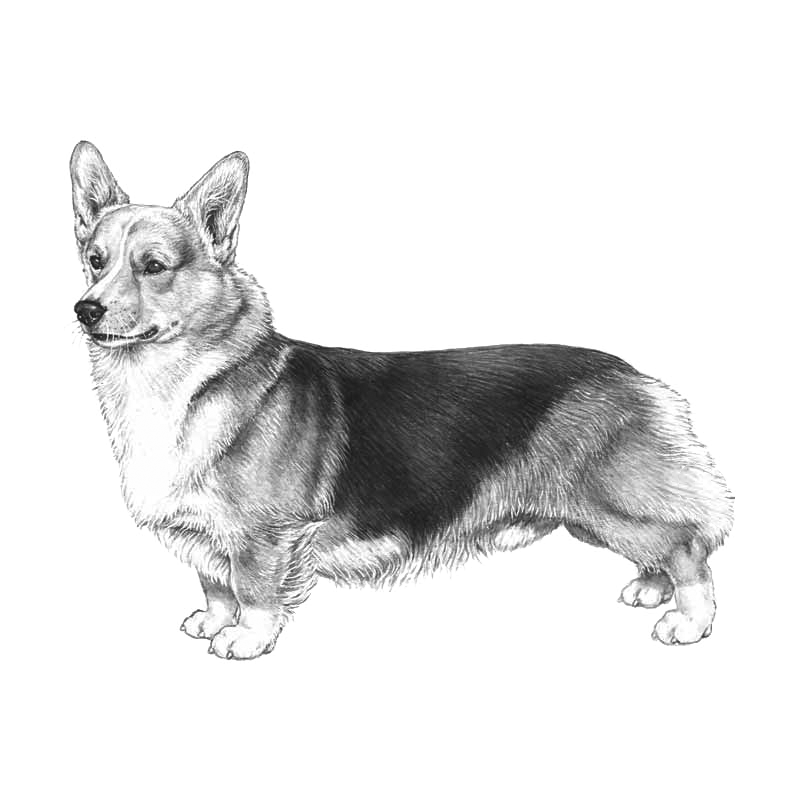
Welsh Corgis have historically been used as herding dogs, specifically for cattle. They are of the type of herding dog referred to as "heelers", meaning that they would nip at the heels of the larger animals to keep them on the move. Both Pembrokeshire and Cardigan are historically agricultural areas of Wales.
Source: https://en.wikipedia.org/wiki/Welsh_Corgi
The two Corgi breeds are named for those regions. Once interbred, the Kennel Club designated the different types as two distinct breeds in 1934. Slightly smaller than the Cardigan, not quite as long in body and with a smaller ear and straighter front legs, the Pembroke was traditionally docked, but that differentiation no longer exists since the docking ban. However some breeders have worked hard to produce natural bobtails. The Pembroke has always been the more popular breed, perhaps helped by the Royal patronage it has received since the reign of King George VI and carried on by our present monarch Queen Elizabeth II.
Source: https://www.thekennelclub.org.uk/search/breeds-a-to-z/breeds/pastoral/welsh-corgi-pembroke/
Also see: Cardigan Welsh Corgi https://dogwellnet.com/breeds/pedigreed/cardigan-welsh-corgi-r220/
-
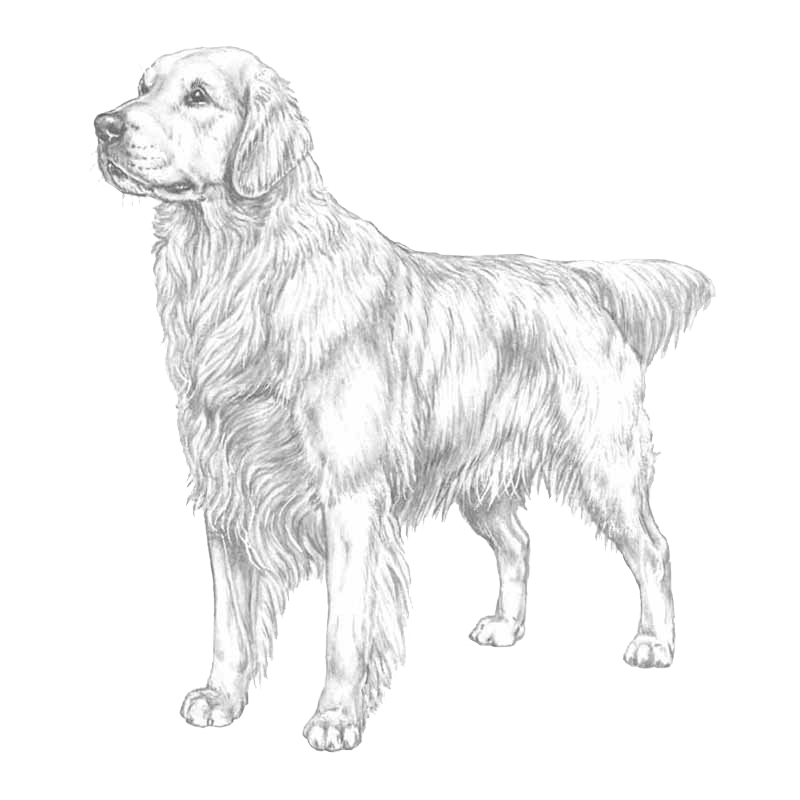
The Golden Retriever is a large-sized breed of dog bred as gun dogs to retrieve shot waterfowl such as ducks and upland game birds during hunting and shooting parties, and were named 'retriever' because of their ability to retrieve shot game undamaged.
-
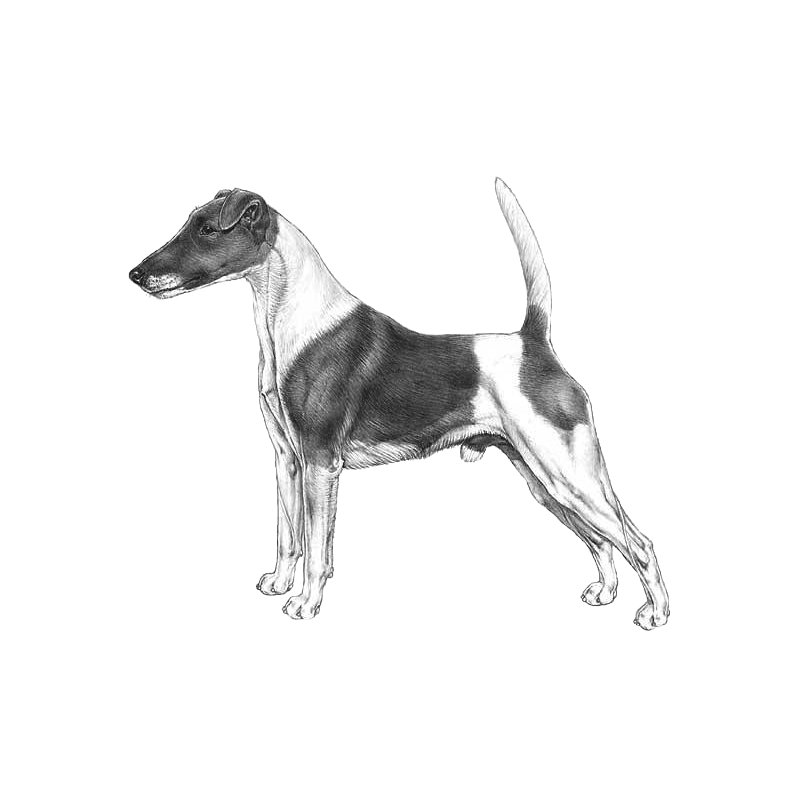
It was the first breed in the fox terrier family to be given official recognition by The Kennel Club (circa 1875; breed standard 1876). It is well known, and although not a widely popular breed today outside of hunting and show circles, it is extremely significant due to the large number of terriers believed descended from it.
-
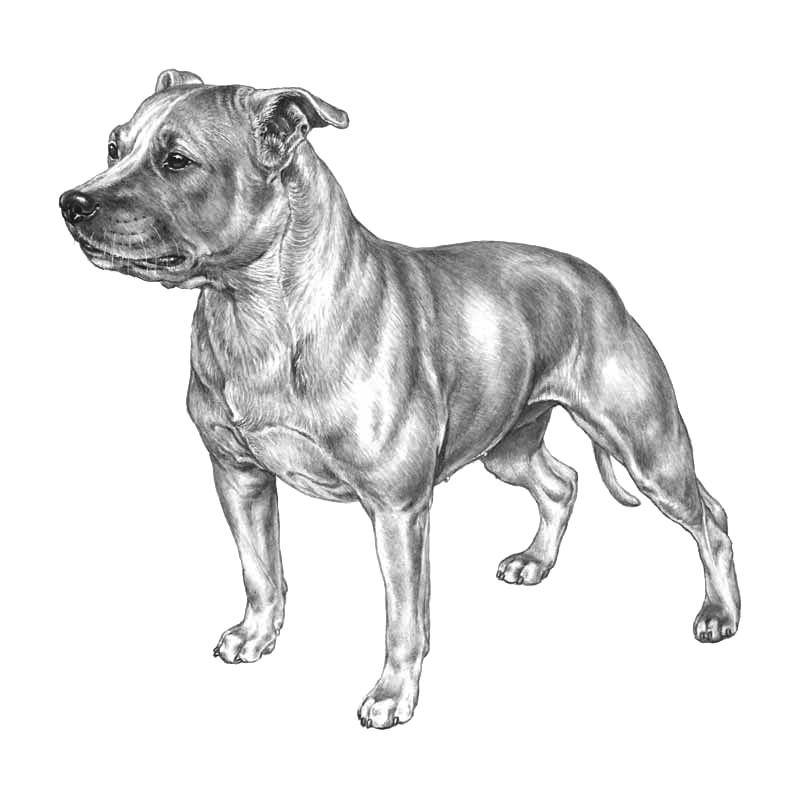
The Staffordshire Bull Terrier (informally: Staffie, Stafford, Staffy or Staff) is a medium-sized, short-coated breed of dog.
Source: http://en.wikipedia.org/wiki/Staffordshire_Bull_Terrier
-
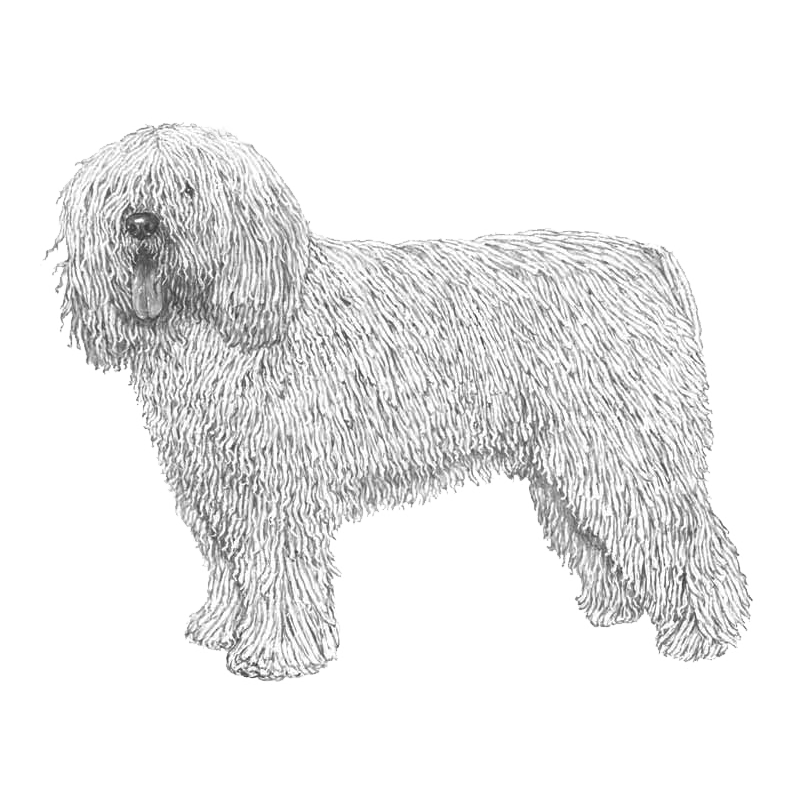
Although the Spanish Water Dog was primarily a retriever of wildfowl, he has also traditionally been used as a herder of sheep. His thick coat, a feature of the breed, requires clipping once or twice each year.
(Source: The Kennel Club)
-
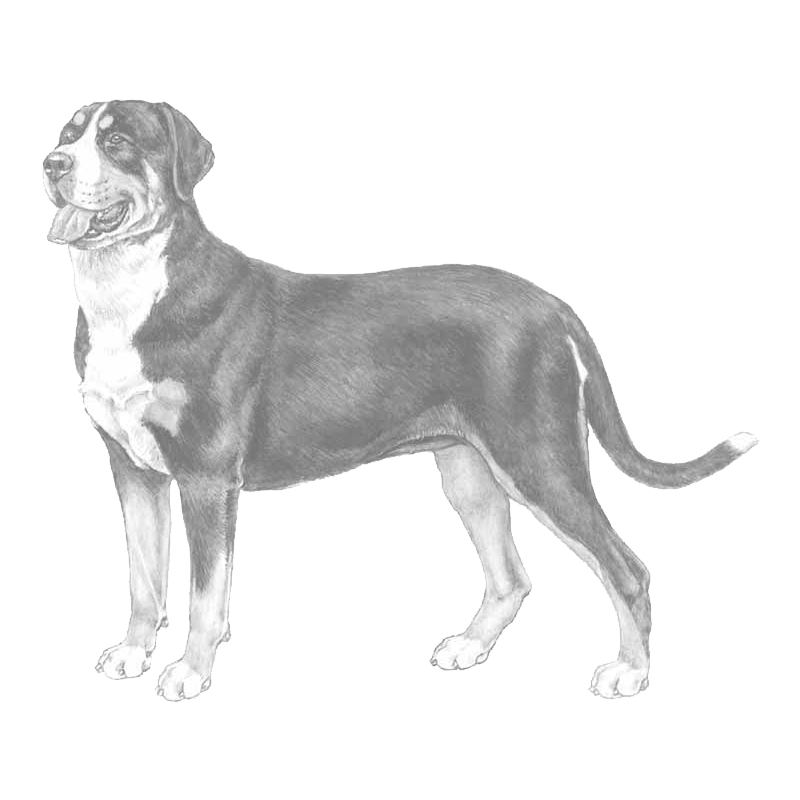
The breed is large and heavy-boned with great physical strength, but is still agile enough to perform the all-purpose farm duties it was originally used for. Its breed standard calls for a black, white, and rust colored coat. The Greater Swiss Mountain Dog is sociable, active, calm, and dignified, and loves being part of the family. It is relatively healthy for its size and tends to have far fewer problems than more popular breeds in its size range. Among the four Sennenhunde, or Swiss mountain dogs, this breed is considered the oldest, and is also the largest.
Source: Wikipedia
-
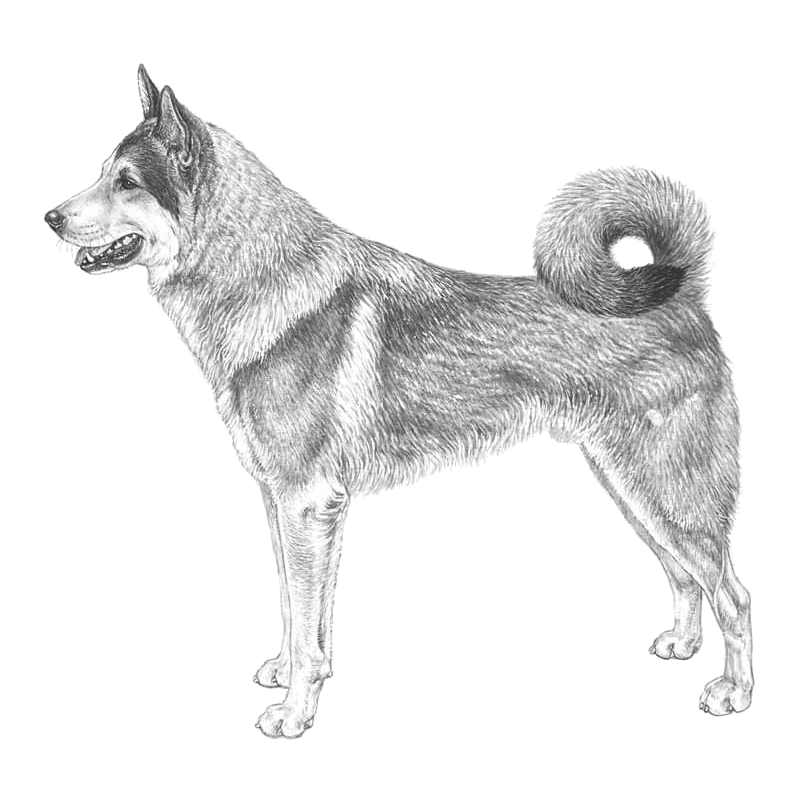
The East Siberian Laika (Vostotchno-Sibirskaia Laika) is a Russian breed of dog of spitz type, a hunting dog originating in parts of Siberia east of the Yenisei River. Source: Wikipedia
The East Siberian Laïka is a hunting dog of the spitz type that was developed to hunt large game such as deer and bear. Traditionally they were also used as draft/sledge dogs and drovers. They are one of three Russian Laïkas (or 'barkers'), the other two being the West Siberian and Russo-European Laïkas. At one time a fourth Laïka was recognized, the Karelo-Finnish Laïka, but this breed was merged with the Finnish Spitz in 2006 due to having minor differences. Source: https://www.worldlydogs.com/east-siberian-laiumlka.html
-
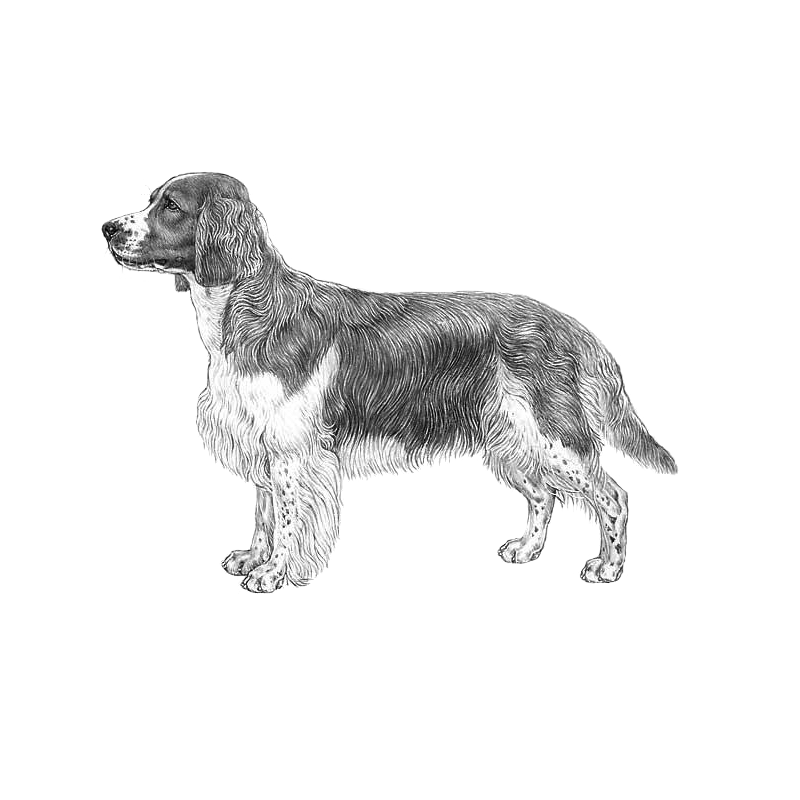
Thought to be comparable to the old Land Spaniel, they are similar to the English Springer Spaniel and historically have been referred to as both the Welsh Spaniel and the Welsh Cocker Spaniel.
Source: https://en.wikipedia.org/wiki/Welsh_Springer_Spaniel
-
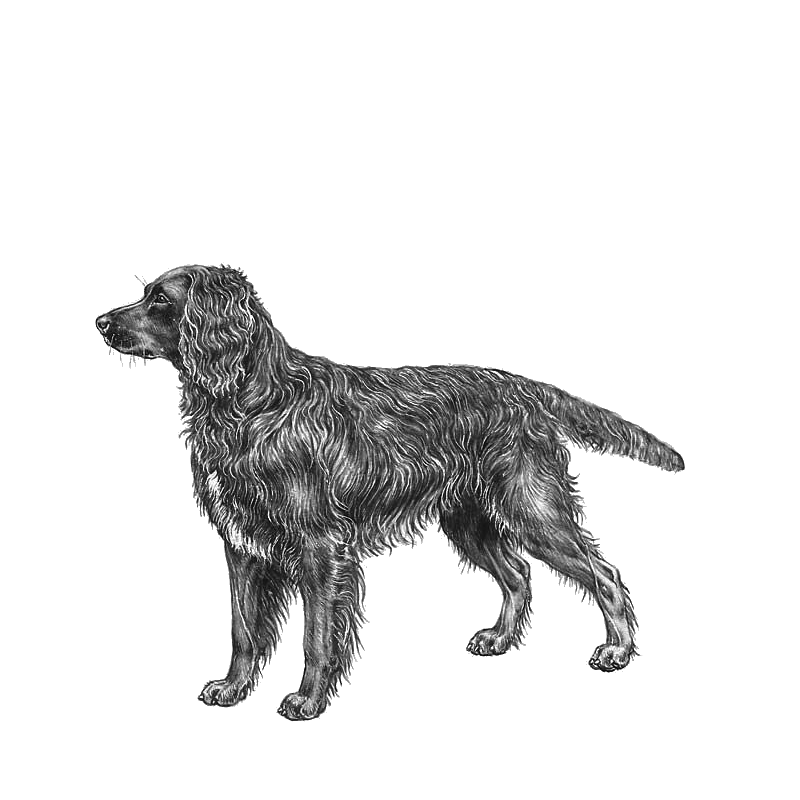
The German Spaniel, also known as the Deutscher Wachtelhund (German quail dog), is a breed of dog that was developed in Germany around 1890, and is used as a hunting dog. Descended from the old German breed, the Stoeberer (lit. "rummager"), which became popular with commoners following the Revolutions of 1848 in the German states, who required a versatile hunting dog.
-
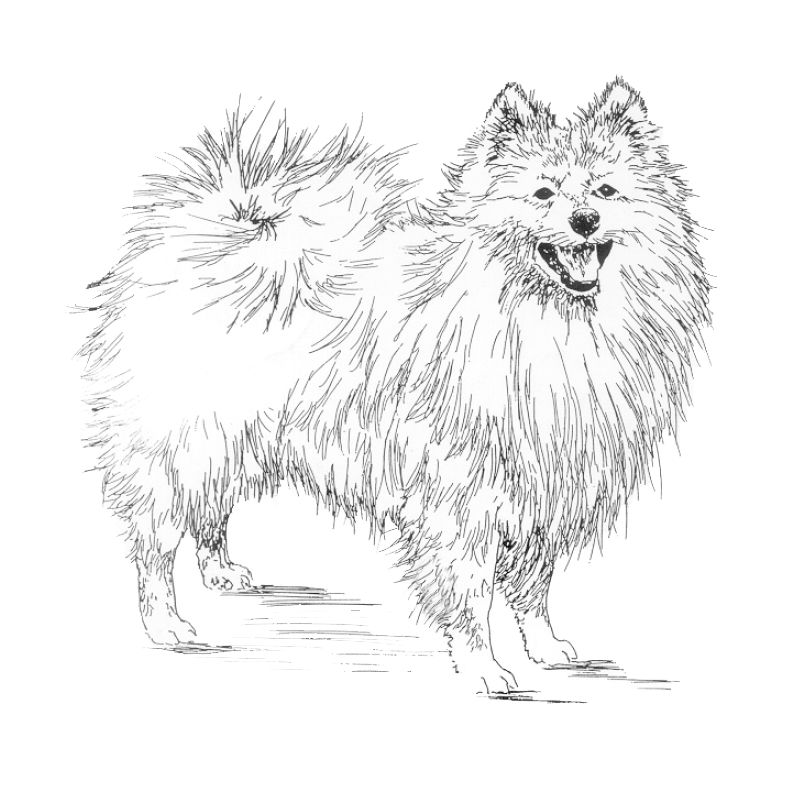
Historically, the German Spitz was primarily used as a working dog on farms. He is usually stubborn and independent, so you will have to establish yourself as a dominant leader through persistent obedience training. Mittelspitz is often curious and will definitely try to explore the surroundings whenever he gets a chance. This is a very agile breed, kept as companions or family pets, known to be good watchdogs with bold and fiery personalities.
All German Spitz dogs share some common characteristics, such as intelligence, agility, cheerfulness, playfulness, alertness, loyalty, resourcefulness, boldness, independence, and curiosity.Source: Compiled from Primitive Dogs
-
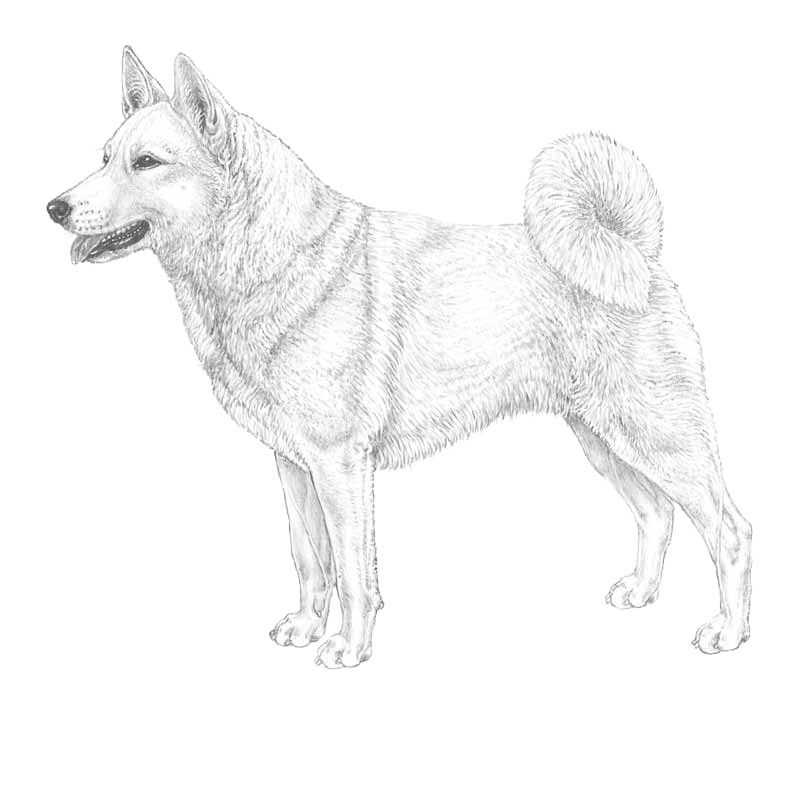
- The White Elkhound derives from the grey Jämthund and the grey Norwegian Elkhound.The type is like the Jämthund, regarding both size and proportions. It is a distinct hunting dog. In addition to hunting moose, the breed is also good at hunting bears, lynx and badgers. Source: SKK
The Svensk vit älghund is recognized by the NKU and belongs to group 5. The breed is not recognized by the FCI. Source NKU: https://www.skk.se/en/NKU-home/nordic-dog-breeds/sweden/svensk-vit-alghund/
-
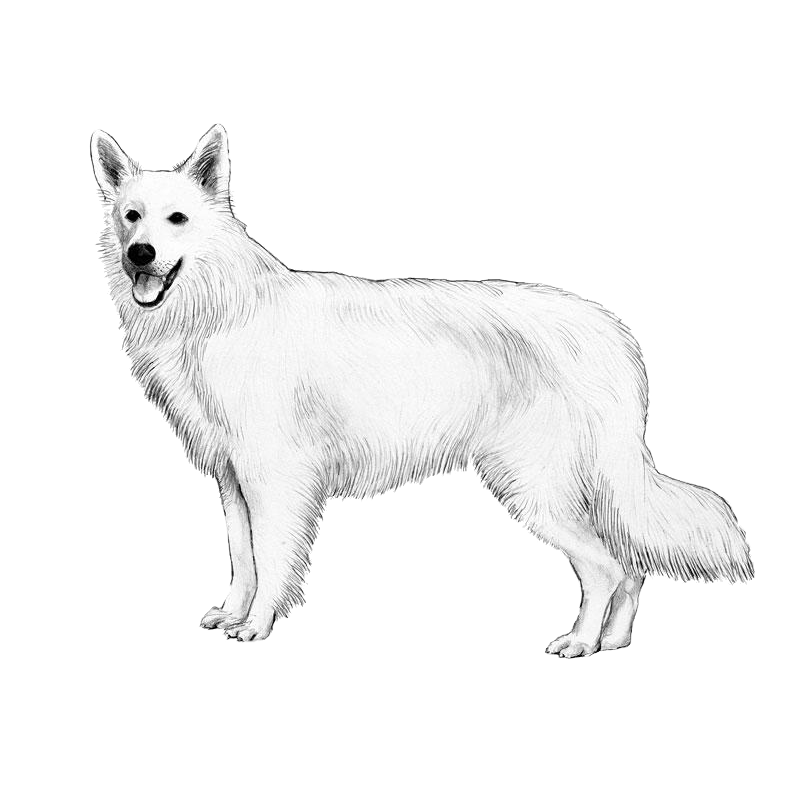
The Berger Blanc Suisse (English: White Swiss Shepherd, German: Weisser Schweizer Schäferhund, Italian: Pastore Svizzero Bianco) is a breed of dog from Switzerland. It is of the same origins as the White Shepherd and the German Shepherd Dog, and has been recognized as a separate breed by the FCI.
-
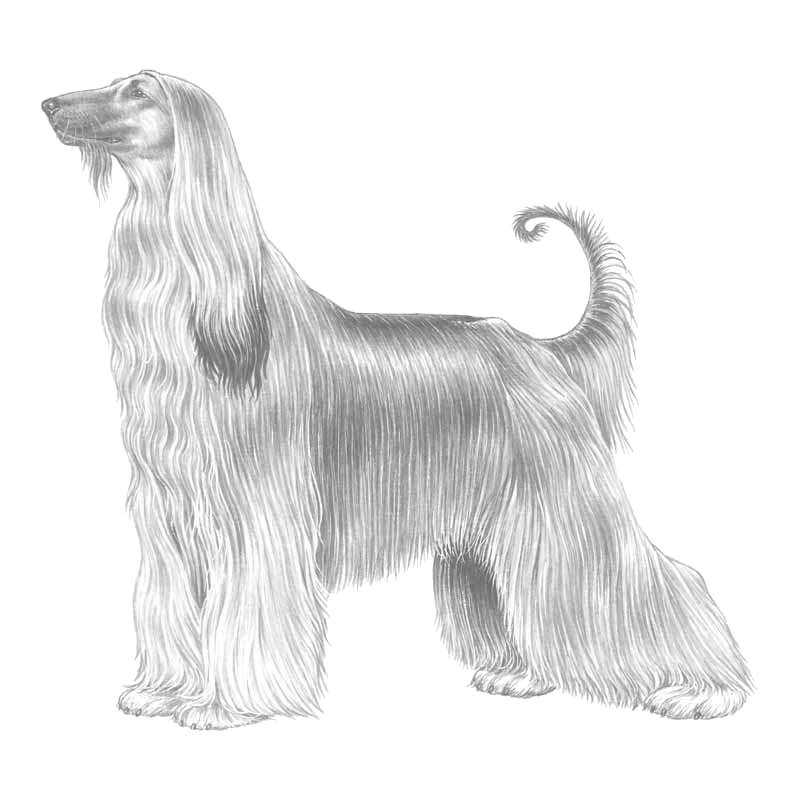
Glamour in the dog world comes in many forms but the Afghan Hound must be in the top ten of anybody’s list. The first Afghan Hounds arrived in Britain in the early 1900s and one, called Zardin, won in spectacular style at the 1907 Crystal Palace show
Source: The Kennel Club
-
 Russia’s premiere Toy Dog & one of the smallest dogs in the world.
The Russkiy Toy, in spite of its tiny, petite size and appearance is very active, agile and has an excellent character. They are best described as bold, fearless and rarely show signs of aggression. The breed has two Varieties: Short and Long Haired. Fast learners trained with great ease, Russkiy Toys are extremely sociable with adults and children alike, as well other varieties of pets. Extremely loyal, the perfect companion lap dog, they love to snuggle around you and will let you know when they feel neglected!
-
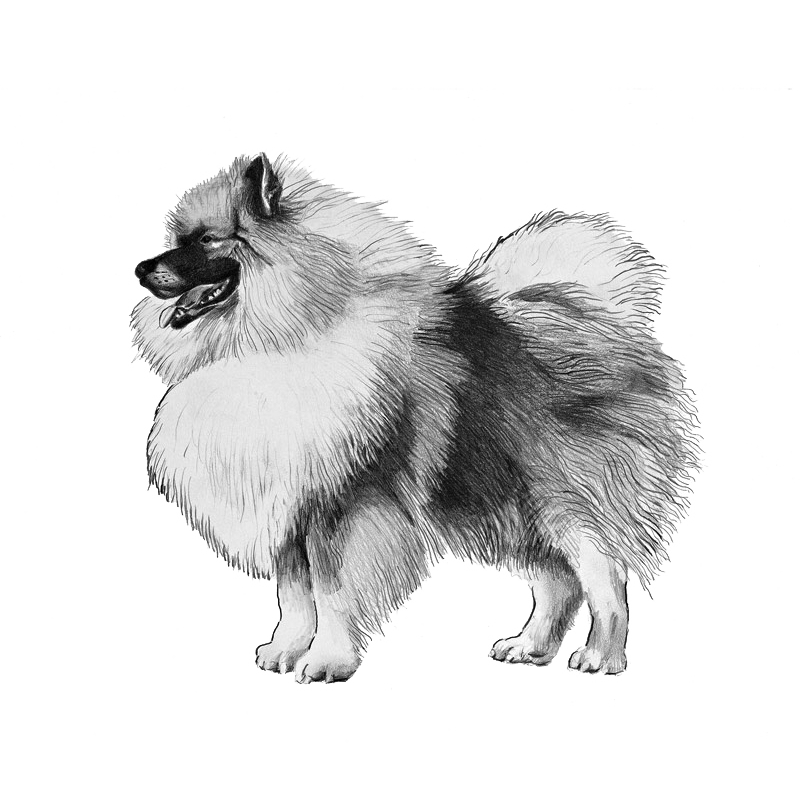
The Keeshond is a medium-sized dog with a plush, two-layer coat of silver and black fur with a ruff and a curled tail. It originated in Holland, and its closest relatives are the German spitzes such as the Großspitz, Mittelspitz, and Kleinspitz or Pomeranian.
Source: Wikipedia
-
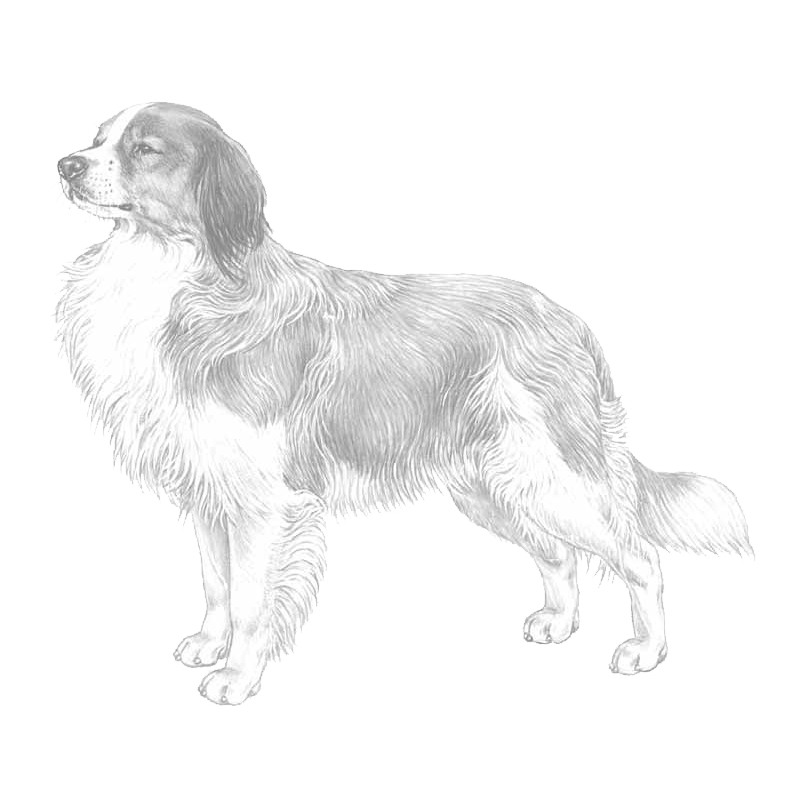
A Dutch breed which works with hunters as a decoy to attract ducks by waving its white plumed tail and lures them along streams where they are eventually trapped in nets. The orange/red of its parti-coloured coat is thought by some to be associated with the Royal House of Orange and Dutch historians tell of the ‘Kooiker’ which saved Prince William of Orange by barking loudly when intruders entered the royal chambers.
Source: https://www.thekennelclub.org.uk/services/public/breed/display.aspx?id=2170