






Pedigree Breeds
184 entries in this category
-
- Last comment date
- Title
- Start Date
- Most Commented
- Most Viewed
- Last Updated
- Publish Date
- Brief Description
- Content
- Links to Breed Descriptions
- Other Names for Breed
- Country of Origin and Parent Breed Club
- Health and Well-Being
- Breed-Specific Articles
- Breed Standards
- Breed-Specific Statistics
- Breeding/Health Strategy Documents
- Breed-Specific DNA Tests
- Other Breed-Specific Webpages
- Breed-Specific Research
- Breed Clubs
- Custom
-
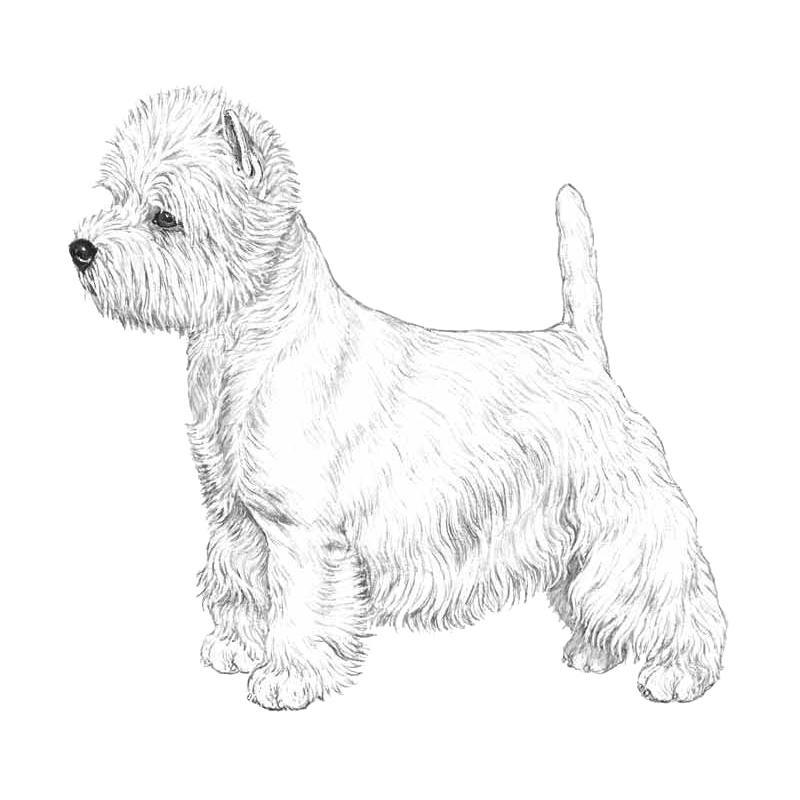
One of the most popular of the terrier breeds, the West Highland White has a cheerful, outgoing personality. He makes an ideal companion and playmate for youngsters as he is full of fun and virtually tireless.
Source: https://www.thekennelclub.org.uk/search/breeds-a-to-z/breeds/terrier/west-highland-white-terrier/
-
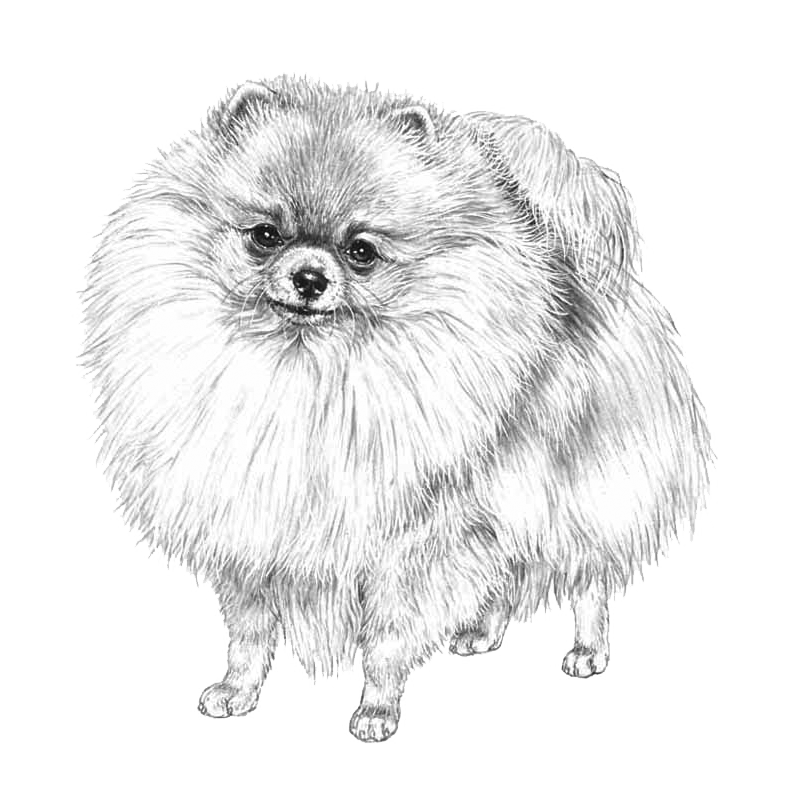
Though Britain is listed as the country of development of the Pomeranian, he is a Spitz-type dog descended from the much larger sled-hauling dogs of the Arctic. He was bred from the German Spitz before becoming known in the UK in 1870. In 1890, he entered the kennels of Queen Victoria, which popularised the breed, and the Pomeranian Club was formed the following year.
Source: https://www.thekennelclub.org.uk/search/breeds-a-to-z/breeds/toy/pomeranian/
-
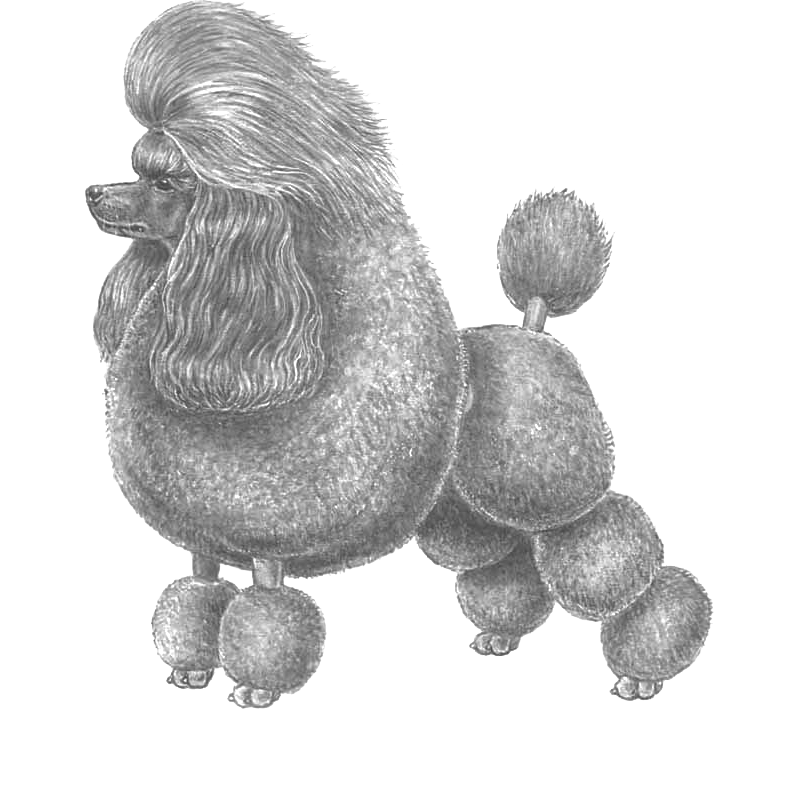
The poodle has been bred in at least three sizes, including Standard, Miniature, and Toy. According to the American Kennel Club, the Standard Poodle is the oldest of the three varieties, and was later bred down to the miniature and toy sizes.
-

The poodle has been bred in at least three sizes, including Standard, Miniature, and Toy. According to the American Kennel Club, the Standard Poodle is the oldest of the three varieties, and was later bred down to the miniature and toy sizes.
-
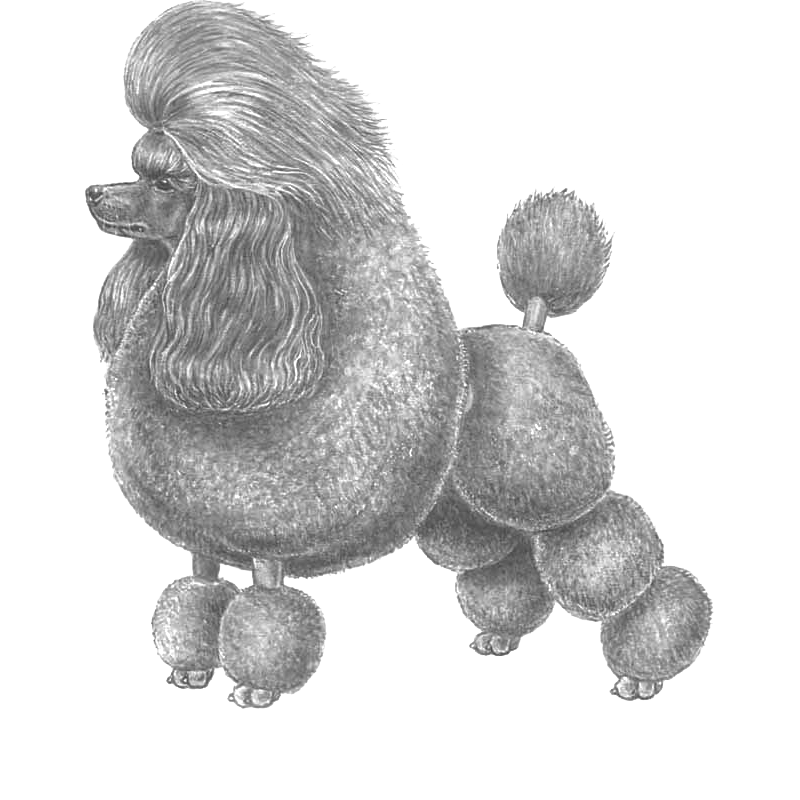
Traditionally the Standard Poodle, the largest of the subtypes, was a retriever or gun dog, used in particular for duck hunting and sometimes upland bird hunting.
-
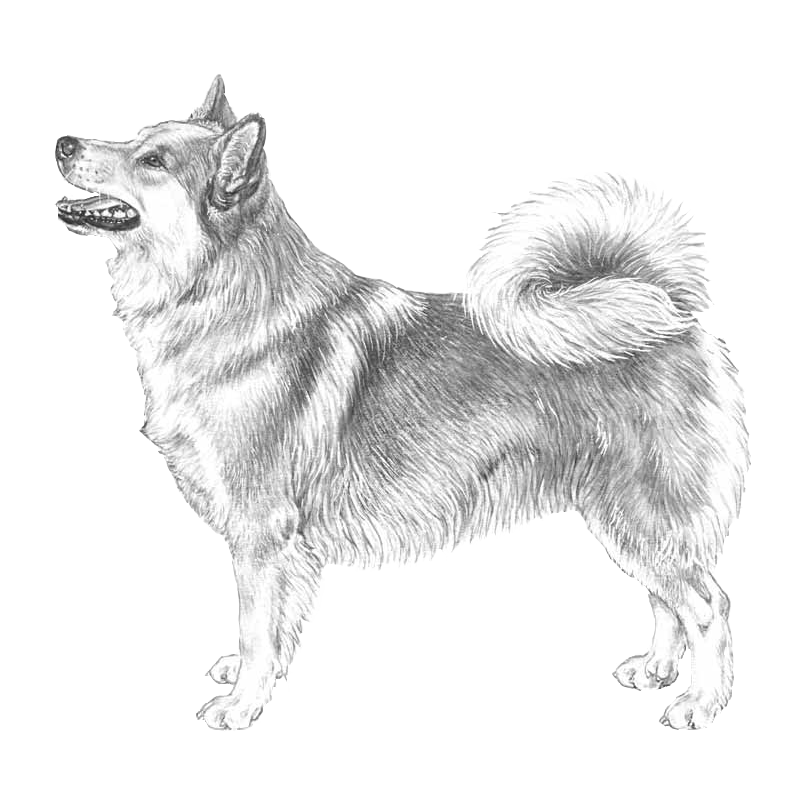
- icelandic sheepdog
- swedish insurance data
- breed health database
- registration statistics
- international breed collaboration
The Icelandic Sheepdog is a breed of dog of Spitz type originating from the dogs brought to Iceland by the Vikings. It is of similar type to the Norwegian Buhund and to the ancestor of the modern Shetland Sheepdog and Welsh Corgi.
-
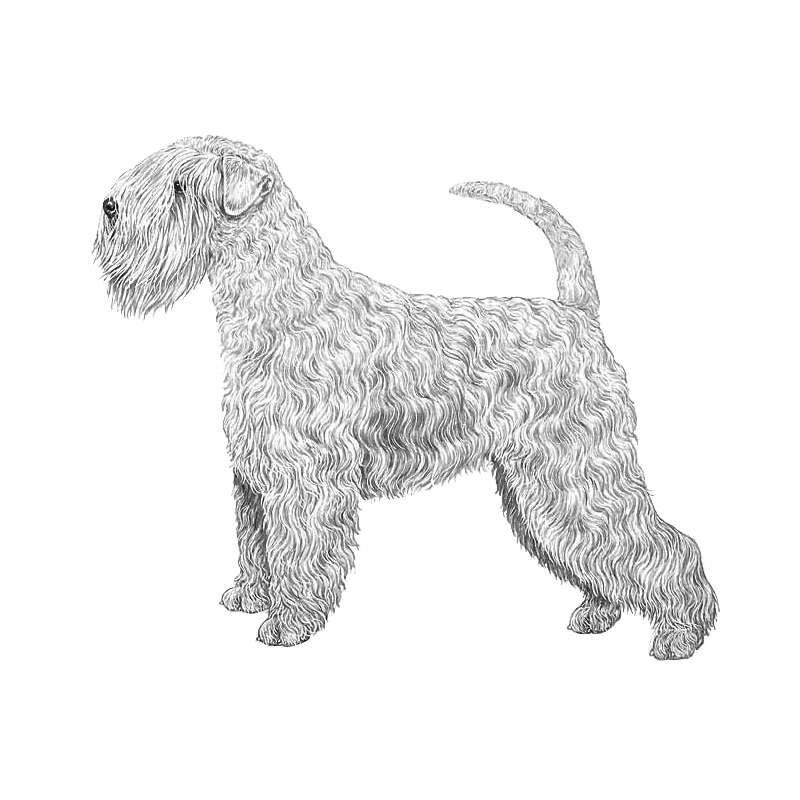 The Wheaten is probably the oldest of the four breeds. Its existence for at least 200 years can be inferred from textual references to "soft-coated" dogs.
- ireland
- registration statistics
- swedish insurance data
- soft coated wheaten terrier
- international breed collaboration
The relation of the modern Irish Terrier to the Wheaten, though less well documented, appears to have been the result of deliberate breeding experiments. So the humble Wheaten probably has a fairly mixed ancestry. Despite the long history of the Wheaten, it wasn't until 1937, that the Soft Coated Wheaten was officially recognised by the Irish Kennel Club. The breed has grown steadily in popularity since and is now well known world-wide.
Source: https://www.ikc.ie/dog-ownership/types-of-dog/breeds/breed-details/?breedId=74
-
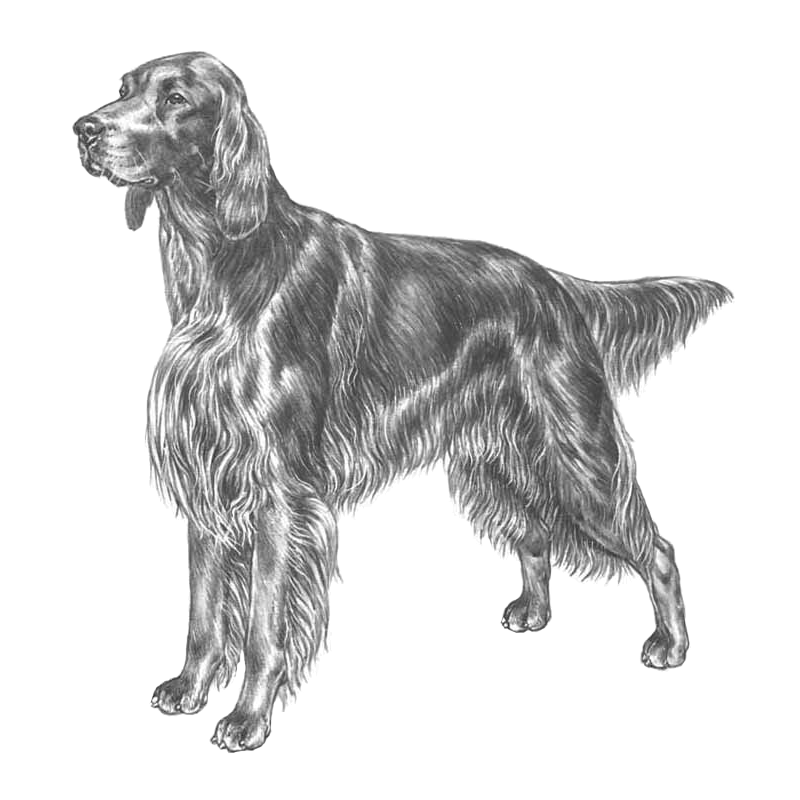 The breed is derived from the Irish Red and White Setter and an unknown solid red coloured dog. It was a clearly identifiable type in the 18th century.
The Irish Red Setter Club was established in 1882 to promote the Breed. The club issued the Breed Standard in 1886, and has organised field trials and shows to set the Standard for the Breed since that time. In 1998 the club published the working style for the breed. The standard and working style together describes the physical form and working ability of the breed. The Irish Red Setter has evolved down the years into a hardy, healthy, intelligent dog, possessed of excellent working ability and great stamina.
Source: http://www.ikc.ie/dog-ownership/types-of-dog/breeds/breed-details/50/
-
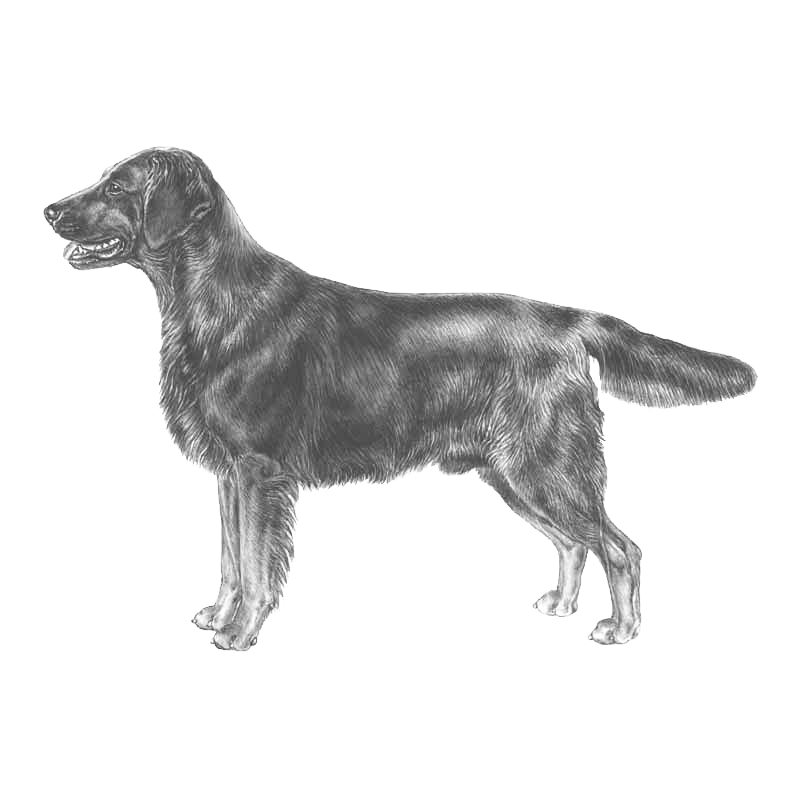
The Flat-Coated Retriever is a gundog breed originating from the United Kingdom. It was developed as a retriever both on land and in the water.
-
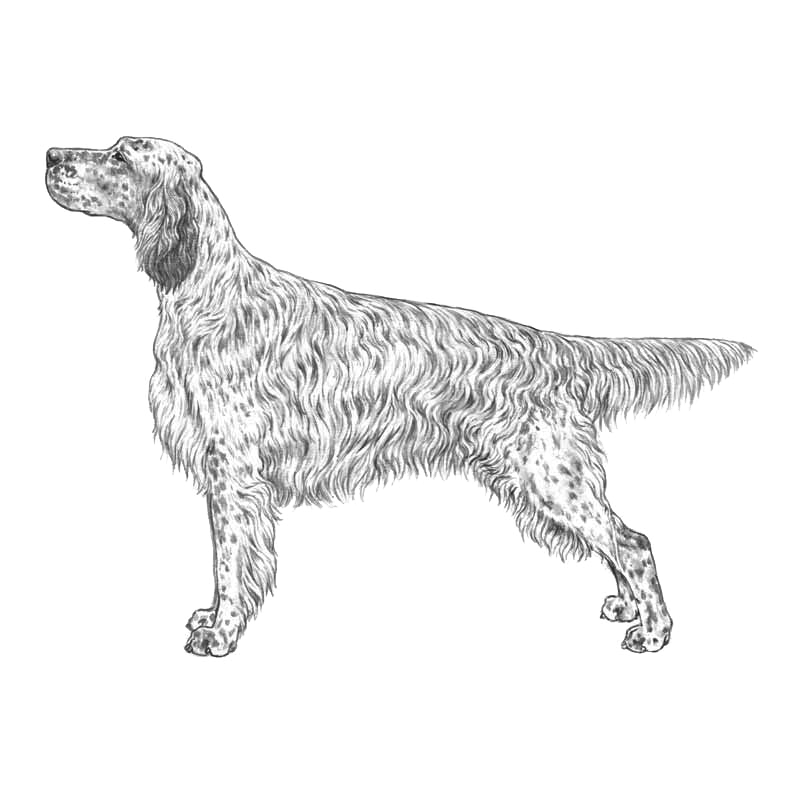
The English Setter is a medium size breed of dog. It is part of the Setter family, which includes the red Irish Setters, Irish Red and White Setters, and black-and-tan Gordon Setters.
Source: Wikipedia
-
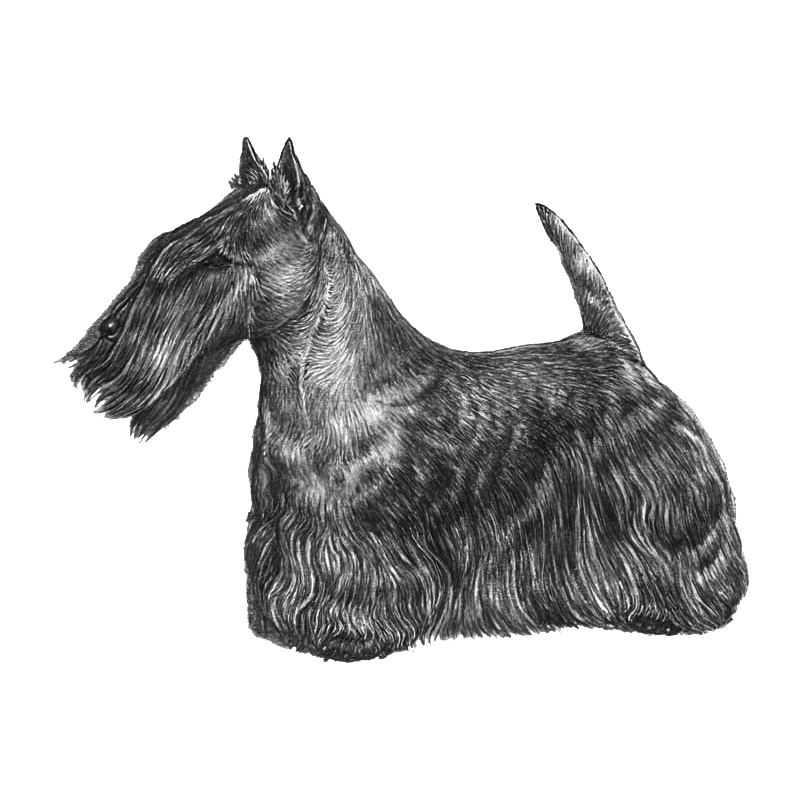
The Scottish Terrier (also known as the Aberdeen Terrier), popularly called the Scottie, is a breed of dog. Initially one of the highland breeds of terrier that were grouped under the name of Skye Terrier, it is one of five breeds of terrier that originated in Scotland, the other four being the modern Skye, Cairn, Dandie Dinmont, and West Highland White Terrier.
-
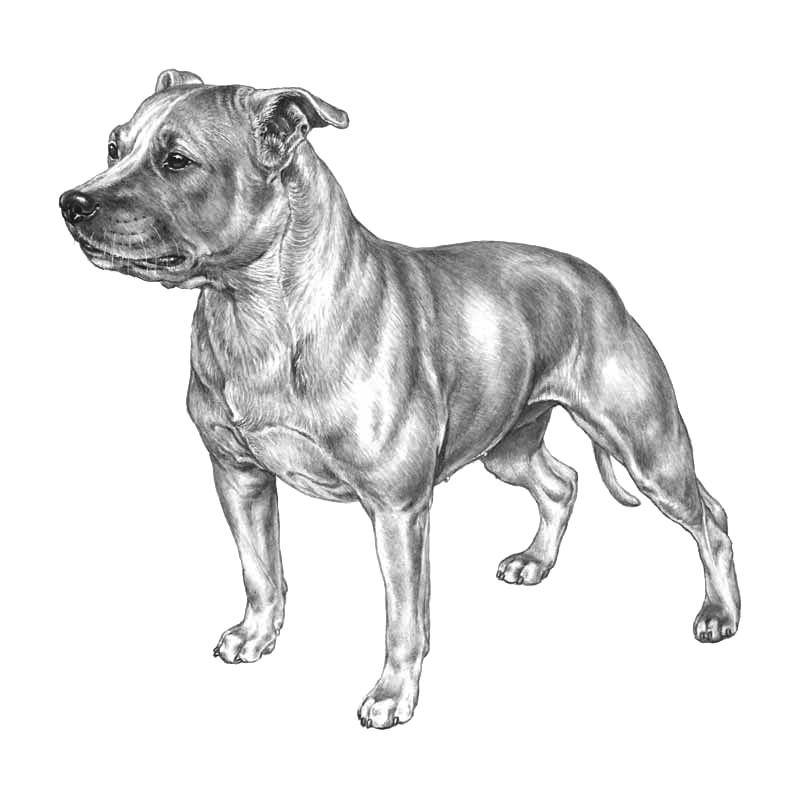
The Staffordshire Bull Terrier (informally: Staffie, Stafford, Staffy or Staff) is a medium-sized, short-coated breed of dog.
Source: http://en.wikipedia.org/wiki/Staffordshire_Bull_Terrier
-
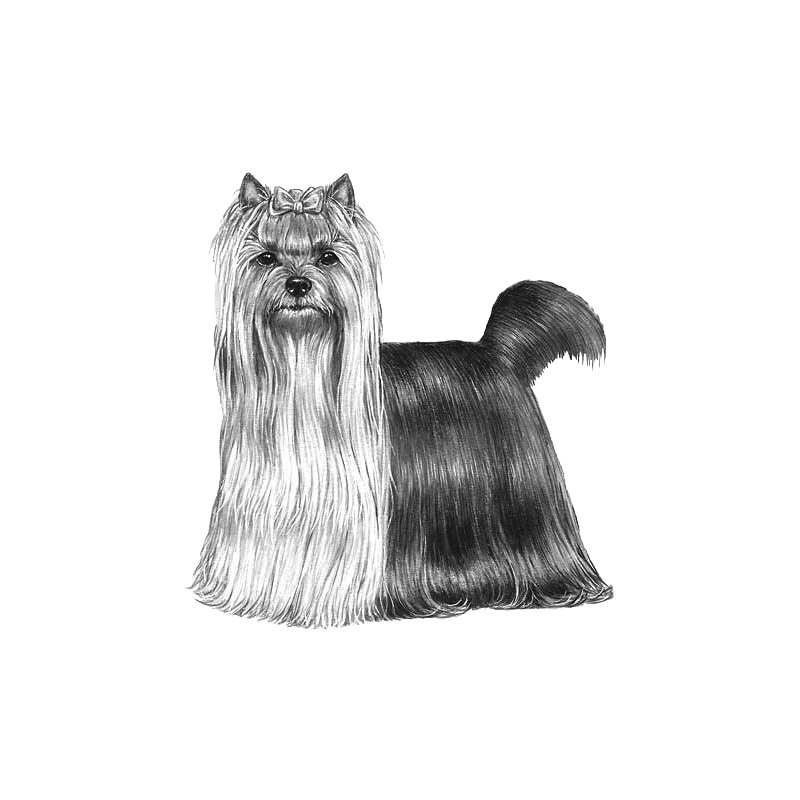
The Yorkshire Terrier is a small dog breed of terrier type, developed in the 19th century in the county of Yorkshire, England, to catch rats in clothing mills, also used for rat-baiting.
-
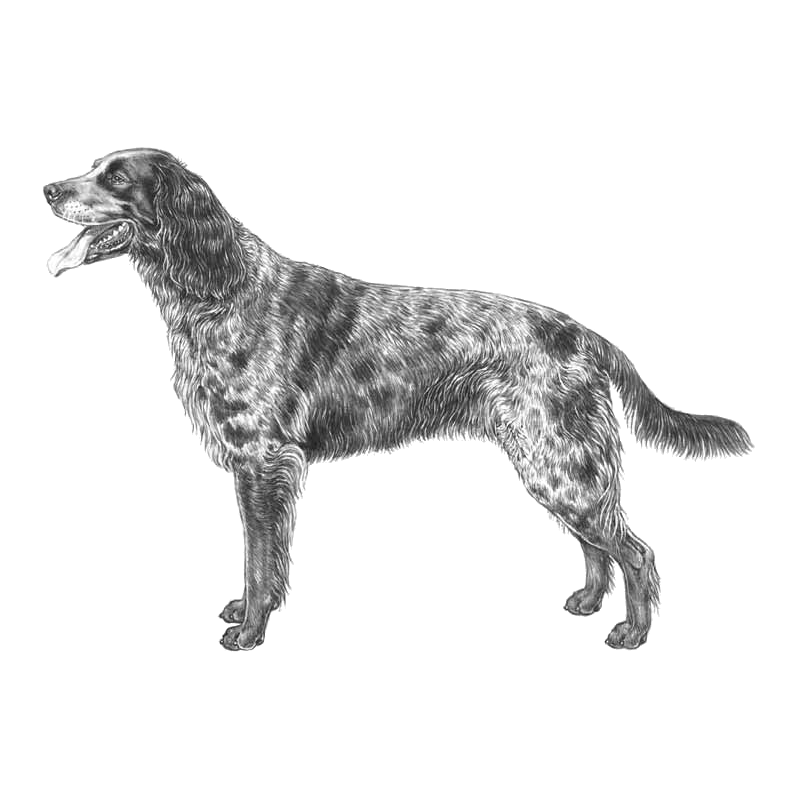
Strong; muscular; low set; flowing lines. Smaller dogs must have plenty of substance, but too massive and thereby clumsy dogs are not desired. Balanced, calm, temperament, good natured, easily trained.
Source: http://www.fci.be/en/nomenclature/DEUTSCH-LANGHAAR-117.html
-
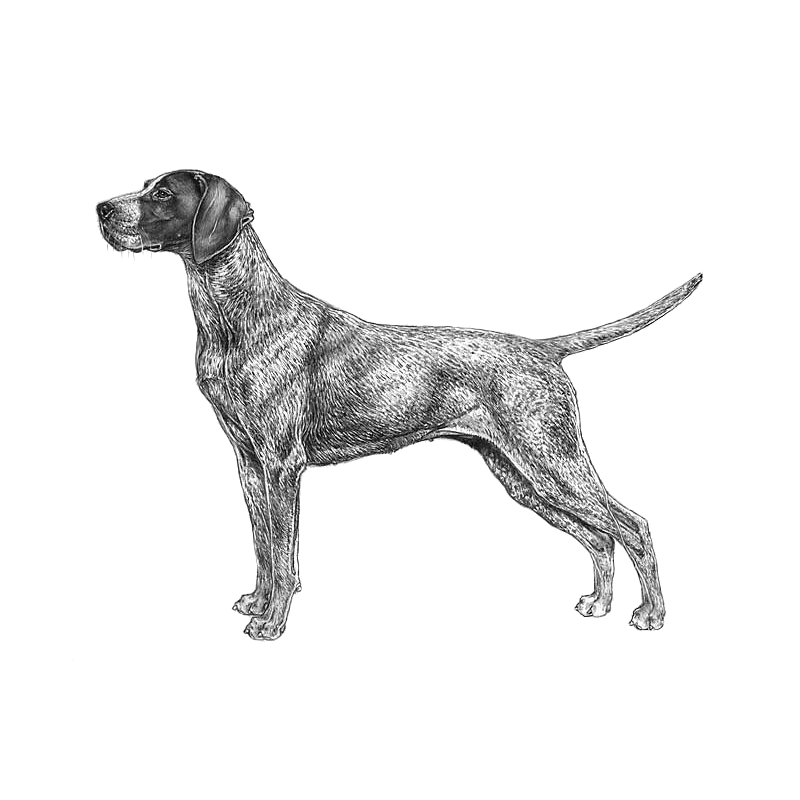
A dog of noble and balanced appearance, the conformation of which ensures strength, endurance and speed. Proud attitude, smooth outlines, lean head, well carried tail, firm shiny coat and well reaching, harmonious strides emphasize its nobility. Firm, balanced, reliable, restrained temperament, neither nervous nor shy or aggressive.
Source: http://www.fci.be/en/nomenclature/GERMAN-SHORT-HAIRED-POINTING-DOG-119.html
-
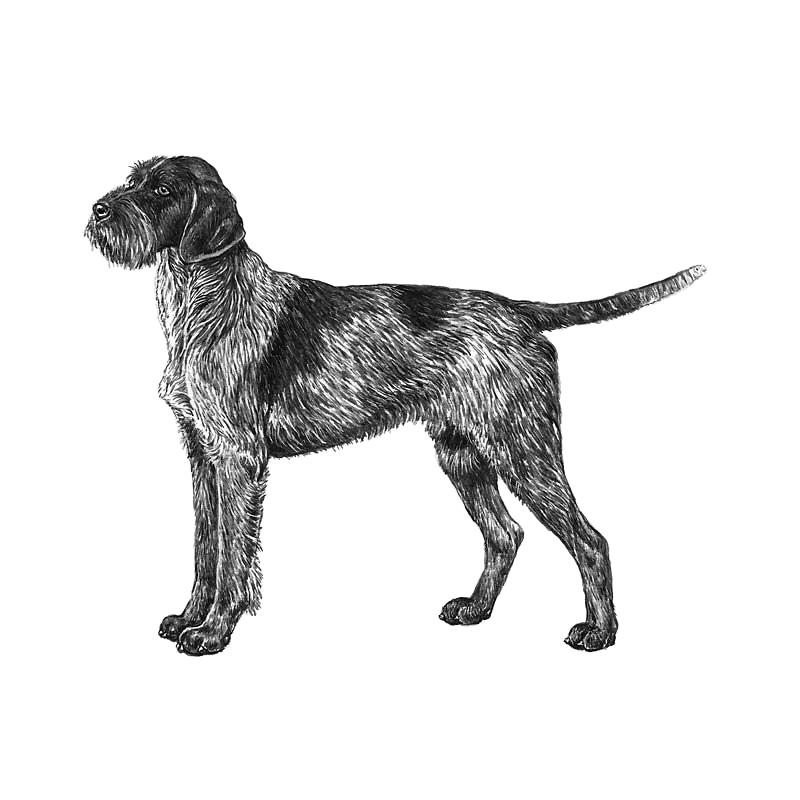
A pointing dog of noble appearance, with harsh coat completely protecting the skin, with an attentive expression full of energy. The movement should be powerful, ground covering, flowing and harmonious. Firm, self-controlled, wellbalanced, without shyness of game, neither sensitive when shots are fired nor shy or aggressive.
Source: http://www.fci.be/en/nomenclature/GERMAN-WIRE-HAIRED-POINTING-DOG-98.html
-
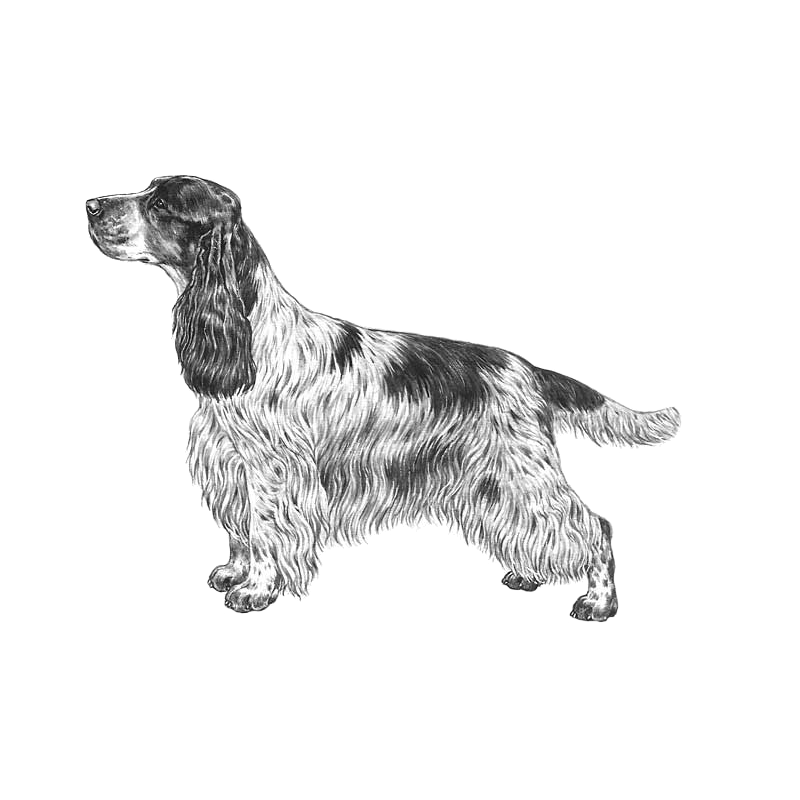
The English Cocker Spaniel is a breed of gun dog. The English Cocker Spaniel is an active, good-natured, sporting dog standing well up at the withers and compactly built.
Source: Wikipedia
-
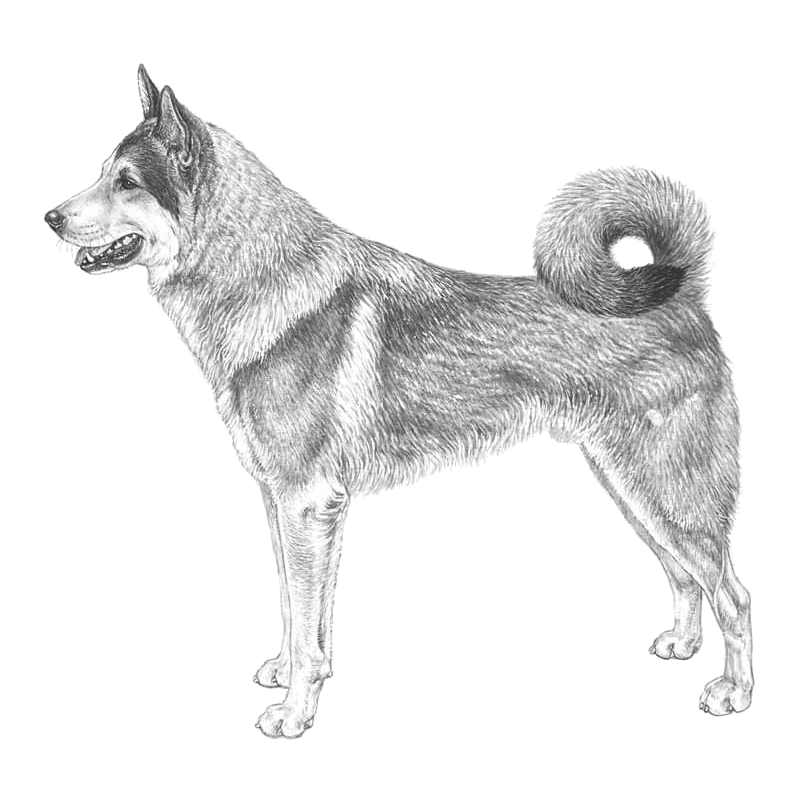
The East Siberian Laika (Vostotchno-Sibirskaia Laika) is a Russian breed of dog of spitz type, a hunting dog originating in parts of Siberia east of the Yenisei River. Source: Wikipedia
The East Siberian Laïka is a hunting dog of the spitz type that was developed to hunt large game such as deer and bear. Traditionally they were also used as draft/sledge dogs and drovers. They are one of three Russian Laïkas (or 'barkers'), the other two being the West Siberian and Russo-European Laïkas. At one time a fourth Laïka was recognized, the Karelo-Finnish Laïka, but this breed was merged with the Finnish Spitz in 2006 due to having minor differences. Source: https://www.worldlydogs.com/east-siberian-laiumlka.html
-
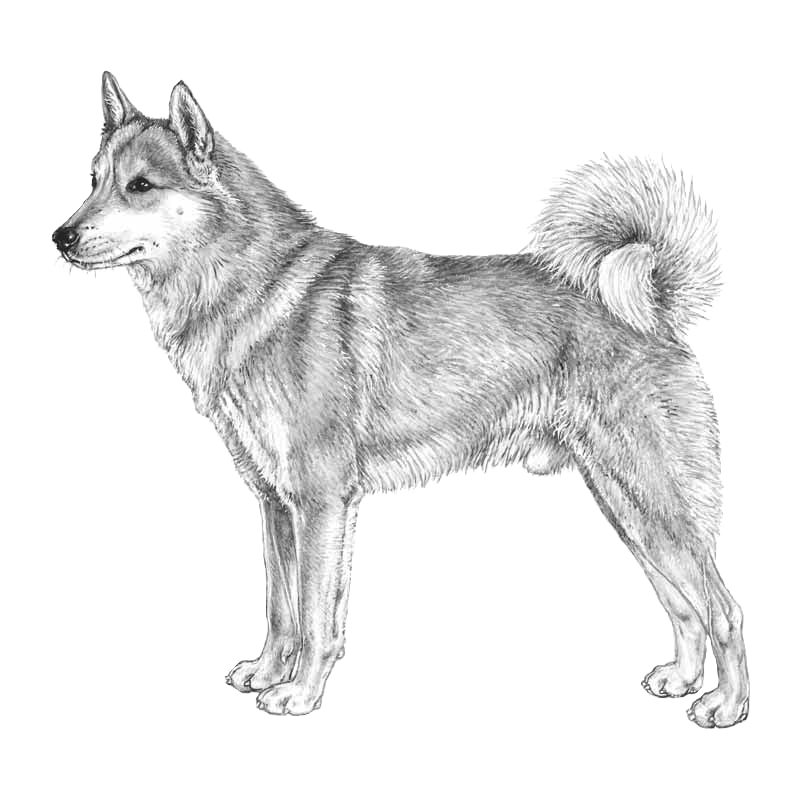
The West Siberian Laika or WSL, is a breed of hunting dog. Russian publications indicate that the term West Siberian Laika loosely applied to hunting dogs originating with the Mansi and Khanty people in Ural and West Siberia, but there were no standards or registrations of WSL as such until 1930.
-
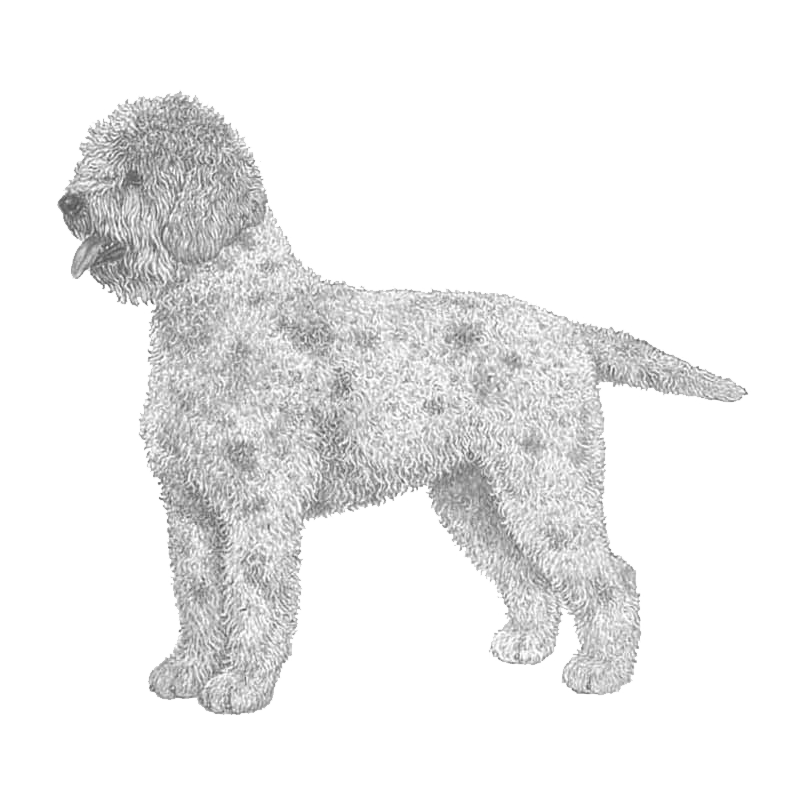
The Lagotto Romagnolo [laˈɡɔtto romaɲˈɲɔlo] is a breed of dog that comes from the Romagna sub-region of Italy. The name means "lake dog from Romagna," originating from the Italian word lago, meaning lake. Its traditional function is a gundog, specifically a water retriever.
-
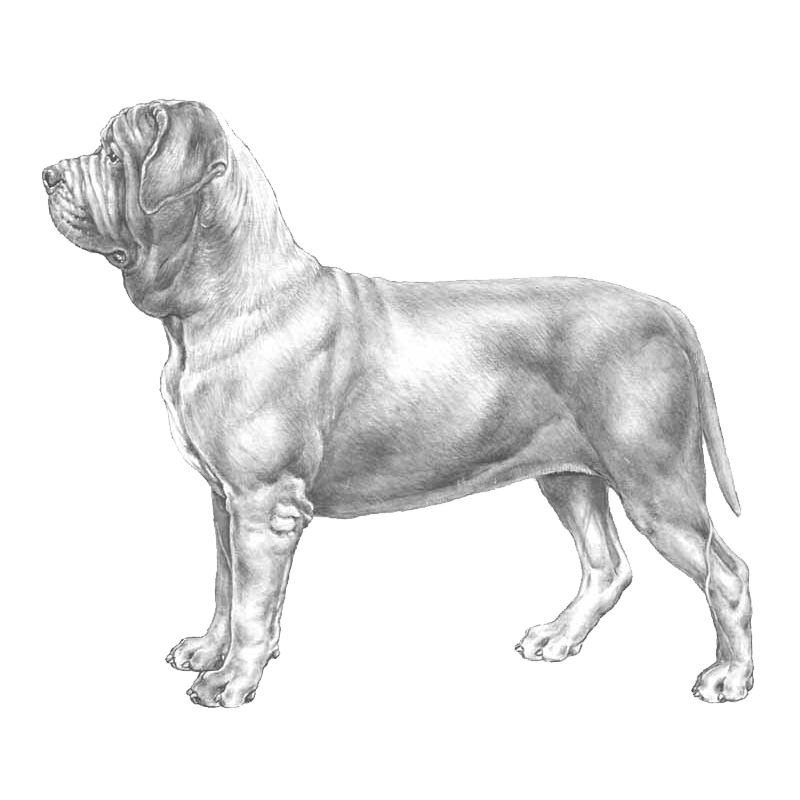
The Neapolitan Mastiff or Italian Mastiff, (Italian: Mastino Napoletano) is a large, ancient dog breed. This massive breed is often used as a guard and defender of family and property due to their protective instincts and their fearsome appearance.
-
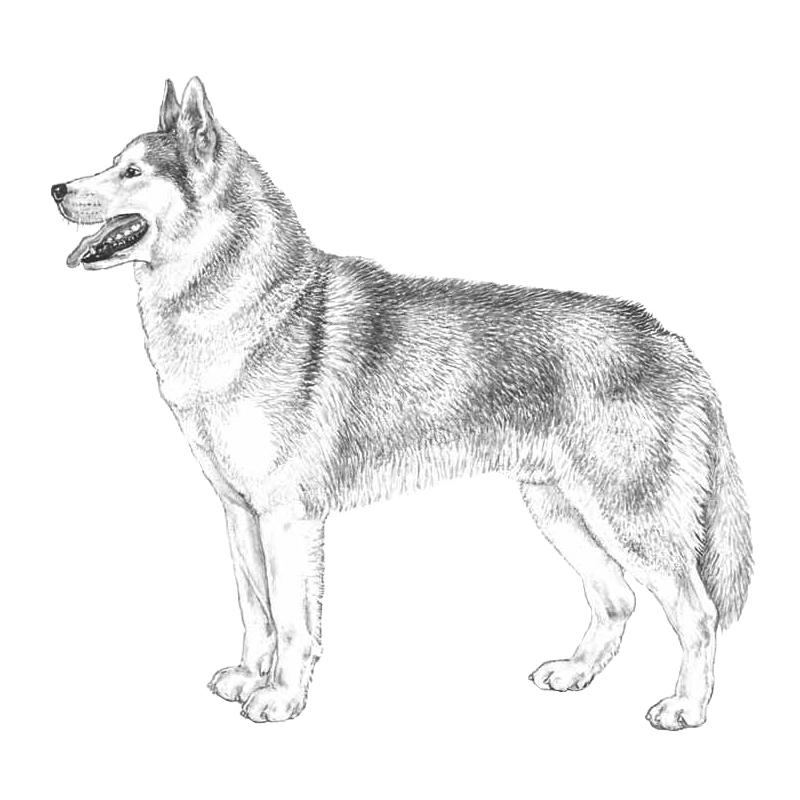
The Siberian Husky (Russian: сибирский хаски, "Sibirsky hasky") is a medium size, dense-coat working dog breed that originated in north-eastern Siberia. The breed belongs to the Spitz genetic family.
-
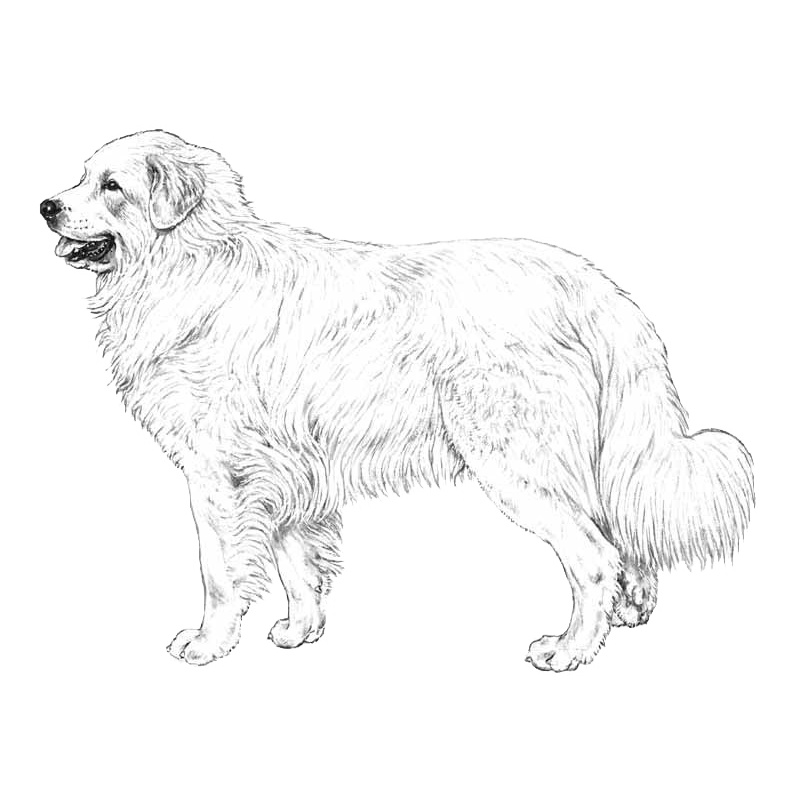
The Pyrenean Mountain Dog, known as the Great Pyrenees in North America, is a large breed of dog used as a livestock guardian dog.
-
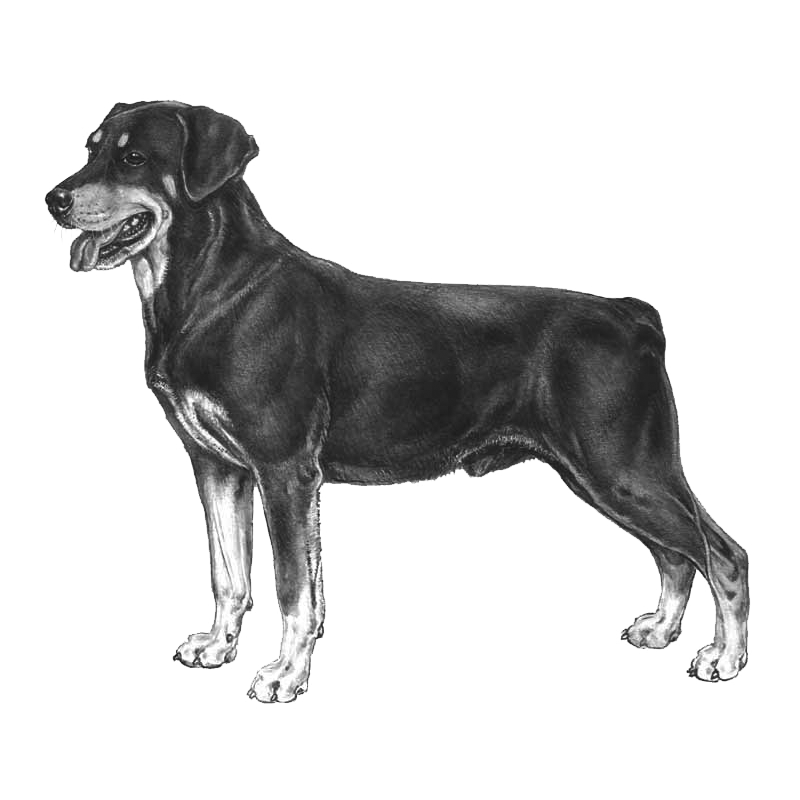
The Smaland Hound (Swedish: Smålandsstövare) is a breed of dog that originated in Sweden in the 16th century. Thought to be the oldest scent hound breed native to Sweden, it was first recognized by the Swedish Kennel Club in 1921.
-
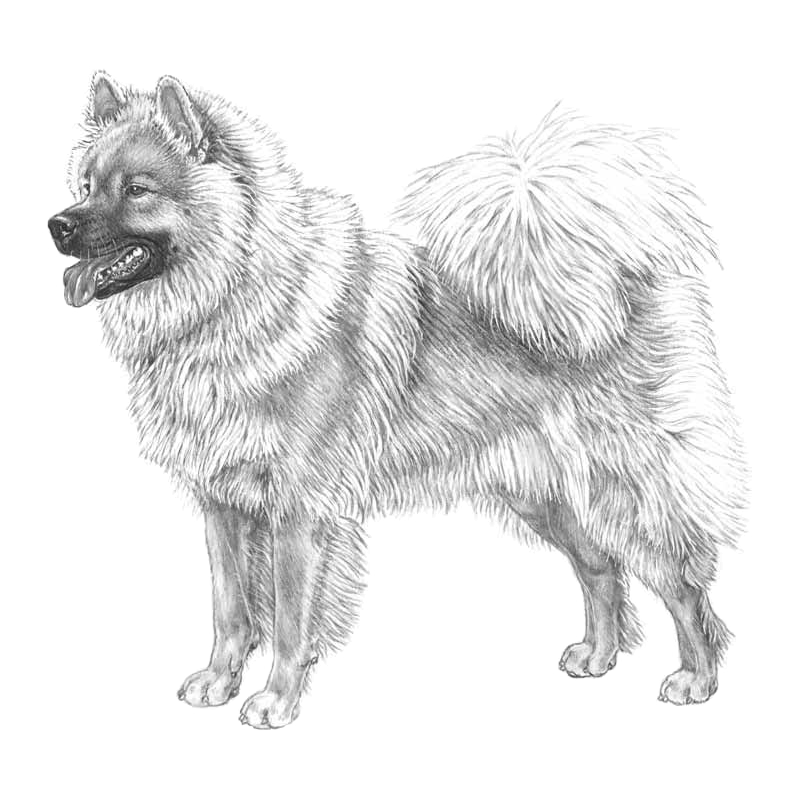 Balanced, well constructed medium sized dog of Spitz type with prick ears and coat in varied colours. Length of coat should be such as still to reveal the body proportions. With medium bone. Balanced, well constructed medium sized dog of Spitz type with prick ears and coat in varied colours. Length of coat should be such as still to reveal the body proportions. With medium bone. Self-assured, calm, even tempered with high resistance against any provocation.
Watchful and alert without being noisy. Very strongly developed link to his family. Reserved towards strangers without being aggressive. No hunting instinct. For the full development of these qualities, the Eurasian needs constant close domestic contact with his family and understanding, yet consistent training.