






Pedigree Breeds
184 entries in this category
-
- Last comment date
- Title
- Start Date
- Most Commented
- Most Viewed
- Last Updated
- Publish Date
- Brief Description
- Content
- Links to Breed Descriptions
- Other Names for Breed
- Country of Origin and Parent Breed Club
- Health and Well-Being
- Breed-Specific Articles
- Breed Standards
- Breed-Specific Statistics
- Breeding/Health Strategy Documents
- Breed-Specific DNA Tests
- Other Breed-Specific Webpages
- Breed-Specific Research
- Breed Clubs
- Custom
-
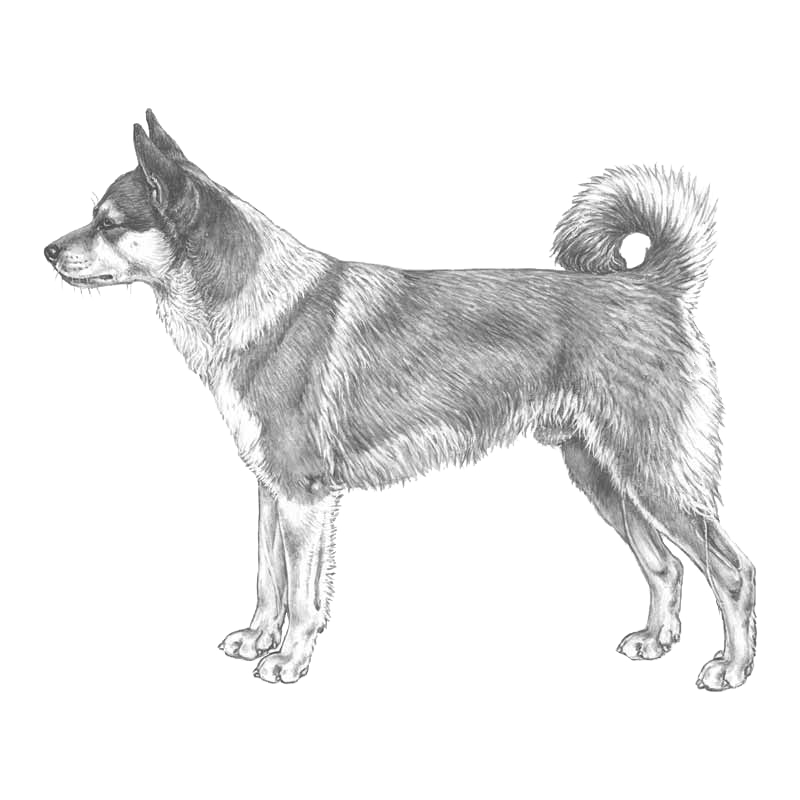
The Norwegian Lundehund is an ancient dog breed that was used to hunt seabirds along most of the Norwegian coast. The breed name is a combination of the Norwegian words ”lunde” (puffin, Fratercula arctica) and ”hund”, dog. Although the breed’s exact age is not known, there are descriptions of the use of dogs for puffin hunting that are more than 400 years old.
Source: The native dog breeds of Norway - http://www.skogoglandskap.no/f…/native_dog_breeds_norway.pdf (Internet Archive)
-
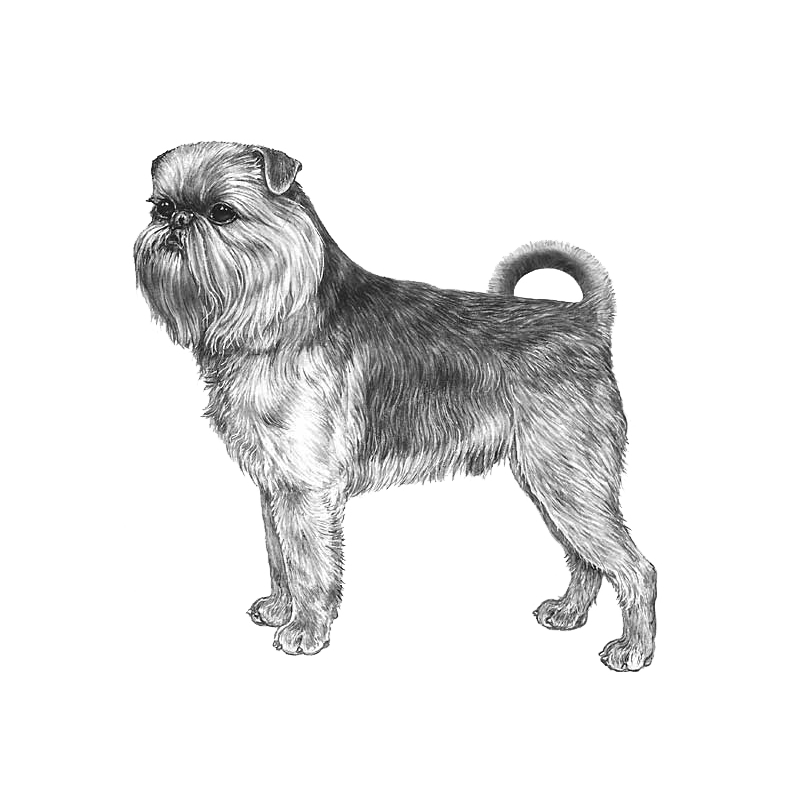
At one time known as the Belgian street urchin, this breed originated in Belgium and has traces of Affenpinscher in its ancestry. A variety of this little dog appeared in a painting by the Flemish artist Jan van Eyck as long ago as 1434 and the breed was already standard in type by the 1600s. He used to earn his keep as a stable dog where horses for hansom cabs were kept. He arrived in Britain in the late 1800s.
Source: The Kennel Club
-
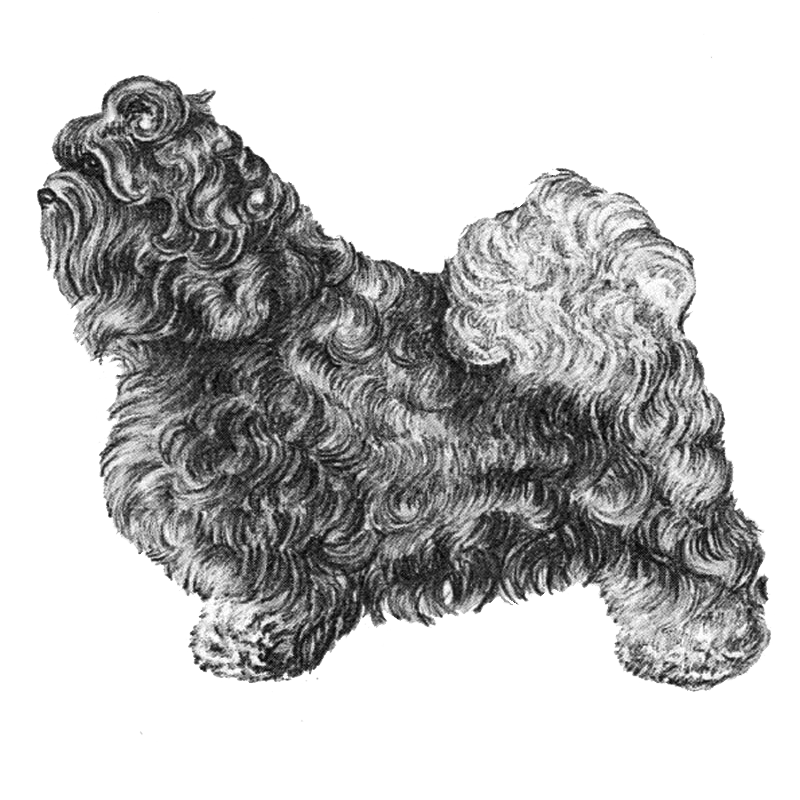
The creation of the breed started in 1951 in Leningrad. Following breeds Bolognese, Shih-Zzu, Lhasa-Apso were involved in the creation of the RUSSKAYA TSVETNAYA BOLONKA. 1
Developed to be the ultimate house pet and companion, the Tsvetnaya Bolonka is a small, sturdy, balanced dog, slightly longer than tall. The breed has a wavy or curly coat. He moves gracefully with the tail carried over the back or to either side. He is friendly to all and shows no sign of aggression. He is sweet, loving, intelligent, and willing to please. 2
Sources:1 FCI-RKF Breed Standard: Translation: Karin Biala-Gauß;
-
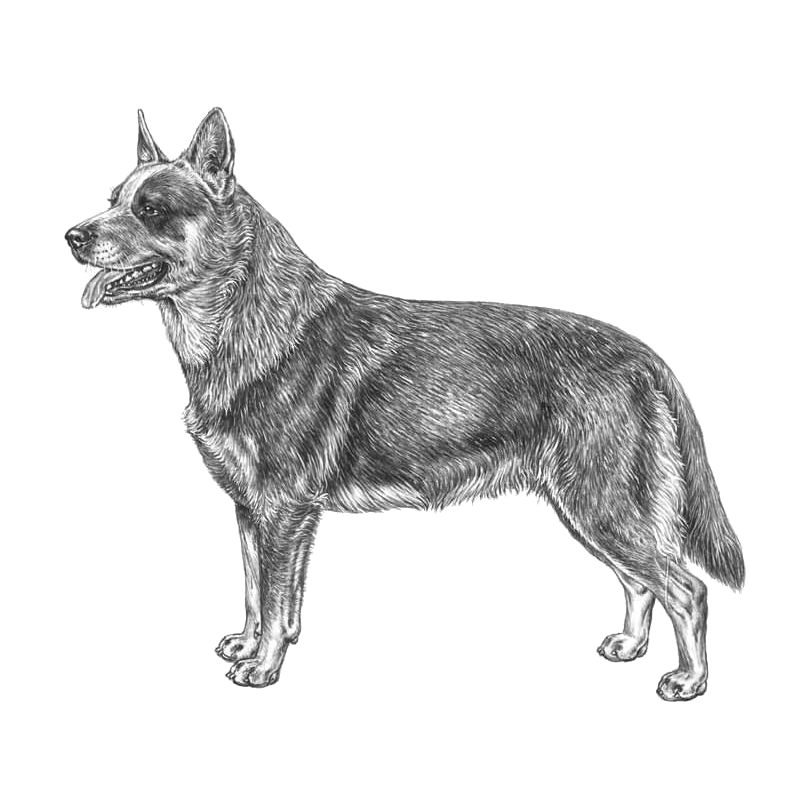
The Australian Cattle Dog (ACD), or simply Cattle Dog, is a breed of herding dog originally developed in Australia for droving cattle over long distances across rough terrain.
Source: Wikipedia
-
- international breed collaboration
- swedish insurance data
- australian shepherd
- health surveys
- australia
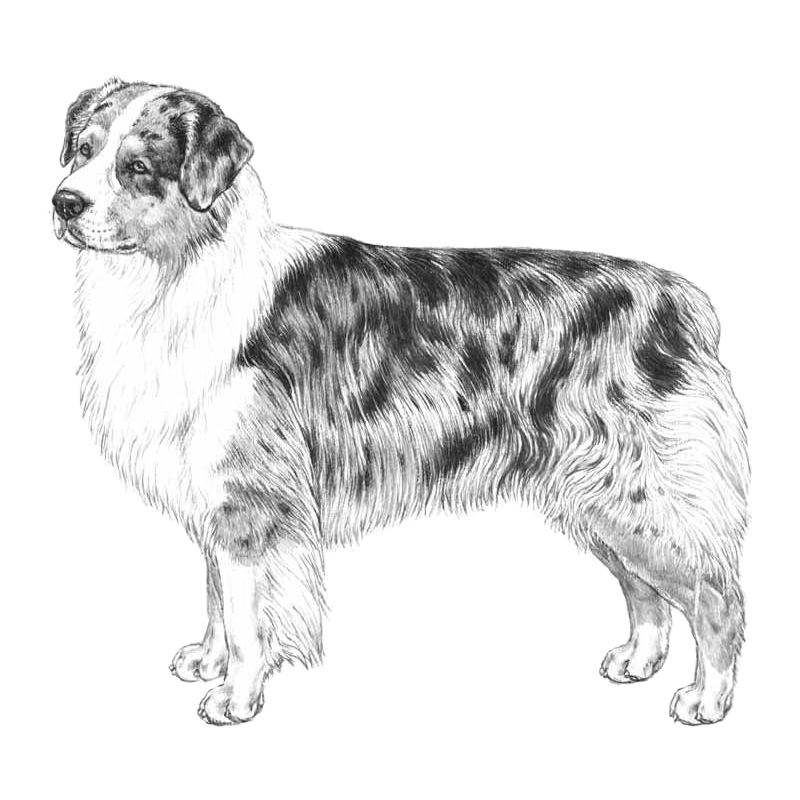
The Australian Shepherd, commonly known as the Aussie, is a medium size breed of dog that was developed on ranches in the western United States. Despite its name, the breed was not developed in Australia, but rather in the United States where they were seen in the West as early as the 1800s.
Source: Wikipedia
The Australian Shepherd was given its name because of the association with Basque Sheepherders who came to the United States from Australia in the 1800’s.
-
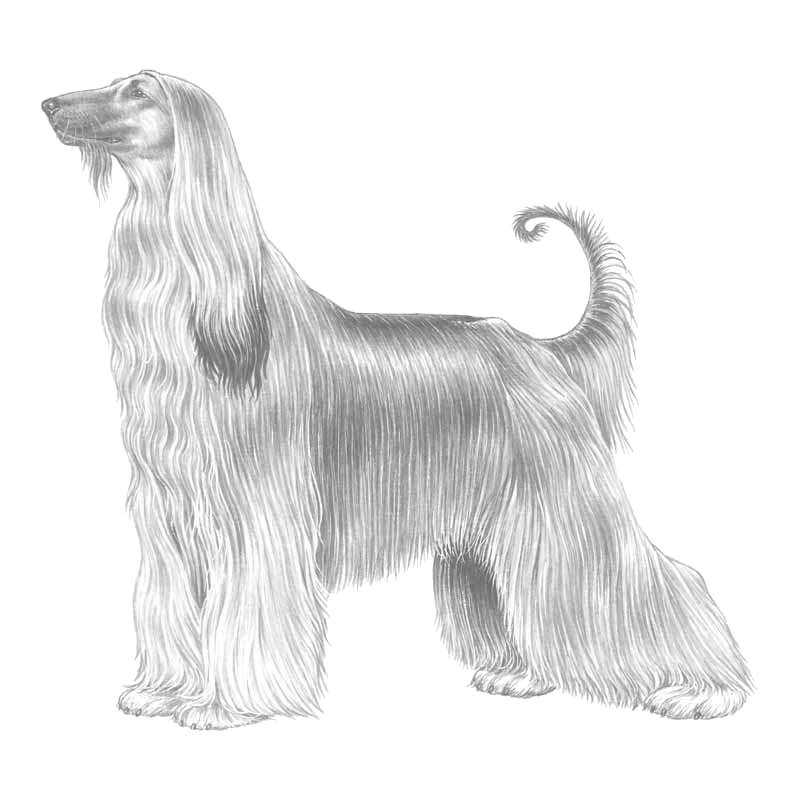
Glamour in the dog world comes in many forms but the Afghan Hound must be in the top ten of anybody’s list. The first Afghan Hounds arrived in Britain in the early 1900s and one, called Zardin, won in spectacular style at the 1907 Crystal Palace show
Source: The Kennel Club
-
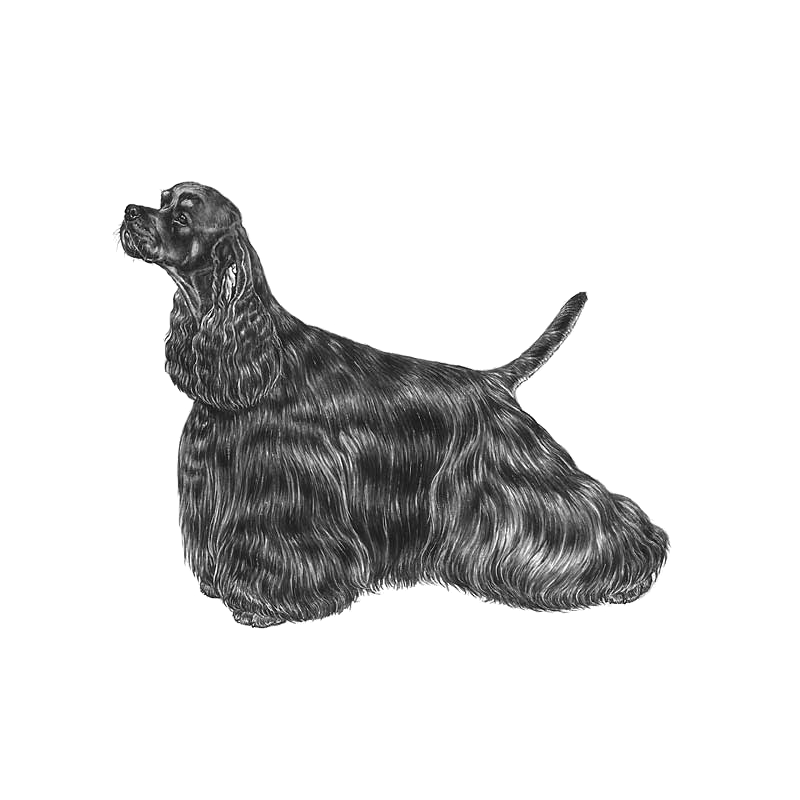
The American Cocker Spaniel is a breed of sporting dog. It is a spaniel type dog that is closely related to the English Cocker Spaniel; the two breeds diverged during the 20th century due to differing breed standards in America and the UK. In the United States, the breed is usually called the Cocker Spaniel, while elsewhere in the world, it is called the American Cocker Spaniel in order to differentiate between it and its English cousin.
Source: Wikipedia
-
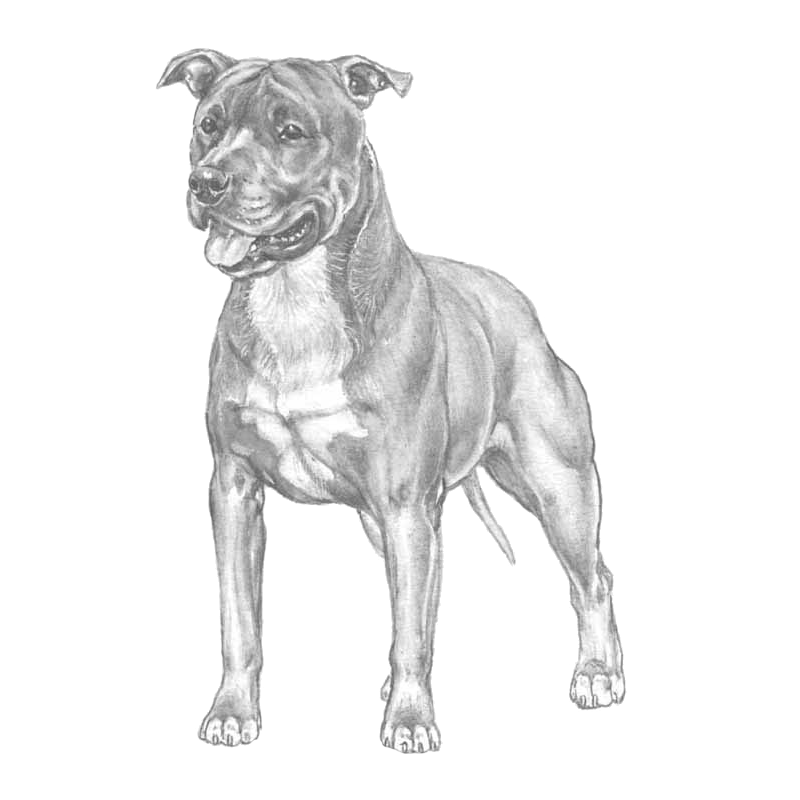
The American Staffordshire Terrier also known as Amstaff is a medium-sized, short-coated American dog breed. In the early part of the twentieth century the breed gained social stature and was accepted by the American Kennel Club as the American Staffordshire Terrier in 1936.
Source: Wikipedia
-
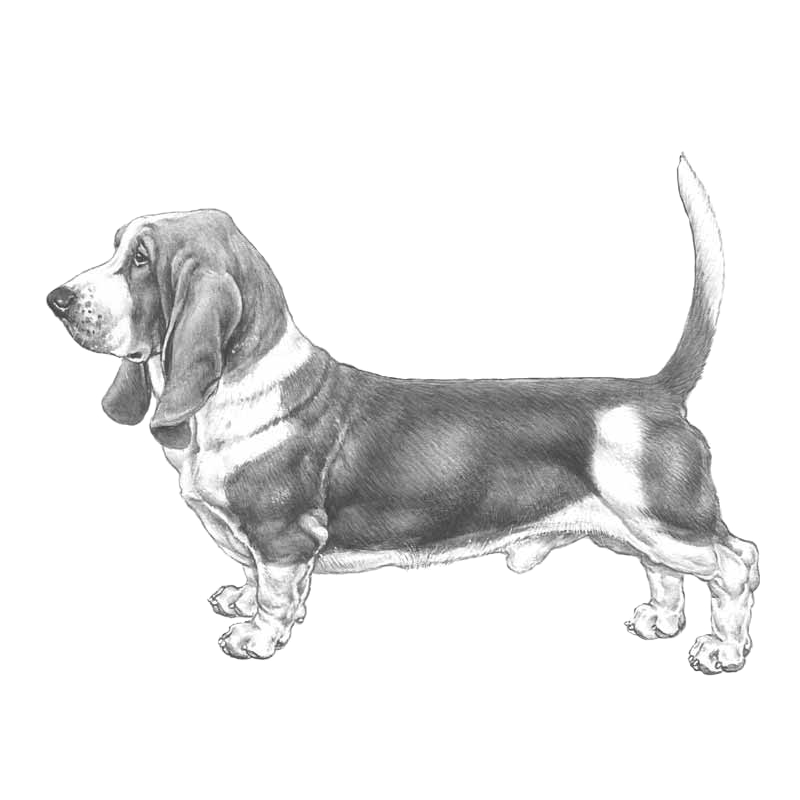
Depicted by cartoonists the world over as a kindly but worried canine buffoon, the Basset deserves his popularity as a family dog. Happy by the fireside or on the moors, he is a dog capable of hunting his natural prey, the hare, persistently at a relatively slow pace over prodigious distances.
Source: The Kennel Club
-
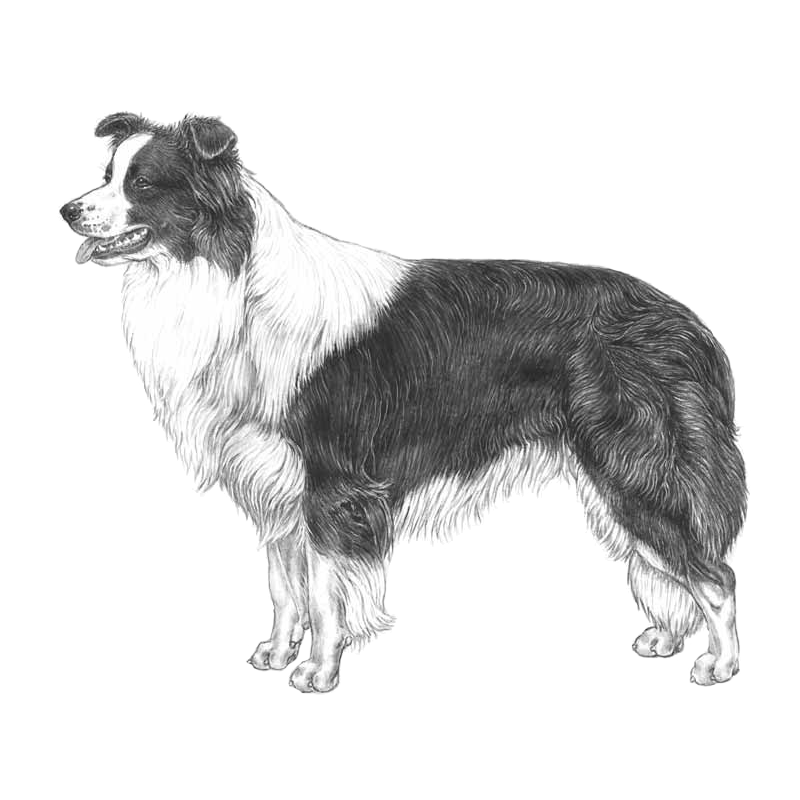
This highly intelligent dog has an inborn instinct to work, and responds readily and eagerly to training. He was originally used for working sheep in the hills and mountains, mainly in the border counties of England, Scotland and Wales, but his prowess as a working sheepdog has now spread countrywide throughout Britain and even farther afield.
Source: The Kennel Club
-
- swedish insurance data
- health surveys
- boxer
- registration statistics
- international breed collaboration
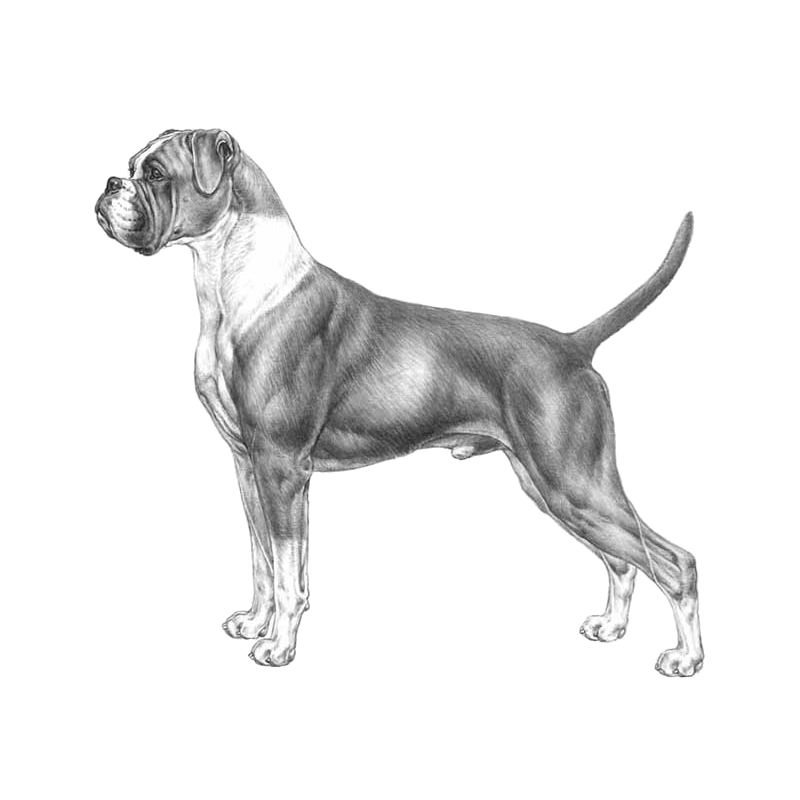
The Boxer is a medium sized, smooth coated, sturdy dog of compact, square build and strong bone. His muscles are taut, strongly developed and moulded in appearance. His movement is lively, powerful with noble bearing. The Boxer must be neither cumbersome nor heavy, nor light or lacking in body substance.
Source: FCI
-
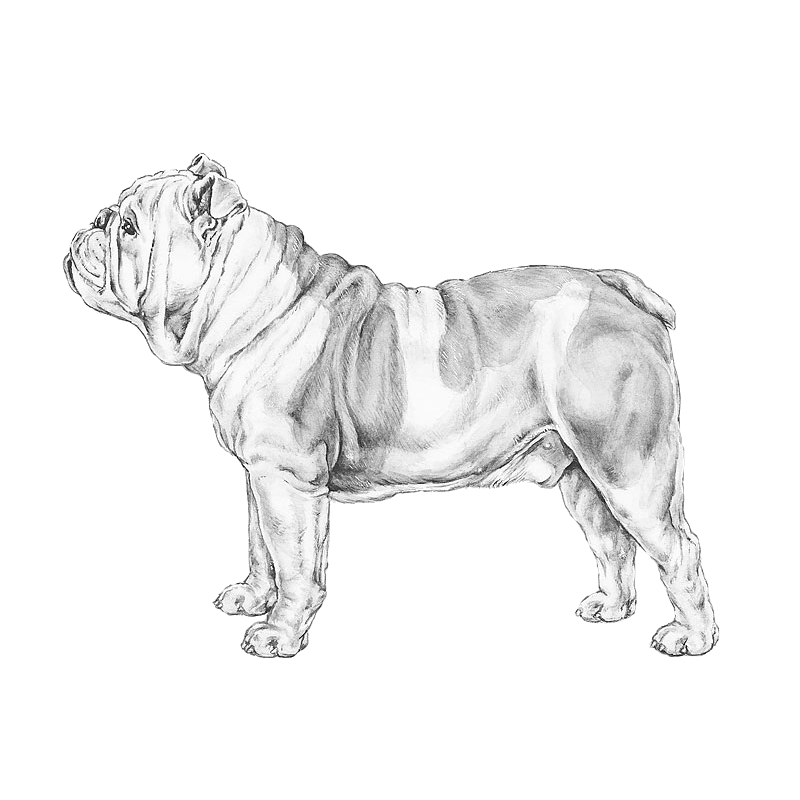
One of Britain’s oldest indigenous breeds, the Bulldog is known as the National dog of Great Britain and is associated throughout the world with British determination and the legendary John Bull. The Bulldog was first classified as such in the 1630s, though there is earlier mention of similar types referred to as bandogs, a term reserved today for a type of fighting dog.
Source: The Kennel Club
-
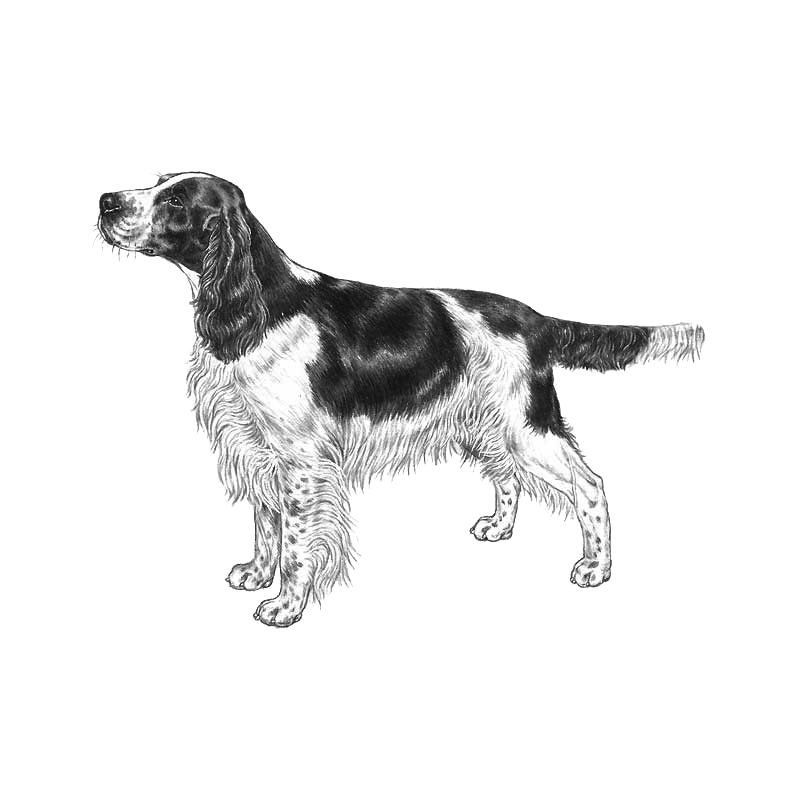
Developed to flush game from cover and to retrieve it, the English springer spaniel's coat is liver and white, black and white or tri-coloured. The English Springer is the most popular of the spaniels for working in the field. A happy and very biddable temperament lends itself well to family life. Field-bred and bench-bred dogs are available - as the names suggest the Field type is used in the field for hunting and the Bench type is bred for their looks in the show ring. Field dogs tend to be taller on leg, not as heavily bodied or boned, shorter coated and may be more energetic/hunting work oriented than their show counterparts.
-
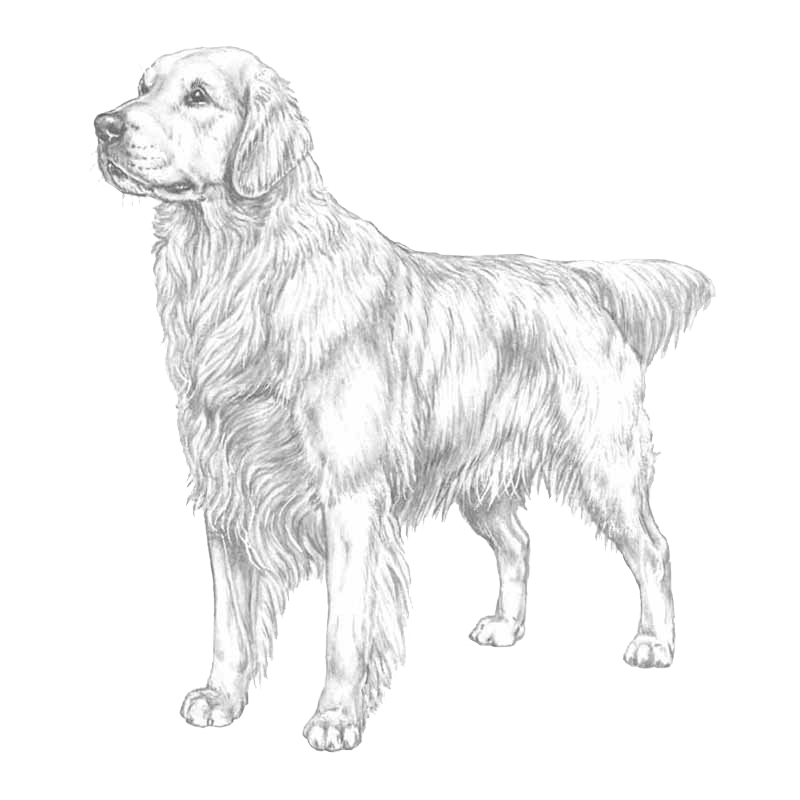
The Golden Retriever is a large-sized breed of dog bred as gun dogs to retrieve shot waterfowl such as ducks and upland game birds during hunting and shooting parties, and were named 'retriever' because of their ability to retrieve shot game undamaged.
-
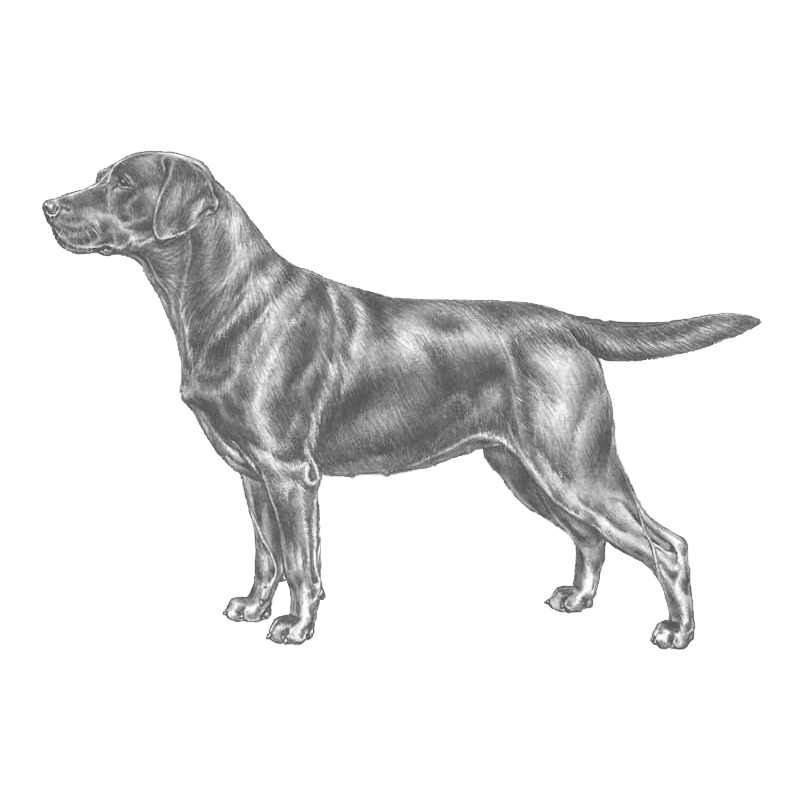
The Labrador is one of the best all-round dogs in the world. Not only used for retrieving game, he has also made his mark in the world of assistance dogs and as a ‘sniffer’ dog for drug and arms detection.
Source: https://www.thekennelclub.org.uk/search/breeds-a-to-z/breeds/gundog/retriever-labrador/
-
 His nature is similar to that of the Schnauzer and is determined by the temperament and the behaviour of a small dog. Intelligence, fearlessness, endurance and alertness make the Miniature Schnauzer an agreeable house dog as well as a watch and companion dog which can be kept even in a small apartment without problems.
Small, strong, stocky rather than slim, rough coated, elegant. A reduced image of the Schnauzer without the drawback of a dwarfed appearance. His nature is similar to that of the Schnauzer and is determined by the temperament and the behaviour of a small dog. Intelligence, fearlessness, endurance and alertness make the Miniature Schnauzer an agreeable house dog as well as a watch and companion dog which can be kept even in a small apartment without problems.
Source: http://www.fci.be/en/nomenclature/MINIATURE-SCHNAUZER-183.html
-
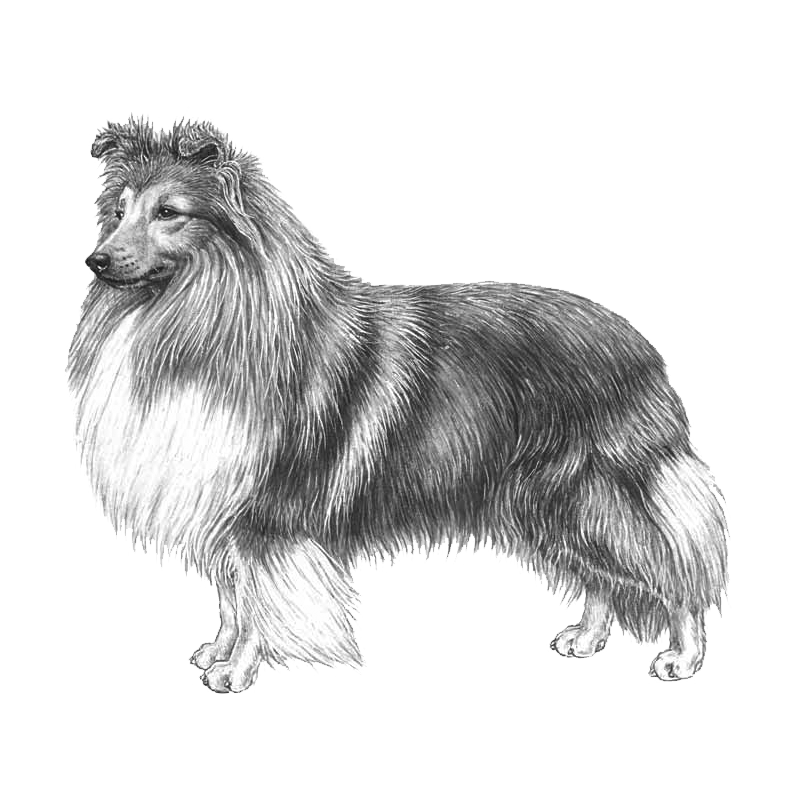
The Shetland Islands off northeast Scotland lay claim to a number of animals small in size. The Shetland Sheepdog is one – an active, intelligent and glamorous dog, who always wants to be ‘on the go’ and is virtually tireless.
Source: https://www.thekennelclub.org.uk/search/breeds-a-to-z/breeds/pastoral/shetland-sheepdog/
-
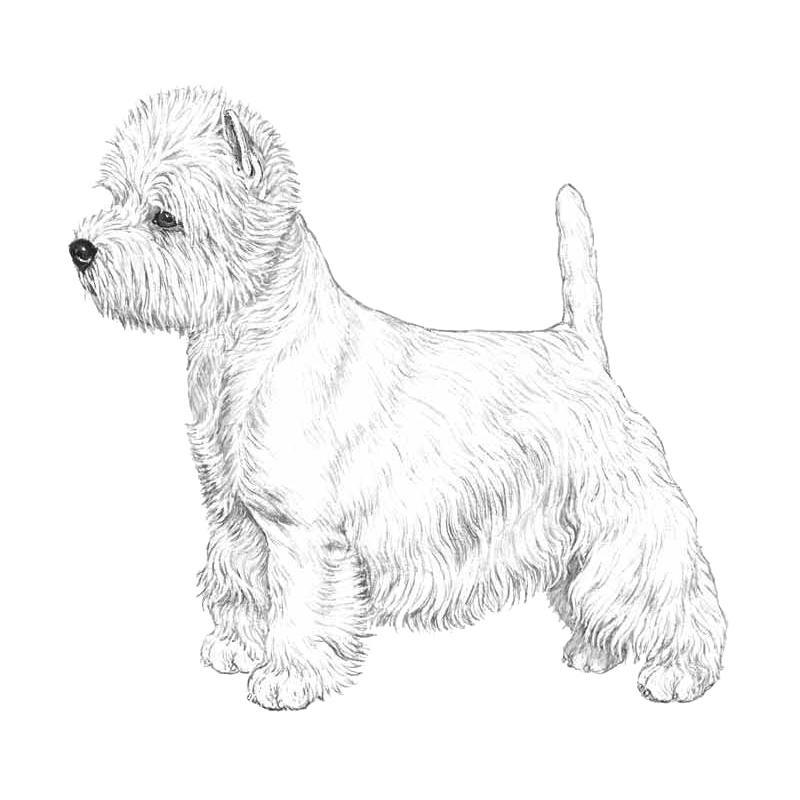
One of the most popular of the terrier breeds, the West Highland White has a cheerful, outgoing personality. He makes an ideal companion and playmate for youngsters as he is full of fun and virtually tireless.
Source: https://www.thekennelclub.org.uk/search/breeds-a-to-z/breeds/terrier/west-highland-white-terrier/
-
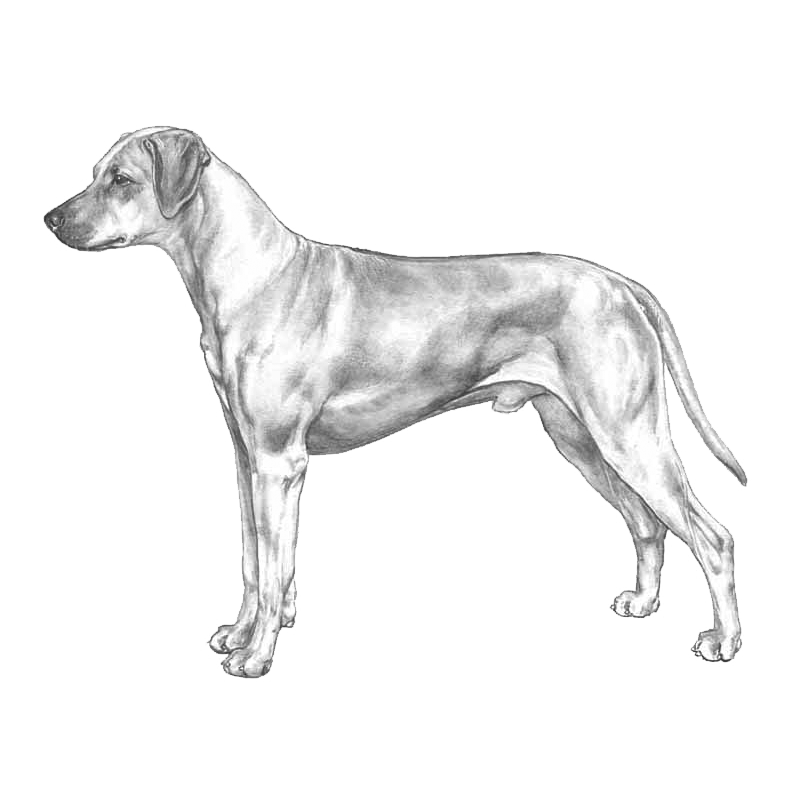
The Rhodesian Ridgeback is a dog breed developed in Southern Africa. Its European forebears can be traced to the early pioneers of the Cape Colony of southern Africa, who crossed their dogs with the semi-domesticated, ridged hunting dogs of the Khoikhoi.
-
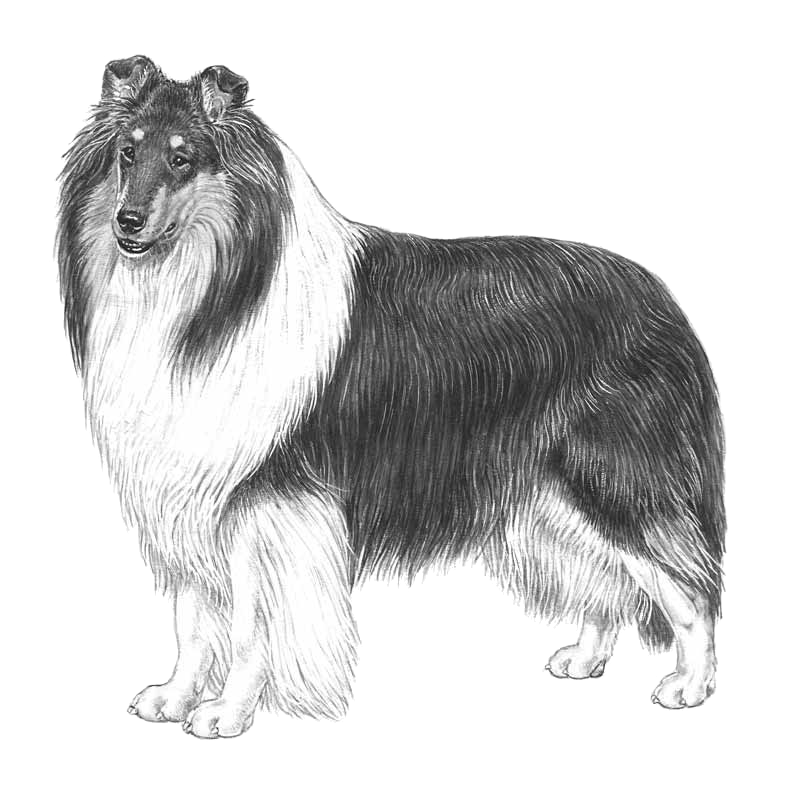
The Rough Collie is the same as the Smooth Collie with the exception of coat length. The breed is thought to have evolved from dogs brought originally to Scotland by the Romans that then mated with native types.
Source: The Kennel Club
-
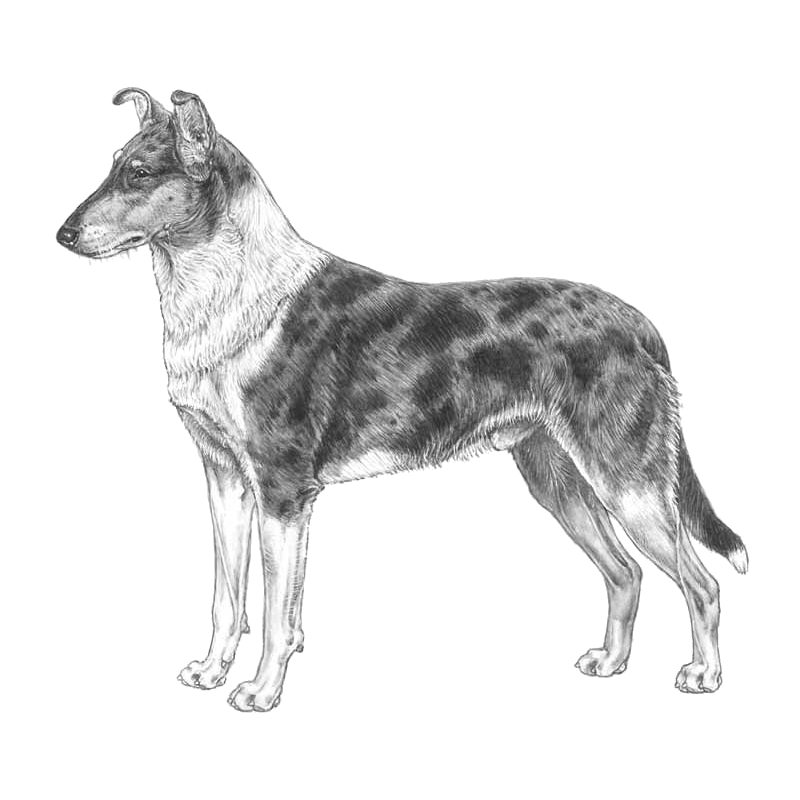
The obvious difference between the breeds Rough and Smooth Collies is the coat length, which in the case of the Smooth Collie is short and flat with a harsh texture on a dense undercoat. Source: The Kennel Club
Also see DWN's Rough Collie page for breed-specific resources.
-
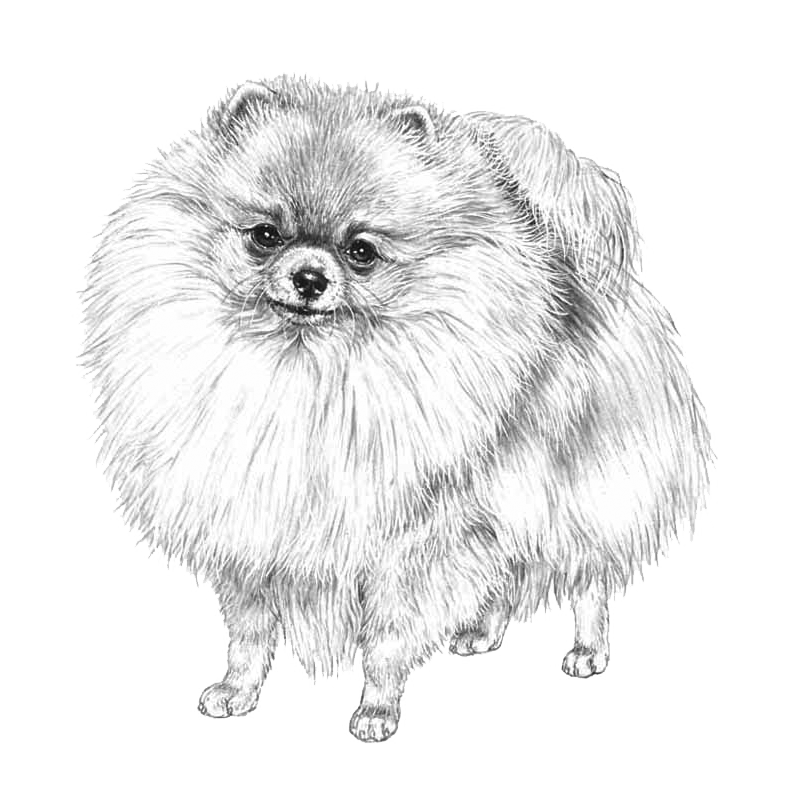
Though Britain is listed as the country of development of the Pomeranian, he is a Spitz-type dog descended from the much larger sled-hauling dogs of the Arctic. He was bred from the German Spitz before becoming known in the UK in 1870. In 1890, he entered the kennels of Queen Victoria, which popularised the breed, and the Pomeranian Club was formed the following year.
Source: https://www.thekennelclub.org.uk/search/breeds-a-to-z/breeds/toy/pomeranian/
-
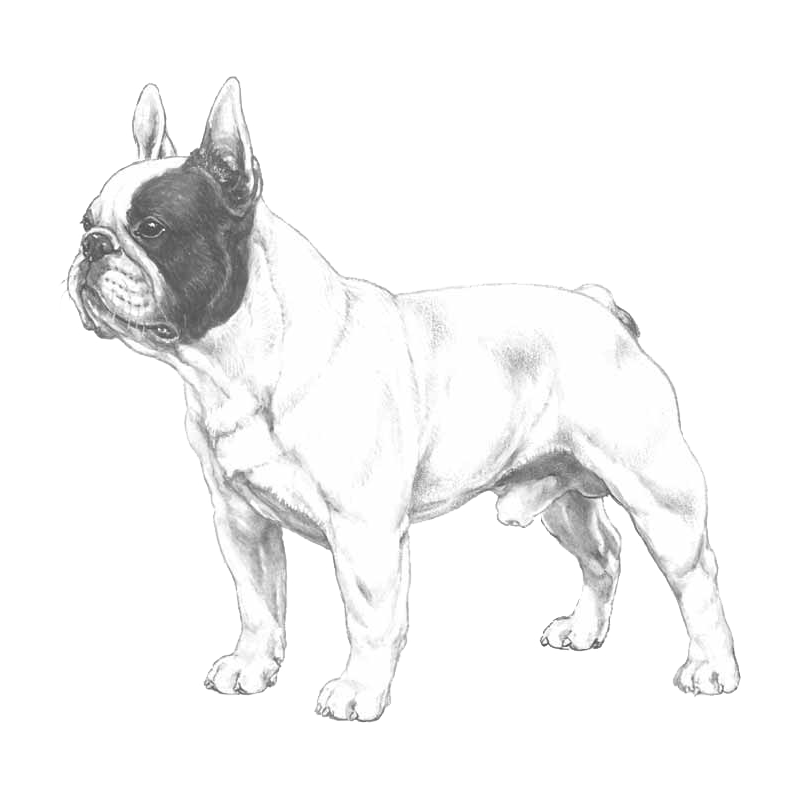
The French Bulldog is a small breed of domestic dog. "Frenchies" were the result in the 1800s of a cross between bulldog ancestors imported from England and local ratters in Paris (France).
-
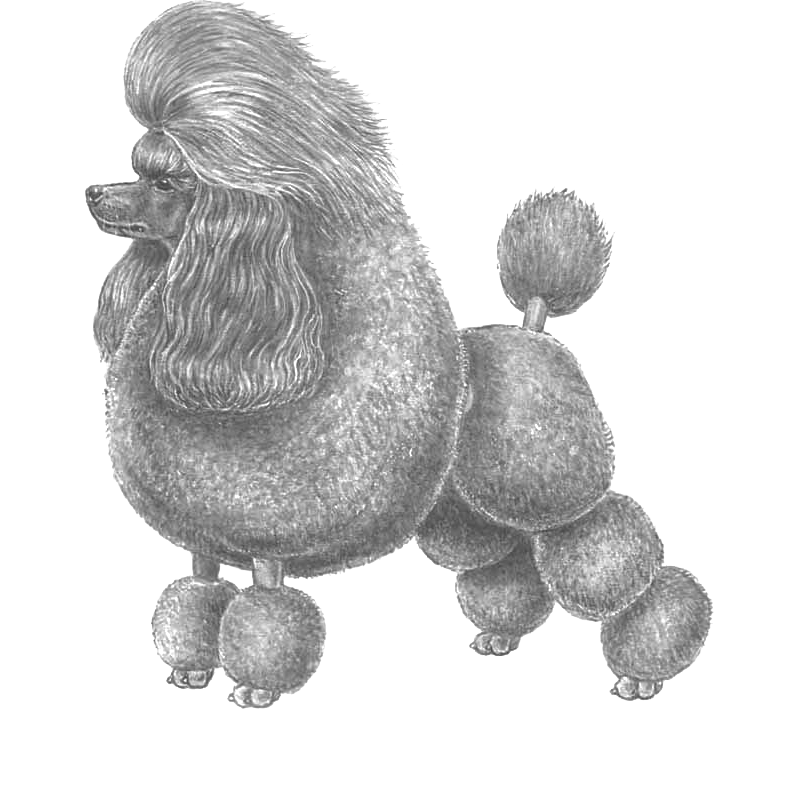
The poodle has been bred in at least three sizes, including Standard, Miniature, and Toy. According to the American Kennel Club, the Standard Poodle is the oldest of the three varieties, and was later bred down to the miniature and toy sizes.
-

The poodle has been bred in at least three sizes, including Standard, Miniature, and Toy. According to the American Kennel Club, the Standard Poodle is the oldest of the three varieties, and was later bred down to the miniature and toy sizes.