





Pedigree Breeds
184 entries in this category
-
- Last comment date
- Title
- Start Date
- Most Commented
- Most Viewed
- Last Updated
- Publish Date
- Brief Description
- Content
- Links to Breed Descriptions
- Other Names for Breed
- Country of Origin and Parent Breed Club
- Health and Well-Being
- Breed-Specific Articles
- Breed Standards
- Breed-Specific Statistics
- Breeding/Health Strategy Documents
- Breed-Specific DNA Tests
- Other Breed-Specific Webpages
- Breed-Specific Research
- Breed Clubs
- Custom
-
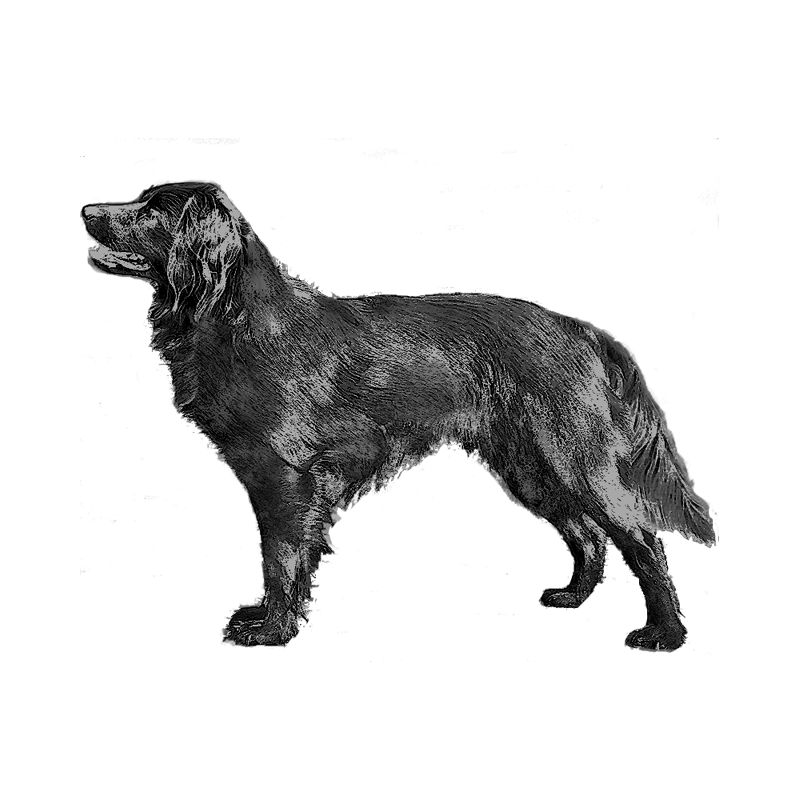
The Markiesje is an authentic Dutch Spaniel whose origin can be traced back to the Middle Ages. The Markiesje is finely built, black, elegant and intelligent. Cheerful and curious as long as it receives enough attention from its owner - this breed is 'under reconstruction'. Registration is done by the Dutch Kennel Club in a temporary register.
-
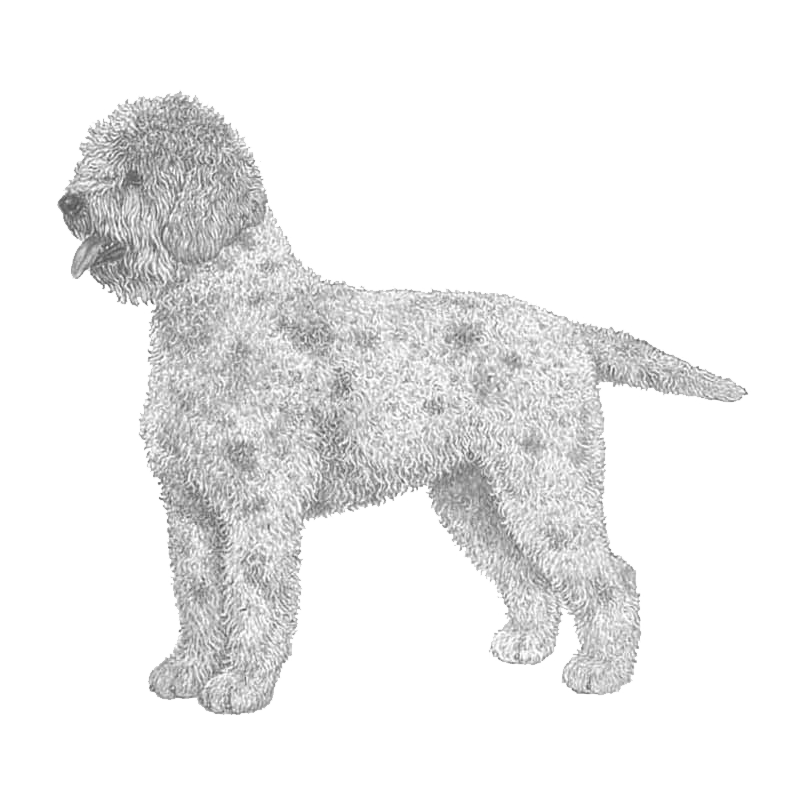
The Lagotto Romagnolo [laˈɡɔtto romaɲˈɲɔlo] is a breed of dog that comes from the Romagna sub-region of Italy. The name means "lake dog from Romagna," originating from the Italian word lago, meaning lake. Its traditional function is a gundog, specifically a water retriever.
-
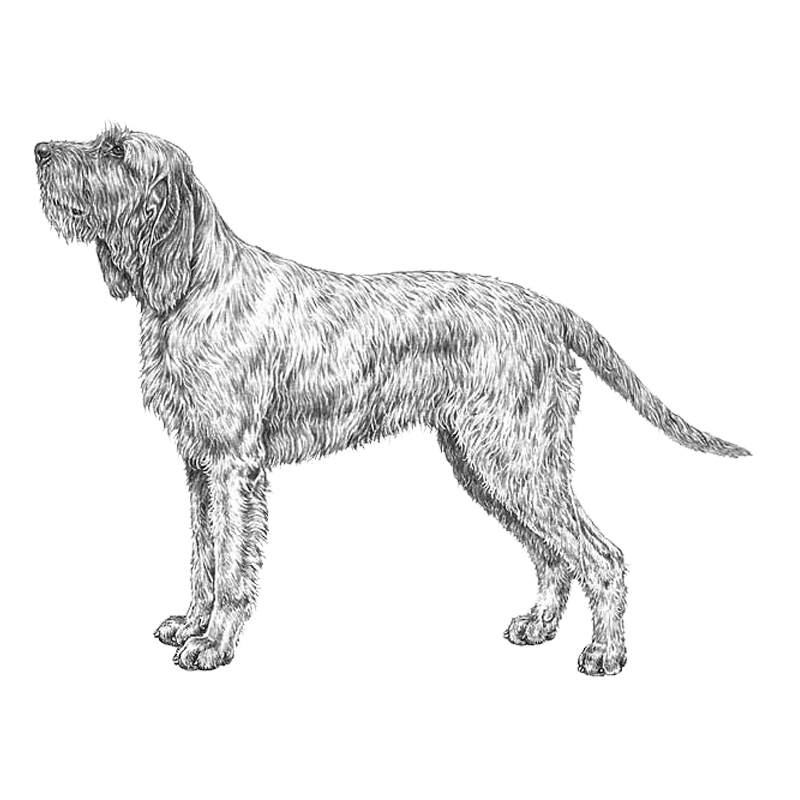
The Spinone Italiano is a "dog of solid construction, robust and vigorous with powerful bone, well-developed muscles and with a rough coat." "Naturally sociable, docile and patient, the Spinone is an experienced hunter in all terrains; very resistant to tiredness, goes easily into thorny underwood, or throws himself into cold water. He has remarkable dispositions for an extended and fast trot; by nature he is an excellent retriever."
Source: FCI Breed Standard (English)
-
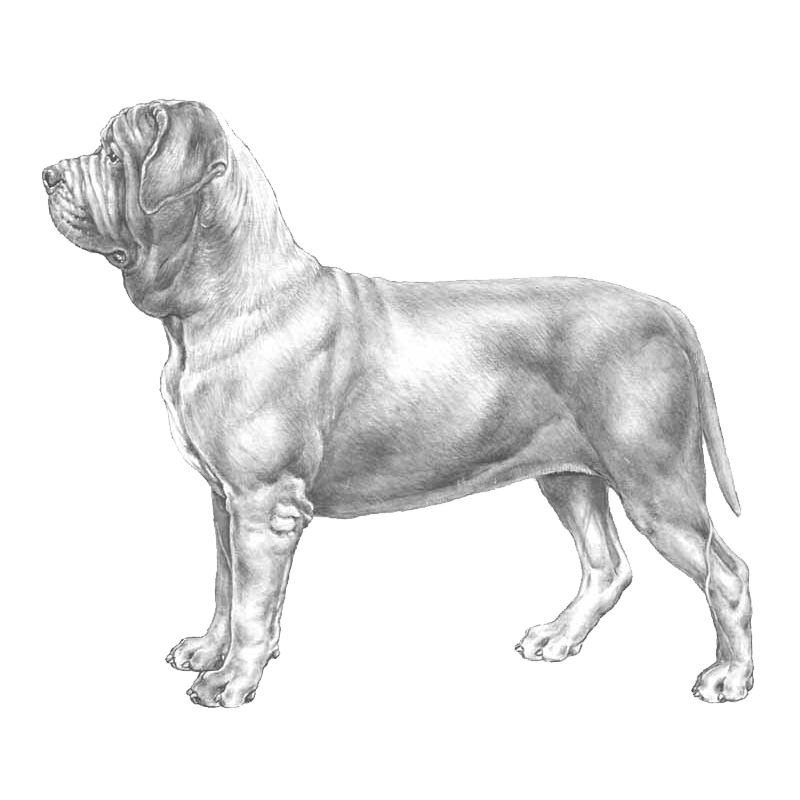
The Neapolitan Mastiff or Italian Mastiff, (Italian: Mastino Napoletano) is a large, ancient dog breed. This massive breed is often used as a guard and defender of family and property due to their protective instincts and their fearsome appearance.
-
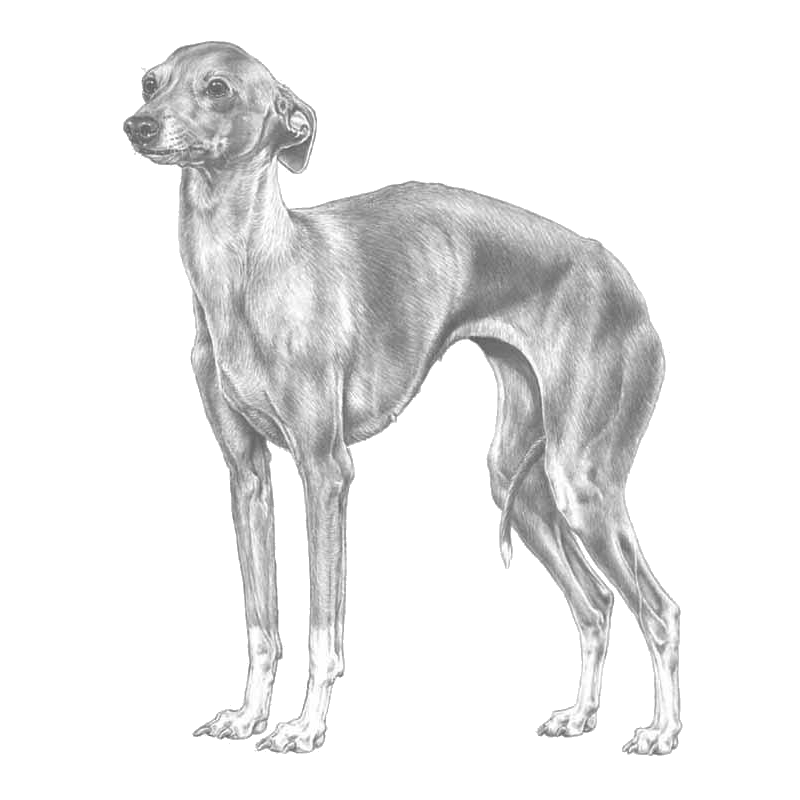
The Italian Greyhound (in Italian: Piccolo Levriero Italiano) is a small breed of dog of the sight hound type, sometimes called an "I.G." or an "Iggy".
-
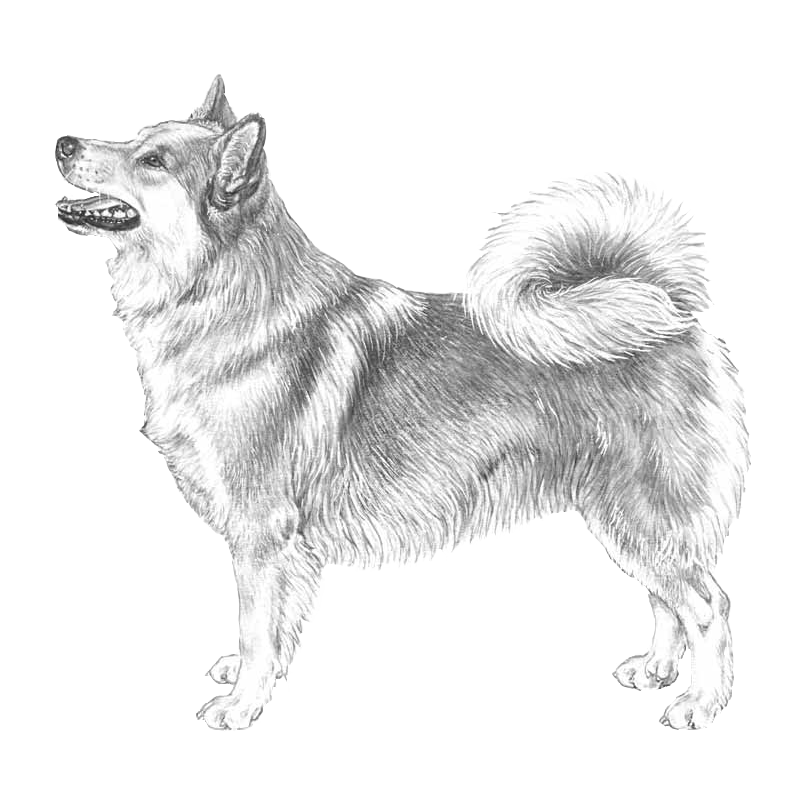
- icelandic sheepdog
- swedish insurance data
- breed health database
- registration statistics
- international breed collaboration
The Icelandic Sheepdog is a breed of dog of Spitz type originating from the dogs brought to Iceland by the Vikings. It is of similar type to the Norwegian Buhund and to the ancestor of the modern Shetland Sheepdog and Welsh Corgi.
-
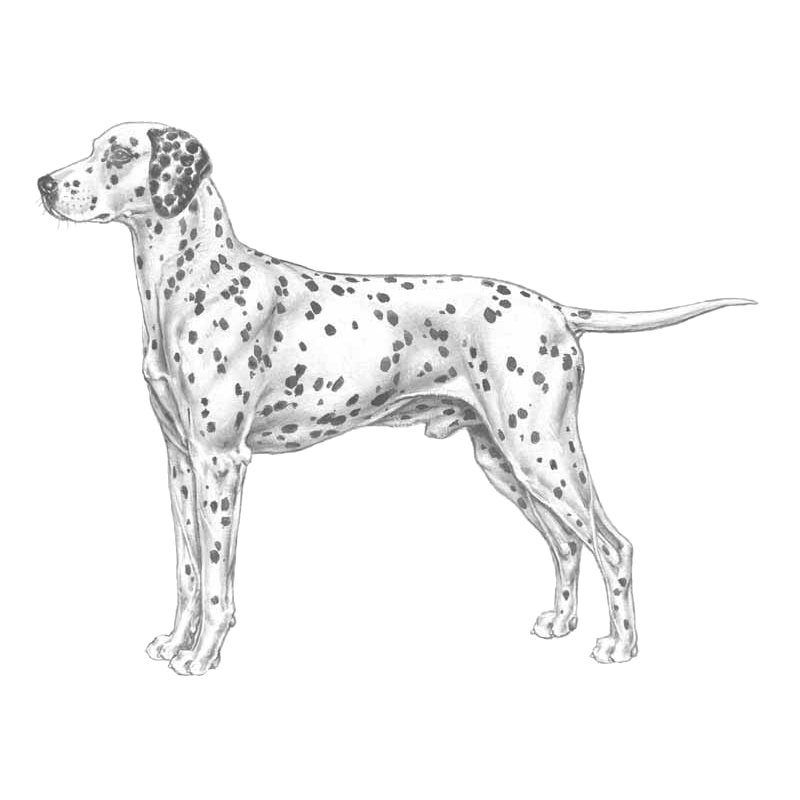
The Dalmatian is a large breed of dog noted for its unique black or liver spotted coat and was mainly used as a carriage dog in its early days.
Source: Wikipedia
-
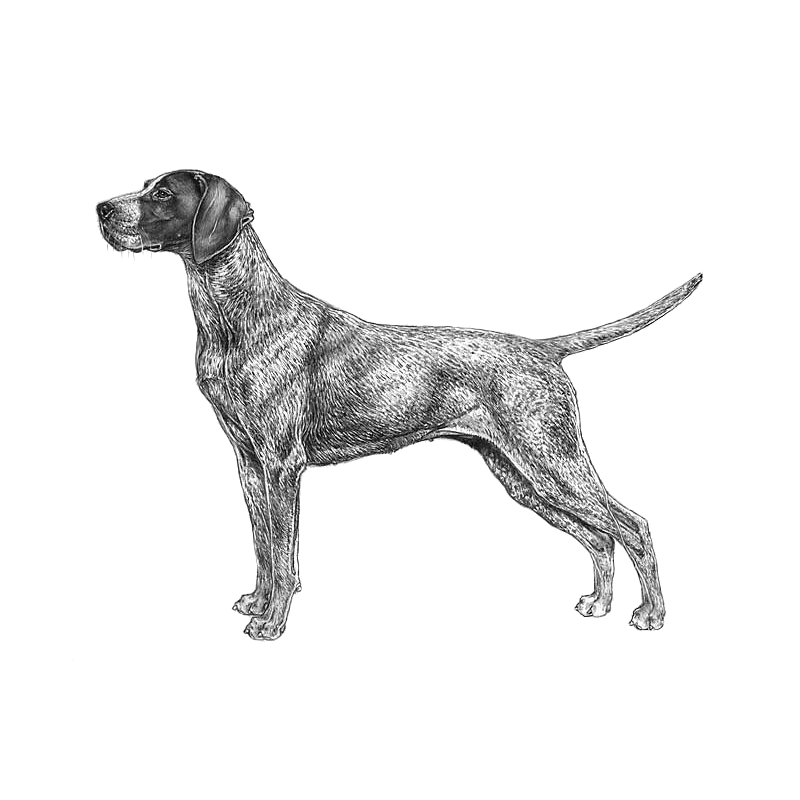
A dog of noble and balanced appearance, the conformation of which ensures strength, endurance and speed. Proud attitude, smooth outlines, lean head, well carried tail, firm shiny coat and well reaching, harmonious strides emphasize its nobility. Firm, balanced, reliable, restrained temperament, neither nervous nor shy or aggressive.
Source: http://www.fci.be/en/nomenclature/GERMAN-SHORT-HAIRED-POINTING-DOG-119.html
-
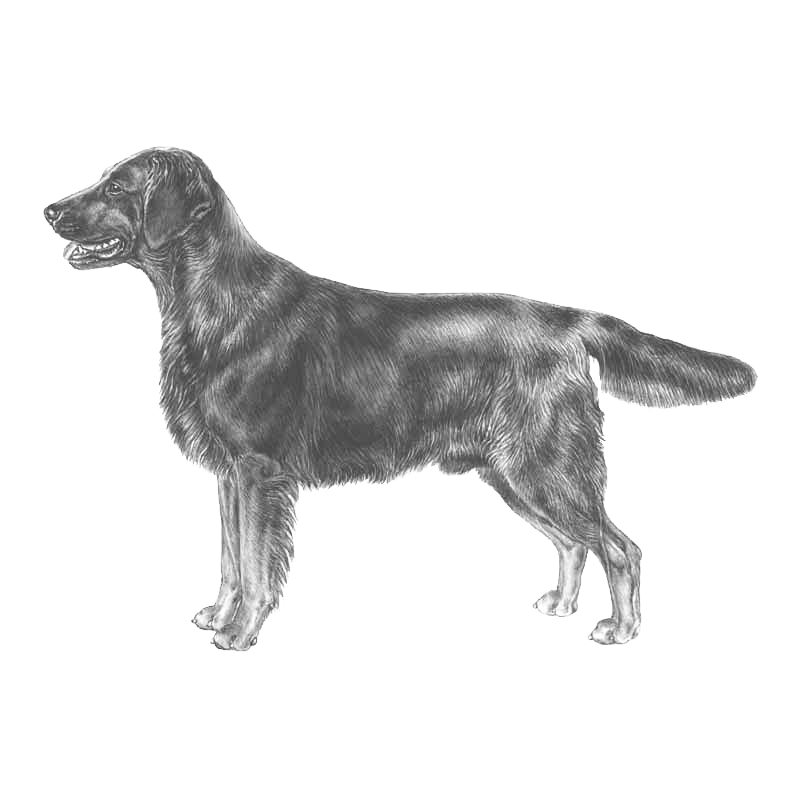
The Flat-Coated Retriever is a gundog breed originating from the United Kingdom. It was developed as a retriever both on land and in the water.
-
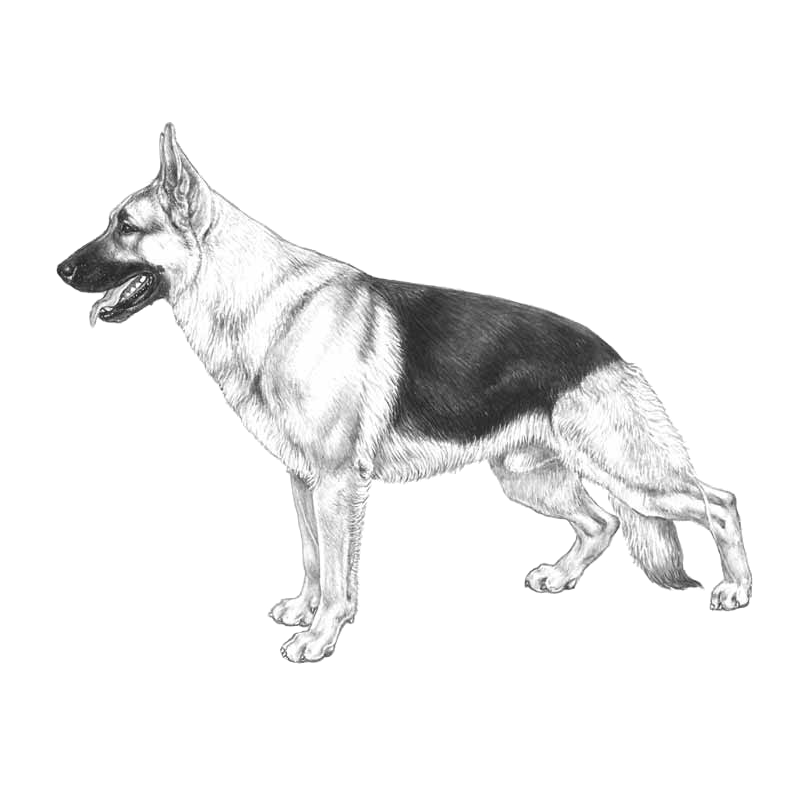
The German Shepherd Dog is medium-size, slightly elongated, powerful and well-muscled, with dry bone and firm overall structure. The German Shepherd Dog must be well-balanced (with strong nerves) in terms of character, self-assured, absolutely natural and (except for a stimulated situation) good-natured as well as attentive and willing to please. He must possess instinctive behaviour, resilience and self-assurance in order to be suitable as a companion, guard, protection, service and herding dog.
Source: http://www.fci.be/en/nomenclature/GERMAN-SHEPHERD-DOG-166.html
-
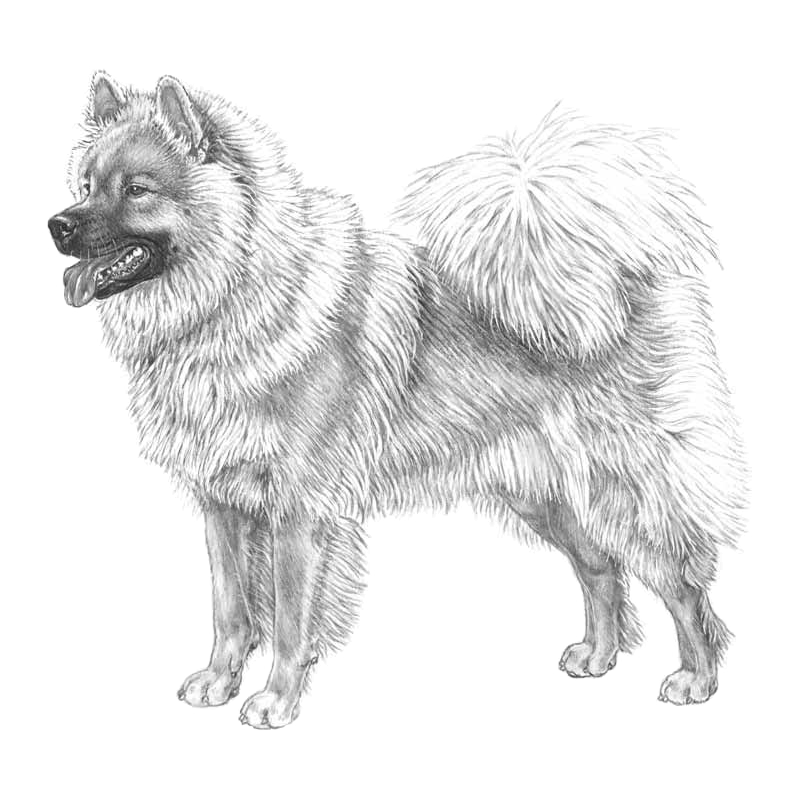 Balanced, well constructed medium sized dog of Spitz type with prick ears and coat in varied colours. Length of coat should be such as still to reveal the body proportions. With medium bone. Balanced, well constructed medium sized dog of Spitz type with prick ears and coat in varied colours. Length of coat should be such as still to reveal the body proportions. With medium bone. Self-assured, calm, even tempered with high resistance against any provocation.
Watchful and alert without being noisy. Very strongly developed link to his family. Reserved towards strangers without being aggressive. No hunting instinct. For the full development of these qualities, the Eurasian needs constant close domestic contact with his family and understanding, yet consistent training.
-
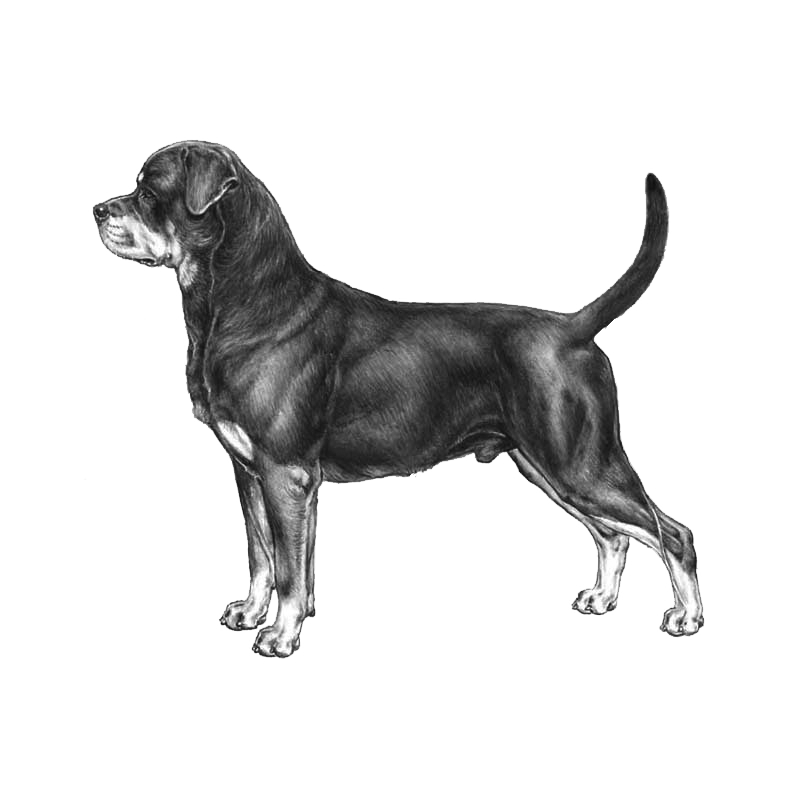 These Mastiff-type dogs stem from animals taken to Germany by Roman soldiers as they marched across Europe. Used to guard livestock, they were either discarded as the cattle were eaten or were left to guard outposts, and many finished up in Switzerland while others reached southern Germany. They were especially known around the town of Rottweil, which for 1,800 years was a centre for livestock trading. The evolving dog became a butcher’s dog, drover and draught dog. The Rottweiler, which fi
He is a very active dog that needs plenty of exercise, but his smooth coat requires only short periods of regular grooming to keep it in the desired shining condition.
Source: https://www.thekennelclub.org.uk/search/breeds-a-to-z/breeds/working/rottweiler/
-
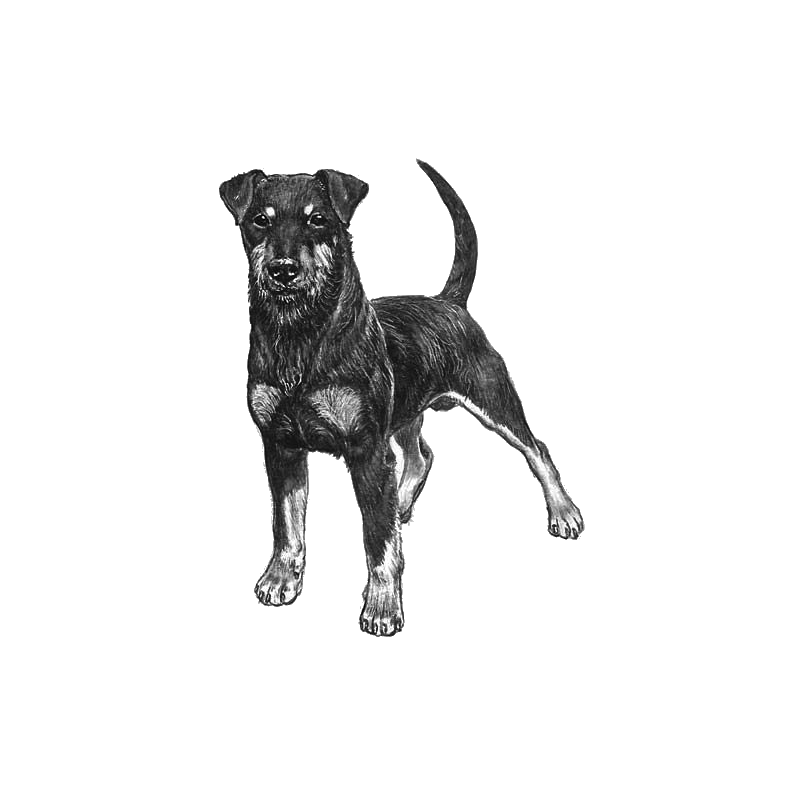
Versatile hunting dog, suited in particular for the hunt under the ground and as a flushing dog. A smallish, generally black and tan, compact, well proportioned working hunting dog. Courageous and hard, takes pleasure in work, enduring, vital, full of temperament, reliable, sociable and trainable, neither shy or aggressive. The German Hunting Terrier is breed developed and maintained for its usefulness as a hunting dog, steadiness of character, courage and drive.
Source: http://www.djt-club.de/der-djt/rassestandard/englisch.html & the F.C.I. Breed Standard http://www.fci.be/Nomenclature/Standards/103g03-en.pdf
-
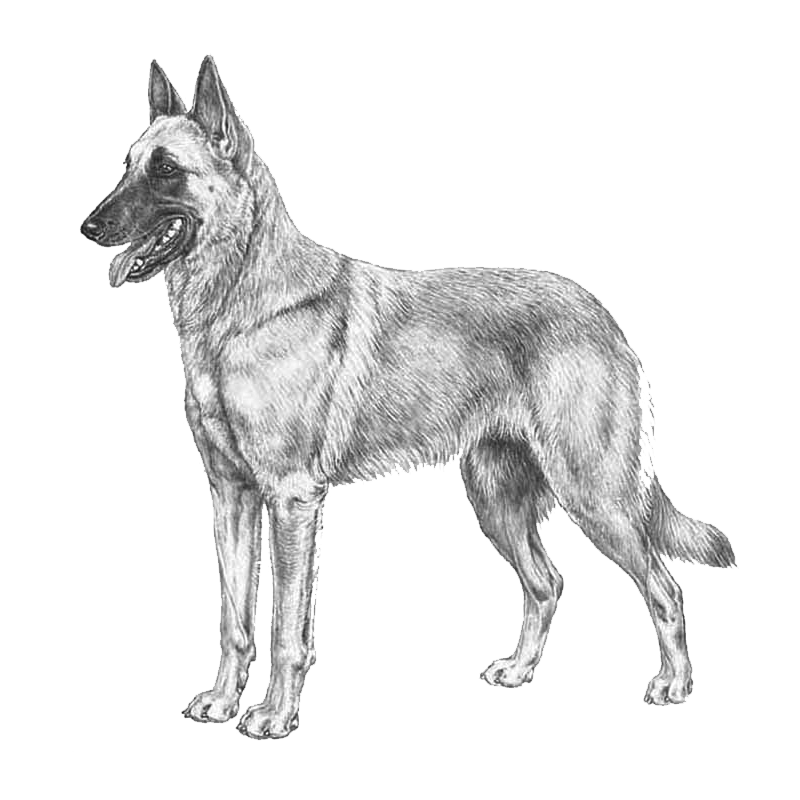
The Malinois /ˈmælɨnwɑː/ is a medium to large breed of dog, sometimes classified as a variety of the Belgian Shepherd Dog rather than as a separate breed. It is named after the Belgian city of Malines, where the breed originated. Its name is the French word for Mechlinian, which in Dutch is either Mechelse herder or Mechelaar (one from Mechelen).
Source: https://en.wikipedia.org/wiki/Malinois_(Belgian_Shepherd_Dog)
NOTE: The Federation Cynologique Internationale (FCI) describes the Malinois, together with the Groenendael, the Laekenois, and the Tervueren, as varieties of the Belgian Shepherd dog breed. The American Kennel Club, however, officially recognizes the Belgian Malinois, the Belgian Sheepdog (FCI: Groenendael), the Belgian Laekenois (FCI: Laekenois), and the Belgian Tervuren (FCI: Tervueren) as four distinct breeds.
Source: https://www.ncbi.nlm.nih.gov/pmc/articles/PMC7140874/
-
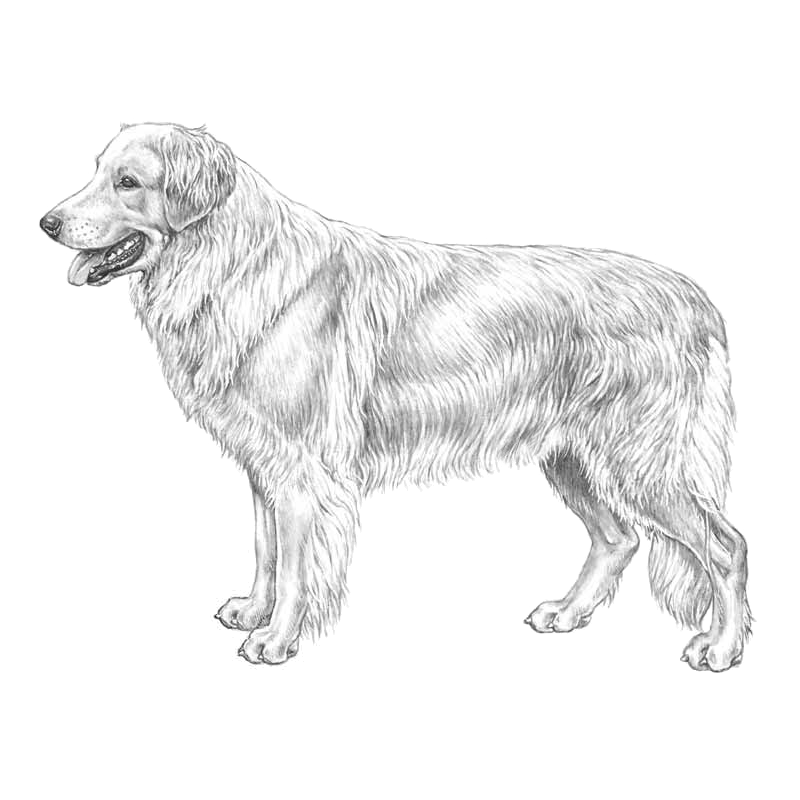
The Hovawart is a powerful, medium size, slightly elongated, long-haired working dog. Difference between sexes is clearly recognizable, specially in shape of head and build of body. Recognized working dog with versatile usage. Kind and even disposition. Has protective instinct, self-confidence and ability to take stress; of medium temperament; combined with a very good nose. His balanced body proportions and special devotion to his family make him an outstanding companion, watch, guard, tracking and rescue-dog.
-
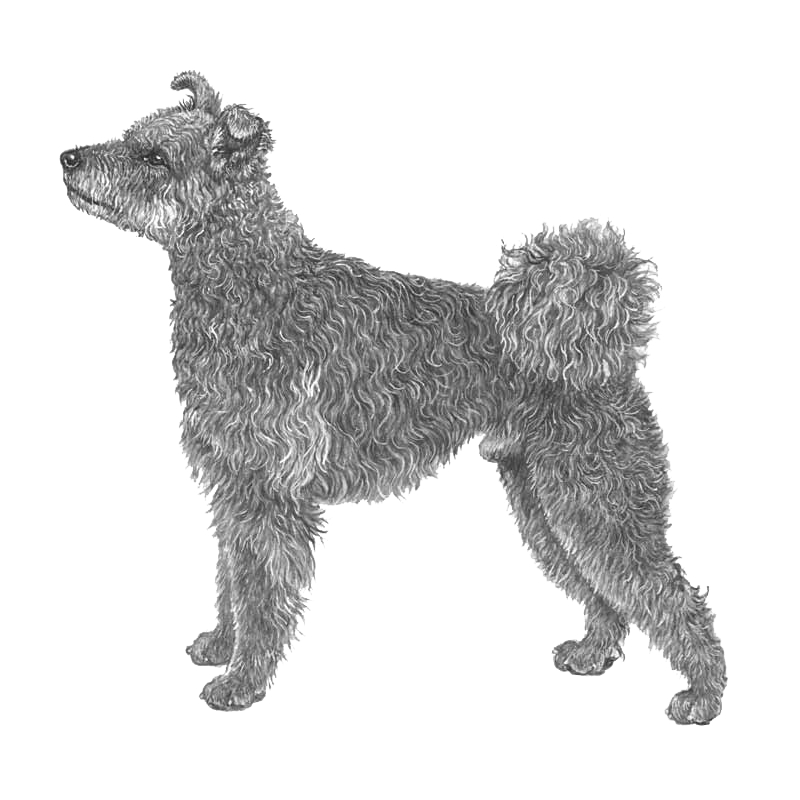
The Pumi is an active dog, combining the biddability and intelligence of the herding dog along with the alertness and activity of a terrier. Because they are intelligent, they need daily work to do, whether it’s herding, obedience, flyball, jogging, or chasing tennis balls.
Source: Hungarian Pumi Club of America
-
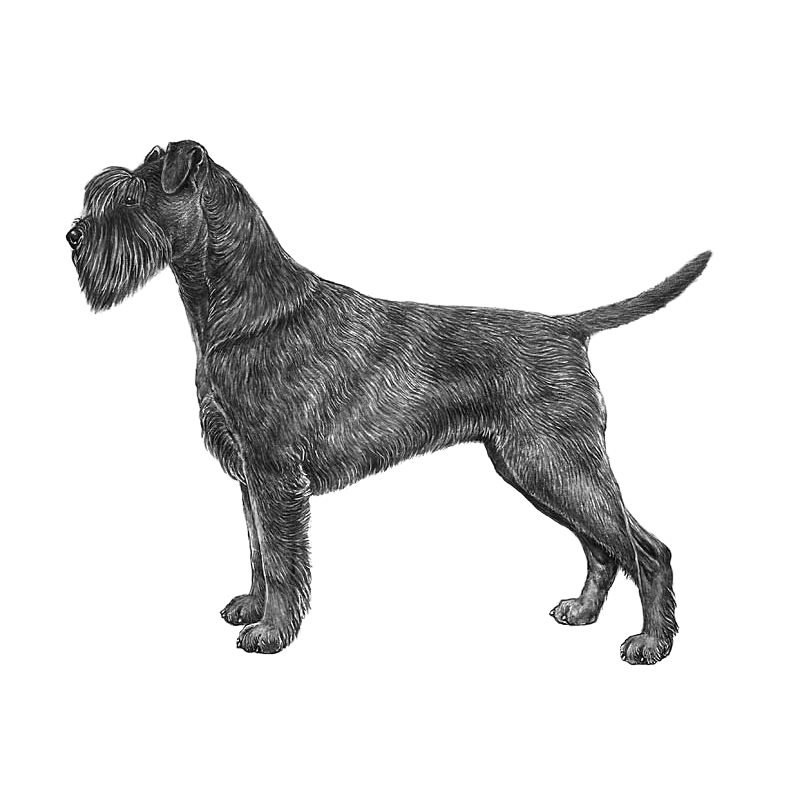
Medium sized, strong, stocky rather than slim, rough haired. Typical characteristics are his lively temperament, coupled with placid composure. Typical are his good nature, his playfulness and his proverbial devotion to his master. He loves children, is incorruptible, alert, yet not noisy.
Source: http://www.fci.be/en/nomenclature/SCHNAUZER-182.html
-
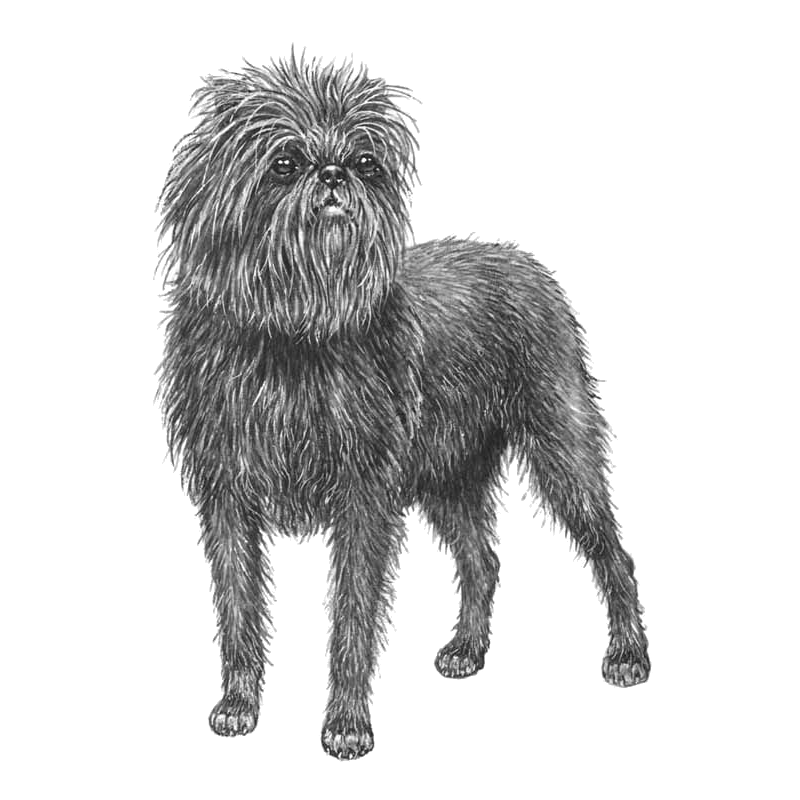
The Affenpinscher is rough haired, small and compact with a monkey-like expression. Fearless, alert, persistent and devoted, sometimes full of quick-tempered passion. He is an agreeable family dog in all aspects.
-
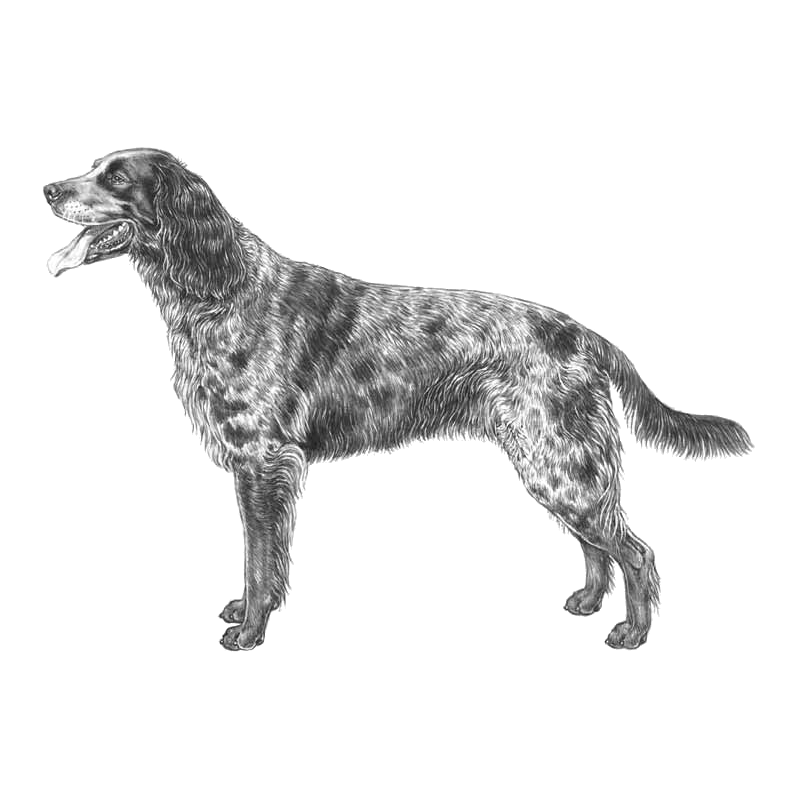
Strong; muscular; low set; flowing lines. Smaller dogs must have plenty of substance, but too massive and thereby clumsy dogs are not desired. Balanced, calm, temperament, good natured, easily trained.
Source: http://www.fci.be/en/nomenclature/DEUTSCH-LANGHAAR-117.html
-
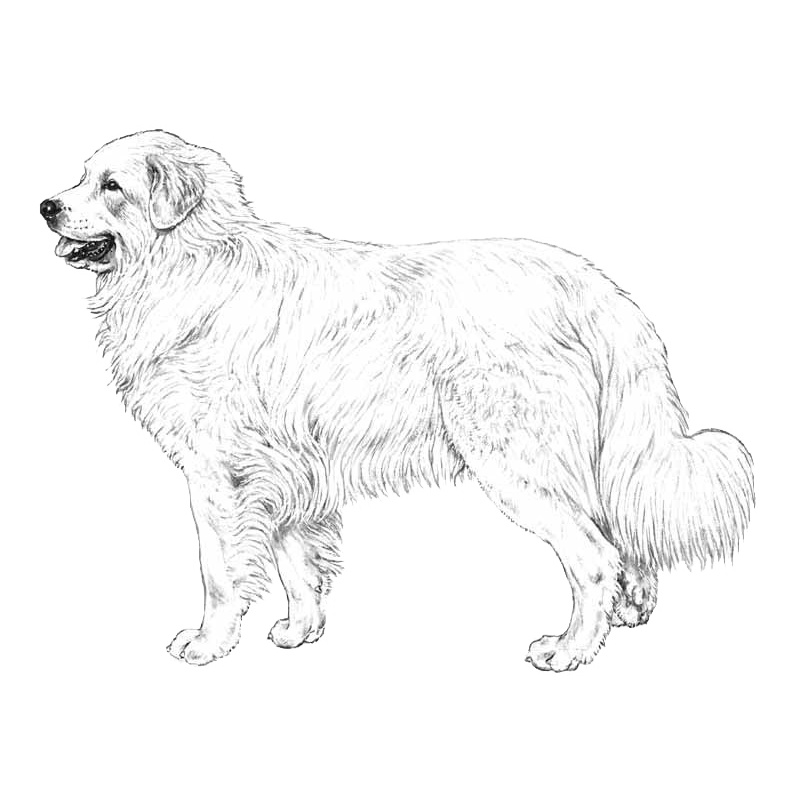
The Pyrenean Mountain Dog, known as the Great Pyrenees in North America, is a large breed of dog used as a livestock guardian dog.
-
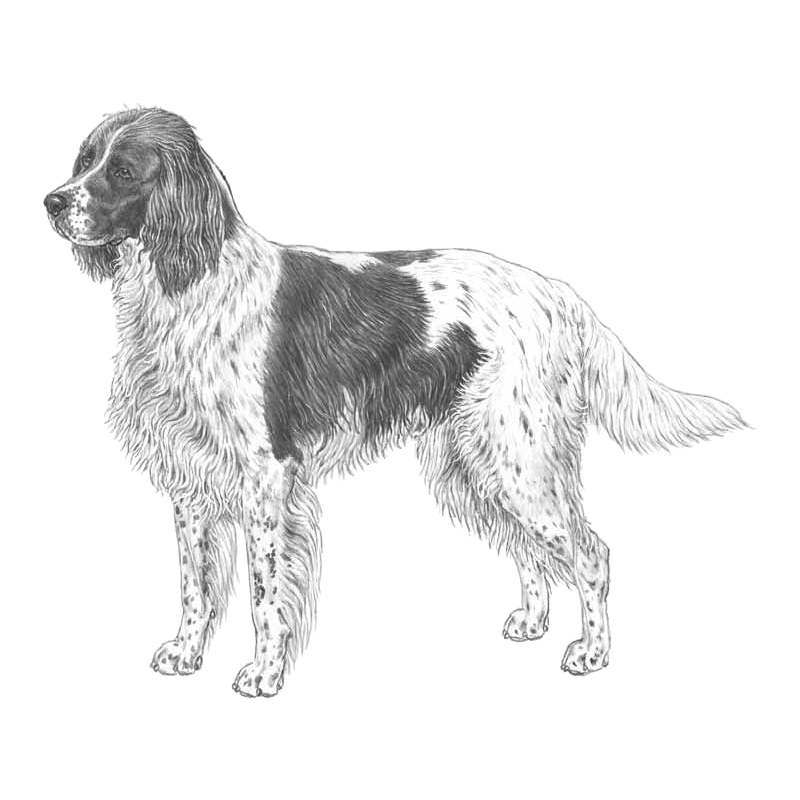
The French Spaniel (Epagneul Français) was developed in France as a hunting dog, descended from dogs of the 14th century.
(Source: AKC)
-
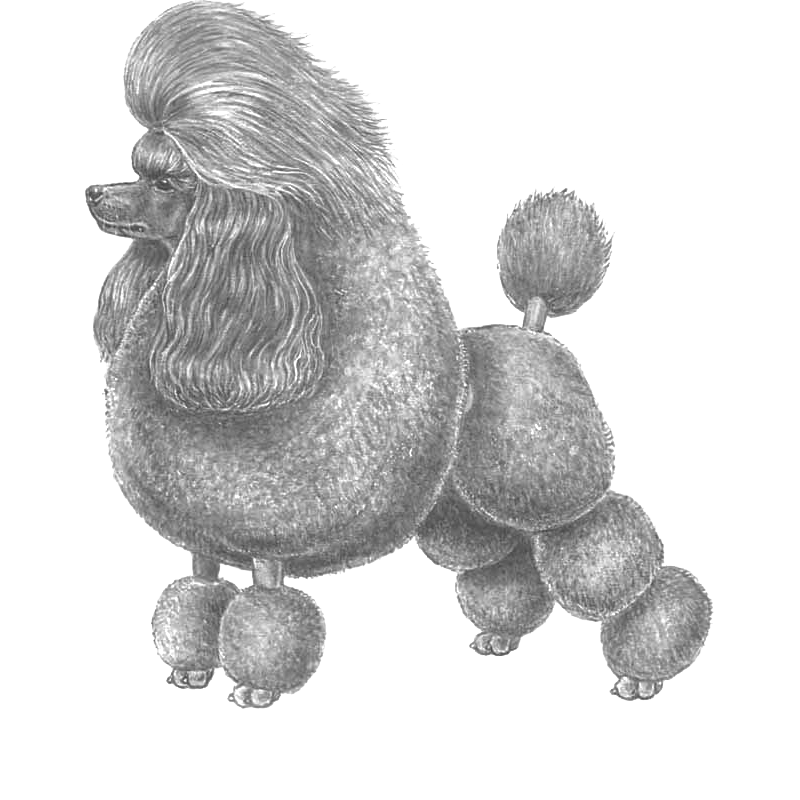
Traditionally the Standard Poodle, the largest of the subtypes, was a retriever or gun dog, used in particular for duck hunting and sometimes upland bird hunting.
-
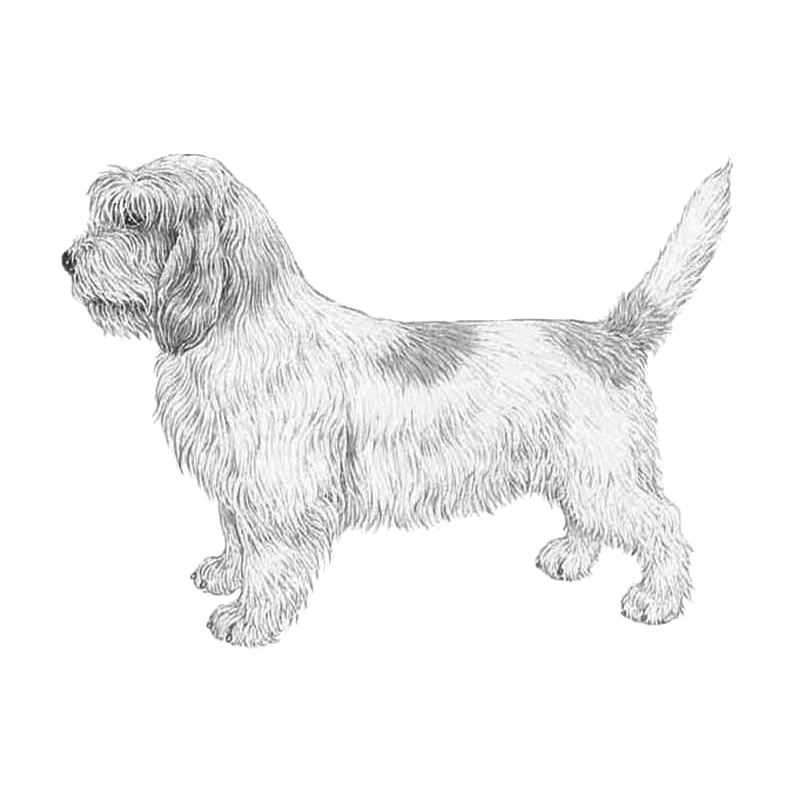
The Petit Basset Griffon Vendéen or PBGV, is a breed of dog of the scent hound type, bred to trail hares in bramble-filled terrain of the Vendée district of France.
Source: https://en.wikipedia.org/wiki/Petit_Basset_Griffon_Vendéen
-
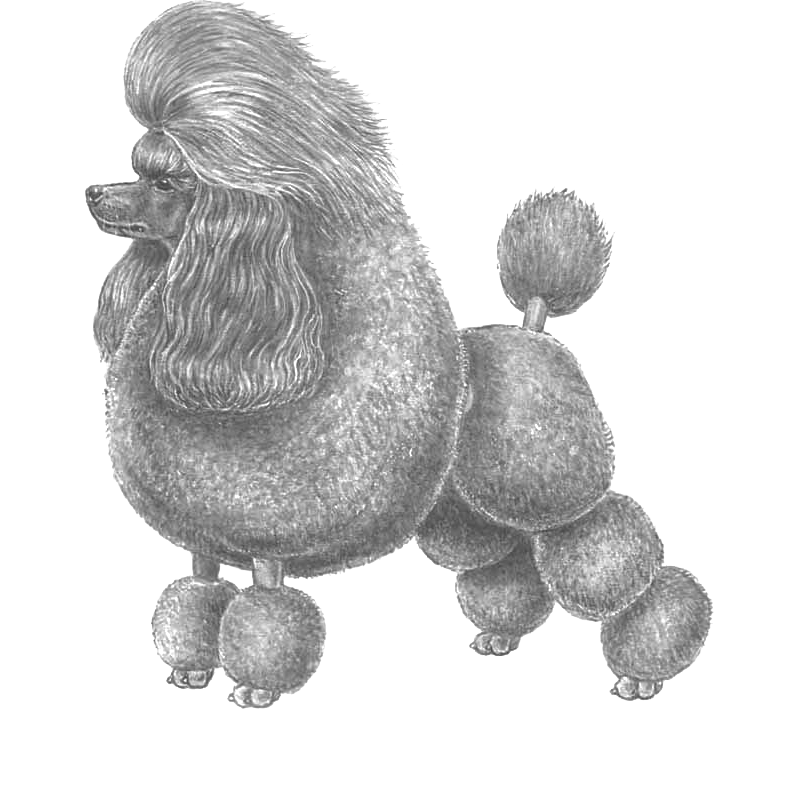
The poodle has been bred in at least three sizes, including Standard, Miniature, and Toy. According to the American Kennel Club, the Standard Poodle is the oldest of the three varieties, and was later bred down to the miniature and toy sizes.
-
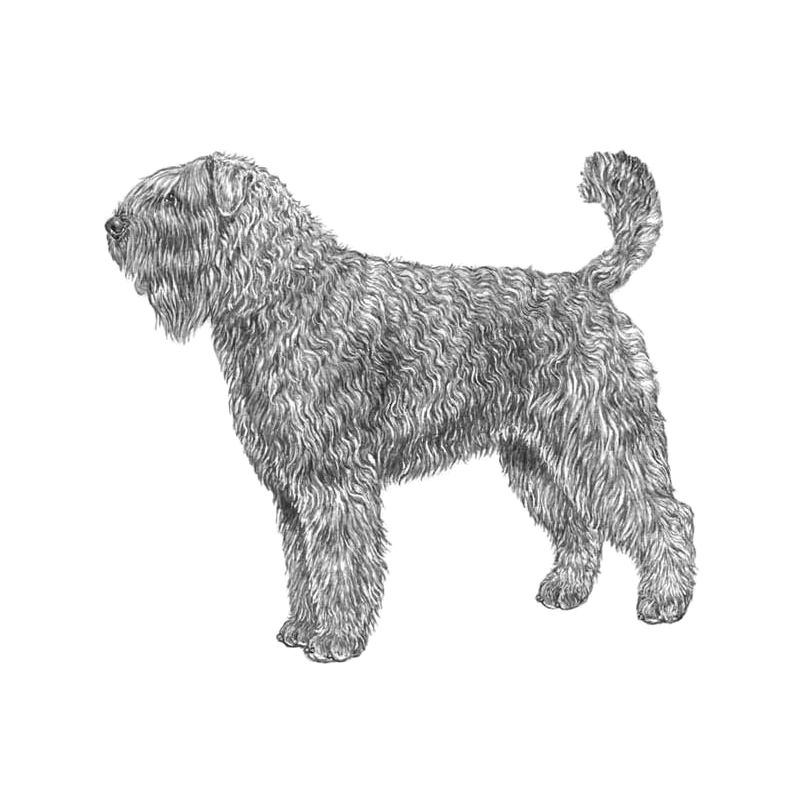
The Bouvier des Flandres is a herding dog breed originating in Flanders. They were originally used for general farm work including cattle droving, sheep herding, and cart pulling, and nowadays as guard dogs and police dogs, as well as being kept as pets.
Source: Wikipedia