






Pedigree Breeds
184 entries in this category
-
- Last comment date
- Title
- Start Date
- Most Commented
- Most Viewed
- Last Updated
- Publish Date
- Brief Description
- Content
- Links to Breed Descriptions
- Other Names for Breed
- Country of Origin and Parent Breed Club
- Health and Well-Being
- Breed-Specific Articles
- Breed Standards
- Breed-Specific Statistics
- Breeding/Health Strategy Documents
- Breed-Specific DNA Tests
- Other Breed-Specific Webpages
- Breed-Specific Research
- Breed Clubs
- Custom
-
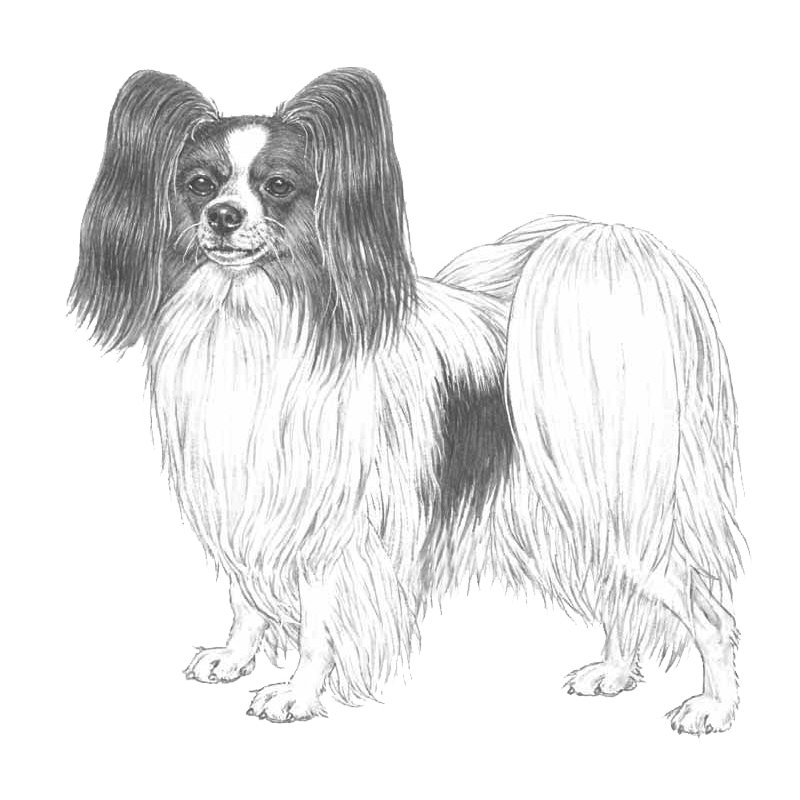
The Papillon, also called the Continental Toy Spaniel, is a breed of dog of the Spaniel type. One of the oldest of the toy spaniels, it derives its name from its characteristic butterfly-like look of the long and fringed hair on the ears, the French word for "butterfly" being papillon.
(Source: Wikipedia)
-
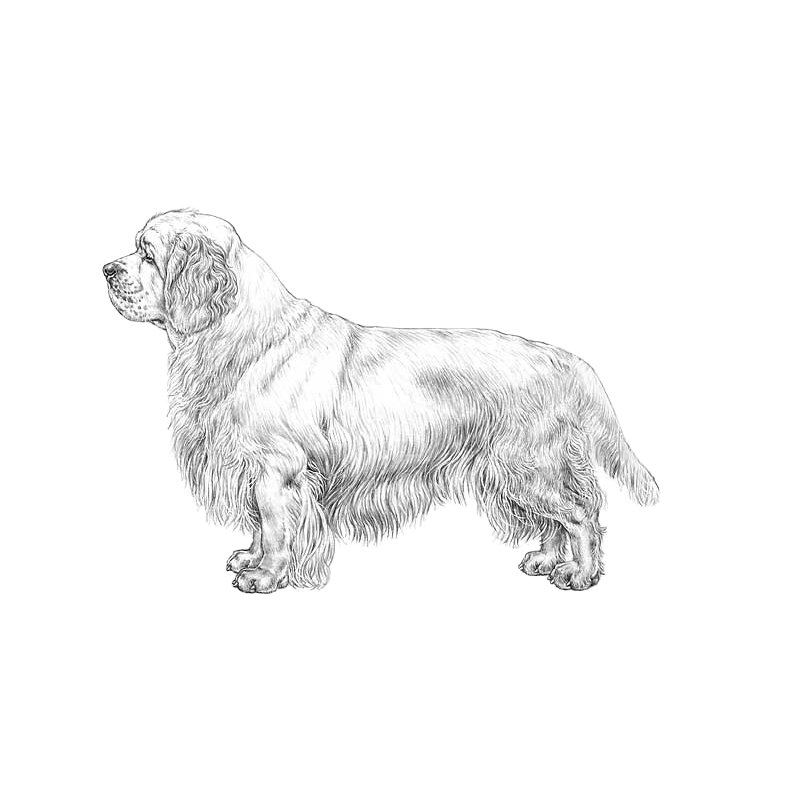
Said to have come in the first place from France more than 200 years ago, the Clumber was brought to Great Britain by the Duke of Newcastle and bred at his family home of Clumber Park in Nottinghamshire.
Source: The Kennel Club
-
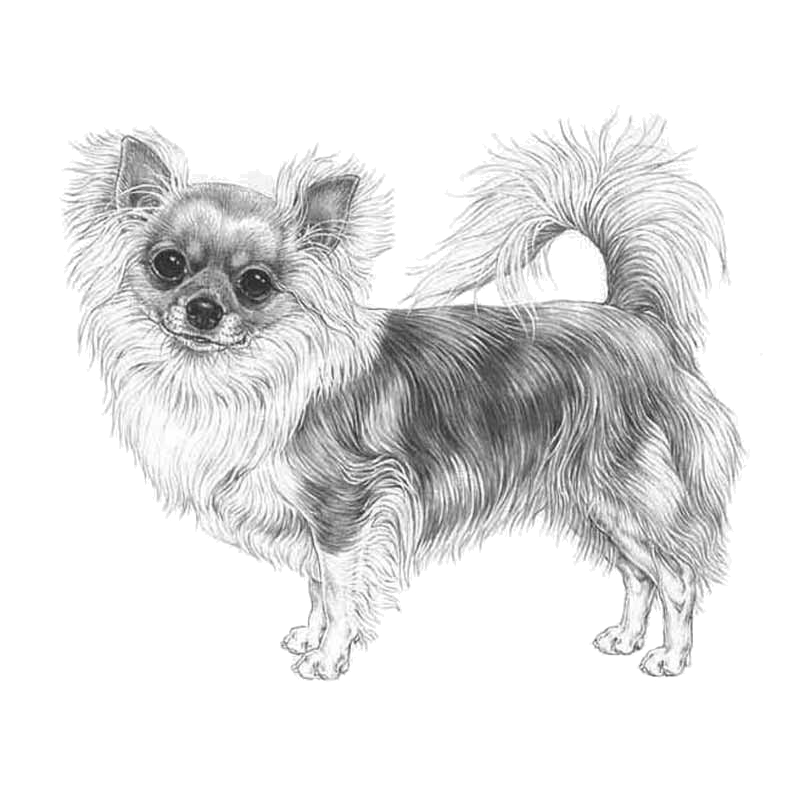
The Chihuahua tʃɪˈwɑːwɑː/ (Spanish: chihuahueño) is the smallest breed of dog and is named for the state of Chihuahua in Mexico. Chihuahuas come in a wide variety of sizes, head shapes, colors, and coat lengths.
Source: Wikipedia
-
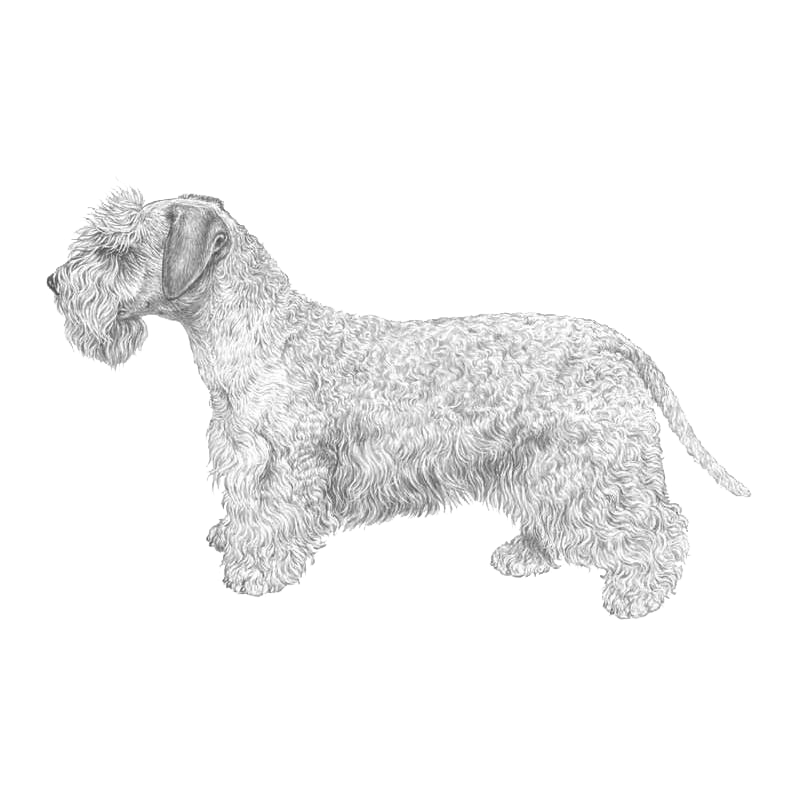
The Cesky Terrier was created by a Czech breeder, František Horák, in 1948, as a cross between a Sealyham Terrier and a Scottish Terrier, to create a terrier suitable for hunting in the forests of Bohemia.
Source: Wikipedia
-
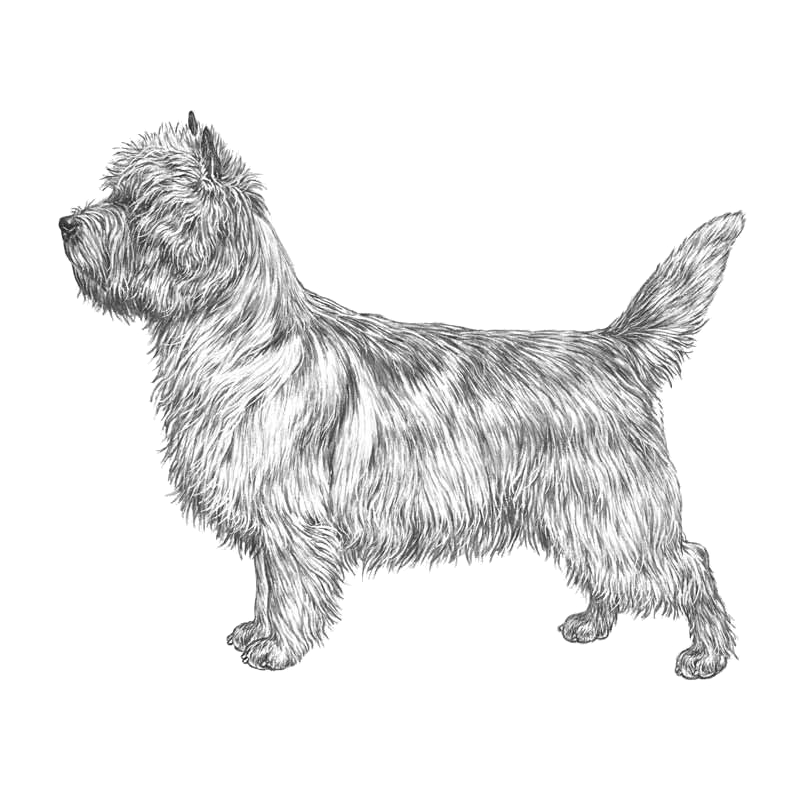
The Cairn Terrier is one of the oldest of the terrier breeds, originating in the Scottish Highlands and recognized as one of Scotland's earliest working dogs.
Source: Wikipedia
-
- swedish insurance data
- health surveys
- boxer
- registration statistics
- international breed collaboration
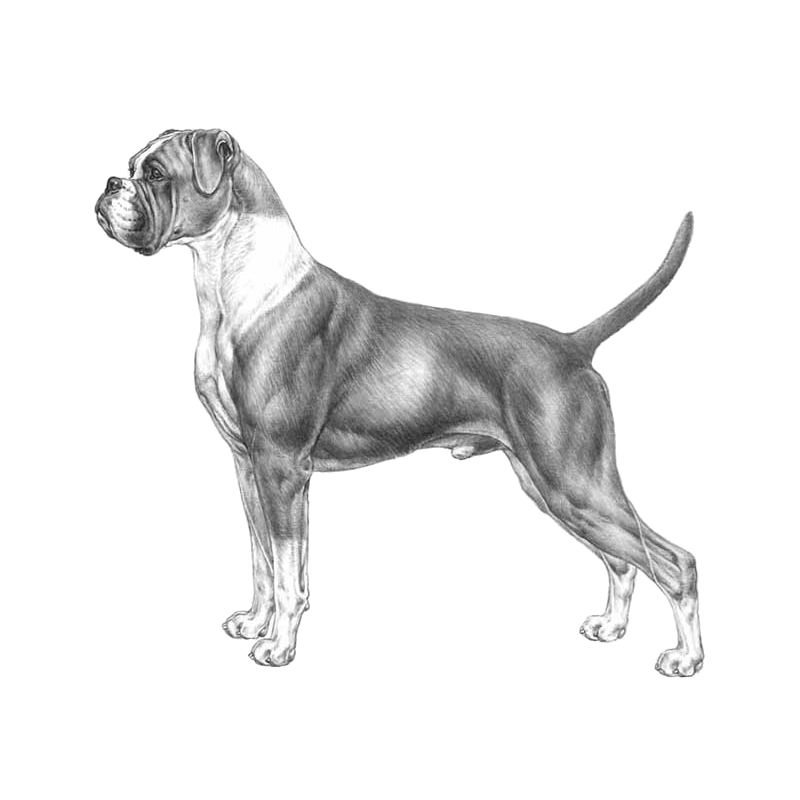
The Boxer is a medium sized, smooth coated, sturdy dog of compact, square build and strong bone. His muscles are taut, strongly developed and moulded in appearance. His movement is lively, powerful with noble bearing. The Boxer must be neither cumbersome nor heavy, nor light or lacking in body substance.
Source: FCI
-
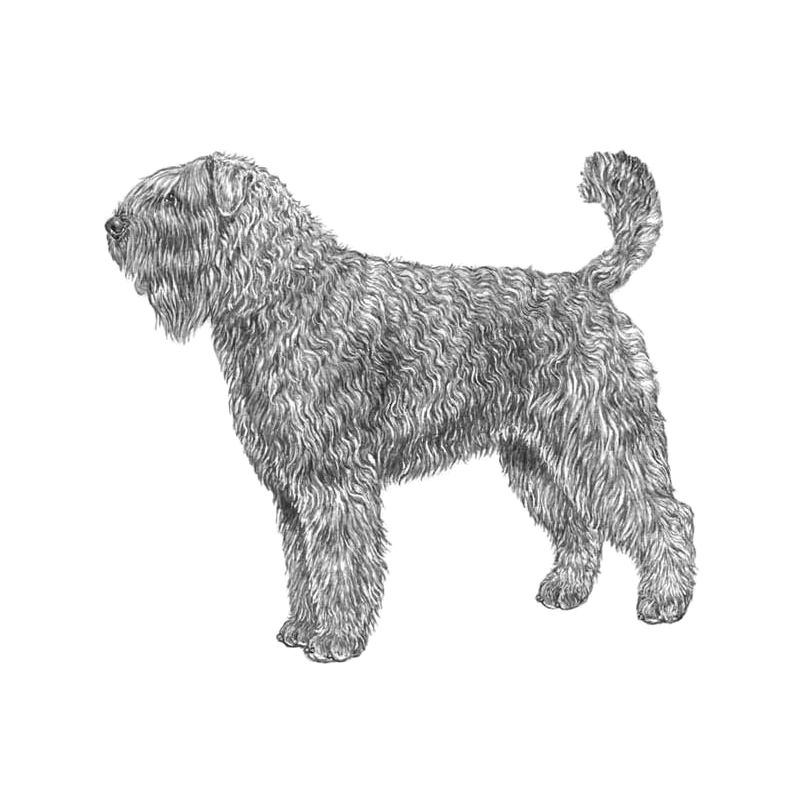
The Bouvier des Flandres is a herding dog breed originating in Flanders. They were originally used for general farm work including cattle droving, sheep herding, and cart pulling, and nowadays as guard dogs and police dogs, as well as being kept as pets.
Source: Wikipedia
-
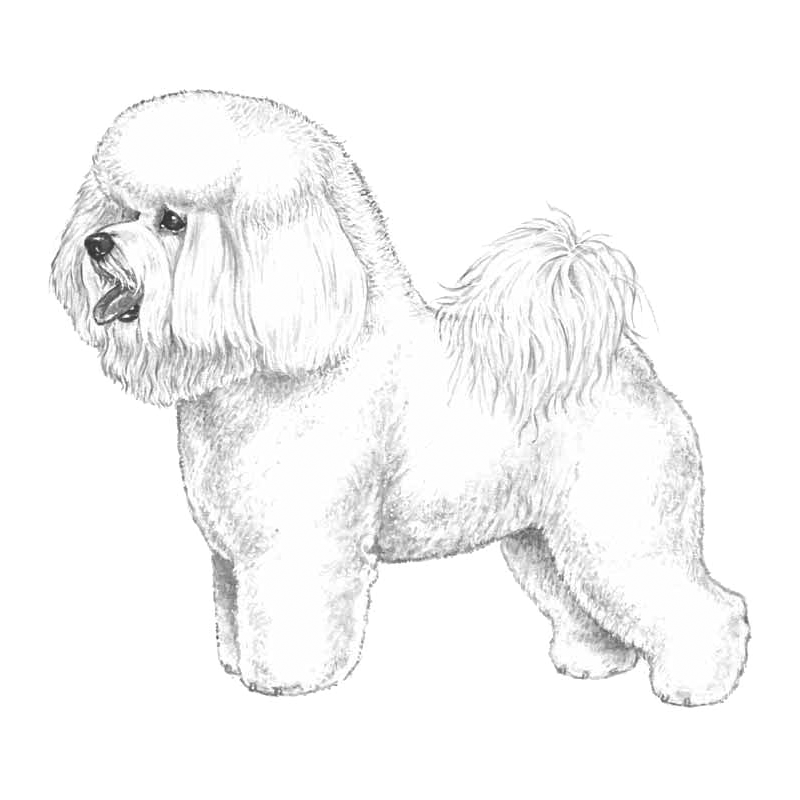
A Bichon Frisé (/ˈbiʃɒn ˈfriz/ or /ˈbiʃɒn frɪˈzeɪ/; French, meaning curly lap dog), is a small breed of dog of the Bichon type.
Source: Wikipedia
-
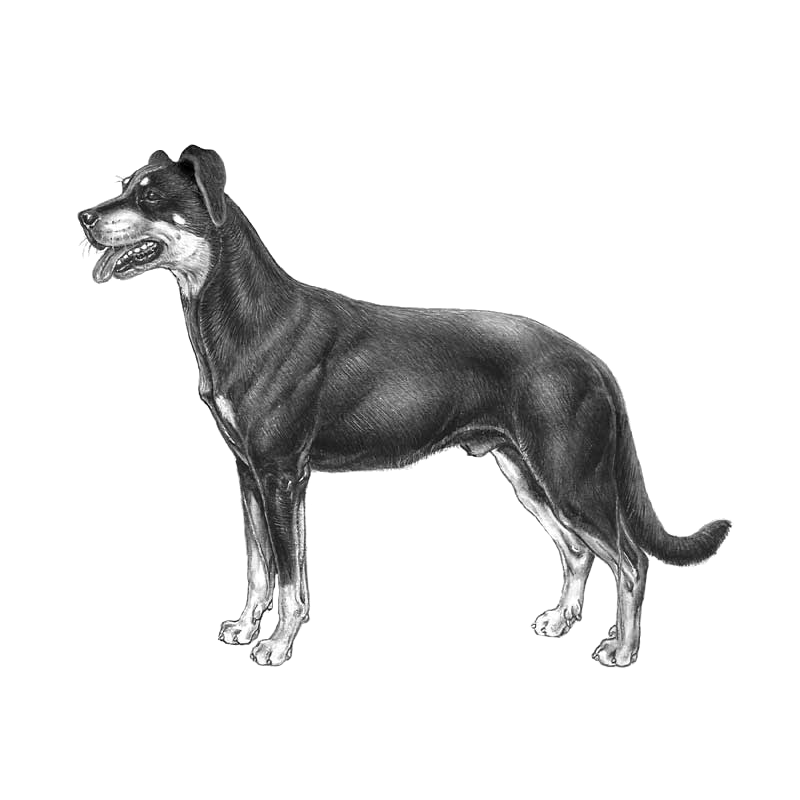
The Beauceron is a guard dog and herding dog breed falling into the working dog category whose origins lie in the plains of Northern France.
Source: Wikipedia
-
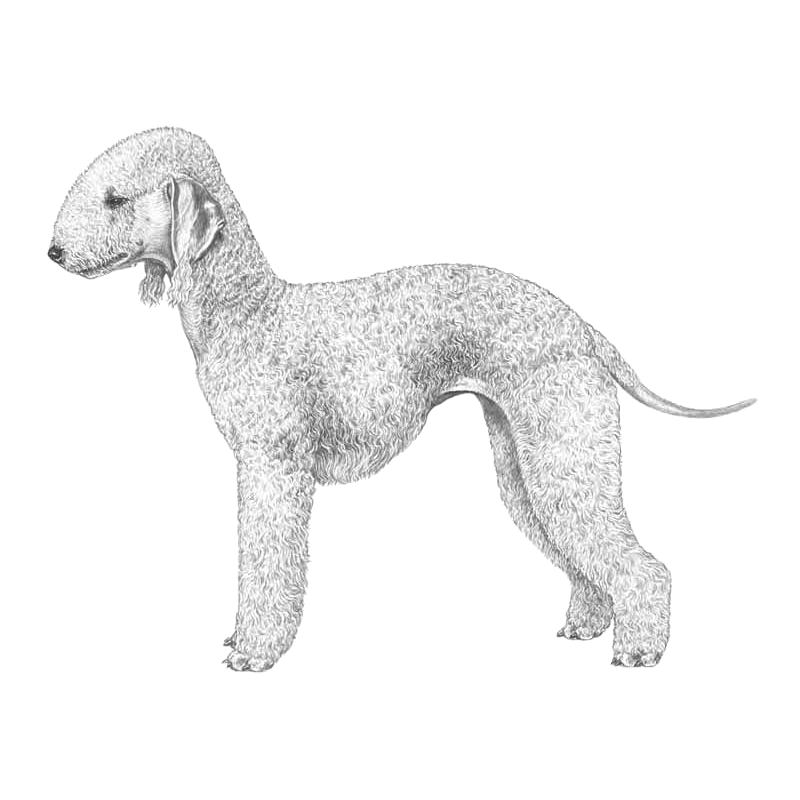
The linty coat and distinctive arched loin of the Bedlington and his long head give him a lamb-like appearance, but he is an excellent dispatcher of vermin from rabbit to fox. The origins of the breed are much debated with some suggestion of the Bull Terrier and the Otterhound and perhaps some Dandie Dinmont but as in many breeds there is some dispute in the background of the breed.
Source: The Kennel Club
-
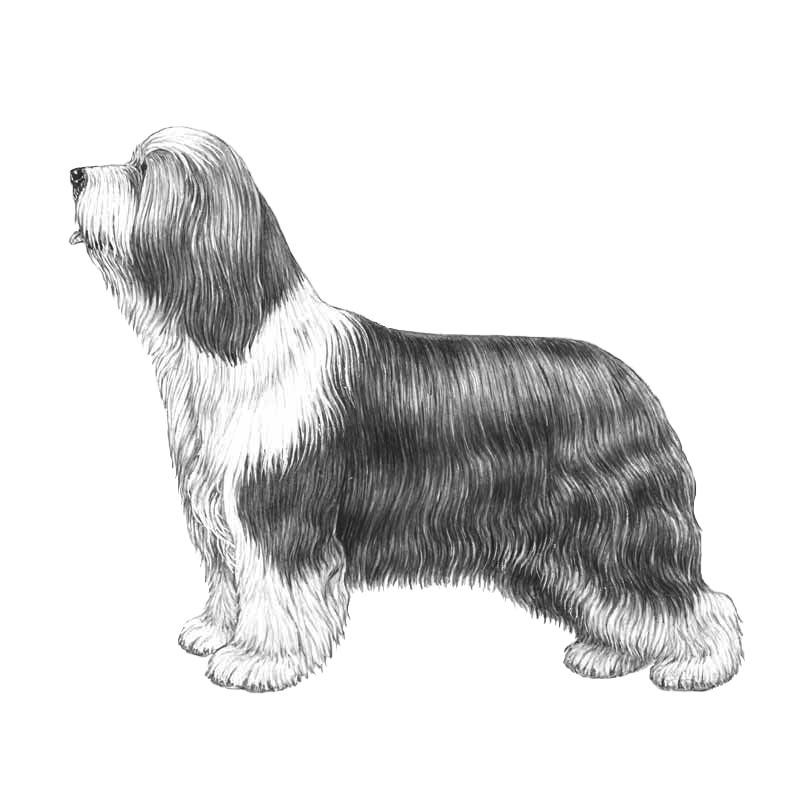
The ‘Beardie’, as he is affectionately known, is a hardy dog with a lovable temperament. His handy size and adaptability, combined with workmanlike qualities, have given him a following far outside the farming community. Ideally suited to life in the country, with a double weather-resistant coat and active nature, he is a happy dog, neither timid nor aggressive. Ready to join in any activity, he has an enquiring expression that seems to ask‘ Well, what shall we do now?’ Gentle, and good with children and adults, he makes an ideal member of a fun-loving family.
Source: The Kennel Club
-
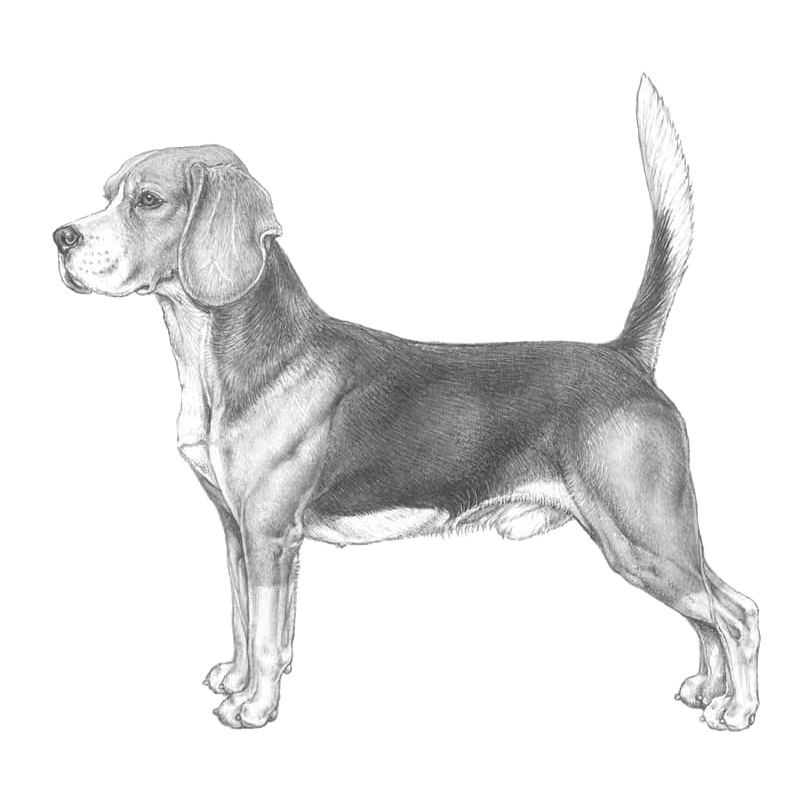
A member of the hound group, it is similar in appearance to the foxhound, but smaller with shorter legs and longer, softer ears. Beagles are scent hounds, developed primarily for tracking hare, rabbit, deer, and other small game.
Source: Wikipedia
-
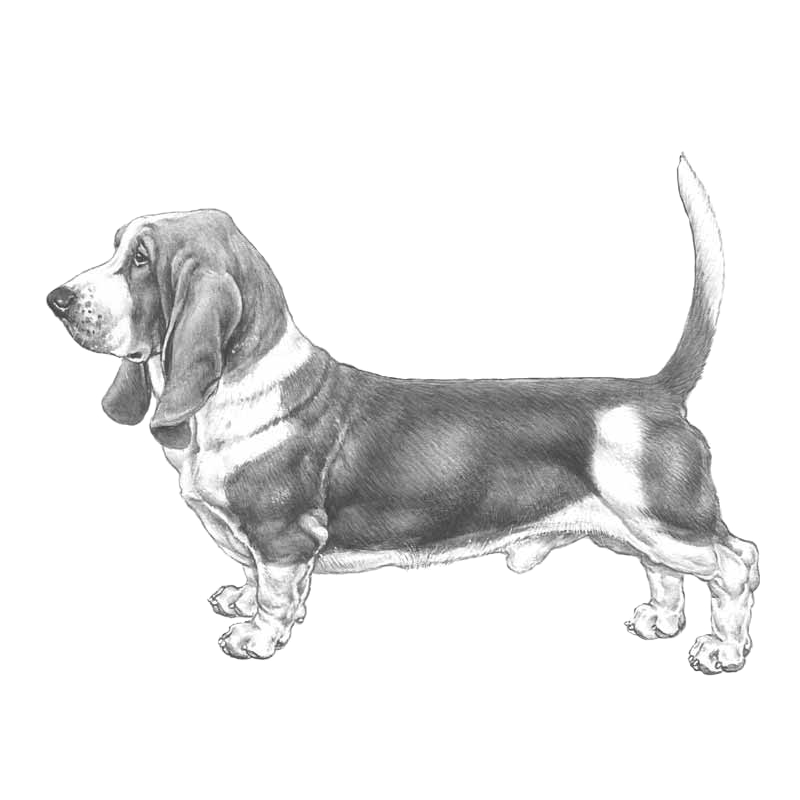
Depicted by cartoonists the world over as a kindly but worried canine buffoon, the Basset deserves his popularity as a family dog. Happy by the fireside or on the moors, he is a dog capable of hunting his natural prey, the hare, persistently at a relatively slow pace over prodigious distances.
Source: The Kennel Club
-
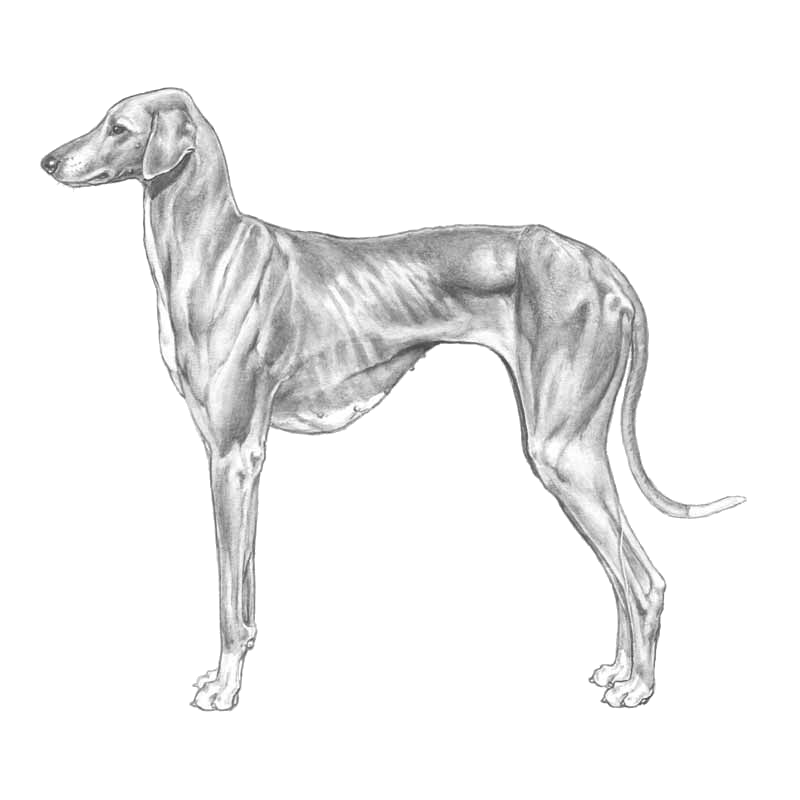
The Azawakh takes his name from the Azawakh Valley in the Niger Basin in Africa, where he lived a nomadic life with the tribes of the Sahara. As sighthounds they were used mostly on gazelle, hunting in packs, taking turns and thus exhausting their prey. They were much valued by their owners for their beauty and speed, rather like the Arabian horse. The Azawakh was also used as guardian of the camp.
Source: https://www.thekennelclub.org.uk/services/public/breed/display.aspx?id=1031Landrace
-
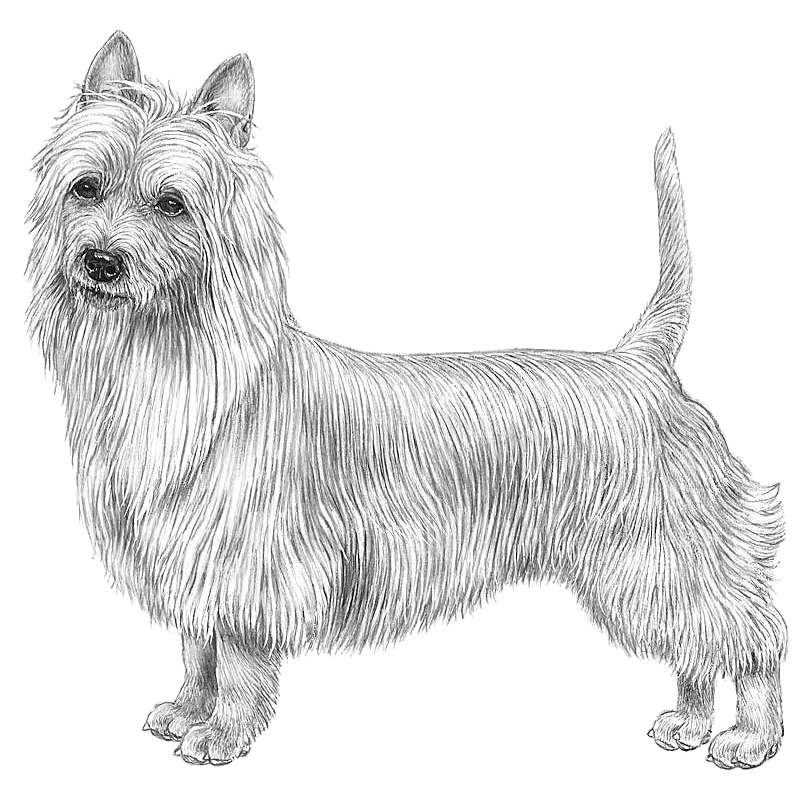
The Australian Terrier, one of the smallest of the working Terriers, was bred to be both a helper and companion in rough times and terrain. A native dog (known as the "rough-coated terrier") and a close relative of the old Scotch dog of Great Britain (not to be confused with the present-day Scottish Terrier) are believed to have been cross-bred with a number of other breeds of British stock to produce the fast, sturdy, weather-resistant and fearless little dog that the settlers needed as they expanded the frontiers of their country.
Source: Australian Terrier Club
-
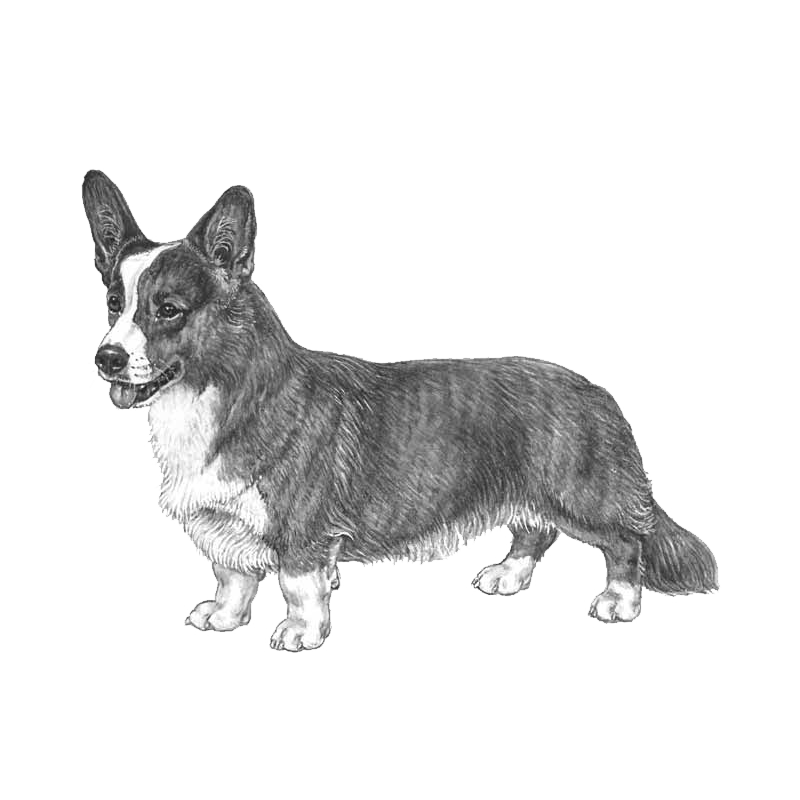
Welsh Corgis have historically been used as herding dogs, specifically for cattle. They are of the type of herding dog referred to as "heelers", meaning that they would nip at the heels of the larger animals to keep them on the move. Both Pembrokeshire and Cardigan are historically agricultural areas of Wales.
Source: https://en.wikipedia.org/wiki/Welsh_Corgi
The two Corgi breeds are named for those regions. Once interbred, the Kennel Club designated the different types as two distinct breeds in 1934. The Cardigan Welsh Corgi breed is listed by the Kennel Club in the current vulnerable breeds list. The breed is ranked by AKC at #68 of 195.
Source: https://www.thekennelclub.org.uk/search/breeds-a-to-z/breeds/pastoral/welsh-corgi-cardigan/
Also see: Pembroke Welsh Corgi https://dogwellnet.com/breeds/pedigreed/pembroke-welsh-corgi-r221/
-
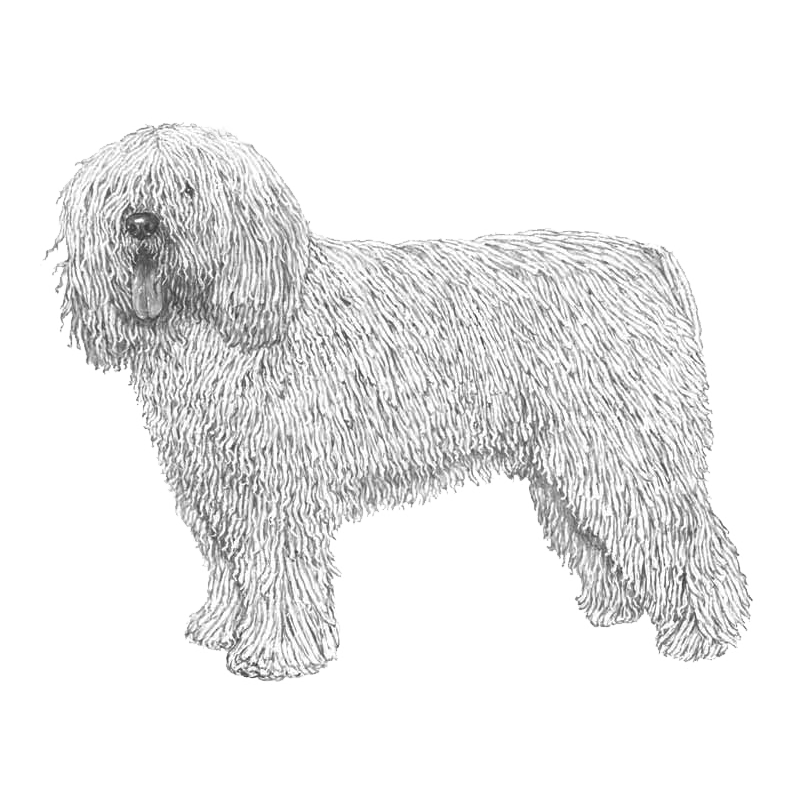
Although the Spanish Water Dog was primarily a retriever of wildfowl, he has also traditionally been used as a herder of sheep. His thick coat, a feature of the breed, requires clipping once or twice each year.
(Source: The Kennel Club)
-
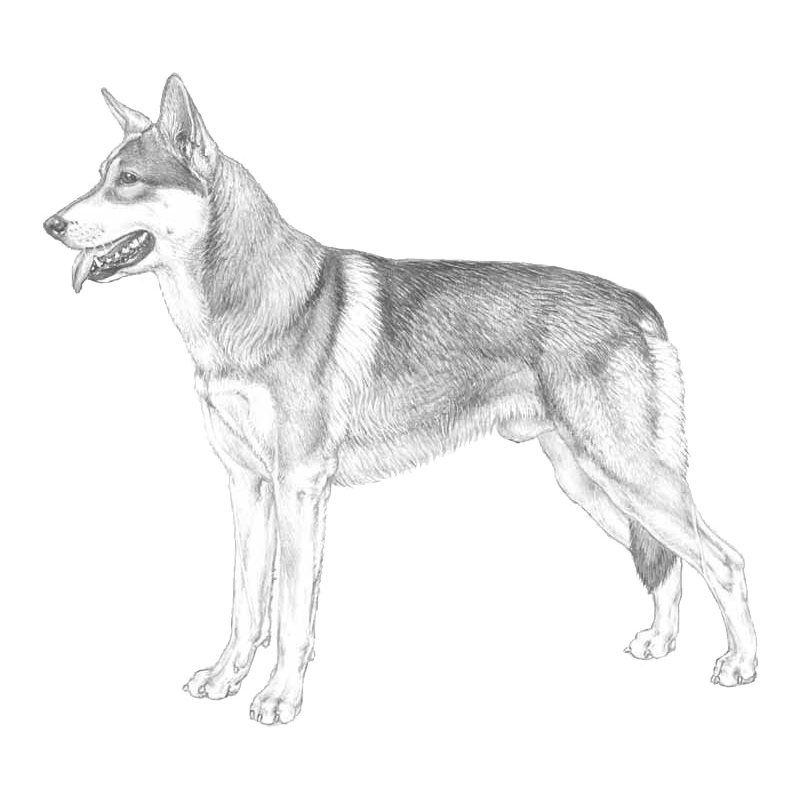
The Saarlooswolfhond was developed in the Netherlands by Leendert Saarloos. The breed is based on cross breeding German Shepherd Dogs and wolves.
In 1975, the breed was recognized by the Dutch KC, and in 1977 by the FCI. The breed standard dates from November 1981 and was modified in 1993.
Considered a rare breed, the Saarlooswolfhond is a strongly built dog whose outer appearance (body build, movement and coat) are reminiscent of a wolf. The breed is devoted and reliable with its master but suspicious of strangers. A natural, wolf-like reserve and desire to flee from unknown situations is typical of this breed.
-
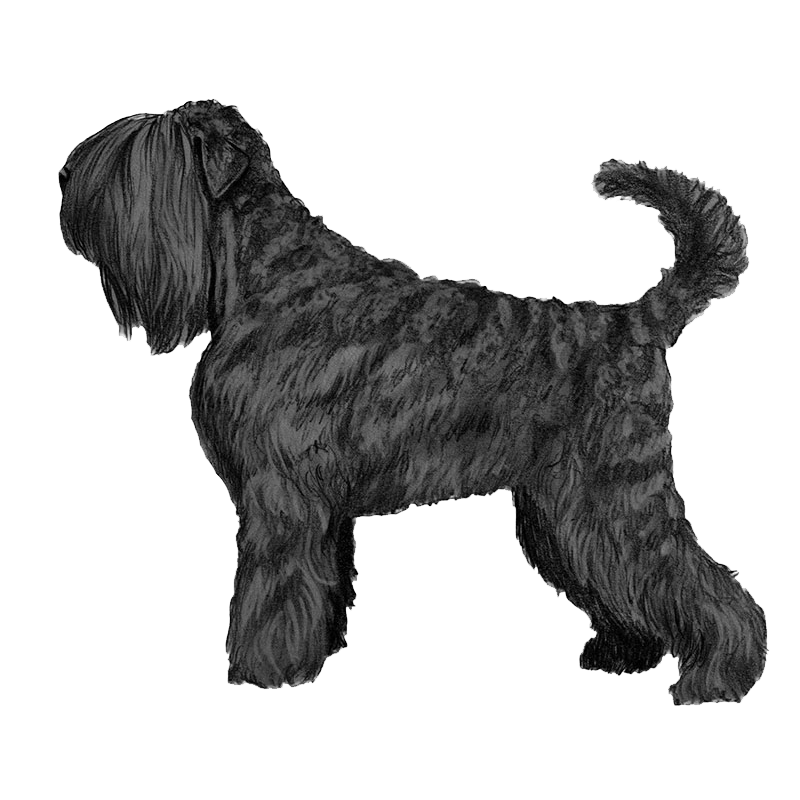
The Black Russian Terrier, also known as the Chornyi Terrier is a breed of dog created in the USSR in the Red Star Kennel during the late 1940s and the early 1950s for use as military/working dogs. BRTs are calm, confident, self-assured, highly intelligent dogs that with proper training and socialization are loyal, reliable, robust working companions. This large and powerful dog is not in all likelihood an ideal fit for the first-time dog owner.
-
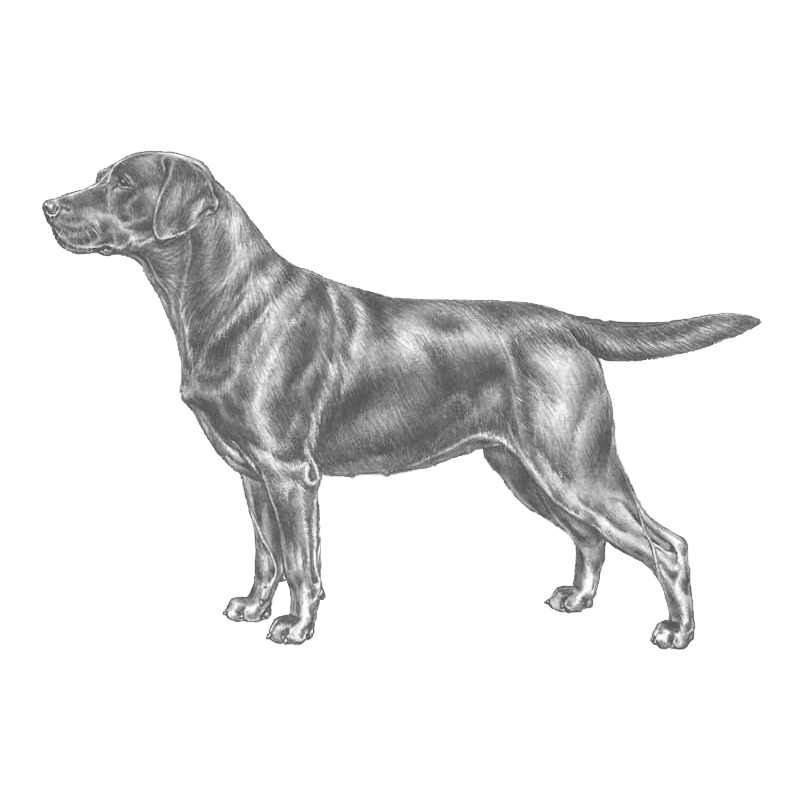
The Labrador is one of the best all-round dogs in the world. Not only used for retrieving game, he has also made his mark in the world of assistance dogs and as a ‘sniffer’ dog for drug and arms detection.
Source: https://www.thekennelclub.org.uk/search/breeds-a-to-z/breeds/gundog/retriever-labrador/
-
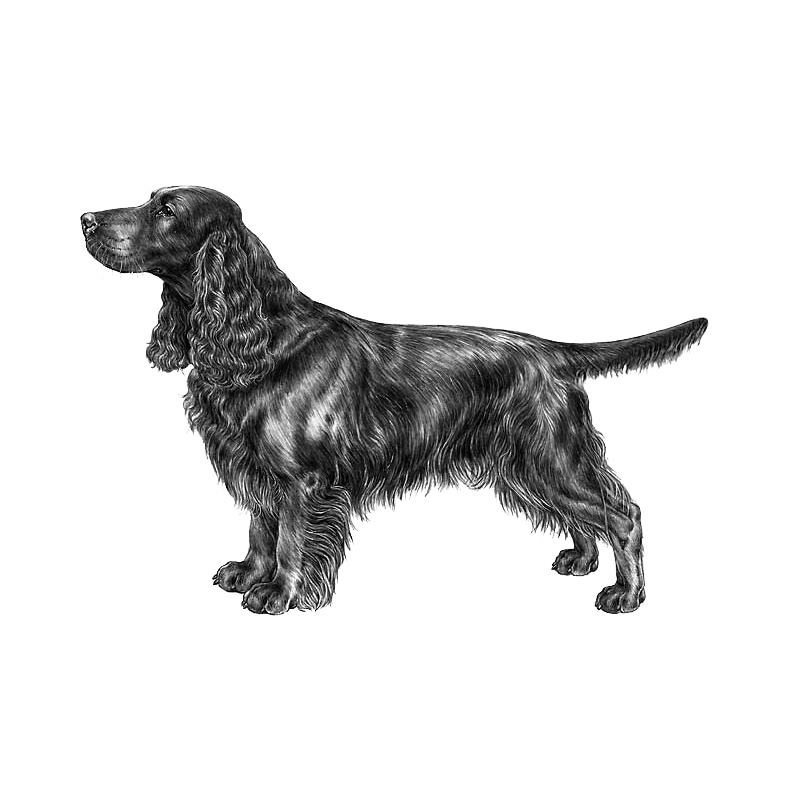
The Field Spaniel is an active and inquisitive breed, and makes a good companion. However, if left alone and unoccupied for long periods of time, they may become bored and destructive. They are suitable for dog agility and hunting. They are also patient with children and like to stay close to their family. When socialised, they are good with other dogs. They are generally docile and independent. Source: https://en.wikipedia.org/wiki/Field_Spaniel. With very few dogs in the UK-KC's registry the Field Spaniel is considered a Vulnerable Native Breed. Source: https://www.thekennelclub.org.uk/getting-a-dog-or-puppy/finding-the-right-dog/vulnerable-native-breeds/.
-
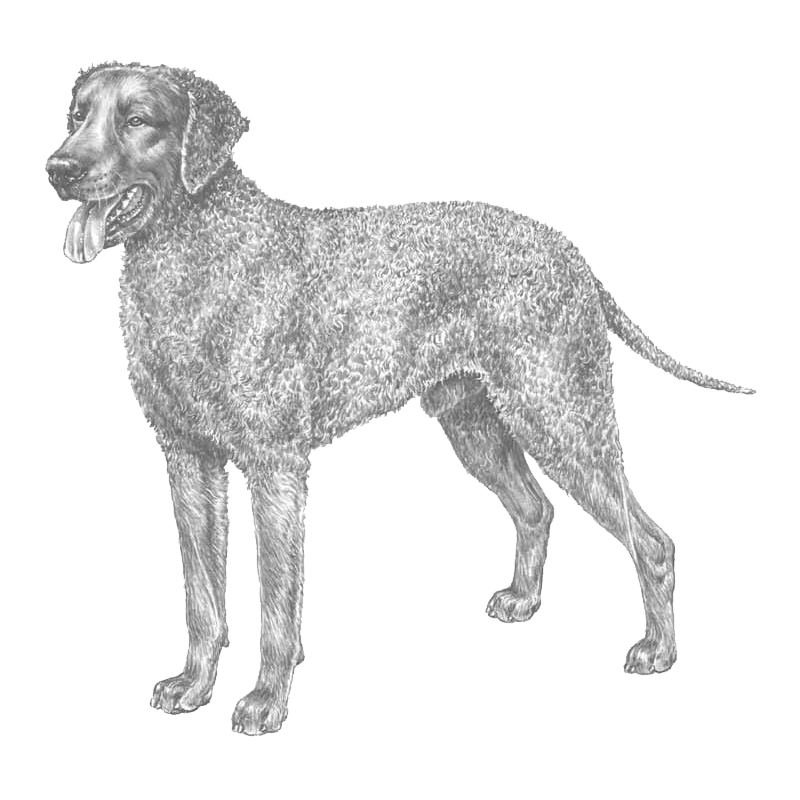
A breed with a hunting heritage as an upland game and waterfowl dog, the Curly Coated Retriever is an active, quick and agile breed requiring plenty of exercise. Known for possessing a discerning independent nature, the dogs can be aloof with strangers and are protective, affectionate and loyal companions.
..............
It has been claimed that the Curly Coated Retriever is the oldest of the Retriever breeds. He is also the tallest. The hallmark of the breed, a coat of small tight curls, nods acknowledgement to his ancestor, the English Water Spaniel, now extinct, which was added to a base of Retriever blood probably the Labrador. Poodle blood was also added to the mix to give the tightness of curl. The coat gives the dog a waterproof quality when retrieving ducks from water, the function for which he was originally bred.
Source: The Kennel Club (UK)
-
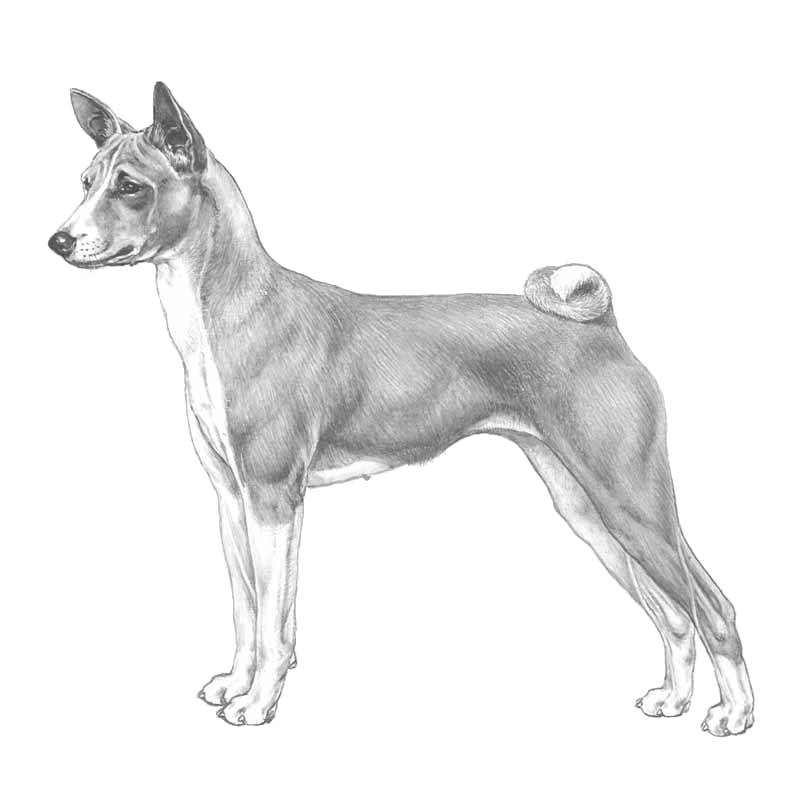
The Basenji originated in the "African Congo, where they had been used as an all purpose hunter working by sight and by scent.""
Basenji "history extends back to the time of the Pharaohs and paintings in their tombs bear a similar resemblance to the breed. Gazelle like in his elegance and with a stylish, swinging stride, he is catlike in his cleanliness and has no bark which is replaced by a yodeling sound."Source: The Kennel Club
-
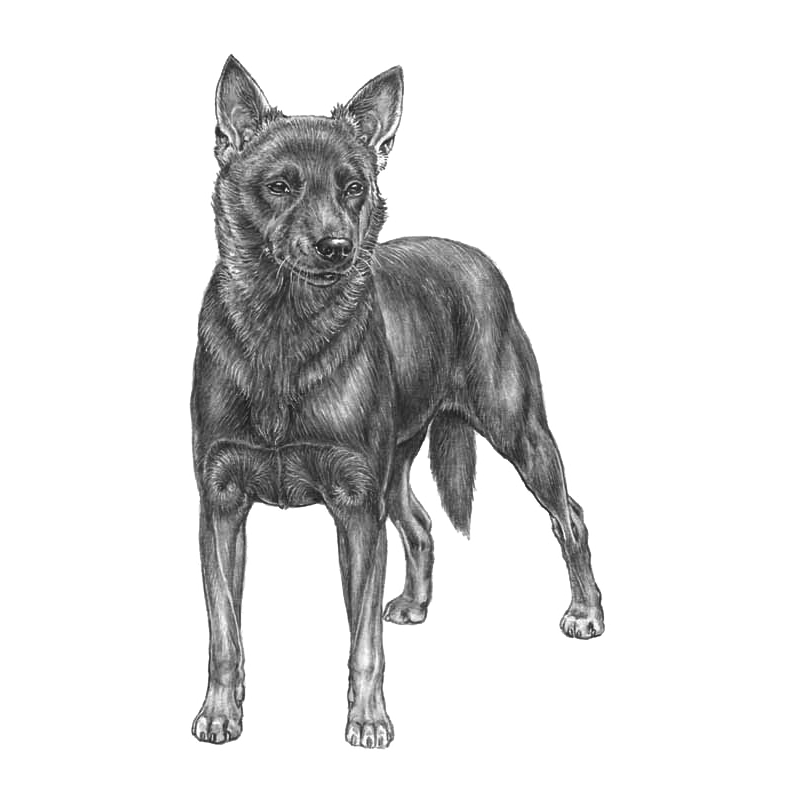
The Australian Kelpie, or simply Kelpie, is an Australian sheep dog successful at mustering and droving with little or no guidance. It is a medium-sized dog and comes in a variety of colours.
Source: Wikipedia
-
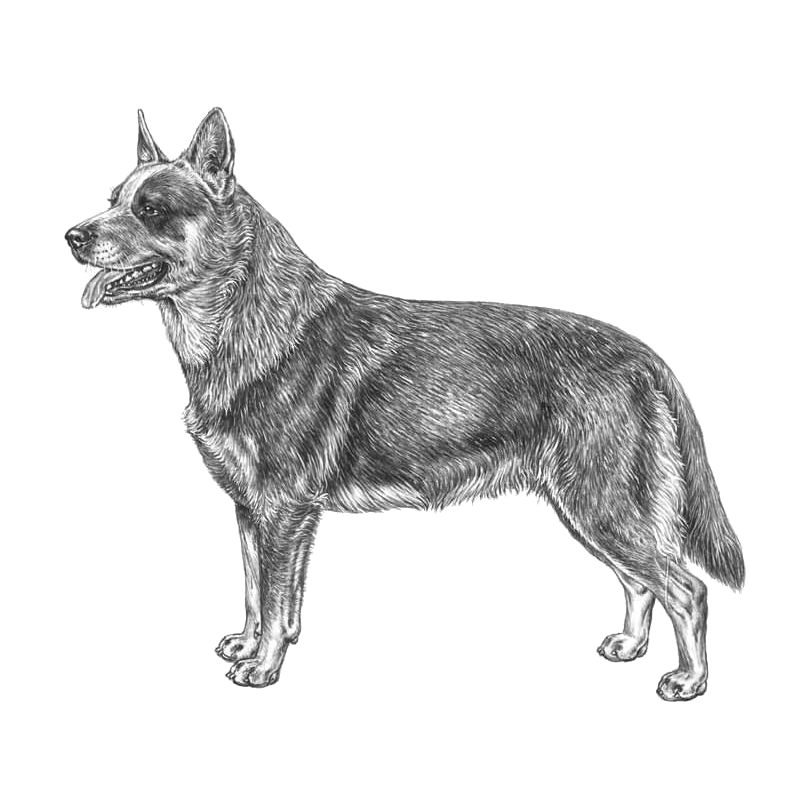
The Australian Cattle Dog (ACD), or simply Cattle Dog, is a breed of herding dog originally developed in Australia for droving cattle over long distances across rough terrain.
Source: Wikipedia