






Pedigree Breeds
184 entries in this category
-
- Last comment date
- Title
- Start Date
- Most Commented
- Most Viewed
- Last Updated
- Publish Date
- Brief Description
- Content
- Links to Breed Descriptions
- Other Names for Breed
- Country of Origin and Parent Breed Club
- Health and Well-Being
- Breed-Specific Articles
- Breed Standards
- Breed-Specific Statistics
- Breeding/Health Strategy Documents
- Breed-Specific DNA Tests
- Other Breed-Specific Webpages
- Breed-Specific Research
- Breed Clubs
- Custom
-
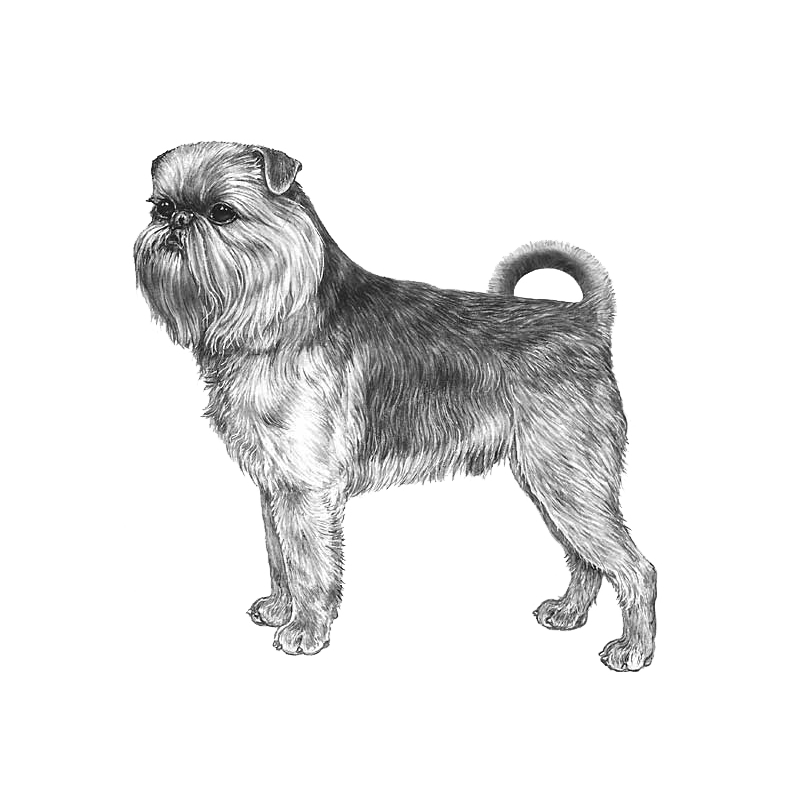
At one time known as the Belgian street urchin, this breed originated in Belgium and has traces of Affenpinscher in its ancestry. A variety of this little dog appeared in a painting by the Flemish artist Jan van Eyck as long ago as 1434 and the breed was already standard in type by the 1600s. He used to earn his keep as a stable dog where horses for hansom cabs were kept. He arrived in Britain in the late 1800s.
Source: The Kennel Club
-
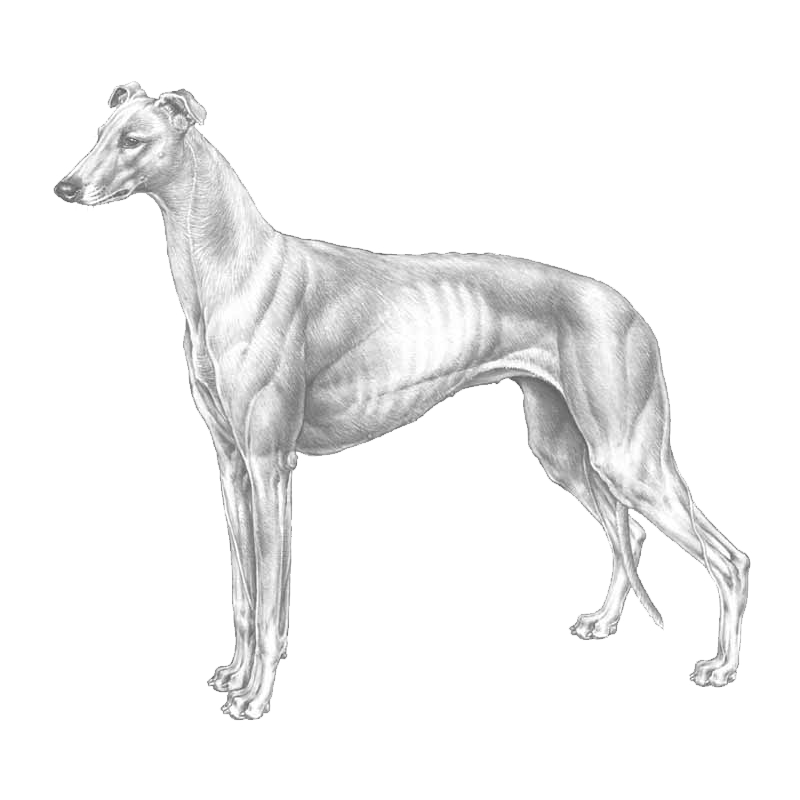
The Greyhound is a very old European breed of dog, a sighthound which has been historically bred for coursing game and latterly Greyhound racing.
-
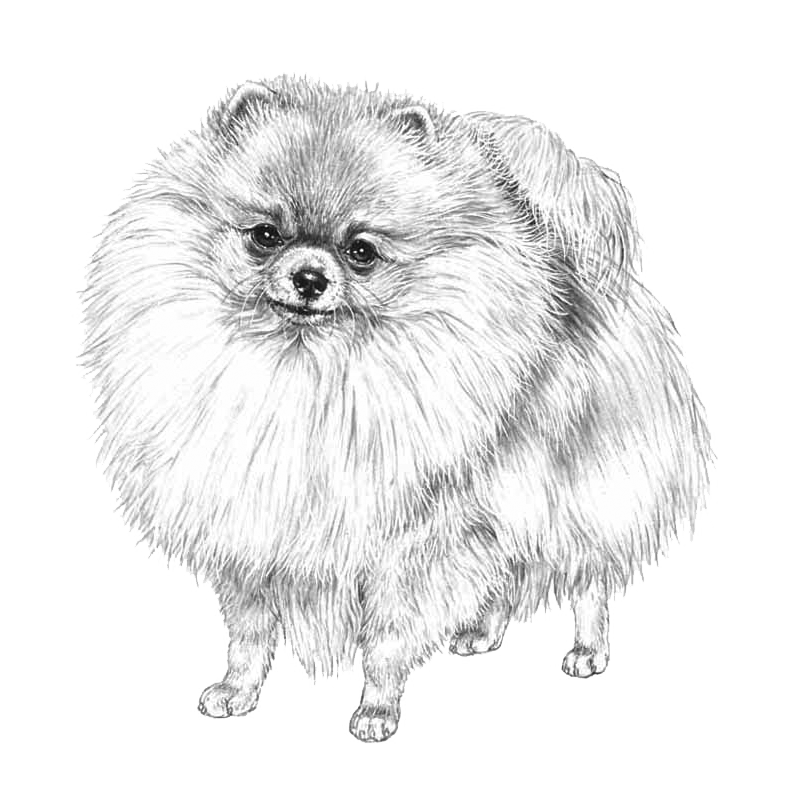
Though Britain is listed as the country of development of the Pomeranian, he is a Spitz-type dog descended from the much larger sled-hauling dogs of the Arctic. He was bred from the German Spitz before becoming known in the UK in 1870. In 1890, he entered the kennels of Queen Victoria, which popularised the breed, and the Pomeranian Club was formed the following year.
Source: https://www.thekennelclub.org.uk/search/breeds-a-to-z/breeds/toy/pomeranian/
-
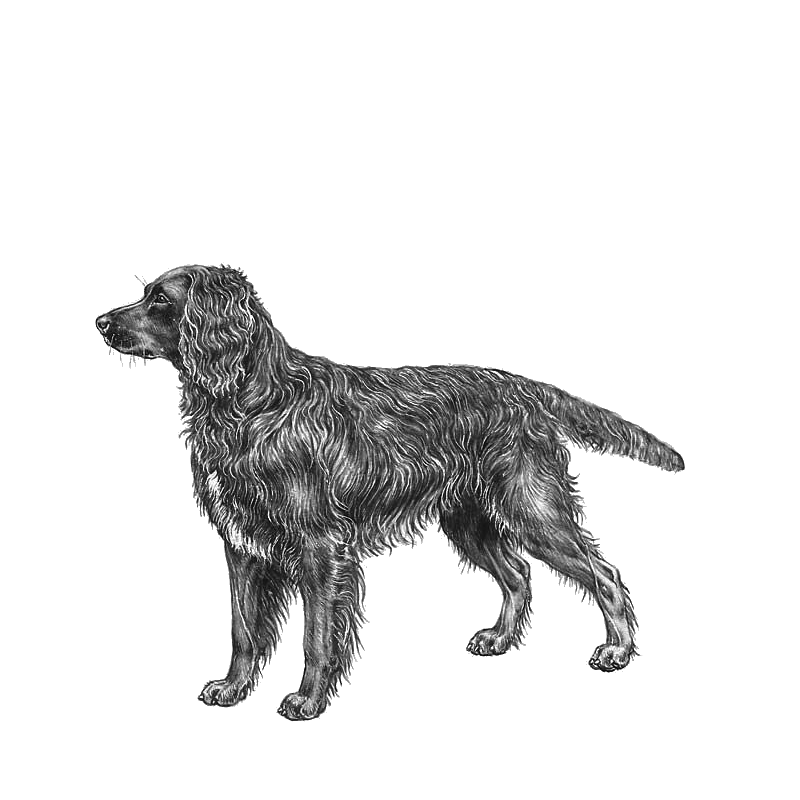
The German Spaniel, also known as the Deutscher Wachtelhund (German quail dog), is a breed of dog that was developed in Germany around 1890, and is used as a hunting dog. Descended from the old German breed, the Stoeberer (lit. "rummager"), which became popular with commoners following the Revolutions of 1848 in the German states, who required a versatile hunting dog.
-
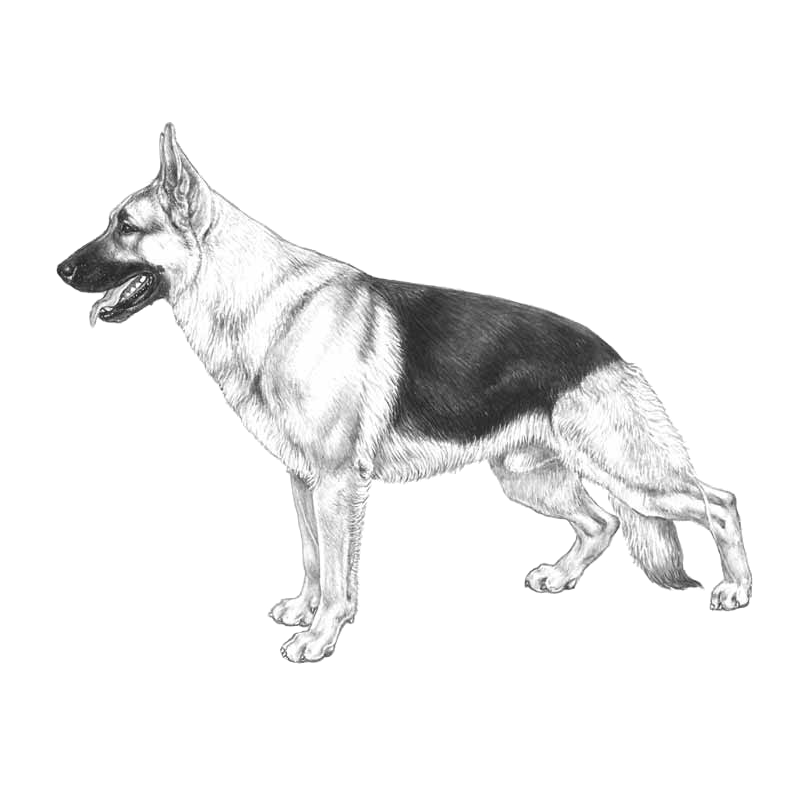
The German Shepherd Dog is medium-size, slightly elongated, powerful and well-muscled, with dry bone and firm overall structure. The German Shepherd Dog must be well-balanced (with strong nerves) in terms of character, self-assured, absolutely natural and (except for a stimulated situation) good-natured as well as attentive and willing to please. He must possess instinctive behaviour, resilience and self-assurance in order to be suitable as a companion, guard, protection, service and herding dog.
Source: http://www.fci.be/en/nomenclature/GERMAN-SHEPHERD-DOG-166.html
-
- swedish insurance data
- health surveys
- boxer
- registration statistics
- international breed collaboration
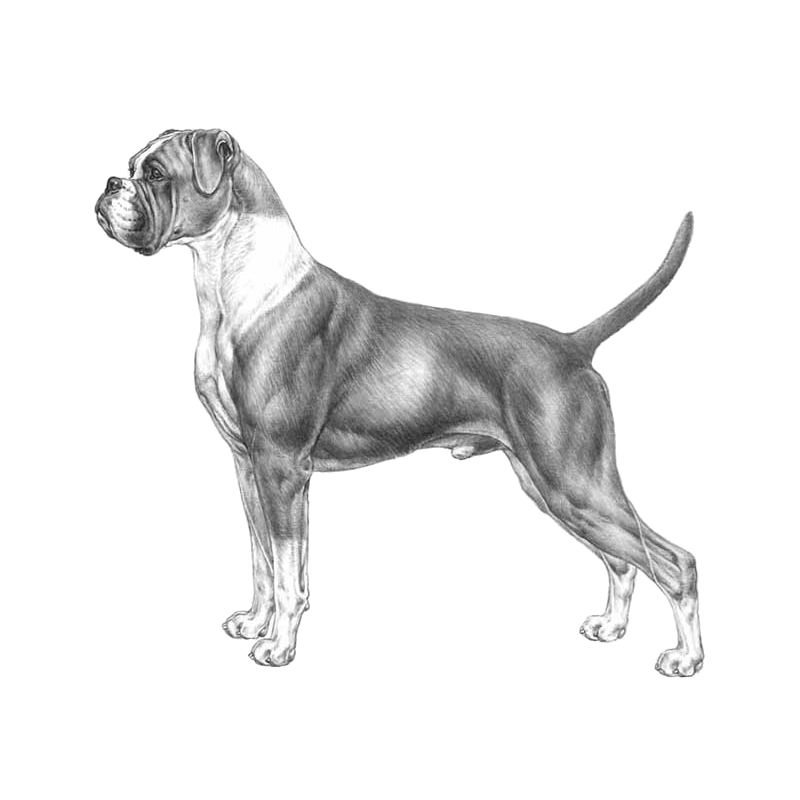
The Boxer is a medium sized, smooth coated, sturdy dog of compact, square build and strong bone. His muscles are taut, strongly developed and moulded in appearance. His movement is lively, powerful with noble bearing. The Boxer must be neither cumbersome nor heavy, nor light or lacking in body substance.
Source: FCI
-
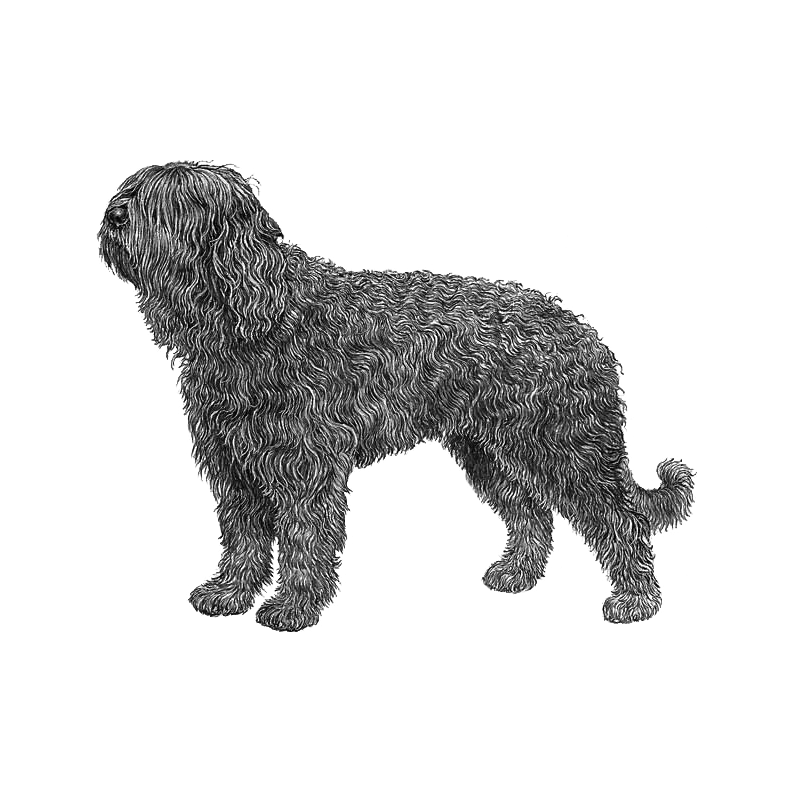
A very ancient breed, common throughout France, used for hunting waterfowl and described or mentioned in several works as early as the 16th century. Medium proportions, medium size, characterized by a thick, woolly coat which guarantees efficient protection against cold and damp. The coat forms a beard (French barbe) on the chin, which gave the breed its name (Barbet). Even disposition, very attached to his master, very sociable, loving water even when very cold.
Source: FCI
-
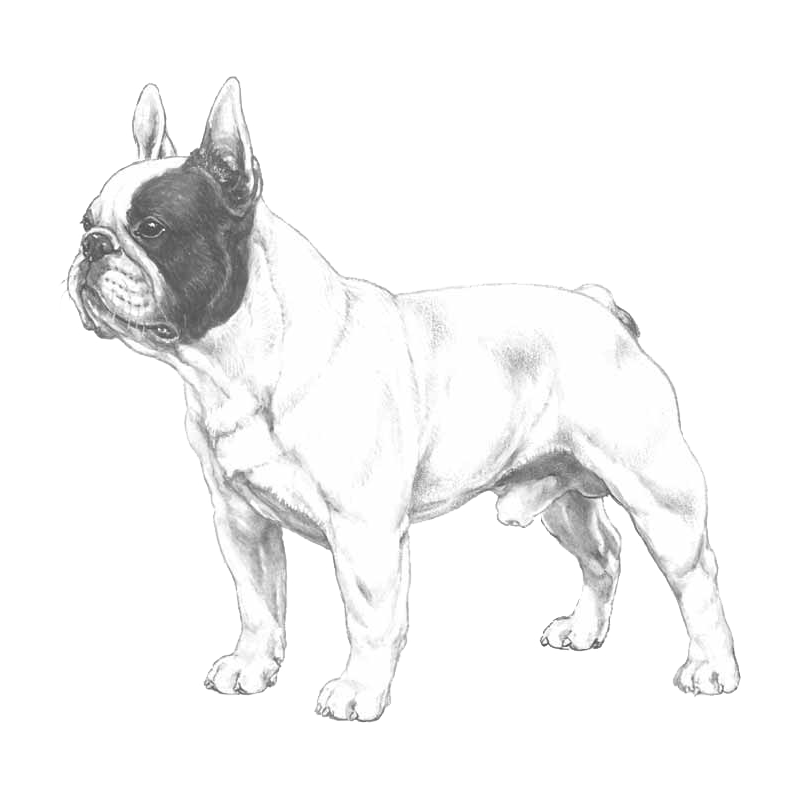
The French Bulldog is a small breed of domestic dog. "Frenchies" were the result in the 1800s of a cross between bulldog ancestors imported from England and local ratters in Paris (France).
-
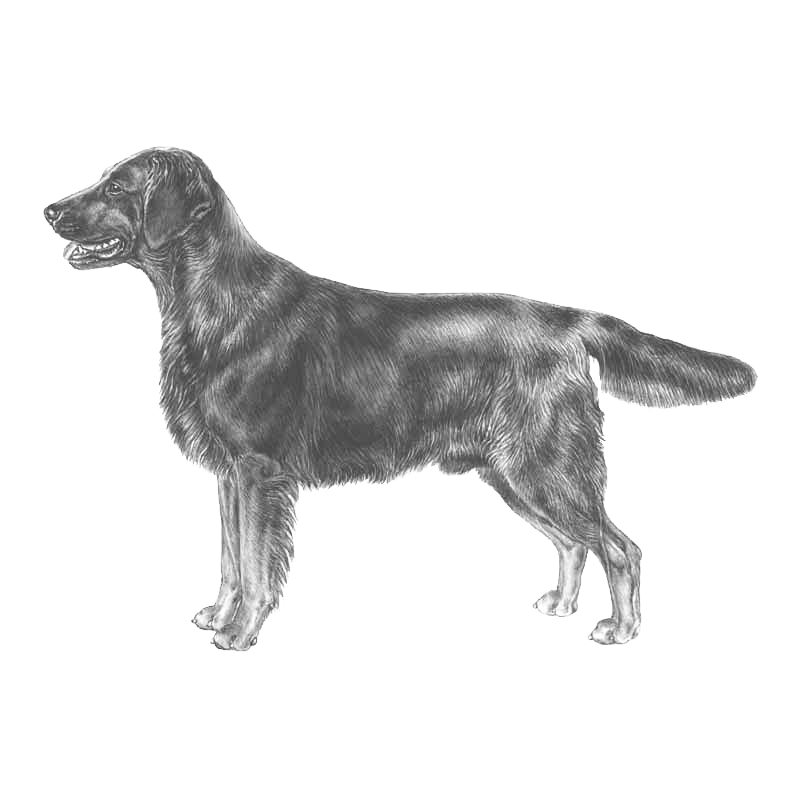
The Flat-Coated Retriever is a gundog breed originating from the United Kingdom. It was developed as a retriever both on land and in the water.
-

Many hunters consider the Finnish Hound to be the world's best game-pursuing breed at the moment.
The Finnish Hound is a native breed and one of the most popular dog breeds in Finland. It is used almost solely to hunt hares or foxes. It works independently, tracking either earth or airborne scent and will pursue game and bark passionately. The long hunting season for hares and foxes contribute to the breed's popularity. The Finnish Kennel Club registered 1,475 Finnish Hounds in 2012. In total, 20,030 Finnish Hounds were registered in 2003-2012.
From: Kennelliito (The Finnish Kennel Club, IPFD Founding Partner) Native Breeds
-
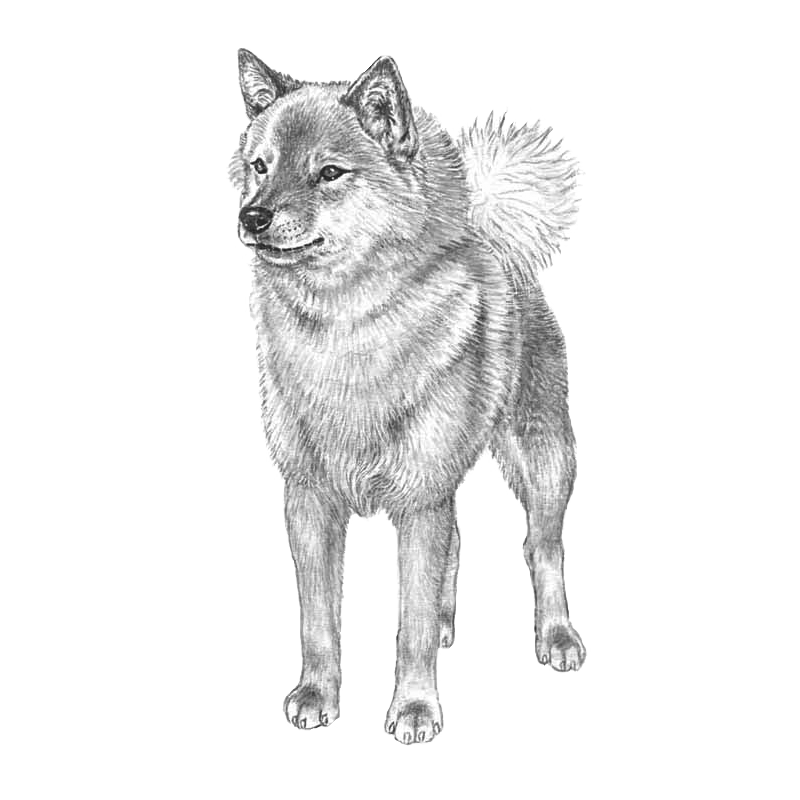
The national dog of Finland, the Finnish Spitz, is by far the oldest of all the Finnish breeds. It was bred directly from the native landrace dog population without crossbreeding, and it has followed the Finnish people since ancient times. A dog similar to the Finnish Spitz has been found in prehistoric cave paintings. The Finnish people lived in isolated residential areas in the wilderness in the Northern part of Finland, from Kainuu all the way to Murmansk, and their dogs remained purer in comparison with dogs living more south where they easily got mixed with other dogs.
See More: From the Finnish Dog Museum (Online)
-
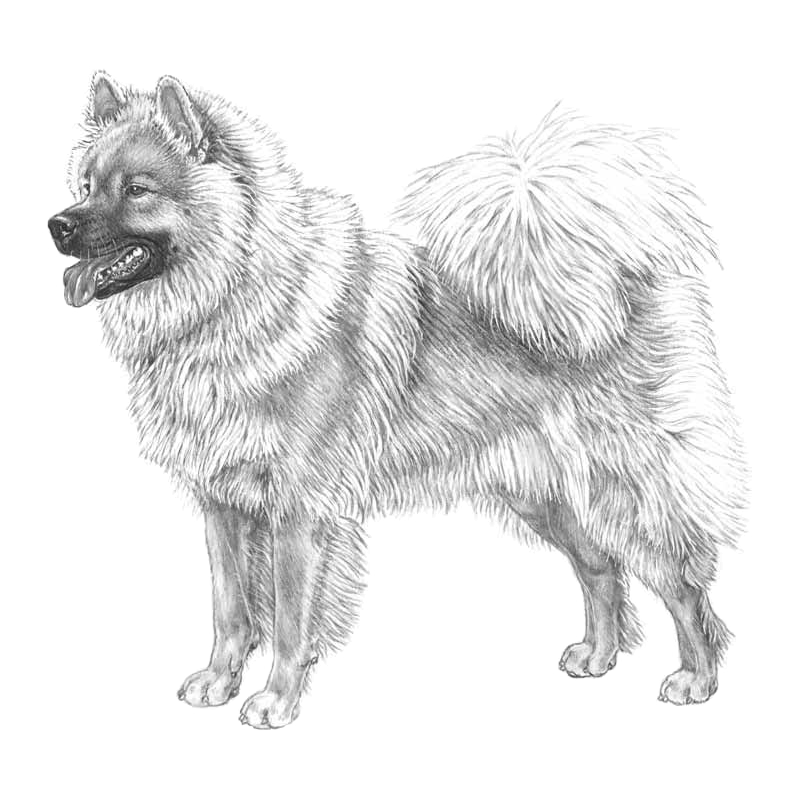 Balanced, well constructed medium sized dog of Spitz type with prick ears and coat in varied colours. Length of coat should be such as still to reveal the body proportions. With medium bone. Balanced, well constructed medium sized dog of Spitz type with prick ears and coat in varied colours. Length of coat should be such as still to reveal the body proportions. With medium bone. Self-assured, calm, even tempered with high resistance against any provocation.
Watchful and alert without being noisy. Very strongly developed link to his family. Reserved towards strangers without being aggressive. No hunting instinct. For the full development of these qualities, the Eurasian needs constant close domestic contact with his family and understanding, yet consistent training.
-
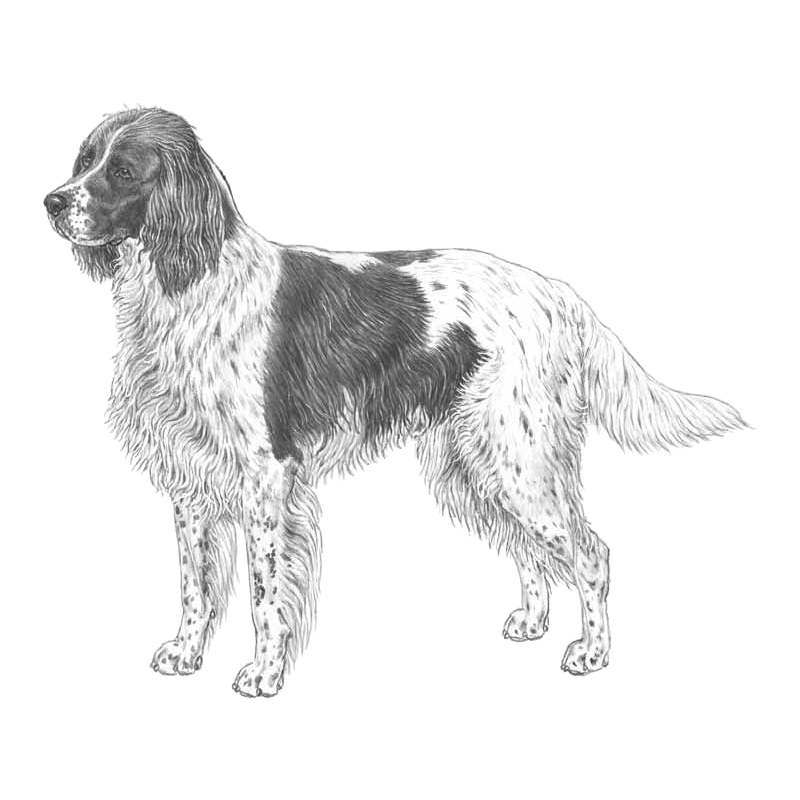
The French Spaniel (Epagneul Français) was developed in France as a hunting dog, descended from dogs of the 14th century.
(Source: AKC)
-
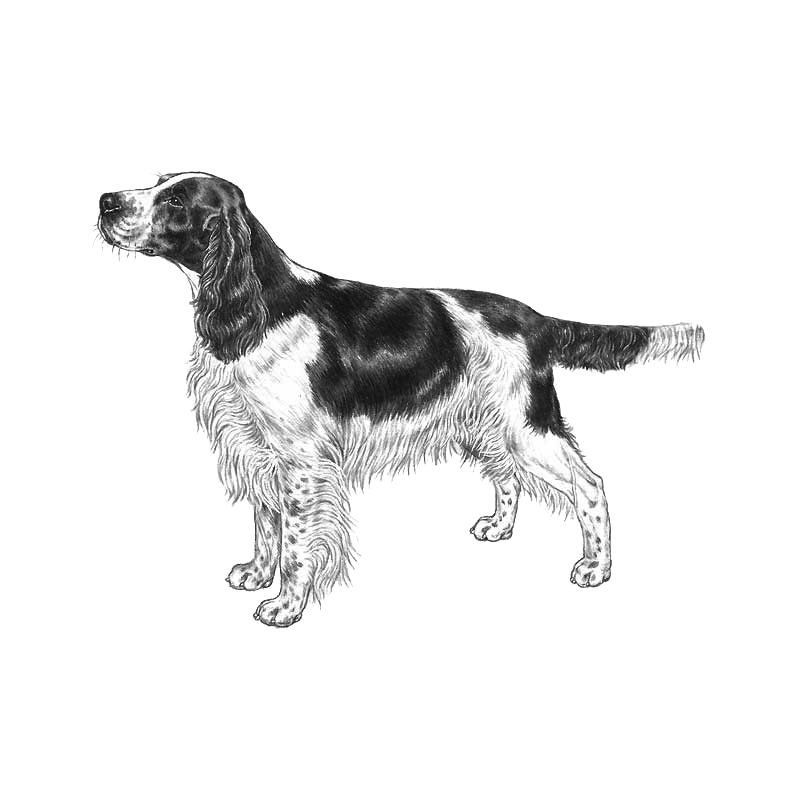
Developed to flush game from cover and to retrieve it, the English springer spaniel's coat is liver and white, black and white or tri-coloured. The English Springer is the most popular of the spaniels for working in the field. A happy and very biddable temperament lends itself well to family life. Field-bred and bench-bred dogs are available - as the names suggest the Field type is used in the field for hunting and the Bench type is bred for their looks in the show ring. Field dogs tend to be taller on leg, not as heavily bodied or boned, shorter coated and may be more energetic/hunting work oriented than their show counterparts.
-
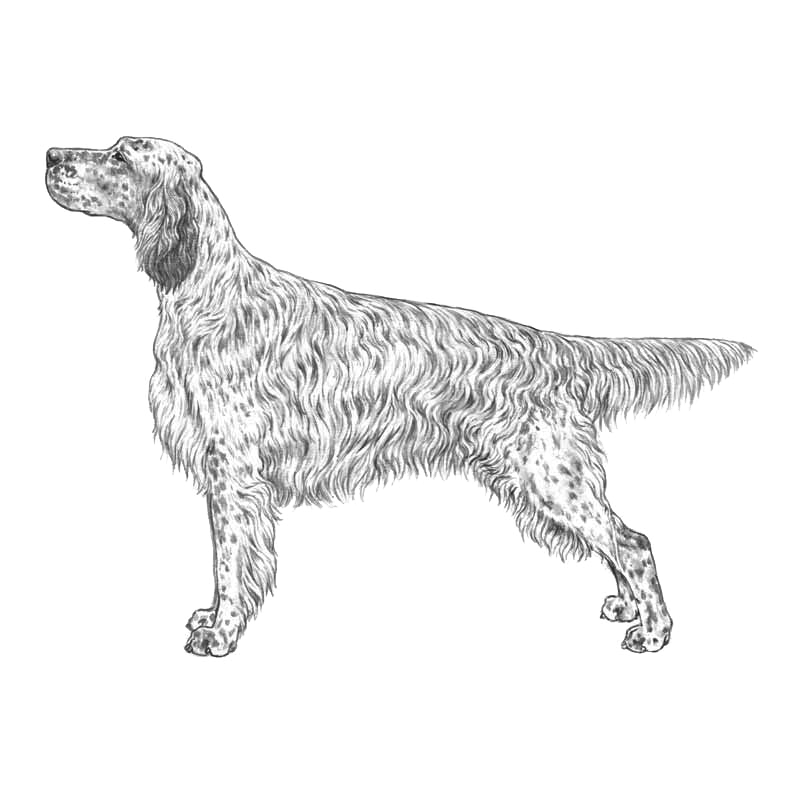
The English Setter is a medium size breed of dog. It is part of the Setter family, which includes the red Irish Setters, Irish Red and White Setters, and black-and-tan Gordon Setters.
Source: Wikipedia
-
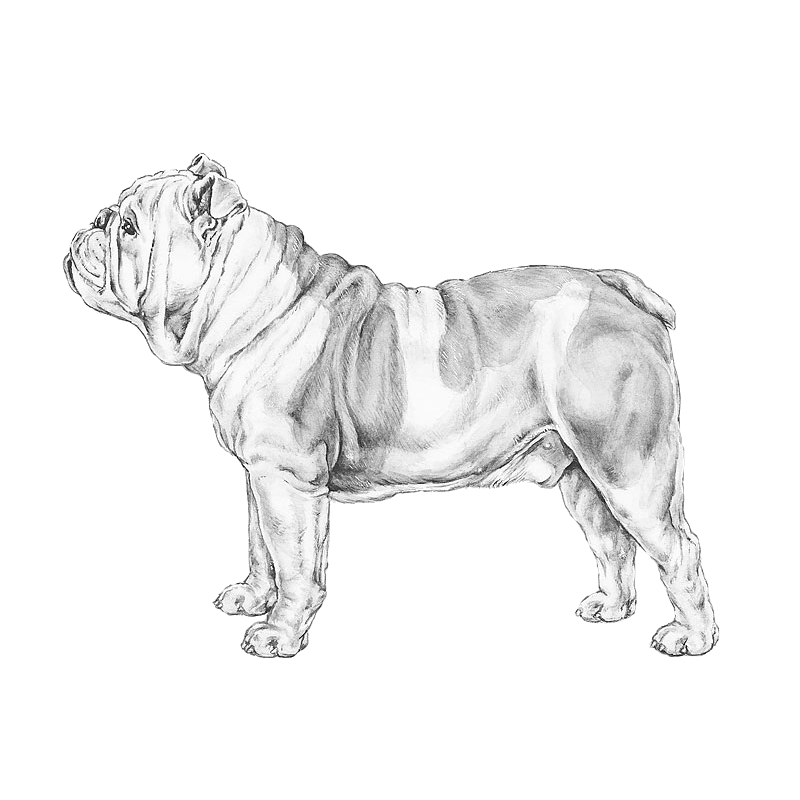
One of Britain’s oldest indigenous breeds, the Bulldog is known as the National dog of Great Britain and is associated throughout the world with British determination and the legendary John Bull. The Bulldog was first classified as such in the 1630s, though there is earlier mention of similar types referred to as bandogs, a term reserved today for a type of fighting dog.
Source: The Kennel Club
-
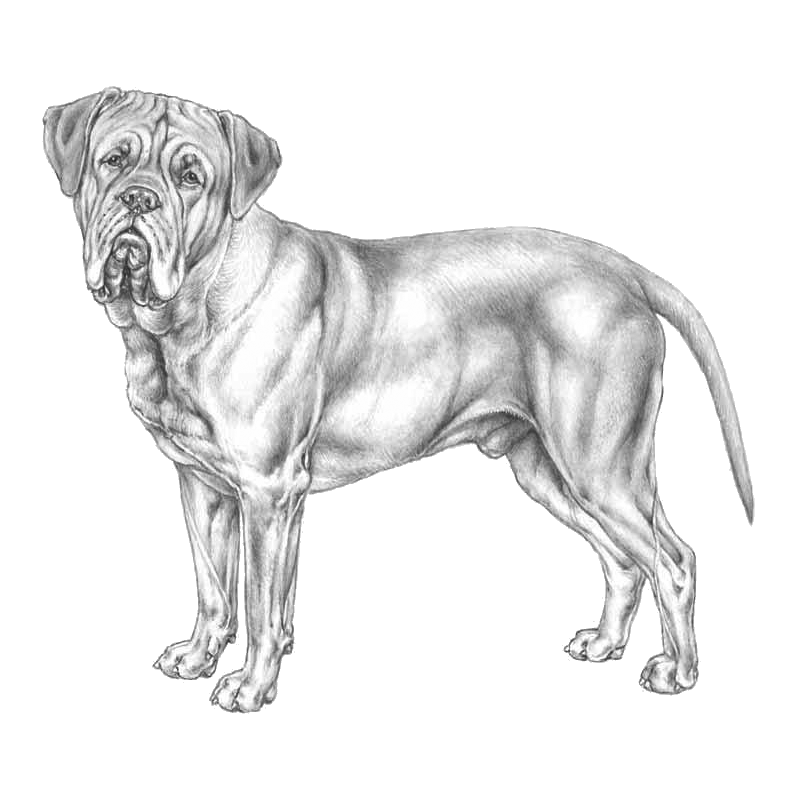
The Dogue de Bordeaux, Bordeaux Mastiff, French Mastiff or Bordeauxdog is a large French Mastiff breed—and one of the most ancient French dog breeds.
Source: Wikipedia
-
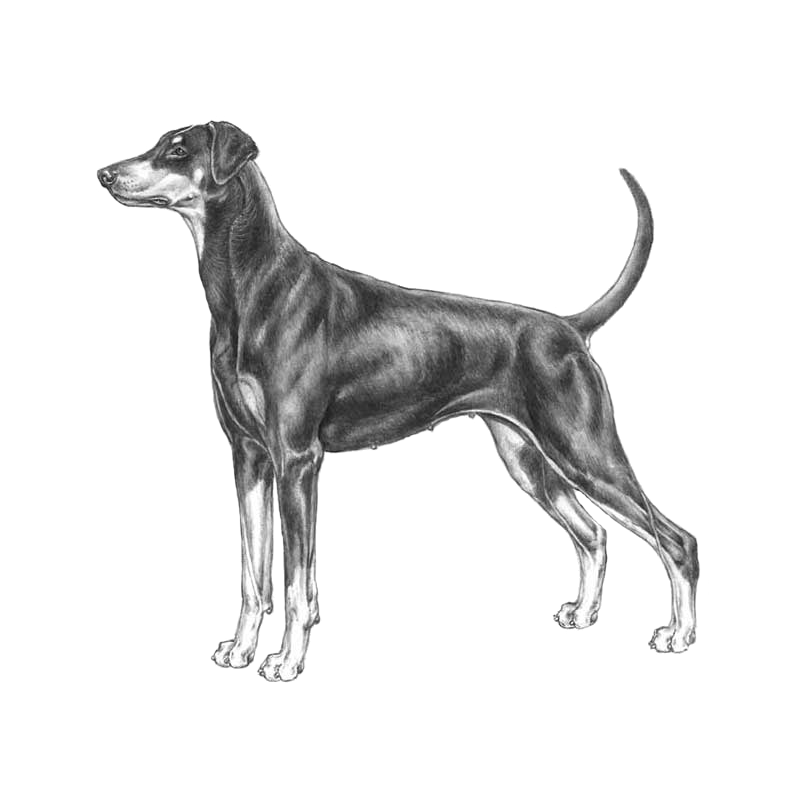 The Dobermann breed requires a medium sized, powerful, muscular dog. Despite his substance he shall be elegant and noble, which will be evident in his body line. He must be exceptionally suitable as a companion, protection and working dog and also as a family dog.
The Dobermann is the only German breed which bears the name of its original breeder, Friedrich Louis Dobermann (02.01.1834 – 09.06.1894). He was believed to be a tax collector, offal abbatoir manager (knacker) and a part time dog catcher, legally able to catch all stray dogs. He bred with animals from this reservoir that were particularly sharp. The so called “butcher’s dogs” which were already considered a relatively pure breed at that time, played a most important role in the origination of the Dobermann breed.
Source: FCI
-
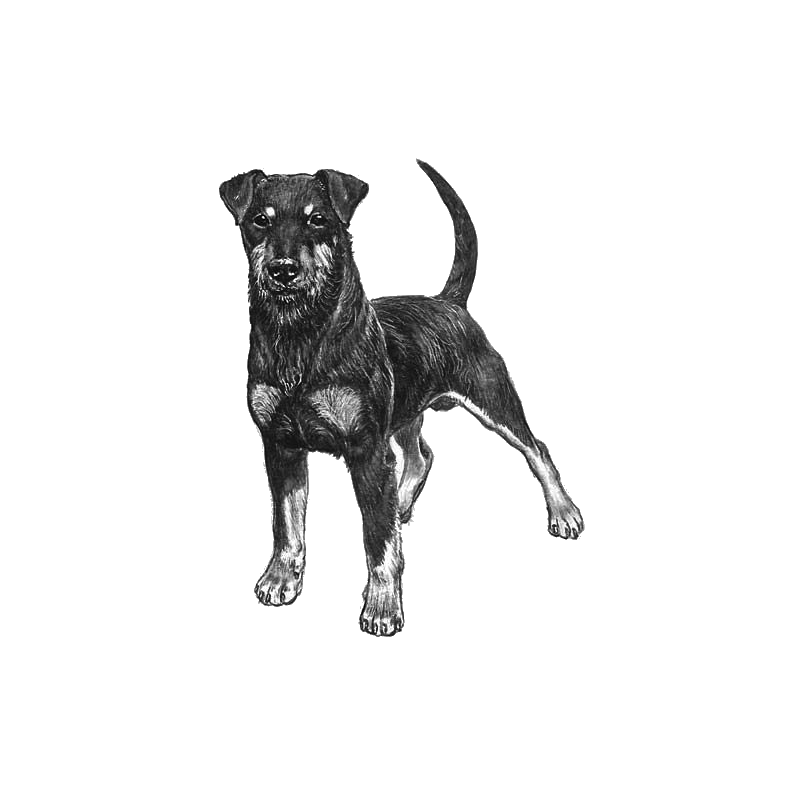
Versatile hunting dog, suited in particular for the hunt under the ground and as a flushing dog. A smallish, generally black and tan, compact, well proportioned working hunting dog. Courageous and hard, takes pleasure in work, enduring, vital, full of temperament, reliable, sociable and trainable, neither shy or aggressive. The German Hunting Terrier is breed developed and maintained for its usefulness as a hunting dog, steadiness of character, courage and drive.
Source: http://www.djt-club.de/der-djt/rassestandard/englisch.html & the F.C.I. Breed Standard http://www.fci.be/Nomenclature/Standards/103g03-en.pdf
-
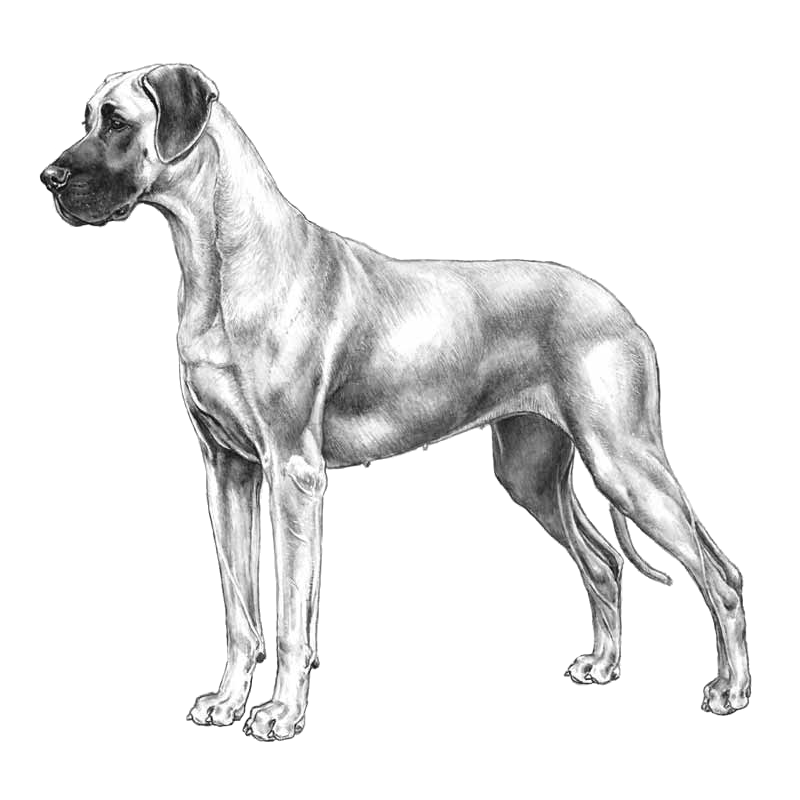 The Great Dane in his noble appearance combines a large, powerful well constructed body with pride, strength and elegance.
By substance together with nobility, harmonious appearance, well proportioned outlines, as well as an especially expressive head, the Great Dane strikes the onlooker as a noble statue, never coarse or with refined elegance. Perfect in balance and always with clearly defined sexual dimorphism. He is the Apollo amongst all breeds. Friendly, loving and devoted to his owners. Might be reserved towards strangers, but required is a confident, fearless, easily tractable, docile companion and family dog with high resistance to provocation and without aggression.
Source: FCI
-
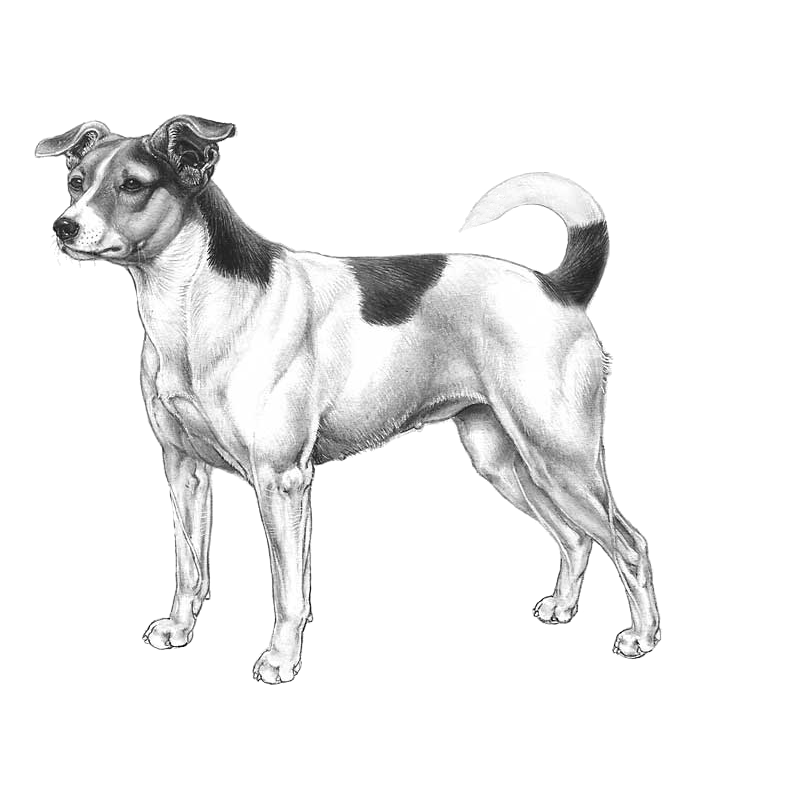
Dansk/svensk gårdshund (Danish–Swedish Farmdog) is a breed of dog that has its origin in Denmark and southern Sweden, but now has become popular all over Scandinavia.
Source: Wikipedia
The Danish-Swedish farm dog originally served to keep the farm free of rats and mice, for which it is equally suitable to today. The dogs are very teachable; and since the breed is small and light, with a lot of speed and intelligence, today they participate in various dog sports like agility, rally obedience, tracking training and obedience.
-
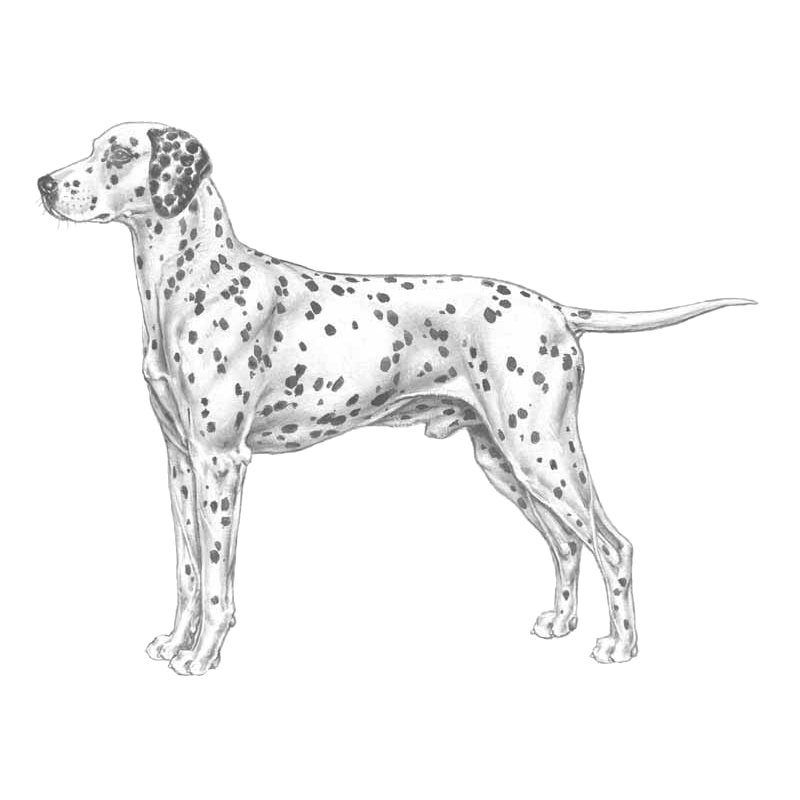
The Dalmatian is a large breed of dog noted for its unique black or liver spotted coat and was mainly used as a carriage dog in its early days.
Source: Wikipedia
-
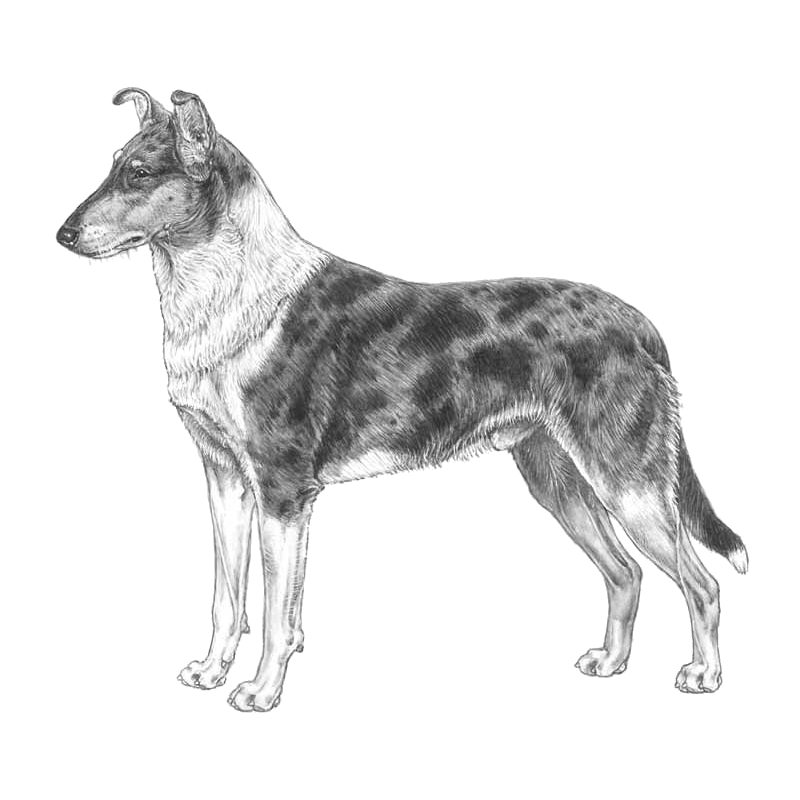
The obvious difference between the breeds Rough and Smooth Collies is the coat length, which in the case of the Smooth Collie is short and flat with a harsh texture on a dense undercoat. Source: The Kennel Club
Also see DWN's Rough Collie page for breed-specific resources.
-
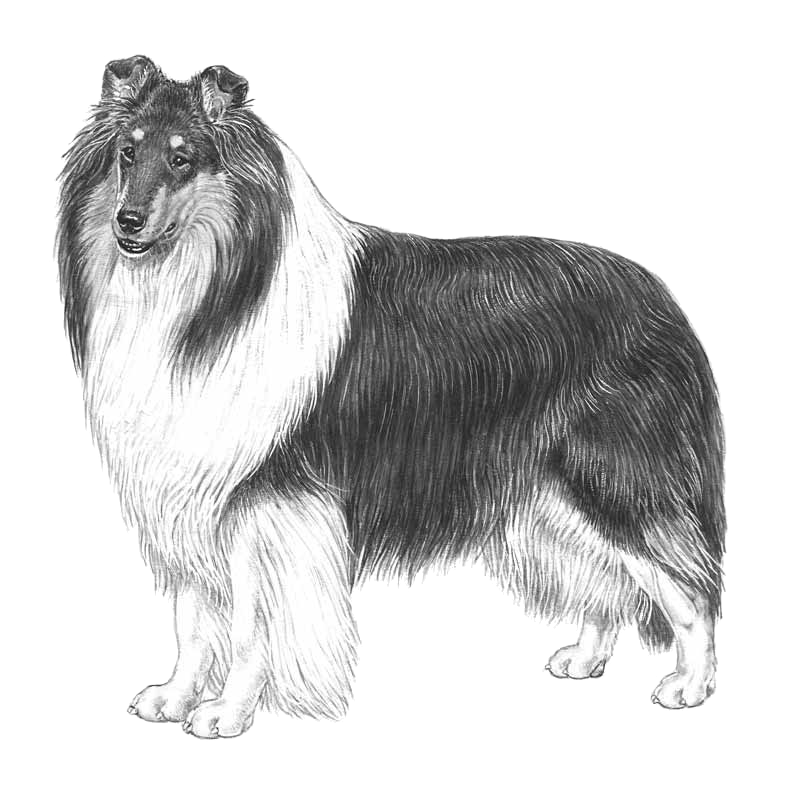
The Rough Collie is the same as the Smooth Collie with the exception of coat length. The breed is thought to have evolved from dogs brought originally to Scotland by the Romans that then mated with native types.
Source: The Kennel Club
-
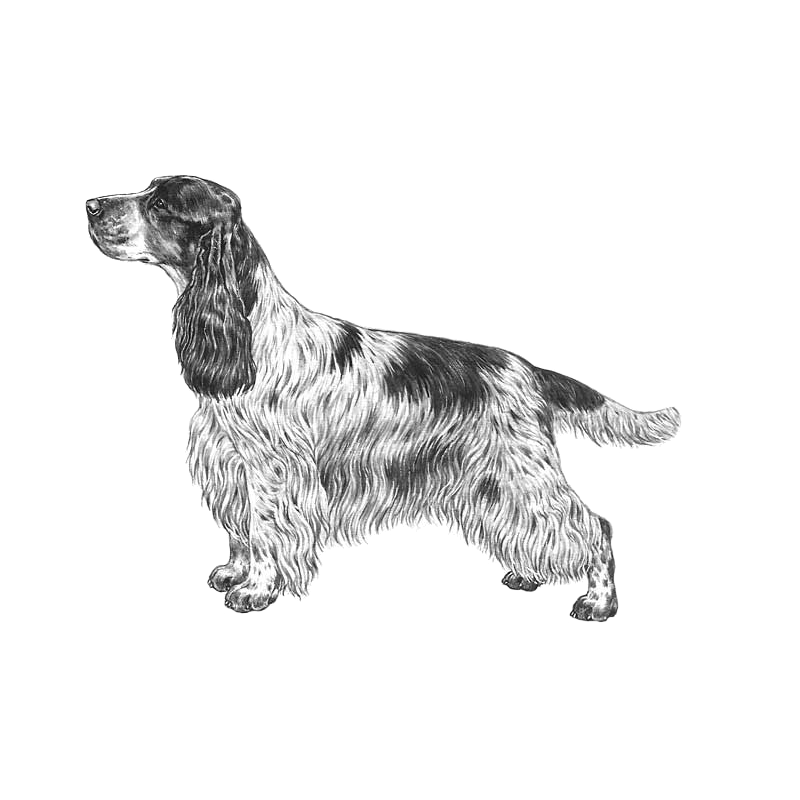
The English Cocker Spaniel is a breed of gun dog. The English Cocker Spaniel is an active, good-natured, sporting dog standing well up at the withers and compactly built.
Source: Wikipedia