






Pedigree Breeds
184 entries in this category
-
- Last comment date
- Title
- Start Date
- Most Commented
- Most Viewed
- Last Updated
- Publish Date
- Brief Description
- Content
- Links to Breed Descriptions
- Other Names for Breed
- Country of Origin and Parent Breed Club
- Health and Well-Being
- Breed-Specific Articles
- Breed Standards
- Breed-Specific Statistics
- Breeding/Health Strategy Documents
- Breed-Specific DNA Tests
- Other Breed-Specific Webpages
- Breed-Specific Research
- Breed Clubs
- Custom
-

The Havanese, a breed of Bichon type, is the national dog of Cuba, developed from the now extinct Blanquito de la Habana ("little white dog of Havana").
Source: Wikipedia
-
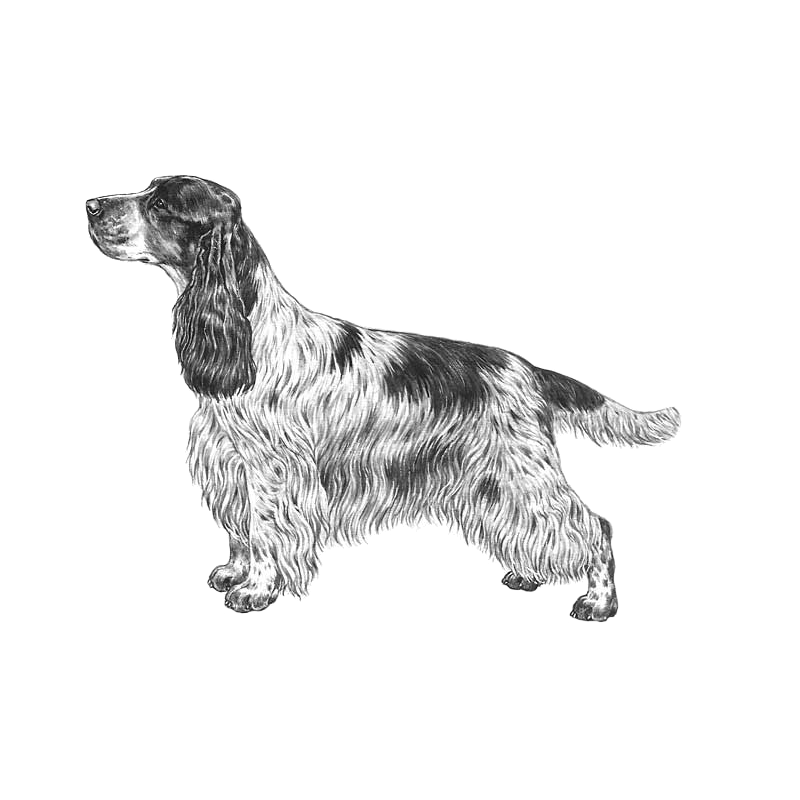
The English Cocker Spaniel is a breed of gun dog. The English Cocker Spaniel is an active, good-natured, sporting dog standing well up at the withers and compactly built.
Source: Wikipedia
-
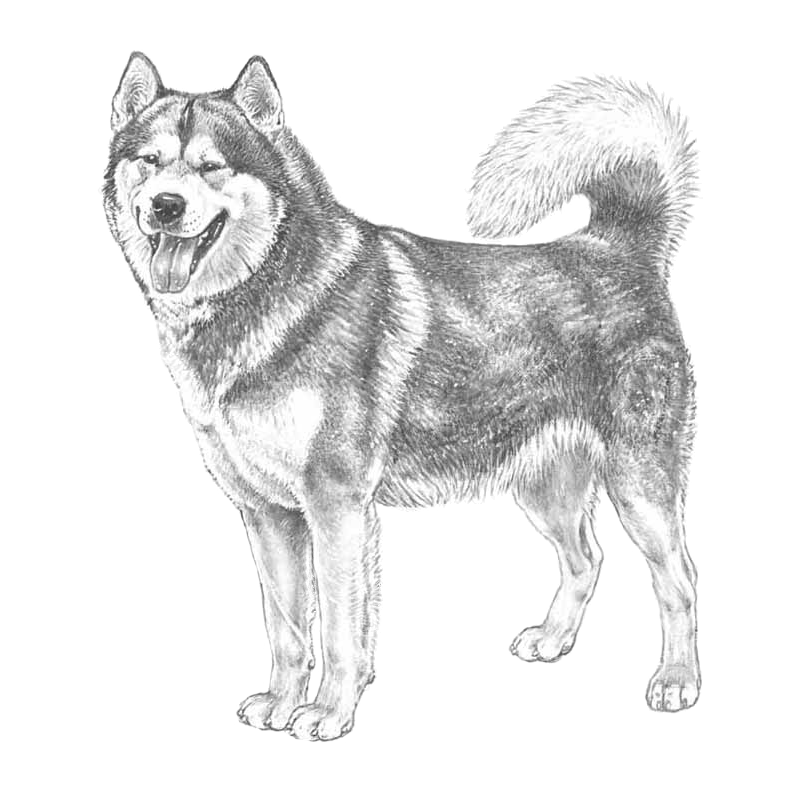
The Alaskan Malamute, one of the oldest Arctic sled dogs, is a powerful and substantially built dog with a deep chest and strong, well-muscled body.
Source: AKC
-
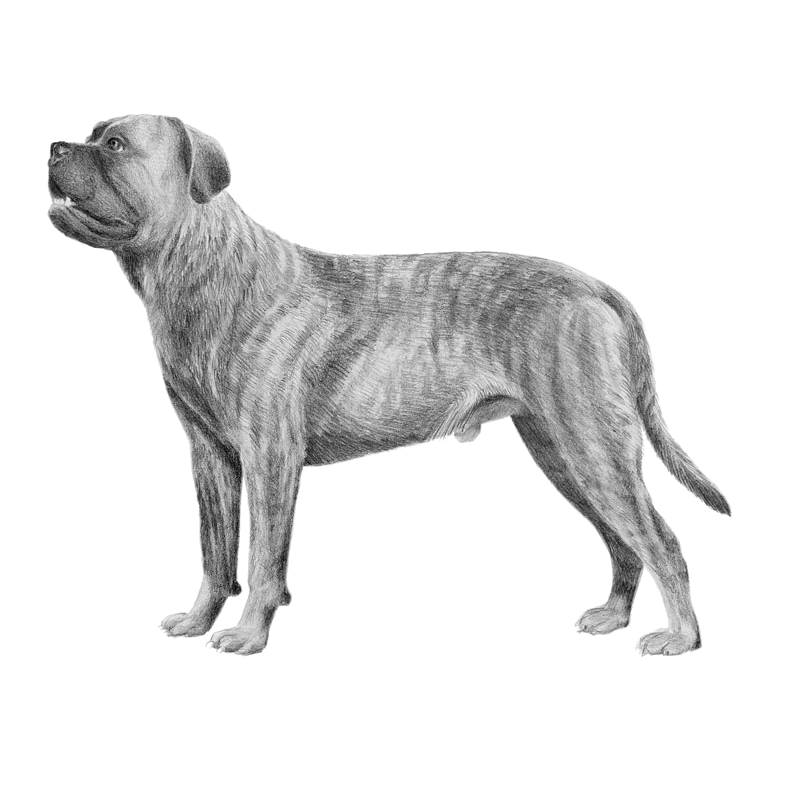
The Cane Corso [ˈkaːne ˈkɔrso] is a large Italian breed of dog, for years valued highly in Italy as a companion, Guard dog and hunter.
Source: Wikipedia
-
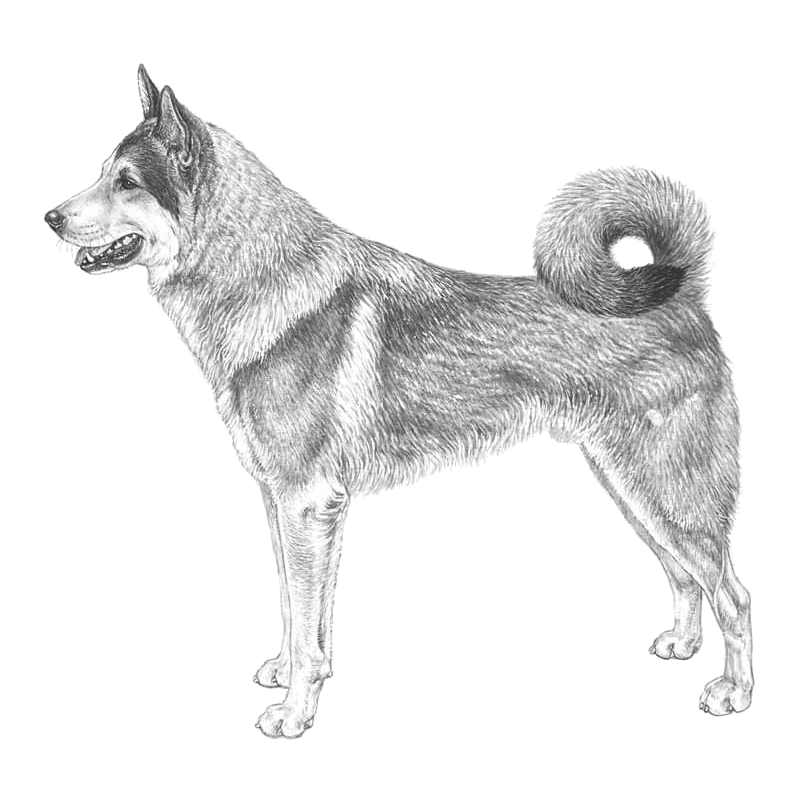
The East Siberian Laika (Vostotchno-Sibirskaia Laika) is a Russian breed of dog of spitz type, a hunting dog originating in parts of Siberia east of the Yenisei River. Source: Wikipedia
The East Siberian Laïka is a hunting dog of the spitz type that was developed to hunt large game such as deer and bear. Traditionally they were also used as draft/sledge dogs and drovers. They are one of three Russian Laïkas (or 'barkers'), the other two being the West Siberian and Russo-European Laïkas. At one time a fourth Laïka was recognized, the Karelo-Finnish Laïka, but this breed was merged with the Finnish Spitz in 2006 due to having minor differences. Source: https://www.worldlydogs.com/east-siberian-laiumlka.html
-
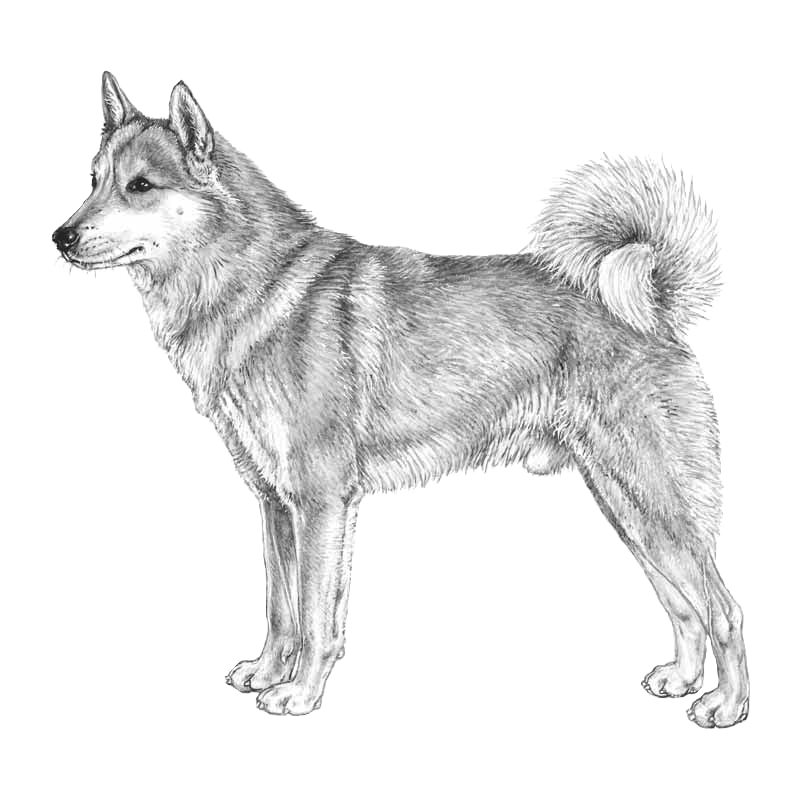
The West Siberian Laika or WSL, is a breed of hunting dog. Russian publications indicate that the term West Siberian Laika loosely applied to hunting dogs originating with the Mansi and Khanty people in Ural and West Siberia, but there were no standards or registrations of WSL as such until 1930.
-
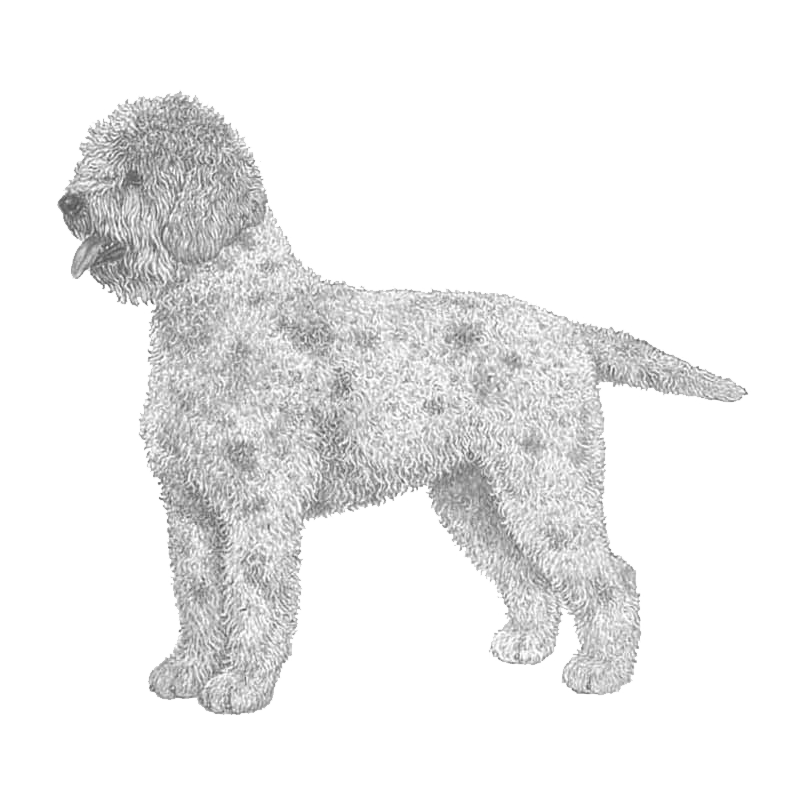
The Lagotto Romagnolo [laˈɡɔtto romaɲˈɲɔlo] is a breed of dog that comes from the Romagna sub-region of Italy. The name means "lake dog from Romagna," originating from the Italian word lago, meaning lake. Its traditional function is a gundog, specifically a water retriever.
-
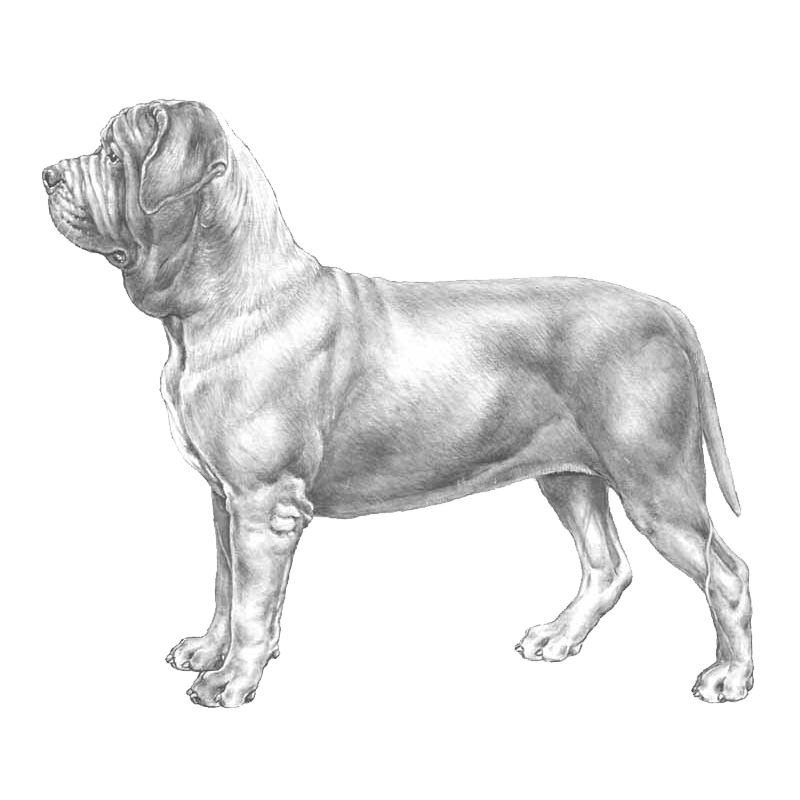
The Neapolitan Mastiff or Italian Mastiff, (Italian: Mastino Napoletano) is a large, ancient dog breed. This massive breed is often used as a guard and defender of family and property due to their protective instincts and their fearsome appearance.
-
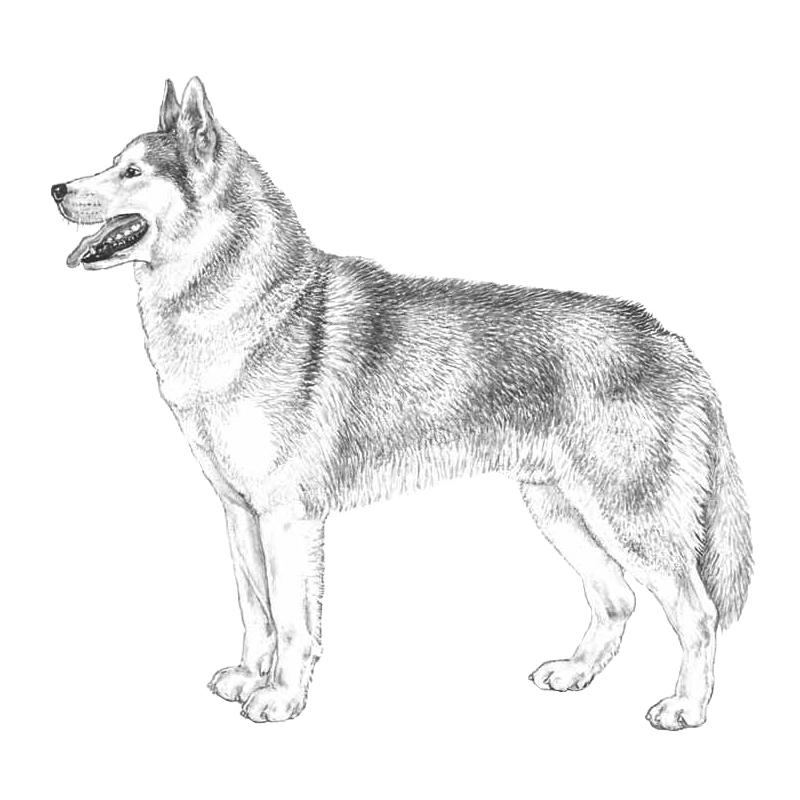
The Siberian Husky (Russian: сибирский хаски, "Sibirsky hasky") is a medium size, dense-coat working dog breed that originated in north-eastern Siberia. The breed belongs to the Spitz genetic family.
-
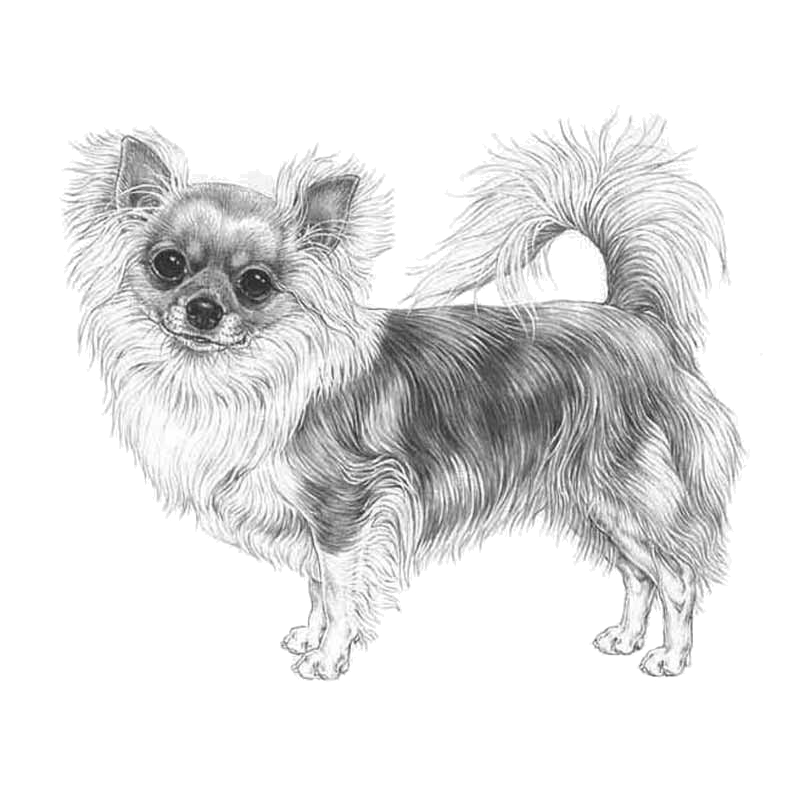
The Chihuahua tʃɪˈwɑːwɑː/ (Spanish: chihuahueño) is the smallest breed of dog and is named for the state of Chihuahua in Mexico. Chihuahuas come in a wide variety of sizes, head shapes, colors, and coat lengths.
Source: Wikipedia
-
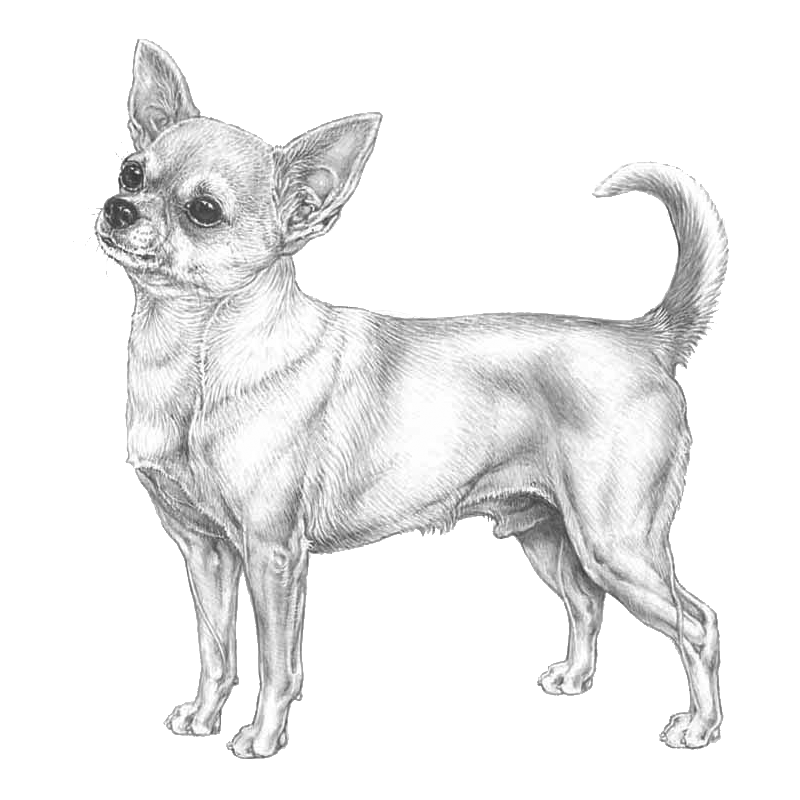
The Chihuahua tʃɪˈwɑːwɑː/ (Spanish: chihuahueño) is the smallest breed of dog and is named for the state of Chihuahua in Mexico. Chihuahuas come in a wide variety of sizes, head shapes, colors, and coat lengths.
Source: Wikipedia
-
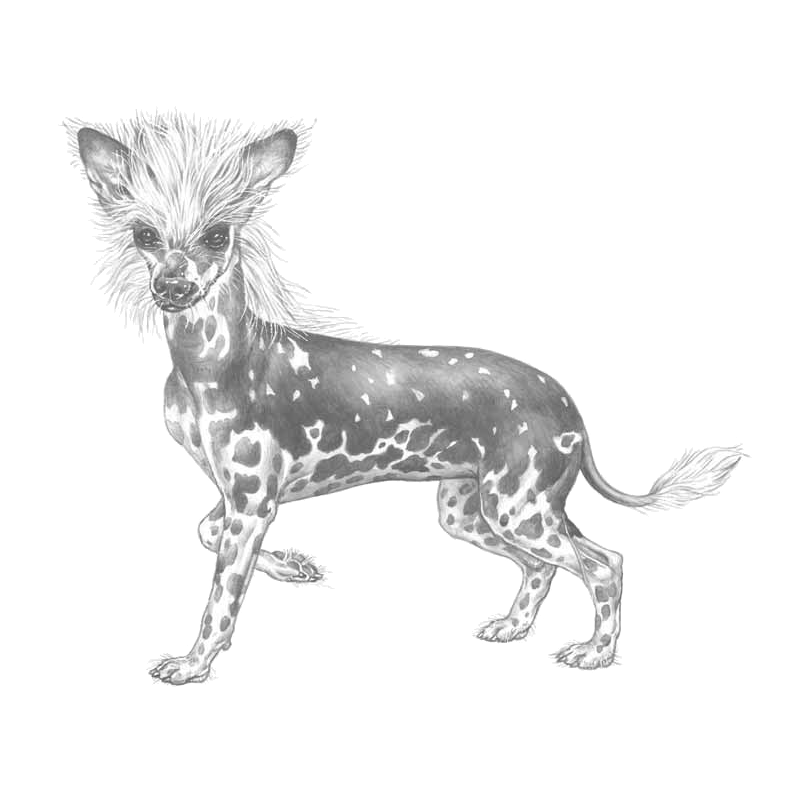
The Chinese crested dog is a hairless breed of dog. Like most hairless dog breeds, the Chinese crested comes in two varieties, with and without fur, which are born in the same litter: the Powder Puff and the Hairless.
Source: Wikipedia
-
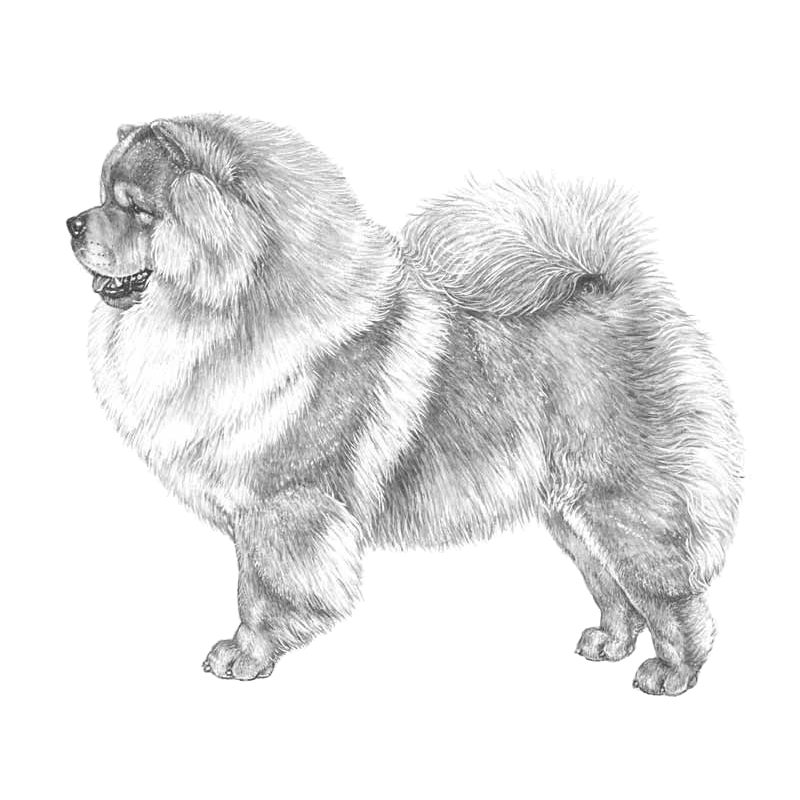
The Chow Chow (sometimes simply Chow) is a dog breed originally from northern China,] where it is referred to as Songshi Quan (Pinyin: sōngshī quǎn 鬆獅犬), which means "puffy-lion dog".
Source: Wikipedia
-
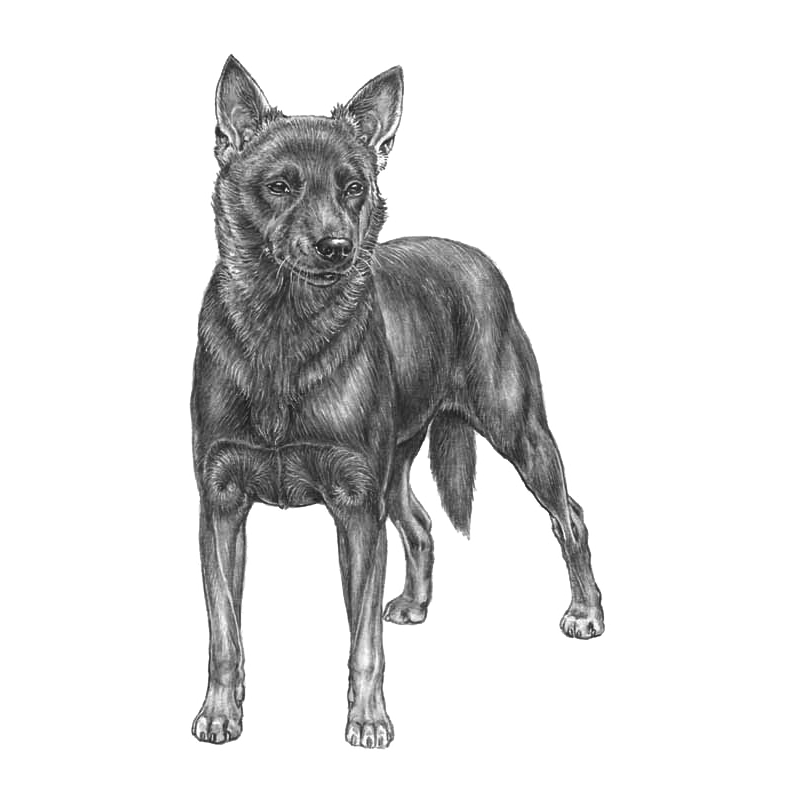
The Australian Kelpie, or simply Kelpie, is an Australian sheep dog successful at mustering and droving with little or no guidance. It is a medium-sized dog and comes in a variety of colours.
Source: Wikipedia
-
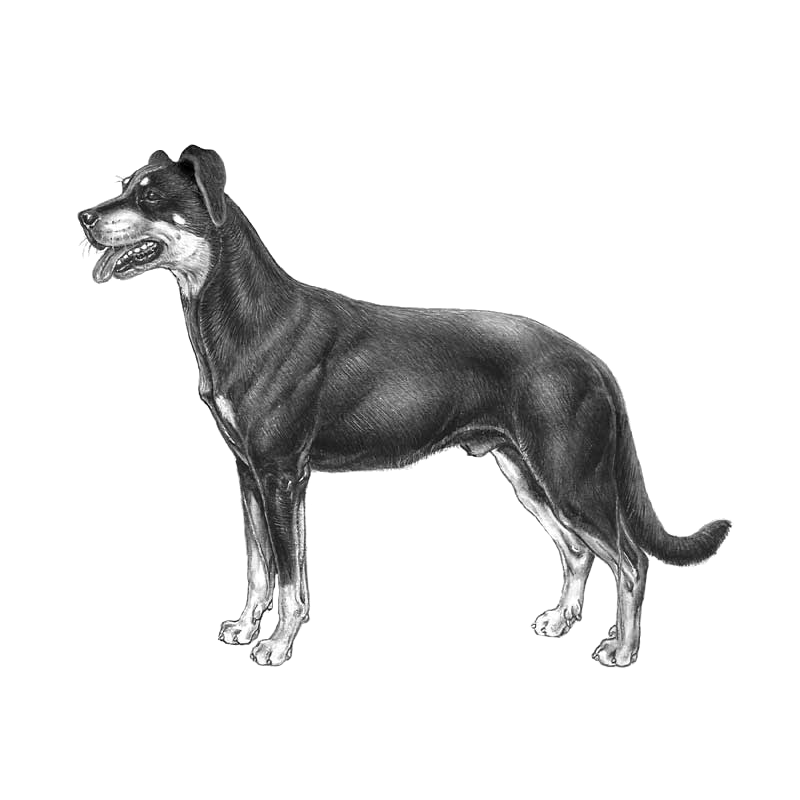
The Beauceron is a guard dog and herding dog breed falling into the working dog category whose origins lie in the plains of Northern France.
Source: Wikipedia
-
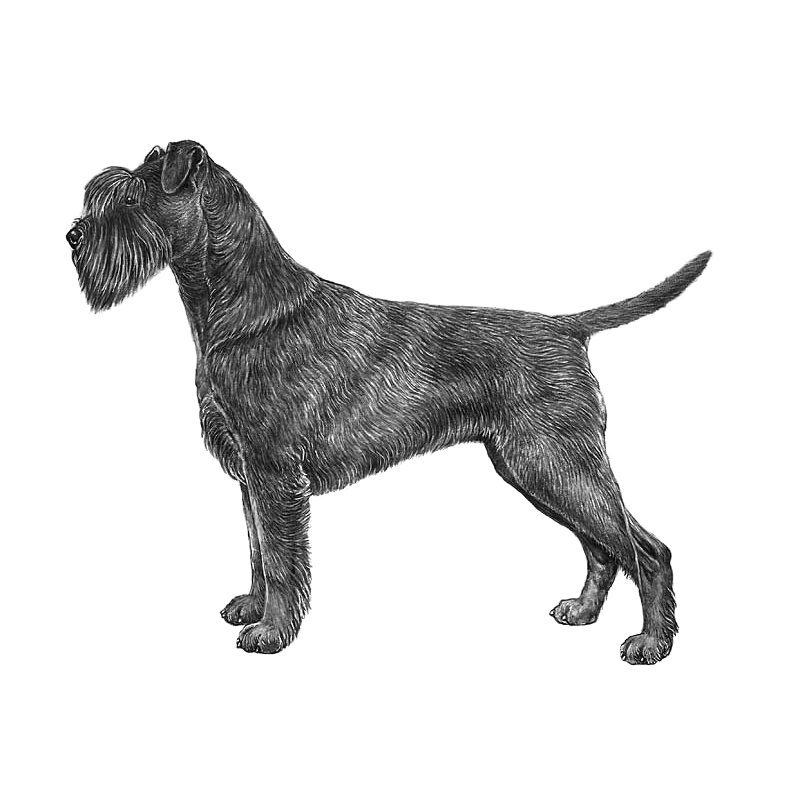 An imperturbable dog, prepared for defense, whose appearance fills with respect. Typical characteristics of this dog are his good natured, even temperament and his incorruptible loyalty towards his master. He has highly developed sense organs, intelligence, trainability, strength, endurance, speed, resistance to weather and diseases. His inborn ability to bear strain and his self assurance make him best suited for being a companion, sporting, utility and working dog.
Large, powerful, stocky rather than slim. An enlarged, powerful image of the Schnauzer. An imperturbable dog, prepared for defense, whose appearance fills with respect. Typical characteristics of this dog are his good natured, even temperament and his incorruptible loyalty towards his master. He has highly developed sense organs, intelligence, trainability, strength, endurance, speed, resistance to weather and diseases. His inborn ability to bear strain and his self assurance make him best suited for being a companion, sporting, utility and working dog.
Source: http://www.fci.be/en/nomenclature/GIANT-SCHNAUZER-181.html
-
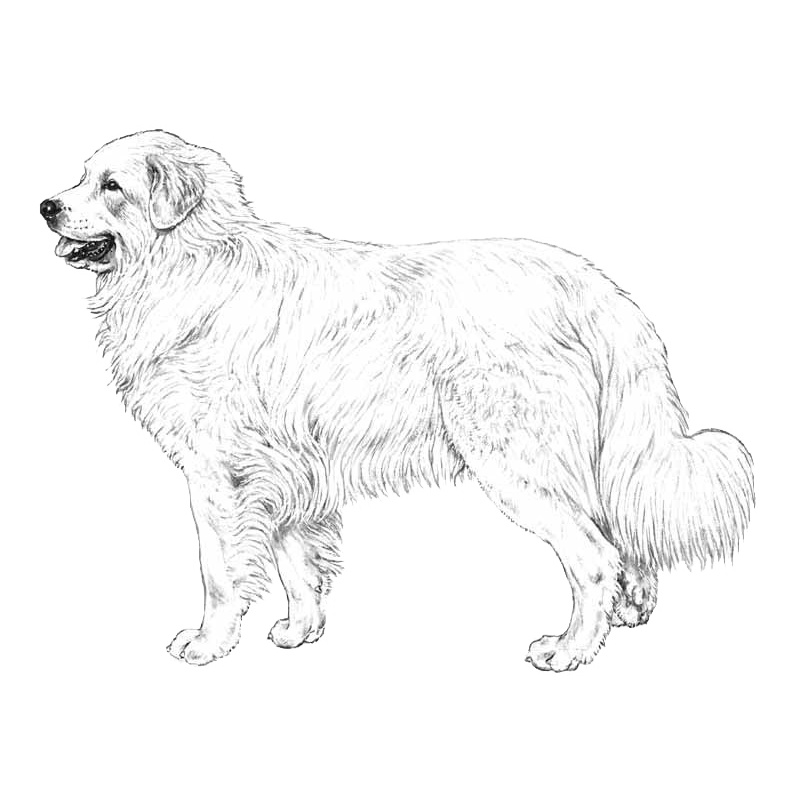
The Pyrenean Mountain Dog, known as the Great Pyrenees in North America, is a large breed of dog used as a livestock guardian dog.
-
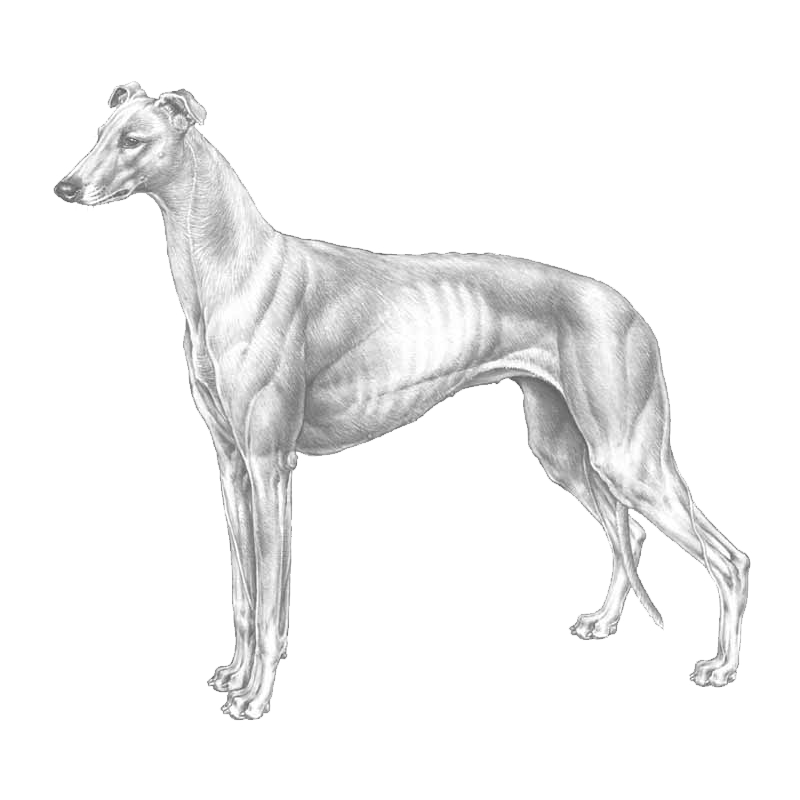
The Greyhound is a very old European breed of dog, a sighthound which has been historically bred for coursing game and latterly Greyhound racing.
-
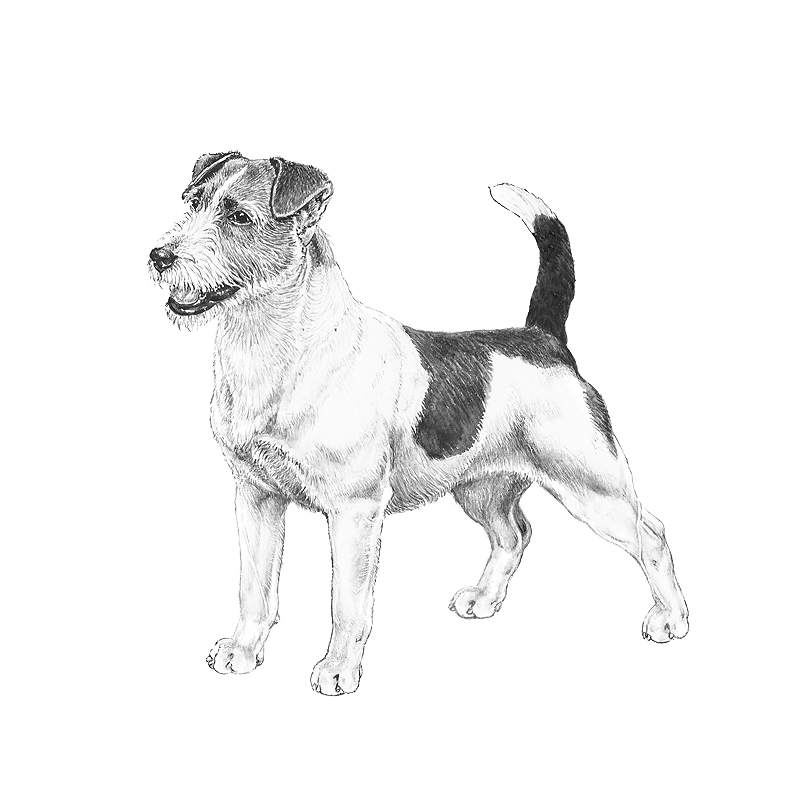
Jack Russell terriers are tough, tenacious, athletic, and super friendly. This energetic dog was bred to be a working dog and still displays the cleverness that made it a highly-sought after hunting dog back in the early 19th century.
Source: https://www.petinsurance.com/healthzone/pet-articles/pet-breeds/5-Things-You-Didnt-Know-About-Jack-Russell-Terriers.aspx
-
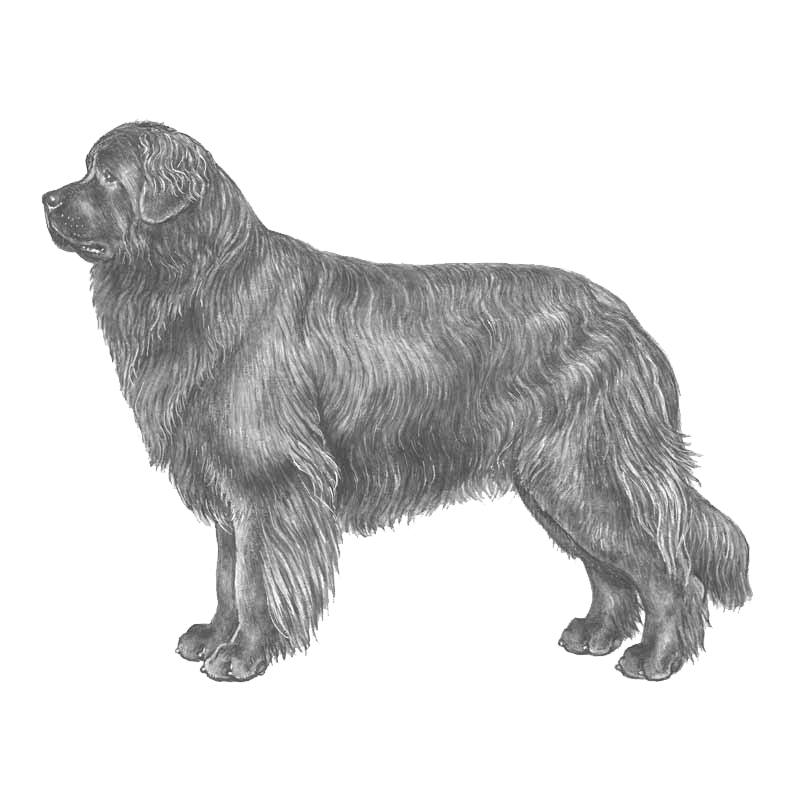
The Newfoundland is a large working dog. Newfoundlands can be black, brown, white and black (called Landseer) or gray. However, in Canada, the country of their origin, the only correct colours are black (including black with white markings) and white and black (Landseer).
-
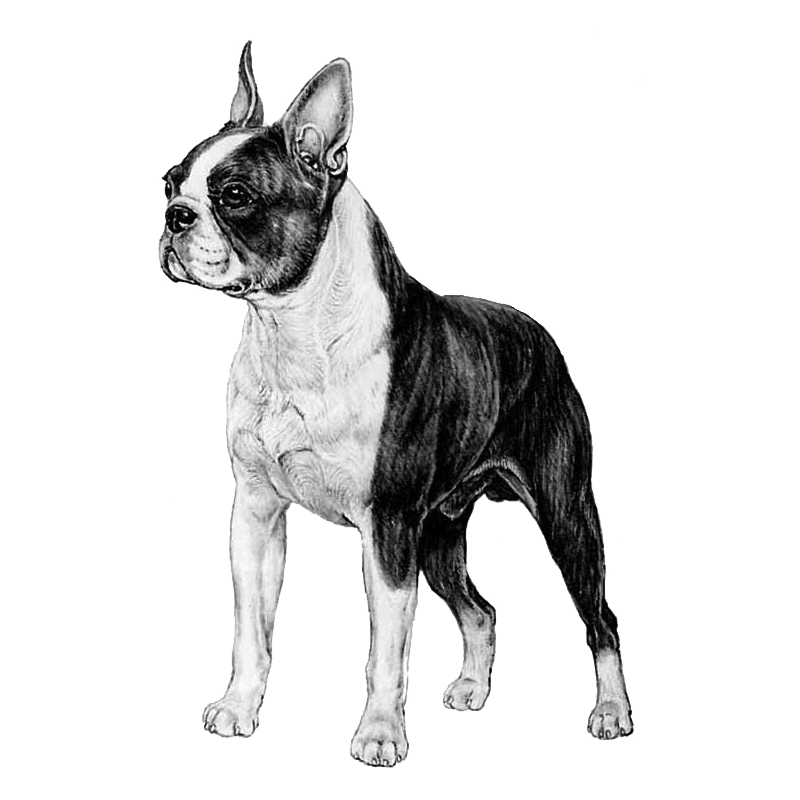
A real Yankee-Doodle-Dandy! Although he owes a little of his ancestry to the British Bulldog, the Boston Terrier actually came into being in the late nineteenth century in the eastern states of America when, in 1893, a mix of bull and terrier types produced the first pair of dogs that were to become the foundation of the breed.
Source: The Kennel Club
-
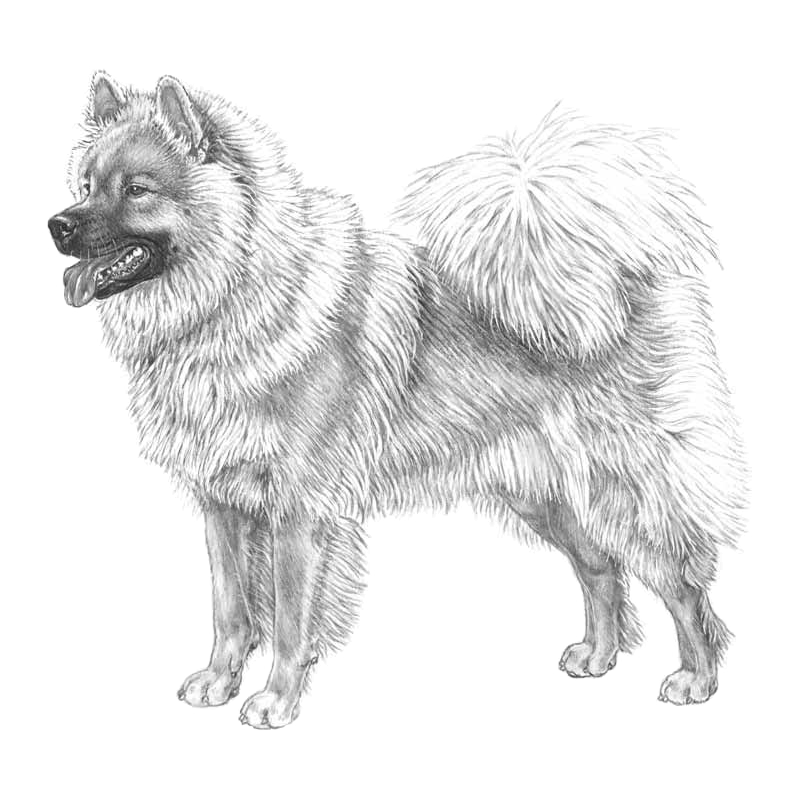 Balanced, well constructed medium sized dog of Spitz type with prick ears and coat in varied colours. Length of coat should be such as still to reveal the body proportions. With medium bone. Balanced, well constructed medium sized dog of Spitz type with prick ears and coat in varied colours. Length of coat should be such as still to reveal the body proportions. With medium bone. Self-assured, calm, even tempered with high resistance against any provocation.
Watchful and alert without being noisy. Very strongly developed link to his family. Reserved towards strangers without being aggressive. No hunting instinct. For the full development of these qualities, the Eurasian needs constant close domestic contact with his family and understanding, yet consistent training.
-
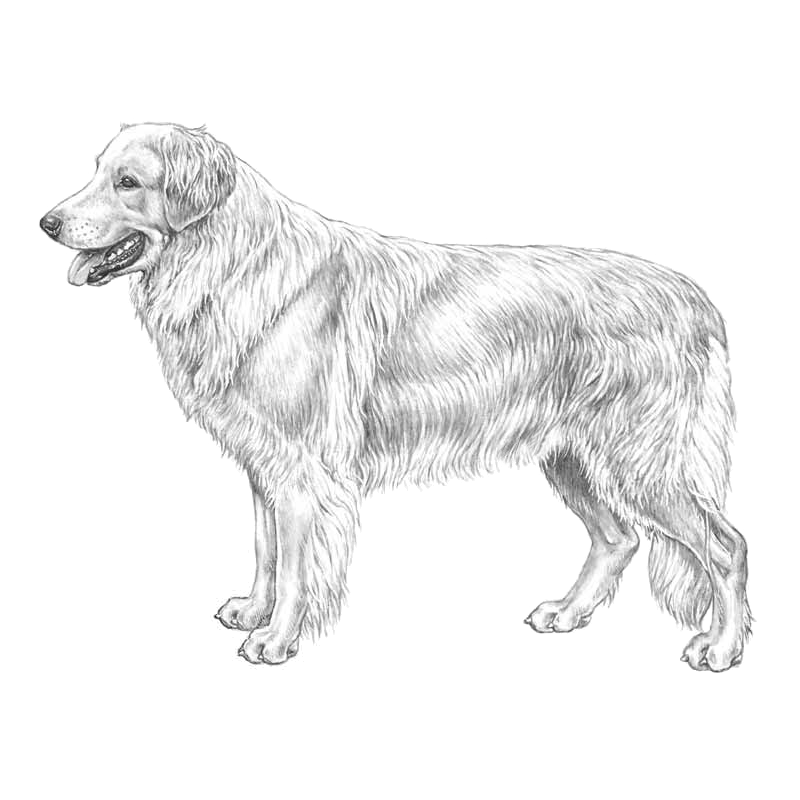
The Hovawart is a powerful, medium size, slightly elongated, long-haired working dog. Difference between sexes is clearly recognizable, specially in shape of head and build of body. Recognized working dog with versatile usage. Kind and even disposition. Has protective instinct, self-confidence and ability to take stress; of medium temperament; combined with a very good nose. His balanced body proportions and special devotion to his family make him an outstanding companion, watch, guard, tracking and rescue-dog.
-
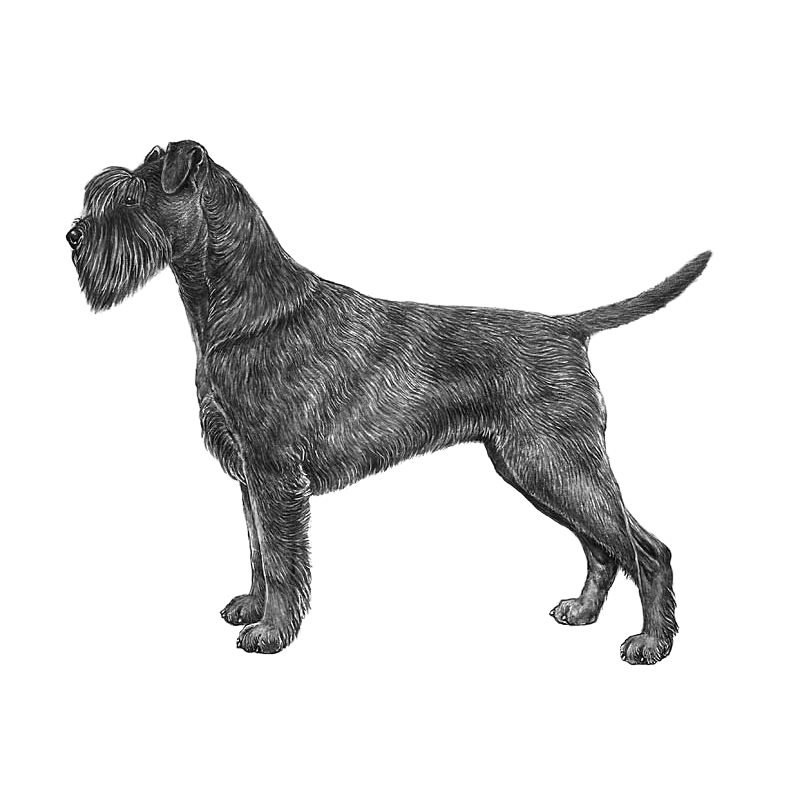
Medium sized, strong, stocky rather than slim, rough haired. Typical characteristics are his lively temperament, coupled with placid composure. Typical are his good nature, his playfulness and his proverbial devotion to his master. He loves children, is incorruptible, alert, yet not noisy.
Source: http://www.fci.be/en/nomenclature/SCHNAUZER-182.html
-
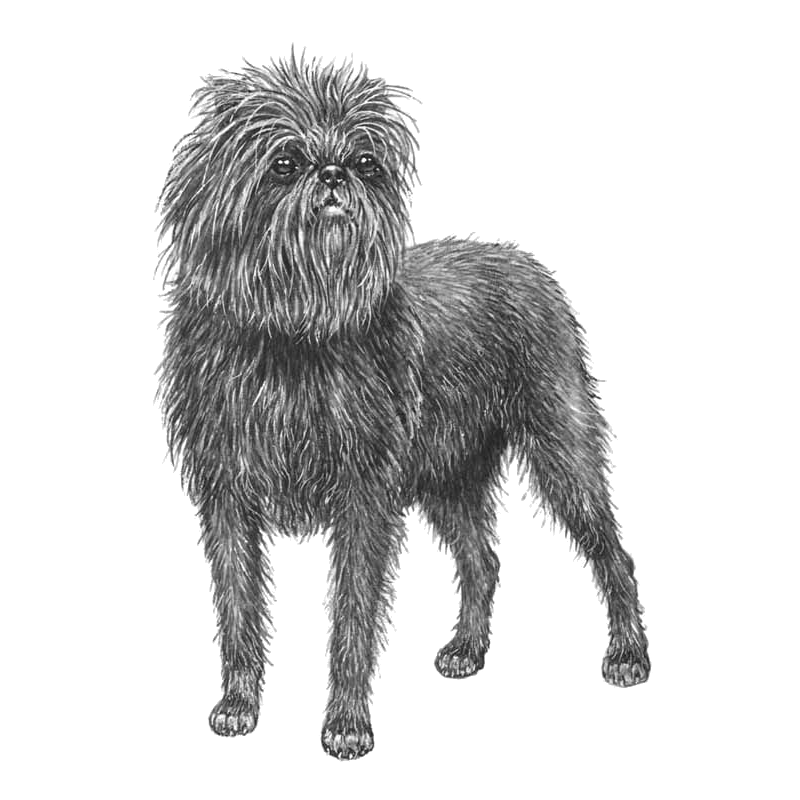
The Affenpinscher is rough haired, small and compact with a monkey-like expression. Fearless, alert, persistent and devoted, sometimes full of quick-tempered passion. He is an agreeable family dog in all aspects.