






Pedigree Breeds
184 entries in this category
-
- Last comment date
- Title
- Start Date
- Most Commented
- Most Viewed
- Last Updated
- Publish Date
- Brief Description
- Content
- Links to Breed Descriptions
- Other Names for Breed
- Country of Origin and Parent Breed Club
- Health and Well-Being
- Breed-Specific Articles
- Breed Standards
- Breed-Specific Statistics
- Breeding/Health Strategy Documents
- Breed-Specific DNA Tests
- Other Breed-Specific Webpages
- Breed-Specific Research
- Breed Clubs
- Custom
-
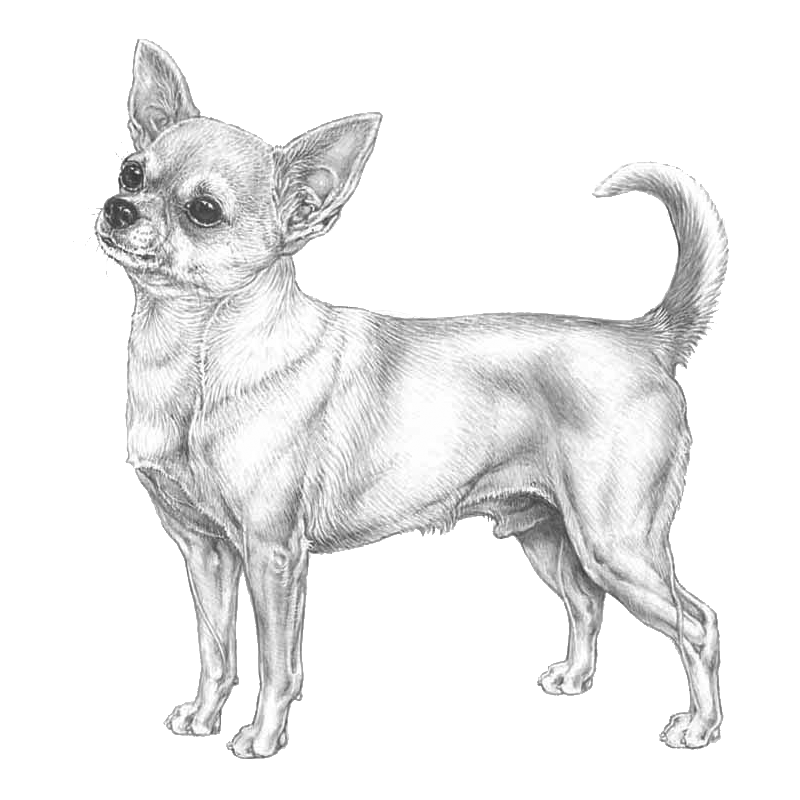
The Chihuahua tʃɪˈwɑːwɑː/ (Spanish: chihuahueño) is the smallest breed of dog and is named for the state of Chihuahua in Mexico. Chihuahuas come in a wide variety of sizes, head shapes, colors, and coat lengths.
Source: Wikipedia
-
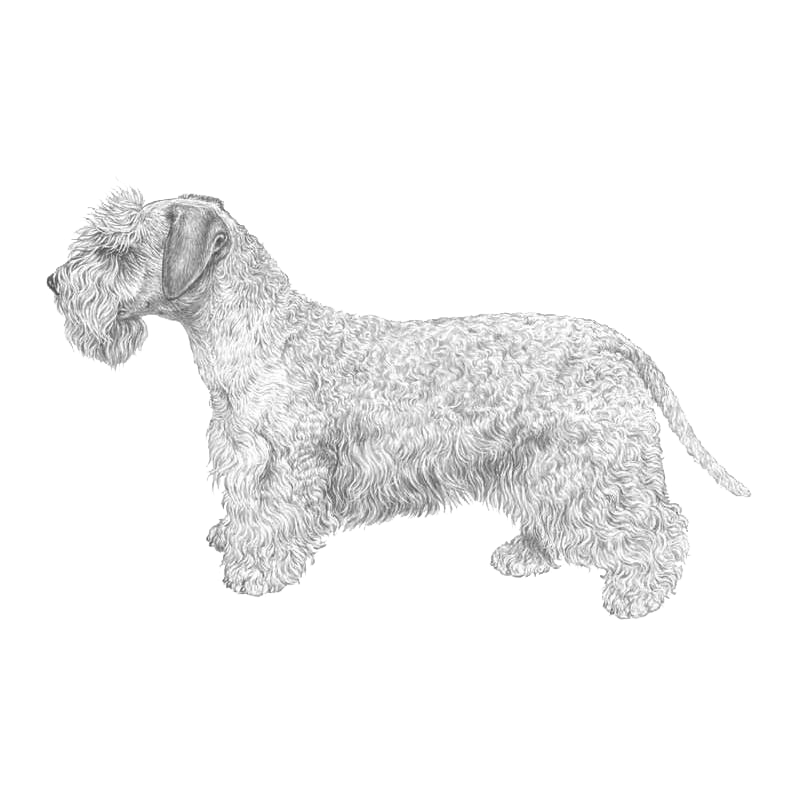
The Cesky Terrier was created by a Czech breeder, František Horák, in 1948, as a cross between a Sealyham Terrier and a Scottish Terrier, to create a terrier suitable for hunting in the forests of Bohemia.
Source: Wikipedia
-
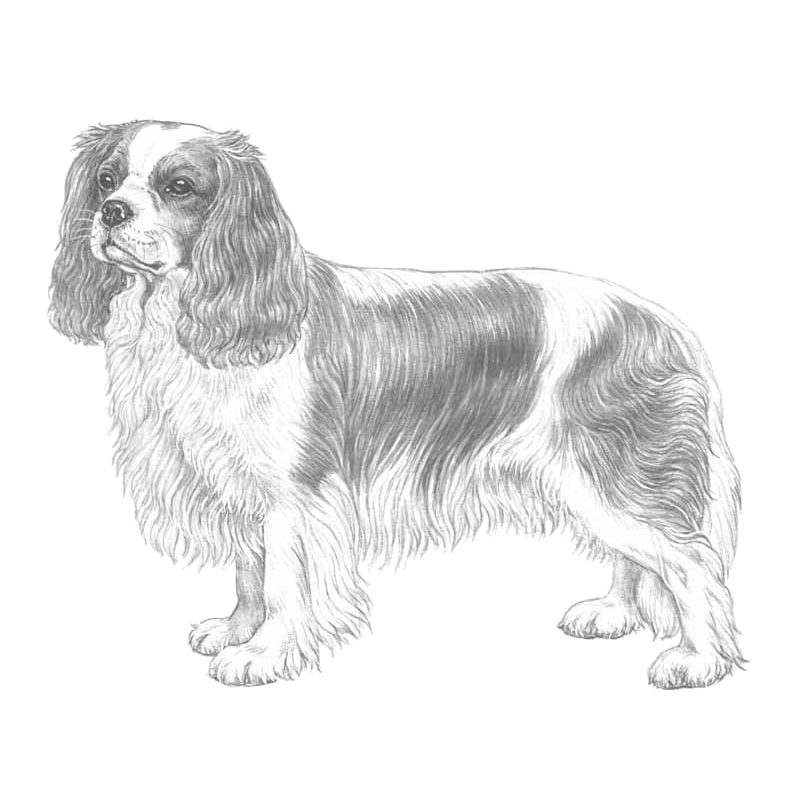
The Cavalier King Charles Spaniel is a small spaniel classed as a toy dog by The Kennel Club and the American Kennel Club.
Source: Wikipedia
-
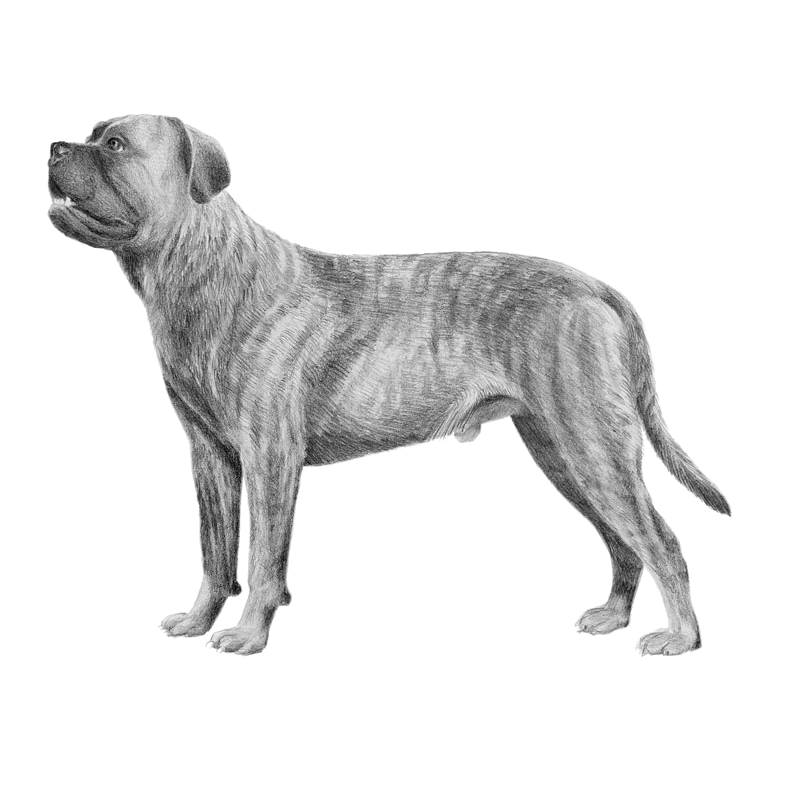
The Cane Corso [ˈkaːne ˈkɔrso] is a large Italian breed of dog, for years valued highly in Italy as a companion, Guard dog and hunter.
Source: Wikipedia
-
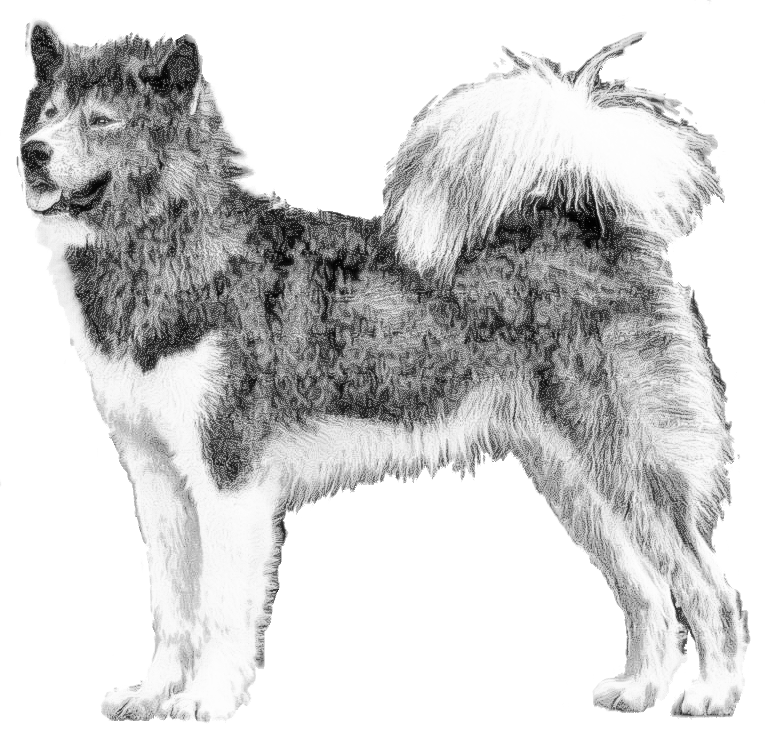
The Canadian Eskimo Dog's temperament reflects its original work and environment. It is loyal, tough, brave, intelligent, and alert. Owing to their original environment, they take pure delight in cold weather, often preferring to sleep outside in winter. Like most spitz breeds they can be very vocal. Canadian Eskimo Dogs need a very large amount of exercise. They cannot just be walked, they need higher intensity work, requiring more exercise than many dog owners can give. This need for work and stimulation makes them well-suited for dog sports, such as carting, mushing, and skijoring. The Canadian Eskimo Dog is best kept in a cold climate, and is prone to heatstroke.
Source: Wikipedia
-
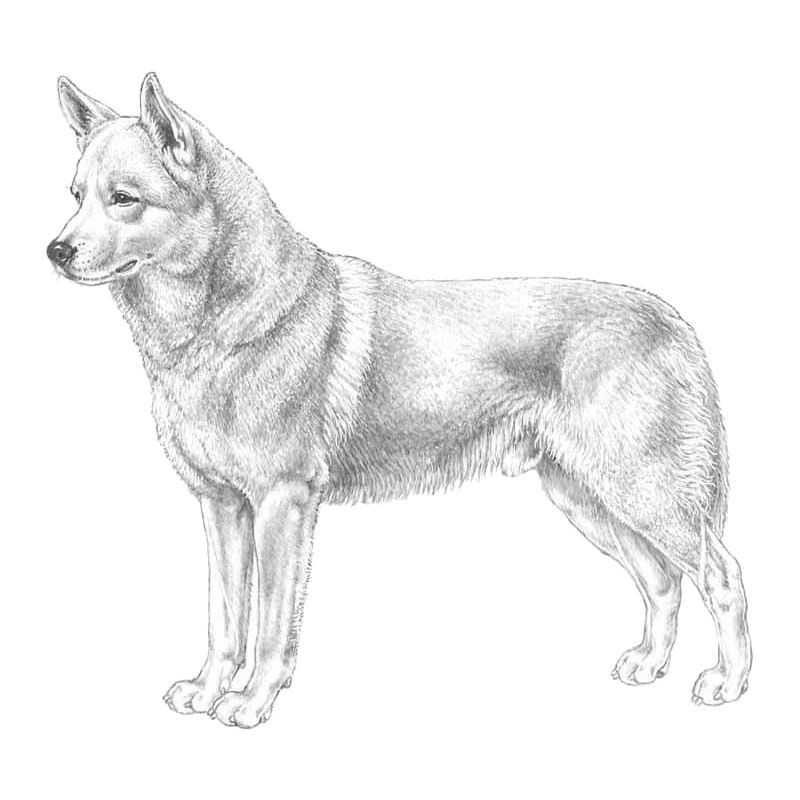
The Canaan Dog is a Pariah Dog of Israel and is the national dog of Israel. Nobody really knows the exact truth about their origins. These dogs are native to the Land of Canaan that made themselves useful to Bedouin and Hebrew tribes over thousands of years by herding and guarding their flocks. It is understood that the Canaan Dog is an ancient breed. Pre-biblical drawings and carvings depict dogs very similar to the Canaan Dog we know today. This breed existed solely as a free-living pariah until the end of the 1930s. The breed is a survivor, a sound and hardy animal that is capable of surviving in the very harsh environment of its natural home. A Canaan is a dog with all the traits that make them a good service dog — an alert and agile dog, being territorial and with highly developed senses. The Canaan Dog is still classified as a rare breed by The Kennel Club.
Sources: http://canaandog.co.uk/history-of-the-canaan-dog/ and http://www.fci.be/Nomenclature/Education/273g05-PRE-en.pdf
-
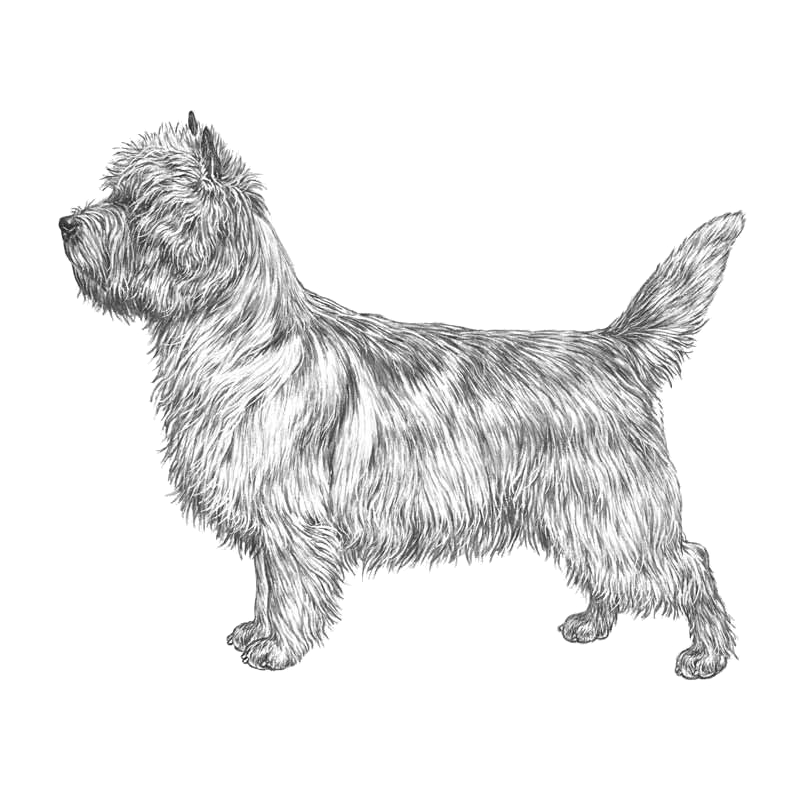
The Cairn Terrier is one of the oldest of the terrier breeds, originating in the Scottish Highlands and recognized as one of Scotland's earliest working dogs.
Source: Wikipedia
-
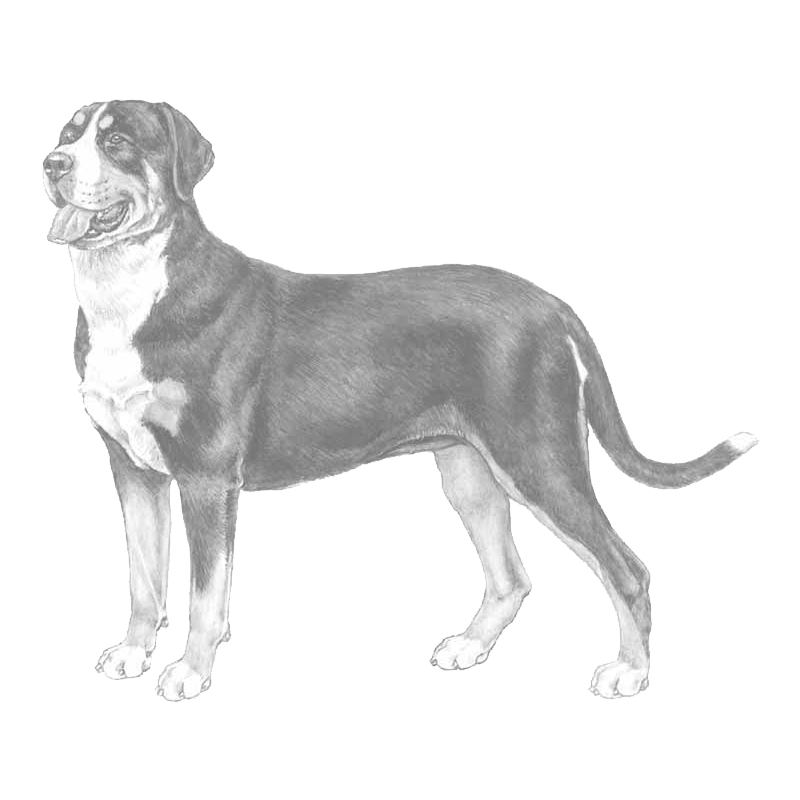
The breed is large and heavy-boned with great physical strength, but is still agile enough to perform the all-purpose farm duties it was originally used for. Its breed standard calls for a black, white, and rust colored coat. The Greater Swiss Mountain Dog is sociable, active, calm, and dignified, and loves being part of the family. It is relatively healthy for its size and tends to have far fewer problems than more popular breeds in its size range. Among the four Sennenhunde, or Swiss mountain dogs, this breed is considered the oldest, and is also the largest.
Source: Wikipedia
-
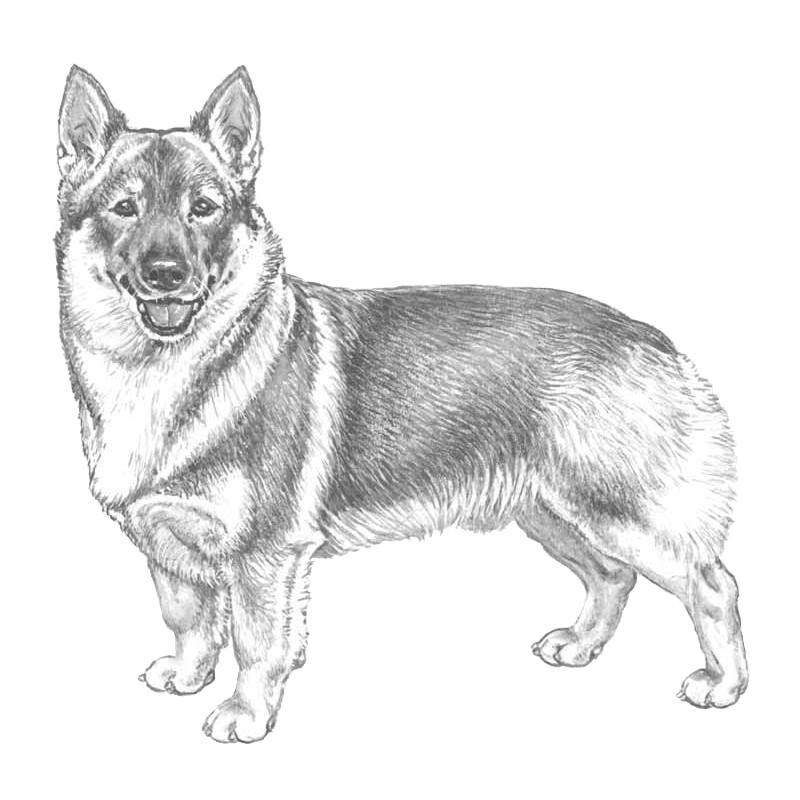
The breed is a popular companion dog that is still used for herding cattle at farms in its county of origin. The origin of the Swedish Vallhund is not known. Theories about the breeds past are claiming its origin to the time of the Vikings. But if the Vikings brought their low legged spitz to the British isles where it might have played a part in the background of the Welsh Corgi Pembroke or vice versa; - the Vikings brought the Corgi back to Sweden, we will never know.
Source: http://www.skk.se/global/dokument/hundrasguiden/svenska-raser.pdf
-
- swedish insurance data
- health surveys
- boxer
- registration statistics
- international breed collaboration
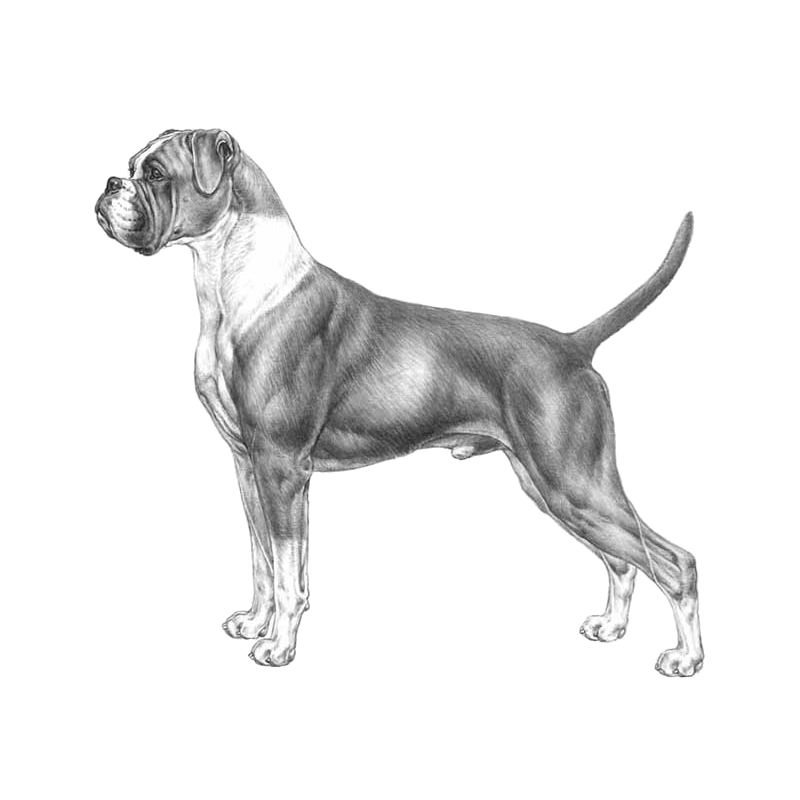
The Boxer is a medium sized, smooth coated, sturdy dog of compact, square build and strong bone. His muscles are taut, strongly developed and moulded in appearance. His movement is lively, powerful with noble bearing. The Boxer must be neither cumbersome nor heavy, nor light or lacking in body substance.
Source: FCI
-
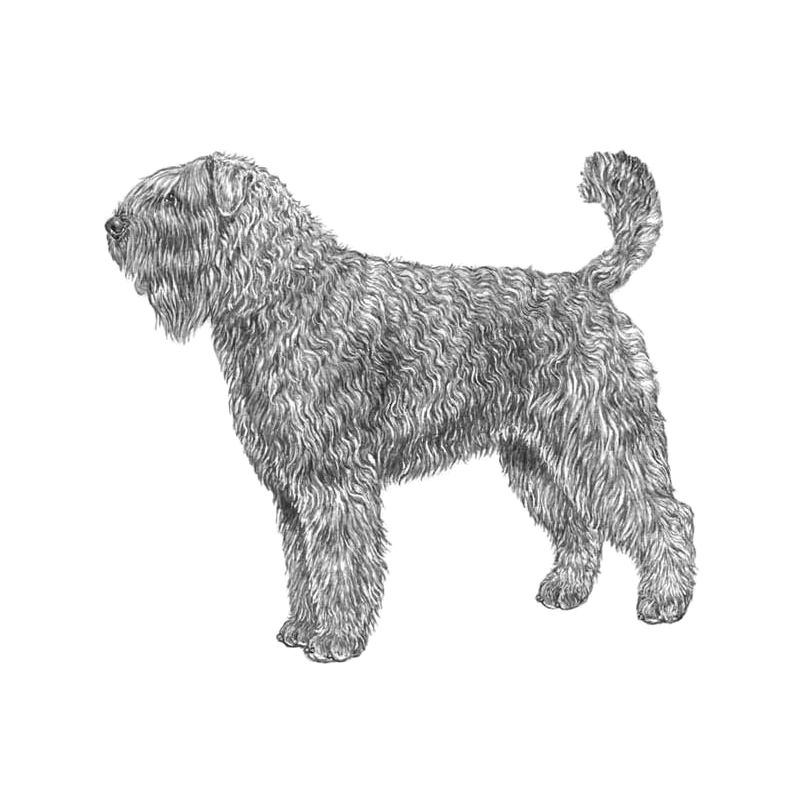
The Bouvier des Flandres is a herding dog breed originating in Flanders. They were originally used for general farm work including cattle droving, sheep herding, and cart pulling, and nowadays as guard dogs and police dogs, as well as being kept as pets.
Source: Wikipedia
-
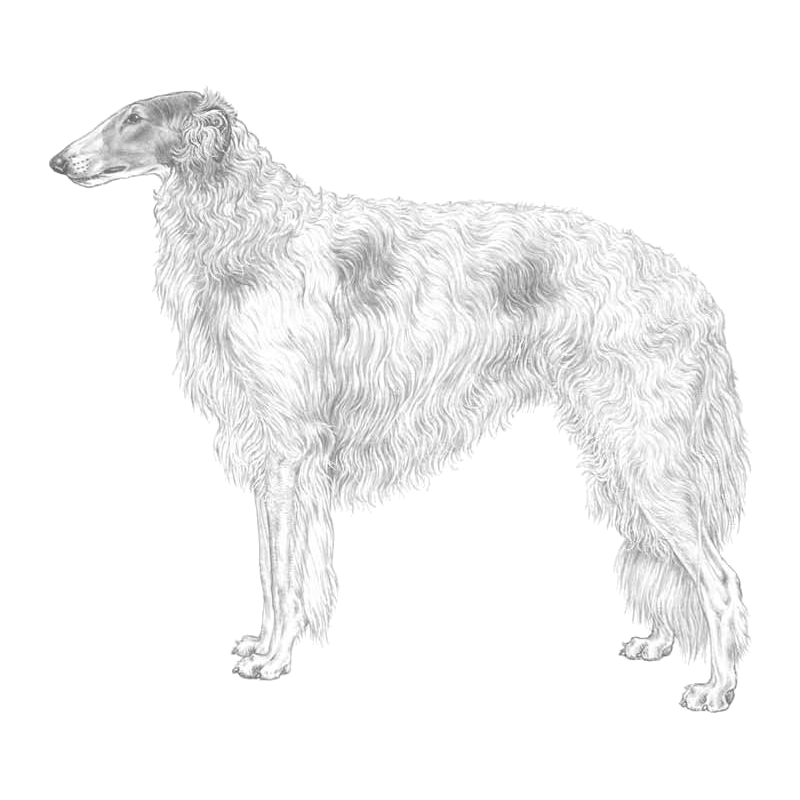
The Borzoi (/ˈbɔrzɔɪ/, literally "fast"), also called the Russian wolfhound (Russian: Ру́сская псовая борзая), is a breed of domestic dog (Canis lupus familiaris). Descended from dogs brought to Russia from central Asian countries, it is similar in shape to a greyhound, and is also a member of the sighthound family.
Source: Wikipedia
-
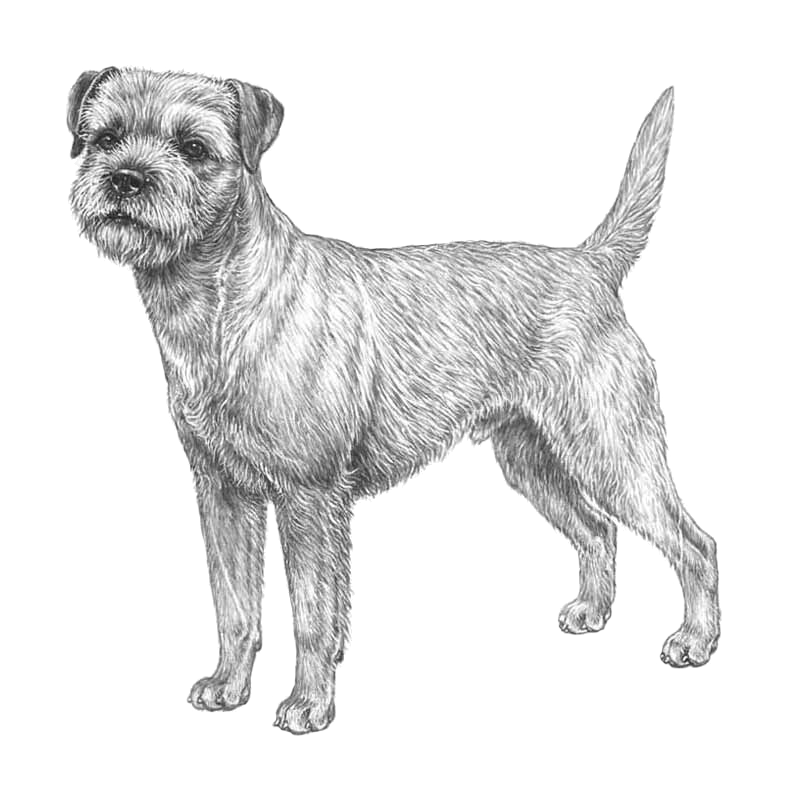
The Border Terrier is a small, rough-coated breed of dog of the terrier group. Originally bred as fox and vermin hunters, Border Terriers share ancestry with Dandie Dinmont Terriers, Patterdale terriers and Bedlington Terriers.
Source: Wikipedia
-
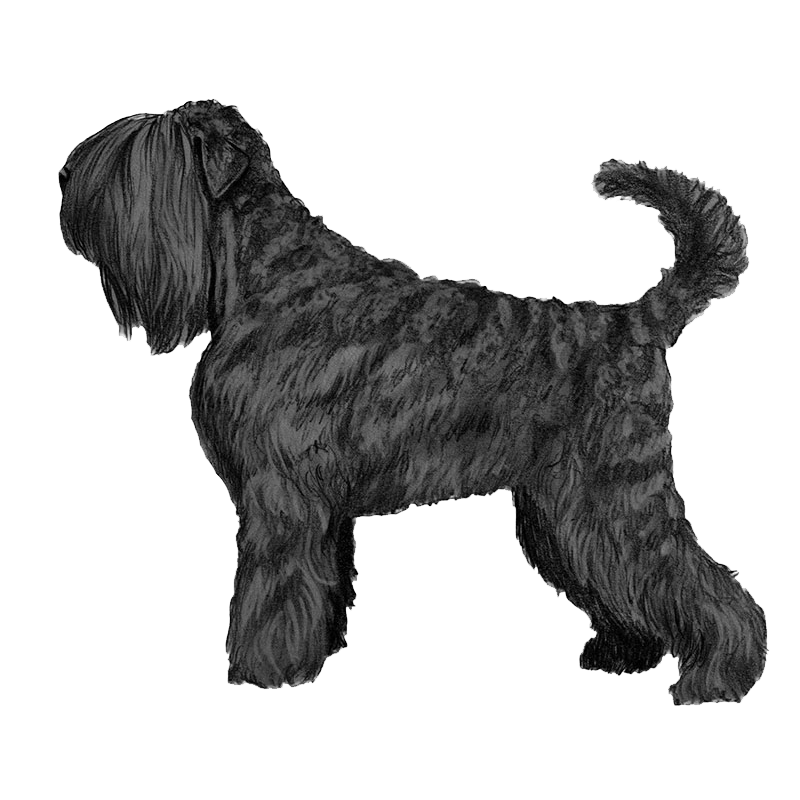
The Black Russian Terrier, also known as the Chornyi Terrier is a breed of dog created in the USSR in the Red Star Kennel during the late 1940s and the early 1950s for use as military/working dogs. BRTs are calm, confident, self-assured, highly intelligent dogs that with proper training and socialization are loyal, reliable, robust working companions. This large and powerful dog is not in all likelihood an ideal fit for the first-time dog owner.
-
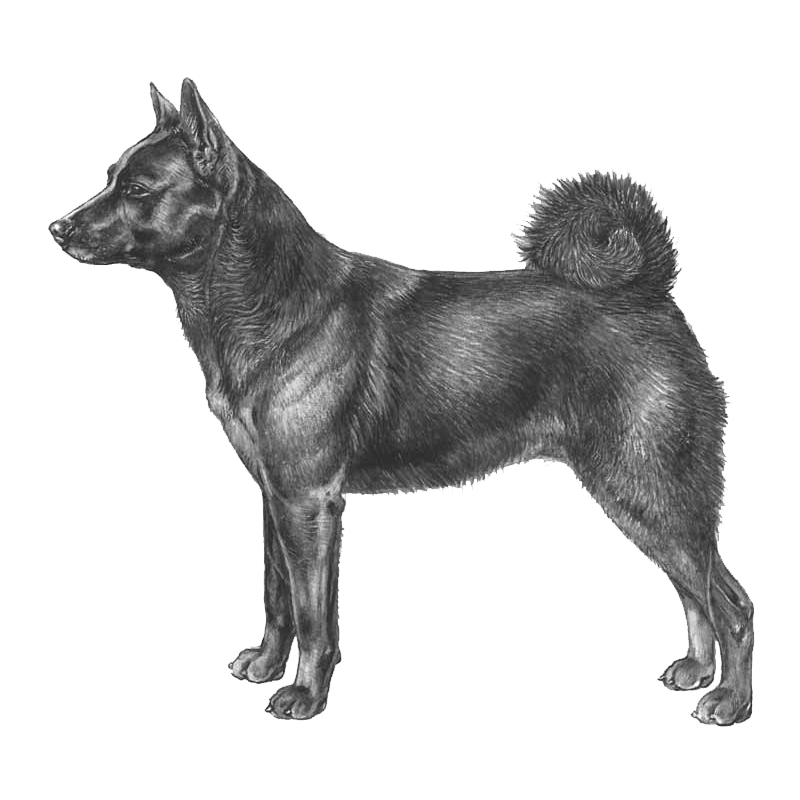
The Black Norwegian Elkhound, a native breed of Norway, is a typical spitz-type dog and the smallest of the elkhounds. It is a calm, devoted dog that forms close bonds with family members.
Source: http://web2.nkk.no/en/about_nkk/norwegian_breeds/ (Internet Archives)
-
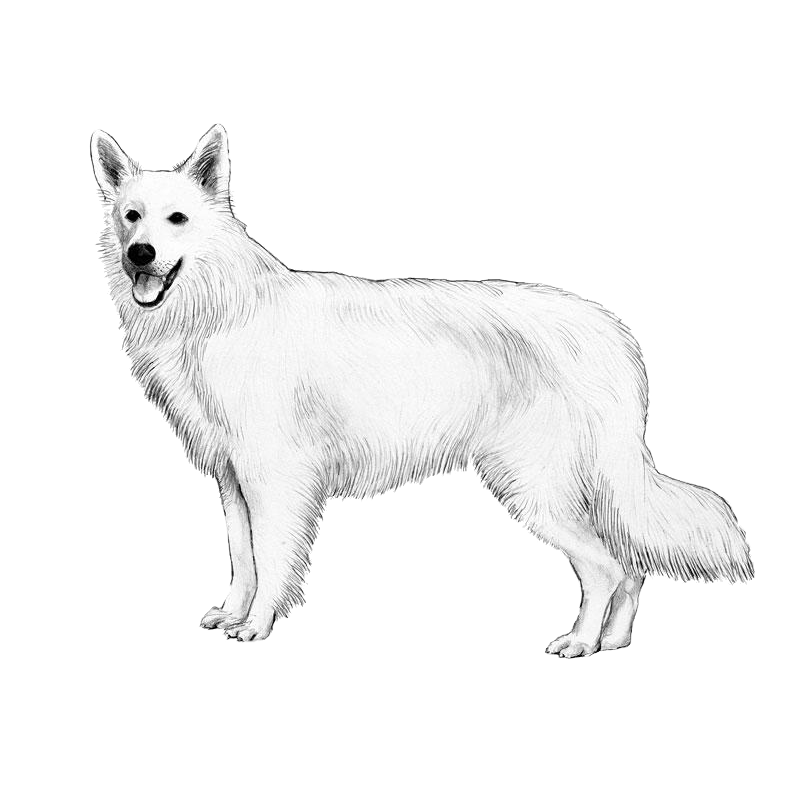
The Berger Blanc Suisse (English: White Swiss Shepherd, German: Weisser Schweizer Schäferhund, Italian: Pastore Svizzero Bianco) is a breed of dog from Switzerland. It is of the same origins as the White Shepherd and the German Shepherd Dog, and has been recognized as a separate breed by the FCI.
-
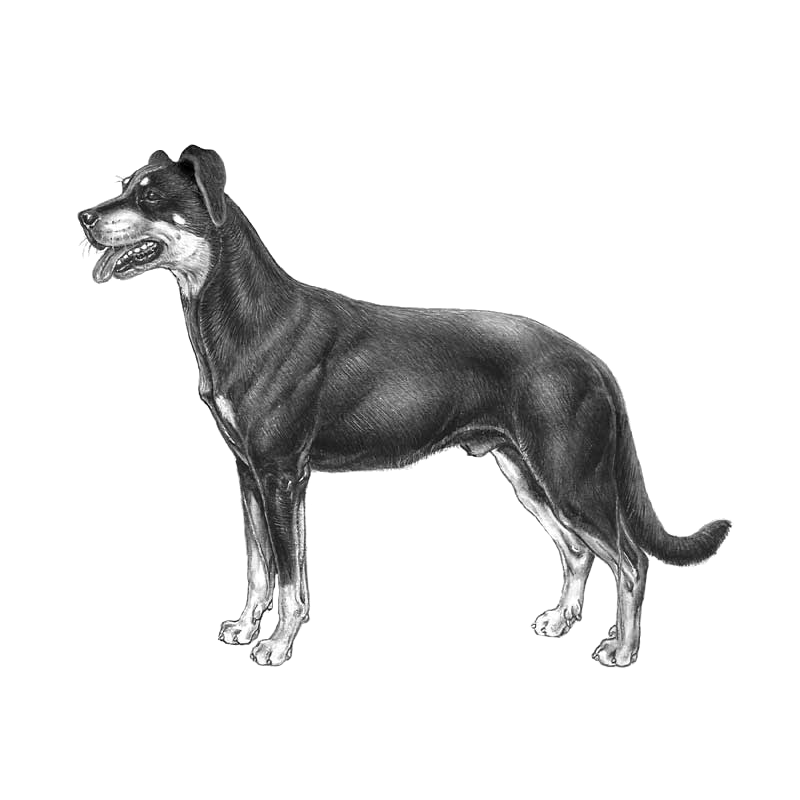
The Beauceron is a guard dog and herding dog breed falling into the working dog category whose origins lie in the plains of Northern France.
Source: Wikipedia
-
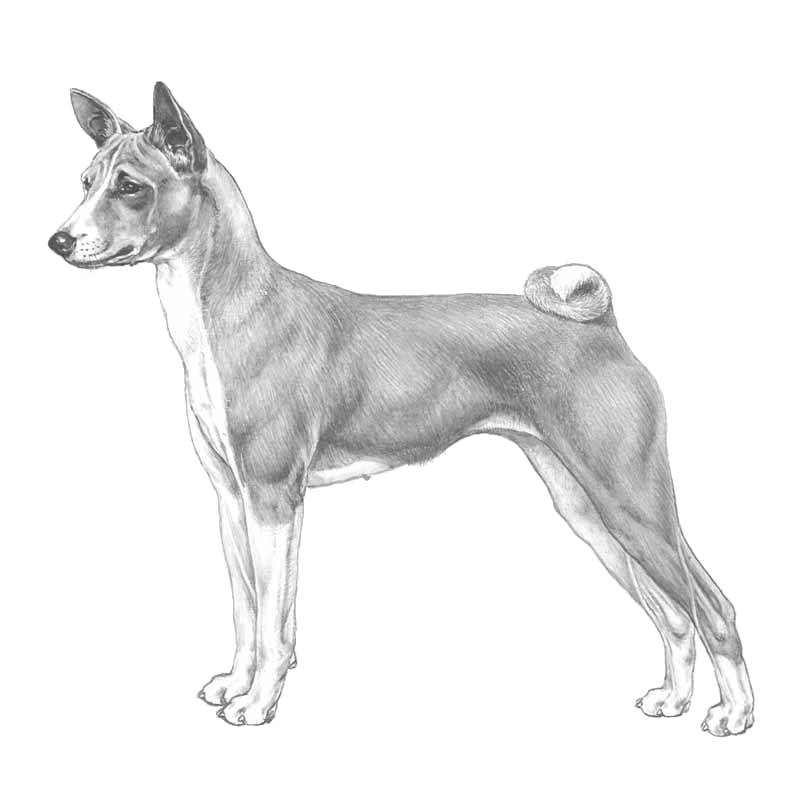
The Basenji originated in the "African Congo, where they had been used as an all purpose hunter working by sight and by scent.""
Basenji "history extends back to the time of the Pharaohs and paintings in their tombs bear a similar resemblance to the breed. Gazelle like in his elegance and with a stylish, swinging stride, he is catlike in his cleanliness and has no bark which is replaced by a yodeling sound."Source: The Kennel Club
-
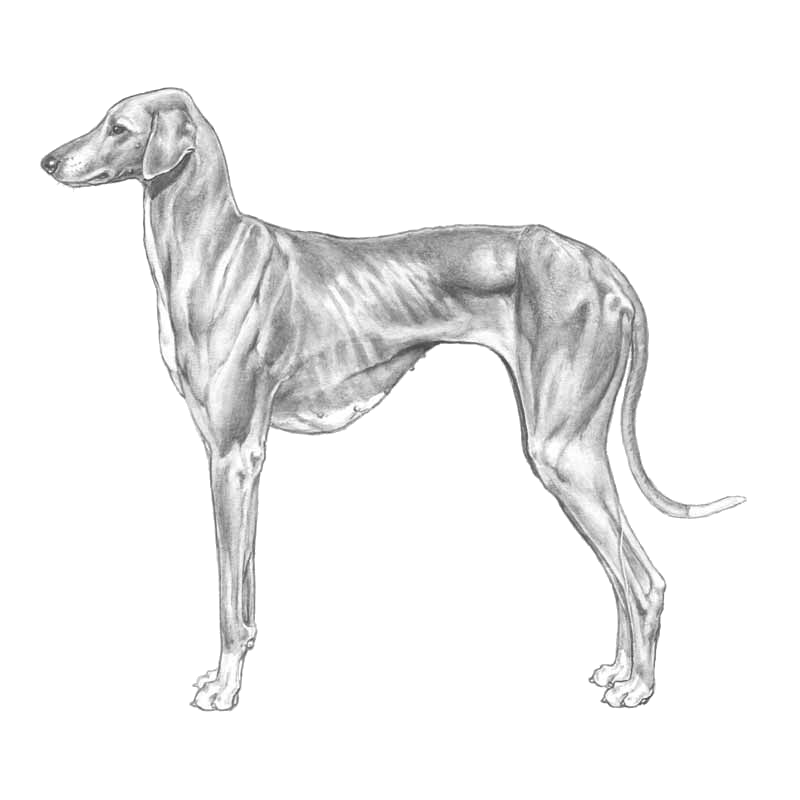
The Azawakh takes his name from the Azawakh Valley in the Niger Basin in Africa, where he lived a nomadic life with the tribes of the Sahara. As sighthounds they were used mostly on gazelle, hunting in packs, taking turns and thus exhausting their prey. They were much valued by their owners for their beauty and speed, rather like the Arabian horse. The Azawakh was also used as guardian of the camp.
Source: https://www.thekennelclub.org.uk/services/public/breed/display.aspx?id=1031Landrace
-
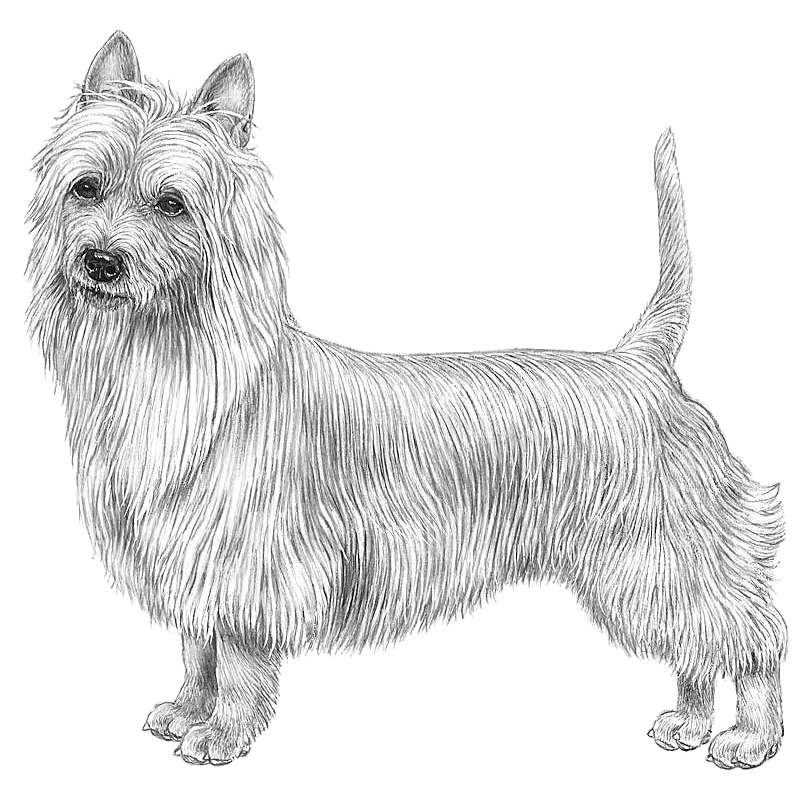
The Australian Terrier, one of the smallest of the working Terriers, was bred to be both a helper and companion in rough times and terrain. A native dog (known as the "rough-coated terrier") and a close relative of the old Scotch dog of Great Britain (not to be confused with the present-day Scottish Terrier) are believed to have been cross-bred with a number of other breeds of British stock to produce the fast, sturdy, weather-resistant and fearless little dog that the settlers needed as they expanded the frontiers of their country.
Source: Australian Terrier Club
-
- international breed collaboration
- swedish insurance data
- australian shepherd
- health surveys
- australia
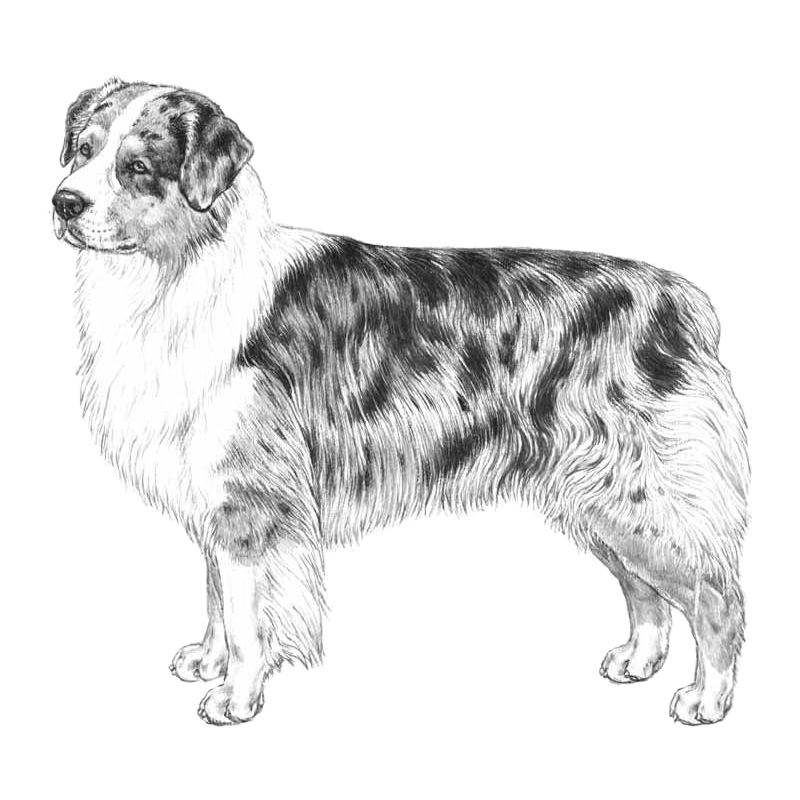
The Australian Shepherd, commonly known as the Aussie, is a medium size breed of dog that was developed on ranches in the western United States. Despite its name, the breed was not developed in Australia, but rather in the United States where they were seen in the West as early as the 1800s.
Source: Wikipedia
The Australian Shepherd was given its name because of the association with Basque Sheepherders who came to the United States from Australia in the 1800’s.
-
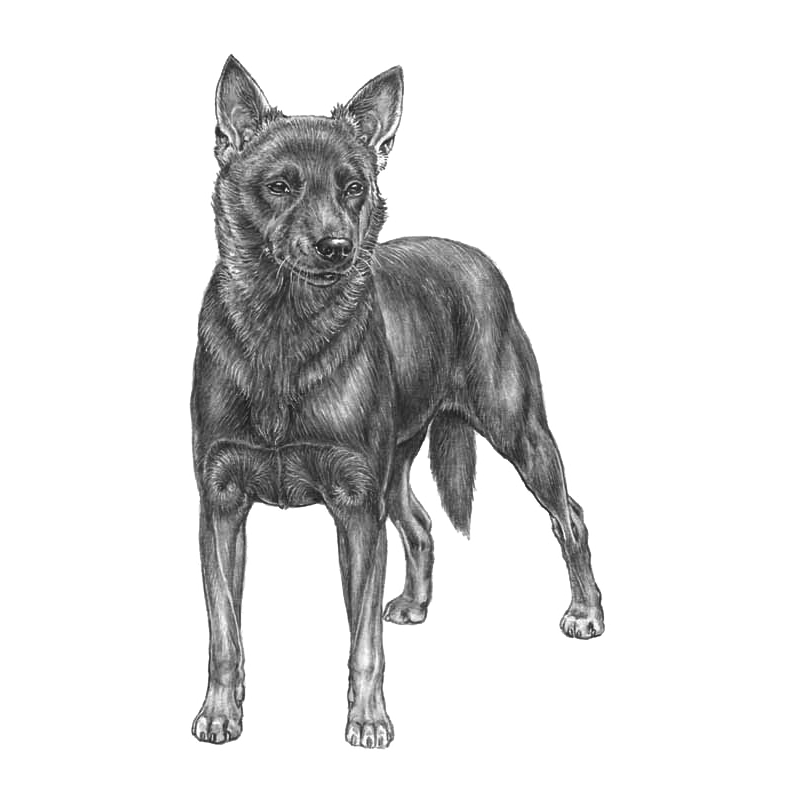
The Australian Kelpie, or simply Kelpie, is an Australian sheep dog successful at mustering and droving with little or no guidance. It is a medium-sized dog and comes in a variety of colours.
Source: Wikipedia
-
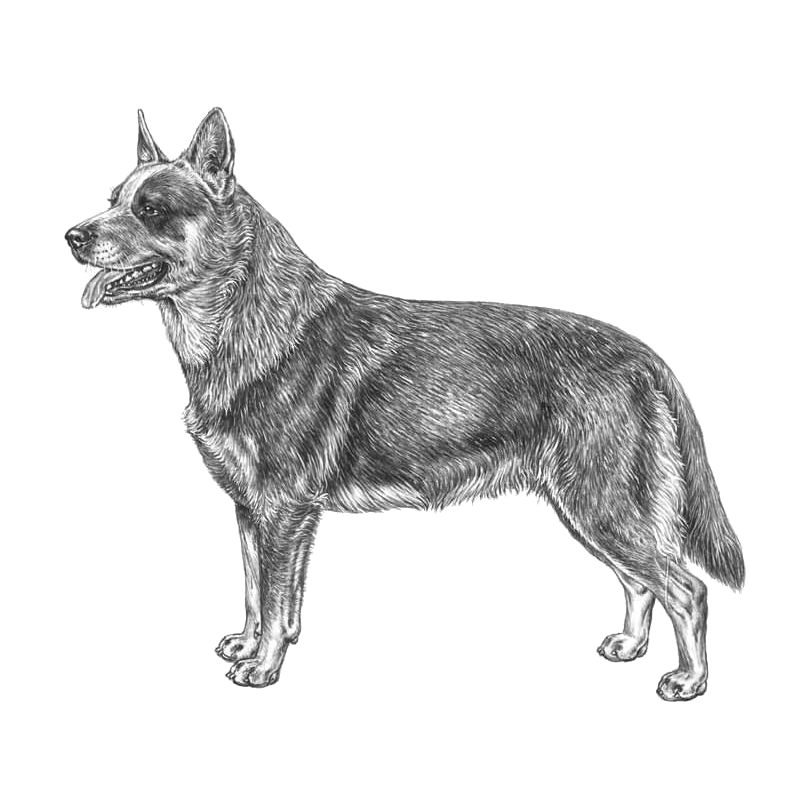
The Australian Cattle Dog (ACD), or simply Cattle Dog, is a breed of herding dog originally developed in Australia for droving cattle over long distances across rough terrain.
Source: Wikipedia
-
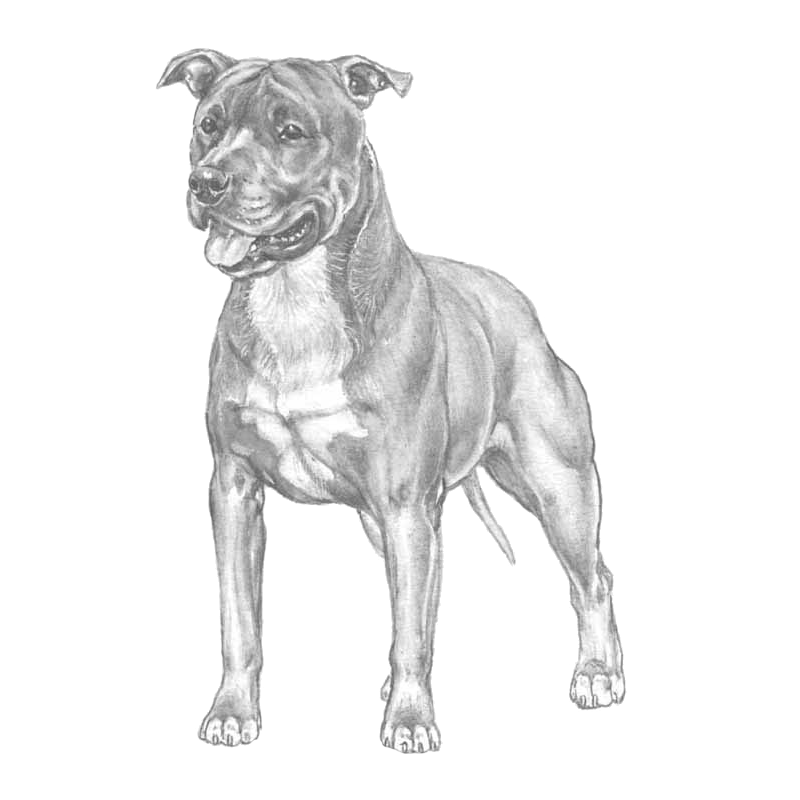
The American Staffordshire Terrier also known as Amstaff is a medium-sized, short-coated American dog breed. In the early part of the twentieth century the breed gained social stature and was accepted by the American Kennel Club as the American Staffordshire Terrier in 1936.
Source: Wikipedia
-
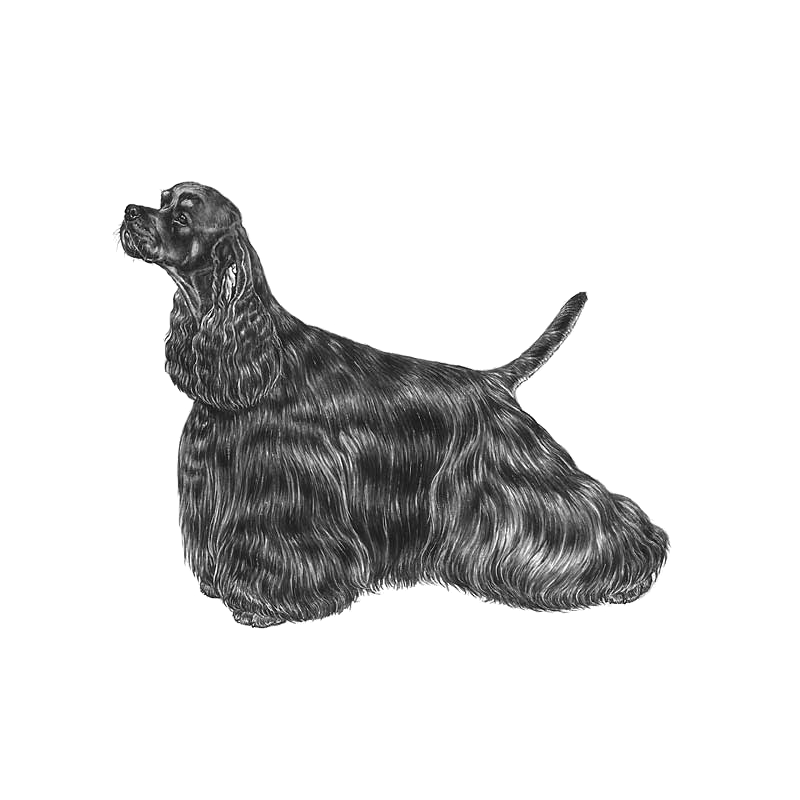
The American Cocker Spaniel is a breed of sporting dog. It is a spaniel type dog that is closely related to the English Cocker Spaniel; the two breeds diverged during the 20th century due to differing breed standards in America and the UK. In the United States, the breed is usually called the Cocker Spaniel, while elsewhere in the world, it is called the American Cocker Spaniel in order to differentiate between it and its English cousin.
Source: Wikipedia