






Pedigree Breeds
184 entries in this category
-
- Last comment date
- Title
- Start Date
- Most Commented
- Most Viewed
- Last Updated
- Publish Date
- Brief Description
- Content
- Links to Breed Descriptions
- Other Names for Breed
- Country of Origin and Parent Breed Club
- Health and Well-Being
- Breed-Specific Articles
- Breed Standards
- Breed-Specific Statistics
- Breeding/Health Strategy Documents
- Breed-Specific DNA Tests
- Other Breed-Specific Webpages
- Breed-Specific Research
- Breed Clubs
- Custom
-
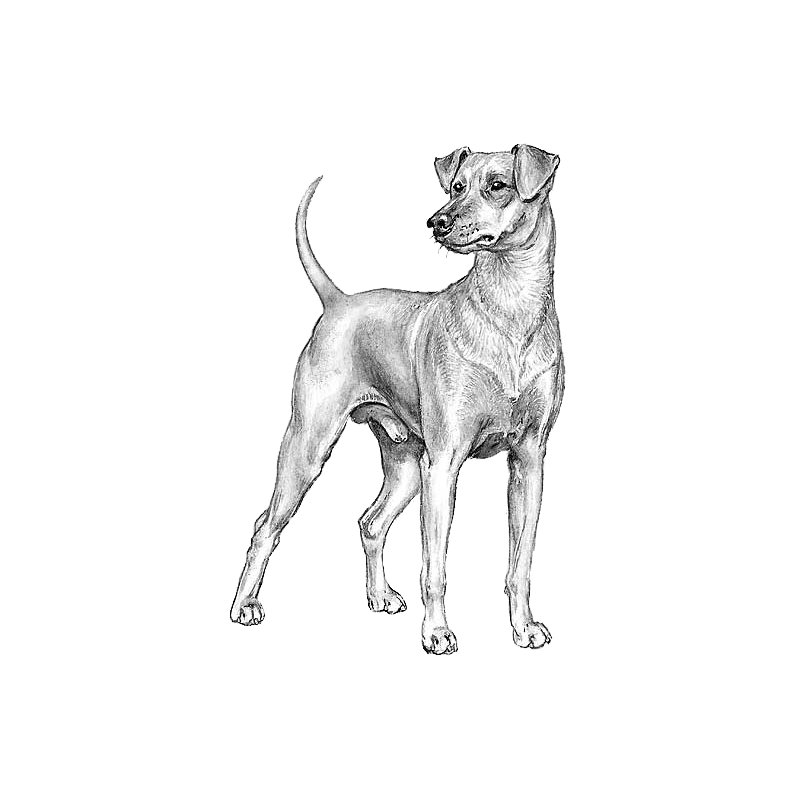
The German Pinscher is a medium-sized dog, usually weighing between 25–45 pounds (11–20 kilograms) and typically 17–20 inches (43–51 centimetres) in height, with a short coat. Colors for this breed include black and rust, red, fawn, blue and tan. The ideal German Pinscher is elegant in appearance with a strong square build and moderate body structure, muscular and powerful endurance and agility. For all countries where the Fédération Cynologique Internationale standard applies, only black and rust and solid red are allowed colors. Colors that became extinct during the world wars of the twentieth century include solid black, salt-and-pepper, and harlequin.
Source: https://en.wikipedia.org/wiki/German_Pinscher
-
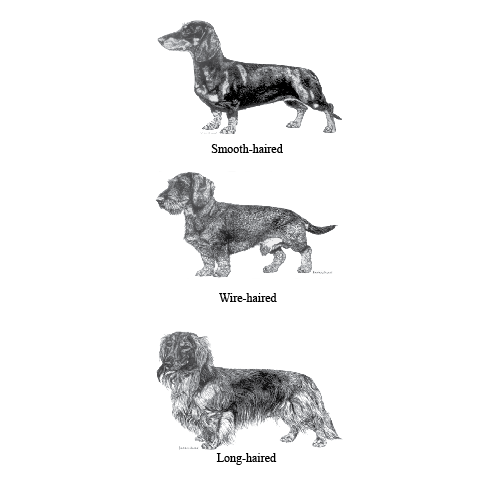 photo source: http://dgk.dk/wp-content/uploads/Diskusprolaps-hos-gravhunde_Charlotte-Mørck-Andersen-Tine-Marx.pdf
The Dachshund, also called Dackel or Teckel, has been known since the Middle Ages. Low, short legged, elongated but compact build, very muscular with cheeky, challenging head carriage and alert facial expression. His general appearance is typical of his sex. In spite of his legs being short in relation to the long body, he is very mobile and lithe. For decades the Dachshund has been bred in three sizes (Teckel, Miniature Teckel and Rabbit Teckel) and in three different kinds of coat (Smooth-haired, Wire-haired and Long-haired).
Source: FCI
-
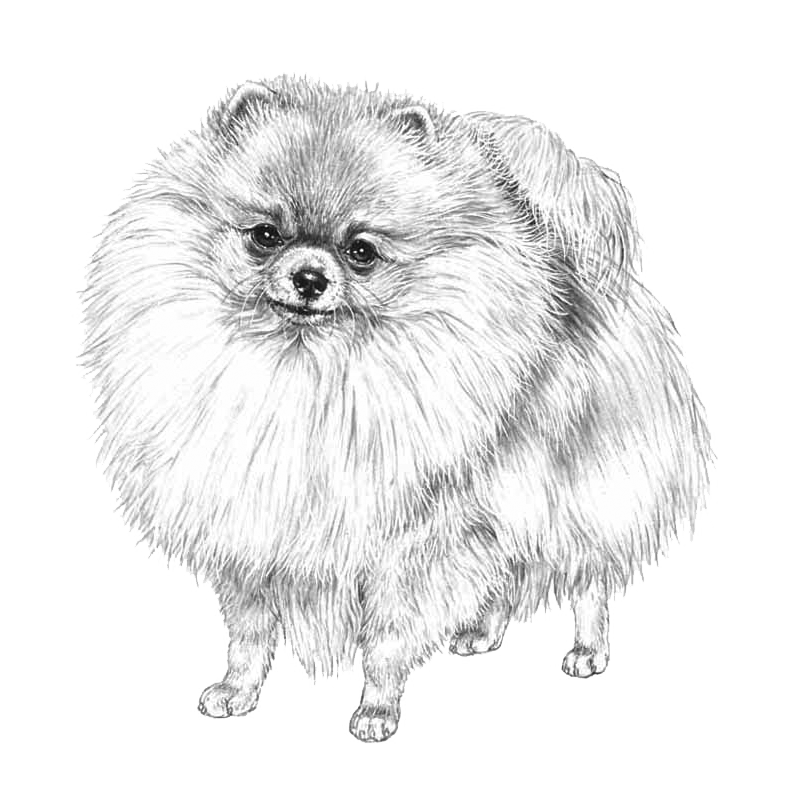
Though Britain is listed as the country of development of the Pomeranian, he is a Spitz-type dog descended from the much larger sled-hauling dogs of the Arctic. He was bred from the German Spitz before becoming known in the UK in 1870. In 1890, he entered the kennels of Queen Victoria, which popularised the breed, and the Pomeranian Club was formed the following year.
Source: https://www.thekennelclub.org.uk/search/breeds-a-to-z/breeds/toy/pomeranian/
-
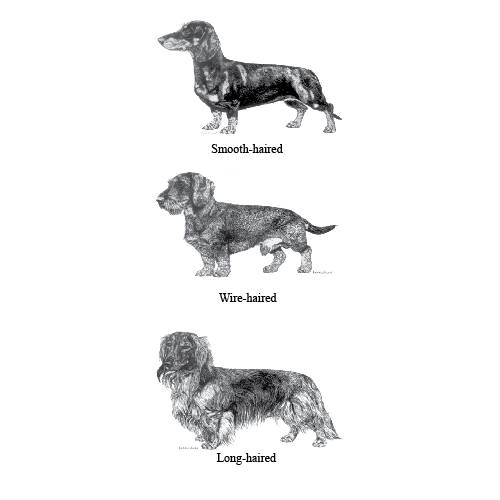
The Dachshund, also called Dackel or Teckel, has been known since the Middle Ages. Low, short legged, elongated but compact build, very muscular with cheeky, challenging head carriage and alert facial expression. His general appearance is typical of his sex. In spite of his legs being short in relation to the long body, he is very mobile and lithe. For decades the Dachshund has been bred in three sizes (Teckel, Miniature Teckel and Rabbit Teckel) and in three different kinds of coat (Smooth-haired, Wire-haired and Long-haired).
Source: FCI
-
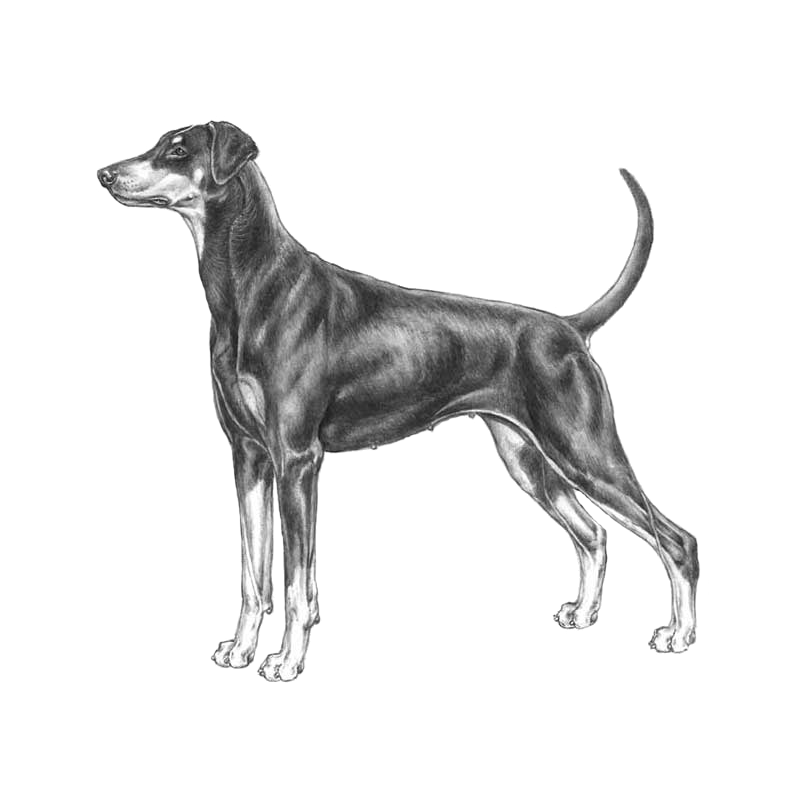 The Dobermann breed requires a medium sized, powerful, muscular dog. Despite his substance he shall be elegant and noble, which will be evident in his body line. He must be exceptionally suitable as a companion, protection and working dog and also as a family dog.
The Dobermann is the only German breed which bears the name of its original breeder, Friedrich Louis Dobermann (02.01.1834 – 09.06.1894). He was believed to be a tax collector, offal abbatoir manager (knacker) and a part time dog catcher, legally able to catch all stray dogs. He bred with animals from this reservoir that were particularly sharp. The so called “butcher’s dogs” which were already considered a relatively pure breed at that time, played a most important role in the origination of the Dobermann breed.
Source: FCI
-
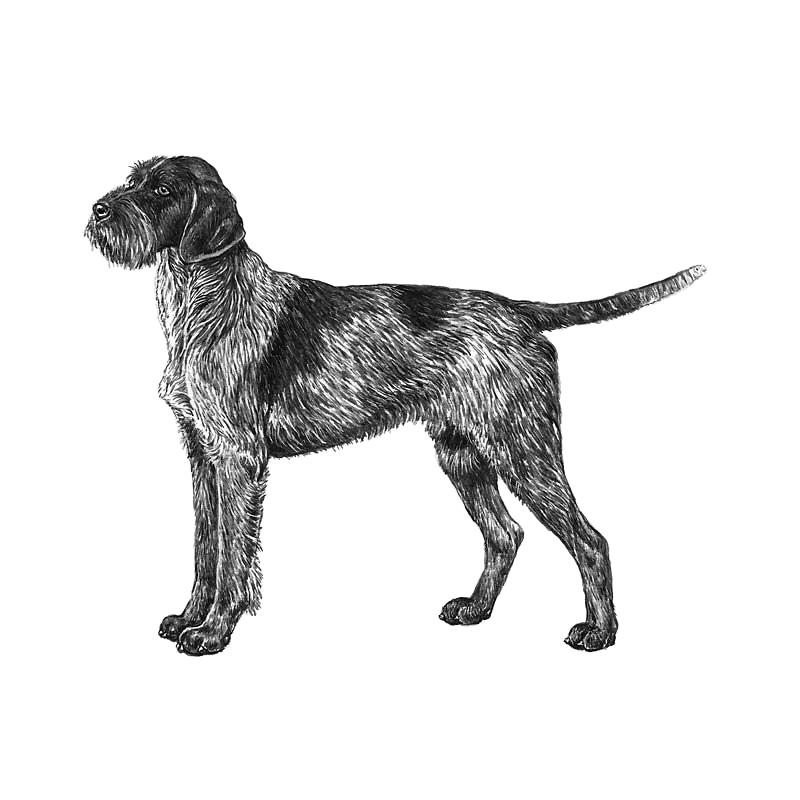
A pointing dog of noble appearance, with harsh coat completely protecting the skin, with an attentive expression full of energy. The movement should be powerful, ground covering, flowing and harmonious. Firm, self-controlled, wellbalanced, without shyness of game, neither sensitive when shots are fired nor shy or aggressive.
Source: http://www.fci.be/en/nomenclature/GERMAN-WIRE-HAIRED-POINTING-DOG-98.html
-
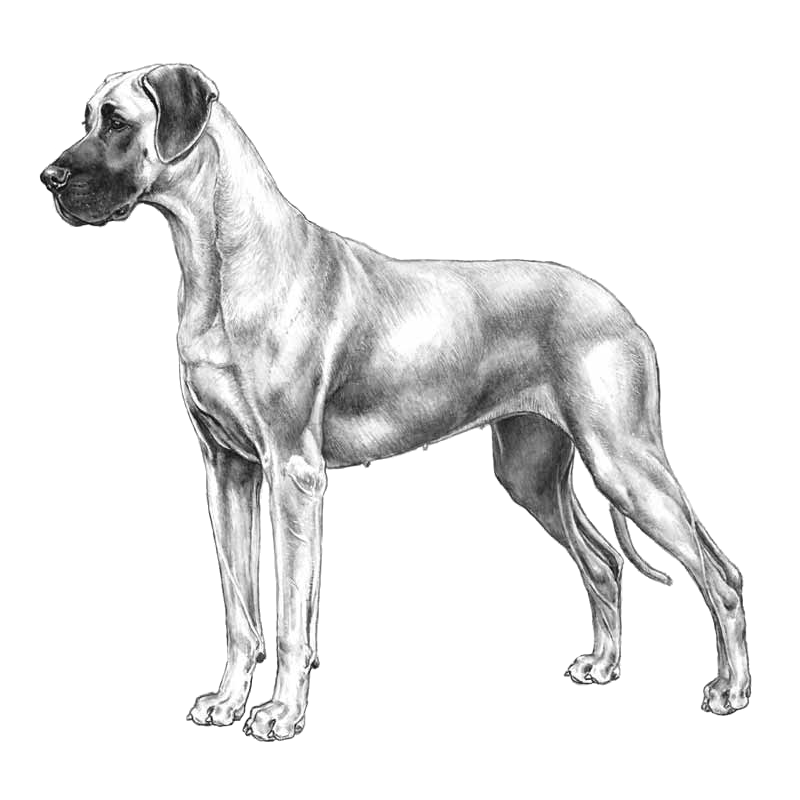 The Great Dane in his noble appearance combines a large, powerful well constructed body with pride, strength and elegance.
By substance together with nobility, harmonious appearance, well proportioned outlines, as well as an especially expressive head, the Great Dane strikes the onlooker as a noble statue, never coarse or with refined elegance. Perfect in balance and always with clearly defined sexual dimorphism. He is the Apollo amongst all breeds. Friendly, loving and devoted to his owners. Might be reserved towards strangers, but required is a confident, fearless, easily tractable, docile companion and family dog with high resistance to provocation and without aggression.
Source: FCI
-
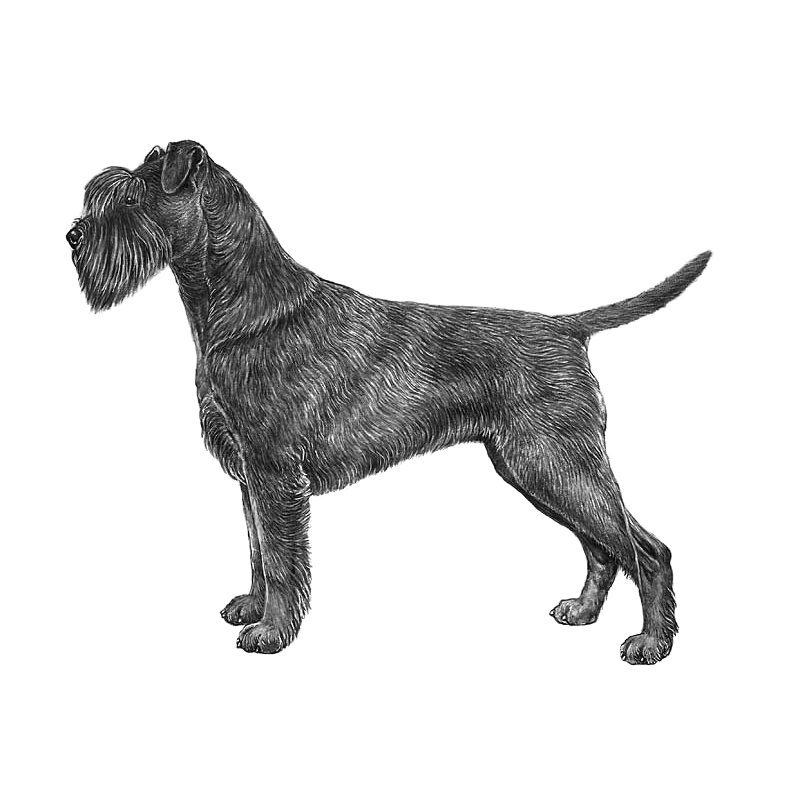 An imperturbable dog, prepared for defense, whose appearance fills with respect. Typical characteristics of this dog are his good natured, even temperament and his incorruptible loyalty towards his master. He has highly developed sense organs, intelligence, trainability, strength, endurance, speed, resistance to weather and diseases. His inborn ability to bear strain and his self assurance make him best suited for being a companion, sporting, utility and working dog.
Large, powerful, stocky rather than slim. An enlarged, powerful image of the Schnauzer. An imperturbable dog, prepared for defense, whose appearance fills with respect. Typical characteristics of this dog are his good natured, even temperament and his incorruptible loyalty towards his master. He has highly developed sense organs, intelligence, trainability, strength, endurance, speed, resistance to weather and diseases. His inborn ability to bear strain and his self assurance make him best suited for being a companion, sporting, utility and working dog.
Source: http://www.fci.be/en/nomenclature/GIANT-SCHNAUZER-181.html
-
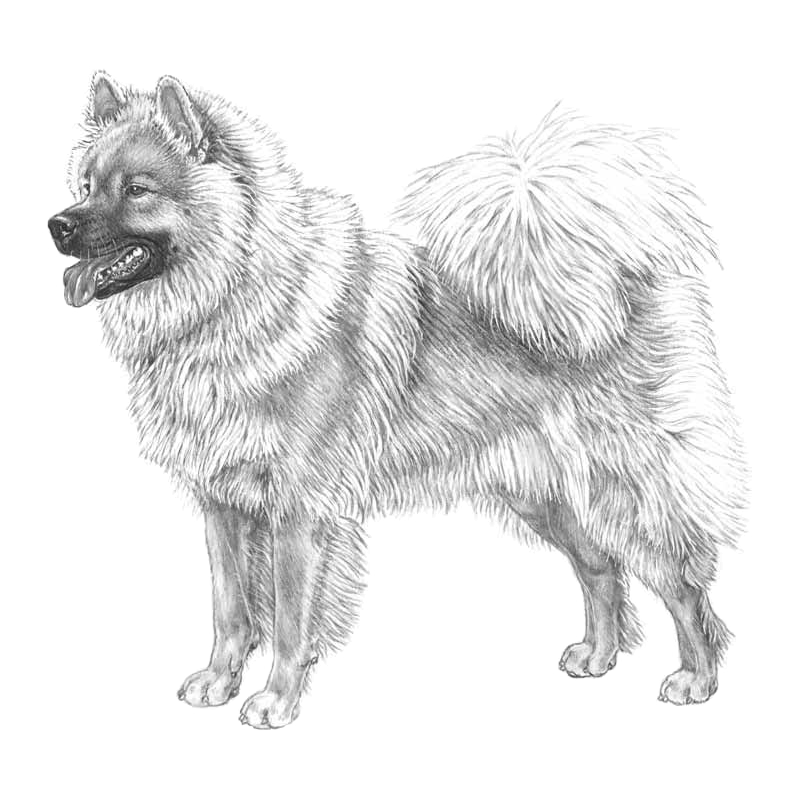 Balanced, well constructed medium sized dog of Spitz type with prick ears and coat in varied colours. Length of coat should be such as still to reveal the body proportions. With medium bone. Balanced, well constructed medium sized dog of Spitz type with prick ears and coat in varied colours. Length of coat should be such as still to reveal the body proportions. With medium bone. Self-assured, calm, even tempered with high resistance against any provocation.
Watchful and alert without being noisy. Very strongly developed link to his family. Reserved towards strangers without being aggressive. No hunting instinct. For the full development of these qualities, the Eurasian needs constant close domestic contact with his family and understanding, yet consistent training.
-
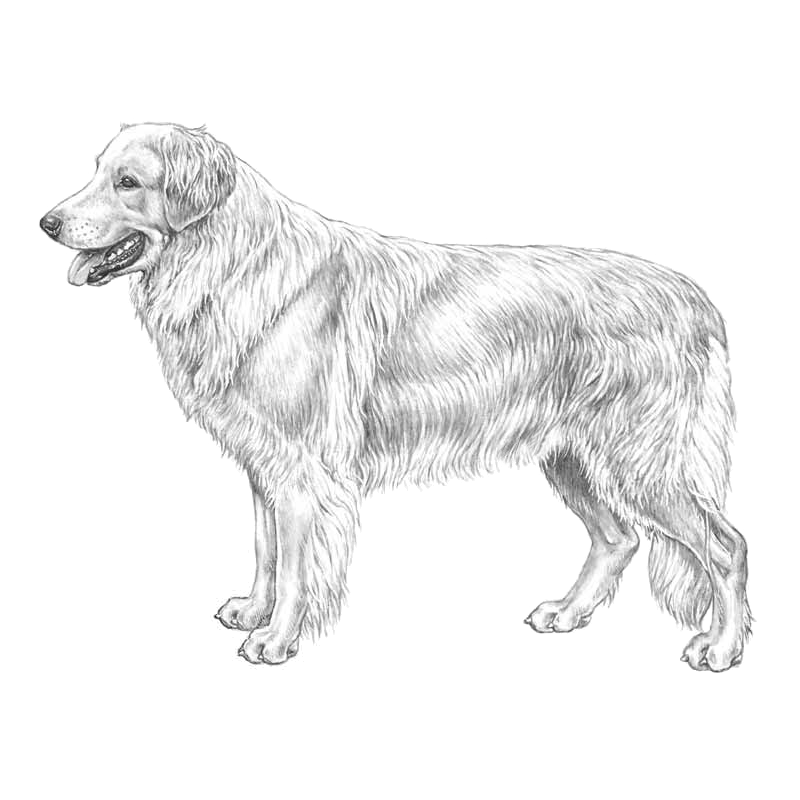
The Hovawart is a powerful, medium size, slightly elongated, long-haired working dog. Difference between sexes is clearly recognizable, specially in shape of head and build of body. Recognized working dog with versatile usage. Kind and even disposition. Has protective instinct, self-confidence and ability to take stress; of medium temperament; combined with a very good nose. His balanced body proportions and special devotion to his family make him an outstanding companion, watch, guard, tracking and rescue-dog.
-
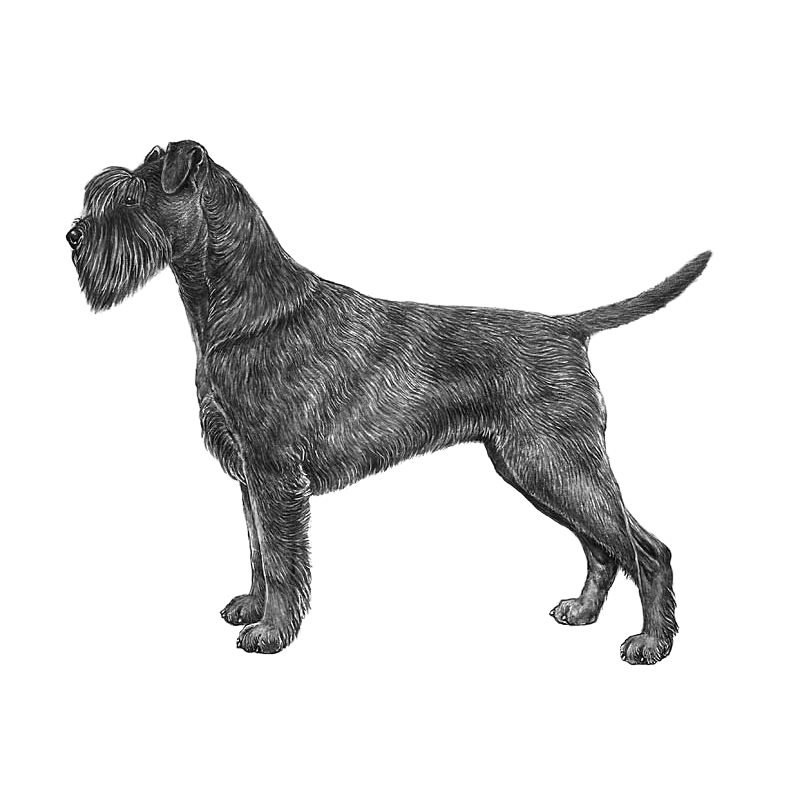
Medium sized, strong, stocky rather than slim, rough haired. Typical characteristics are his lively temperament, coupled with placid composure. Typical are his good nature, his playfulness and his proverbial devotion to his master. He loves children, is incorruptible, alert, yet not noisy.
Source: http://www.fci.be/en/nomenclature/SCHNAUZER-182.html
-
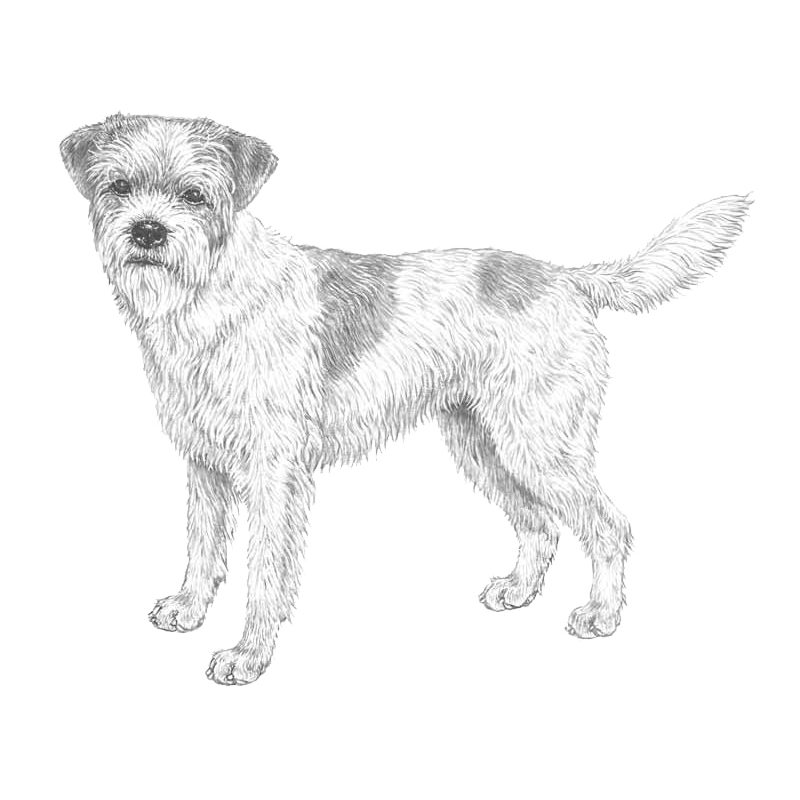
Medium size. There are two separate varieties, distinguished by coat type: Rough coat and Smooth coat. Adaptable, docile and highspirited companion and house-dog, somewhat reserved about strangers, with a moderate hunting instinct. Aggressiveness and timidity not desired.
Source: http://www.fci.be/en/nomenclature/KROMFOHRLANDER-192.html
-
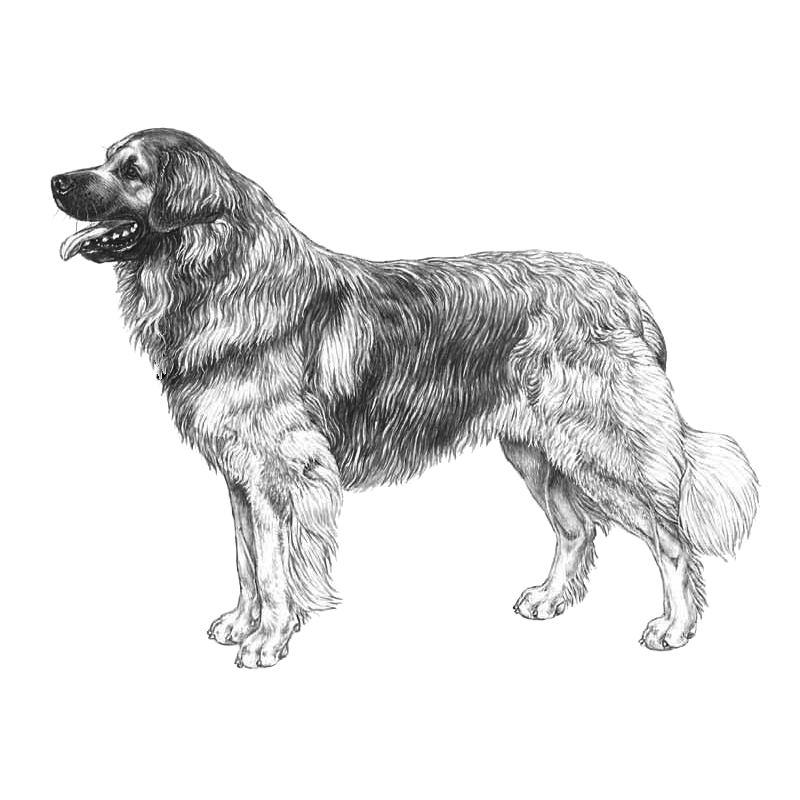
The Leonberger is a giant dog breed. The breed's name derives from the city of Leonberg in Baden-Württemberg, Germany. According to legend, the Leonberger was ostensibly bred as a 'symbolic dog' that would mimic the lion in the town crest.
-
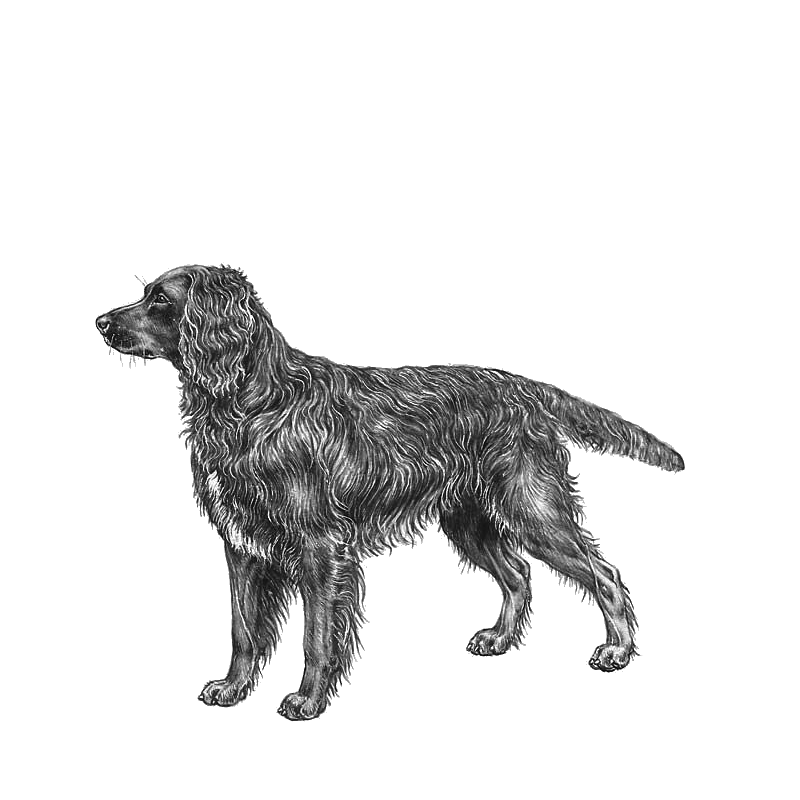
The German Spaniel, also known as the Deutscher Wachtelhund (German quail dog), is a breed of dog that was developed in Germany around 1890, and is used as a hunting dog. Descended from the old German breed, the Stoeberer (lit. "rummager"), which became popular with commoners following the Revolutions of 1848 in the German states, who required a versatile hunting dog.
-
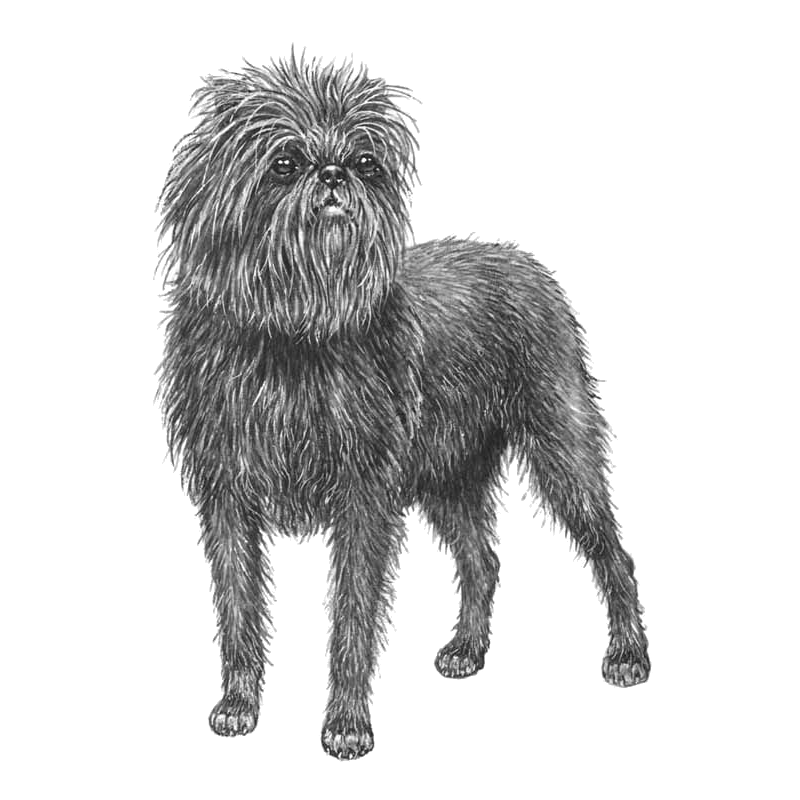
The Affenpinscher is rough haired, small and compact with a monkey-like expression. Fearless, alert, persistent and devoted, sometimes full of quick-tempered passion. He is an agreeable family dog in all aspects.
-
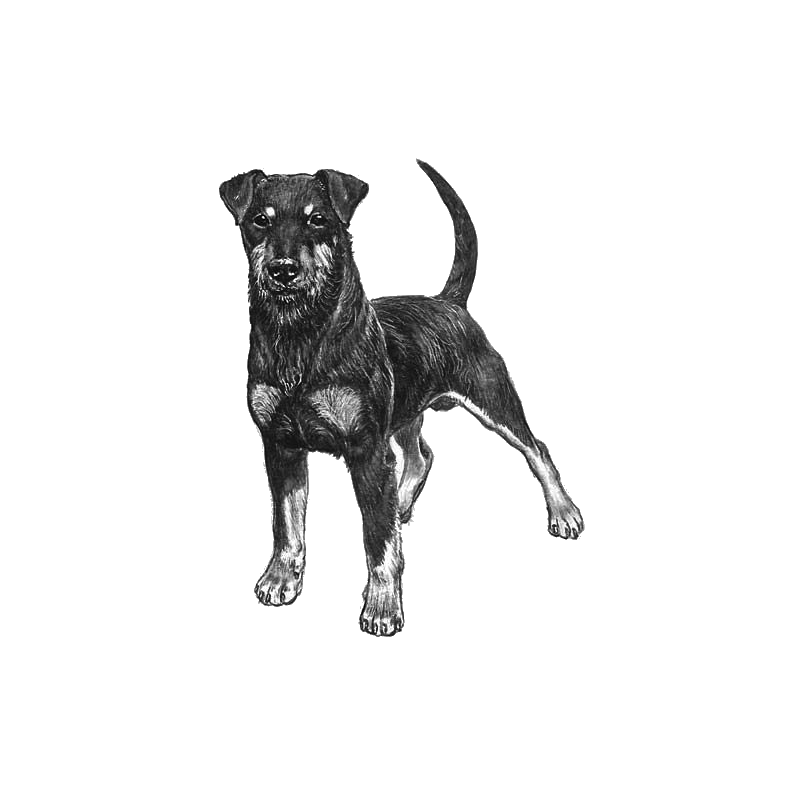
Versatile hunting dog, suited in particular for the hunt under the ground and as a flushing dog. A smallish, generally black and tan, compact, well proportioned working hunting dog. Courageous and hard, takes pleasure in work, enduring, vital, full of temperament, reliable, sociable and trainable, neither shy or aggressive. The German Hunting Terrier is breed developed and maintained for its usefulness as a hunting dog, steadiness of character, courage and drive.
Source: http://www.djt-club.de/der-djt/rassestandard/englisch.html & the F.C.I. Breed Standard http://www.fci.be/Nomenclature/Standards/103g03-en.pdf
-
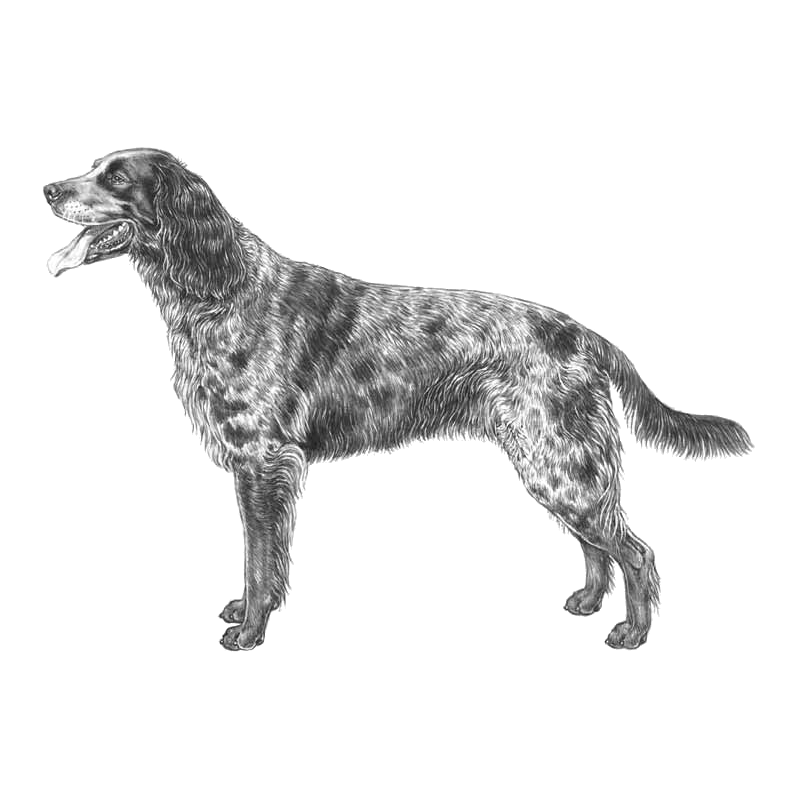
Strong; muscular; low set; flowing lines. Smaller dogs must have plenty of substance, but too massive and thereby clumsy dogs are not desired. Balanced, calm, temperament, good natured, easily trained.
Source: http://www.fci.be/en/nomenclature/DEUTSCH-LANGHAAR-117.html
-
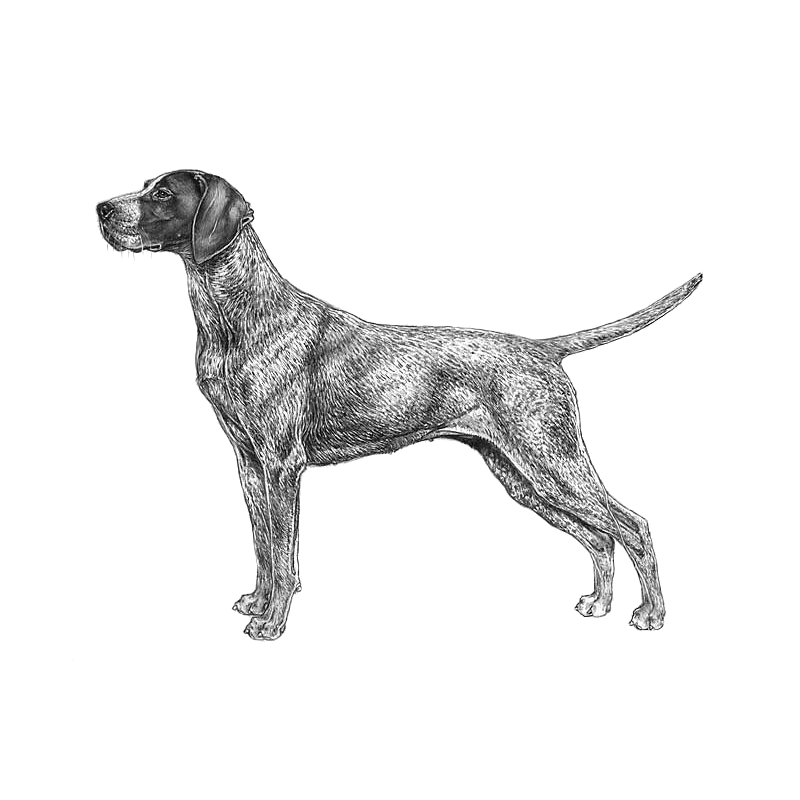
A dog of noble and balanced appearance, the conformation of which ensures strength, endurance and speed. Proud attitude, smooth outlines, lean head, well carried tail, firm shiny coat and well reaching, harmonious strides emphasize its nobility. Firm, balanced, reliable, restrained temperament, neither nervous nor shy or aggressive.
Source: http://www.fci.be/en/nomenclature/GERMAN-SHORT-HAIRED-POINTING-DOG-119.html
-
- swedish insurance data
- health surveys
- boxer
- registration statistics
- international breed collaboration
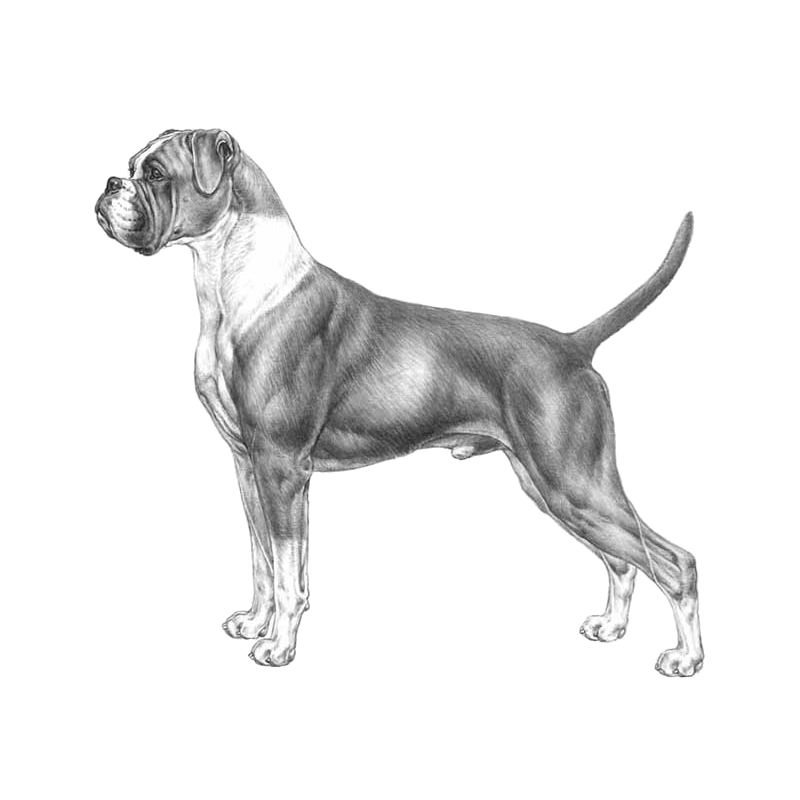
The Boxer is a medium sized, smooth coated, sturdy dog of compact, square build and strong bone. His muscles are taut, strongly developed and moulded in appearance. His movement is lively, powerful with noble bearing. The Boxer must be neither cumbersome nor heavy, nor light or lacking in body substance.
Source: FCI
-
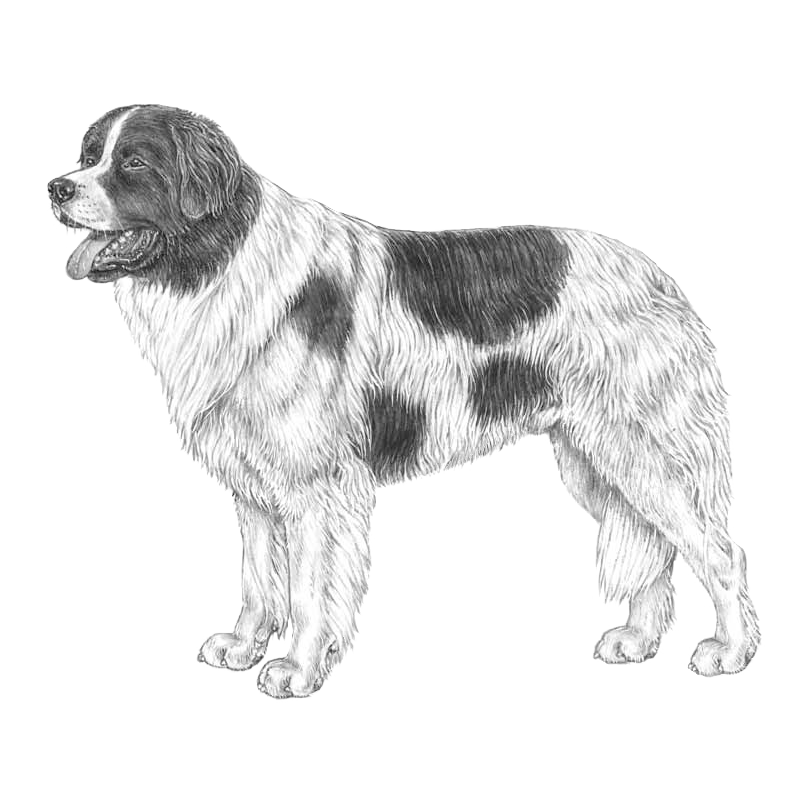 NOTE: LANDSEER ECT is not the same breed of dog as the black and white 'Landseer' Newfoundland Newfoundland - Landseer History Newfoundland, Landseer or both? Actually, there are 3 versions: The American Newfoundland Landseer, the European Newfoundland Landseer and the European Landseer ECT. The USA (AKC) recognizes both European and American Newfoundland Landseers but does not recognize the 3rd version, the Landseer ECT, as a version of the Newfoundland or even as a b
The Federation Cynologique Internationale (FCI) recognized the Landseer as a distinct breed in 1960. In countries not affiliated with the FCI, such as Canada, the U.S. and the UK, the white and black Newfoundland is still referred to as a Landseer (descriptive); everywhere else, it is a white and black Newfoundland. Between 1945 and 1960 the Landseer Continental Type was bred as a part of the Newfoundland Clubs in Europe. As the dogs had many differences to the Newfoundland and the popularity of the Landseer ECT grew, the breed was recognized as a separate breed.
Source Wiki: https://en.wikipedia.org/wiki/Landseer_%28dog%29
-
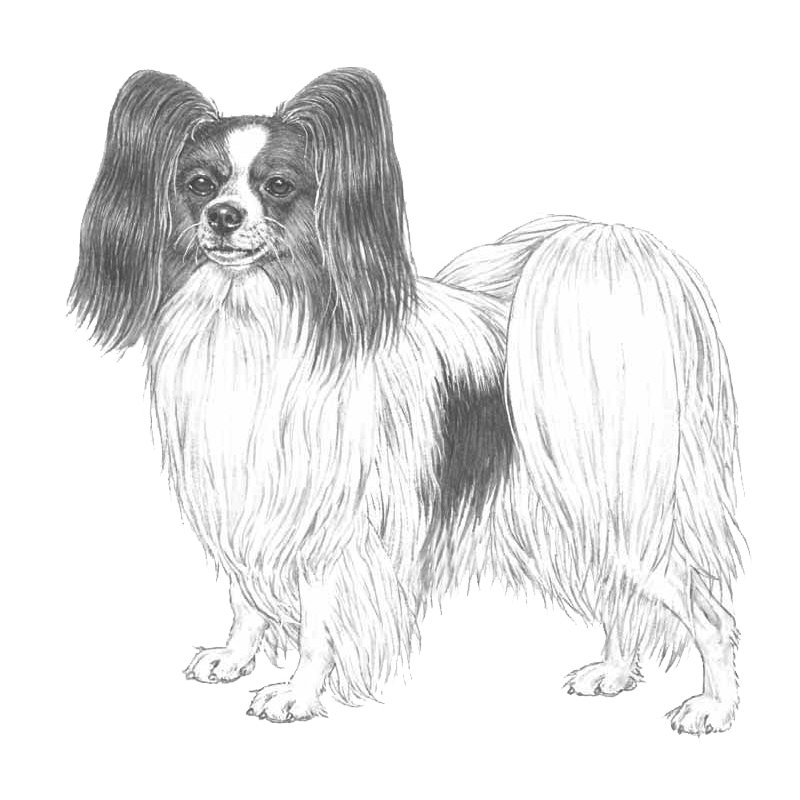
The Papillon, also called the Continental Toy Spaniel, is a breed of dog of the Spaniel type. One of the oldest of the toy spaniels, it derives its name from its characteristic butterfly-like look of the long and fringed hair on the ears, the French word for "butterfly" being papillon.
(Source: Wikipedia)
-
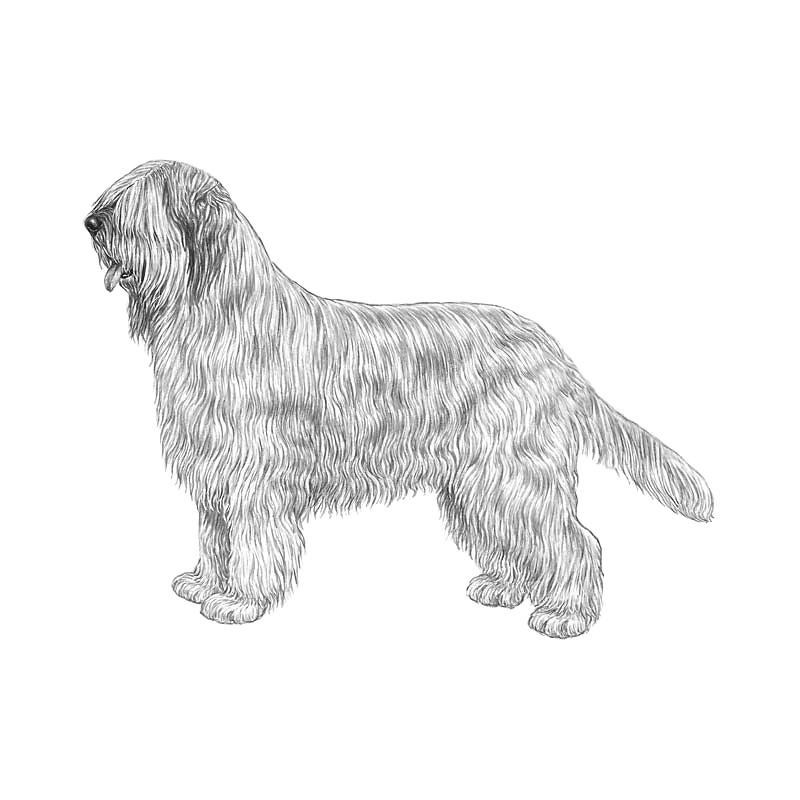
The Briard is an ancient breed of large herding dog, originally from France.
Source: Wikipedia
-
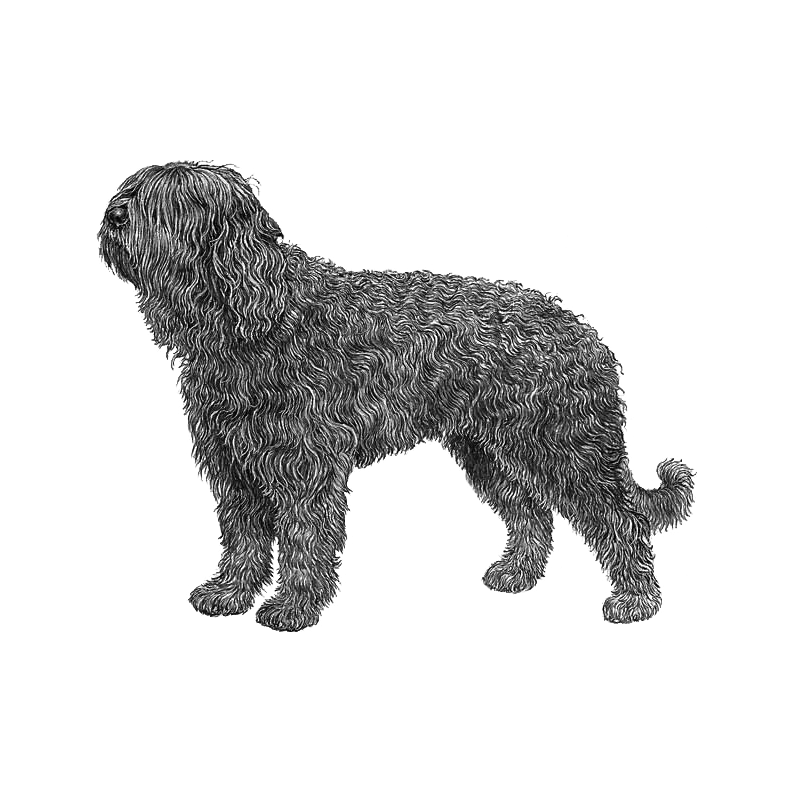
A very ancient breed, common throughout France, used for hunting waterfowl and described or mentioned in several works as early as the 16th century. Medium proportions, medium size, characterized by a thick, woolly coat which guarantees efficient protection against cold and damp. The coat forms a beard (French barbe) on the chin, which gave the breed its name (Barbet). Even disposition, very attached to his master, very sociable, loving water even when very cold.
Source: FCI
-
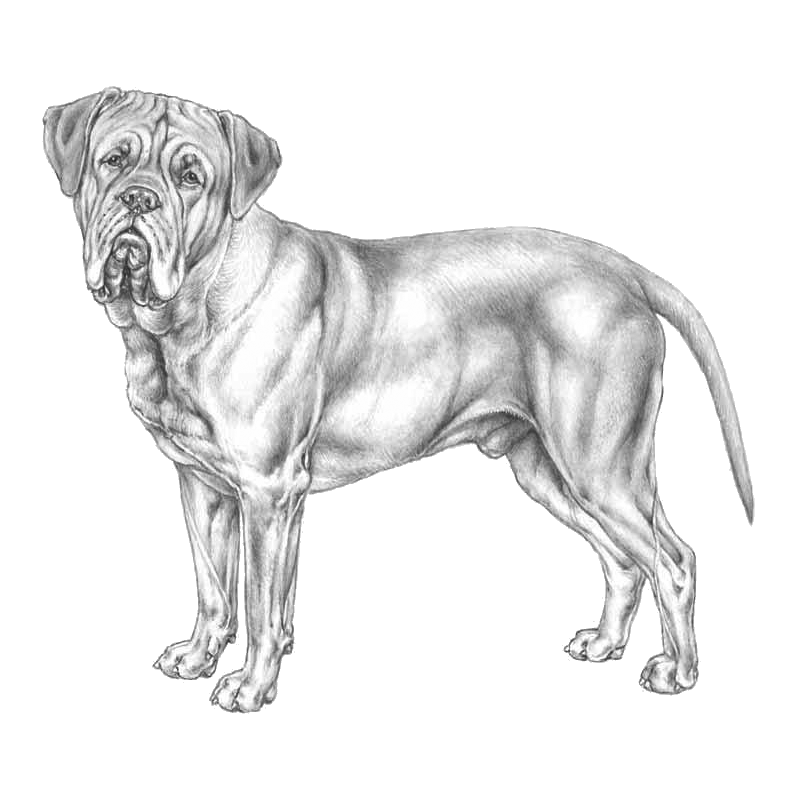
The Dogue de Bordeaux, Bordeaux Mastiff, French Mastiff or Bordeauxdog is a large French Mastiff breed—and one of the most ancient French dog breeds.
Source: Wikipedia
-
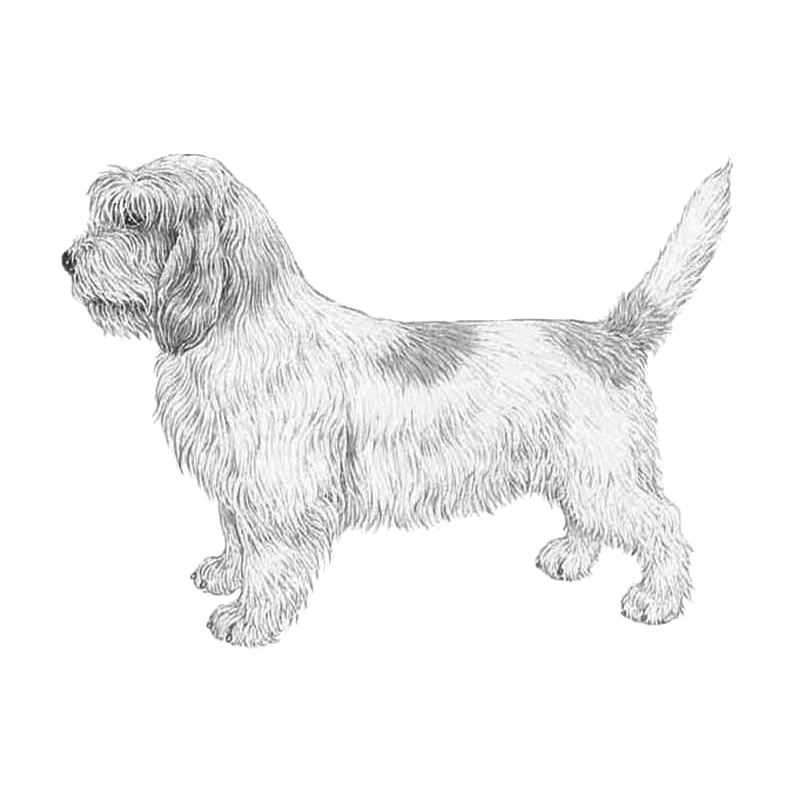
The Petit Basset Griffon Vendéen or PBGV, is a breed of dog of the scent hound type, bred to trail hares in bramble-filled terrain of the Vendée district of France.
Source: https://en.wikipedia.org/wiki/Petit_Basset_Griffon_Vendéen