






Pedigree Breeds
184 entries in this category
-
- Last comment date
- Title
- Start Date
- Most Commented
- Most Viewed
- Last Updated
- Publish Date
- Brief Description
- Content
- Links to Breed Descriptions
- Other Names for Breed
- Country of Origin and Parent Breed Club
- Health and Well-Being
- Breed-Specific Articles
- Breed Standards
- Breed-Specific Statistics
- Breeding/Health Strategy Documents
- Breed-Specific DNA Tests
- Other Breed-Specific Webpages
- Breed-Specific Research
- Breed Clubs
- Custom
-
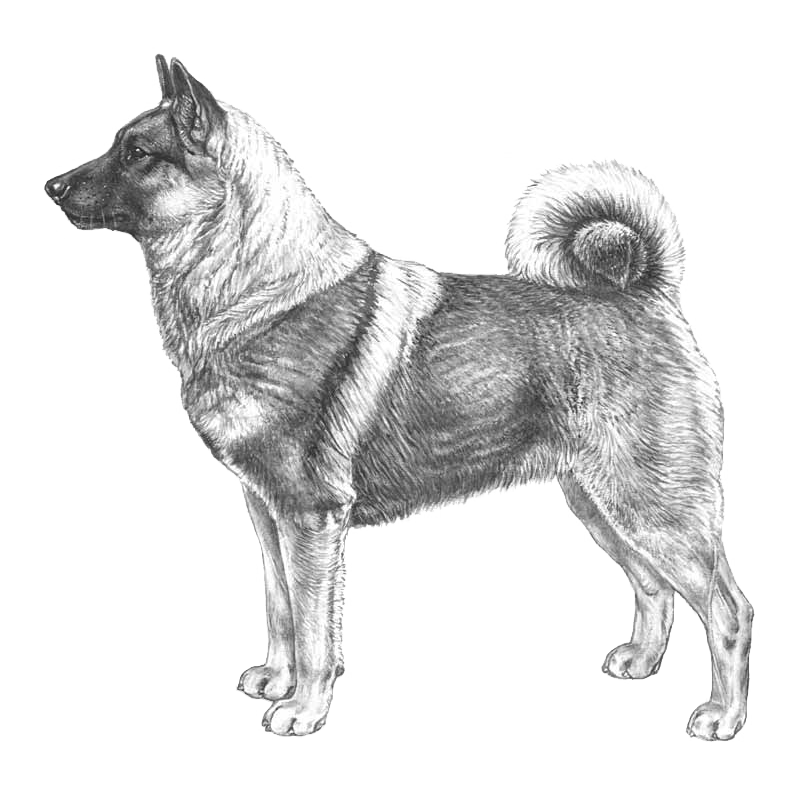
The Norwegian Elkhound is one of the ancient Northern Spitz-type breed of dog and is the National Dog of Norway. The Elkhound has served as a hunter, guardian, herder, and defender.
Source: Wikipedia
-
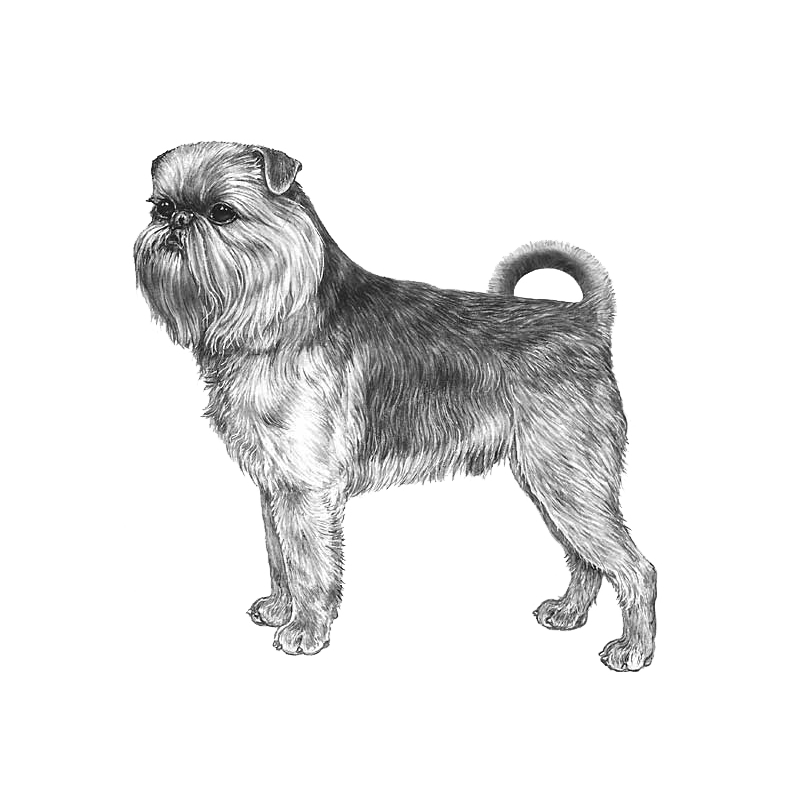
At one time known as the Belgian street urchin, this breed originated in Belgium and has traces of Affenpinscher in its ancestry. A variety of this little dog appeared in a painting by the Flemish artist Jan van Eyck as long ago as 1434 and the breed was already standard in type by the 1600s. He used to earn his keep as a stable dog where horses for hansom cabs were kept. He arrived in Britain in the late 1800s.
Source: The Kennel Club
-
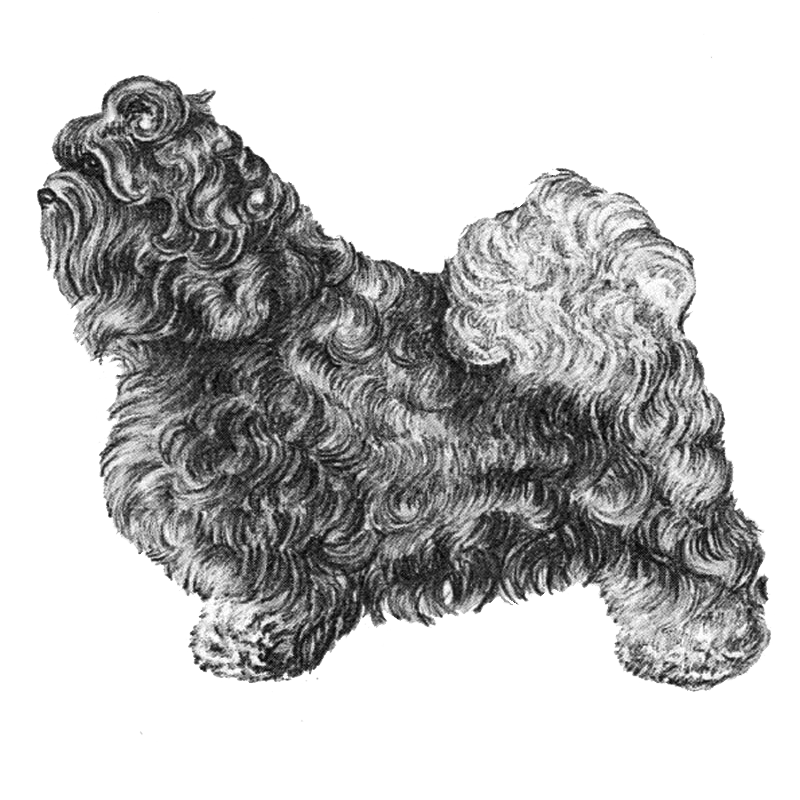
The creation of the breed started in 1951 in Leningrad. Following breeds Bolognese, Shih-Zzu, Lhasa-Apso were involved in the creation of the RUSSKAYA TSVETNAYA BOLONKA. 1
Developed to be the ultimate house pet and companion, the Tsvetnaya Bolonka is a small, sturdy, balanced dog, slightly longer than tall. The breed has a wavy or curly coat. He moves gracefully with the tail carried over the back or to either side. He is friendly to all and shows no sign of aggression. He is sweet, loving, intelligent, and willing to please. 2
Sources:1 FCI-RKF Breed Standard: Translation: Karin Biala-Gauß;
-
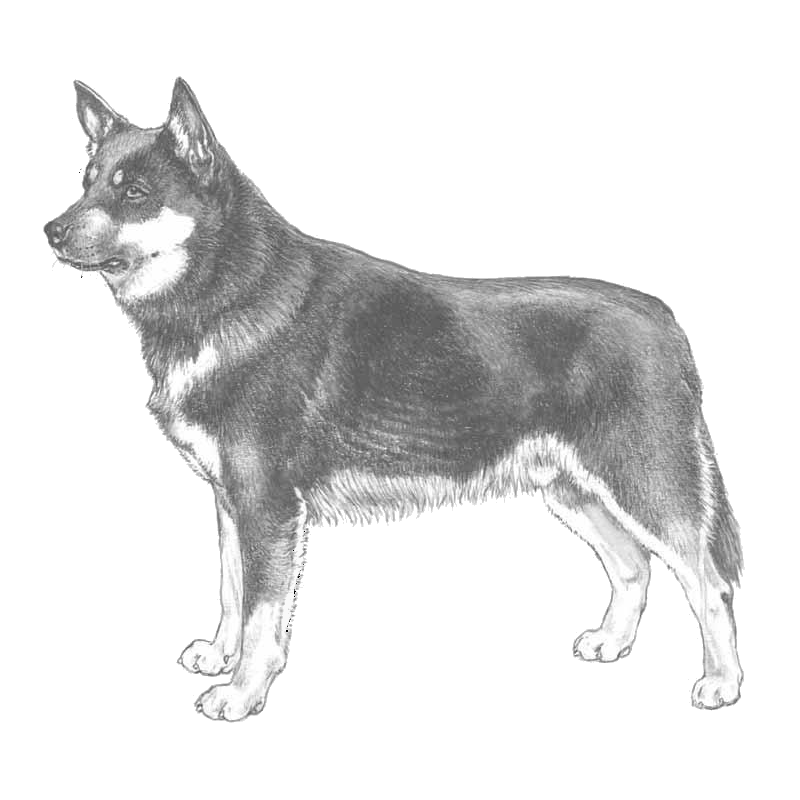
The Lapponian Herder has a good temperament; it is calm, quick to learn, energetic and eager to serve. It barks a lot when working. It is friendly to people, but not suited to be a companion dog only because it demands action as well. It can handle being outdoors all the time.
From: Kennelliito (The Finnish Kennel Club, IPFD Founding Partner) Native Breeds: Lapponian Herder
-
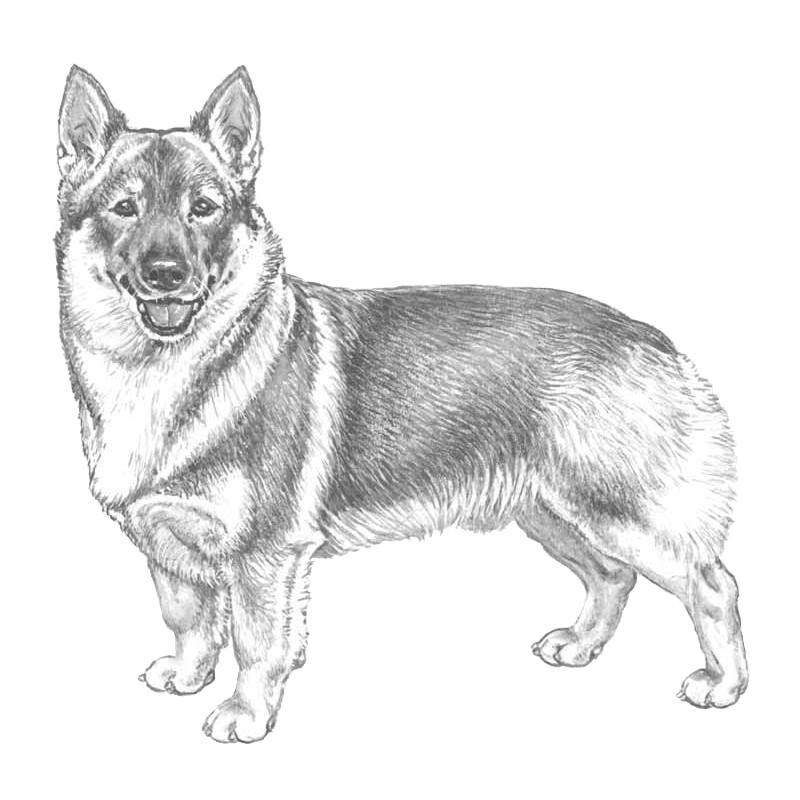
The breed is a popular companion dog that is still used for herding cattle at farms in its county of origin. The origin of the Swedish Vallhund is not known. Theories about the breeds past are claiming its origin to the time of the Vikings. But if the Vikings brought their low legged spitz to the British isles where it might have played a part in the background of the Welsh Corgi Pembroke or vice versa; - the Vikings brought the Corgi back to Sweden, we will never know.
Source: http://www.skk.se/global/dokument/hundrasguiden/svenska-raser.pdf
-
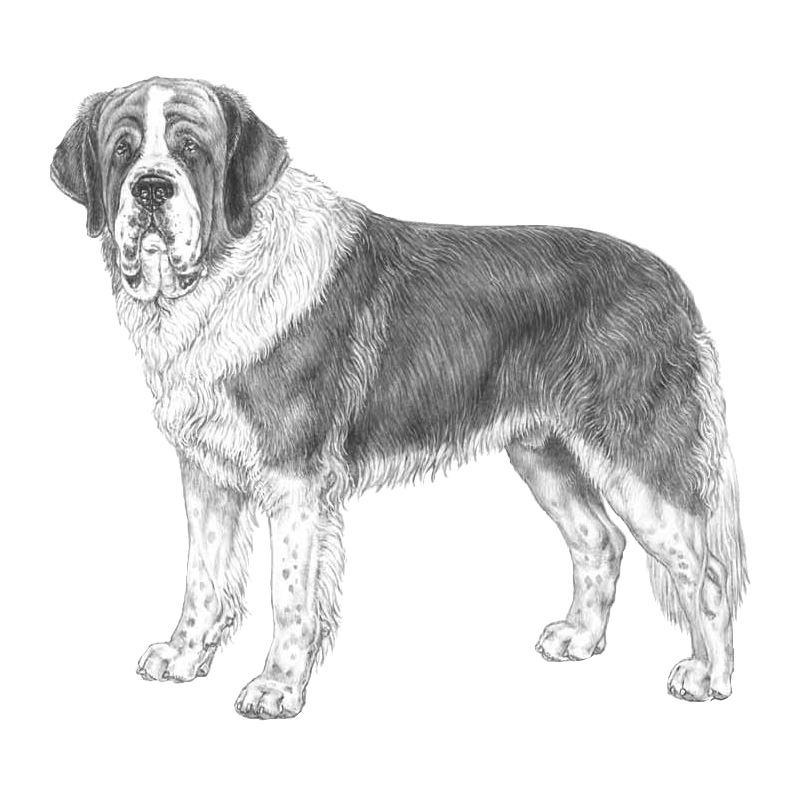
In the 11th century, monks founded a hospice as a refuge for travellers and pilgrims on the 2469 metre - high Great Saint Bernard Pass. Large mountain dogs have been kept at the hospice since the mid 17th century to guard and protect those staying there. The first photographic evidence of the presence of mountain dogs dates back to 1695, and the first written document is a hospice memo from the year 1707. The dogs were rapidly adopted as companion dogs and above all as rescue dogs for travellers who lost their way in the snow and mist. The dogs from the Great Saint Bernard Pass saved the lives of a great number of people, averting many deaths in the snow. The reputation of the Saint Bernards (then called "Barry dogs") grew throughout Europe in the 19th century thanks to chronicles published in many languages and to reports passed on by word of mouth by the soldiers who had crossed the pass with Napoleon Bonaparte in 1800. The legendary Barry became the archetype of the rescue dog.
Source: Fondation Barry: http://fondation-barry.ch/sites/default/files/mediennews/Medienmappe_FB_E.pdf?54
-
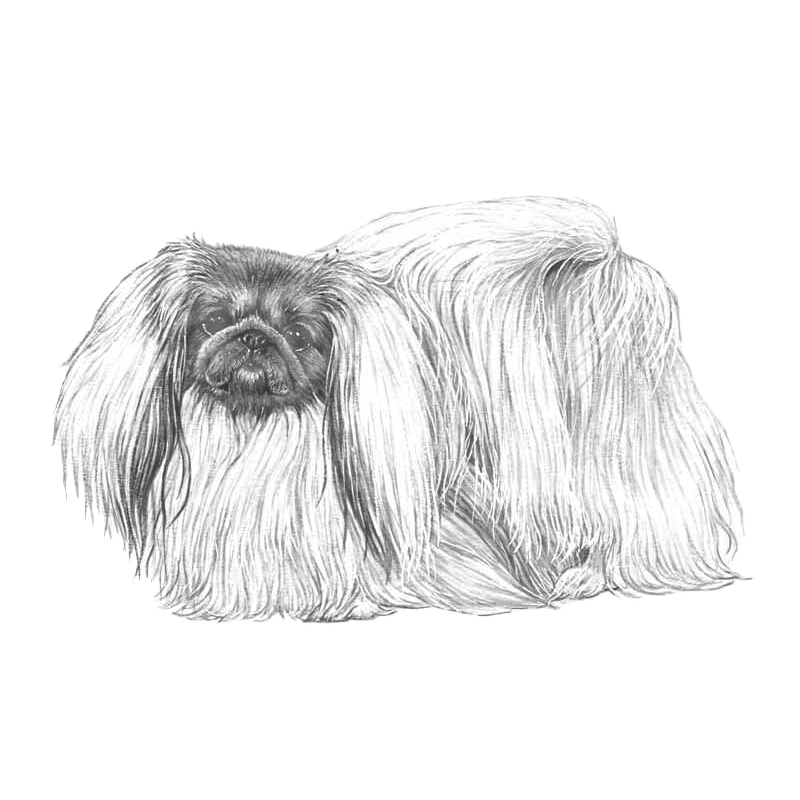
The Pekingese is an aristocrat, whose ancestry can be traced back to the Tang Dynasty. Similar dogs had been known in China since the eighth century, but by the early 1800s they had become the favourites of the Imperial court and no commoner was allowed to own one. However, following the British sacking of Peking in 1860, four were found and brought back to England. Subsequently, others were obtained by more normal means. The Pekingese was accepted for registration in the USA in 1909 and in the UK the following year.
Source: The Kennel Club (Patronage): https://www.thekennelclub.org.uk/search/breeds-a-to-z/breeds/toy/pekingese/
-
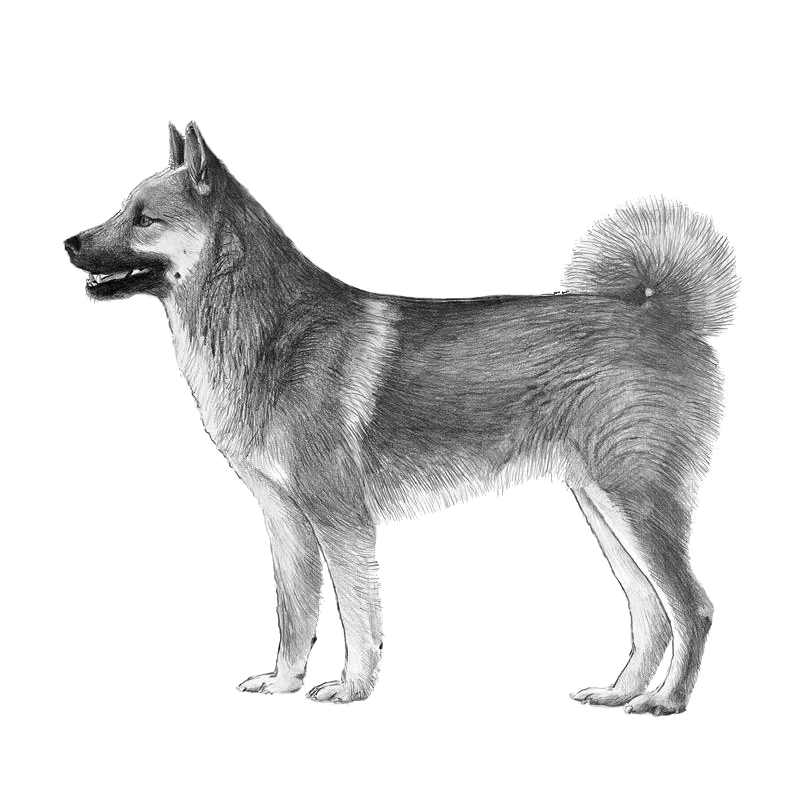
The Hällefors Elkhound is a medium-sized, rectangular Spitz with either a sickle or curly tail.
Source: https://en.wikipedia.org/wiki/Hällefors_Elkhound
(Google translate) The appearance and the emergence of the dogs that today are part of hällefors breed took place in parallel with the strong growth of the moose population that occurred during the 1930s in some areas of Värmland and Västmanland... Parts of the forest staff who were employed at Hellefors Bruks AB had, therefore, during the period 1935-1955 elk hunting as one of its main tasks during the autumn. A task usually performed as a one-man hunting with a capable löshund.
The need for good hunting dogs along with a rapidly growing moose population is the foundation on which hällefors dog's creation rests.Source: Hällefors Dog Club - https://www.halleforshunden.org/historia
Kept as a hunting and tracking dog of elk, wild boar, bear and badgers, the breed is active and durable in the field. This breed is not recognized by the FCI.
-
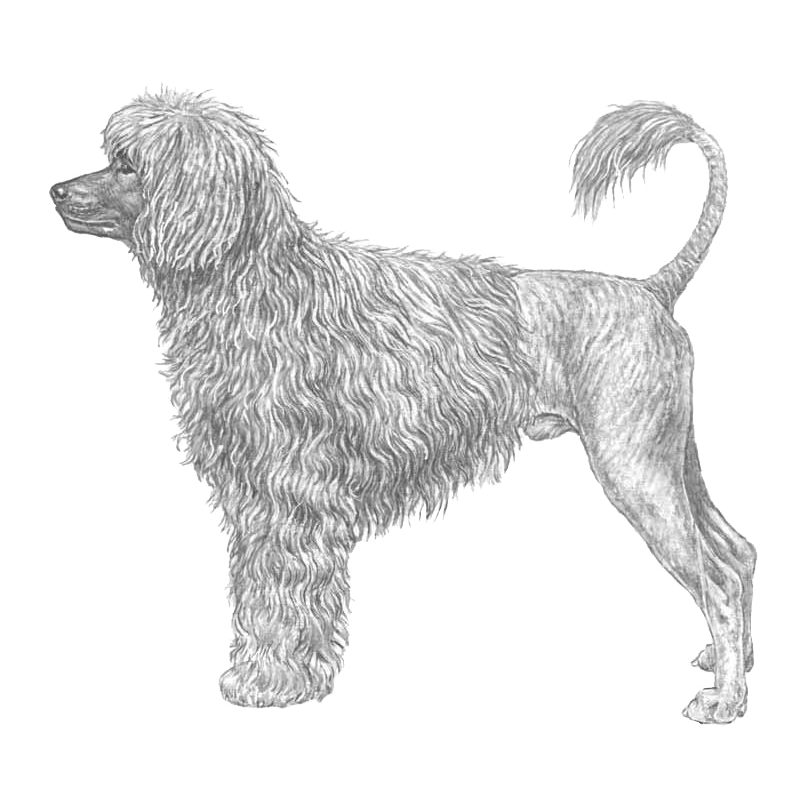
Portuguese Water Dogs are originally from the Portuguese region of the Algarve, from where the breed expanded to all around Portugal's coast, where they were taught to herd fish into fishermen's nets, to retrieve lost tackle or broken nets, and to act as couriers from ship to ship, or ship to shore.
-
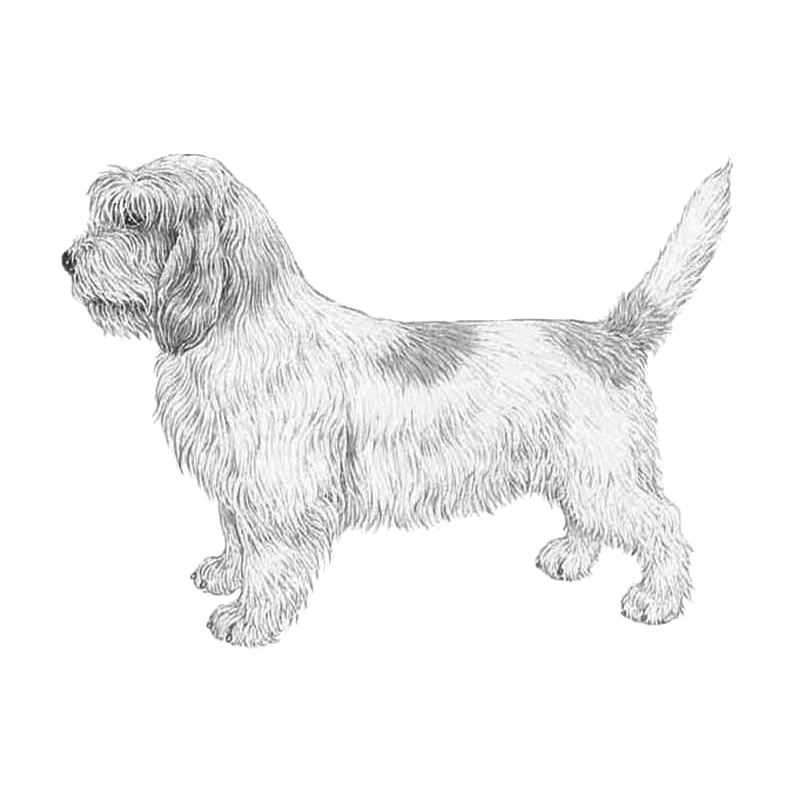
The Petit Basset Griffon Vendéen or PBGV, is a breed of dog of the scent hound type, bred to trail hares in bramble-filled terrain of the Vendée district of France.
Source: https://en.wikipedia.org/wiki/Petit_Basset_Griffon_Vendéen
-
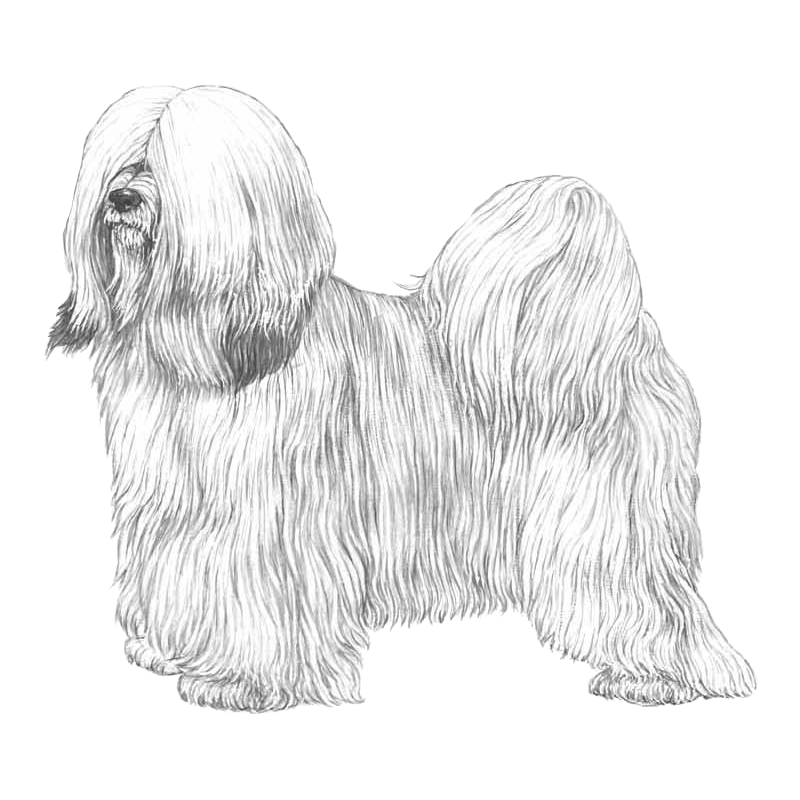
The Tibetan Terrier is a medium-size breed of dog that originated in Tibet. Despite its name, it is not a member of the terrier group. The breed was given its English name by European travelers due to its resemblance to known terrier breeds. The Tibetan name for the breed, Tsang Apso, roughly translates to "shaggy or bearded ("apso") dog, from the province of Tsang".
-
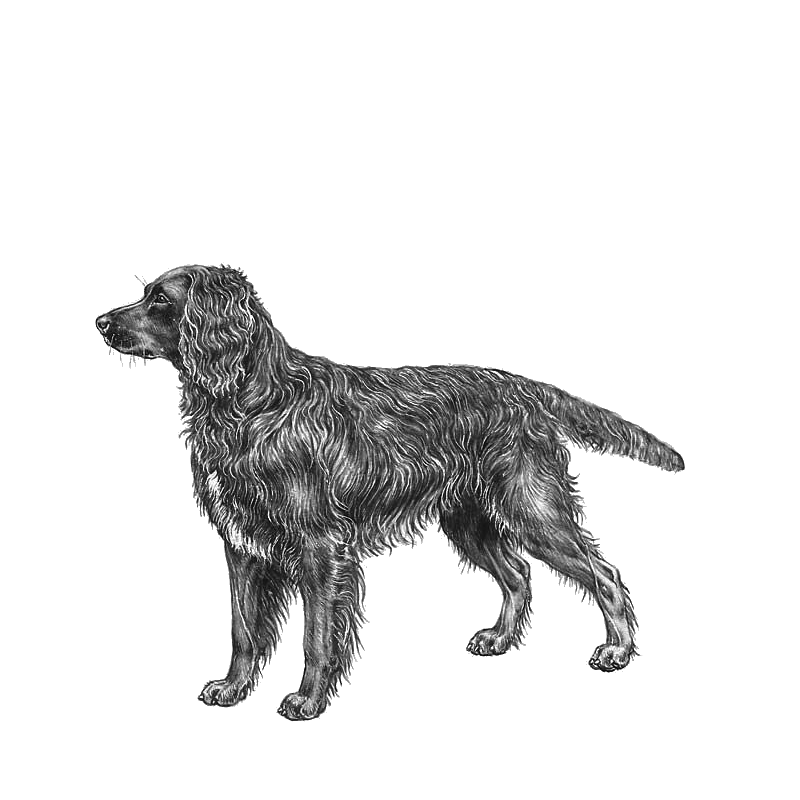
The German Spaniel, also known as the Deutscher Wachtelhund (German quail dog), is a breed of dog that was developed in Germany around 1890, and is used as a hunting dog. Descended from the old German breed, the Stoeberer (lit. "rummager"), which became popular with commoners following the Revolutions of 1848 in the German states, who required a versatile hunting dog.
-
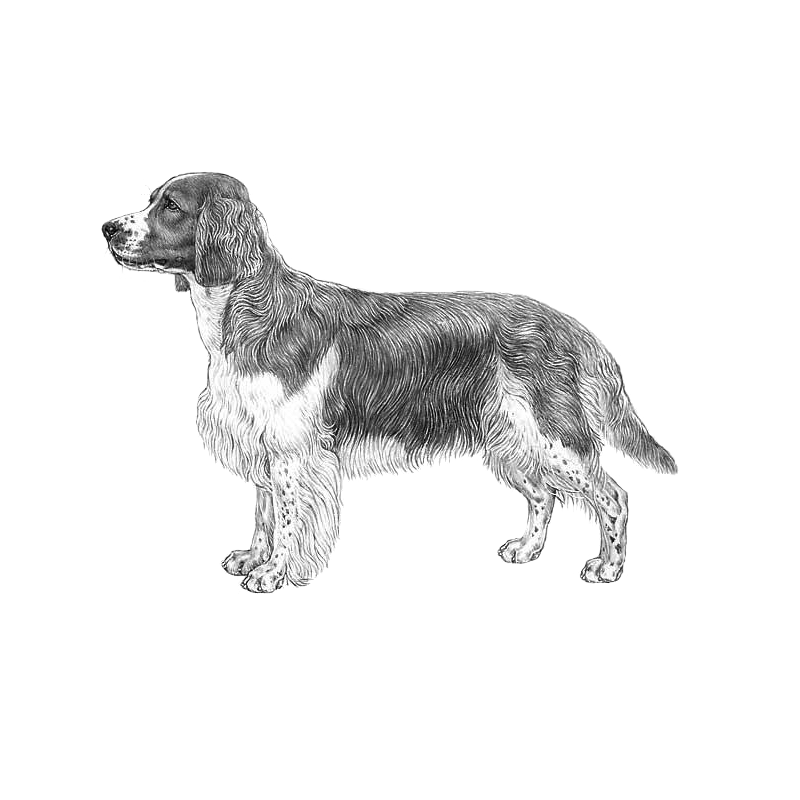
Thought to be comparable to the old Land Spaniel, they are similar to the English Springer Spaniel and historically have been referred to as both the Welsh Spaniel and the Welsh Cocker Spaniel.
Source: https://en.wikipedia.org/wiki/Welsh_Springer_Spaniel
-
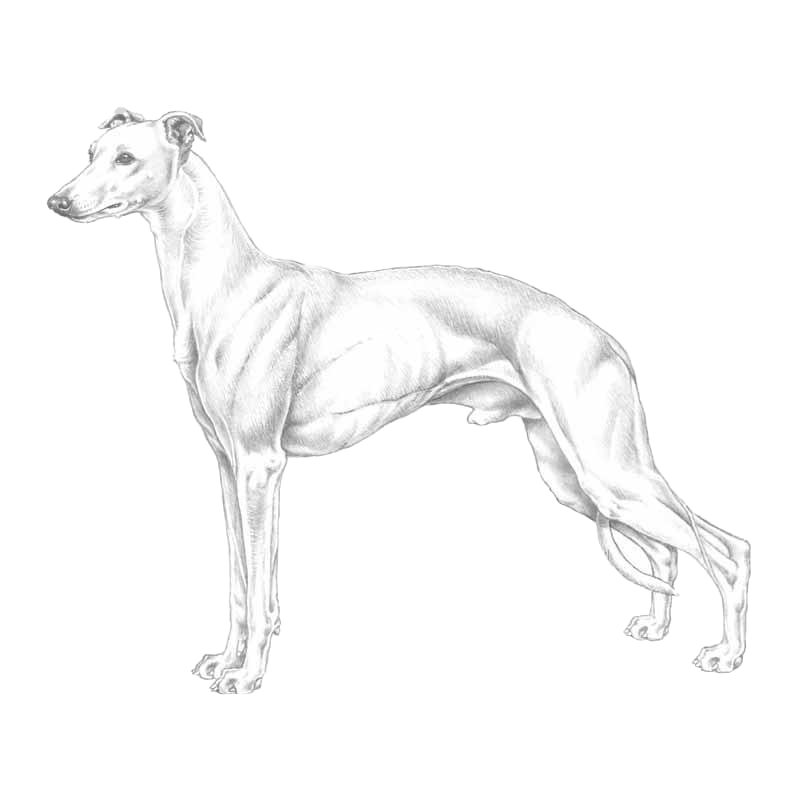
The Whippet (also English Whippet or Snap dog) is a dog breed of medium-size. They are a sighthound breed that originated in England, where they descended from greyhounds. Whippets today still strongly resemble a smaller greyhound.
-
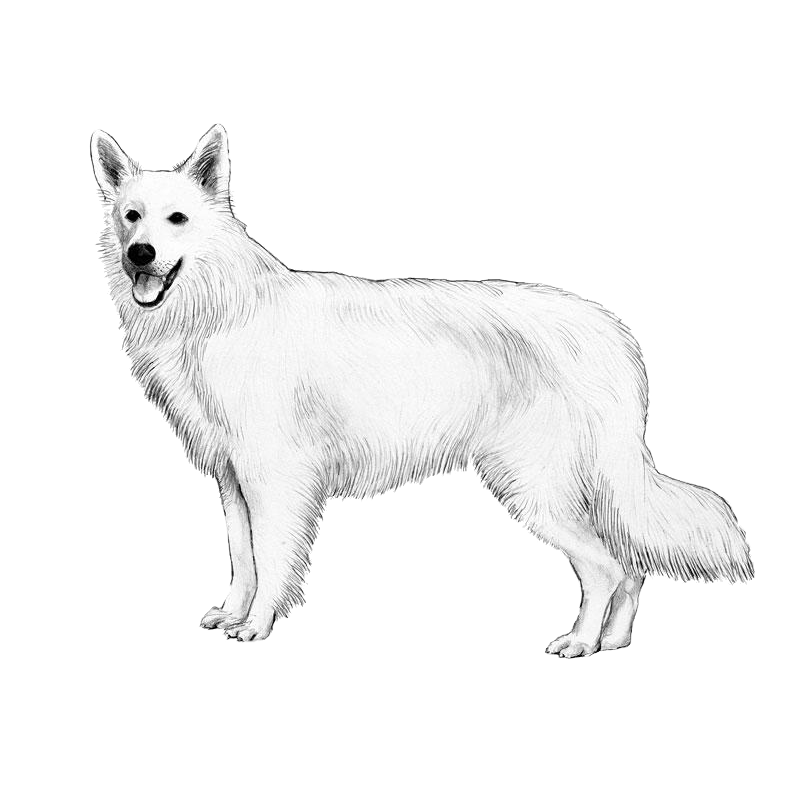
The Berger Blanc Suisse (English: White Swiss Shepherd, German: Weisser Schweizer Schäferhund, Italian: Pastore Svizzero Bianco) is a breed of dog from Switzerland. It is of the same origins as the White Shepherd and the German Shepherd Dog, and has been recognized as a separate breed by the FCI.
-
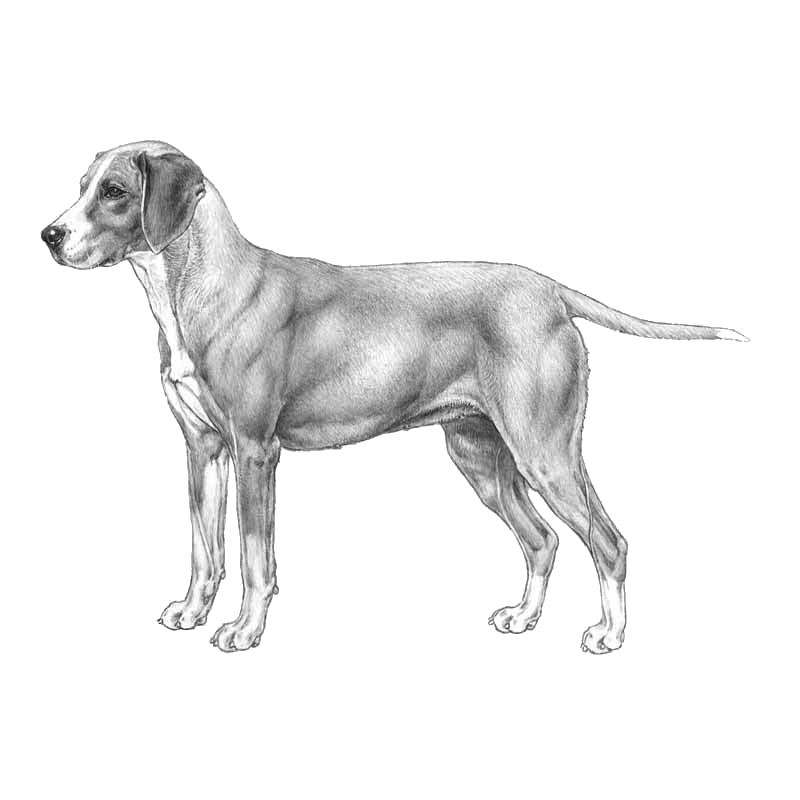
The Gotlandsstövare is rectangular in body, noble but with an impression of strength and endurance. Gotlandsstövaren is a driving hunting dog for hunting hare and fox. The race also serves as a companion provided that you take into account its strong hunting instinct and big business needs.
Source: http://www.skk.se/sv/hundraser/gotlandsstovare/?breed=Gotlandsstövare
-
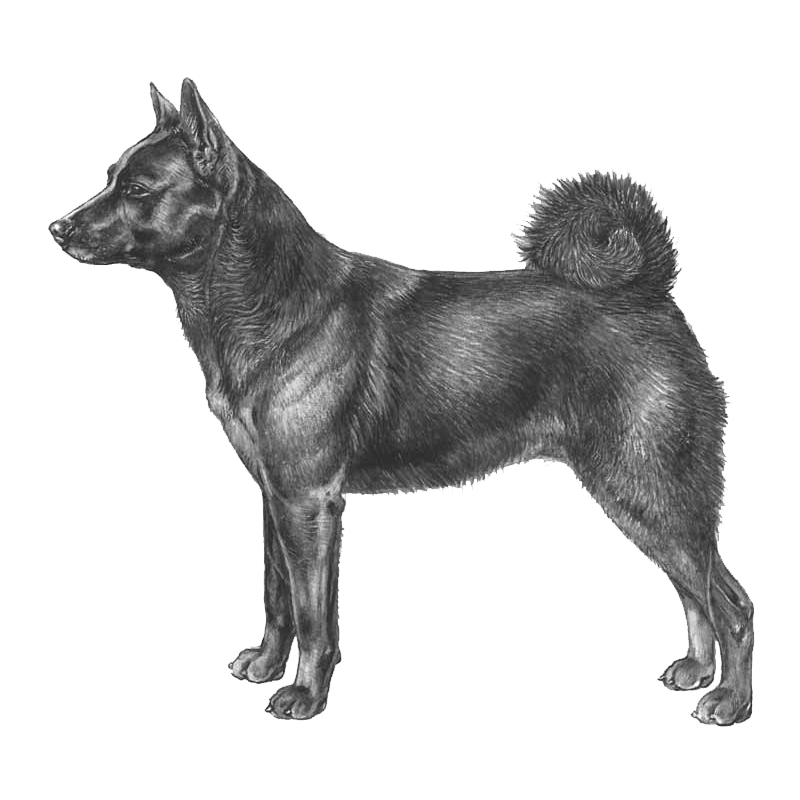
The Black Norwegian Elkhound, a native breed of Norway, is a typical spitz-type dog and the smallest of the elkhounds. It is a calm, devoted dog that forms close bonds with family members.
Source: http://web2.nkk.no/en/about_nkk/norwegian_breeds/ (Internet Archives)
-
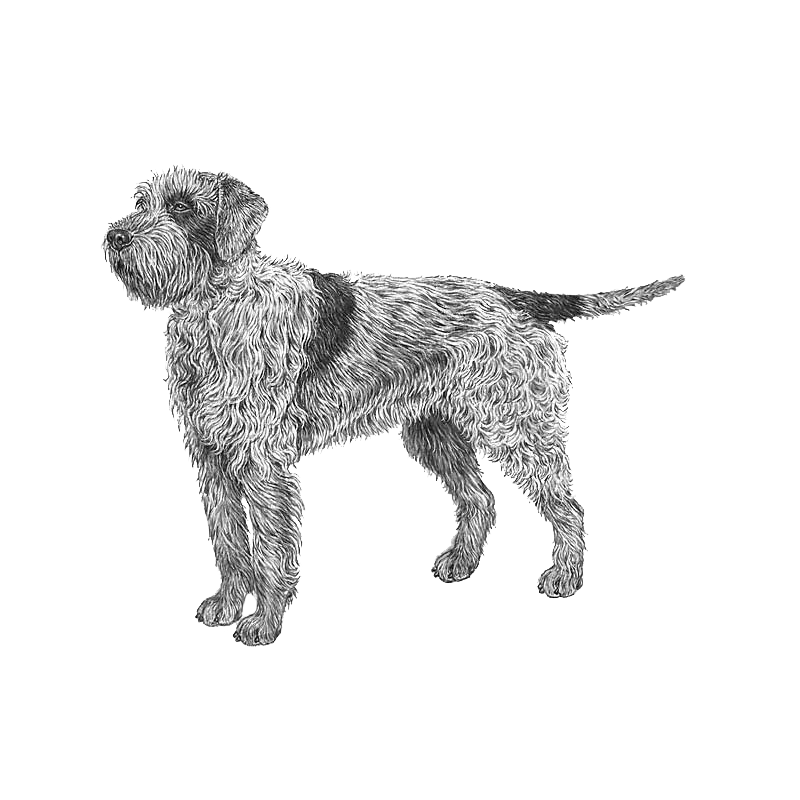
Medium sized and bred to cover all terrain encountered by the walking hunter, the Wirehaired Pointing Griffon has been called the "4-wheel drive of hunting dogs" as he will enter briars or underbrush without hesitation. Griffs excel equally as pointers in the field and as retrievers in the water. Their coarse double coat protects them in rough cover and gives them an unkempt appearance.
Source: AKC
-
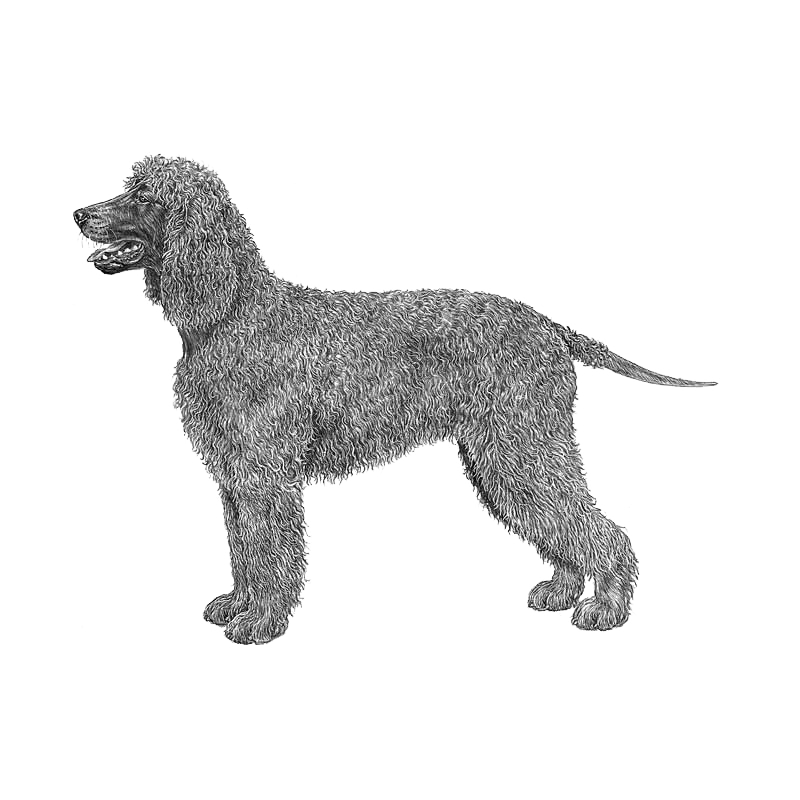
There is no real evidence of the ancestry of the Irish Water Spaniel except in its most peculiar feature-the rat tail. This feature appears in no similar dog and makes it very likely that the modern breed had an indigenous Irish ancestor. The tail has given rise to the names “ Whip Tail” and “ Rat Tail”.
(Source: Irish Kennel Club)
-
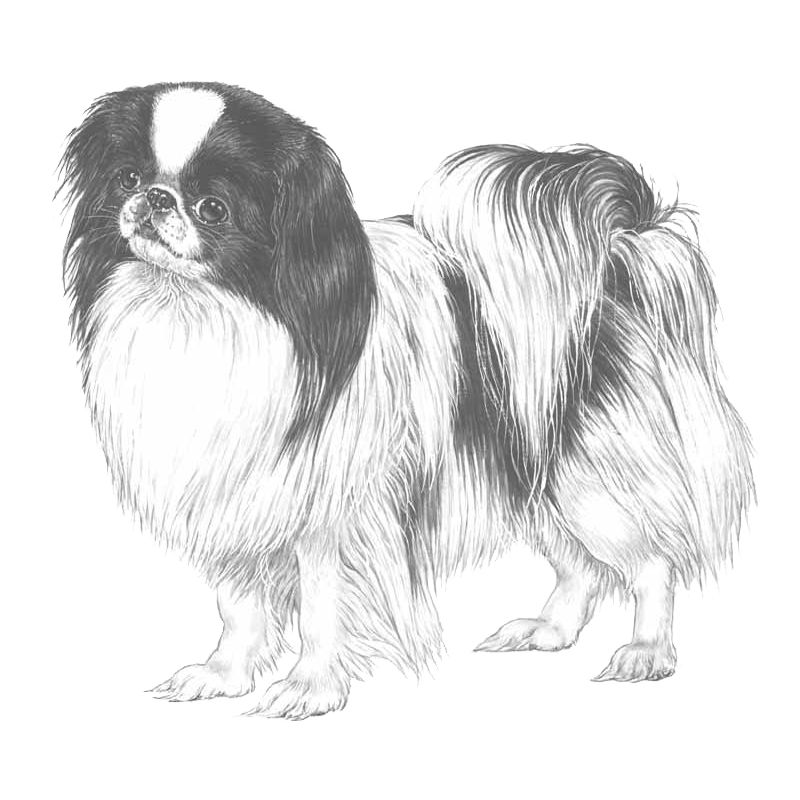
The Japanese Chin, also known as the Japanese Spaniel, is a dog acknowledged for its importance to Japanese nobility. It is also known for its strabismus of the eyes.
-
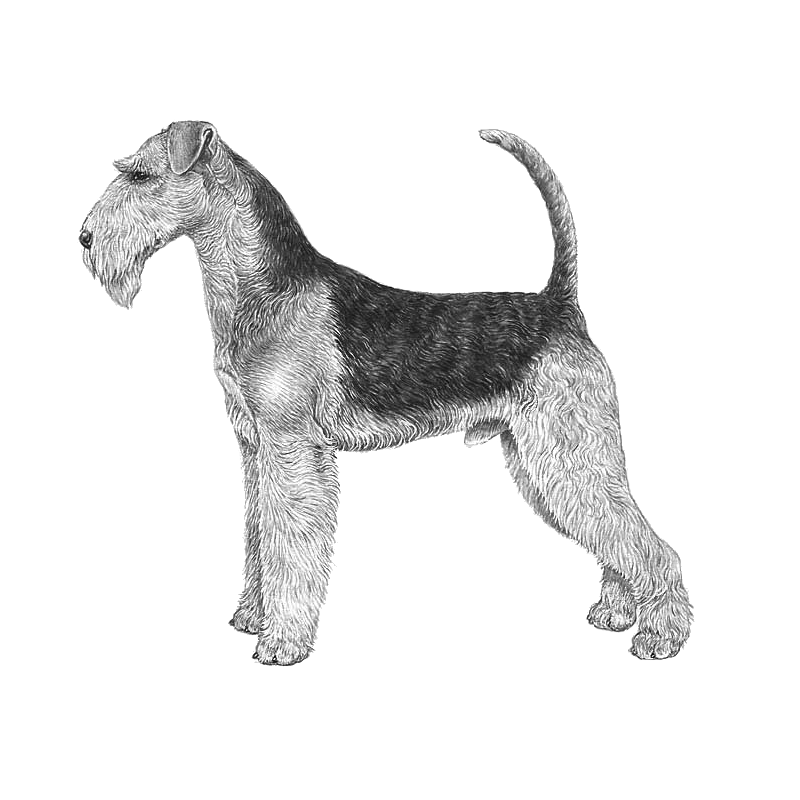
The King of the Terriers – a name he earns as the largest of the Terrier breeds, originated in Yorkshire, when a group of breed enthusiasts met to 'show' their terriers at Airedale Show – in the area around Ilkley. The breed was often known as the Waterside Terrier because of their working of the riverbanks to keep down vermin.
Source: The Kennel Club
-
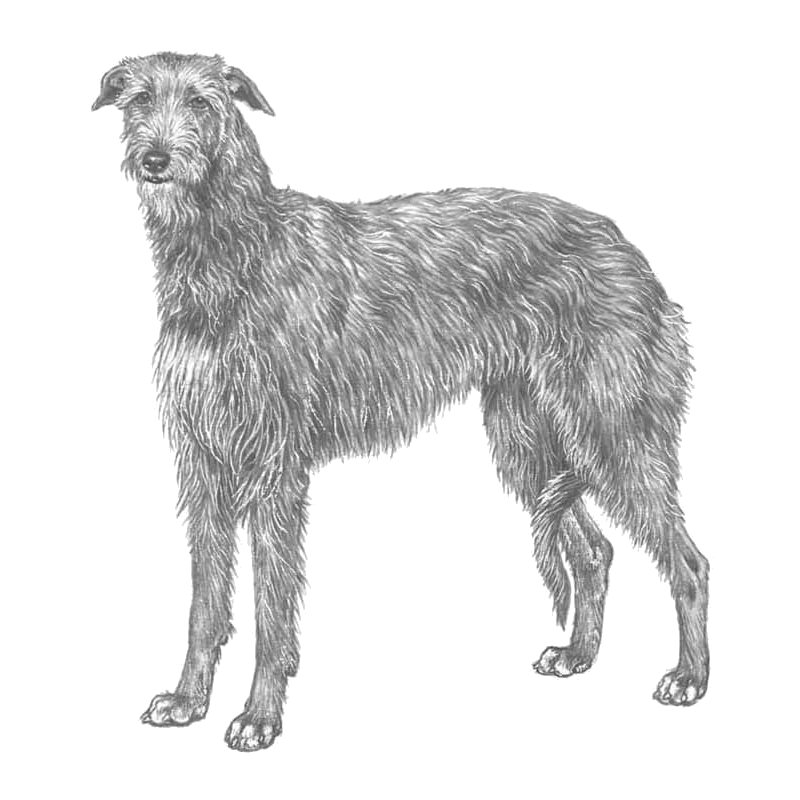
Large rough coated dogs of greyhound type have been known in Scotland for at least 500 years. Early in its history the breed was called the Scottish Wolfdog but as the wolf population began to disappear it was developed as a deer coursing breed.
-
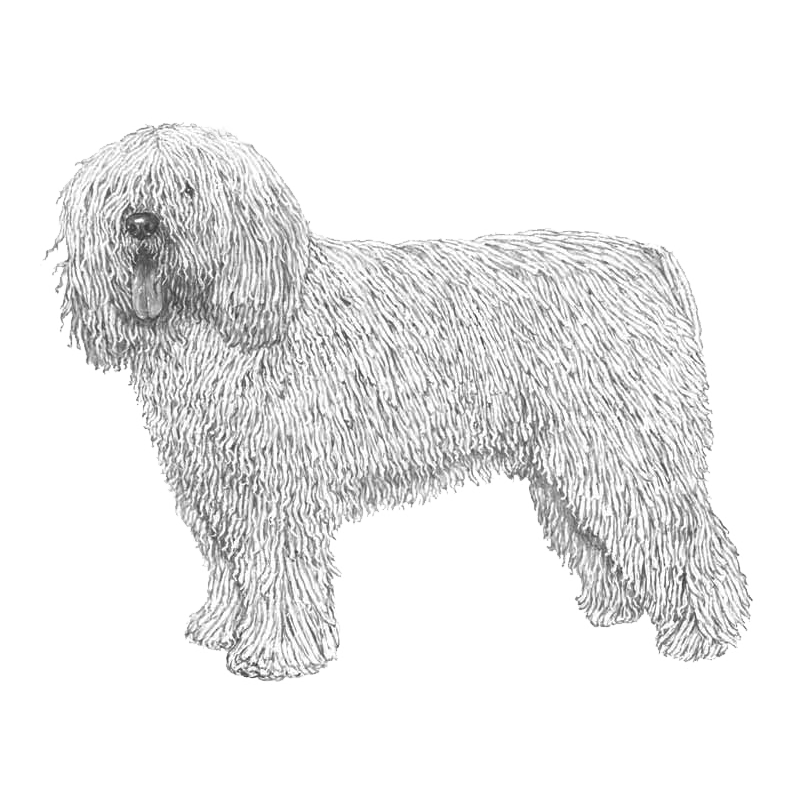
Although the Spanish Water Dog was primarily a retriever of wildfowl, he has also traditionally been used as a herder of sheep. His thick coat, a feature of the breed, requires clipping once or twice each year.
(Source: The Kennel Club)
-
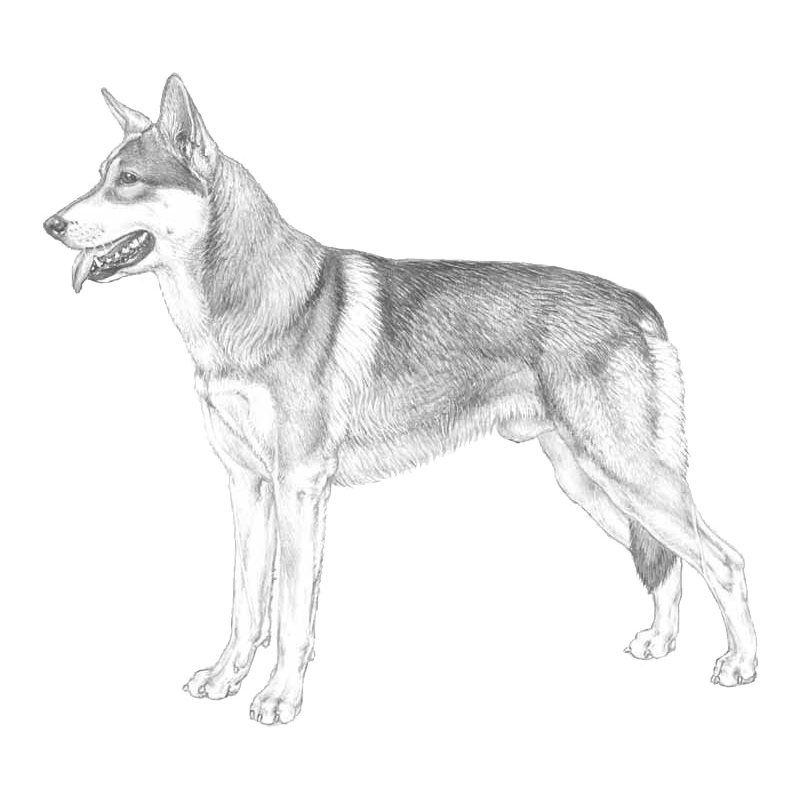
The Saarlooswolfhond was developed in the Netherlands by Leendert Saarloos. The breed is based on cross breeding German Shepherd Dogs and wolves.
In 1975, the breed was recognized by the Dutch KC, and in 1977 by the FCI. The breed standard dates from November 1981 and was modified in 1993.
Considered a rare breed, the Saarlooswolfhond is a strongly built dog whose outer appearance (body build, movement and coat) are reminiscent of a wolf. The breed is devoted and reliable with its master but suspicious of strangers. A natural, wolf-like reserve and desire to flee from unknown situations is typical of this breed.
-
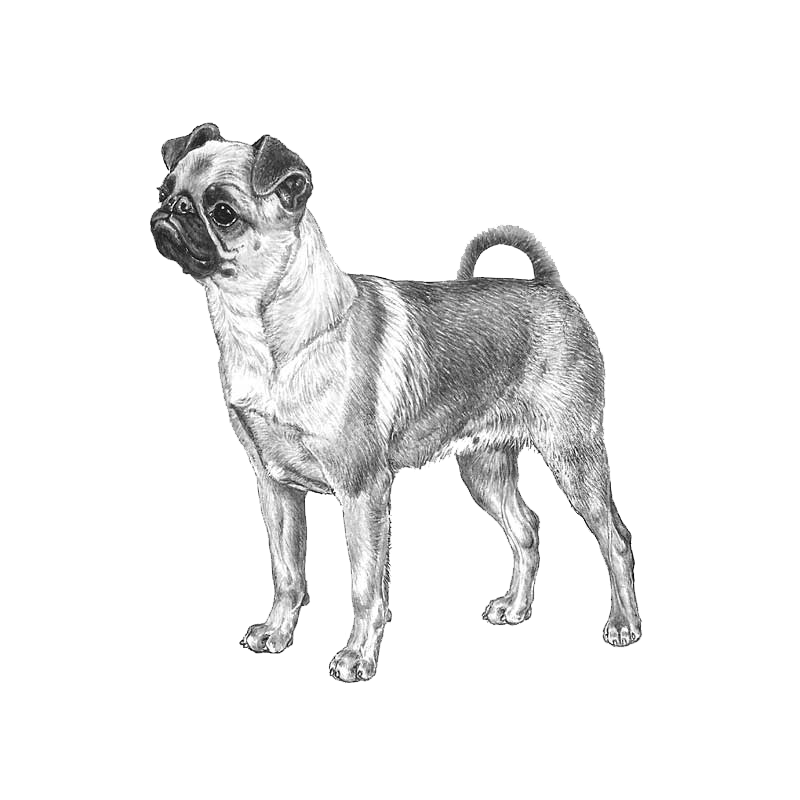
The Petit Brabançon is a small companion breed that was originally developed from ratters working in the stables of Belgian carriage men. The Fédération Cynologique Internationale (FCI) recognize them as one of three different breeds of griffon from Belgium, the other two being Belgian Griffon and Brussels Griffon. The American Kennel Club and Kennel Club recognize all varieties as a single breed.
Source: Worldly Dogs
Breed variants should be treated as a breed. All three breeds can be paired with each other and can be born in the same litter. Griffon bruxellois, griffon belge and petit brabançon are only separated by color and coat: Griffon Bruxellois (Brussels Griffon)- Rough-haired / red; Griffon Belge (Belgian Griffon)
Shaggy / black or black and tan; Petit Brabancon short haired / red, black or black and tan