






Pedigree Breeds
184 entries in this category
-
- Last comment date
- Title
- Start Date
- Most Commented
- Most Viewed
- Last Updated
- Publish Date
- Brief Description
- Content
- Links to Breed Descriptions
- Other Names for Breed
- Country of Origin and Parent Breed Club
- Health and Well-Being
- Breed-Specific Articles
- Breed Standards
- Breed-Specific Statistics
- Breeding/Health Strategy Documents
- Breed-Specific DNA Tests
- Other Breed-Specific Webpages
- Breed-Specific Research
- Breed Clubs
- Custom
-
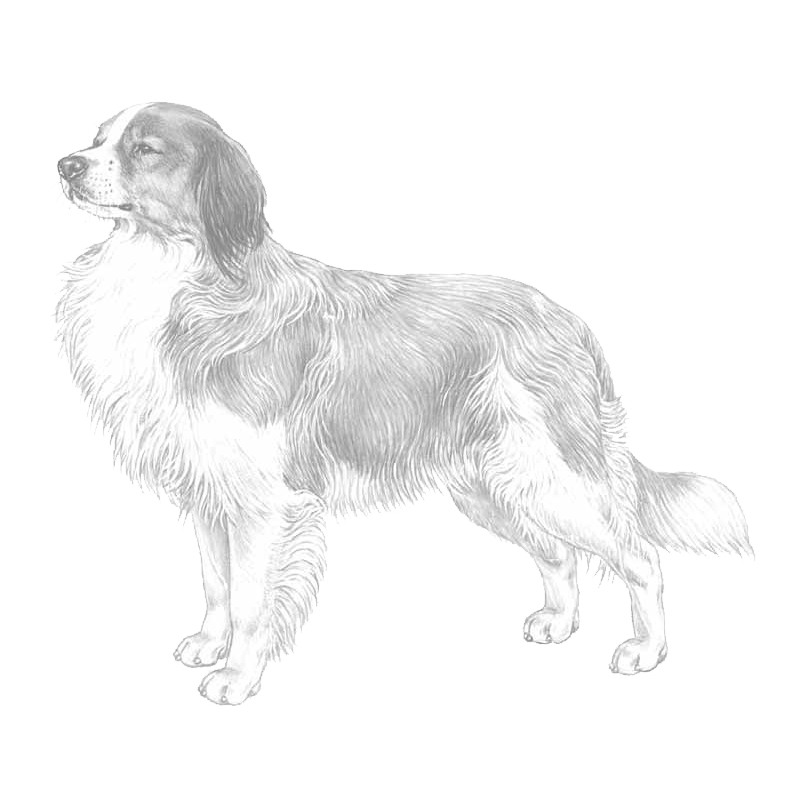
A Dutch breed which works with hunters as a decoy to attract ducks by waving its white plumed tail and lures them along streams where they are eventually trapped in nets. The orange/red of its parti-coloured coat is thought by some to be associated with the Royal House of Orange and Dutch historians tell of the ‘Kooiker’ which saved Prince William of Orange by barking loudly when intruders entered the royal chambers.
Source: https://www.thekennelclub.org.uk/services/public/breed/display.aspx?id=2170
-
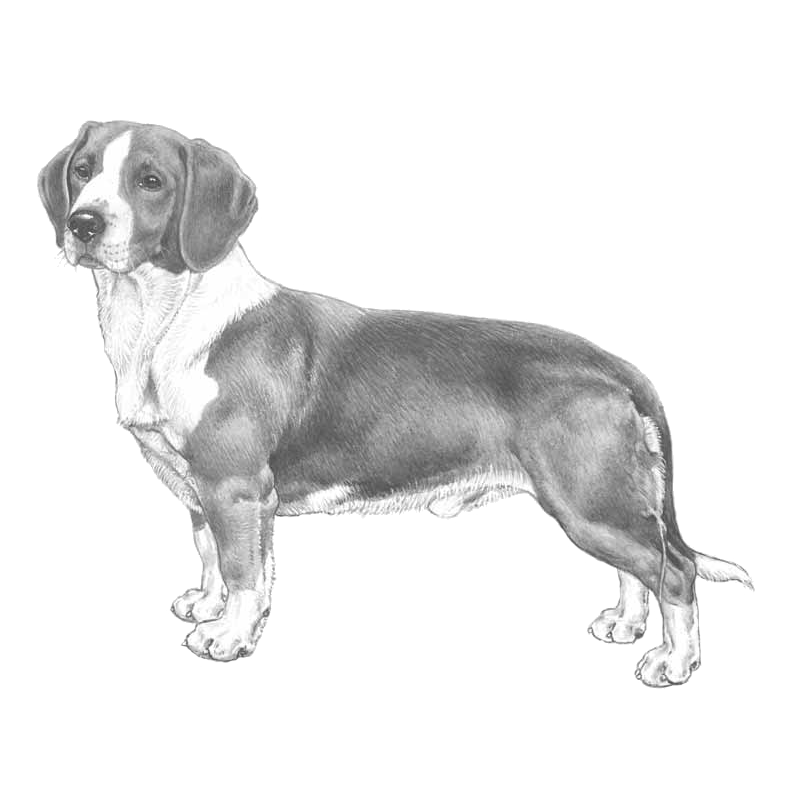
The Drever is a breed of dog, a short-legged scenthound from Sweden used for hunting deer and other game.
Source: Wikipedia
-
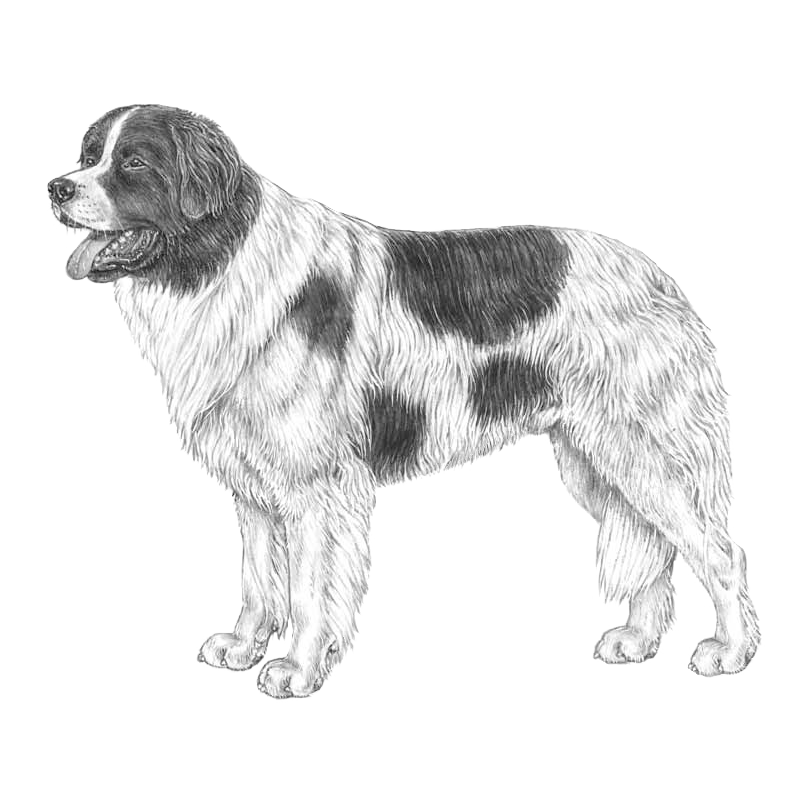 NOTE: LANDSEER ECT is not the same breed of dog as the black and white 'Landseer' Newfoundland Newfoundland - Landseer History Newfoundland, Landseer or both? Actually, there are 3 versions: The American Newfoundland Landseer, the European Newfoundland Landseer and the European Landseer ECT. The USA (AKC) recognizes both European and American Newfoundland Landseers but does not recognize the 3rd version, the Landseer ECT, as a version of the Newfoundland or even as a b
The Federation Cynologique Internationale (FCI) recognized the Landseer as a distinct breed in 1960. In countries not affiliated with the FCI, such as Canada, the U.S. and the UK, the white and black Newfoundland is still referred to as a Landseer (descriptive); everywhere else, it is a white and black Newfoundland. Between 1945 and 1960 the Landseer Continental Type was bred as a part of the Newfoundland Clubs in Europe. As the dogs had many differences to the Newfoundland and the popularity of the Landseer ECT grew, the breed was recognized as a separate breed.
Source Wiki: https://en.wikipedia.org/wiki/Landseer_%28dog%29
-
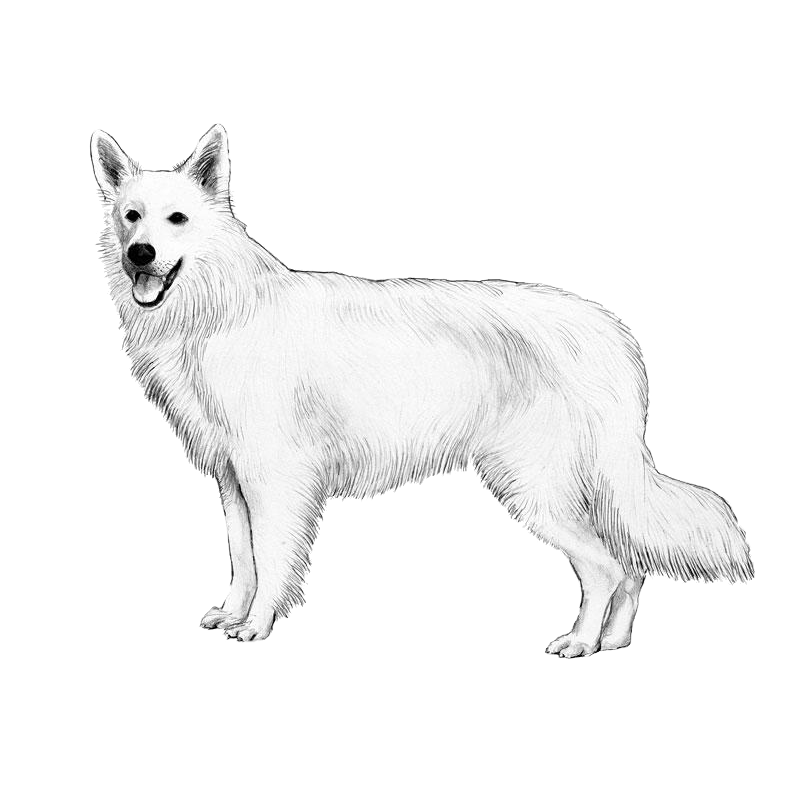
The Berger Blanc Suisse (English: White Swiss Shepherd, German: Weisser Schweizer Schäferhund, Italian: Pastore Svizzero Bianco) is a breed of dog from Switzerland. It is of the same origins as the White Shepherd and the German Shepherd Dog, and has been recognized as a separate breed by the FCI.
-
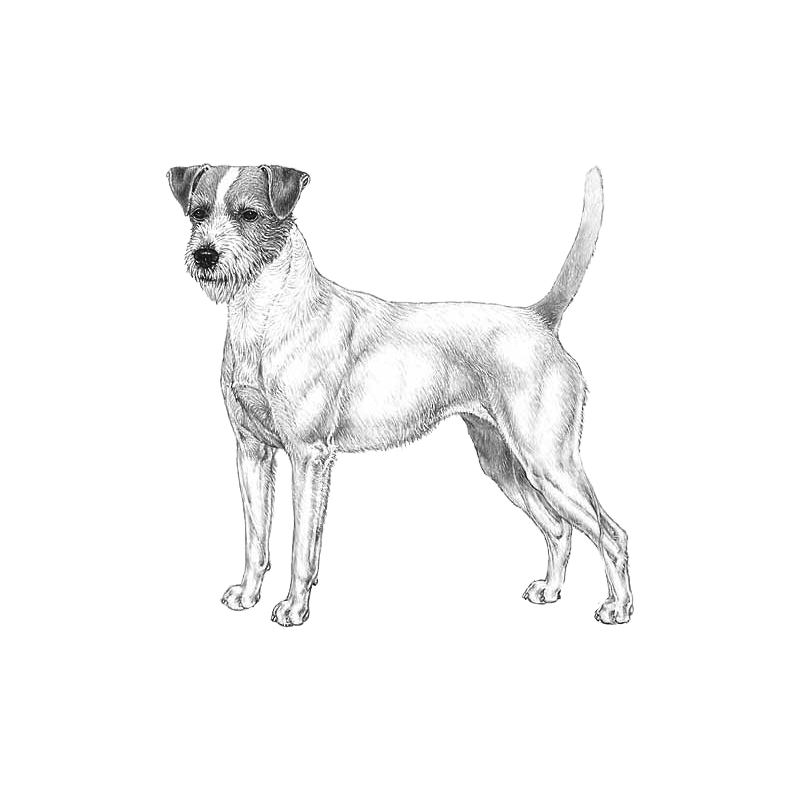
The Parson Russell Terrier was bred to go to ground and was often used as the earth dog for badger or fox. It is said that he had to be a handy size to go to ground, but also had to possess stamina and be sufficiently racy to keep up with hounds...The Breed was formally recognised by the Kennel Club in 1990 as the Parson Jack Russell Terrier. However, in 1999, the breed name was changed to the Parson Russell Terrier to differentiate the two breeds. The Parson Russell is now well established in the show ring and retains its working abilities as a ‘fox’ terrier.
Source: https://www.thekennelclub.org.uk/search/breeds-a-to-z/breeds/terrier/parson-russell-terrier/
-
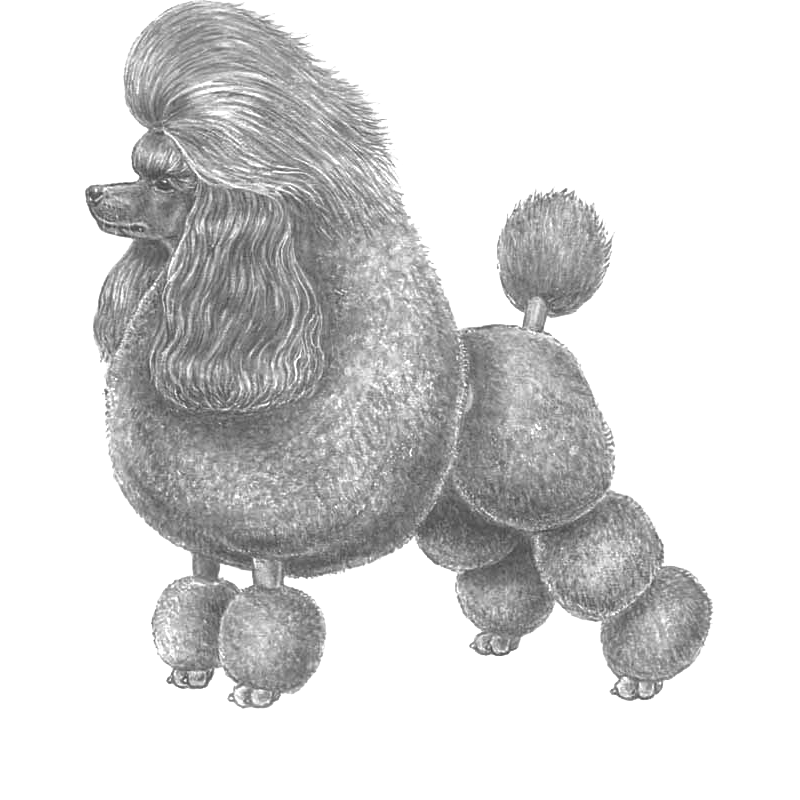
Originally the medium poodle was bred to be a hunting dog, specializing in retrieving birds from water. Today's dogs are versatile companions that compete in different dog sports/performance events. Poodles are well known competitors in the conformation show rings. The medium poodle is recognized by F.C.I. in European countries along with the other poodle sizes; variety data is from same resources. Size for the medium poodle is listed in the F.C.I. breed standard as between 35-45 cm. The AKC and UK Kennel Club do not recognize the medium poodle.
-
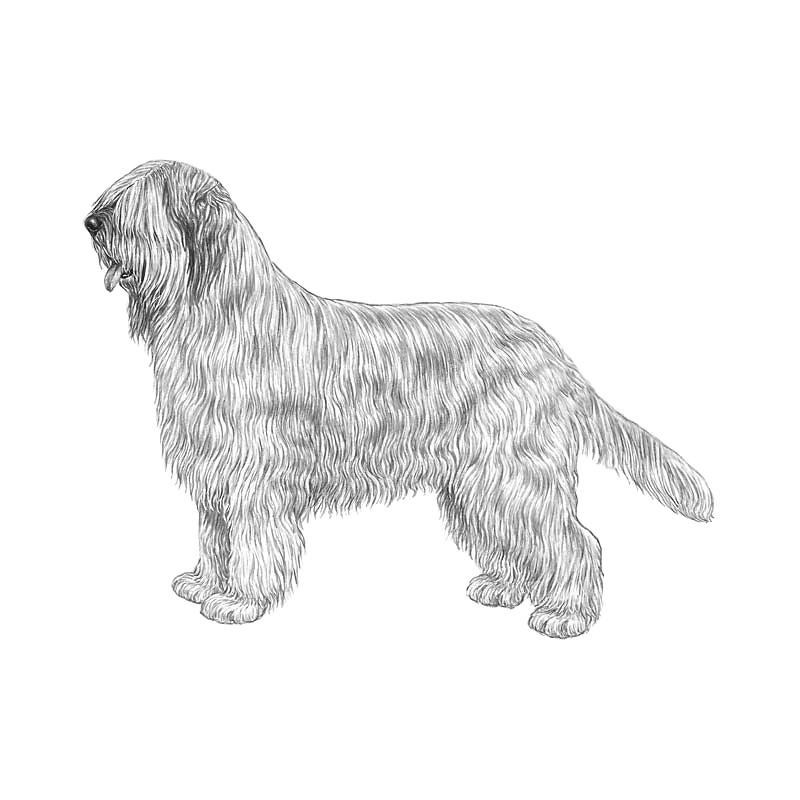
The Briard is an ancient breed of large herding dog, originally from France.
Source: Wikipedia
-
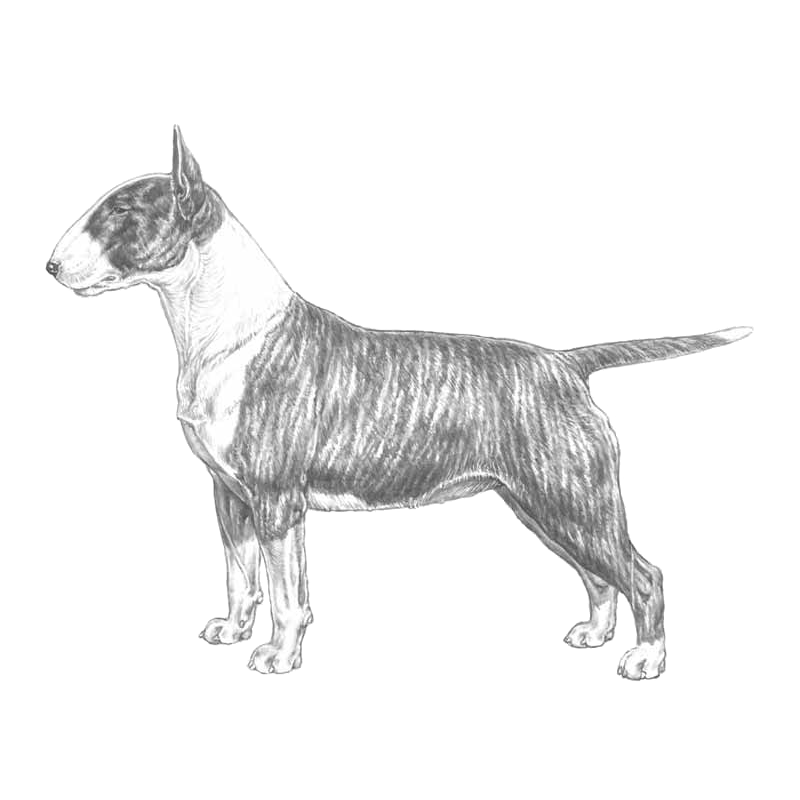
The Bull Terrier is a breed of dog in the terrier family. There is also a miniature version of this breed which is officially known as the Miniature Bull Terrier.
Source: Wikipedia
-
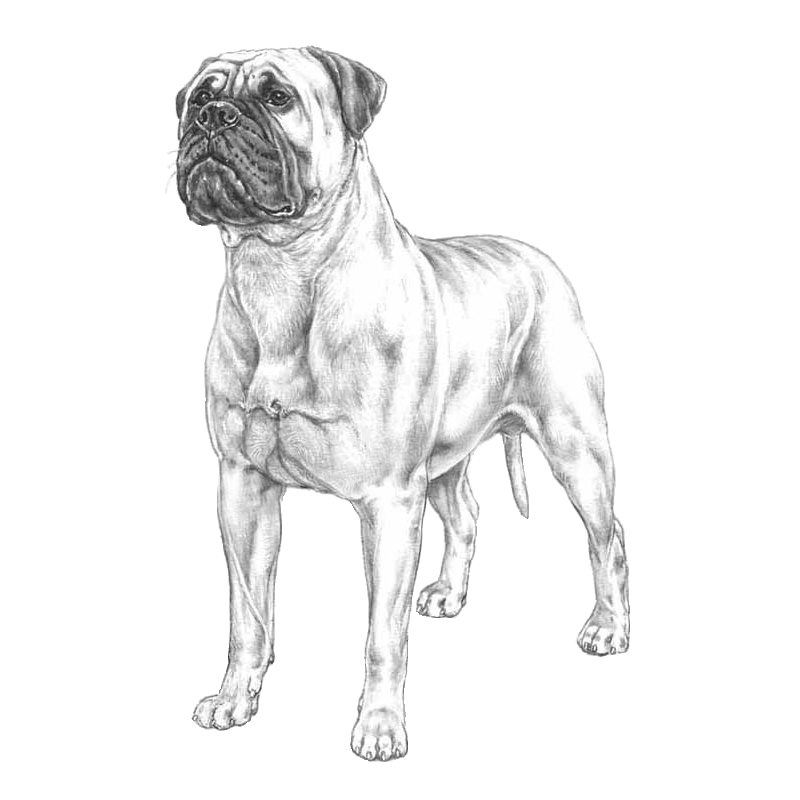
A British breed evolved from the Old English Mastiff and the Bulldog. Primarily used as a guard dog and, in olden times, to help the gamekeeper in the apprehension of poachers.
Source: The Kennel Club