






Pedigree Breeds
184 entries in this category
-
- Last comment date
- Title
- Start Date
- Most Commented
- Most Viewed
- Last Updated
- Publish Date
- Brief Description
- Content
- Links to Breed Descriptions
- Other Names for Breed
- Country of Origin and Parent Breed Club
- Health and Well-Being
- Breed-Specific Articles
- Breed Standards
- Breed-Specific Statistics
- Breeding/Health Strategy Documents
- Breed-Specific DNA Tests
- Other Breed-Specific Webpages
- Breed-Specific Research
- Breed Clubs
- Custom
-
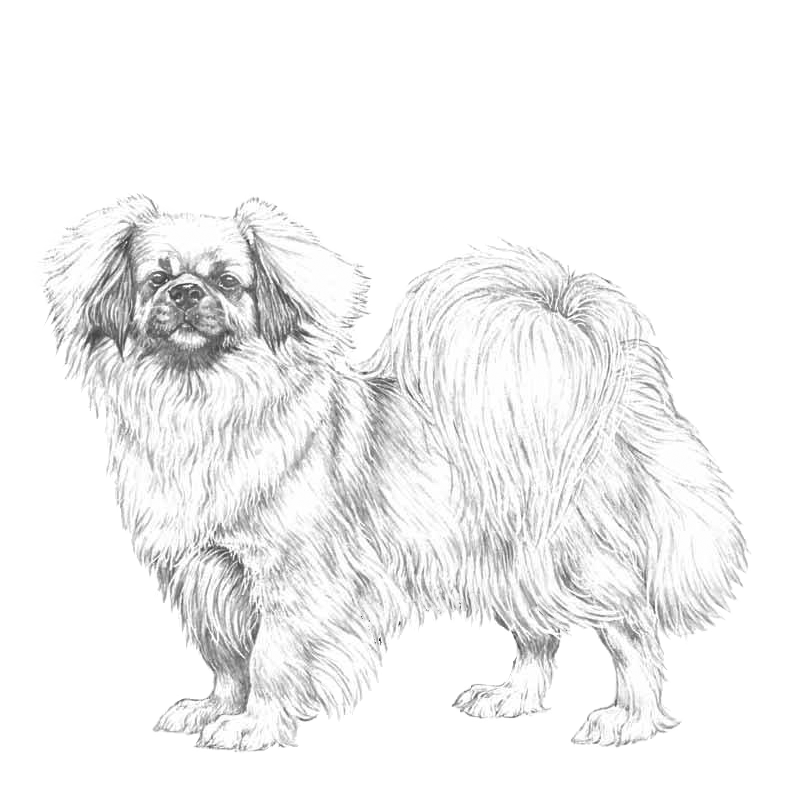
The Tibetan Spaniel is a breed of assertive, small, intelligent dogs originating over 2,500 years ago in the Himalayan mountains of Tibet. They share ancestry with the Pekingese, Japanese Chin, Shih Tzu, Lhasa Apso, Tibetan Terrier and Pug.
-
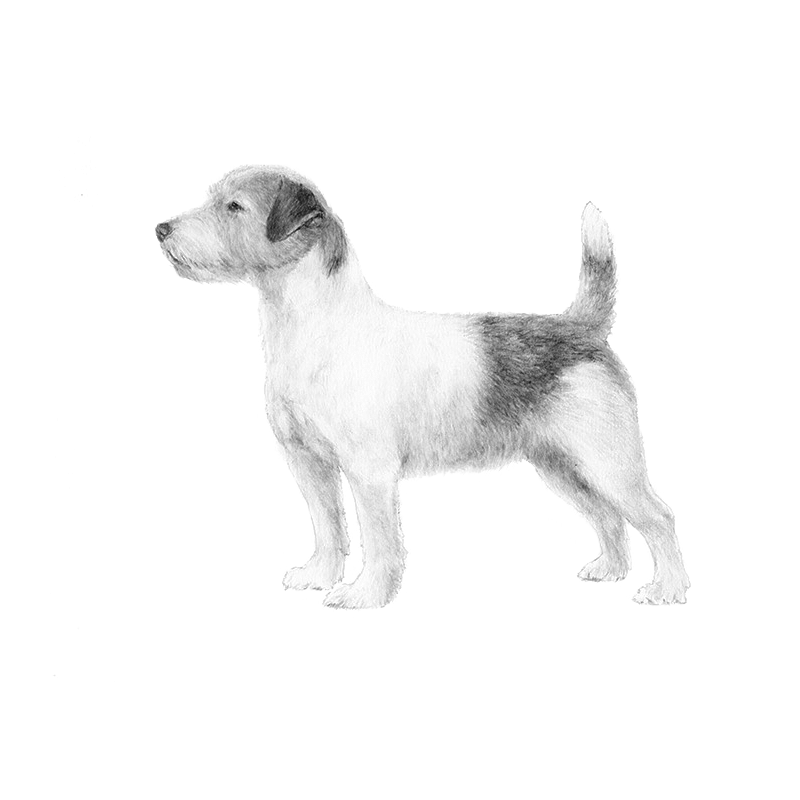
The Russell Terrier is a strong, hardy, earth-working Terrier. He is full of life and moves with confidence that matches his keen expression. The breed's handy size, small flexible chest, nose, strong voice and fearless nature make it an excellent specimen to work vermin below ground. Its weatherproof coat may be smooth, broken or rough and is predominantly white with tan and/or black markings.
-
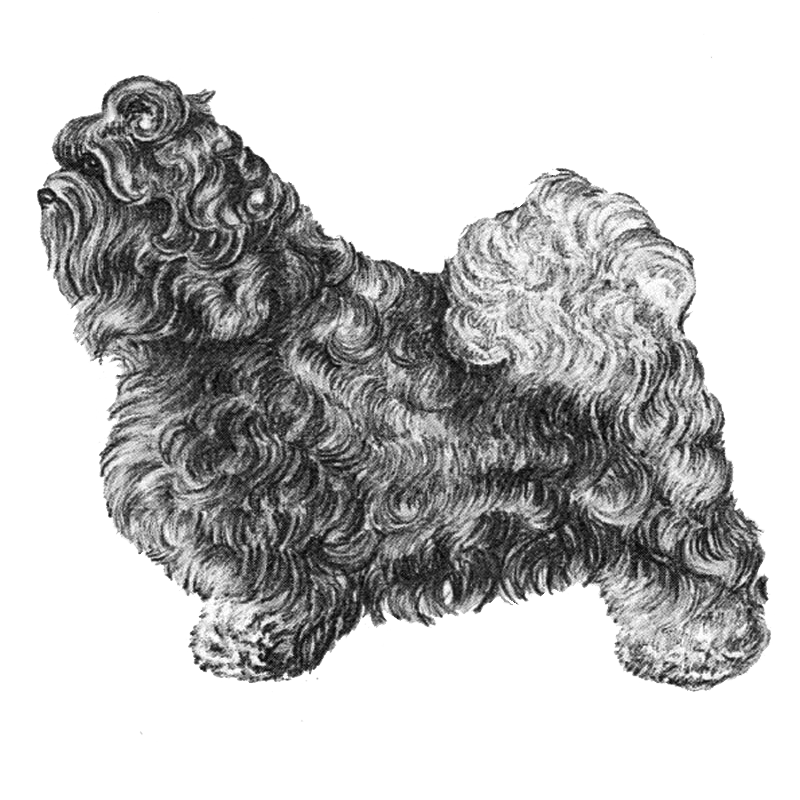
The creation of the breed started in 1951 in Leningrad. Following breeds Bolognese, Shih-Zzu, Lhasa-Apso were involved in the creation of the RUSSKAYA TSVETNAYA BOLONKA. 1
Developed to be the ultimate house pet and companion, the Tsvetnaya Bolonka is a small, sturdy, balanced dog, slightly longer than tall. The breed has a wavy or curly coat. He moves gracefully with the tail carried over the back or to either side. He is friendly to all and shows no sign of aggression. He is sweet, loving, intelligent, and willing to please. 2
Sources:1 FCI-RKF Breed Standard: Translation: Karin Biala-Gauß;
-
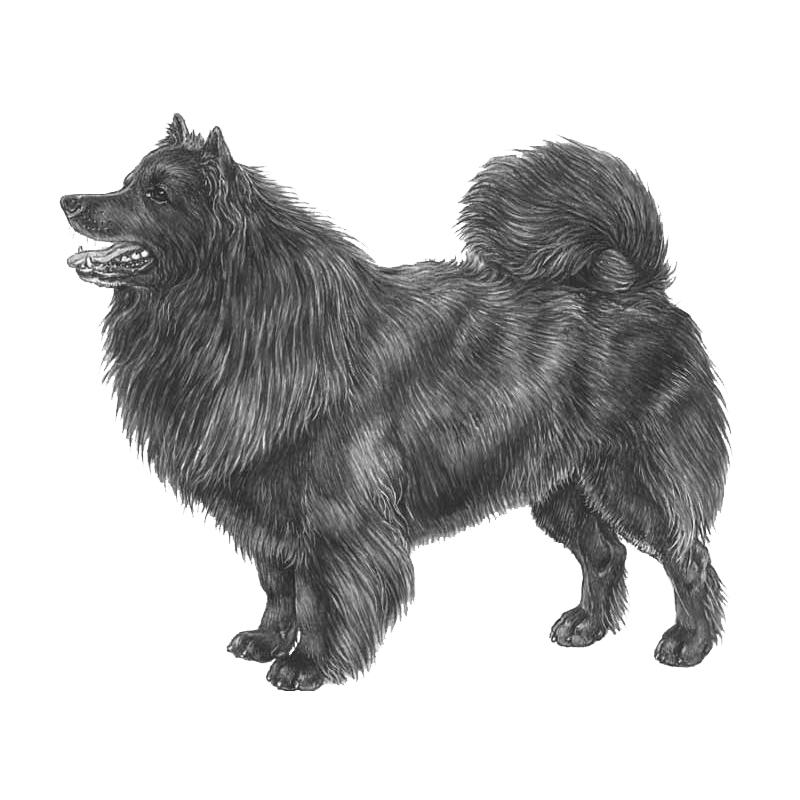
The Lapphunds are mainly known as the reindeer-herder but they were originally used as hunting dogs. The rearing of reindeer in a businesslike manner is relatively new. Most probably it was the Sami tribes that long ago brought the dogs with them to the Northern parts of Scandinavia. The authentic Lapphund was facing extinction in the beginning of the 20th century.
Source: Swedish breeds of dogs: http://www.skk.se/global/dokument/hundrasguiden/svenska-raser.pdf
The Swedish Lapphund is the oldest of the native Swedish breeds with a history dating back thousands of years. Believed to be descended from the ancient Nordic spitz, it is one of the oldest known breeds in existence today.
-
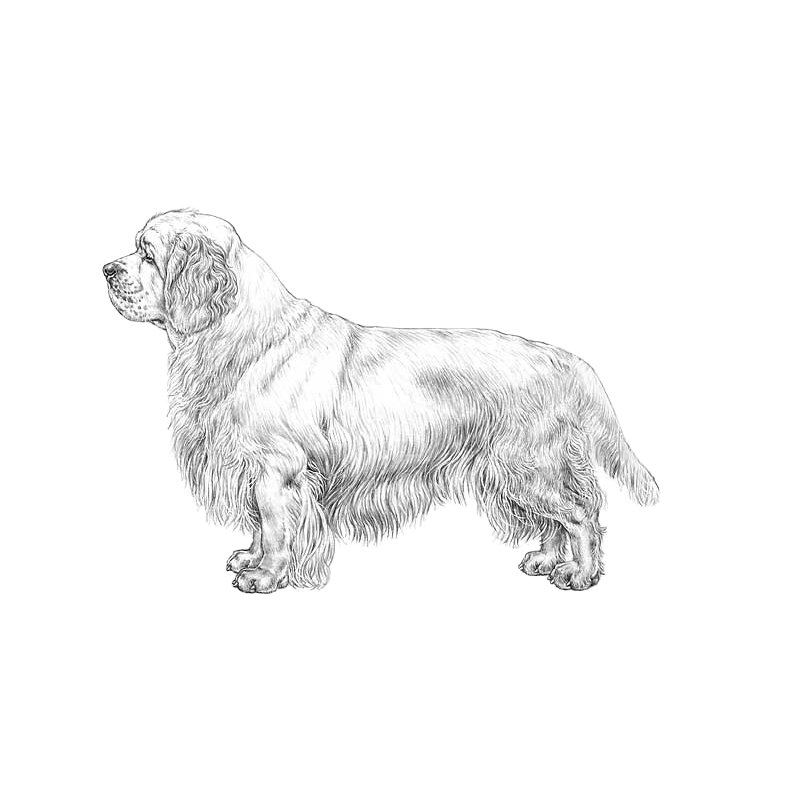
Said to have come in the first place from France more than 200 years ago, the Clumber was brought to Great Britain by the Duke of Newcastle and bred at his family home of Clumber Park in Nottinghamshire.
Source: The Kennel Club
-
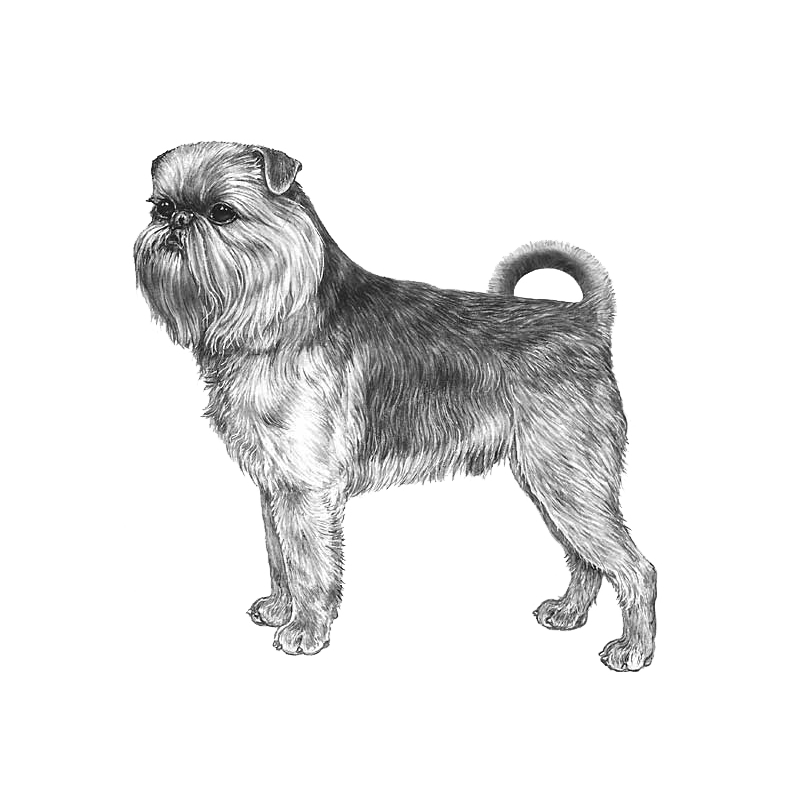
At one time known as the Belgian street urchin, this breed originated in Belgium and has traces of Affenpinscher in its ancestry. A variety of this little dog appeared in a painting by the Flemish artist Jan van Eyck as long ago as 1434 and the breed was already standard in type by the 1600s. He used to earn his keep as a stable dog where horses for hansom cabs were kept. He arrived in Britain in the late 1800s.
Source: The Kennel Club
-
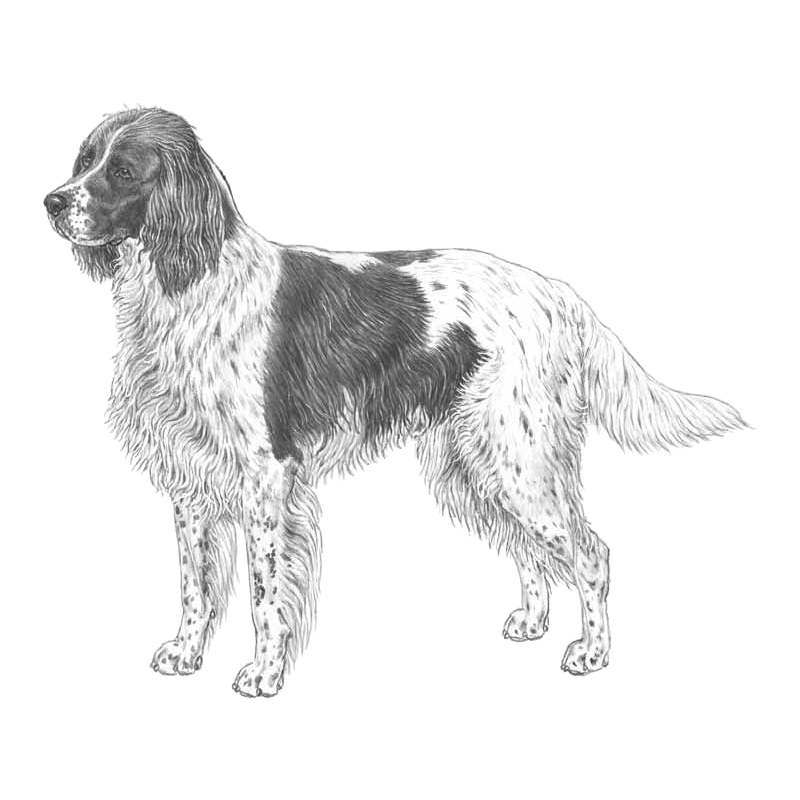
The French Spaniel (Epagneul Français) was developed in France as a hunting dog, descended from dogs of the 14th century.
(Source: AKC)
-
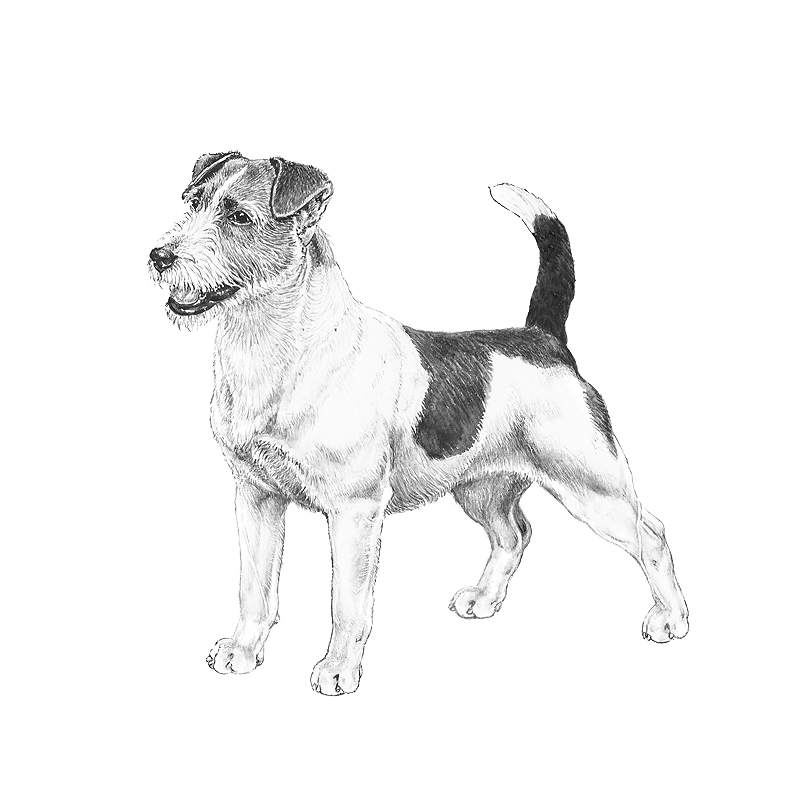
Jack Russell terriers are tough, tenacious, athletic, and super friendly. This energetic dog was bred to be a working dog and still displays the cleverness that made it a highly-sought after hunting dog back in the early 19th century.
Source: https://www.petinsurance.com/healthzone/pet-articles/pet-breeds/5-Things-You-Didnt-Know-About-Jack-Russell-Terriers.aspx
-
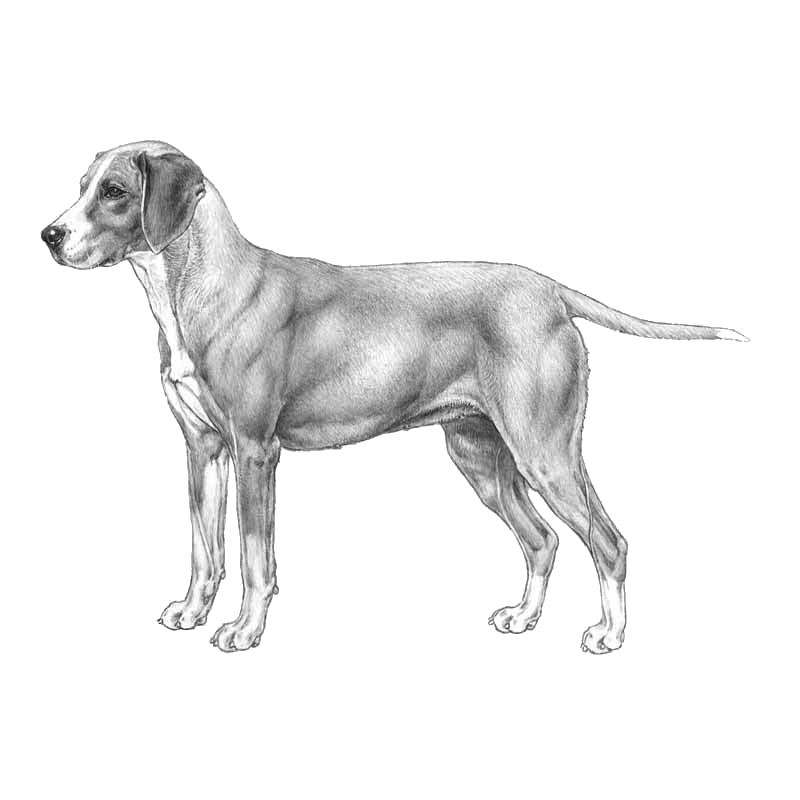
The Gotlandsstövare is rectangular in body, noble but with an impression of strength and endurance. Gotlandsstövaren is a driving hunting dog for hunting hare and fox. The race also serves as a companion provided that you take into account its strong hunting instinct and big business needs.
Source: http://www.skk.se/sv/hundraser/gotlandsstovare/?breed=Gotlandsstövare
-
A Dutch breed which works with hunters as a decoy to attract ducks by waving its white plumed tail and lures them along streams where they are eventually trapped in nets. The orange/red of its parti-coloured coat is thought by some to be associated with the Royal House of Orange and Dutch historians tell of the ‘Kooiker’ which saved Prince William of Orange by barking loudly when intruders entered the royal chambers.
Source: https://www.thekennelclub.org.uk/services/public/breed/display.aspx?id=2170
-
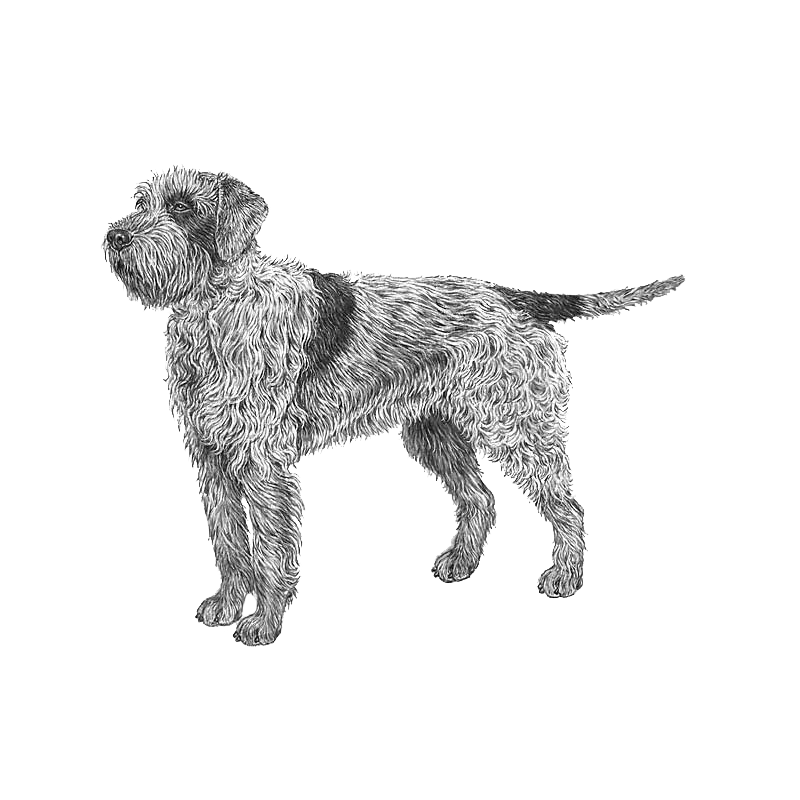
Medium sized and bred to cover all terrain encountered by the walking hunter, the Wirehaired Pointing Griffon has been called the "4-wheel drive of hunting dogs" as he will enter briars or underbrush without hesitation. Griffs excel equally as pointers in the field and as retrievers in the water. Their coarse double coat protects them in rough cover and gives them an unkempt appearance.
Source: AKC
-
The Pekingese is an aristocrat, whose ancestry can be traced back to the Tang Dynasty. Similar dogs had been known in China since the eighth century, but by the early 1800s they had become the favourites of the Imperial court and no commoner was allowed to own one. However, following the British sacking of Peking in 1860, four were found and brought back to England. Subsequently, others were obtained by more normal means. The Pekingese was accepted for registration in the USA in 1909 and in the UK the following year.
Source: The Kennel Club (Patronage): https://www.thekennelclub.org.uk/search/breeds-a-to-z/breeds/toy/pekingese/
-
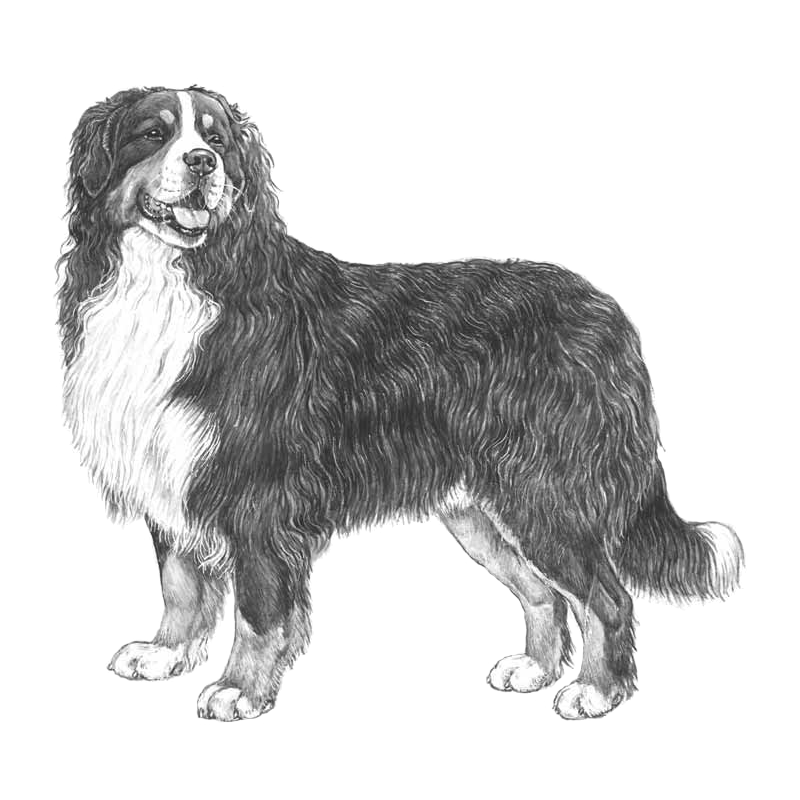 Bernese Mountain Dogs were originally found in the valleys of the Bernese Oberland of Switzerland and were used as general multi purpose farm dogs. They were draught dogs pulling cart loaded with produce to market, items such as basket ware, cheese, or milk to the local dairy. The carts were also decorated for village festivals and celebrations which still puts the dogs as centre of attention today. They were also employed in helping to herd sheep and cattle to and from the mountain pastures. Al
They are one of 4 tri-coloured Swiss Mountain Breeds, (Appenzeller, Entlebucher and Great Swiss Mountain Dog being the other), but are the only one with longer coat. The Bernese is still popular in Switzerland generally but especially in the hills of the Bernese Oberland.
-
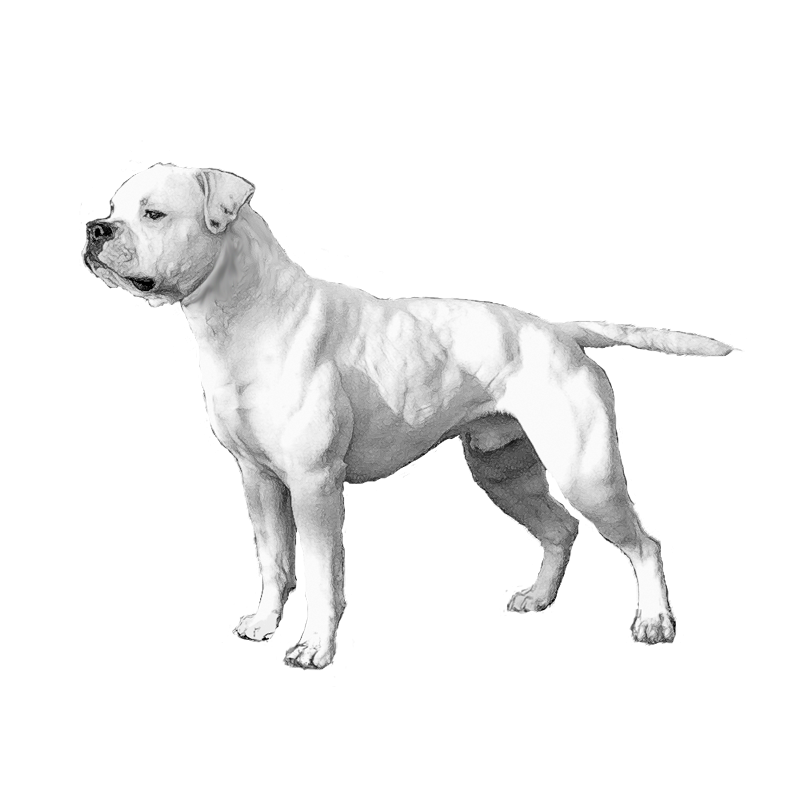
The American Bulldog is a powerful, athletic short-coated dog, strongly muscled, and well boned. The body is just slightly longer than tall. The head is large and broad, with a wide muzzle. Ears are small to medium in size, high set, and may be drop, semi-prick, rose, or cropped. The tail may be docked or natural.
The two men who are recognized as the pioneers of bringing the breed back from possible extinction are John D. Johnson and Alan Scott.
Source: https://www.ukcdogs.com/american-bulldog
Source: https://www.akc.org/dog-breeds/american-bulldog/
-
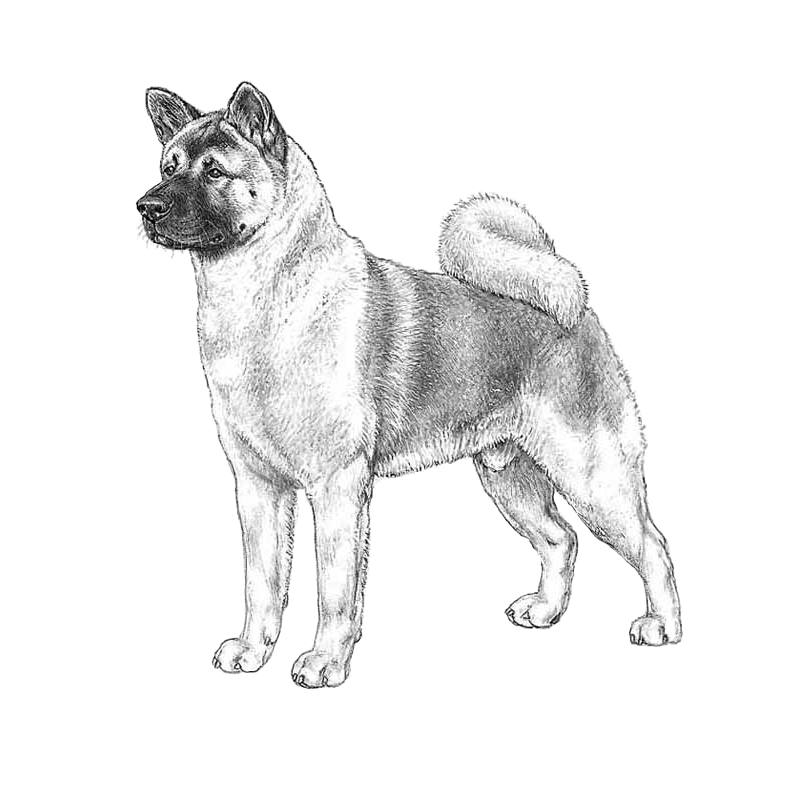
The American Akita is a large, powerful working dog. The dogs are very intelligent, extremely loyal, and can sometimes show an "aggressive" streak, almost exclusively towards dogs of the same sex. American Akitas are not aggressive towards people, but have a highly developed guard and protection instinct. American Akitas also have a strong hunting instinct and may regard small animals as prey to be hunted. Some do not show signs of affection towards people who are not members of their family or people they see regularly.
The American Akita is not hyperactive and adapts to a sedentary life, but it is important for his health that he exercises regularly.
Source: http://www.club-aacf.fr/description.html
-
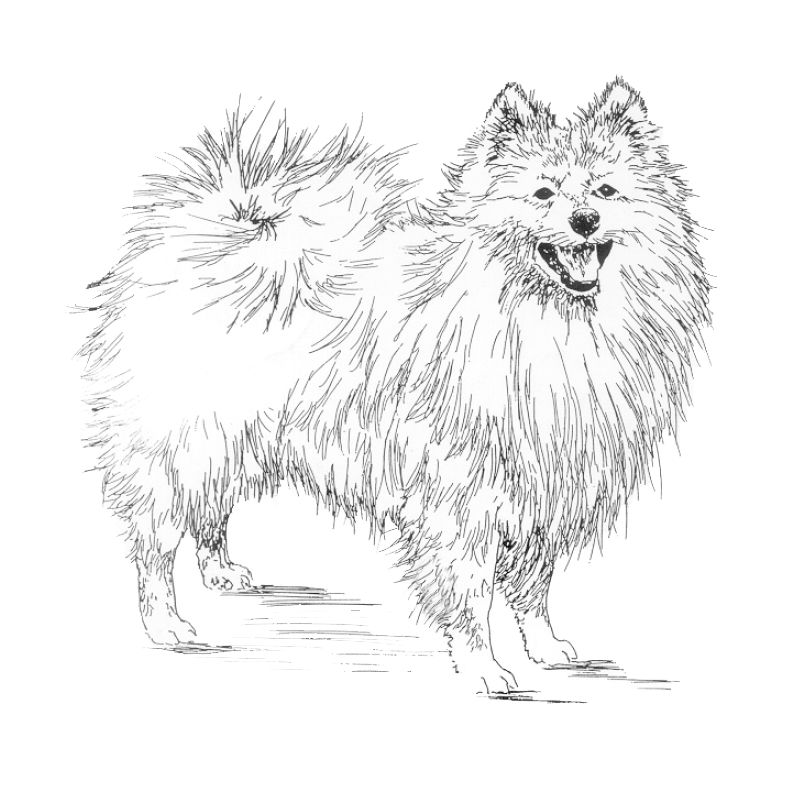
Historically, the German Spitz was primarily used as a working dog on farms. He is usually stubborn and independent, so you will have to establish yourself as a dominant leader through persistent obedience training. Mittelspitz is often curious and will definitely try to explore the surroundings whenever he gets a chance. This is a very agile breed, kept as companions or family pets, known to be good watchdogs with bold and fiery personalities.
All German Spitz dogs share some common characteristics, such as intelligence, agility, cheerfulness, playfulness, alertness, loyalty, resourcefulness, boldness, independence, and curiosity.Source: Compiled from Primitive Dogs
-
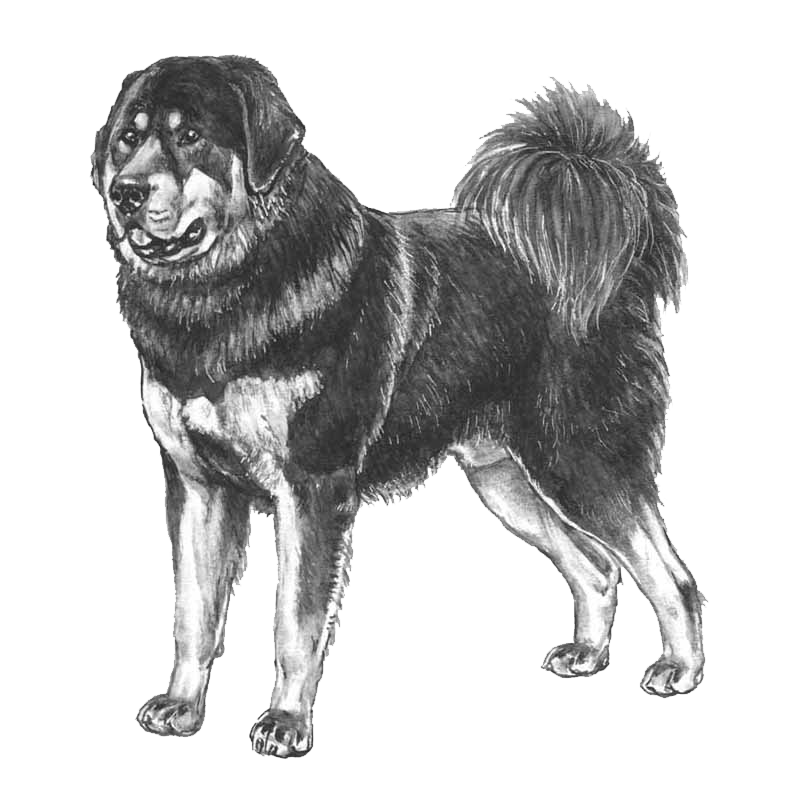
The Tibetan Mastiff (Do Khyi) is an ancient working breed of the nomad herders of the Himalaya and a traditional guardian of the Tibetan monasteries. Independent. Protective. Commands respect. Most loyal to his family and territory.
The dog itself is to be found all through central asia and has different names according to different locations. "The name Tibetan Mastiff is a misnomer; the Tibetan Mastiff itself is not a true Mastiff. The term "mastiff" was used by the Europeans who first came to Tibet because it was used to refer to nearly all large dog breeds in the West. A better name for the dog might be Tibetan mountain dog or, to encompass the landrace breed throughout its range, Himalayan mountain dog."
Source: F.C.I. Breed Standard (PDF)
Source: Wikipedia
-
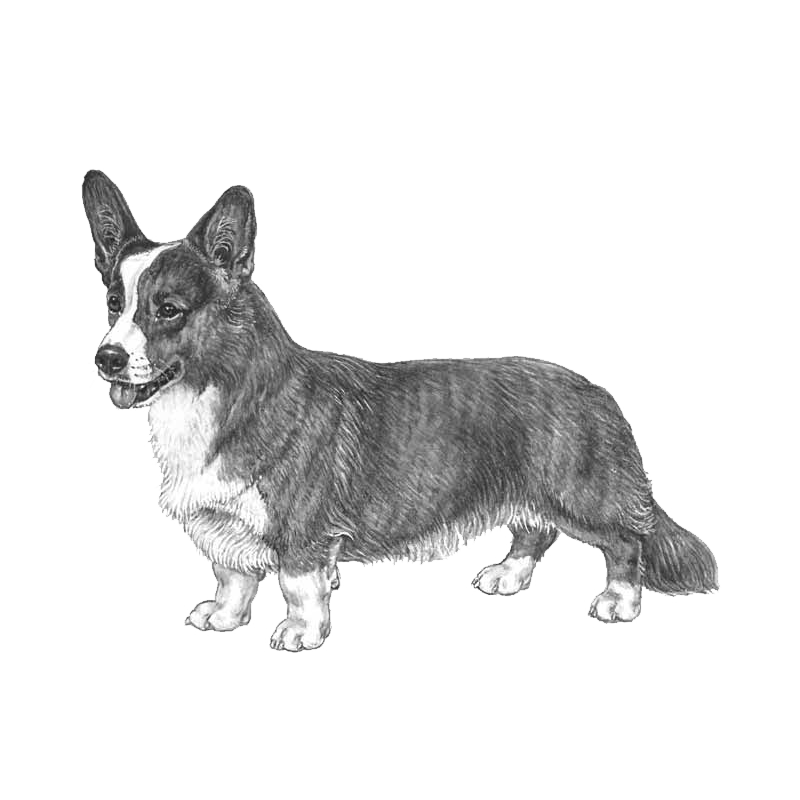
Welsh Corgis have historically been used as herding dogs, specifically for cattle. They are of the type of herding dog referred to as "heelers", meaning that they would nip at the heels of the larger animals to keep them on the move. Both Pembrokeshire and Cardigan are historically agricultural areas of Wales.
Source: https://en.wikipedia.org/wiki/Welsh_Corgi
The two Corgi breeds are named for those regions. Once interbred, the Kennel Club designated the different types as two distinct breeds in 1934. The Cardigan Welsh Corgi breed is listed by the Kennel Club in the current vulnerable breeds list. The breed is ranked by AKC at #68 of 195.
Source: https://www.thekennelclub.org.uk/search/breeds-a-to-z/breeds/pastoral/welsh-corgi-cardigan/
Also see: Pembroke Welsh Corgi https://dogwellnet.com/breeds/pedigreed/pembroke-welsh-corgi-r221/
-
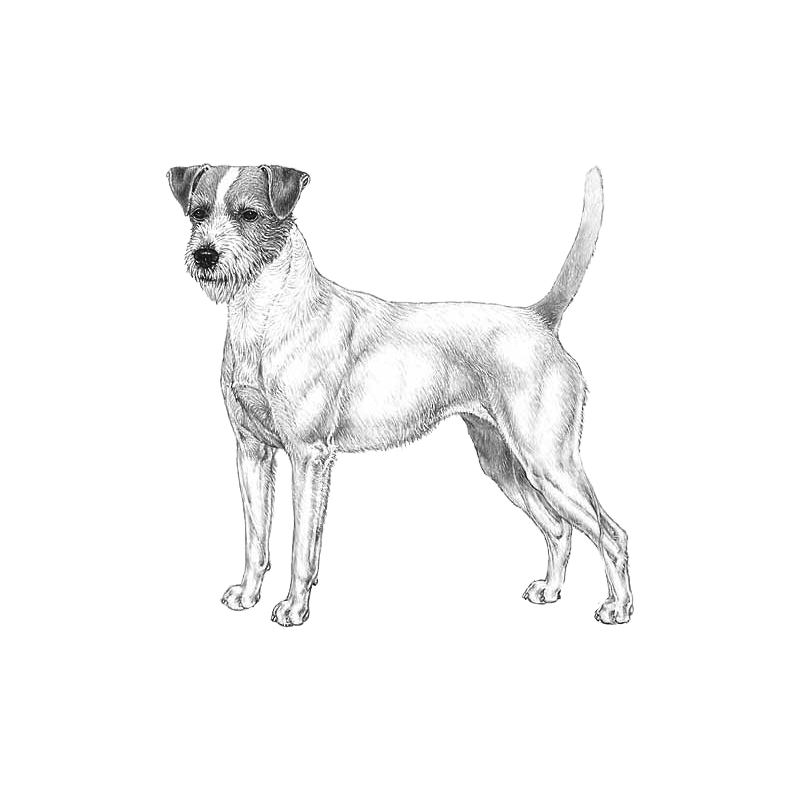
The Parson Russell Terrier was bred to go to ground and was often used as the earth dog for badger or fox. It is said that he had to be a handy size to go to ground, but also had to possess stamina and be sufficiently racy to keep up with hounds...The Breed was formally recognised by the Kennel Club in 1990 as the Parson Jack Russell Terrier. However, in 1999, the breed name was changed to the Parson Russell Terrier to differentiate the two breeds. The Parson Russell is now well established in the show ring and retains its working abilities as a ‘fox’ terrier.
Source: https://www.thekennelclub.org.uk/search/breeds-a-to-z/breeds/terrier/parson-russell-terrier/
-
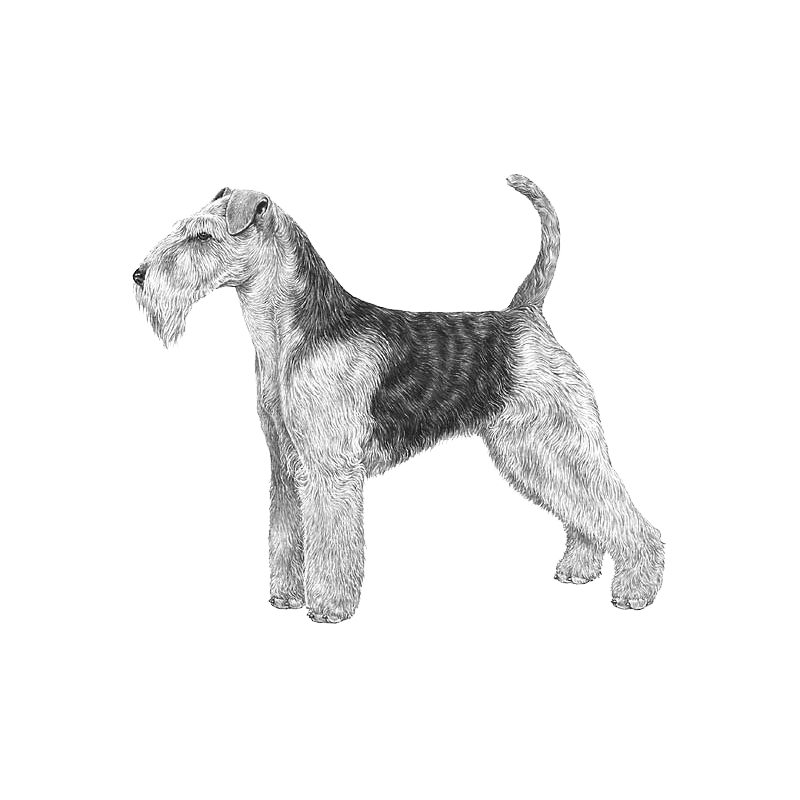
Originally used in hunting the fox, badger and even otter, the Welsh and Lakeland Terriers, which have considerable similarity, may well have had a common origin prior to the Roman invasion of Britain when their Celtic owners retreated to the Welsh mountains and the Lake District. He is a neat, workmanlike dog with a tight wiry coat normally of black and tan.
Source: IKC
-
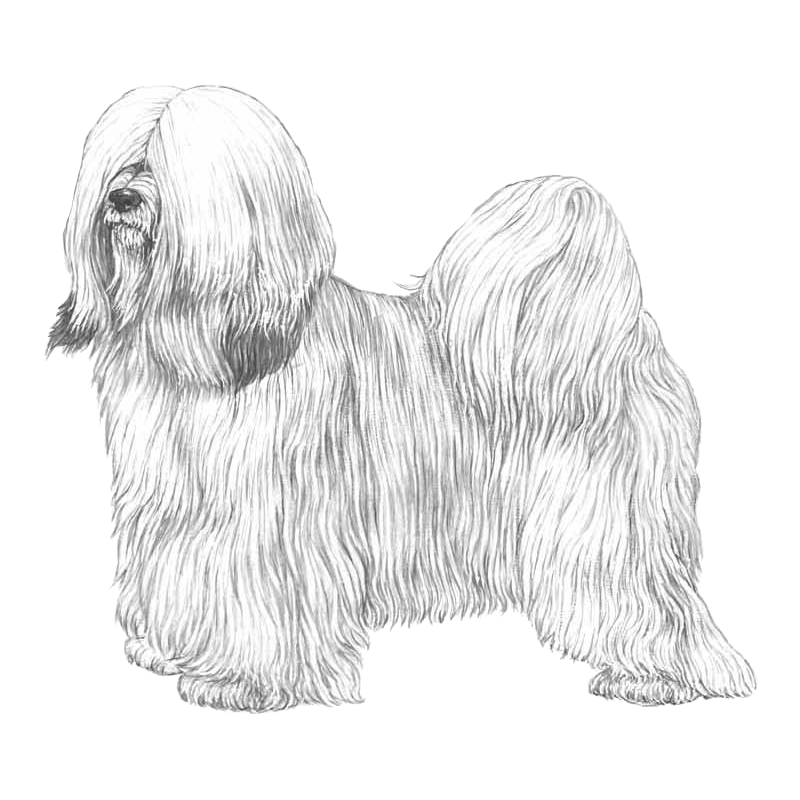
The Tibetan Terrier is a medium-size breed of dog that originated in Tibet. Despite its name, it is not a member of the terrier group. The breed was given its English name by European travelers due to its resemblance to known terrier breeds. The Tibetan name for the breed, Tsang Apso, roughly translates to "shaggy or bearded ("apso") dog, from the province of Tsang".
-
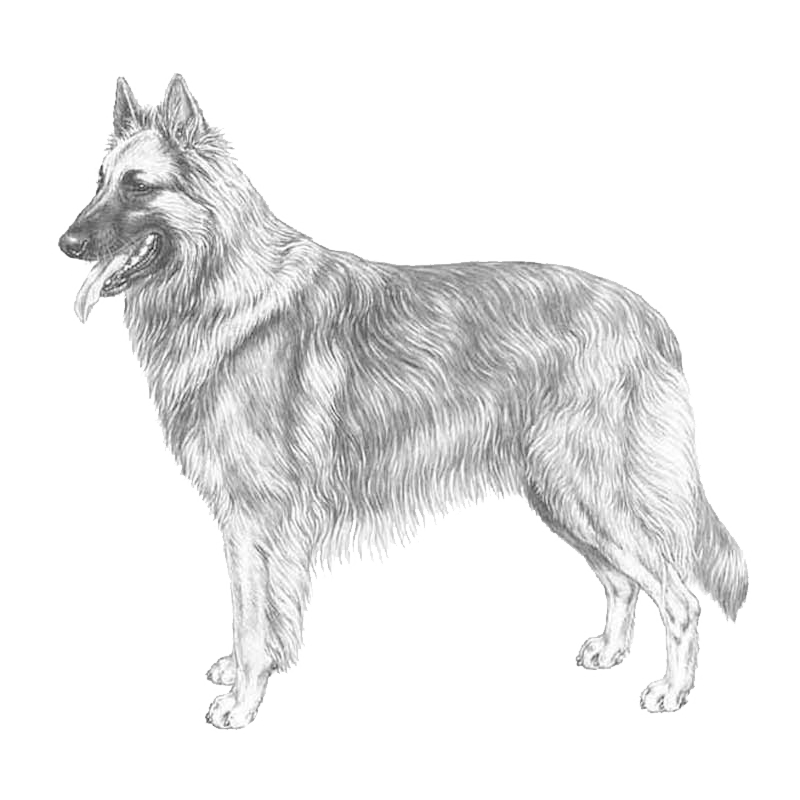
Originally the dogs were utilized on farms as herders and guardians; today’s Tervs are employed as military and police K-9s, as search-and-rescue, and as service dogs for the disabled as well as working companion that excel competing in a variety of dog sports.
NOTE: The Federation Cynologique Internationale (FCI) describes the Malinois, together with the Groenendael, the Laekenois, and the Tervueren, as varieties of the Belgian Shepherd dog breed. The American Kennel Club, however, officially recognizes the Belgian Malinois, the Belgian Sheepdog (FCI: Groenendael), the Belgian Laekenois (FCI: Laekenois), and the Belgian Tervuren (FCI: Tervueren) as four distinct breeds.
Source: https://www.ncbi.nlm.nih.gov/pmc/articles/PMC7140874/
-
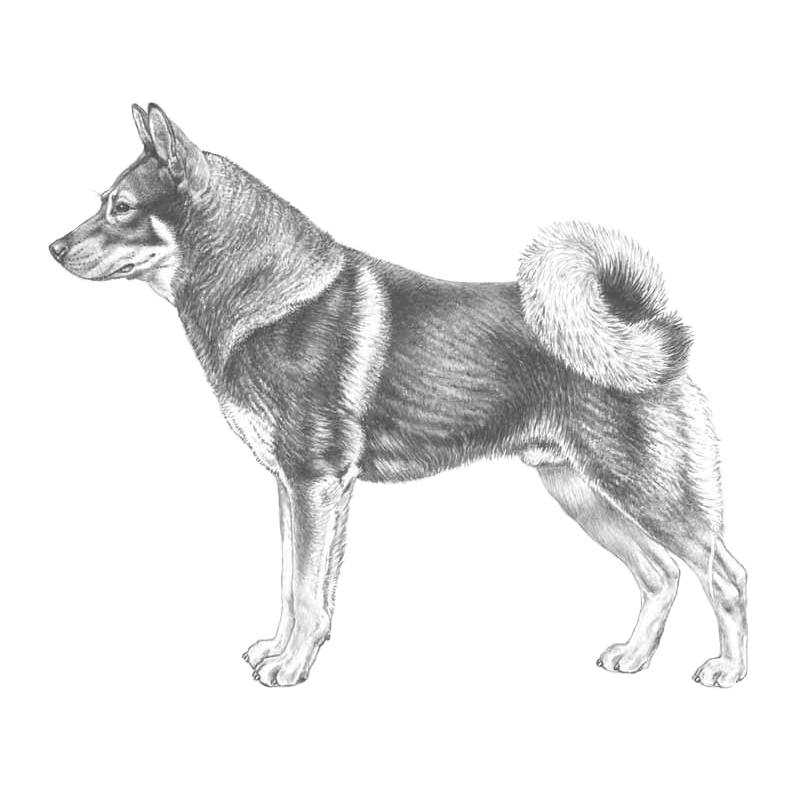
The Jämthund derives from a large hunting spitz found in the Forest region of the North barrier of Scandinavia and Russia. These spitzs’ probably came with the hunting tribes that migrated to Sweden thousands of years ago. Two types of wolf coloured spitz have been recognised in Scandinavia. The Norwegians decided in 1877 that the smaller was to be called Norwegian Elkhound. The large variety that was mainly known in the Swedish county of Jämtland did not match the standard for Elkhound on several points, especially not for size.
Source: SKK
-
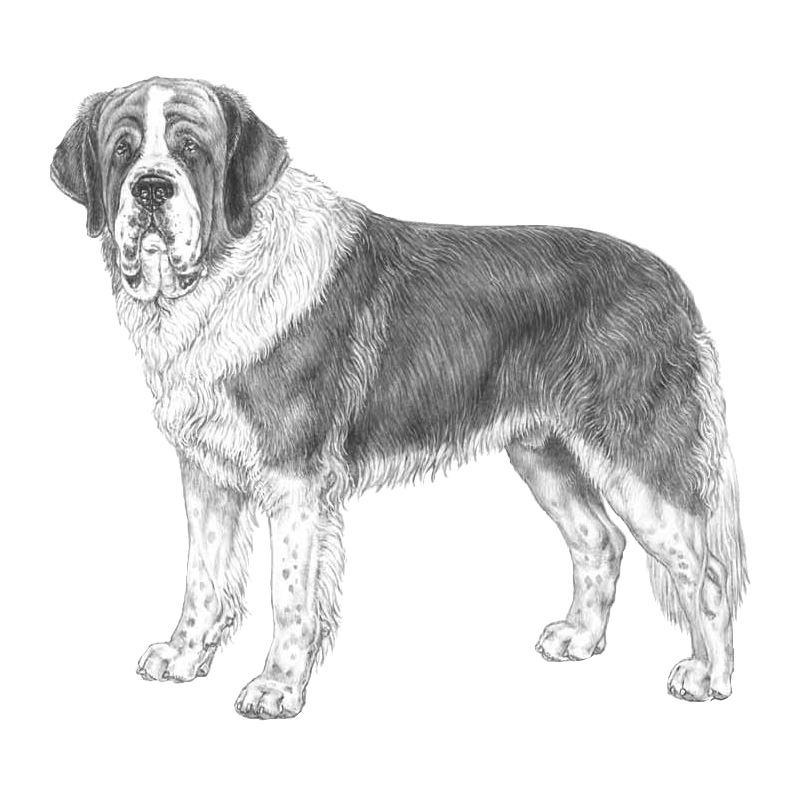
In the 11th century, monks founded a hospice as a refuge for travellers and pilgrims on the 2469 metre - high Great Saint Bernard Pass. Large mountain dogs have been kept at the hospice since the mid 17th century to guard and protect those staying there. The first photographic evidence of the presence of mountain dogs dates back to 1695, and the first written document is a hospice memo from the year 1707. The dogs were rapidly adopted as companion dogs and above all as rescue dogs for travellers who lost their way in the snow and mist. The dogs from the Great Saint Bernard Pass saved the lives of a great number of people, averting many deaths in the snow. The reputation of the Saint Bernards (then called "Barry dogs") grew throughout Europe in the 19th century thanks to chronicles published in many languages and to reports passed on by word of mouth by the soldiers who had crossed the pass with Napoleon Bonaparte in 1800. The legendary Barry became the archetype of the rescue dog.
Source: Fondation Barry: http://fondation-barry.ch/sites/default/files/mediennews/Medienmappe_FB_E.pdf?54
-
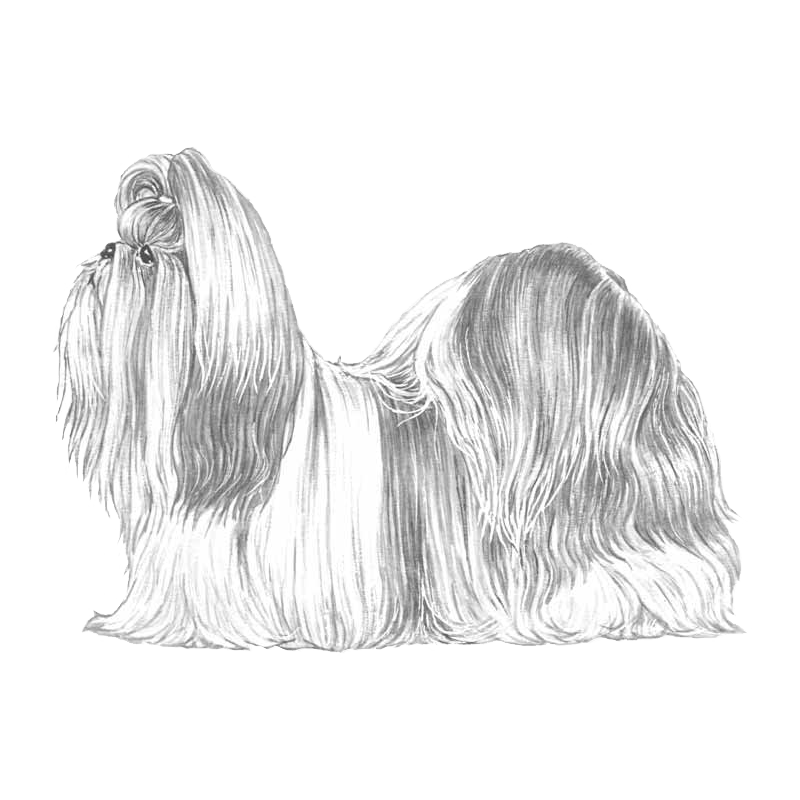
The roots of the Shih Tzu are in Tibet but it was developed in China, where dogs like these lived in the imperial palaces. After China became a republic in 1912, examples of the breed found their way to the West. Temperamentally, the Shih Tzu is a bouncy character and very outgoing. A complete extrovert and full of infectious enthusiasm, he makes a delightful companion who is happy to be part of any family.
Source: https://www.thekennelclub.org.uk/search/breeds-a-to-z/breeds/utility/shih-tzu/