





Pedigree Breeds
184 entries in this category
-
- Last comment date
- Title
- Start Date
- Most Commented
- Most Viewed
- Last Updated
- Publish Date
- Brief Description
- Content
- Links to Breed Descriptions
- Other Names for Breed
- Country of Origin and Parent Breed Club
- Health and Well-Being
- Breed-Specific Articles
- Breed Standards
- Breed-Specific Statistics
- Breeding/Health Strategy Documents
- Breed-Specific DNA Tests
- Other Breed-Specific Webpages
- Breed-Specific Research
- Breed Clubs
- Custom
-
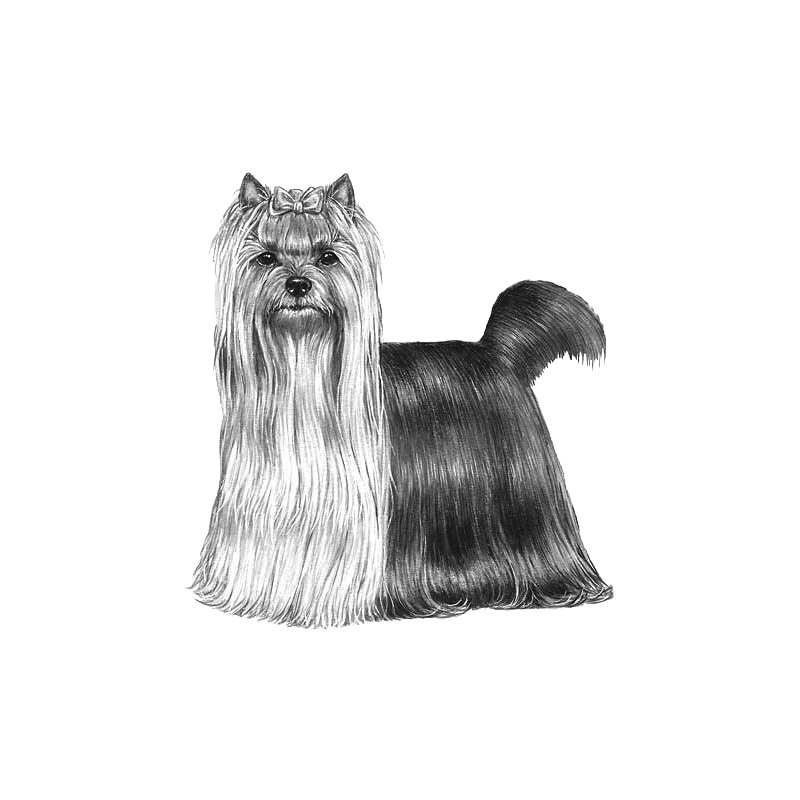
The Yorkshire Terrier is a small dog breed of terrier type, developed in the 19th century in the county of Yorkshire, England, to catch rats in clothing mills, also used for rat-baiting.
-
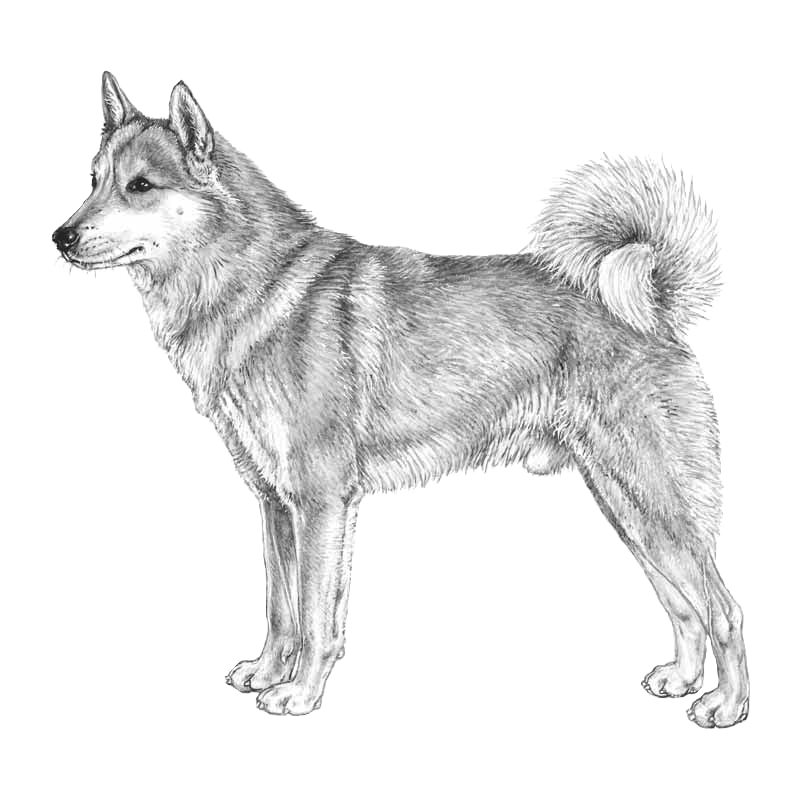
The West Siberian Laika or WSL, is a breed of hunting dog. Russian publications indicate that the term West Siberian Laika loosely applied to hunting dogs originating with the Mansi and Khanty people in Ural and West Siberia, but there were no standards or registrations of WSL as such until 1930.
-
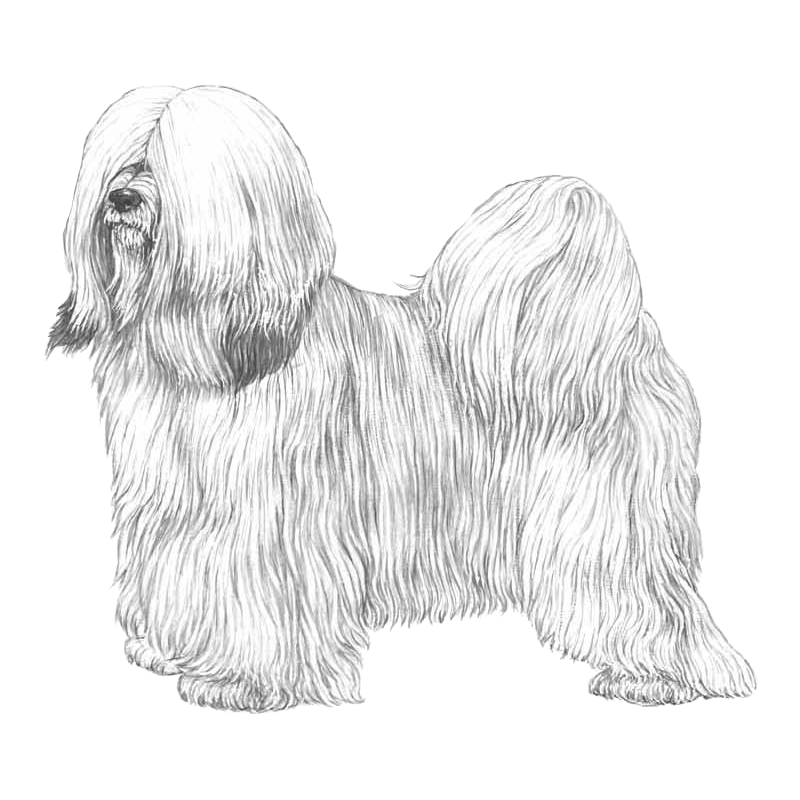
The Tibetan Terrier is a medium-size breed of dog that originated in Tibet. Despite its name, it is not a member of the terrier group. The breed was given its English name by European travelers due to its resemblance to known terrier breeds. The Tibetan name for the breed, Tsang Apso, roughly translates to "shaggy or bearded ("apso") dog, from the province of Tsang".
-
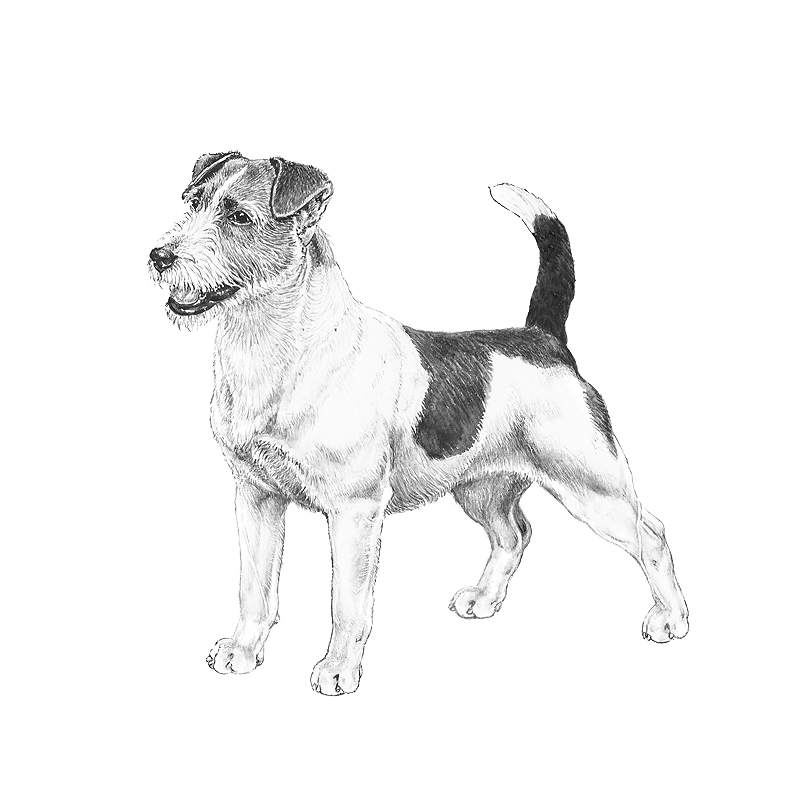
Jack Russell terriers are tough, tenacious, athletic, and super friendly. This energetic dog was bred to be a working dog and still displays the cleverness that made it a highly-sought after hunting dog back in the early 19th century.
Source: https://www.petinsurance.com/healthzone/pet-articles/pet-breeds/5-Things-You-Didnt-Know-About-Jack-Russell-Terriers.aspx
-
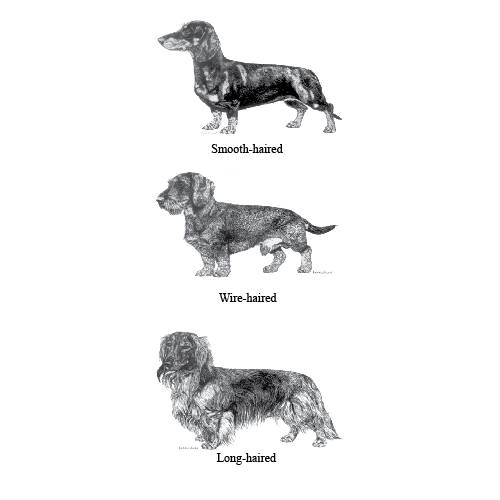
The Dachshund, also called Dackel or Teckel, has been known since the Middle Ages. Low, short legged, elongated but compact build, very muscular with cheeky, challenging head carriage and alert facial expression. His general appearance is typical of his sex. In spite of his legs being short in relation to the long body, he is very mobile and lithe. For decades the Dachshund has been bred in three sizes (Teckel, Miniature Teckel and Rabbit Teckel) and in three different kinds of coat (Smooth-haired, Wire-haired and Long-haired).
Source: FCI
-
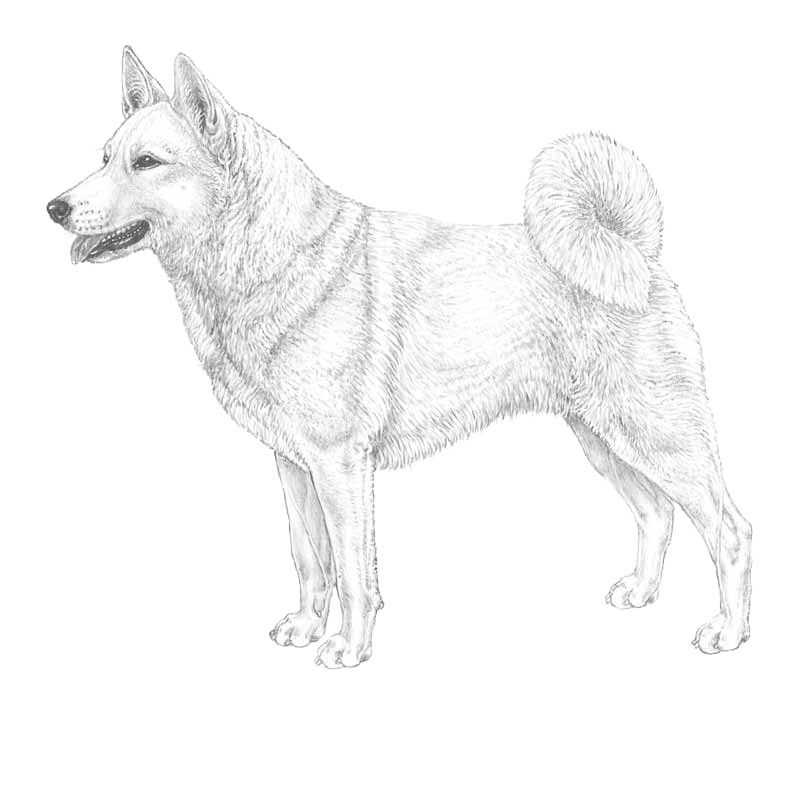
- The White Elkhound derives from the grey Jämthund and the grey Norwegian Elkhound.The type is like the Jämthund, regarding both size and proportions. It is a distinct hunting dog. In addition to hunting moose, the breed is also good at hunting bears, lynx and badgers. Source: SKK
The Svensk vit älghund is recognized by the NKU and belongs to group 5. The breed is not recognized by the FCI. Source NKU: https://www.skk.se/en/NKU-home/nordic-dog-breeds/sweden/svensk-vit-alghund/
-
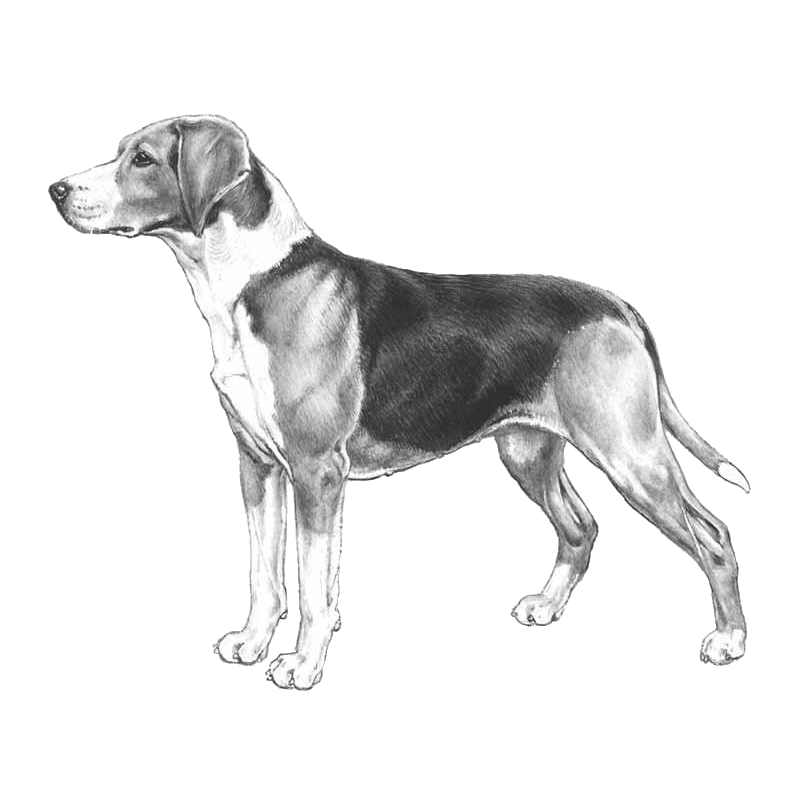
The Hamiltonstövare is above all a working dog, bred for hunting fox and hare, working singly or in pairs rather than in a pack. The combination of working ability and a lovely temperament makes the Hamiltonstövare a pleasant shooting dog. Standing 19 to 24 inches (49 to 61 centimetres) at the withers, makes him one of the larger stövare.
source: http://caninechronicle.com/uncategorized/masterminds-the-hamilton-hound/
-
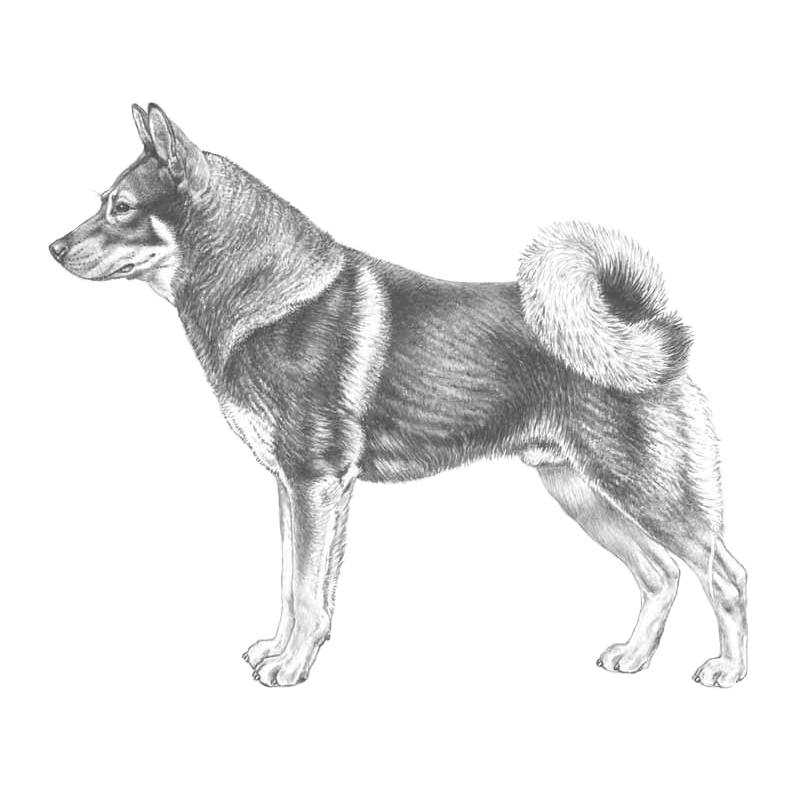
The Jämthund derives from a large hunting spitz found in the Forest region of the North barrier of Scandinavia and Russia. These spitzs’ probably came with the hunting tribes that migrated to Sweden thousands of years ago. Two types of wolf coloured spitz have been recognised in Scandinavia. The Norwegians decided in 1877 that the smaller was to be called Norwegian Elkhound. The large variety that was mainly known in the Swedish county of Jämtland did not match the standard for Elkhound on several points, especially not for size.
Source: SKK
-
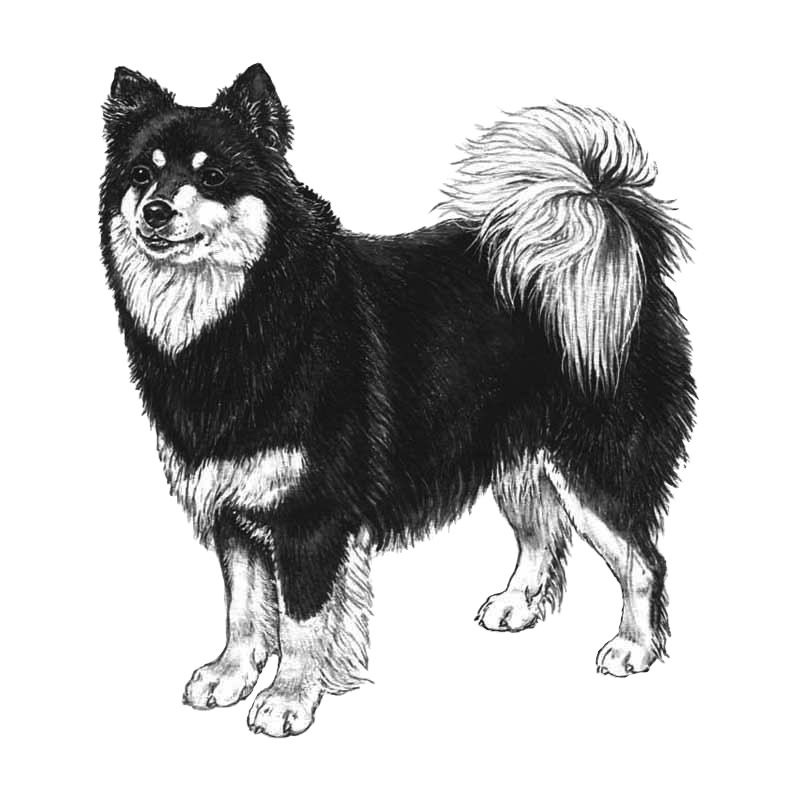
The Finnish Lapponian Dog shares its roots with the Lapponian Herder and the Swedish Lapphund. It is descended from the long-haired reindeer herding dogs that are common in the fell regions of Lapland and is nowadays a popular companion dog. The Finnish Lapponian Dog is intelligent, brave, eager to learn, friendly and fairly submissive. Its herding instinct is strong and it displays a clear disposition to guard.
From: Kennelliito (The Finnish Kennel Club, IPFD Founding Partner) Native Breeds
-
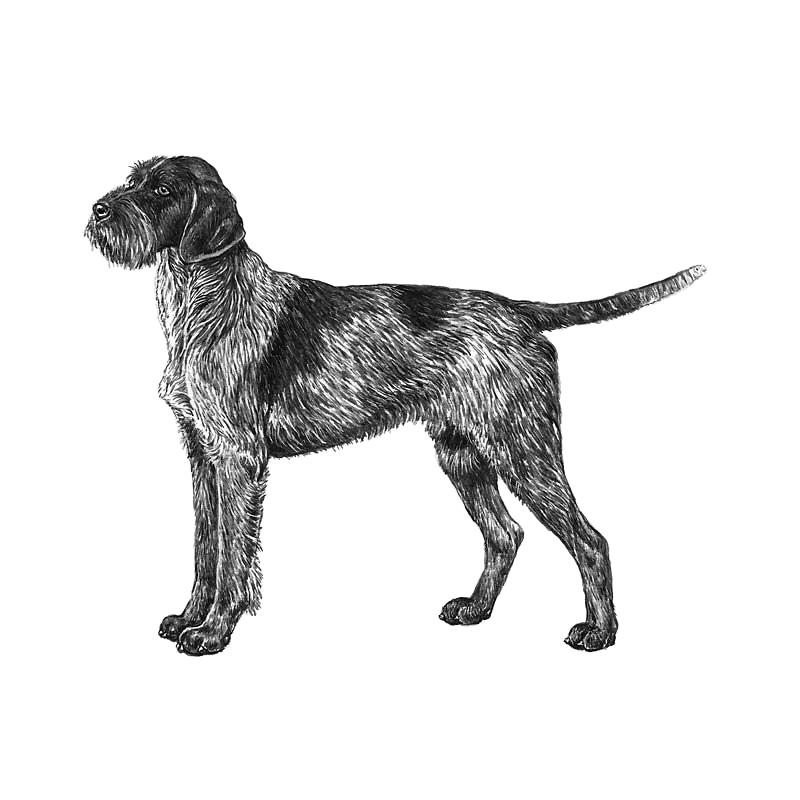
A pointing dog of noble appearance, with harsh coat completely protecting the skin, with an attentive expression full of energy. The movement should be powerful, ground covering, flowing and harmonious. Firm, self-controlled, wellbalanced, without shyness of game, neither sensitive when shots are fired nor shy or aggressive.
Source: http://www.fci.be/en/nomenclature/GERMAN-WIRE-HAIRED-POINTING-DOG-98.html
-
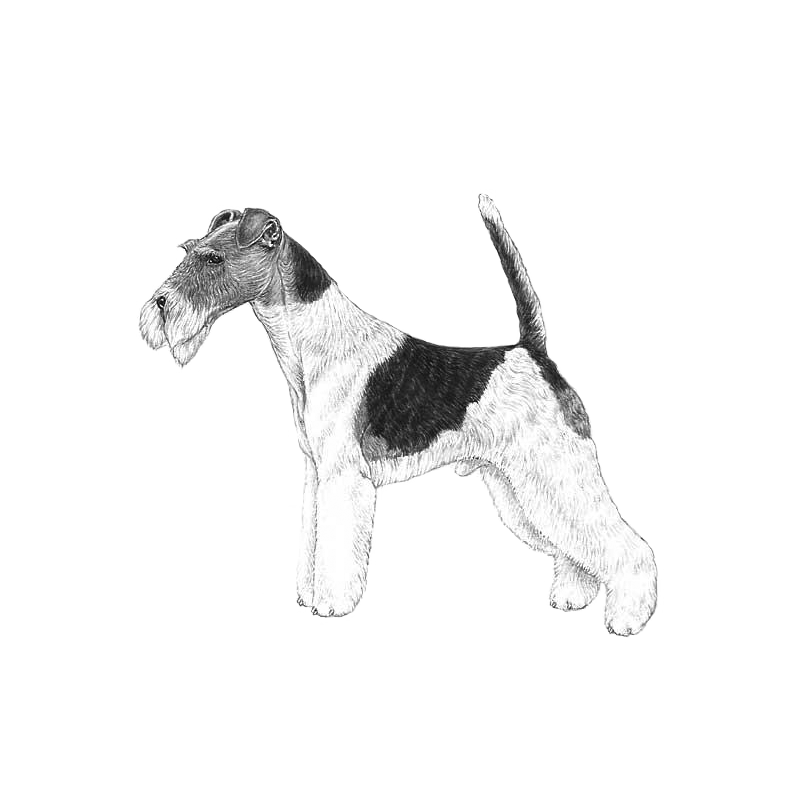
It is a fox terrier, and although it bears a resemblance to the smooth fox terrier, they are believed to have been developed separately.
-
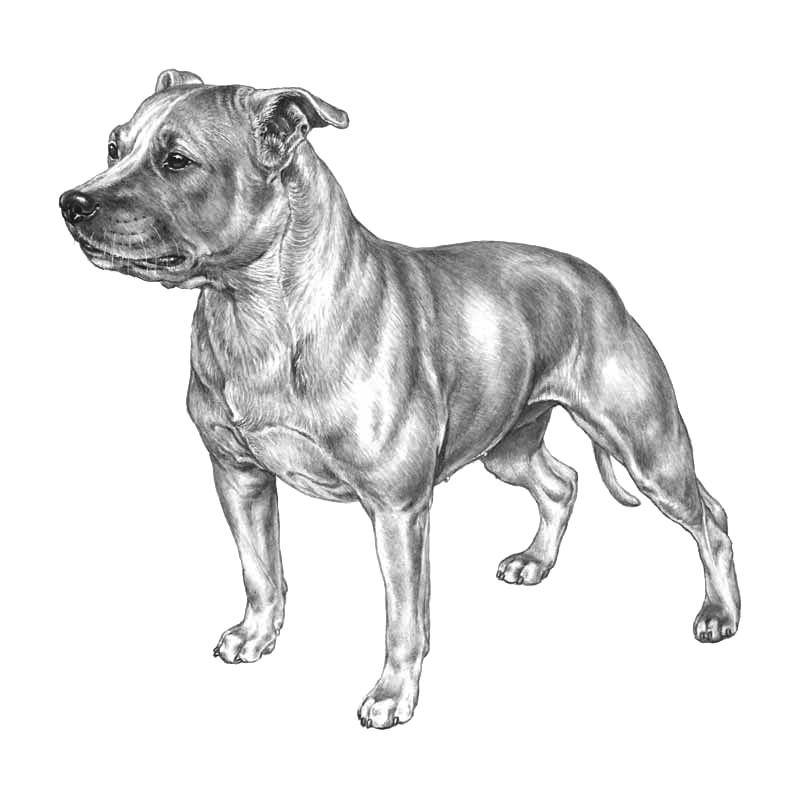
The Staffordshire Bull Terrier (informally: Staffie, Stafford, Staffy or Staff) is a medium-sized, short-coated breed of dog.
Source: http://en.wikipedia.org/wiki/Staffordshire_Bull_Terrier
-
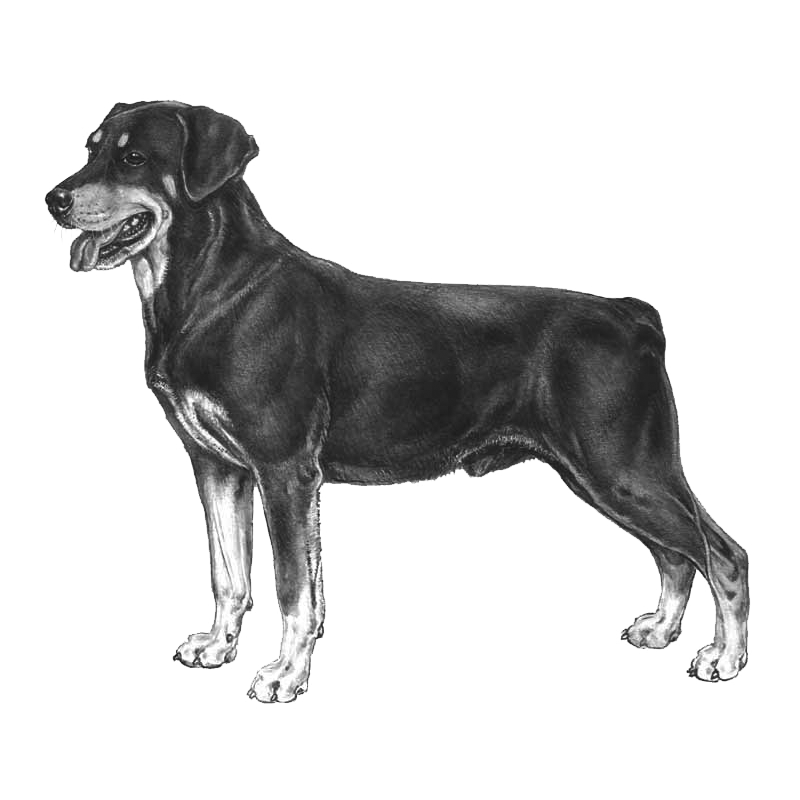
The Smaland Hound (Swedish: Smålandsstövare) is a breed of dog that originated in Sweden in the 16th century. Thought to be the oldest scent hound breed native to Sweden, it was first recognized by the Swedish Kennel Club in 1921.
-
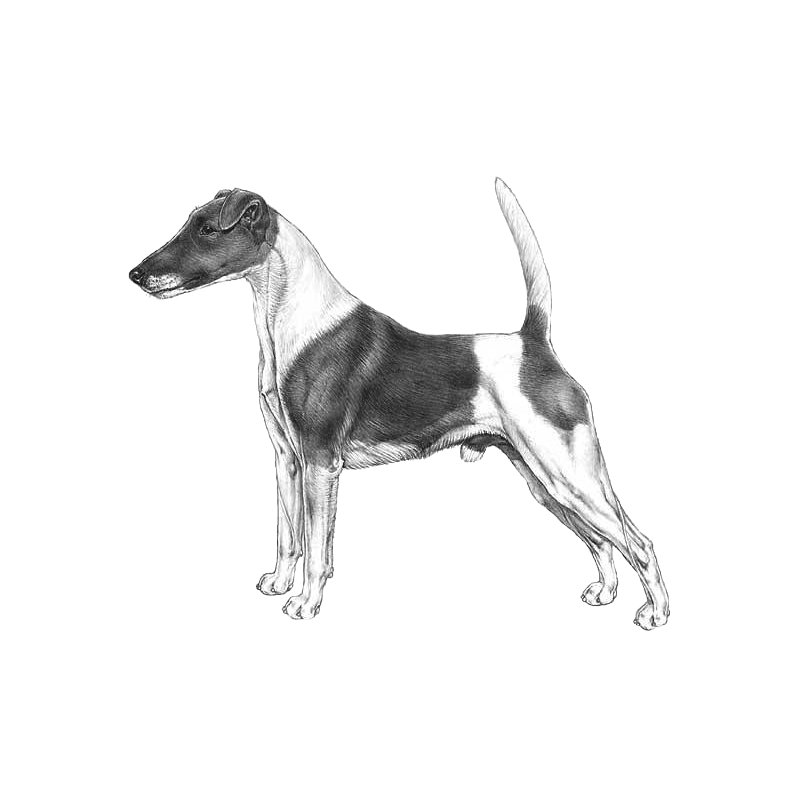
It was the first breed in the fox terrier family to be given official recognition by The Kennel Club (circa 1875; breed standard 1876). It is well known, and although not a widely popular breed today outside of hunting and show circles, it is extremely significant due to the large number of terriers believed descended from it.
-
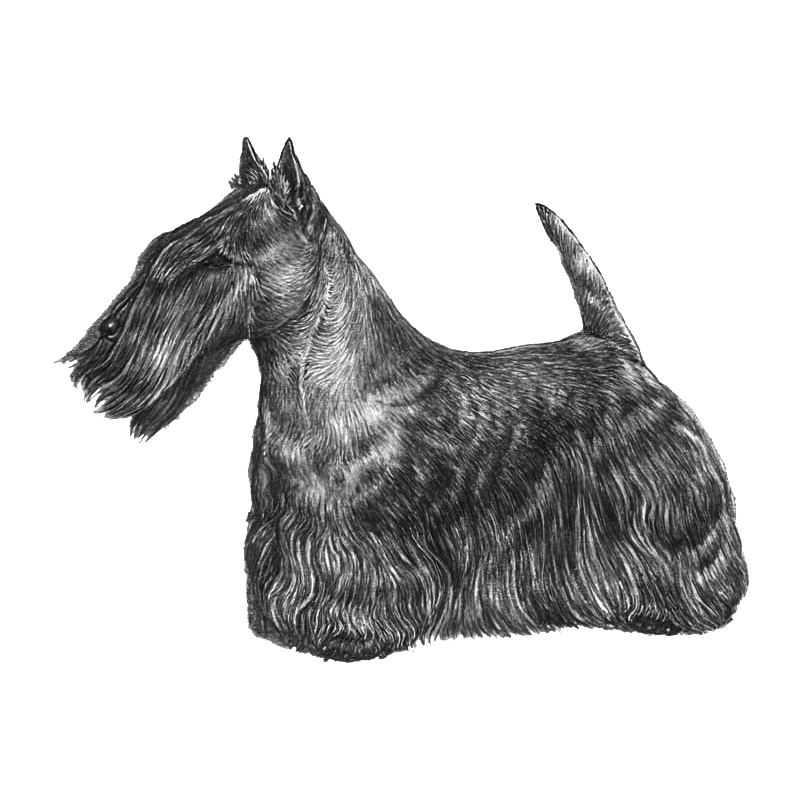
The Scottish Terrier (also known as the Aberdeen Terrier), popularly called the Scottie, is a breed of dog. Initially one of the highland breeds of terrier that were grouped under the name of Skye Terrier, it is one of five breeds of terrier that originated in Scotland, the other four being the modern Skye, Cairn, Dandie Dinmont, and West Highland White Terrier.
-
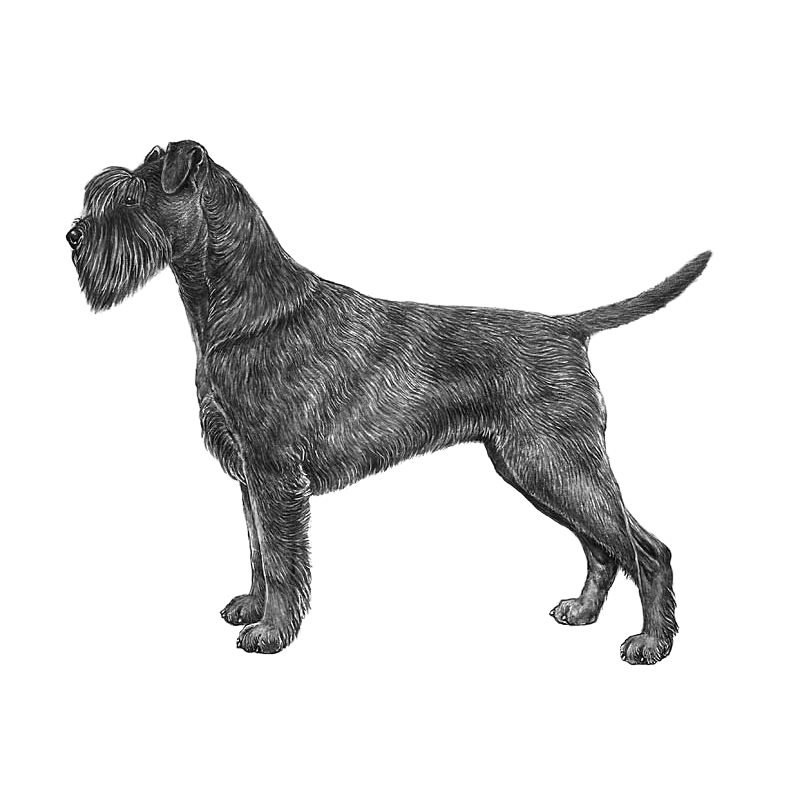
Medium sized, strong, stocky rather than slim, rough haired. Typical characteristics are his lively temperament, coupled with placid composure. Typical are his good nature, his playfulness and his proverbial devotion to his master. He loves children, is incorruptible, alert, yet not noisy.
Source: http://www.fci.be/en/nomenclature/SCHNAUZER-182.html
-
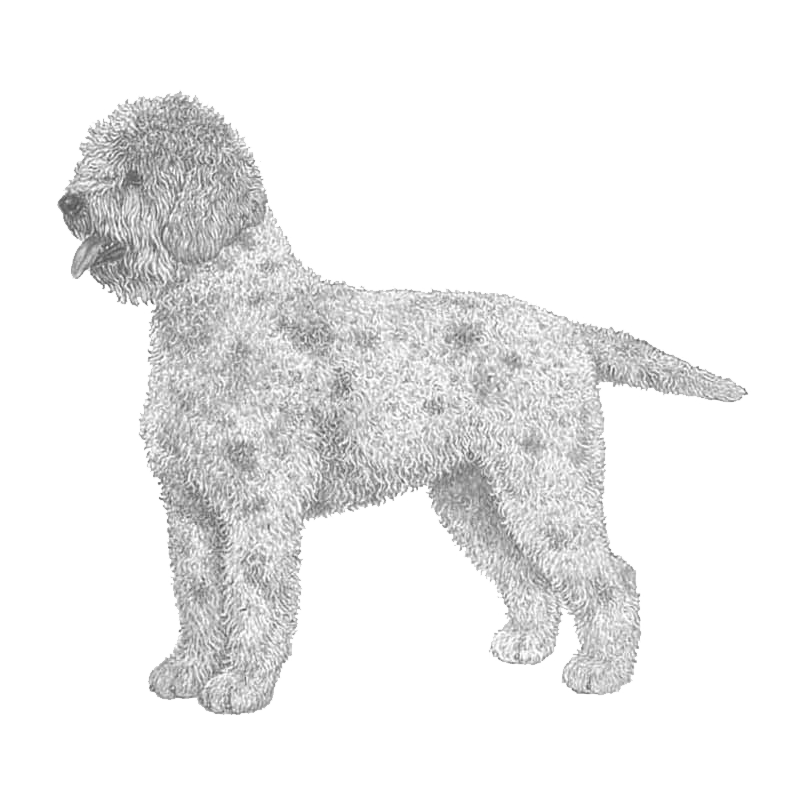
The Lagotto Romagnolo [laˈɡɔtto romaɲˈɲɔlo] is a breed of dog that comes from the Romagna sub-region of Italy. The name means "lake dog from Romagna," originating from the Italian word lago, meaning lake. Its traditional function is a gundog, specifically a water retriever.
-
 An imperturbable dog, prepared for defense, whose appearance fills with respect. Typical characteristics of this dog are his good natured, even temperament and his incorruptible loyalty towards his master. He has highly developed sense organs, intelligence, trainability, strength, endurance, speed, resistance to weather and diseases. His inborn ability to bear strain and his self assurance make him best suited for being a companion, sporting, utility and working dog.
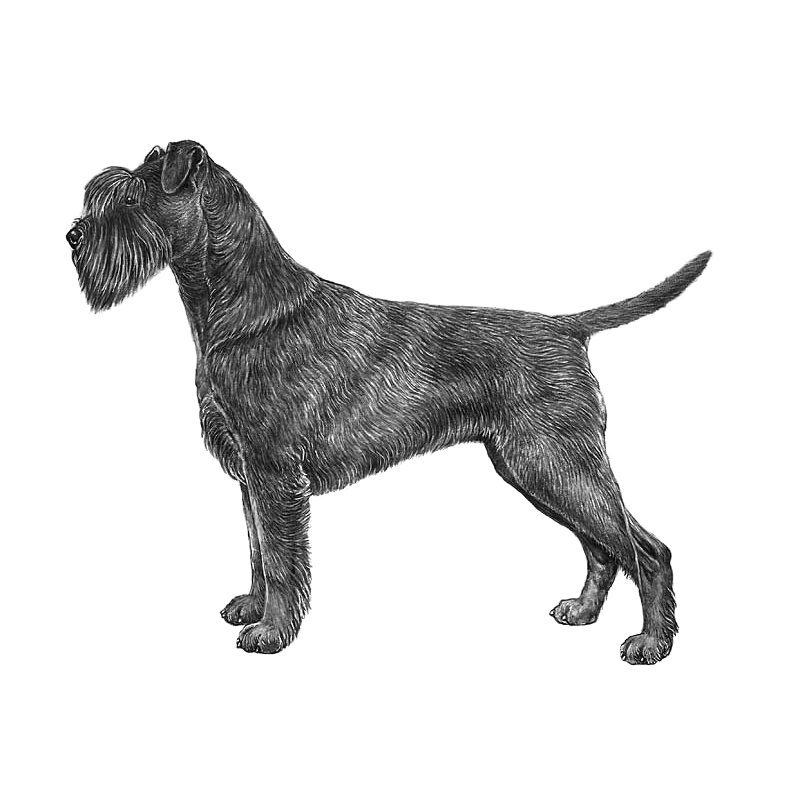
Large, powerful, stocky rather than slim. An enlarged, powerful image of the Schnauzer. An imperturbable dog, prepared for defense, whose appearance fills with respect. Typical characteristics of this dog are his good natured, even temperament and his incorruptible loyalty towards his master. He has highly developed sense organs, intelligence, trainability, strength, endurance, speed, resistance to weather and diseases. His inborn ability to bear strain and his self assurance make him best suited for being a companion, sporting, utility and working dog.
Source: http://www.fci.be/en/nomenclature/GIANT-SCHNAUZER-181.html
-
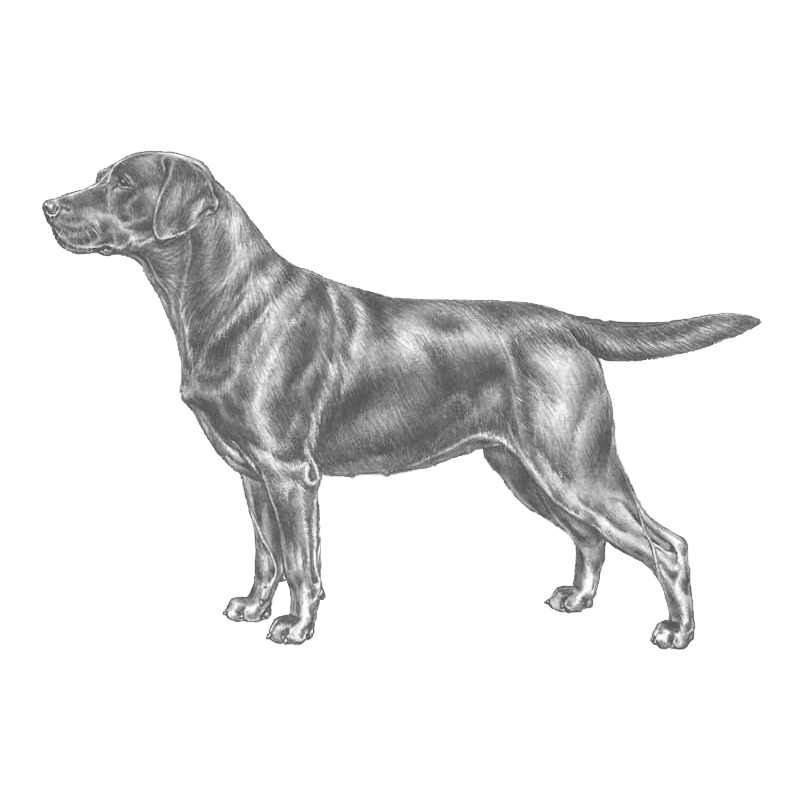
The Labrador is one of the best all-round dogs in the world. Not only used for retrieving game, he has also made his mark in the world of assistance dogs and as a ‘sniffer’ dog for drug and arms detection.
Source: https://www.thekennelclub.org.uk/search/breeds-a-to-z/breeds/gundog/retriever-labrador/
-
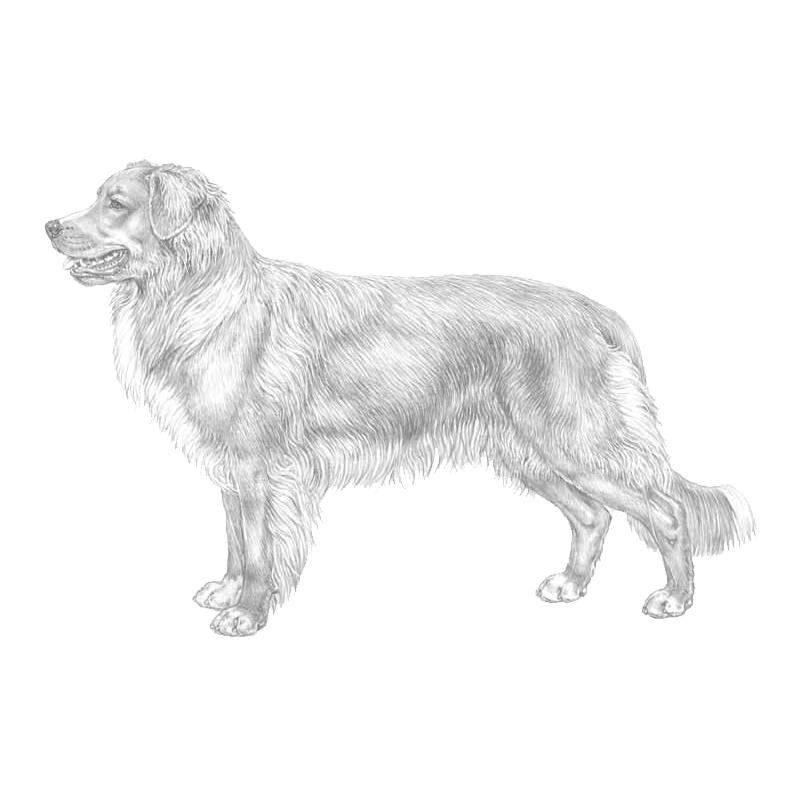 AKC: http://www.akc.org/dog-breeds/nova-scotia-duck-tolling-retriever/
The Toller is a medium-sized, powerful, compact, balanced, well-muscled dog; medium to heavy in bone, with a high degree of agility, alertness and determination. The Toller is highly intelligent, easy to train and has great endurance. A strong and able swimmer, he is a natural and tenacious retriever on land and from water setting himself for springy action the moment the slightest indication is given that retrieving is required.
Source: http://www.fci.be/en/nomenclature/NOVA-SCOTIA-DUCK-TOLLING-RETRIEVER-312.html
-
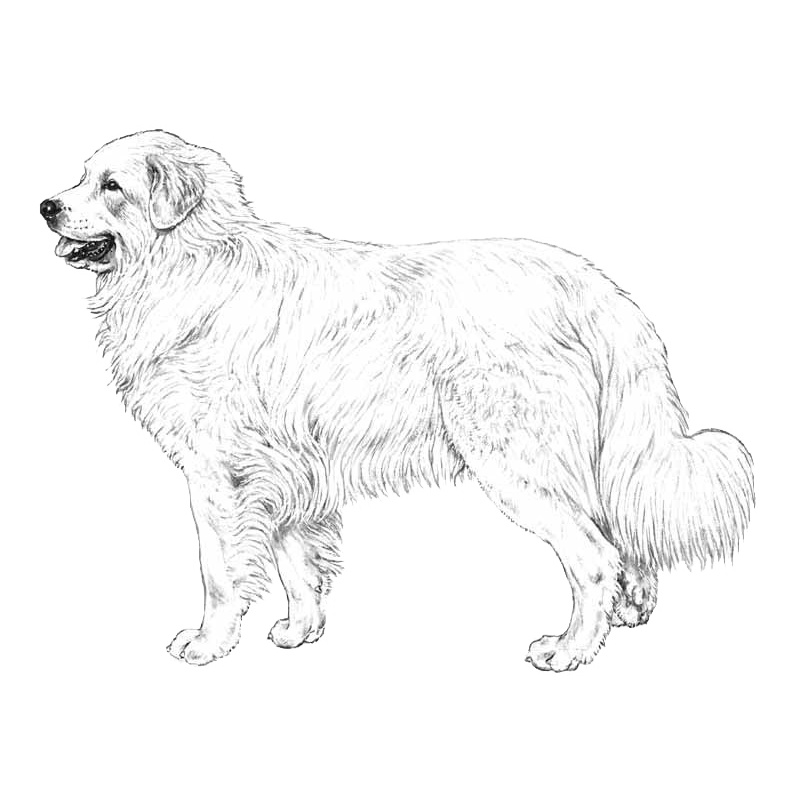
The Pyrenean Mountain Dog, known as the Great Pyrenees in North America, is a large breed of dog used as a livestock guardian dog.
-
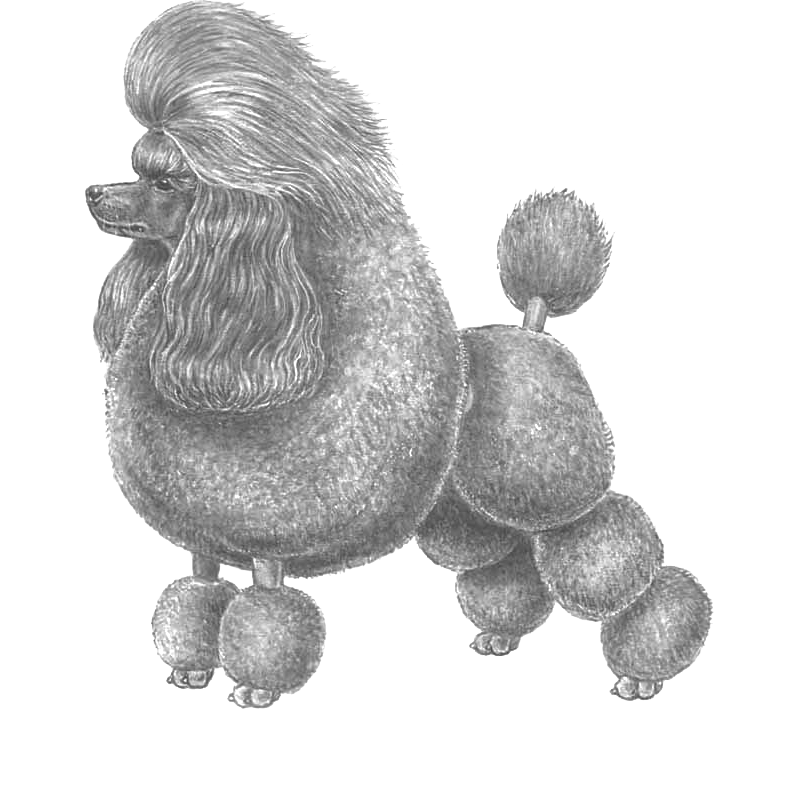
The poodle has been bred in at least three sizes, including Standard, Miniature, and Toy. According to the American Kennel Club, the Standard Poodle is the oldest of the three varieties, and was later bred down to the miniature and toy sizes.
-
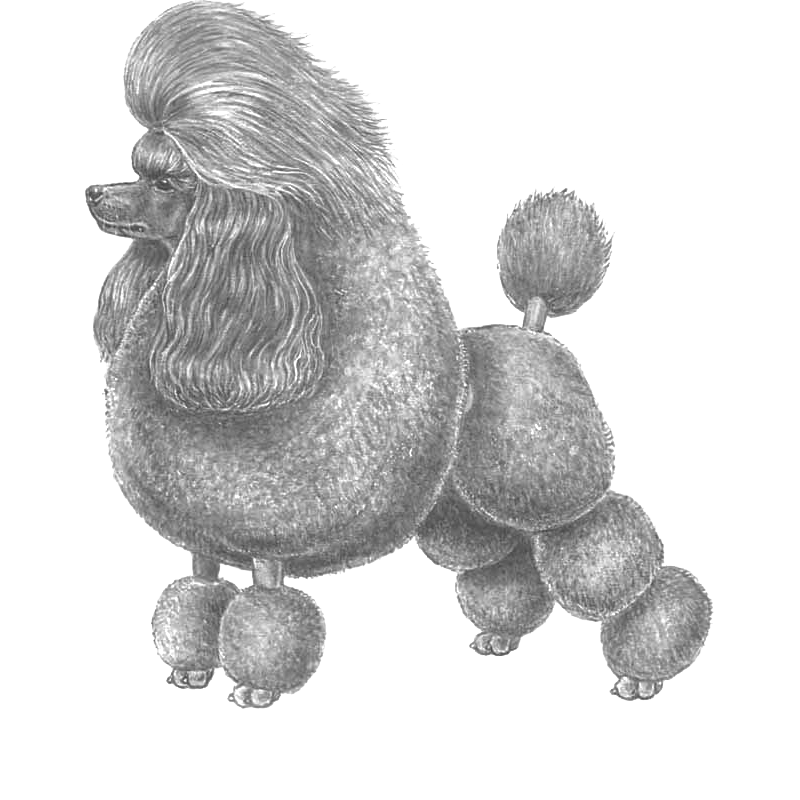
Traditionally the Standard Poodle, the largest of the subtypes, was a retriever or gun dog, used in particular for duck hunting and sometimes upland bird hunting.
-

The poodle has been bred in at least three sizes, including Standard, Miniature, and Toy. According to the American Kennel Club, the Standard Poodle is the oldest of the three varieties, and was later bred down to the miniature and toy sizes.
-
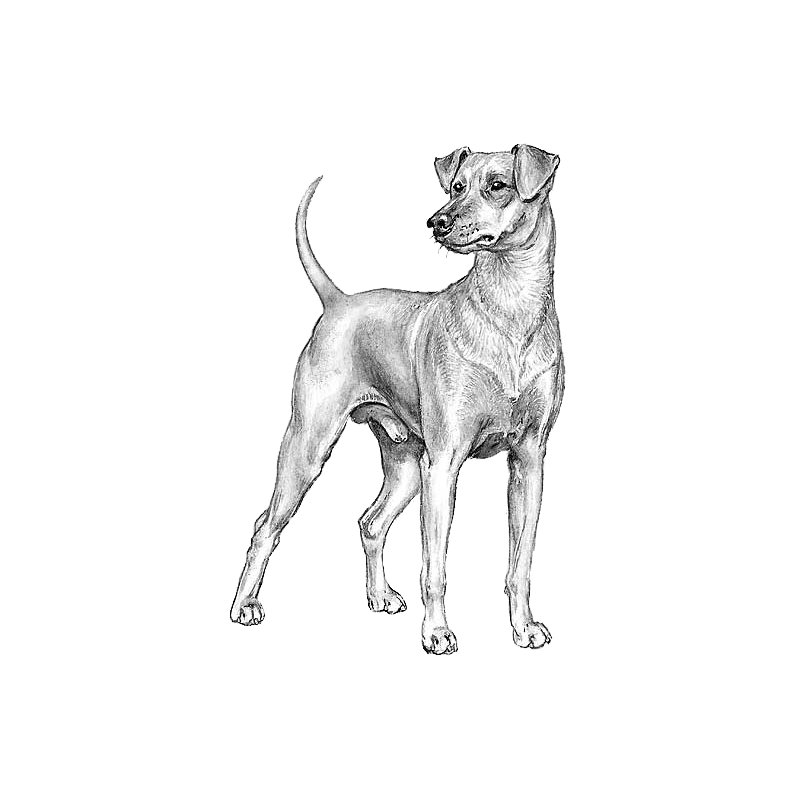
The German Pinscher is a medium-sized dog, usually weighing between 25–45 pounds (11–20 kilograms) and typically 17–20 inches (43–51 centimetres) in height, with a short coat. Colors for this breed include black and rust, red, fawn, blue and tan. The ideal German Pinscher is elegant in appearance with a strong square build and moderate body structure, muscular and powerful endurance and agility. For all countries where the Fédération Cynologique Internationale standard applies, only black and rust and solid red are allowed colors. Colors that became extinct during the world wars of the twentieth century include solid black, salt-and-pepper, and harlequin.
Source: https://en.wikipedia.org/wiki/German_Pinscher