






Pedigree Breeds
184 entries in this category
-
- Last comment date
- Title
- Start Date
- Most Commented
- Most Viewed
- Last Updated
- Publish Date
- Brief Description
- Content
- Links to Breed Descriptions
- Other Names for Breed
- Country of Origin and Parent Breed Club
- Health and Well-Being
- Breed-Specific Articles
- Breed Standards
- Breed-Specific Statistics
- Breeding/Health Strategy Documents
- Breed-Specific DNA Tests
- Other Breed-Specific Webpages
- Breed-Specific Research
- Breed Clubs
- Custom
-
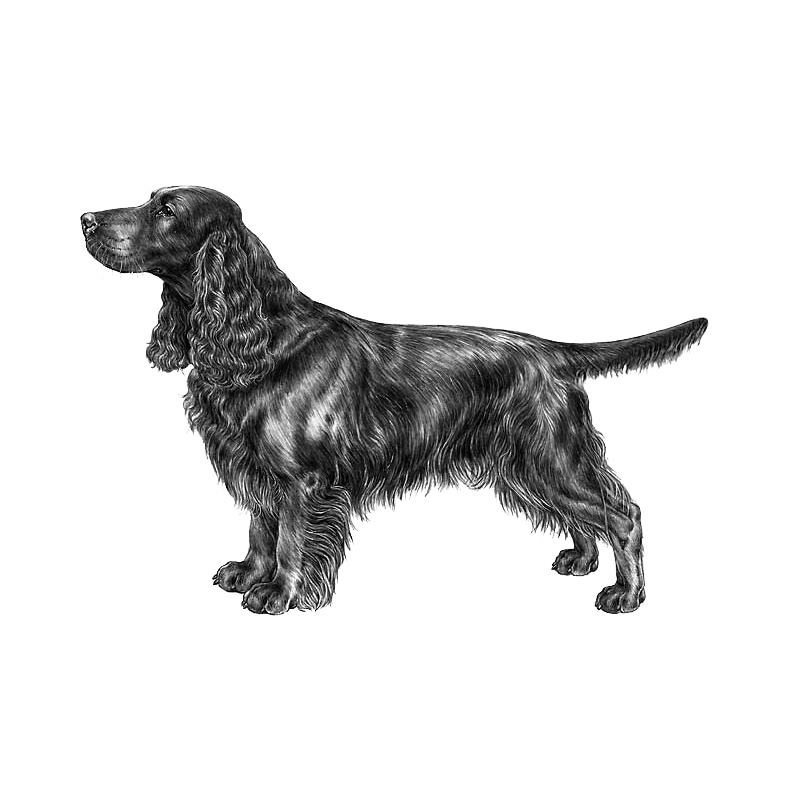
The Field Spaniel is an active and inquisitive breed, and makes a good companion. However, if left alone and unoccupied for long periods of time, they may become bored and destructive. They are suitable for dog agility and hunting. They are also patient with children and like to stay close to their family. When socialised, they are good with other dogs. They are generally docile and independent. Source: https://en.wikipedia.org/wiki/Field_Spaniel. With very few dogs in the UK-KC's registry the Field Spaniel is considered a Vulnerable Native Breed. Source: https://www.thekennelclub.org.uk/getting-a-dog-or-puppy/finding-the-right-dog/vulnerable-native-breeds/.
-
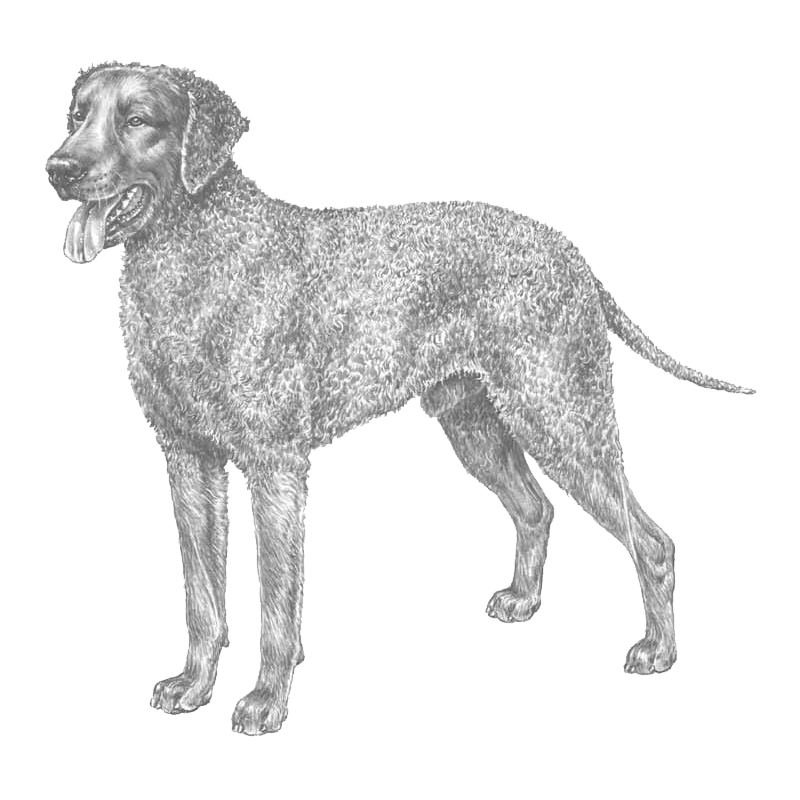
A breed with a hunting heritage as an upland game and waterfowl dog, the Curly Coated Retriever is an active, quick and agile breed requiring plenty of exercise. Known for possessing a discerning independent nature, the dogs can be aloof with strangers and are protective, affectionate and loyal companions.
..............
It has been claimed that the Curly Coated Retriever is the oldest of the Retriever breeds. He is also the tallest. The hallmark of the breed, a coat of small tight curls, nods acknowledgement to his ancestor, the English Water Spaniel, now extinct, which was added to a base of Retriever blood probably the Labrador. Poodle blood was also added to the mix to give the tightness of curl. The coat gives the dog a waterproof quality when retrieving ducks from water, the function for which he was originally bred.
Source: The Kennel Club (UK)
-
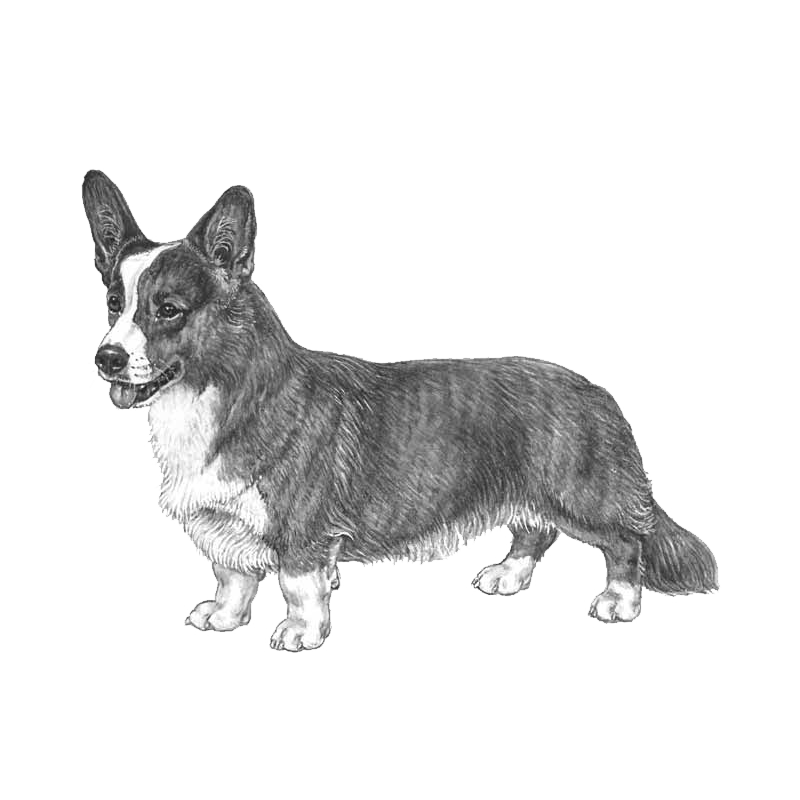
Welsh Corgis have historically been used as herding dogs, specifically for cattle. They are of the type of herding dog referred to as "heelers", meaning that they would nip at the heels of the larger animals to keep them on the move. Both Pembrokeshire and Cardigan are historically agricultural areas of Wales.
Source: https://en.wikipedia.org/wiki/Welsh_Corgi
The two Corgi breeds are named for those regions. Once interbred, the Kennel Club designated the different types as two distinct breeds in 1934. The Cardigan Welsh Corgi breed is listed by the Kennel Club in the current vulnerable breeds list. The breed is ranked by AKC at #68 of 195.
Source: https://www.thekennelclub.org.uk/search/breeds-a-to-z/breeds/pastoral/welsh-corgi-cardigan/
Also see: Pembroke Welsh Corgi https://dogwellnet.com/breeds/pedigreed/pembroke-welsh-corgi-r221/
-
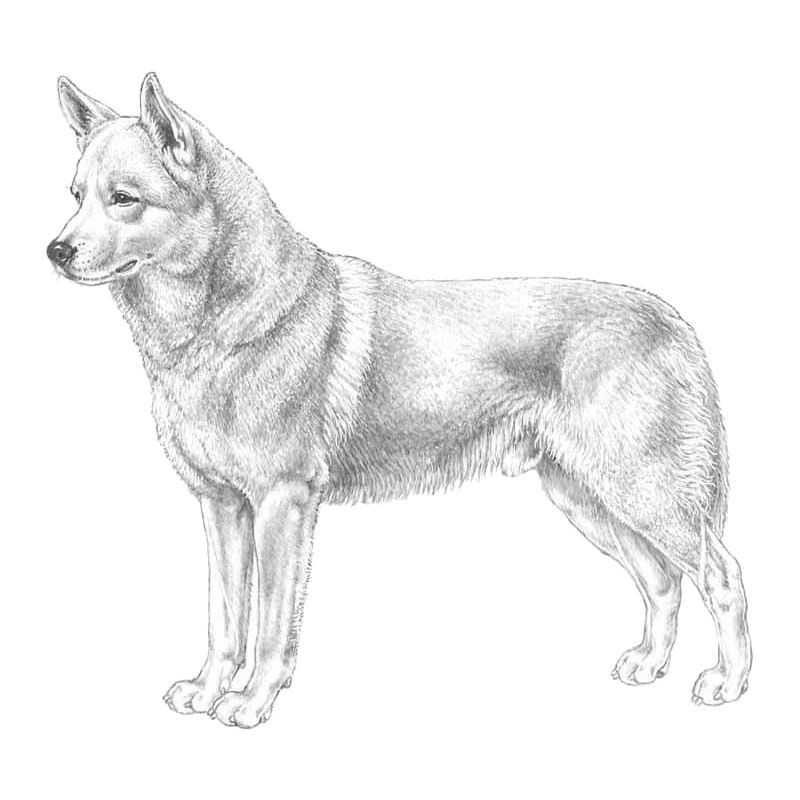
The Canaan Dog is a Pariah Dog of Israel and is the national dog of Israel. Nobody really knows the exact truth about their origins. These dogs are native to the Land of Canaan that made themselves useful to Bedouin and Hebrew tribes over thousands of years by herding and guarding their flocks. It is understood that the Canaan Dog is an ancient breed. Pre-biblical drawings and carvings depict dogs very similar to the Canaan Dog we know today. This breed existed solely as a free-living pariah until the end of the 1930s. The breed is a survivor, a sound and hardy animal that is capable of surviving in the very harsh environment of its natural home. A Canaan is a dog with all the traits that make them a good service dog — an alert and agile dog, being territorial and with highly developed senses. The Canaan Dog is still classified as a rare breed by The Kennel Club.
Sources: http://canaandog.co.uk/history-of-the-canaan-dog/ and http://www.fci.be/Nomenclature/Education/273g05-PRE-en.pdf
-
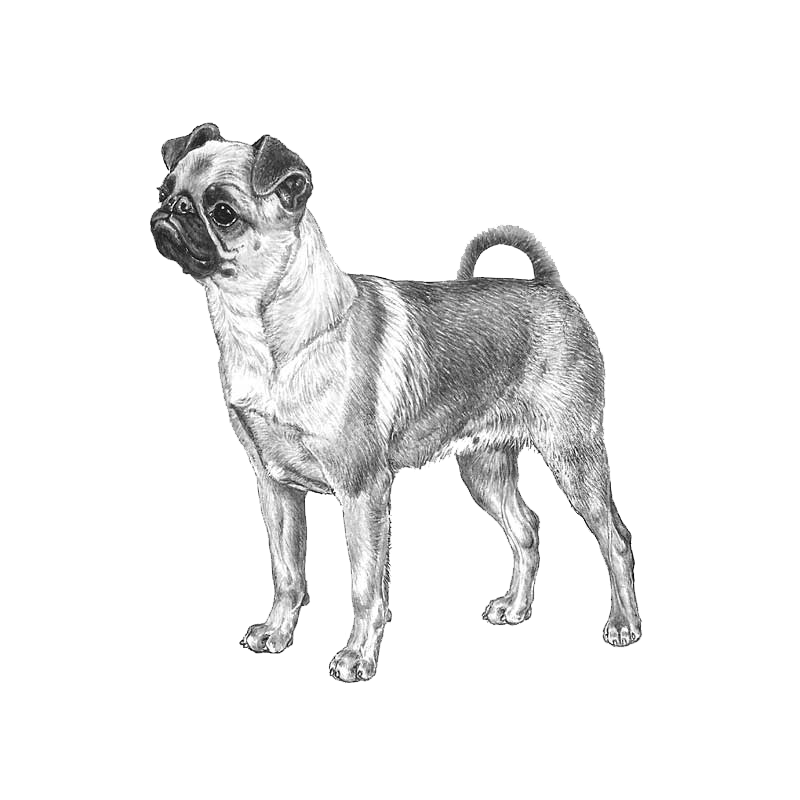
The Petit Brabançon is a small companion breed that was originally developed from ratters working in the stables of Belgian carriage men. The Fédération Cynologique Internationale (FCI) recognize them as one of three different breeds of griffon from Belgium, the other two being Belgian Griffon and Brussels Griffon. The American Kennel Club and Kennel Club recognize all varieties as a single breed.
Source: Worldly Dogs
Breed variants should be treated as a breed. All three breeds can be paired with each other and can be born in the same litter. Griffon bruxellois, griffon belge and petit brabançon are only separated by color and coat: Griffon Bruxellois (Brussels Griffon)- Rough-haired / red; Griffon Belge (Belgian Griffon)
Shaggy / black or black and tan; Petit Brabancon short haired / red, black or black and tan
-
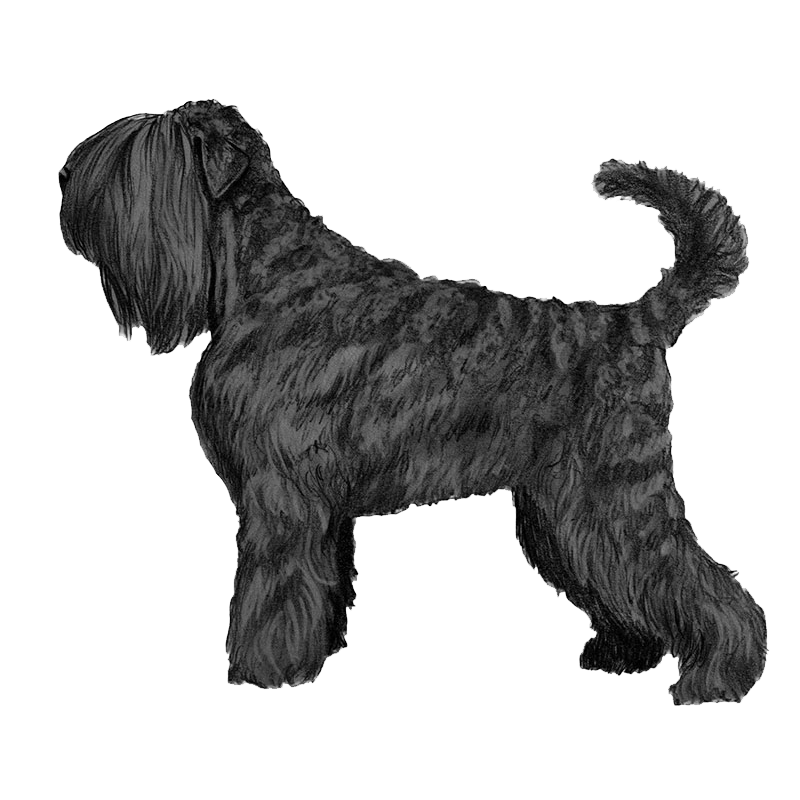
The Black Russian Terrier, also known as the Chornyi Terrier is a breed of dog created in the USSR in the Red Star Kennel during the late 1940s and the early 1950s for use as military/working dogs. BRTs are calm, confident, self-assured, highly intelligent dogs that with proper training and socialization are loyal, reliable, robust working companions. This large and powerful dog is not in all likelihood an ideal fit for the first-time dog owner.
-
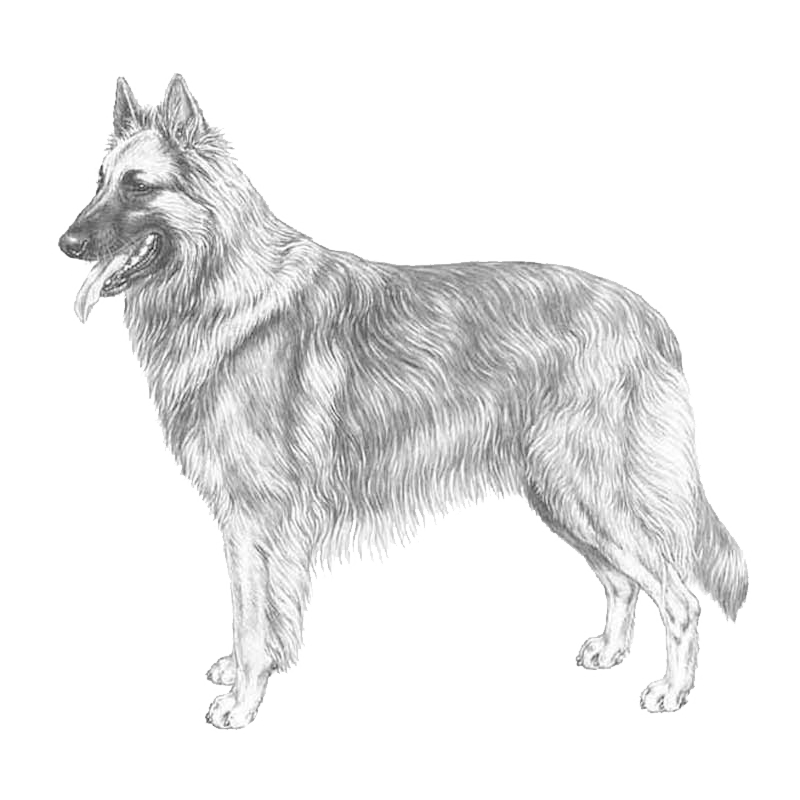
Originally the dogs were utilized on farms as herders and guardians; today’s Tervs are employed as military and police K-9s, as search-and-rescue, and as service dogs for the disabled as well as working companion that excel competing in a variety of dog sports.
NOTE: The Federation Cynologique Internationale (FCI) describes the Malinois, together with the Groenendael, the Laekenois, and the Tervueren, as varieties of the Belgian Shepherd dog breed. The American Kennel Club, however, officially recognizes the Belgian Malinois, the Belgian Sheepdog (FCI: Groenendael), the Belgian Laekenois (FCI: Laekenois), and the Belgian Tervuren (FCI: Tervueren) as four distinct breeds.
Source: https://www.ncbi.nlm.nih.gov/pmc/articles/PMC7140874/
-
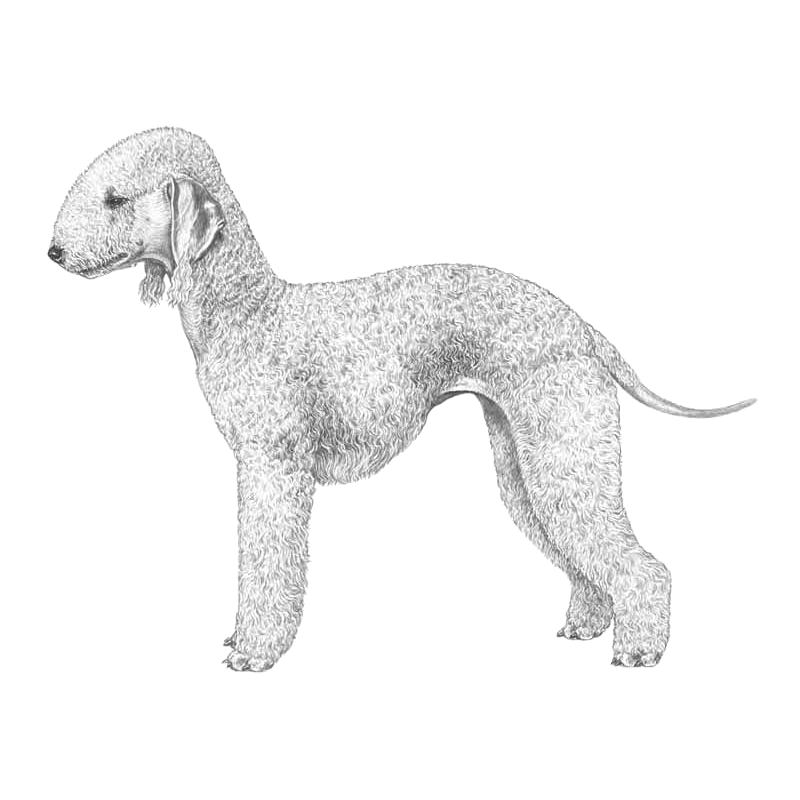
The linty coat and distinctive arched loin of the Bedlington and his long head give him a lamb-like appearance, but he is an excellent dispatcher of vermin from rabbit to fox. The origins of the breed are much debated with some suggestion of the Bull Terrier and the Otterhound and perhaps some Dandie Dinmont but as in many breeds there is some dispute in the background of the breed.
Source: The Kennel Club
-
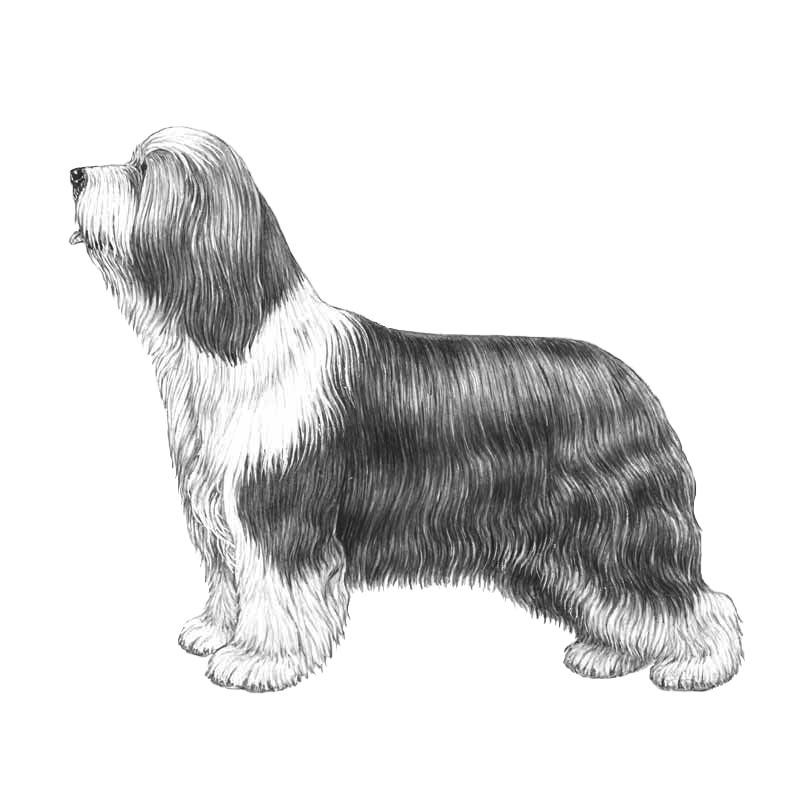
The ‘Beardie’, as he is affectionately known, is a hardy dog with a lovable temperament. His handy size and adaptability, combined with workmanlike qualities, have given him a following far outside the farming community. Ideally suited to life in the country, with a double weather-resistant coat and active nature, he is a happy dog, neither timid nor aggressive. Ready to join in any activity, he has an enquiring expression that seems to ask‘ Well, what shall we do now?’ Gentle, and good with children and adults, he makes an ideal member of a fun-loving family.
Source: The Kennel Club
-
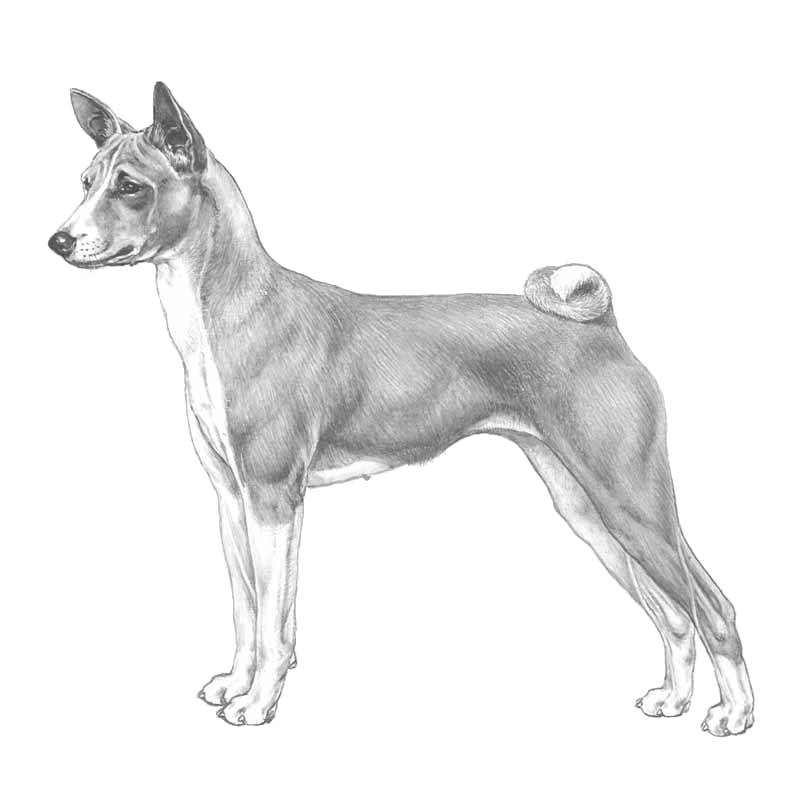
The Basenji originated in the "African Congo, where they had been used as an all purpose hunter working by sight and by scent.""
Basenji "history extends back to the time of the Pharaohs and paintings in their tombs bear a similar resemblance to the breed. Gazelle like in his elegance and with a stylish, swinging stride, he is catlike in his cleanliness and has no bark which is replaced by a yodeling sound."Source: The Kennel Club
-
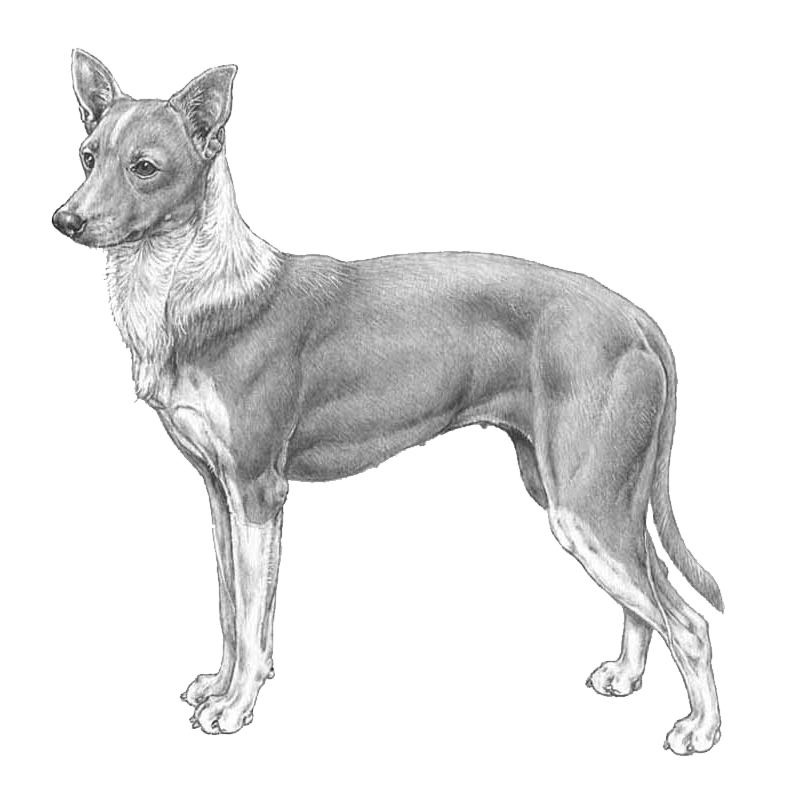
The Portuguese Podengo is an ancient multi-sensory hound breed of dog from Portugal. As a breed, the Podengo is divided into three size categories that are not interbred: small, medium and large.
-
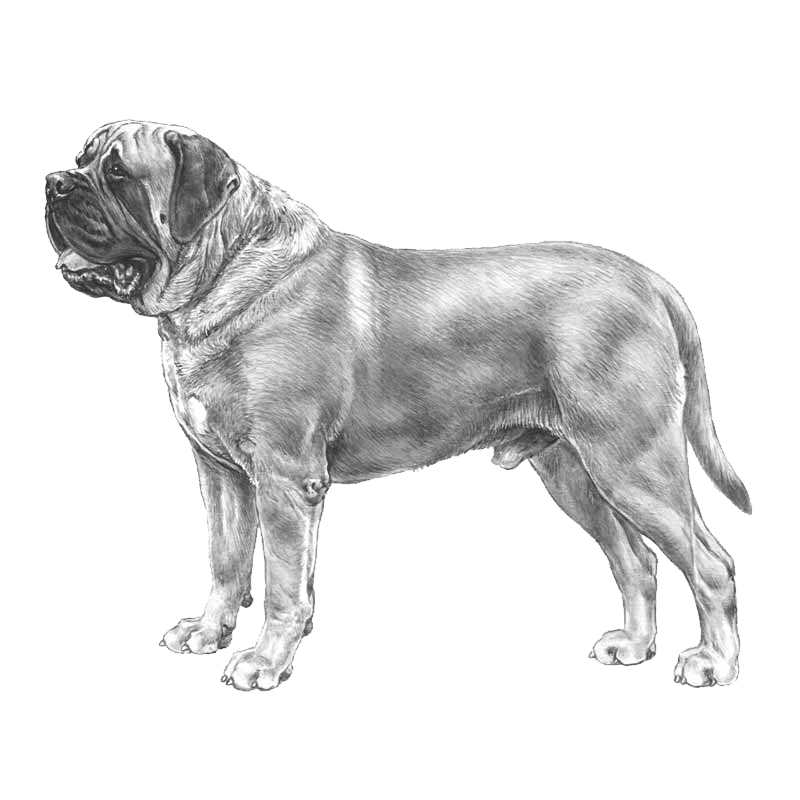
The Mastiff is an extremely large dog in both height and girth, broad and deep in body, full of substance and with large strong bones. He combines grandeur with good nature. A very intelligent dog, he is not excitable, but is affectionate towards his owner. He requires plenty of human contact and good food and is best suited to a home where there are opportunities for exercise.
Source: https://www.thekennelclub.org.uk/search/breeds-a-to-z/breeds/working/mastiff/
-
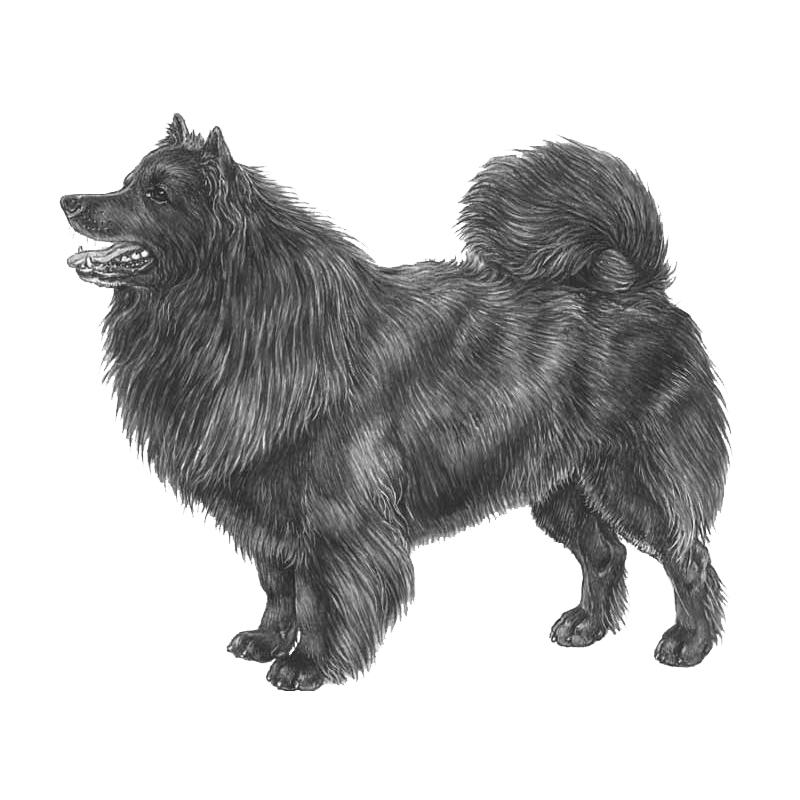
The Lapphunds are mainly known as the reindeer-herder but they were originally used as hunting dogs. The rearing of reindeer in a businesslike manner is relatively new. Most probably it was the Sami tribes that long ago brought the dogs with them to the Northern parts of Scandinavia. The authentic Lapphund was facing extinction in the beginning of the 20th century.
Source: Swedish breeds of dogs: http://www.skk.se/global/dokument/hundrasguiden/svenska-raser.pdf
The Swedish Lapphund is the oldest of the native Swedish breeds with a history dating back thousands of years. Believed to be descended from the ancient Nordic spitz, it is one of the oldest known breeds in existence today.
-
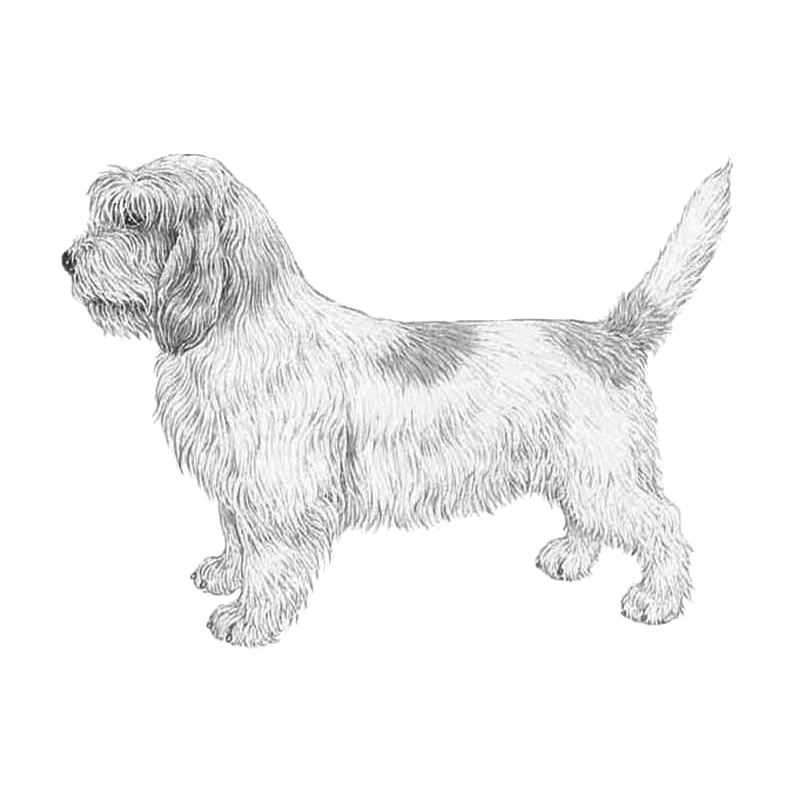
The Petit Basset Griffon Vendéen or PBGV, is a breed of dog of the scent hound type, bred to trail hares in bramble-filled terrain of the Vendée district of France.
Source: https://en.wikipedia.org/wiki/Petit_Basset_Griffon_Vendéen
-
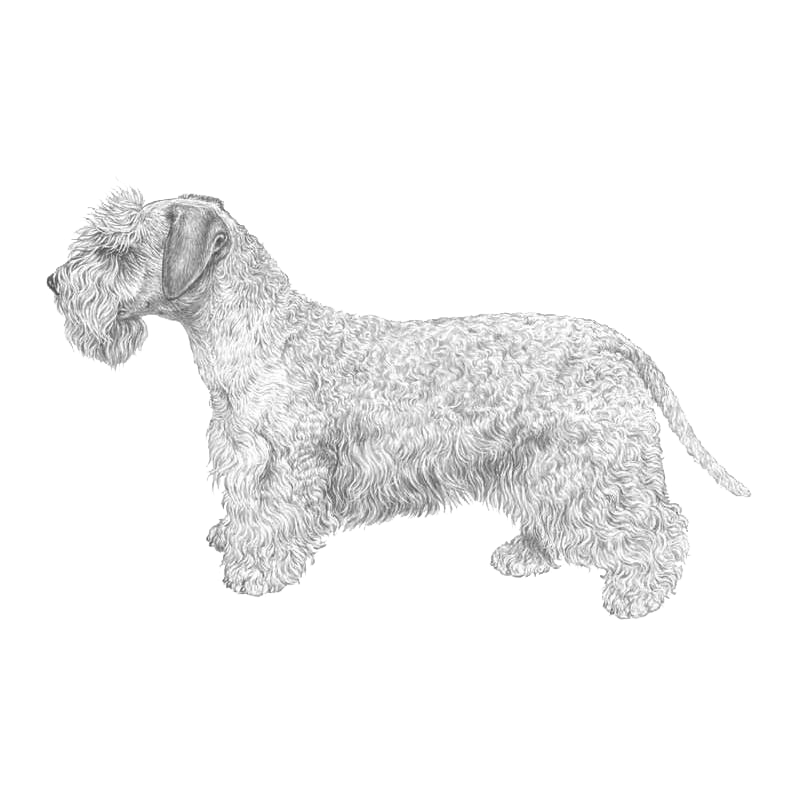
The Cesky Terrier was created by a Czech breeder, František Horák, in 1948, as a cross between a Sealyham Terrier and a Scottish Terrier, to create a terrier suitable for hunting in the forests of Bohemia.
Source: Wikipedia
-
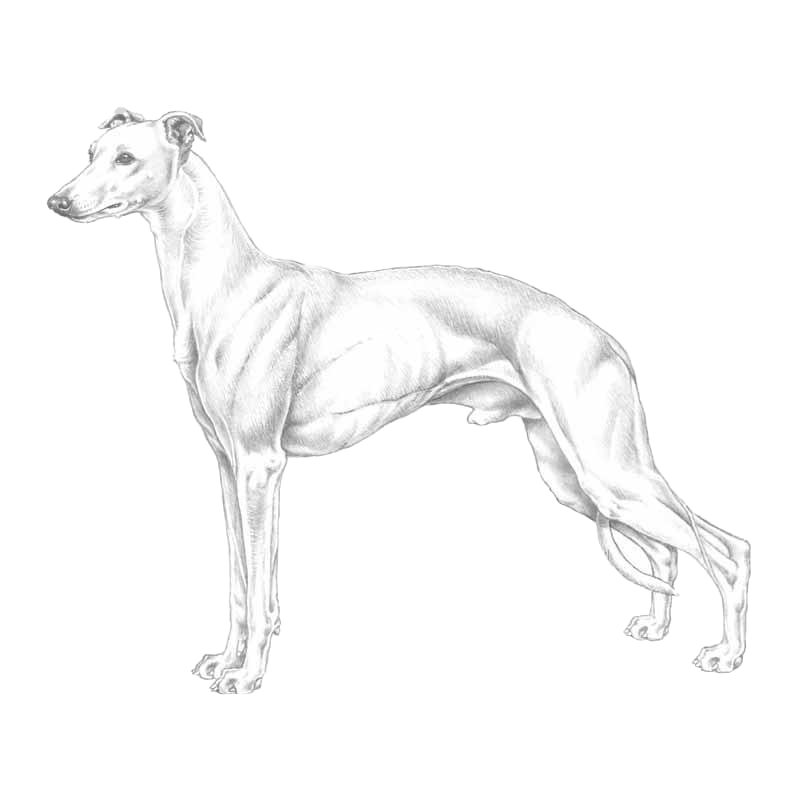
The Whippet (also English Whippet or Snap dog) is a dog breed of medium-size. They are a sighthound breed that originated in England, where they descended from greyhounds. Whippets today still strongly resemble a smaller greyhound.
-
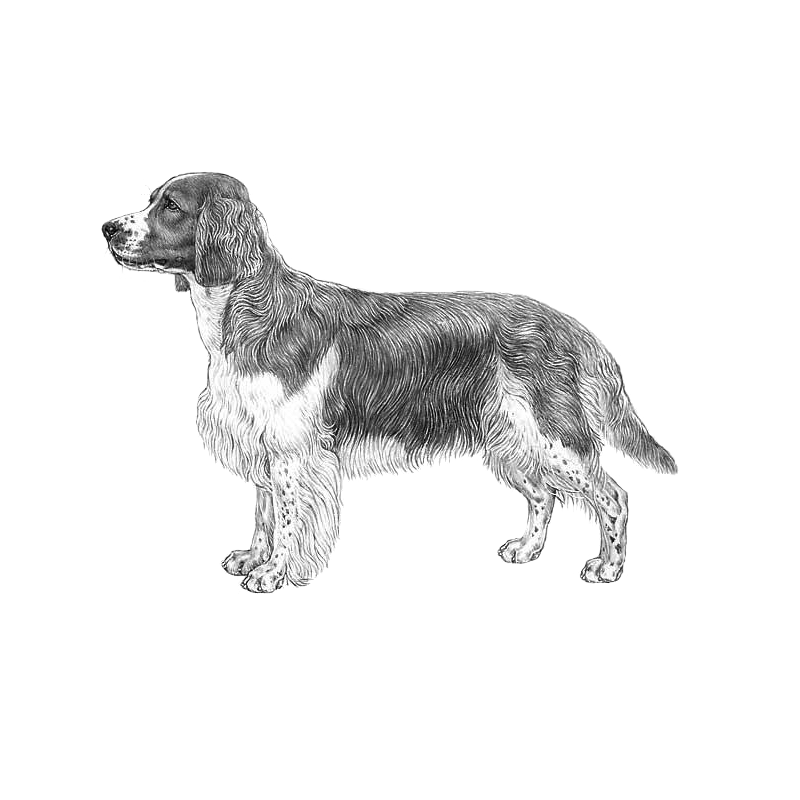
Thought to be comparable to the old Land Spaniel, they are similar to the English Springer Spaniel and historically have been referred to as both the Welsh Spaniel and the Welsh Cocker Spaniel.
Source: https://en.wikipedia.org/wiki/Welsh_Springer_Spaniel
-
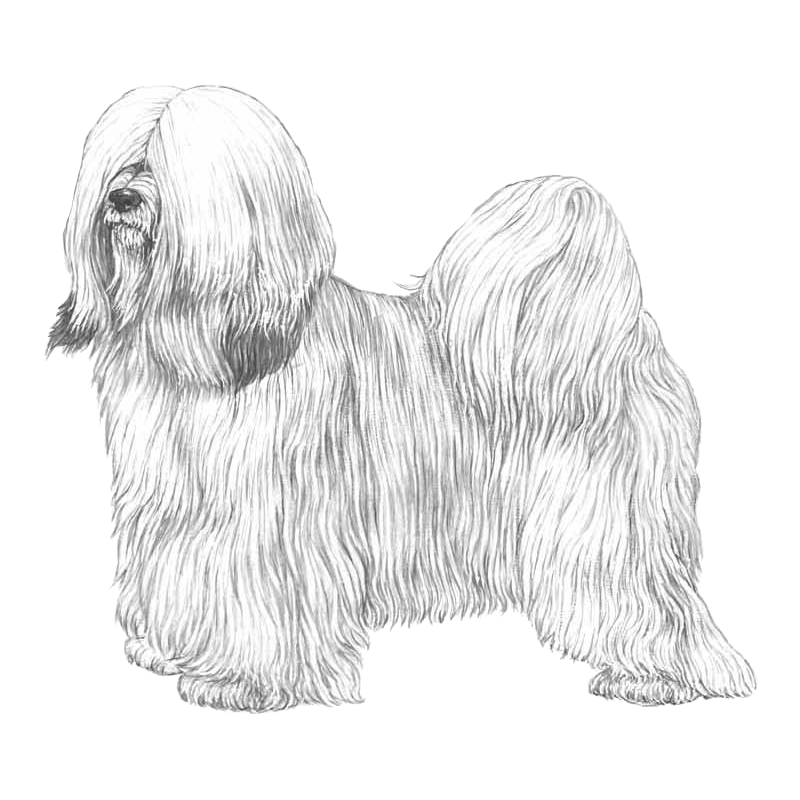
The Tibetan Terrier is a medium-size breed of dog that originated in Tibet. Despite its name, it is not a member of the terrier group. The breed was given its English name by European travelers due to its resemblance to known terrier breeds. The Tibetan name for the breed, Tsang Apso, roughly translates to "shaggy or bearded ("apso") dog, from the province of Tsang".
-
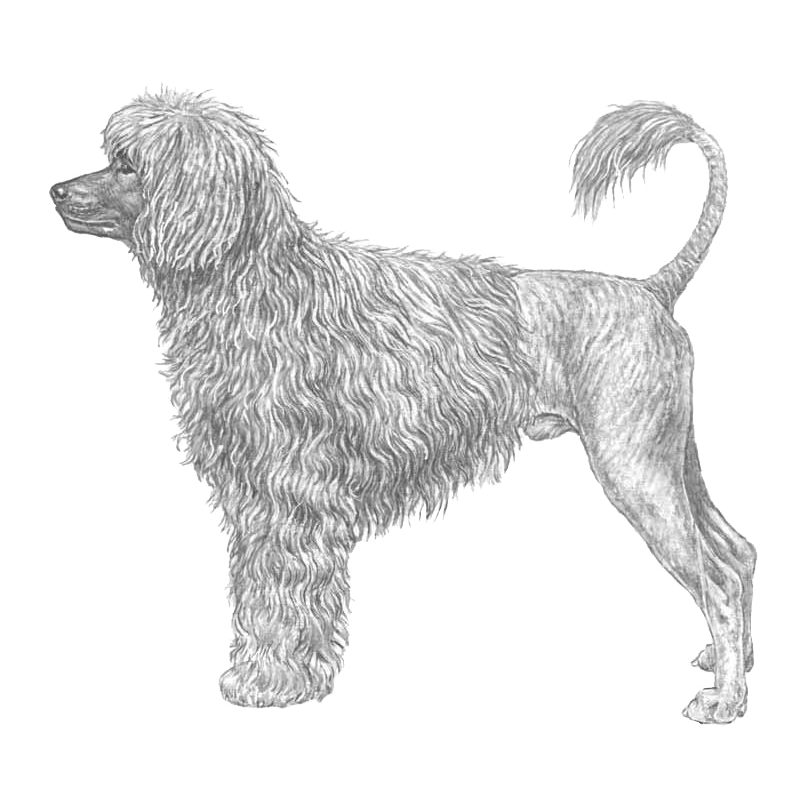
Portuguese Water Dogs are originally from the Portuguese region of the Algarve, from where the breed expanded to all around Portugal's coast, where they were taught to herd fish into fishermen's nets, to retrieve lost tackle or broken nets, and to act as couriers from ship to ship, or ship to shore.
-
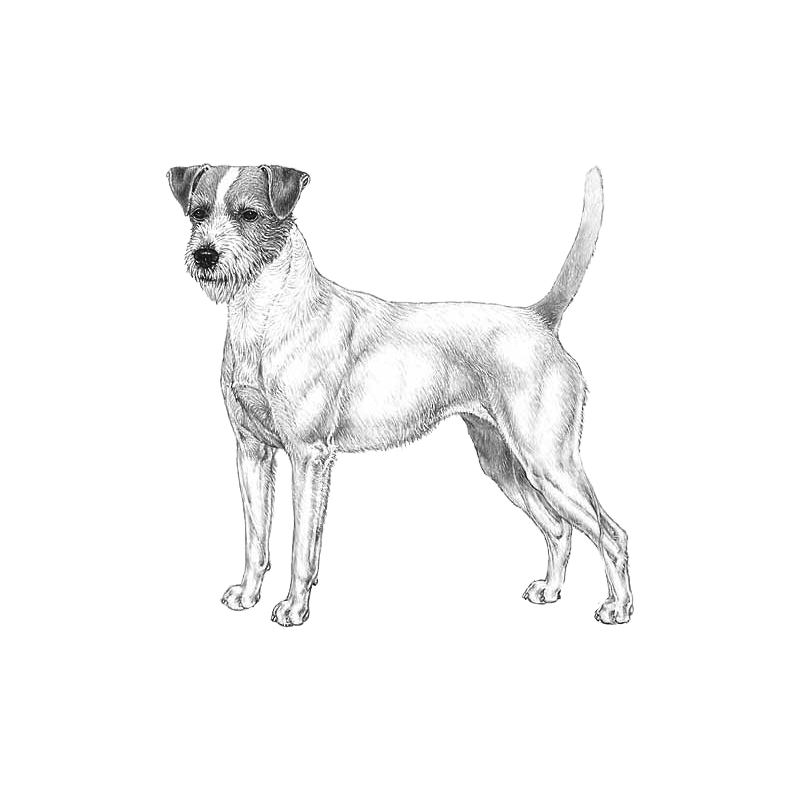
The Parson Russell Terrier was bred to go to ground and was often used as the earth dog for badger or fox. It is said that he had to be a handy size to go to ground, but also had to possess stamina and be sufficiently racy to keep up with hounds...The Breed was formally recognised by the Kennel Club in 1990 as the Parson Jack Russell Terrier. However, in 1999, the breed name was changed to the Parson Russell Terrier to differentiate the two breeds. The Parson Russell is now well established in the show ring and retains its working abilities as a ‘fox’ terrier.
Source: https://www.thekennelclub.org.uk/search/breeds-a-to-z/breeds/terrier/parson-russell-terrier/
-
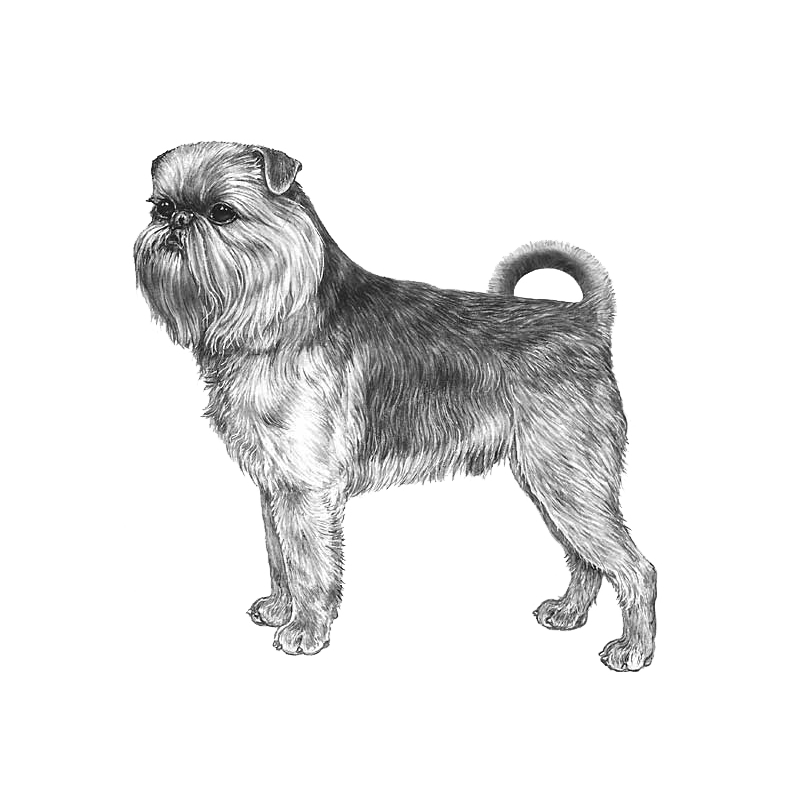
At one time known as the Belgian street urchin, this breed originated in Belgium and has traces of Affenpinscher in its ancestry. A variety of this little dog appeared in a painting by the Flemish artist Jan van Eyck as long ago as 1434 and the breed was already standard in type by the 1600s. He used to earn his keep as a stable dog where horses for hansom cabs were kept. He arrived in Britain in the late 1800s.
Source: The Kennel Club
-
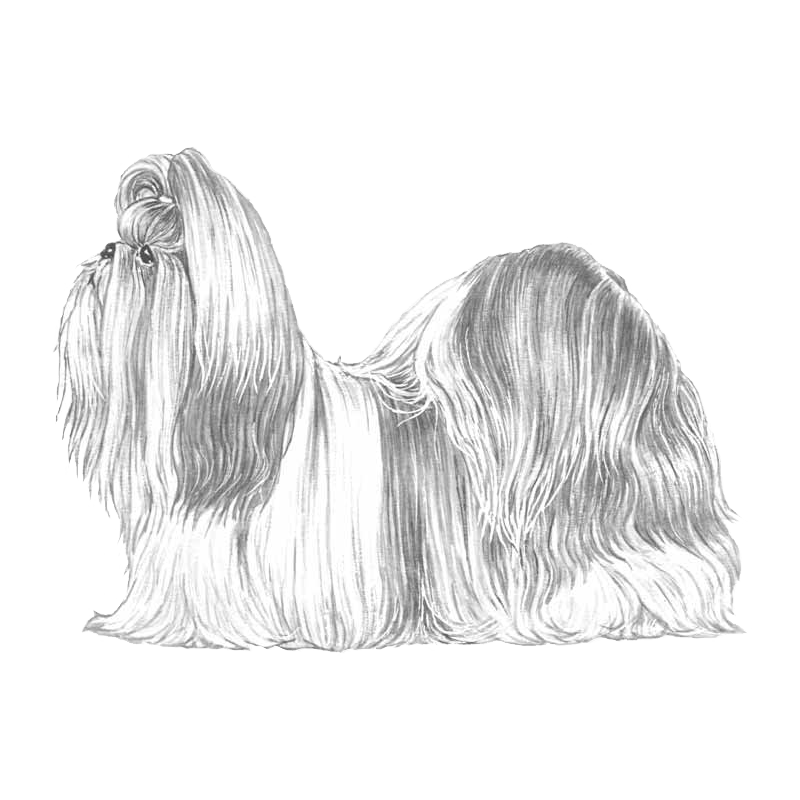
The roots of the Shih Tzu are in Tibet but it was developed in China, where dogs like these lived in the imperial palaces. After China became a republic in 1912, examples of the breed found their way to the West. Temperamentally, the Shih Tzu is a bouncy character and very outgoing. A complete extrovert and full of infectious enthusiasm, he makes a delightful companion who is happy to be part of any family.
Source: https://www.thekennelclub.org.uk/search/breeds-a-to-z/breeds/utility/shih-tzu/
-
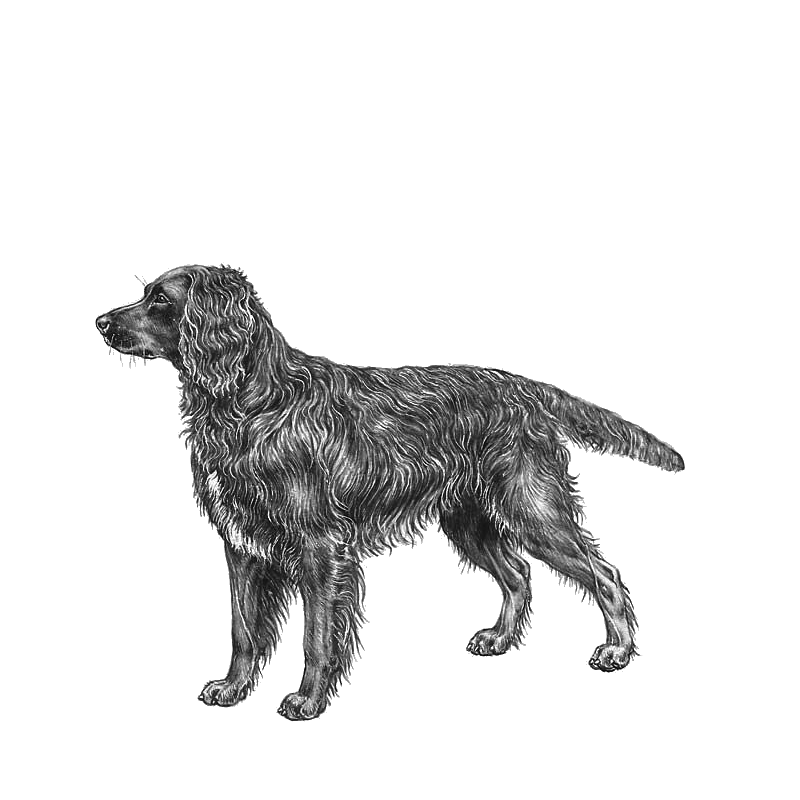
The German Spaniel, also known as the Deutscher Wachtelhund (German quail dog), is a breed of dog that was developed in Germany around 1890, and is used as a hunting dog. Descended from the old German breed, the Stoeberer (lit. "rummager"), which became popular with commoners following the Revolutions of 1848 in the German states, who required a versatile hunting dog.
-
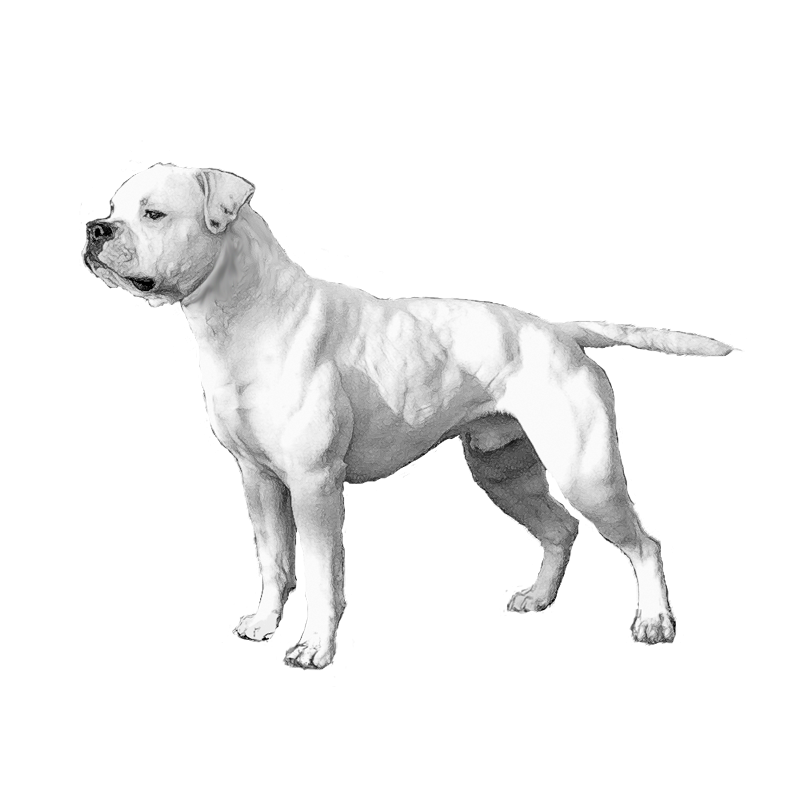
The American Bulldog is a powerful, athletic short-coated dog, strongly muscled, and well boned. The body is just slightly longer than tall. The head is large and broad, with a wide muzzle. Ears are small to medium in size, high set, and may be drop, semi-prick, rose, or cropped. The tail may be docked or natural.
The two men who are recognized as the pioneers of bringing the breed back from possible extinction are John D. Johnson and Alan Scott.
Source: https://www.ukcdogs.com/american-bulldog
Source: https://www.akc.org/dog-breeds/american-bulldog/
-
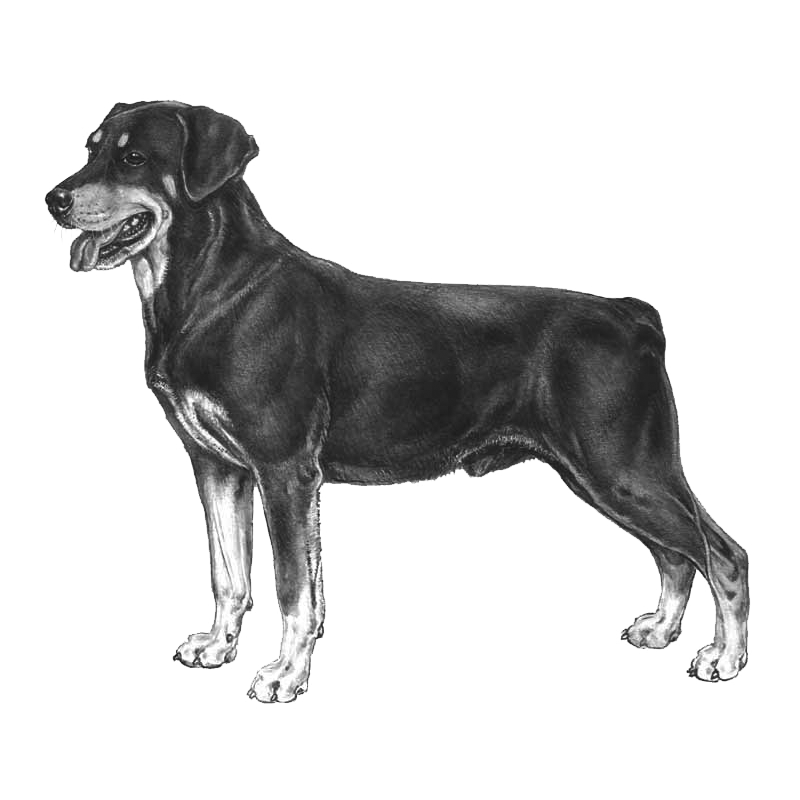
The Smaland Hound (Swedish: Smålandsstövare) is a breed of dog that originated in Sweden in the 16th century. Thought to be the oldest scent hound breed native to Sweden, it was first recognized by the Swedish Kennel Club in 1921.