






Pedigree Breeds
184 entries in this category
-
- Last comment date
- Title
- Start Date
- Most Commented
- Most Viewed
- Last Updated
- Publish Date
- Brief Description
- Content
- Links to Breed Descriptions
- Other Names for Breed
- Country of Origin and Parent Breed Club
- Health and Well-Being
- Breed-Specific Articles
- Breed Standards
- Breed-Specific Statistics
- Breeding/Health Strategy Documents
- Breed-Specific DNA Tests
- Other Breed-Specific Webpages
- Breed-Specific Research
- Breed Clubs
- Custom
-
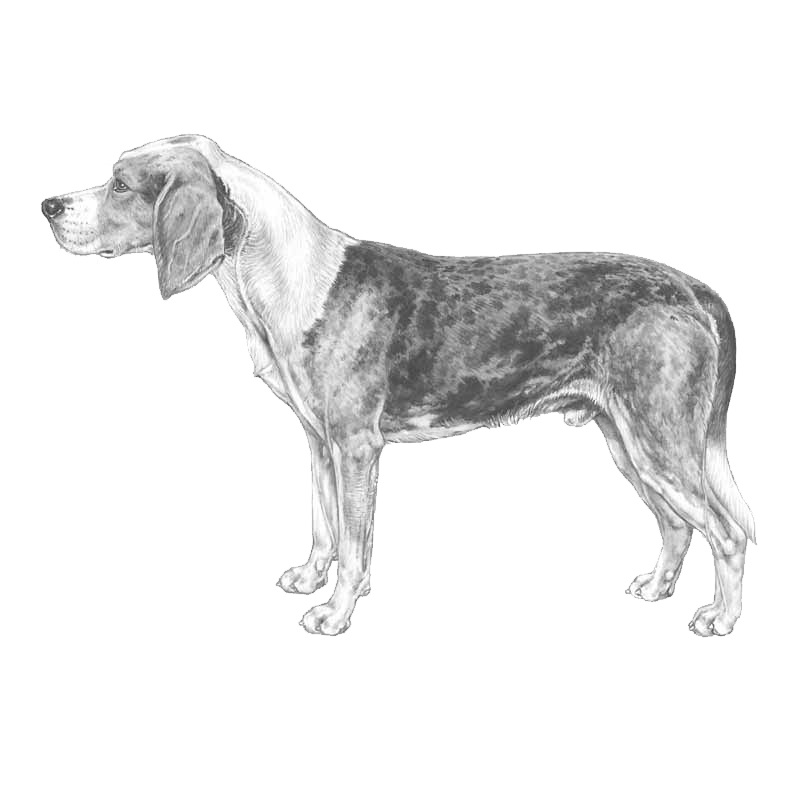
The Norwegian Hound is considered to be a good scent hound. It cooperates closely and well with its owner in the woods and bays on the trail. Breeding efforts have always aimed at strengthening the best characteristics of the old Norwe-gian scent hound, which was a hardy and robust dog with an excellent temperament. Today’s hunters especially call attention to the breed’s strong paws. These tolerate ice and crusty snow much better than the feet of other scent hounds.
Source: http://www.skogoglandskap.no/filearchive/native_dog_breeds_norway.pdf
-
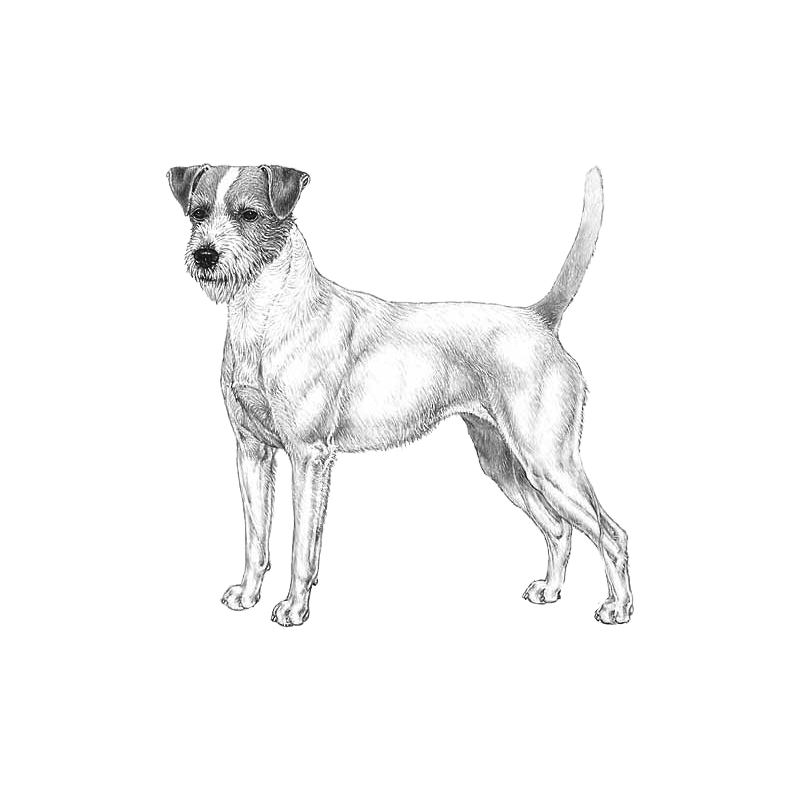
The Parson Russell Terrier was bred to go to ground and was often used as the earth dog for badger or fox. It is said that he had to be a handy size to go to ground, but also had to possess stamina and be sufficiently racy to keep up with hounds...The Breed was formally recognised by the Kennel Club in 1990 as the Parson Jack Russell Terrier. However, in 1999, the breed name was changed to the Parson Russell Terrier to differentiate the two breeds. The Parson Russell is now well established in the show ring and retains its working abilities as a ‘fox’ terrier.
Source: https://www.thekennelclub.org.uk/search/breeds-a-to-z/breeds/terrier/parson-russell-terrier/
-
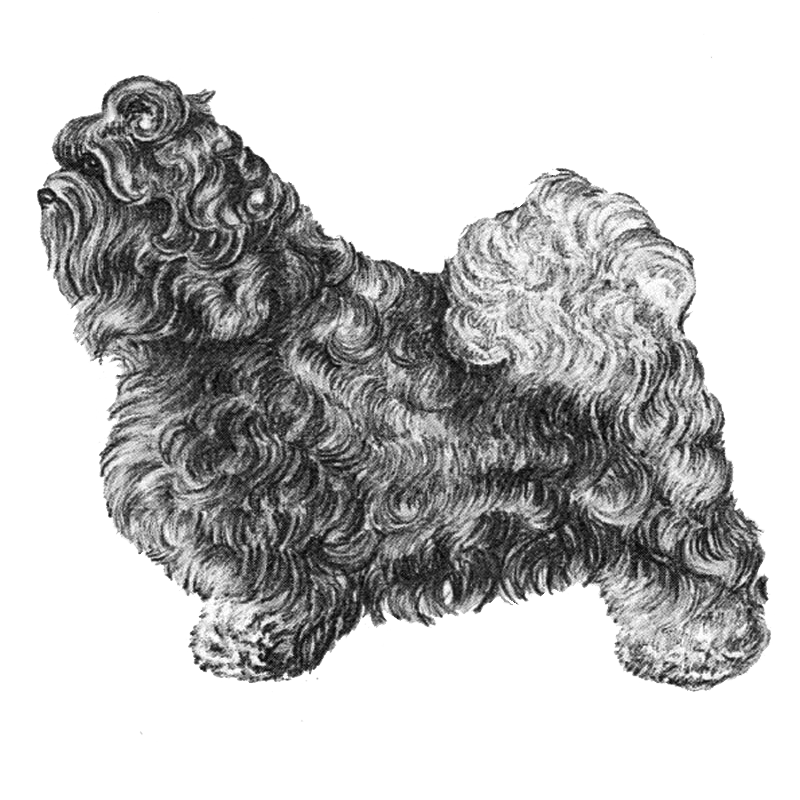
The creation of the breed started in 1951 in Leningrad. Following breeds Bolognese, Shih-Zzu, Lhasa-Apso were involved in the creation of the RUSSKAYA TSVETNAYA BOLONKA. 1
Developed to be the ultimate house pet and companion, the Tsvetnaya Bolonka is a small, sturdy, balanced dog, slightly longer than tall. The breed has a wavy or curly coat. He moves gracefully with the tail carried over the back or to either side. He is friendly to all and shows no sign of aggression. He is sweet, loving, intelligent, and willing to please. 2
Sources:1 FCI-RKF Breed Standard: Translation: Karin Biala-Gauß;
-
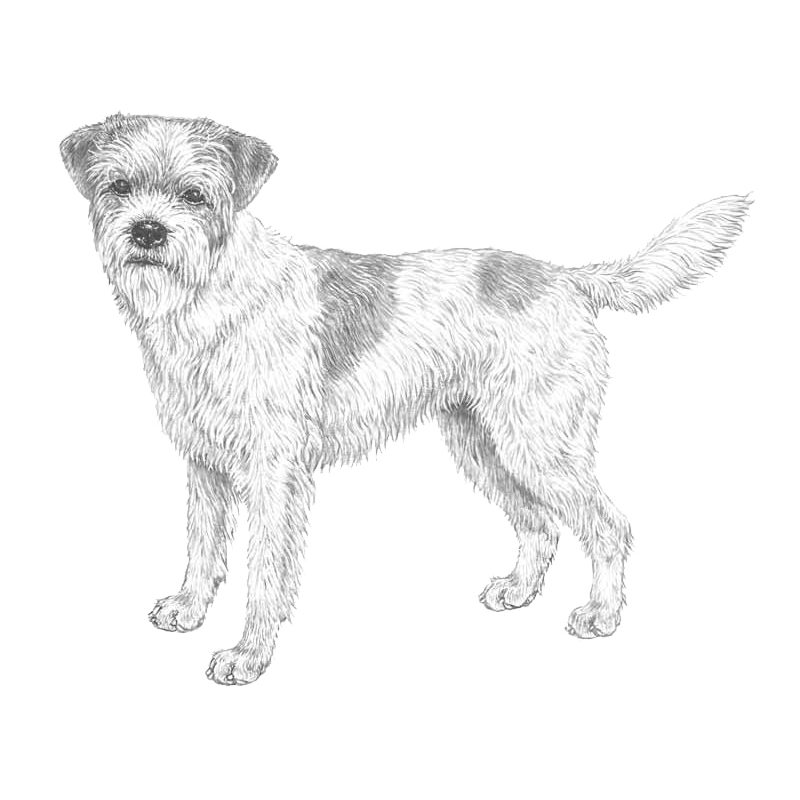
Medium size. There are two separate varieties, distinguished by coat type: Rough coat and Smooth coat. Adaptable, docile and highspirited companion and house-dog, somewhat reserved about strangers, with a moderate hunting instinct. Aggressiveness and timidity not desired.
Source: http://www.fci.be/en/nomenclature/KROMFOHRLANDER-192.html
-
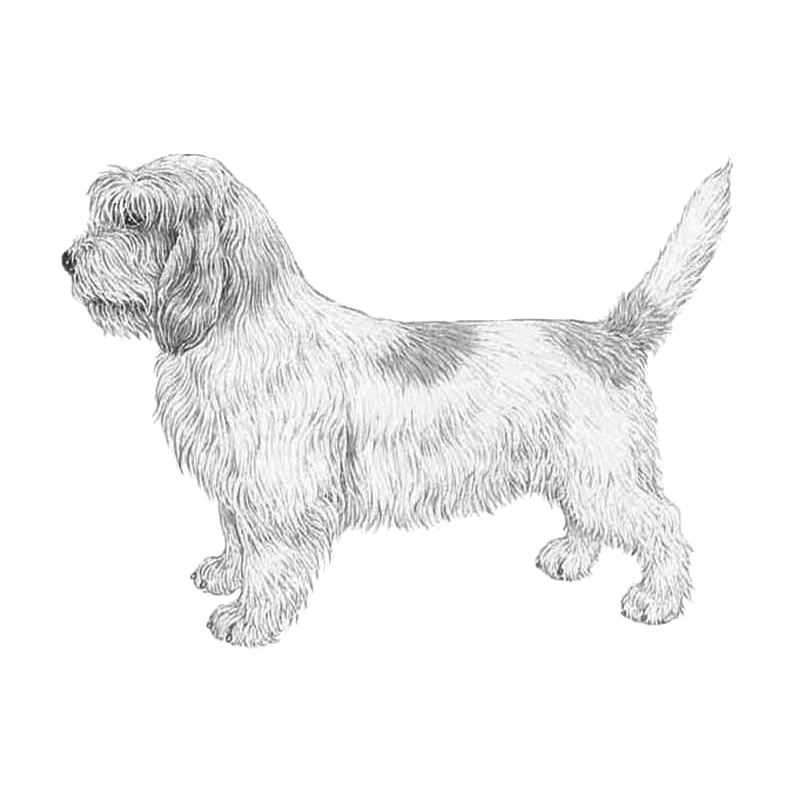
The Petit Basset Griffon Vendéen or PBGV, is a breed of dog of the scent hound type, bred to trail hares in bramble-filled terrain of the Vendée district of France.
Source: https://en.wikipedia.org/wiki/Petit_Basset_Griffon_Vendéen
-

Many hunters consider the Finnish Hound to be the world's best game-pursuing breed at the moment.
The Finnish Hound is a native breed and one of the most popular dog breeds in Finland. It is used almost solely to hunt hares or foxes. It works independently, tracking either earth or airborne scent and will pursue game and bark passionately. The long hunting season for hares and foxes contribute to the breed's popularity. The Finnish Kennel Club registered 1,475 Finnish Hounds in 2012. In total, 20,030 Finnish Hounds were registered in 2003-2012.
From: Kennelliito (The Finnish Kennel Club, IPFD Founding Partner) Native Breeds
-
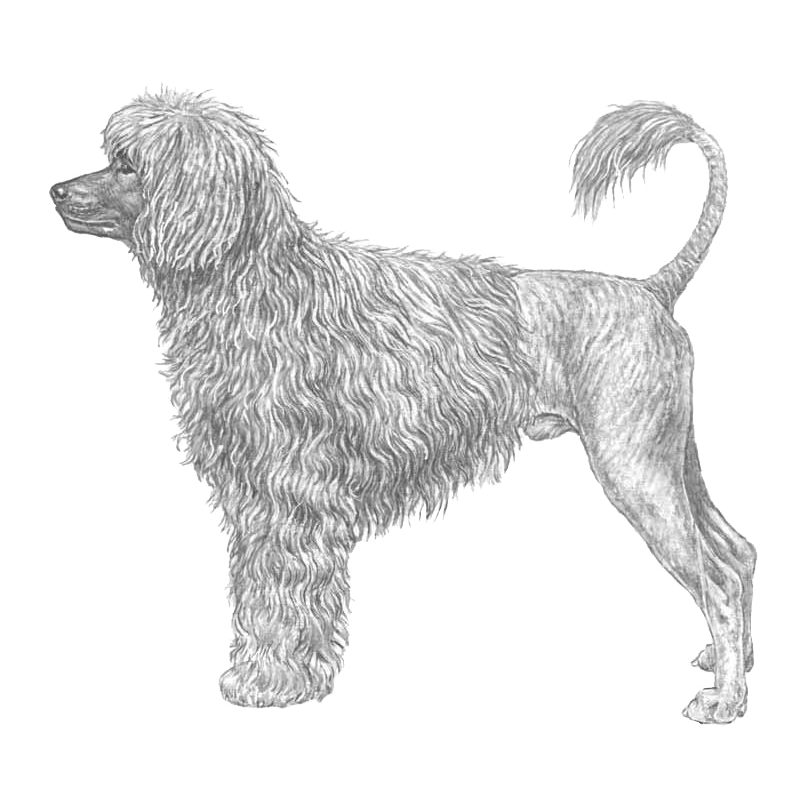
Portuguese Water Dogs are originally from the Portuguese region of the Algarve, from where the breed expanded to all around Portugal's coast, where they were taught to herd fish into fishermen's nets, to retrieve lost tackle or broken nets, and to act as couriers from ship to ship, or ship to shore.
-
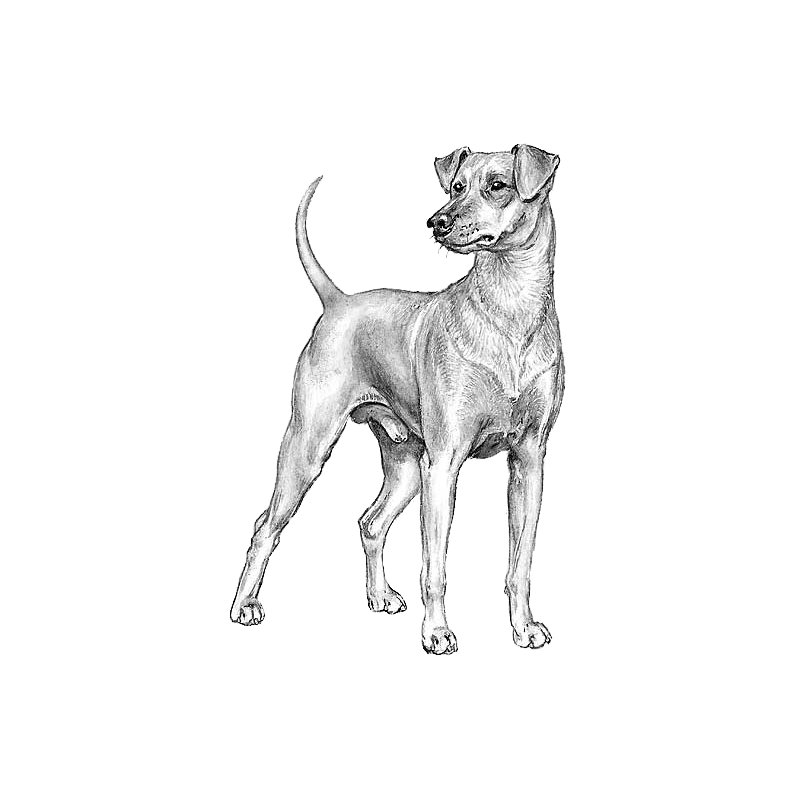
The German Pinscher is a medium-sized dog, usually weighing between 25–45 pounds (11–20 kilograms) and typically 17–20 inches (43–51 centimetres) in height, with a short coat. Colors for this breed include black and rust, red, fawn, blue and tan. The ideal German Pinscher is elegant in appearance with a strong square build and moderate body structure, muscular and powerful endurance and agility. For all countries where the Fédération Cynologique Internationale standard applies, only black and rust and solid red are allowed colors. Colors that became extinct during the world wars of the twentieth century include solid black, salt-and-pepper, and harlequin.
Source: https://en.wikipedia.org/wiki/German_Pinscher
-
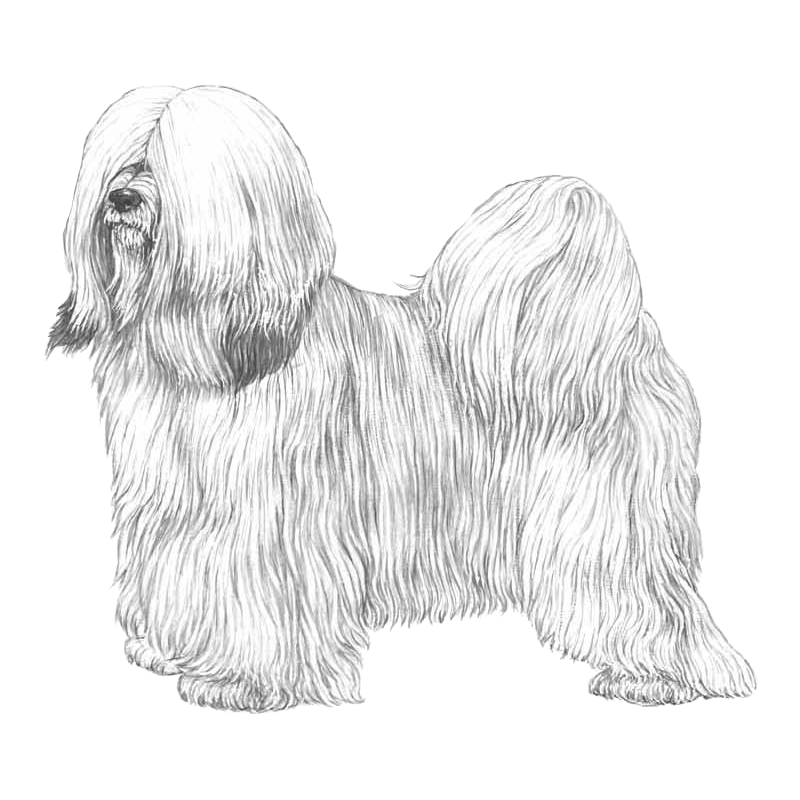
The Tibetan Terrier is a medium-size breed of dog that originated in Tibet. Despite its name, it is not a member of the terrier group. The breed was given its English name by European travelers due to its resemblance to known terrier breeds. The Tibetan name for the breed, Tsang Apso, roughly translates to "shaggy or bearded ("apso") dog, from the province of Tsang".
-
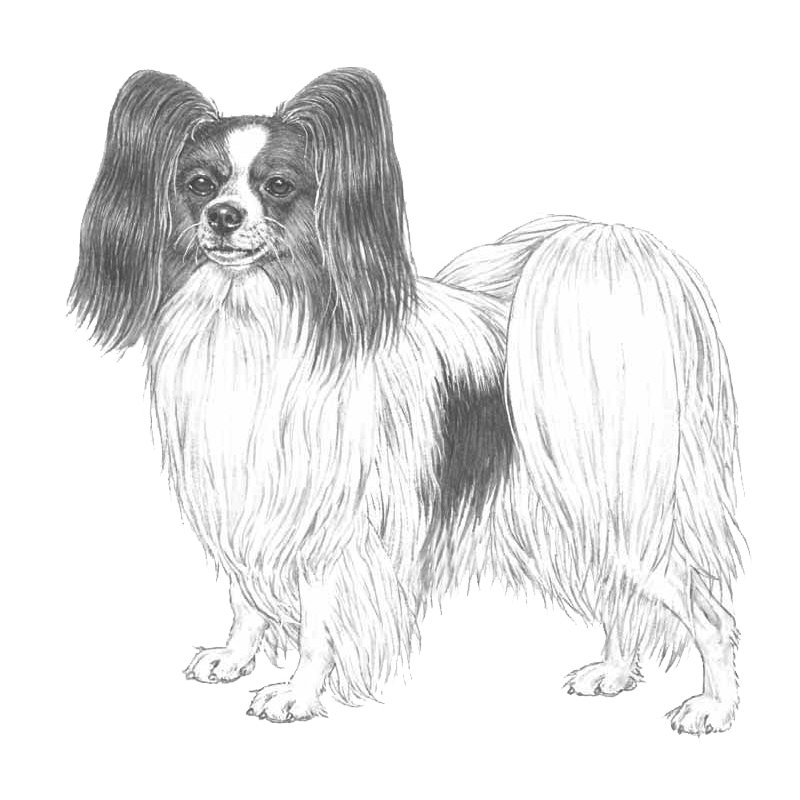
The Papillon, also called the Continental Toy Spaniel, is a breed of dog of the Spaniel type. One of the oldest of the toy spaniels, it derives its name from its characteristic butterfly-like look of the long and fringed hair on the ears, the French word for "butterfly" being papillon.
(Source: Wikipedia)
-
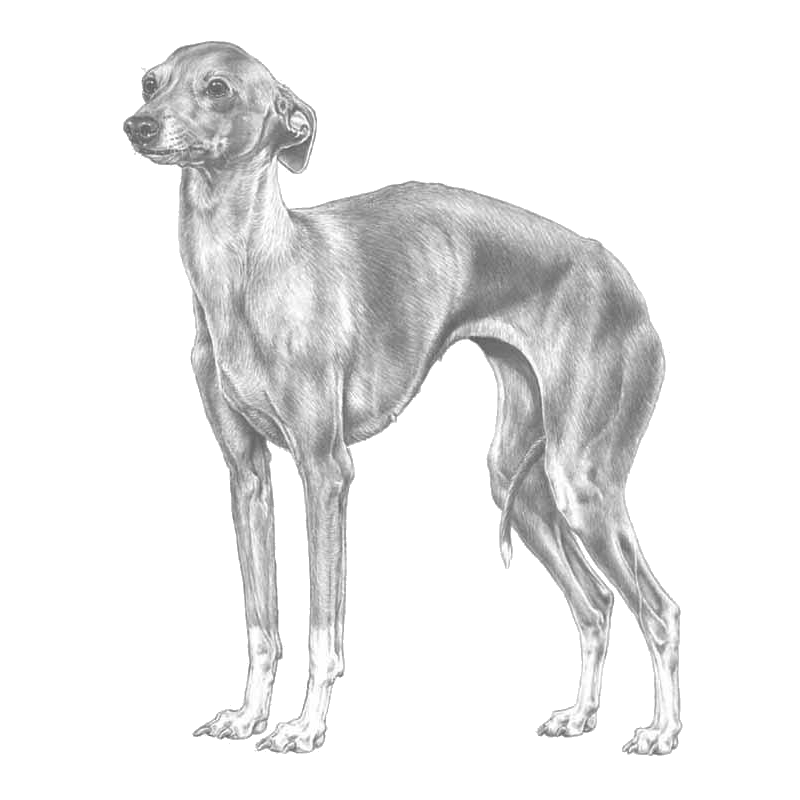
The Italian Greyhound (in Italian: Piccolo Levriero Italiano) is a small breed of dog of the sight hound type, sometimes called an "I.G." or an "Iggy".
-
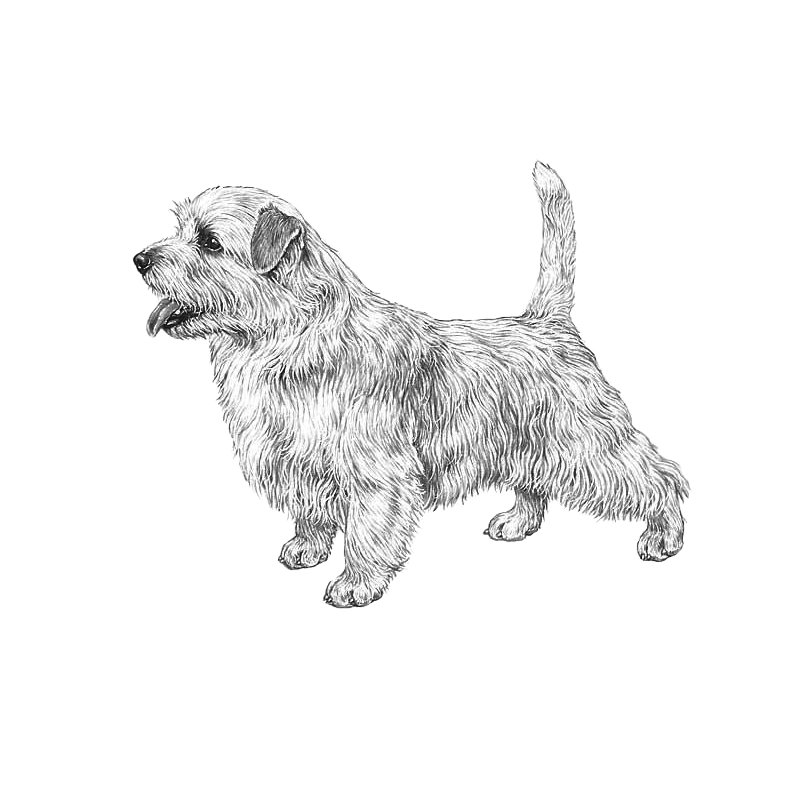
Prior to gaining recognition as an independent breed in 1960, it was a variety of theNorwich Terrier, distinguished from the "prick eared" Norwich by its "drop ears" (or folded ears). Together, the Norfolk and Norwich Terriers are the smallest of the working terriers.
-
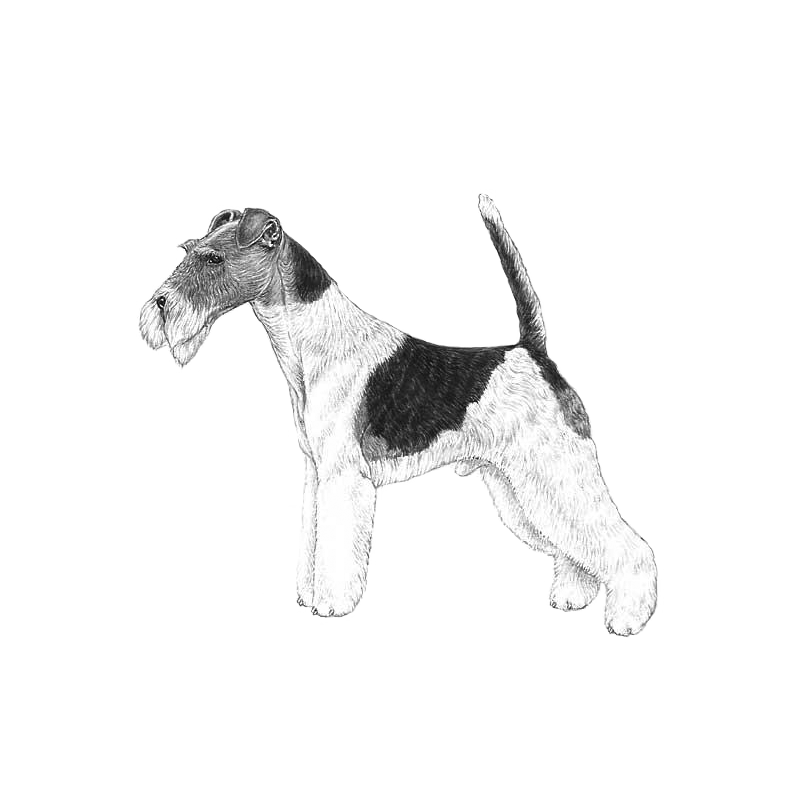
It is a fox terrier, and although it bears a resemblance to the smooth fox terrier, they are believed to have been developed separately.
-
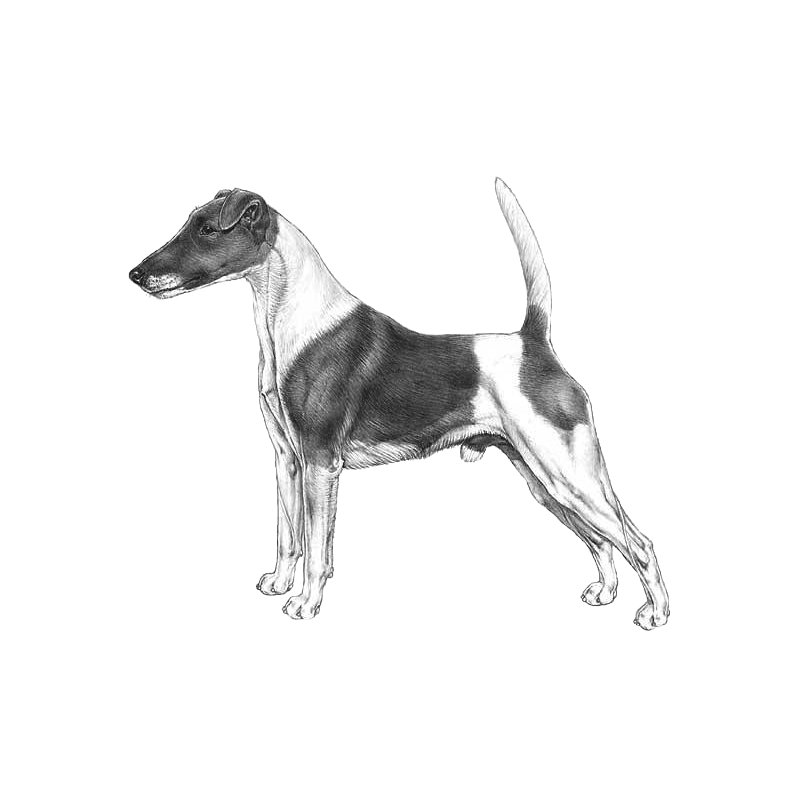
It was the first breed in the fox terrier family to be given official recognition by The Kennel Club (circa 1875; breed standard 1876). It is well known, and although not a widely popular breed today outside of hunting and show circles, it is extremely significant due to the large number of terriers believed descended from it.
-
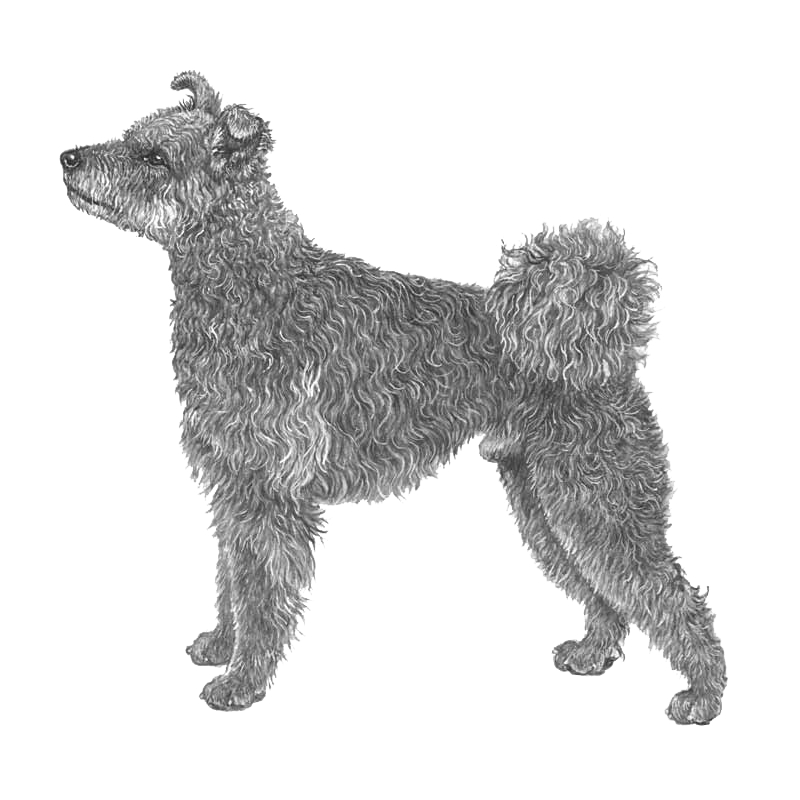
The Pumi is an active dog, combining the biddability and intelligence of the herding dog along with the alertness and activity of a terrier. Because they are intelligent, they need daily work to do, whether it’s herding, obedience, flyball, jogging, or chasing tennis balls.
Source: Hungarian Pumi Club of America
-
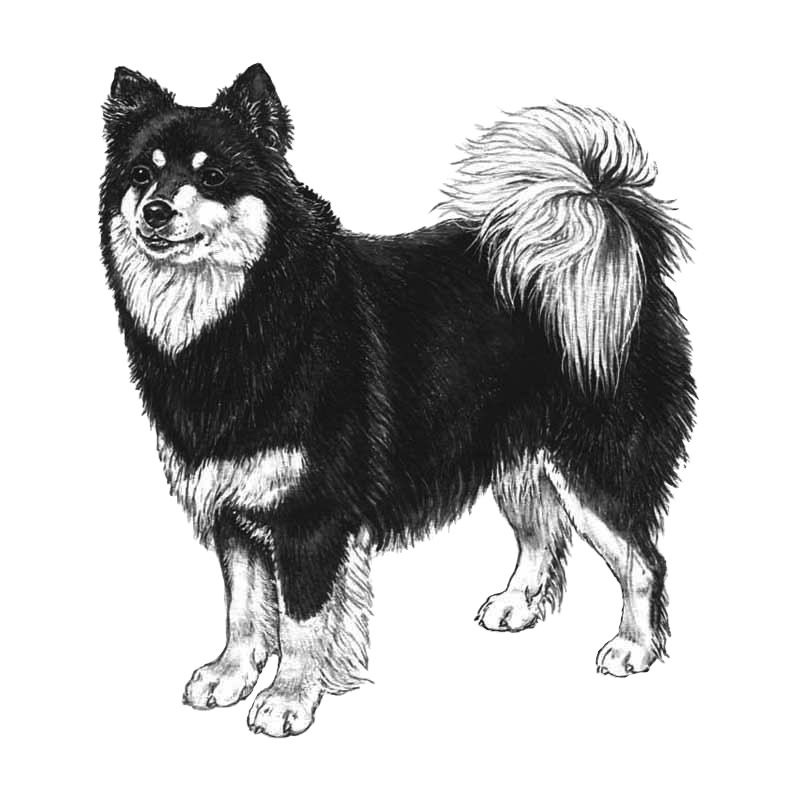
The Finnish Lapponian Dog shares its roots with the Lapponian Herder and the Swedish Lapphund. It is descended from the long-haired reindeer herding dogs that are common in the fell regions of Lapland and is nowadays a popular companion dog. The Finnish Lapponian Dog is intelligent, brave, eager to learn, friendly and fairly submissive. Its herding instinct is strong and it displays a clear disposition to guard.
From: Kennelliito (The Finnish Kennel Club, IPFD Founding Partner) Native Breeds
-
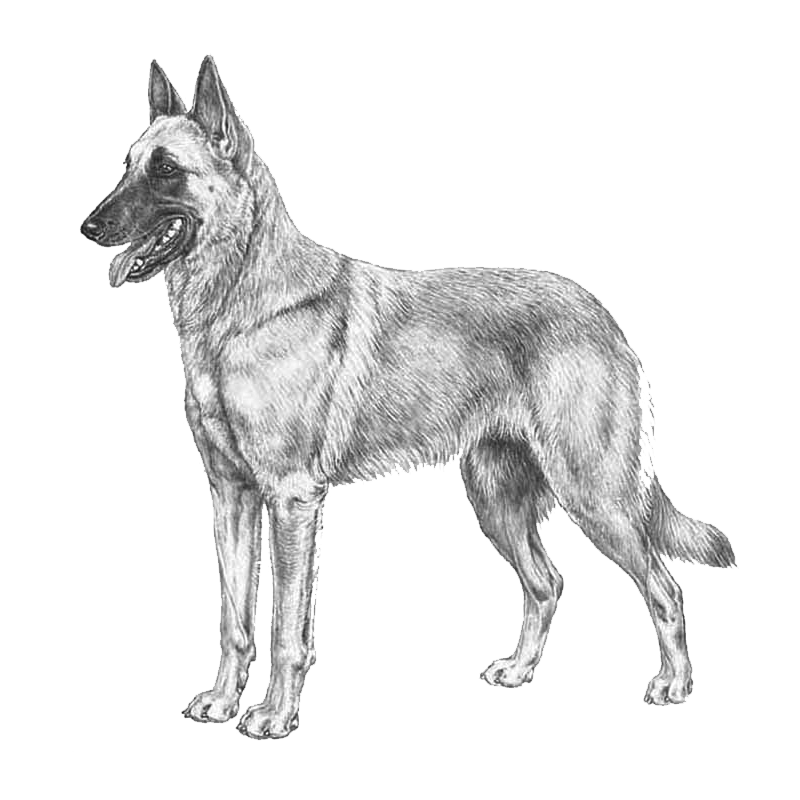
The Malinois /ˈmælɨnwɑː/ is a medium to large breed of dog, sometimes classified as a variety of the Belgian Shepherd Dog rather than as a separate breed. It is named after the Belgian city of Malines, where the breed originated. Its name is the French word for Mechlinian, which in Dutch is either Mechelse herder or Mechelaar (one from Mechelen).
Source: https://en.wikipedia.org/wiki/Malinois_(Belgian_Shepherd_Dog)
NOTE: The Federation Cynologique Internationale (FCI) describes the Malinois, together with the Groenendael, the Laekenois, and the Tervueren, as varieties of the Belgian Shepherd dog breed. The American Kennel Club, however, officially recognizes the Belgian Malinois, the Belgian Sheepdog (FCI: Groenendael), the Belgian Laekenois (FCI: Laekenois), and the Belgian Tervuren (FCI: Tervueren) as four distinct breeds.
Source: https://www.ncbi.nlm.nih.gov/pmc/articles/PMC7140874/
-
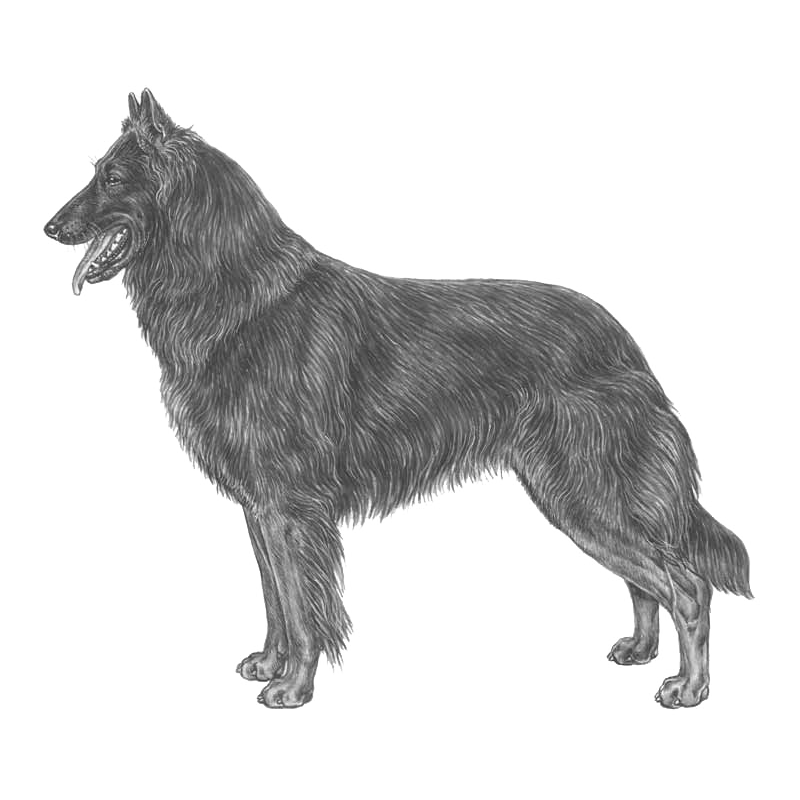
The Groenendael /ˈɡroʊnɨndæl/ is a dog that is included in the Belgian Shepherd breed. In the United States it is generally recognized under the name Belgian Sheepdog.
Source: https://en.wikipedia.org/wiki/Groenendael_(Belgian_Shepherd_Dog)
-
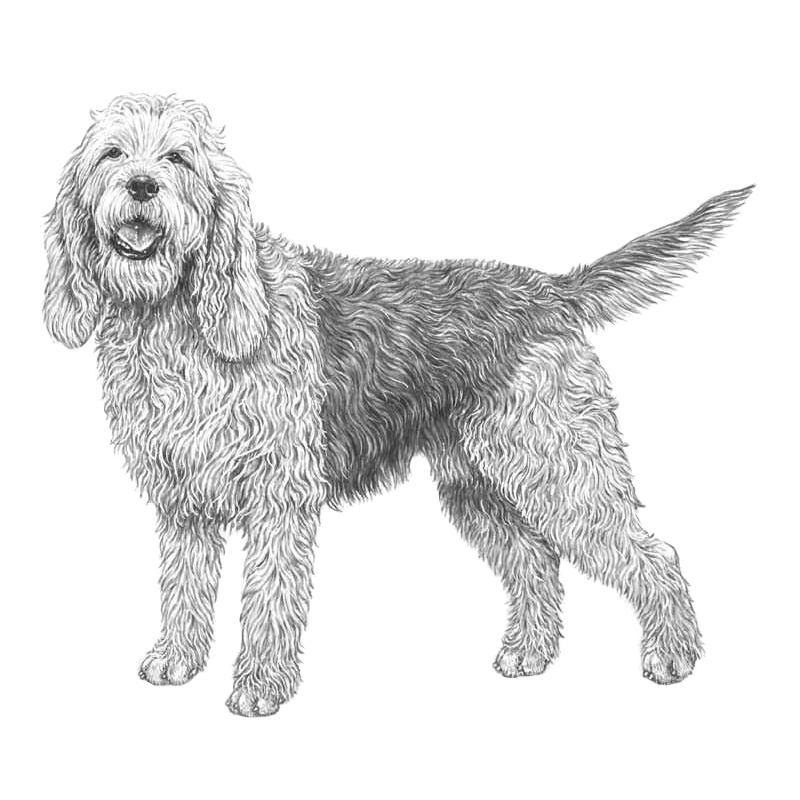
The Otterhound is an old British dog breed. The origins are not known. It is a scent hound and is currently recognised by the Kennel Club as a Vulnerable Native Breed... Source: https://en.wikipedia.org/wiki/Otterhound
It is estimated there are approximately 850 - 900 Otterhounds in the world today. The registration figures worldwide can be found in the Otterhound Database located on the US Otterhound Club website as they are supplied with official registrations from around the world.
-
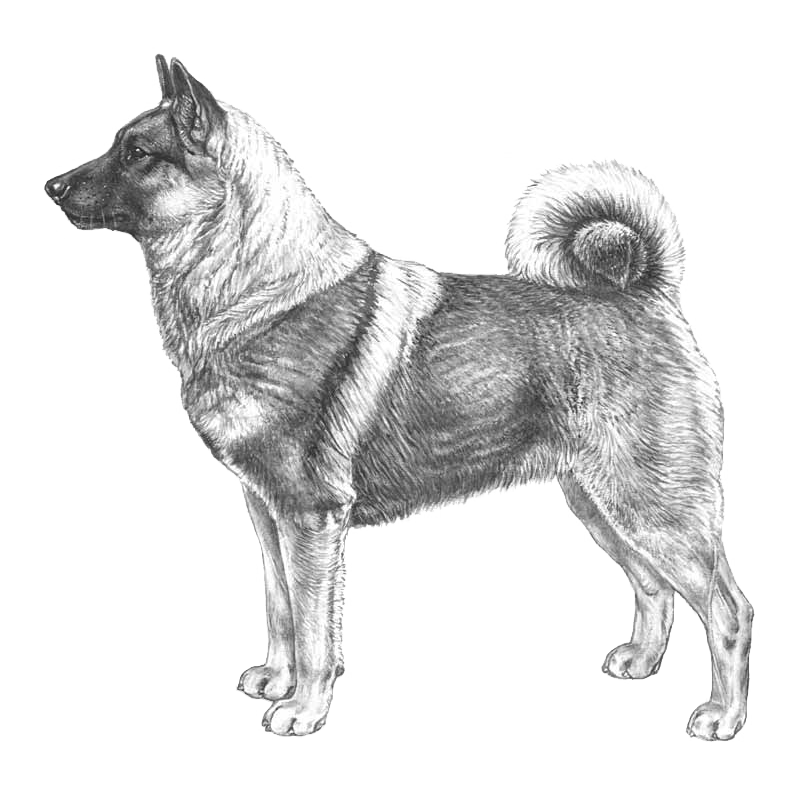
The Norwegian Elkhound is one of the ancient Northern Spitz-type breed of dog and is the National Dog of Norway. The Elkhound has served as a hunter, guardian, herder, and defender.
Source: Wikipedia
-
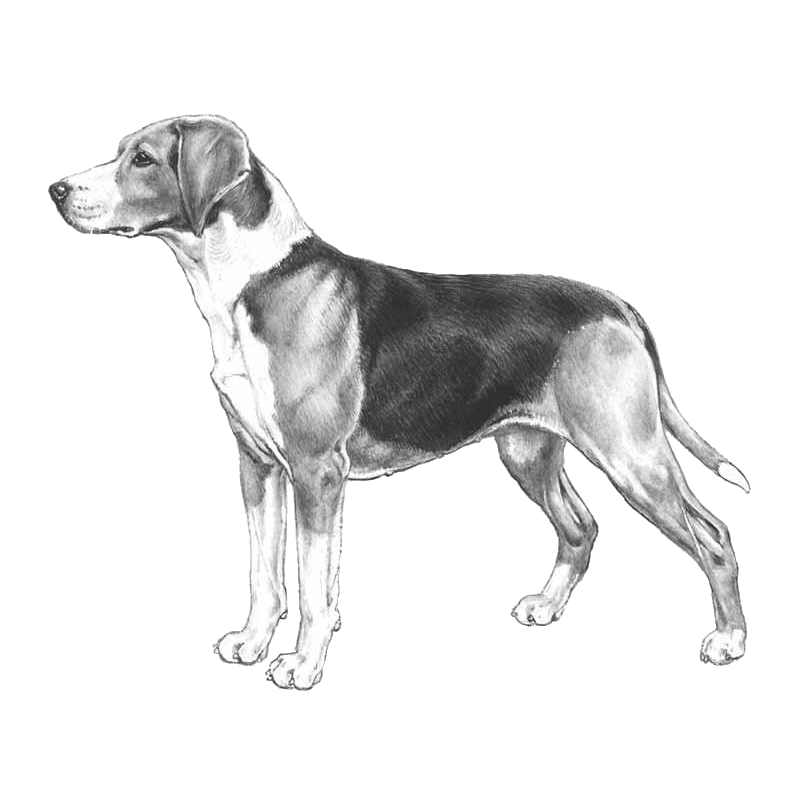
The Hamiltonstövare is above all a working dog, bred for hunting fox and hare, working singly or in pairs rather than in a pack. The combination of working ability and a lovely temperament makes the Hamiltonstövare a pleasant shooting dog. Standing 19 to 24 inches (49 to 61 centimetres) at the withers, makes him one of the larger stövare.
source: http://caninechronicle.com/uncategorized/masterminds-the-hamilton-hound/
-
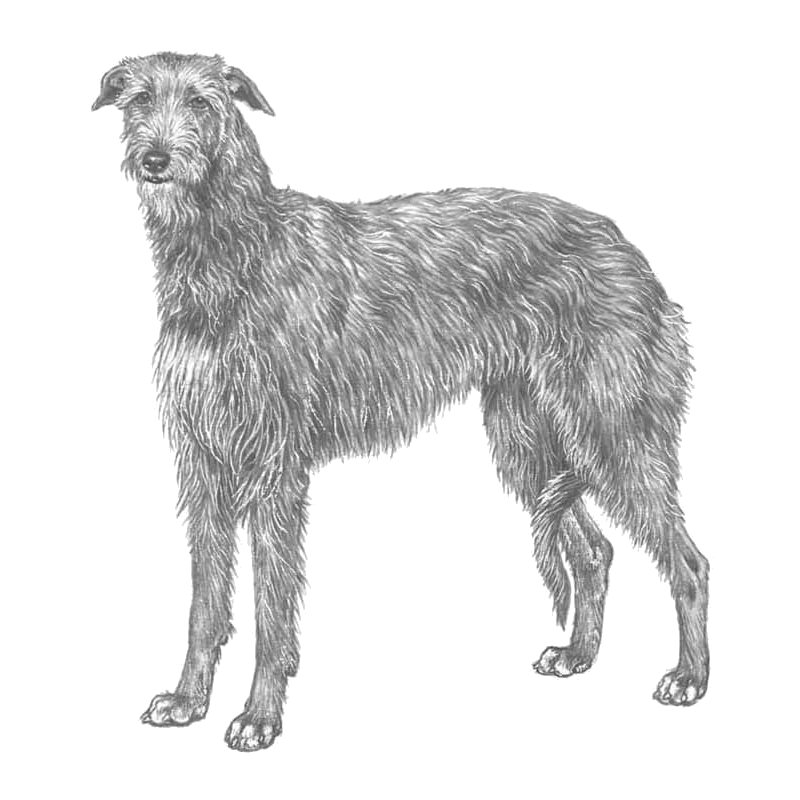
Large rough coated dogs of greyhound type have been known in Scotland for at least 500 years. Early in its history the breed was called the Scottish Wolfdog but as the wolf population began to disappear it was developed as a deer coursing breed.
-
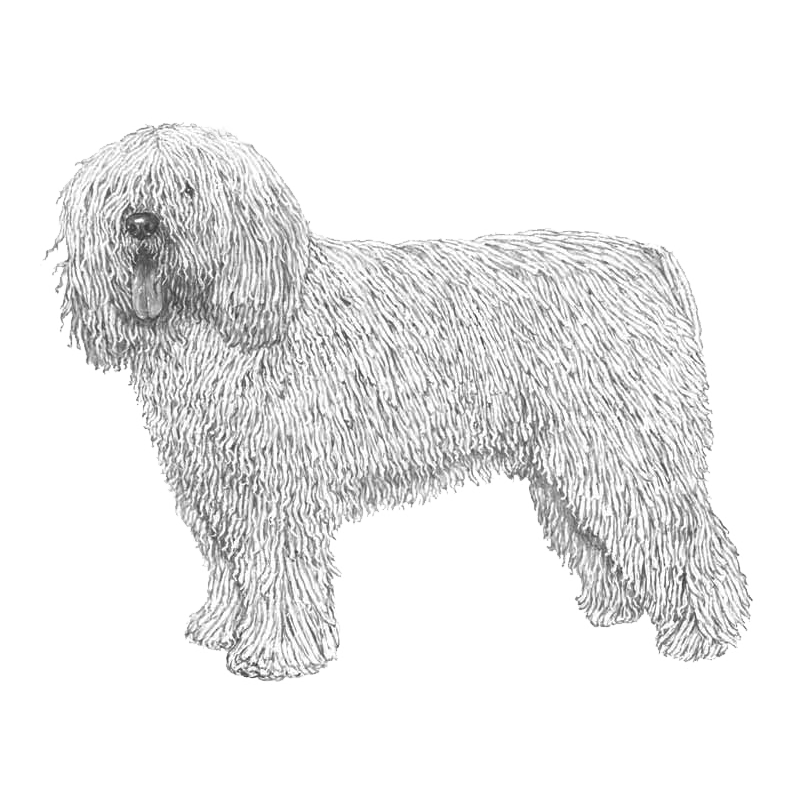
Although the Spanish Water Dog was primarily a retriever of wildfowl, he has also traditionally been used as a herder of sheep. His thick coat, a feature of the breed, requires clipping once or twice each year.
(Source: The Kennel Club)
-
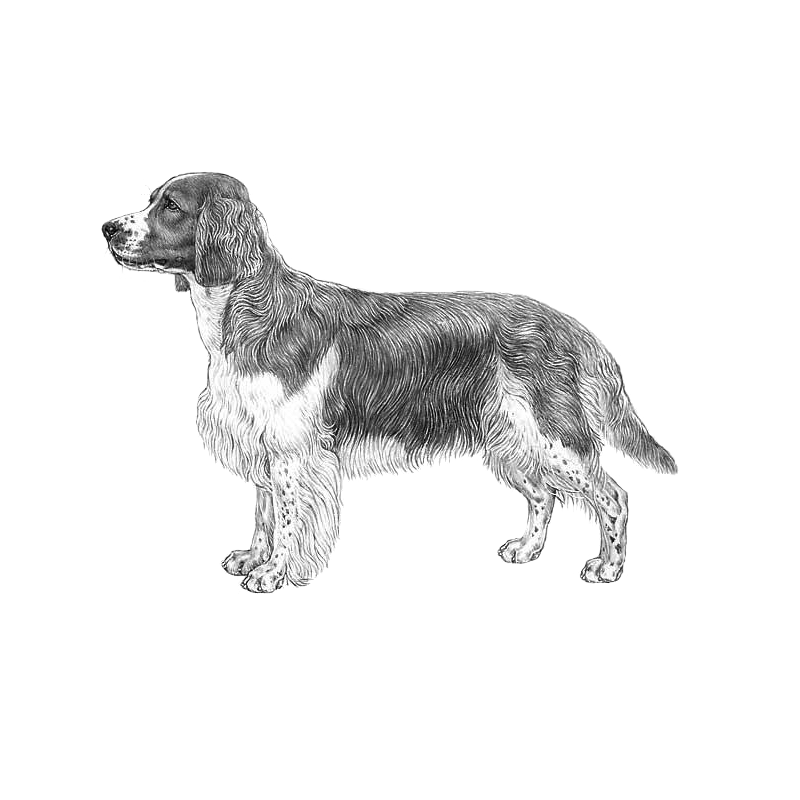
Thought to be comparable to the old Land Spaniel, they are similar to the English Springer Spaniel and historically have been referred to as both the Welsh Spaniel and the Welsh Cocker Spaniel.
Source: https://en.wikipedia.org/wiki/Welsh_Springer_Spaniel
-
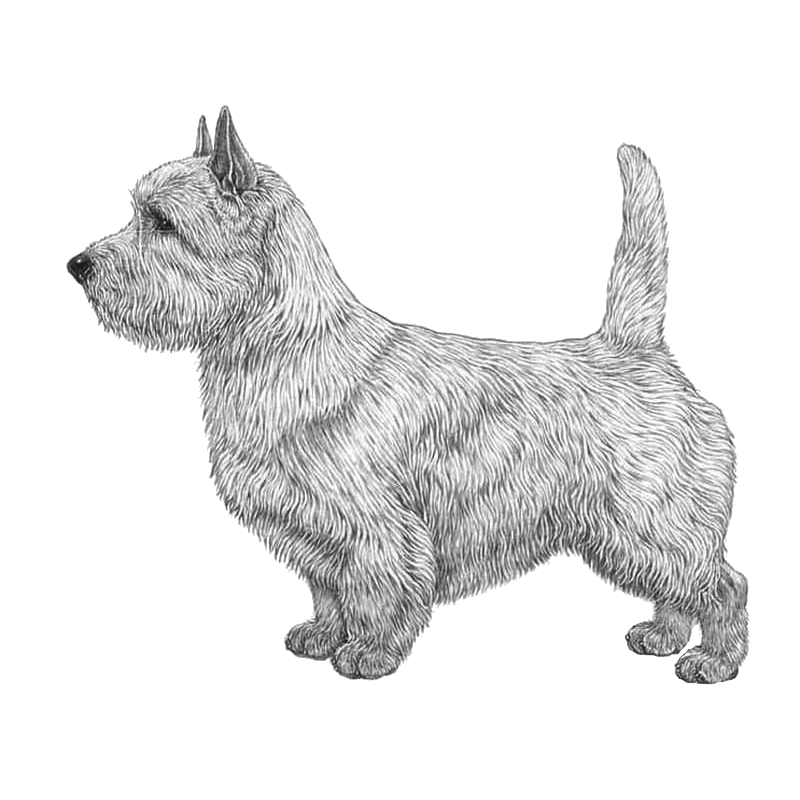
It originates in the United Kingdom and was bred to hunt small vermin or rodents. With a friendly personality, Norwich Terriers are today mostly a companion dog breed.