






Pedigree Breeds
184 entries in this category
-
- Last comment date
- Title
- Start Date
- Most Commented
- Most Viewed
- Last Updated
- Publish Date
- Brief Description
- Content
- Links to Breed Descriptions
- Other Names for Breed
- Country of Origin and Parent Breed Club
- Health and Well-Being
- Breed-Specific Articles
- Breed Standards
- Breed-Specific Statistics
- Breeding/Health Strategy Documents
- Breed-Specific DNA Tests
- Other Breed-Specific Webpages
- Breed-Specific Research
- Breed Clubs
- Custom
-
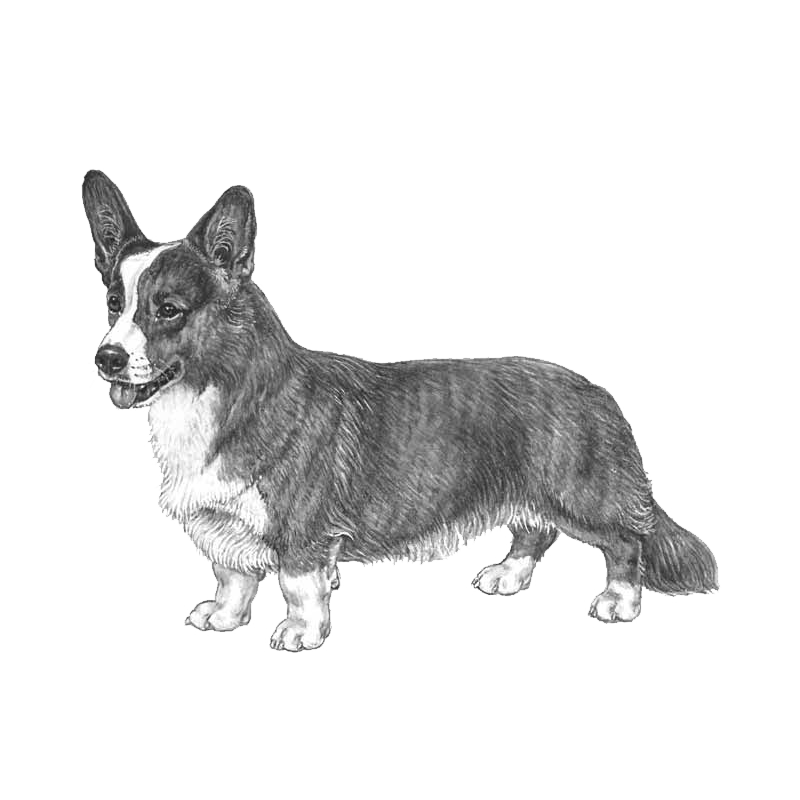
Welsh Corgis have historically been used as herding dogs, specifically for cattle. They are of the type of herding dog referred to as "heelers", meaning that they would nip at the heels of the larger animals to keep them on the move. Both Pembrokeshire and Cardigan are historically agricultural areas of Wales.
Source: https://en.wikipedia.org/wiki/Welsh_Corgi
The two Corgi breeds are named for those regions. Once interbred, the Kennel Club designated the different types as two distinct breeds in 1934. The Cardigan Welsh Corgi breed is listed by the Kennel Club in the current vulnerable breeds list. The breed is ranked by AKC at #68 of 195.
Source: https://www.thekennelclub.org.uk/search/breeds-a-to-z/breeds/pastoral/welsh-corgi-cardigan/
Also see: Pembroke Welsh Corgi https://dogwellnet.com/breeds/pedigreed/pembroke-welsh-corgi-r221/
-
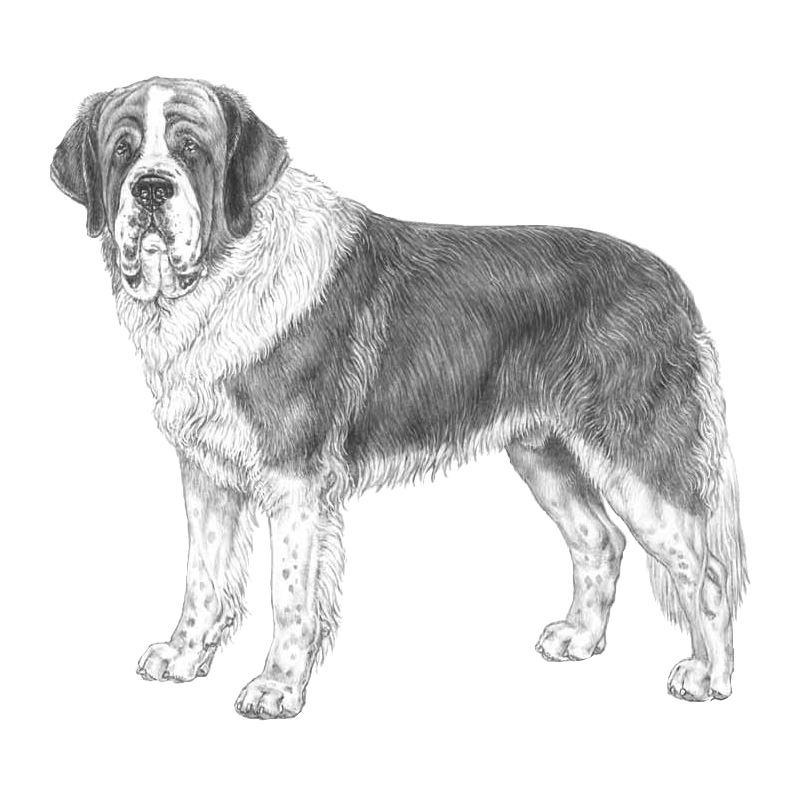
In the 11th century, monks founded a hospice as a refuge for travellers and pilgrims on the 2469 metre - high Great Saint Bernard Pass. Large mountain dogs have been kept at the hospice since the mid 17th century to guard and protect those staying there. The first photographic evidence of the presence of mountain dogs dates back to 1695, and the first written document is a hospice memo from the year 1707. The dogs were rapidly adopted as companion dogs and above all as rescue dogs for travellers who lost their way in the snow and mist. The dogs from the Great Saint Bernard Pass saved the lives of a great number of people, averting many deaths in the snow. The reputation of the Saint Bernards (then called "Barry dogs") grew throughout Europe in the 19th century thanks to chronicles published in many languages and to reports passed on by word of mouth by the soldiers who had crossed the pass with Napoleon Bonaparte in 1800. The legendary Barry became the archetype of the rescue dog.
Source: Fondation Barry: http://fondation-barry.ch/sites/default/files/mediennews/Medienmappe_FB_E.pdf?54
-
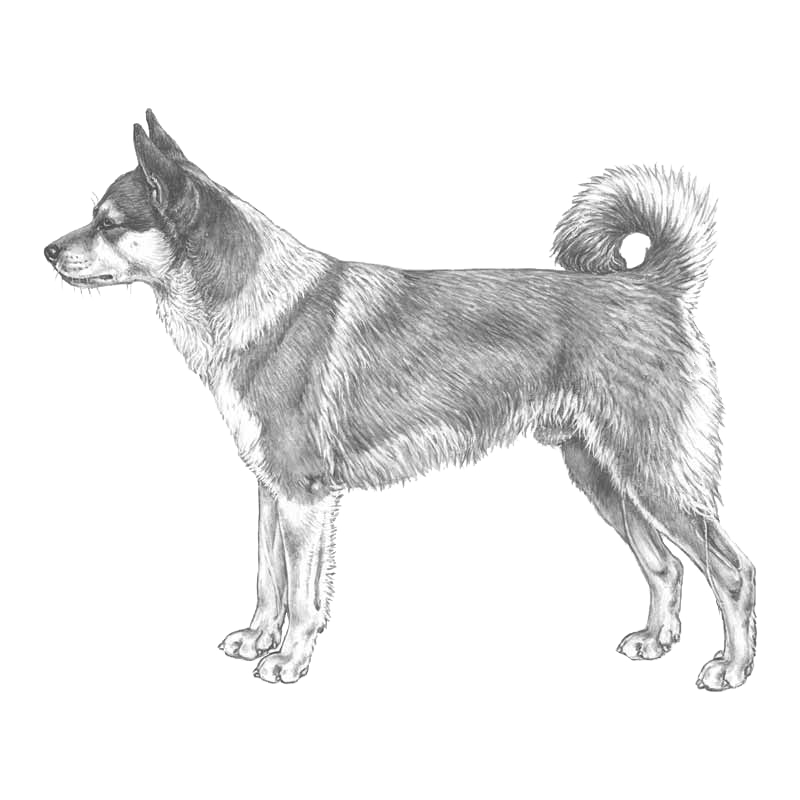
The Norwegian Lundehund is an ancient dog breed that was used to hunt seabirds along most of the Norwegian coast. The breed name is a combination of the Norwegian words ”lunde” (puffin, Fratercula arctica) and ”hund”, dog. Although the breed’s exact age is not known, there are descriptions of the use of dogs for puffin hunting that are more than 400 years old.
Source: The native dog breeds of Norway - http://www.skogoglandskap.no/f…/native_dog_breeds_norway.pdf (Internet Archive)
-
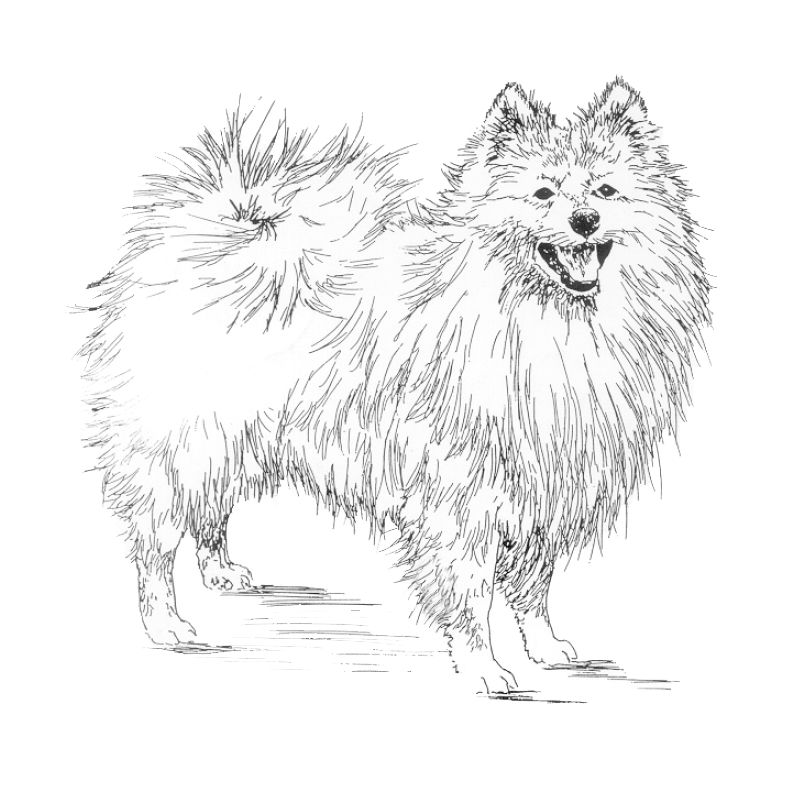
Historically, the German Spitz was primarily used as a working dog on farms. He is usually stubborn and independent, so you will have to establish yourself as a dominant leader through persistent obedience training. Mittelspitz is often curious and will definitely try to explore the surroundings whenever he gets a chance. This is a very agile breed, kept as companions or family pets, known to be good watchdogs with bold and fiery personalities.
All German Spitz dogs share some common characteristics, such as intelligence, agility, cheerfulness, playfulness, alertness, loyalty, resourcefulness, boldness, independence, and curiosity.Source: Compiled from Primitive Dogs
-
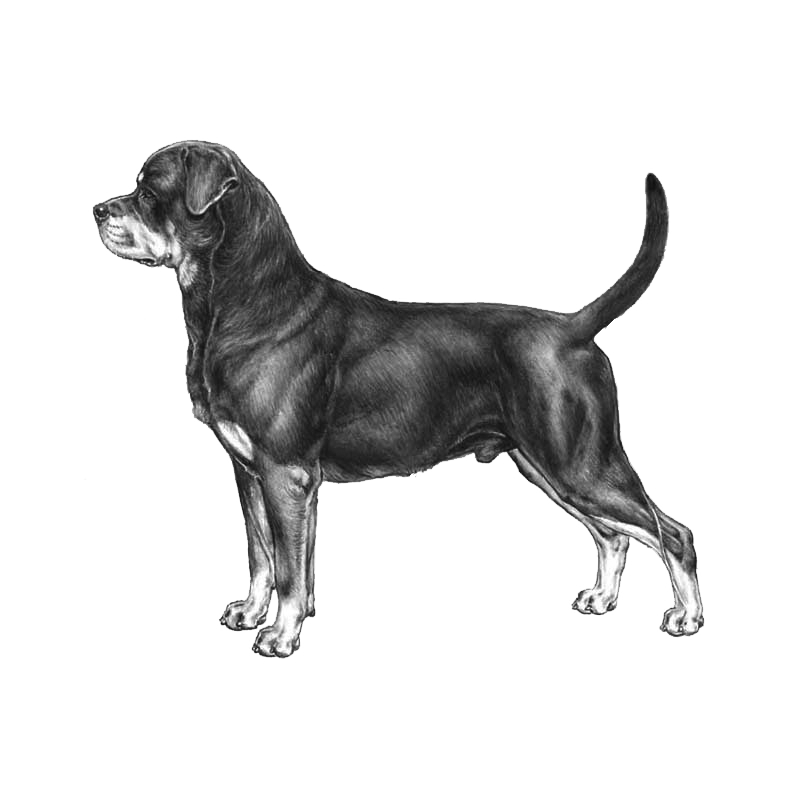 These Mastiff-type dogs stem from animals taken to Germany by Roman soldiers as they marched across Europe. Used to guard livestock, they were either discarded as the cattle were eaten or were left to guard outposts, and many finished up in Switzerland while others reached southern Germany. They were especially known around the town of Rottweil, which for 1,800 years was a centre for livestock trading. The evolving dog became a butcher’s dog, drover and draught dog. The Rottweiler, which fi
He is a very active dog that needs plenty of exercise, but his smooth coat requires only short periods of regular grooming to keep it in the desired shining condition.
Source: https://www.thekennelclub.org.uk/search/breeds-a-to-z/breeds/working/rottweiler/
-
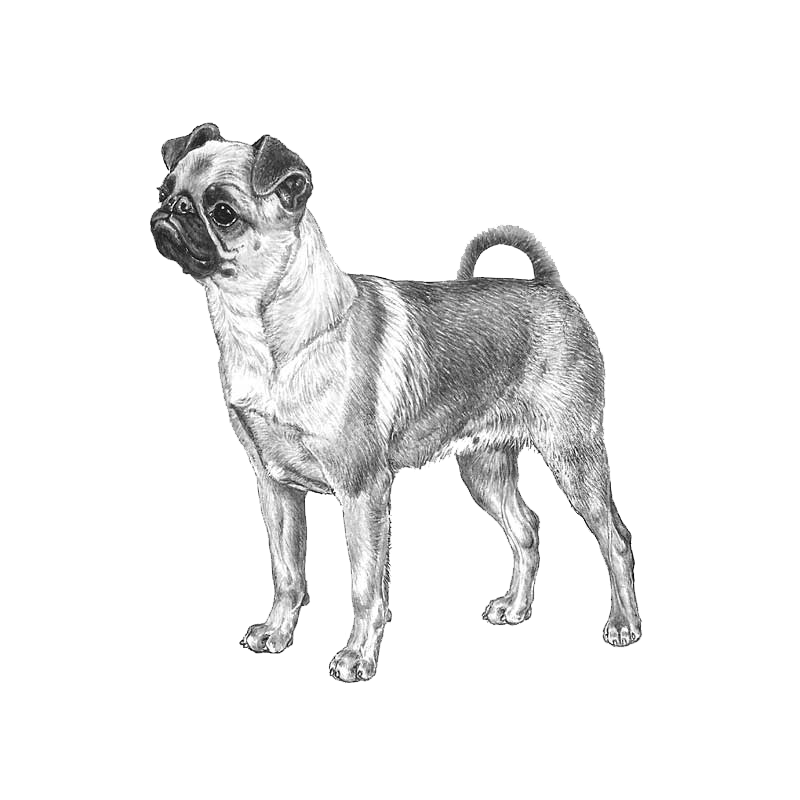
The Petit Brabançon is a small companion breed that was originally developed from ratters working in the stables of Belgian carriage men. The Fédération Cynologique Internationale (FCI) recognize them as one of three different breeds of griffon from Belgium, the other two being Belgian Griffon and Brussels Griffon. The American Kennel Club and Kennel Club recognize all varieties as a single breed.
Source: Worldly Dogs
Breed variants should be treated as a breed. All three breeds can be paired with each other and can be born in the same litter. Griffon bruxellois, griffon belge and petit brabançon are only separated by color and coat: Griffon Bruxellois (Brussels Griffon)- Rough-haired / red; Griffon Belge (Belgian Griffon)
Shaggy / black or black and tan; Petit Brabancon short haired / red, black or black and tan
-
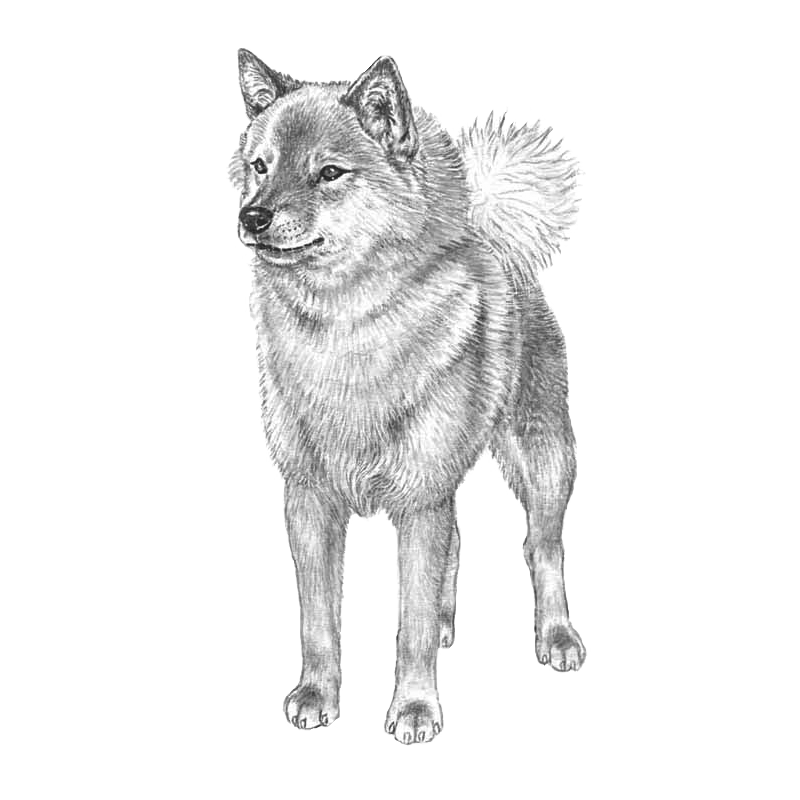
The national dog of Finland, the Finnish Spitz, is by far the oldest of all the Finnish breeds. It was bred directly from the native landrace dog population without crossbreeding, and it has followed the Finnish people since ancient times. A dog similar to the Finnish Spitz has been found in prehistoric cave paintings. The Finnish people lived in isolated residential areas in the wilderness in the Northern part of Finland, from Kainuu all the way to Murmansk, and their dogs remained purer in comparison with dogs living more south where they easily got mixed with other dogs.
See More: From the Finnish Dog Museum (Online)
-
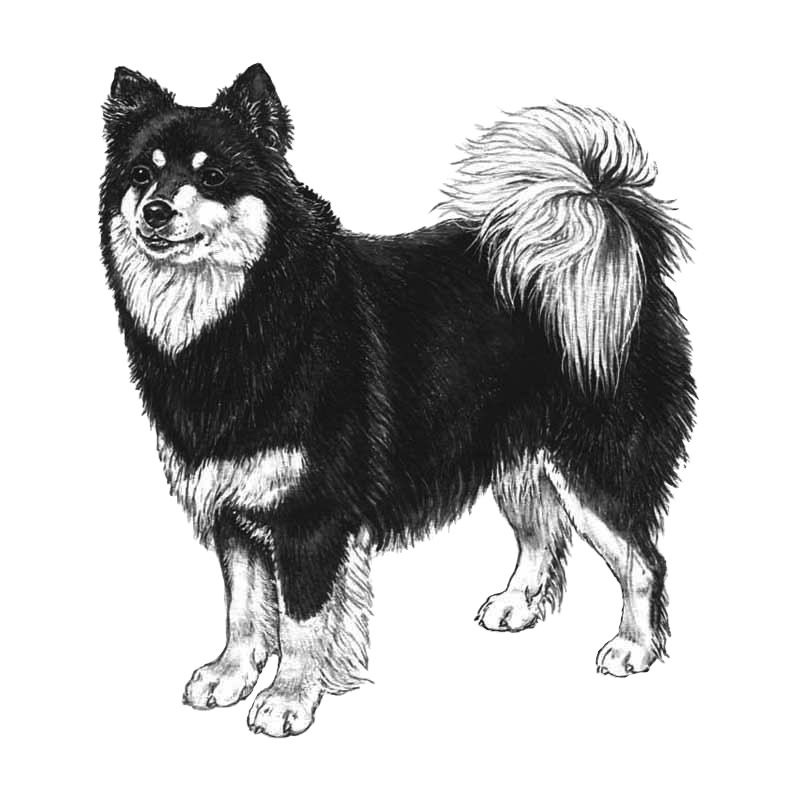
The Finnish Lapponian Dog shares its roots with the Lapponian Herder and the Swedish Lapphund. It is descended from the long-haired reindeer herding dogs that are common in the fell regions of Lapland and is nowadays a popular companion dog. The Finnish Lapponian Dog is intelligent, brave, eager to learn, friendly and fairly submissive. Its herding instinct is strong and it displays a clear disposition to guard.
From: Kennelliito (The Finnish Kennel Club, IPFD Founding Partner) Native Breeds
-

Many hunters consider the Finnish Hound to be the world's best game-pursuing breed at the moment.
The Finnish Hound is a native breed and one of the most popular dog breeds in Finland. It is used almost solely to hunt hares or foxes. It works independently, tracking either earth or airborne scent and will pursue game and bark passionately. The long hunting season for hares and foxes contribute to the breed's popularity. The Finnish Kennel Club registered 1,475 Finnish Hounds in 2012. In total, 20,030 Finnish Hounds were registered in 2003-2012.
From: Kennelliito (The Finnish Kennel Club, IPFD Founding Partner) Native Breeds
-
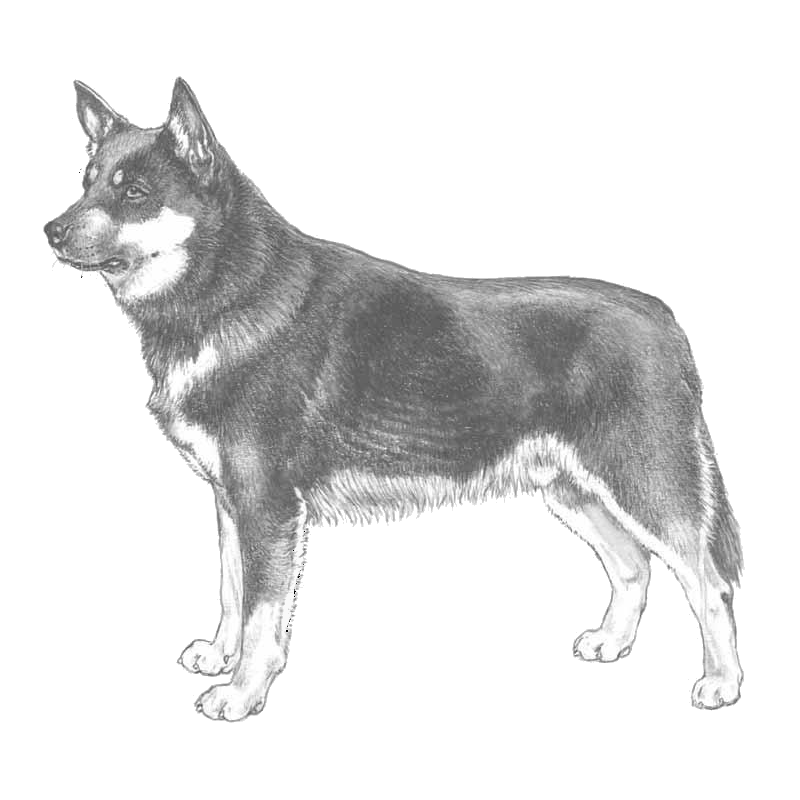
The Lapponian Herder has a good temperament; it is calm, quick to learn, energetic and eager to serve. It barks a lot when working. It is friendly to people, but not suited to be a companion dog only because it demands action as well. It can handle being outdoors all the time.
From: Kennelliito (The Finnish Kennel Club, IPFD Founding Partner) Native Breeds: Lapponian Herder
-
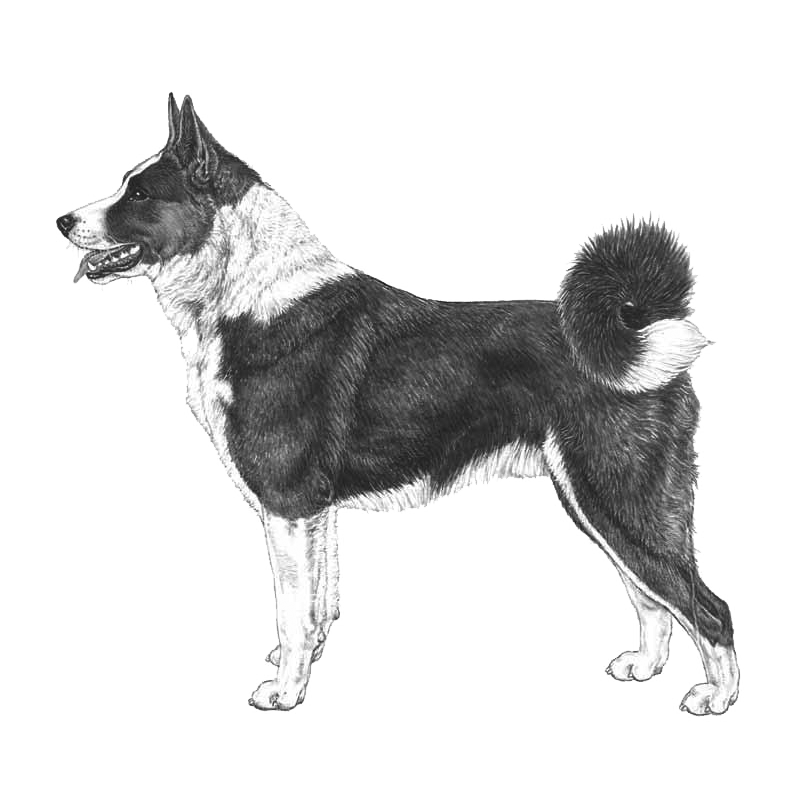
The Karelian Bear Dog is an old breed from the forested areas of Karelia. It is a traditional big-game hunting dog that is nowadays used by hunters to corner elk and bears.
The Karelian Bear Dog is a mid-sized, sturdily built, but not heavy, dog that is powerful and only a little longer than it is tall. It has a thick coat, which is black and white with clearly-defined markings. Its coat may, at times, have a slight shade of brown. Its eyes are relatively small, somewhat oval and dark-brown in colour. Its expression is alert and sharp. The ears are erect, mid-sized and only a little rounded at the tip.
From: Kennelliito (The Finnish Kennel Club, IPFD Founding Partner) Native Breeds
-
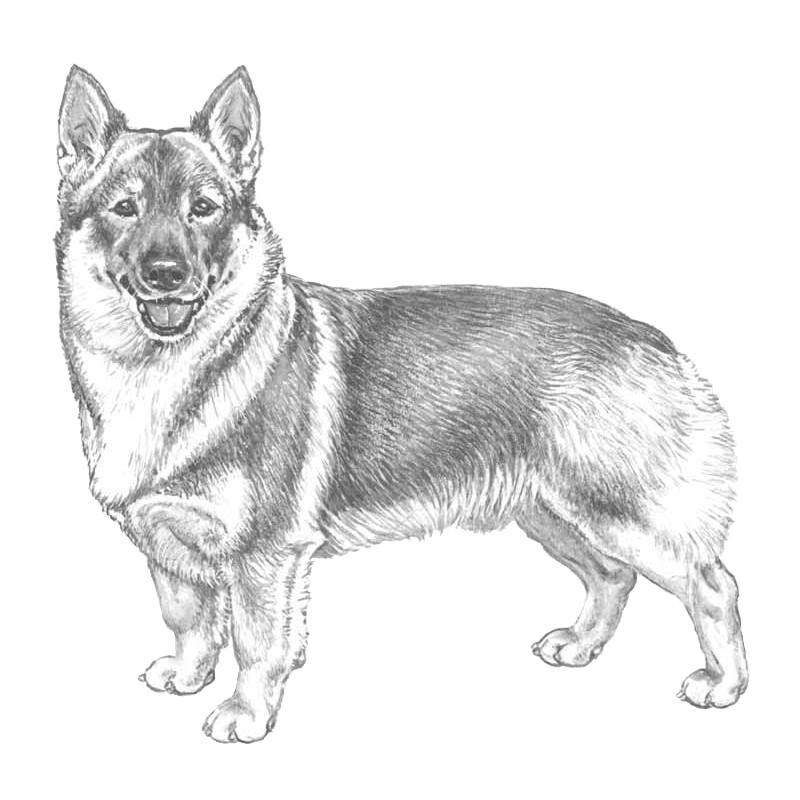
The breed is a popular companion dog that is still used for herding cattle at farms in its county of origin. The origin of the Swedish Vallhund is not known. Theories about the breeds past are claiming its origin to the time of the Vikings. But if the Vikings brought their low legged spitz to the British isles where it might have played a part in the background of the Welsh Corgi Pembroke or vice versa; - the Vikings brought the Corgi back to Sweden, we will never know.
Source: http://www.skk.se/global/dokument/hundrasguiden/svenska-raser.pdf
-
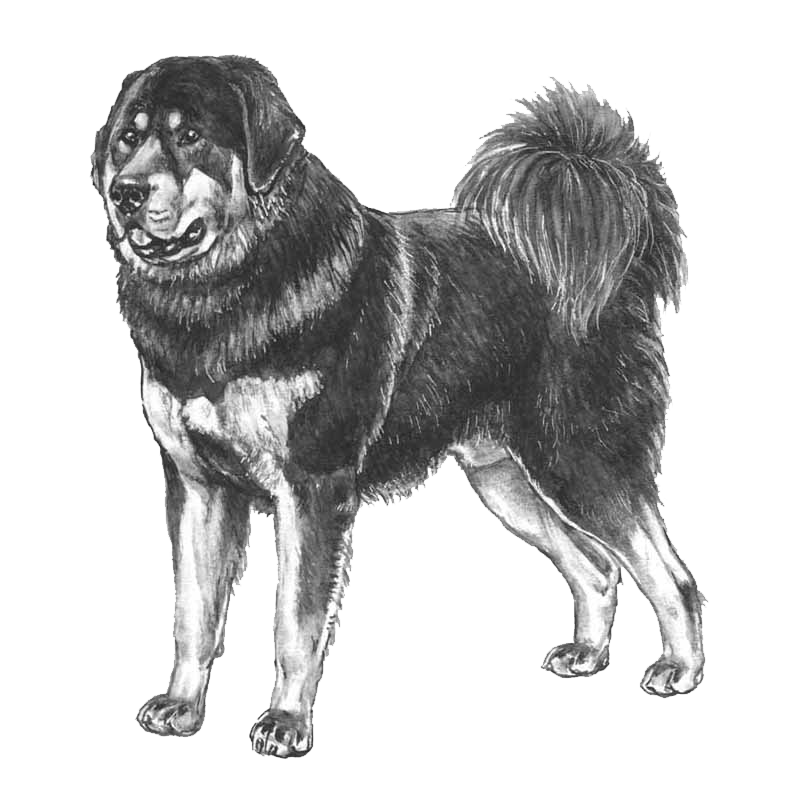
The Tibetan Mastiff (Do Khyi) is an ancient working breed of the nomad herders of the Himalaya and a traditional guardian of the Tibetan monasteries. Independent. Protective. Commands respect. Most loyal to his family and territory.
The dog itself is to be found all through central asia and has different names according to different locations. "The name Tibetan Mastiff is a misnomer; the Tibetan Mastiff itself is not a true Mastiff. The term "mastiff" was used by the Europeans who first came to Tibet because it was used to refer to nearly all large dog breeds in the West. A better name for the dog might be Tibetan mountain dog or, to encompass the landrace breed throughout its range, Himalayan mountain dog."
Source: F.C.I. Breed Standard (PDF)
Source: Wikipedia
-
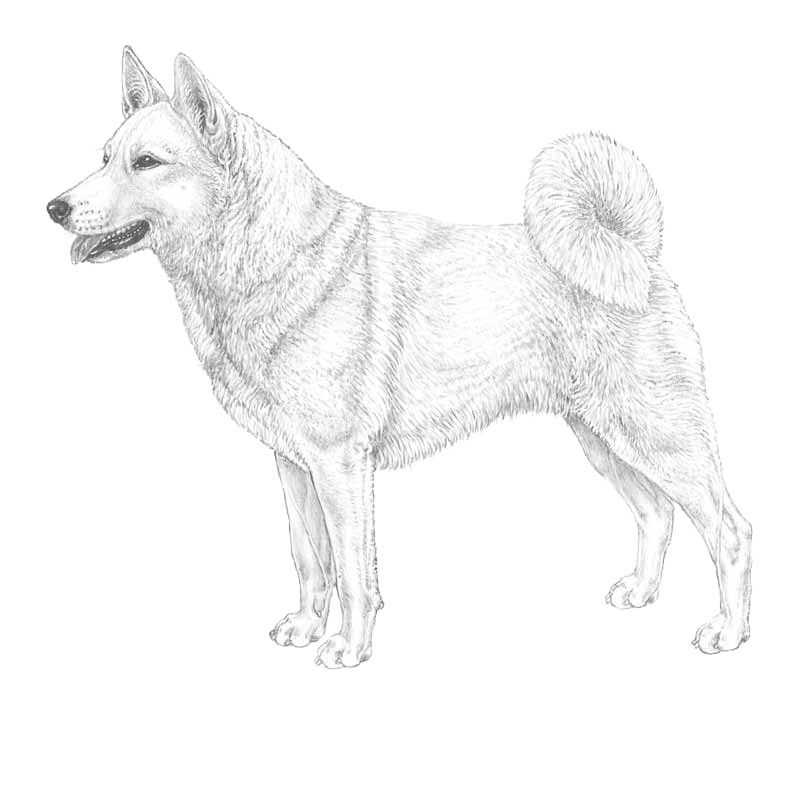
- The White Elkhound derives from the grey Jämthund and the grey Norwegian Elkhound.The type is like the Jämthund, regarding both size and proportions. It is a distinct hunting dog. In addition to hunting moose, the breed is also good at hunting bears, lynx and badgers. Source: SKK
The Svensk vit älghund is recognized by the NKU and belongs to group 5. The breed is not recognized by the FCI. Source NKU: https://www.skk.se/en/NKU-home/nordic-dog-breeds/sweden/svensk-vit-alghund/
-
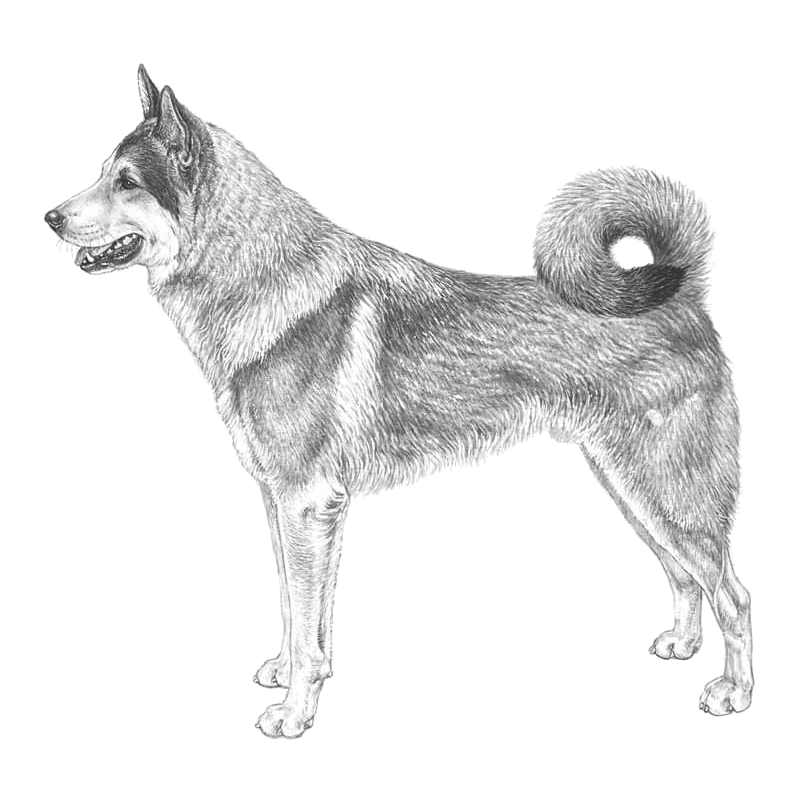
The East Siberian Laika (Vostotchno-Sibirskaia Laika) is a Russian breed of dog of spitz type, a hunting dog originating in parts of Siberia east of the Yenisei River. Source: Wikipedia
The East Siberian Laïka is a hunting dog of the spitz type that was developed to hunt large game such as deer and bear. Traditionally they were also used as draft/sledge dogs and drovers. They are one of three Russian Laïkas (or 'barkers'), the other two being the West Siberian and Russo-European Laïkas. At one time a fourth Laïka was recognized, the Karelo-Finnish Laïka, but this breed was merged with the Finnish Spitz in 2006 due to having minor differences. Source: https://www.worldlydogs.com/east-siberian-laiumlka.html
-
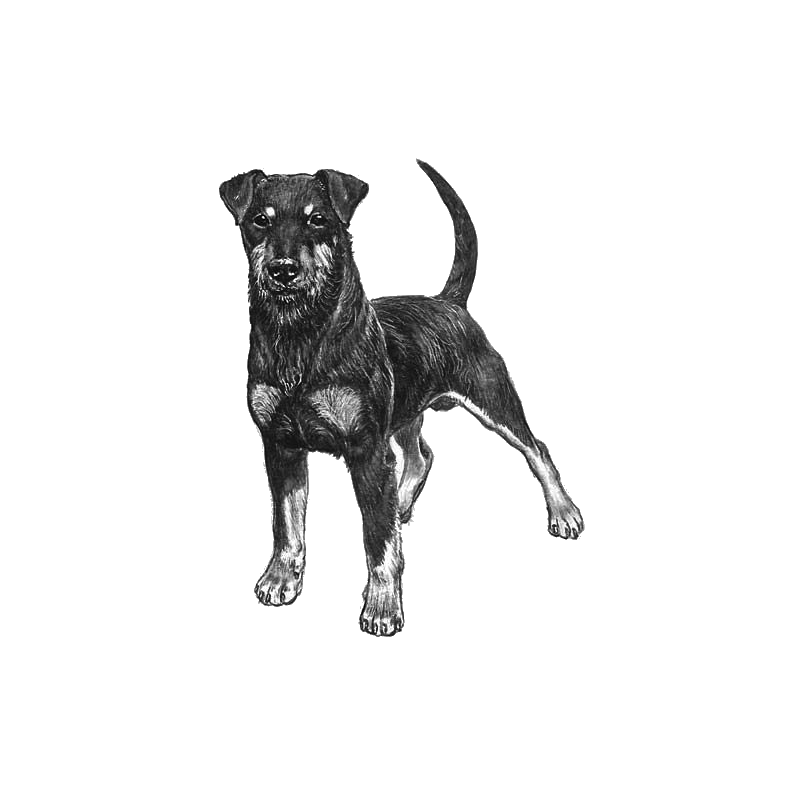
Versatile hunting dog, suited in particular for the hunt under the ground and as a flushing dog. A smallish, generally black and tan, compact, well proportioned working hunting dog. Courageous and hard, takes pleasure in work, enduring, vital, full of temperament, reliable, sociable and trainable, neither shy or aggressive. The German Hunting Terrier is breed developed and maintained for its usefulness as a hunting dog, steadiness of character, courage and drive.
Source: http://www.djt-club.de/der-djt/rassestandard/englisch.html & the F.C.I. Breed Standard http://www.fci.be/Nomenclature/Standards/103g03-en.pdf
-
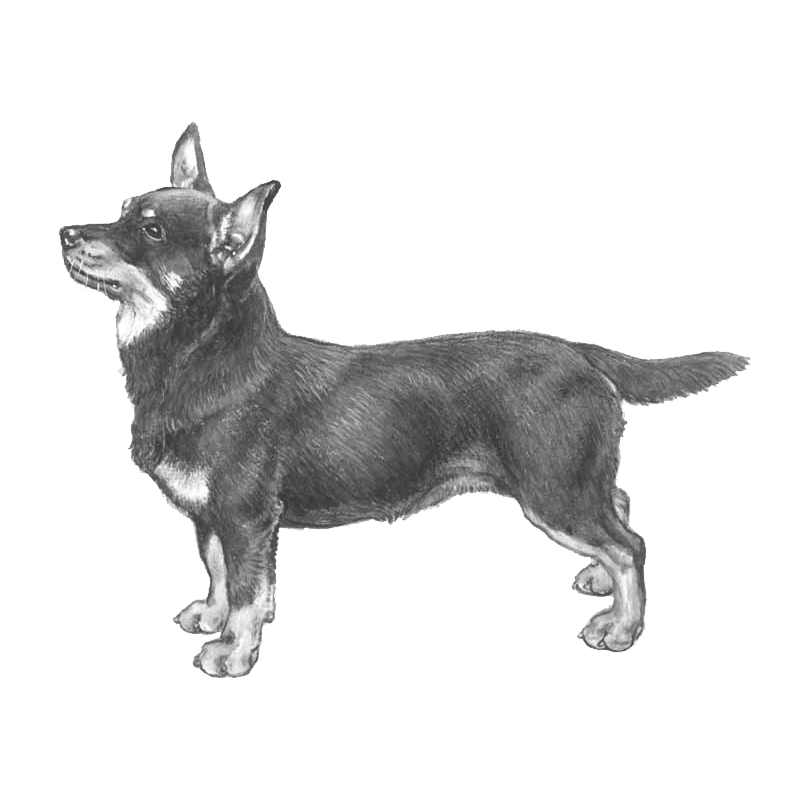 The Heeler is an intelligent, eager-to-please fellow, with a love of people; he enjoys being with children because he likes joining in games.
He is trainable but does best under a firm, kindly owner; he can be a handful if he is not kept occupied as he is possessed of a prodigious amount of energy in his small frame. If he gets excited, he can revert to his calling and take a nip at the rear end of anyone who is handy, but he is not basically a ‘biter’, being content to warn the intruder by noise accompanied by a furiously wagging tail. He has a hearty appetite to go with his super-abundant energy.
Source: https://www.thekennelclub.org.uk/search/breeds-a-to-z/breeds/pastoral/lancashire-heeler/
-
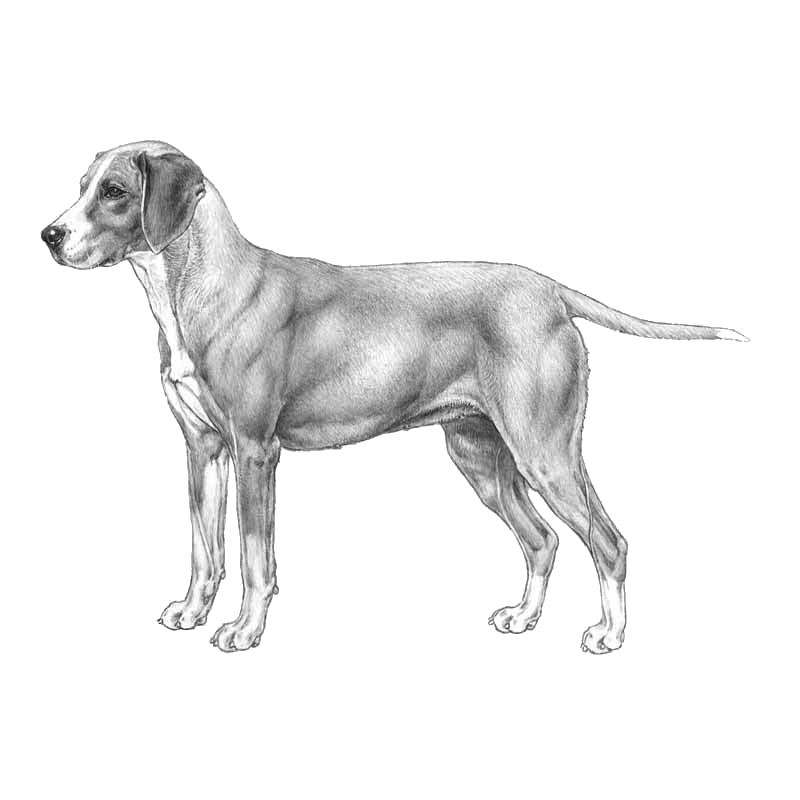
The Gotlandsstövare is rectangular in body, noble but with an impression of strength and endurance. Gotlandsstövaren is a driving hunting dog for hunting hare and fox. The race also serves as a companion provided that you take into account its strong hunting instinct and big business needs.
Source: http://www.skk.se/sv/hundraser/gotlandsstovare/?breed=Gotlandsstövare
-
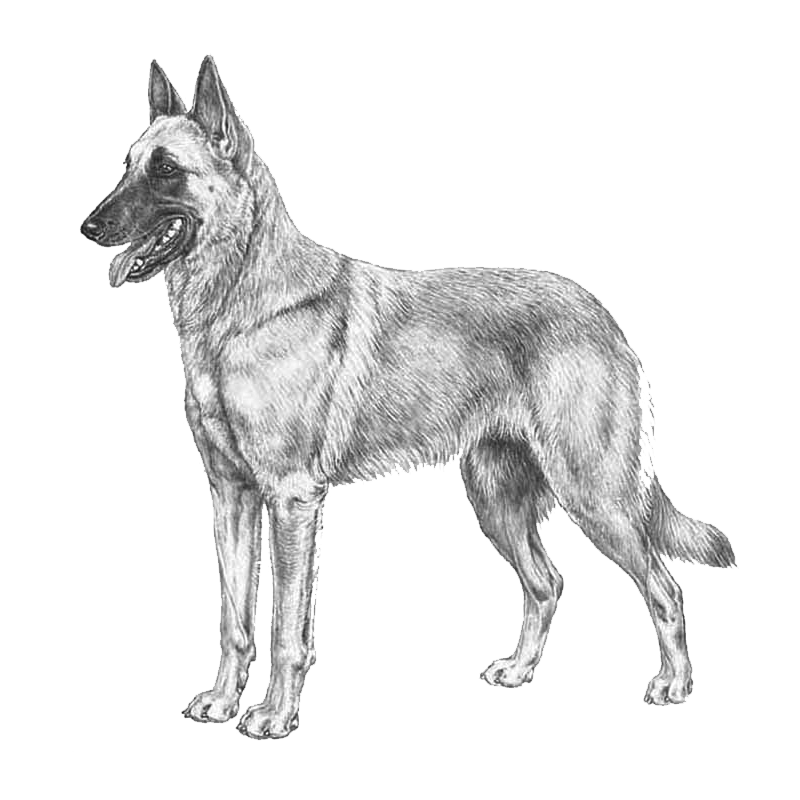
The Malinois /ˈmælɨnwɑː/ is a medium to large breed of dog, sometimes classified as a variety of the Belgian Shepherd Dog rather than as a separate breed. It is named after the Belgian city of Malines, where the breed originated. Its name is the French word for Mechlinian, which in Dutch is either Mechelse herder or Mechelaar (one from Mechelen).
Source: https://en.wikipedia.org/wiki/Malinois_(Belgian_Shepherd_Dog)
NOTE: The Federation Cynologique Internationale (FCI) describes the Malinois, together with the Groenendael, the Laekenois, and the Tervueren, as varieties of the Belgian Shepherd dog breed. The American Kennel Club, however, officially recognizes the Belgian Malinois, the Belgian Sheepdog (FCI: Groenendael), the Belgian Laekenois (FCI: Laekenois), and the Belgian Tervuren (FCI: Tervueren) as four distinct breeds.
Source: https://www.ncbi.nlm.nih.gov/pmc/articles/PMC7140874/
-
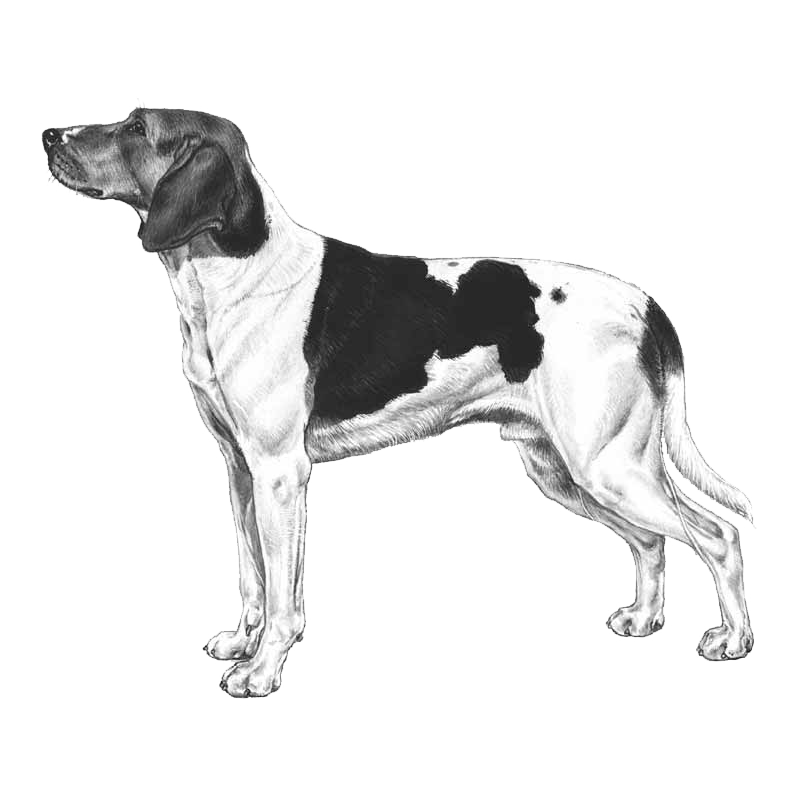
The Halden Hound is a good hunting dog with a strong hunting desire and a friendly nature. The breed is characterised by strong nerves and by being especially sociable and trusting. Many Halden Hounds have done very well in hunting trials. They can thus be characterised as an excellent combination of a hunting and companion dog. Due to its good temperament and open nature, the breed is also easy to train.
Source: Native Dog Breeds of Norway
-
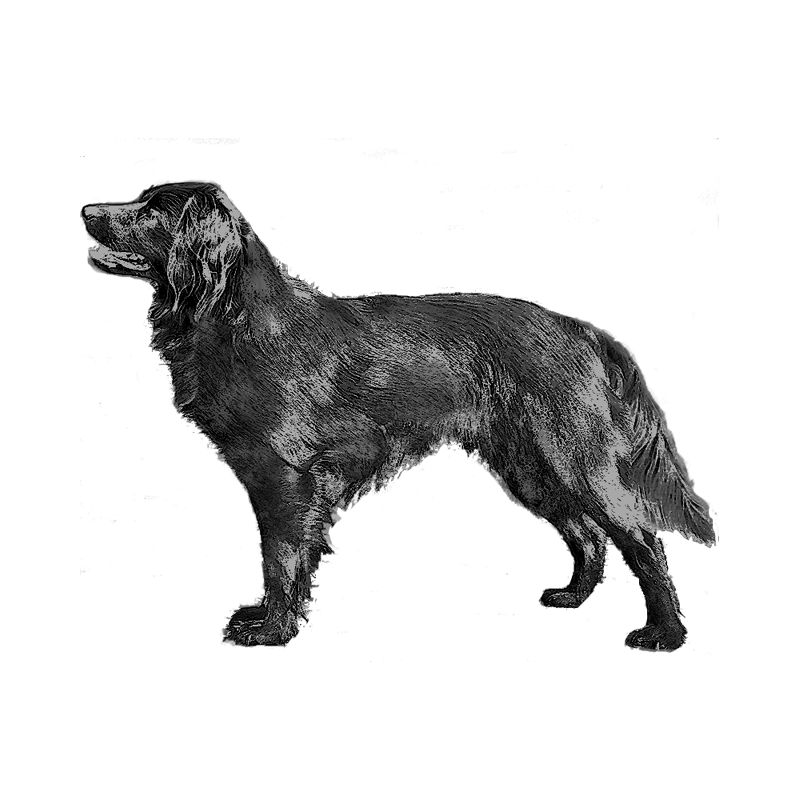
The Markiesje is an authentic Dutch Spaniel whose origin can be traced back to the Middle Ages. The Markiesje is finely built, black, elegant and intelligent. Cheerful and curious as long as it receives enough attention from its owner - this breed is 'under reconstruction'. Registration is done by the Dutch Kennel Club in a temporary register.
-
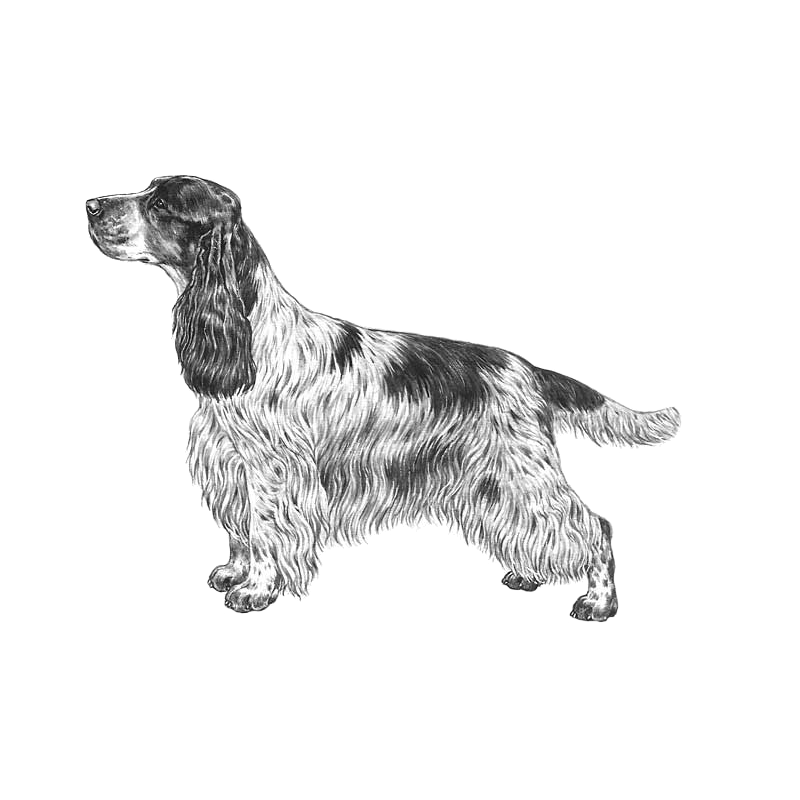
The English Cocker Spaniel is a breed of gun dog. The English Cocker Spaniel is an active, good-natured, sporting dog standing well up at the withers and compactly built.
Source: Wikipedia
-
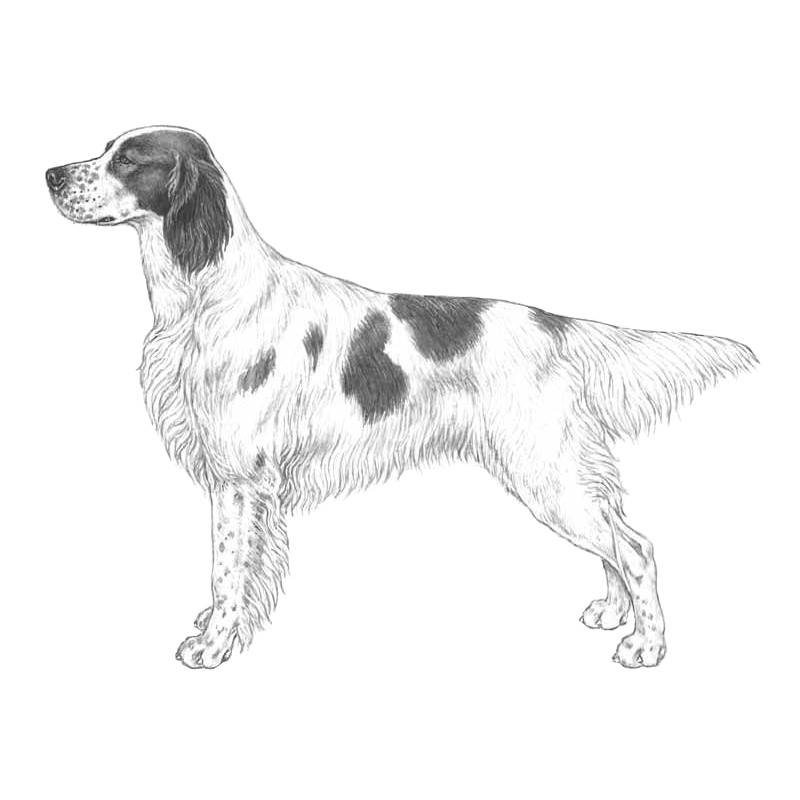
It is not well known outside of Ireland that there are two breeds of Irish Setters, but is fairly certain, that the Red and White Setter is the older of the two, and that judicious selective breeding evolved the solid red colour. Strong well balanced and proportioned without lumber; athletic rather than racy. Most acceptable companion and friend in the homes and the fields. The Irish Red & White Setter is bred primarily for the field.
Source: https://www.ikc.ie/dog-ownership/types-of-dog/breeds/breed-details/?breedId=51
-
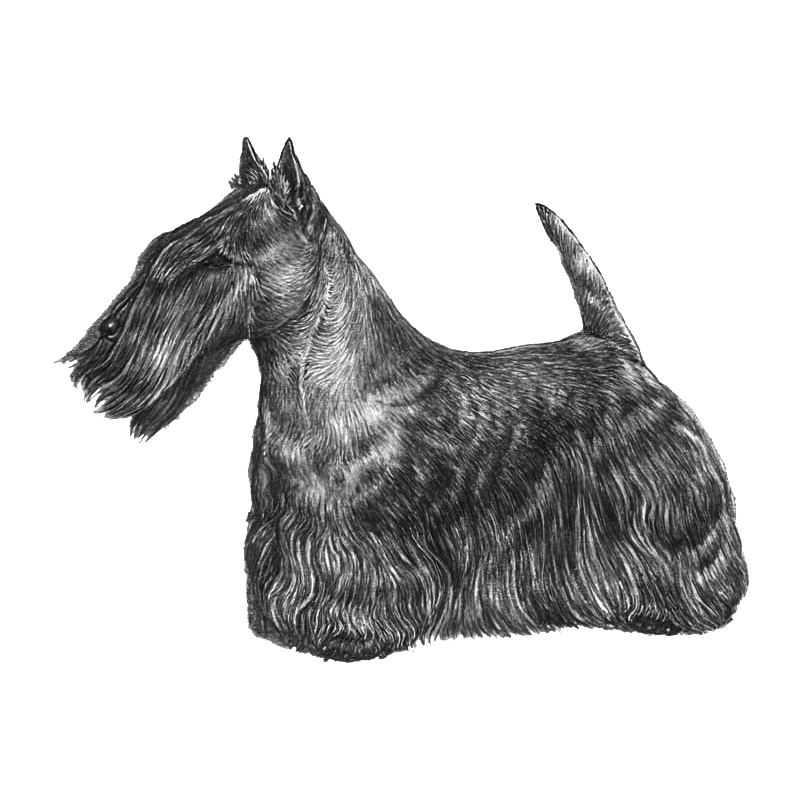
The Scottish Terrier (also known as the Aberdeen Terrier), popularly called the Scottie, is a breed of dog. Initially one of the highland breeds of terrier that were grouped under the name of Skye Terrier, it is one of five breeds of terrier that originated in Scotland, the other four being the modern Skye, Cairn, Dandie Dinmont, and West Highland White Terrier.
-
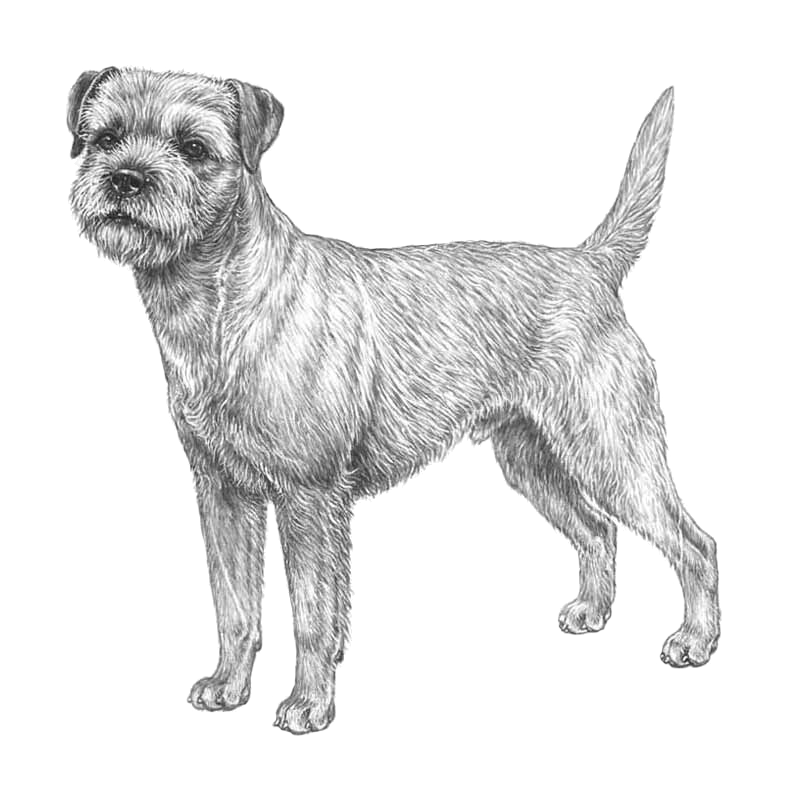
The Border Terrier is a small, rough-coated breed of dog of the terrier group. Originally bred as fox and vermin hunters, Border Terriers share ancestry with Dandie Dinmont Terriers, Patterdale terriers and Bedlington Terriers.
Source: Wikipedia