






Pedigree Breeds
184 entries in this category
-
- Last comment date
- Title
- Start Date
- Most Commented
- Most Viewed
- Last Updated
- Publish Date
- Brief Description
- Content
- Links to Breed Descriptions
- Other Names for Breed
- Country of Origin and Parent Breed Club
- Health and Well-Being
- Breed-Specific Articles
- Breed Standards
- Breed-Specific Statistics
- Breeding/Health Strategy Documents
- Breed-Specific DNA Tests
- Other Breed-Specific Webpages
- Breed-Specific Research
- Breed Clubs
- Custom
-
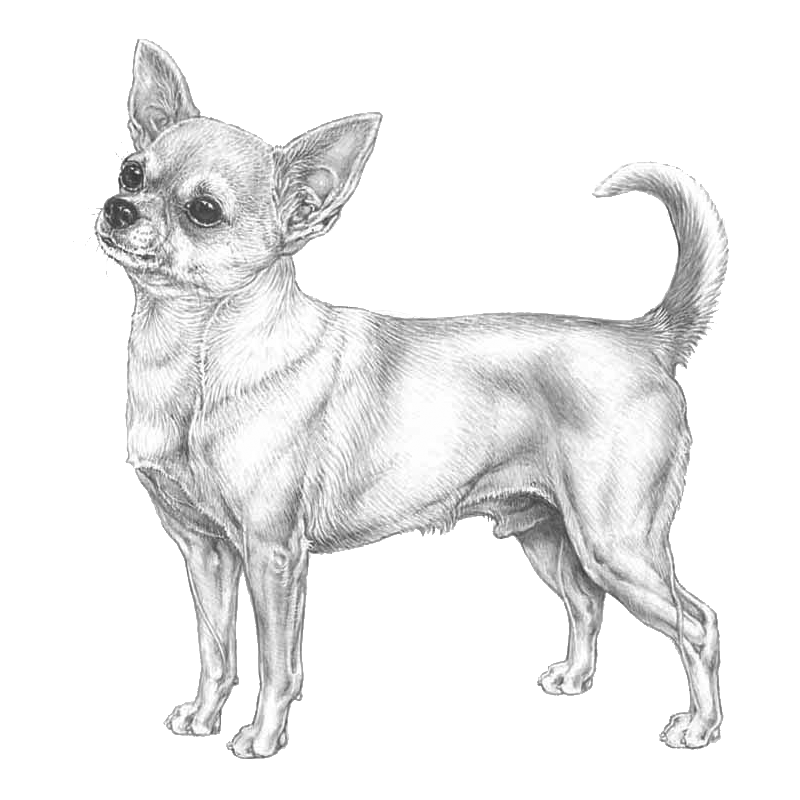
The Chihuahua tʃɪˈwɑːwɑː/ (Spanish: chihuahueño) is the smallest breed of dog and is named for the state of Chihuahua in Mexico. Chihuahuas come in a wide variety of sizes, head shapes, colors, and coat lengths.
Source: Wikipedia
-
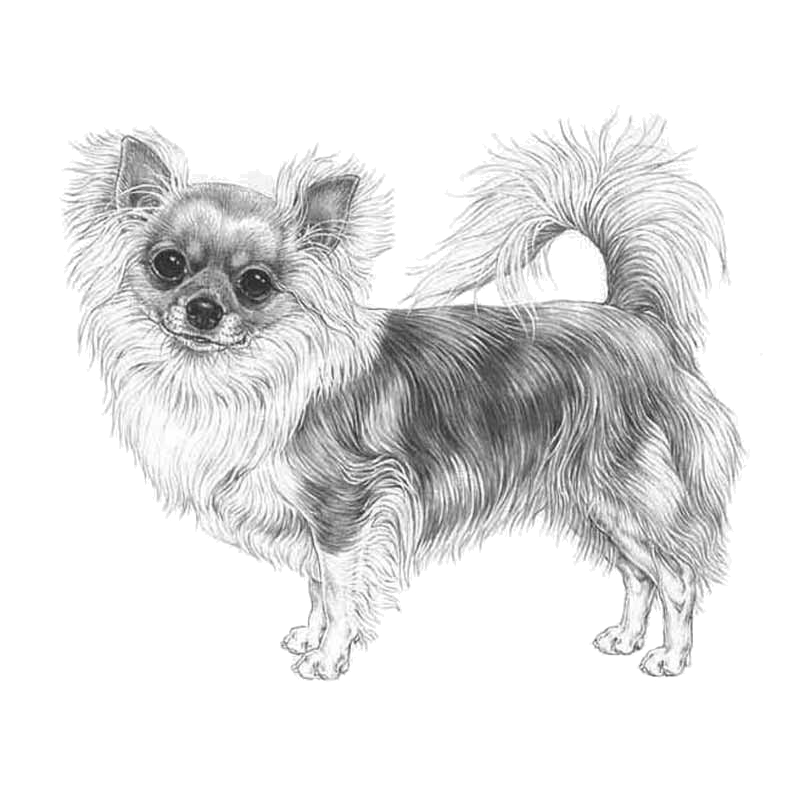
The Chihuahua tʃɪˈwɑːwɑː/ (Spanish: chihuahueño) is the smallest breed of dog and is named for the state of Chihuahua in Mexico. Chihuahuas come in a wide variety of sizes, head shapes, colors, and coat lengths.
Source: Wikipedia
-
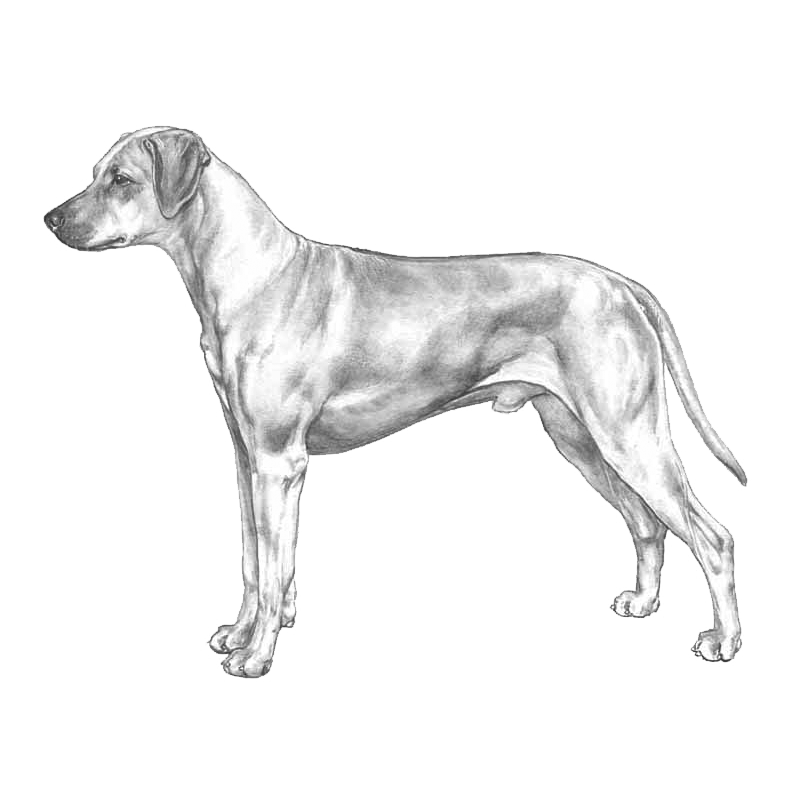
The Rhodesian Ridgeback is a dog breed developed in Southern Africa. Its European forebears can be traced to the early pioneers of the Cape Colony of southern Africa, who crossed their dogs with the semi-domesticated, ridged hunting dogs of the Khoikhoi.
-
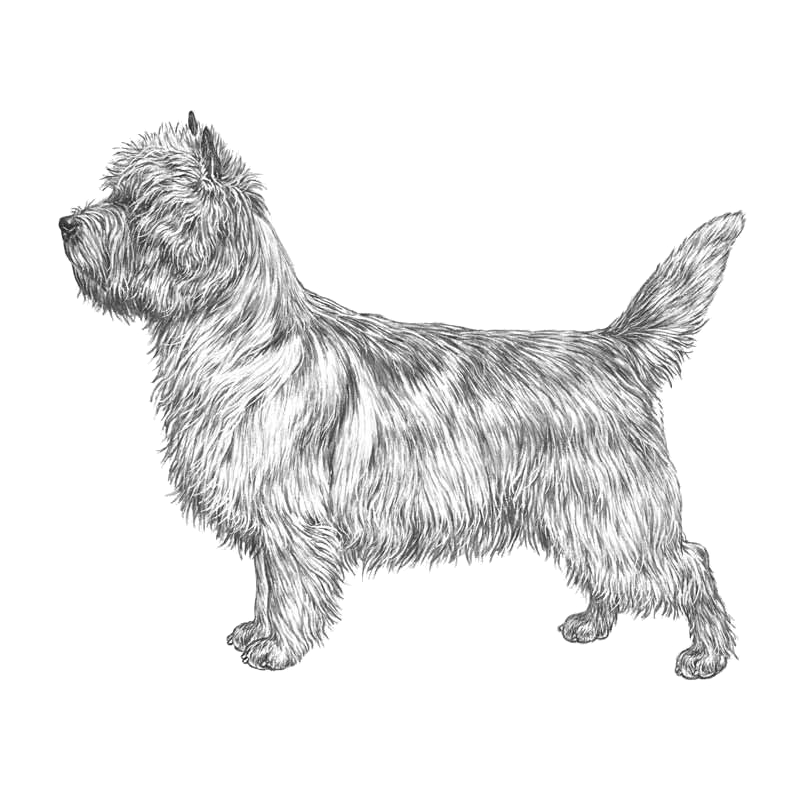
The Cairn Terrier is one of the oldest of the terrier breeds, originating in the Scottish Highlands and recognized as one of Scotland's earliest working dogs.
Source: Wikipedia
-
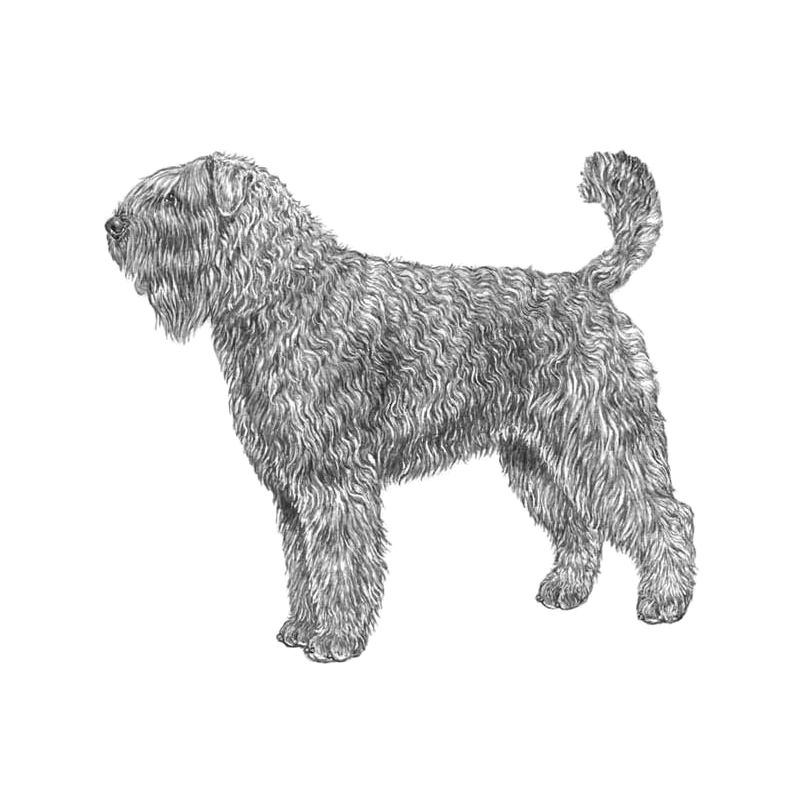
The Bouvier des Flandres is a herding dog breed originating in Flanders. They were originally used for general farm work including cattle droving, sheep herding, and cart pulling, and nowadays as guard dogs and police dogs, as well as being kept as pets.
Source: Wikipedia
-
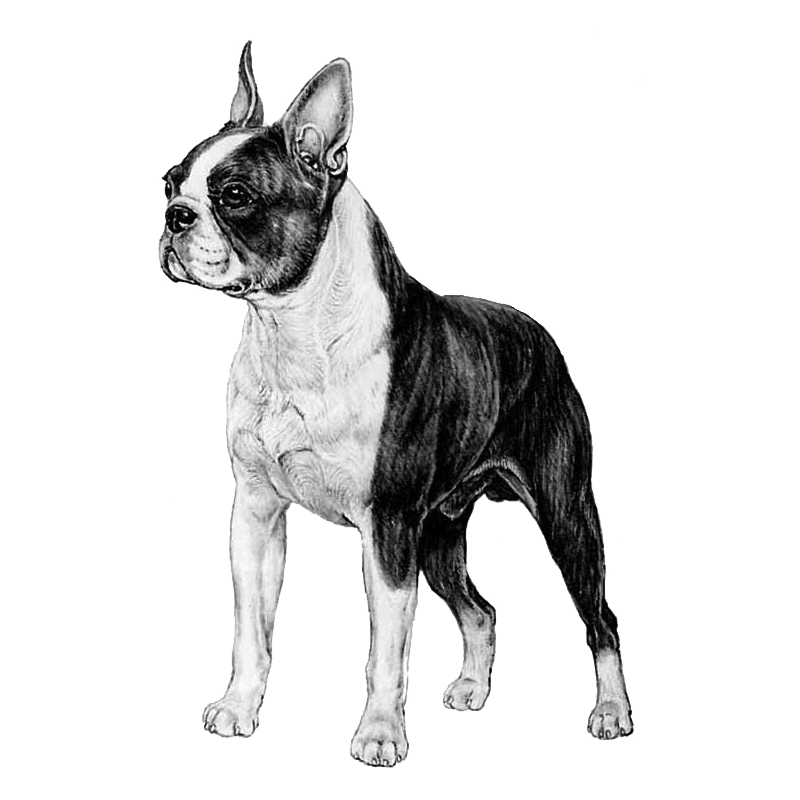
A real Yankee-Doodle-Dandy! Although he owes a little of his ancestry to the British Bulldog, the Boston Terrier actually came into being in the late nineteenth century in the eastern states of America when, in 1893, a mix of bull and terrier types produced the first pair of dogs that were to become the foundation of the breed.
Source: The Kennel Club
-
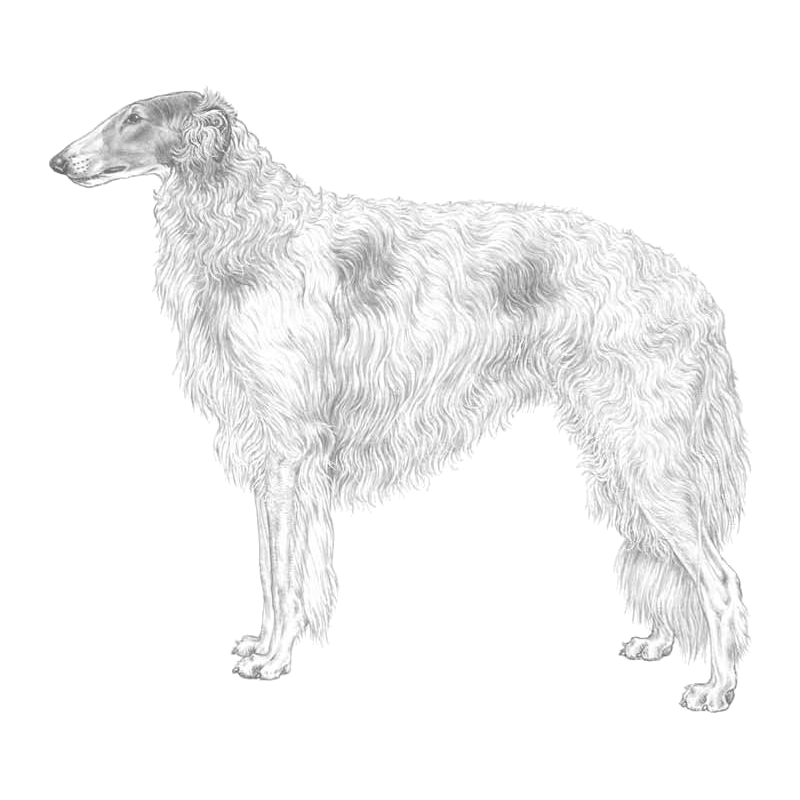
The Borzoi (/ˈbɔrzɔɪ/, literally "fast"), also called the Russian wolfhound (Russian: Ру́сская псовая борзая), is a breed of domestic dog (Canis lupus familiaris). Descended from dogs brought to Russia from central Asian countries, it is similar in shape to a greyhound, and is also a member of the sighthound family.
Source: Wikipedia
-
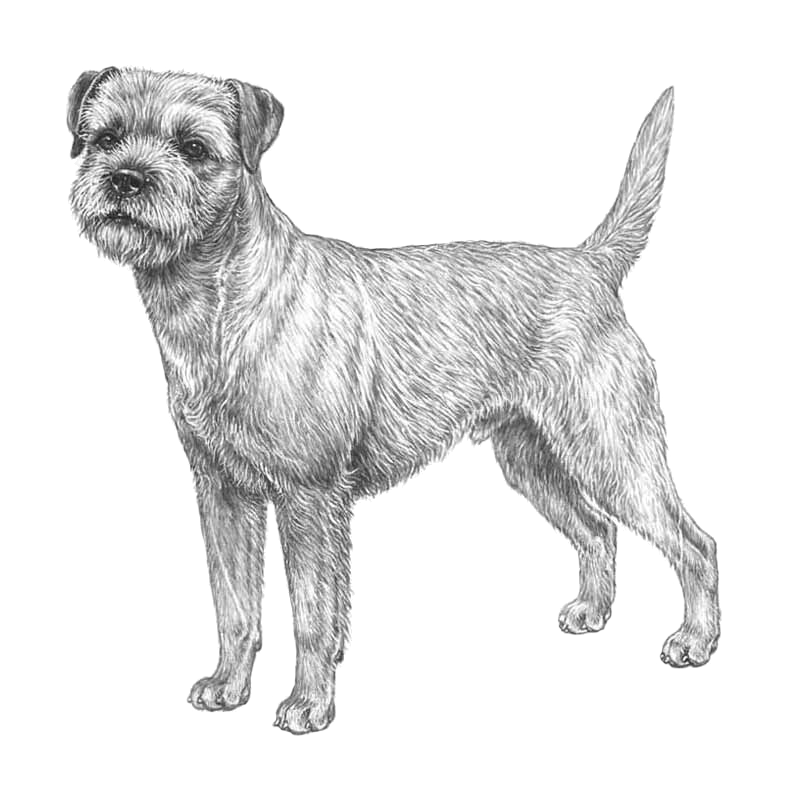
The Border Terrier is a small, rough-coated breed of dog of the terrier group. Originally bred as fox and vermin hunters, Border Terriers share ancestry with Dandie Dinmont Terriers, Patterdale terriers and Bedlington Terriers.
Source: Wikipedia
-
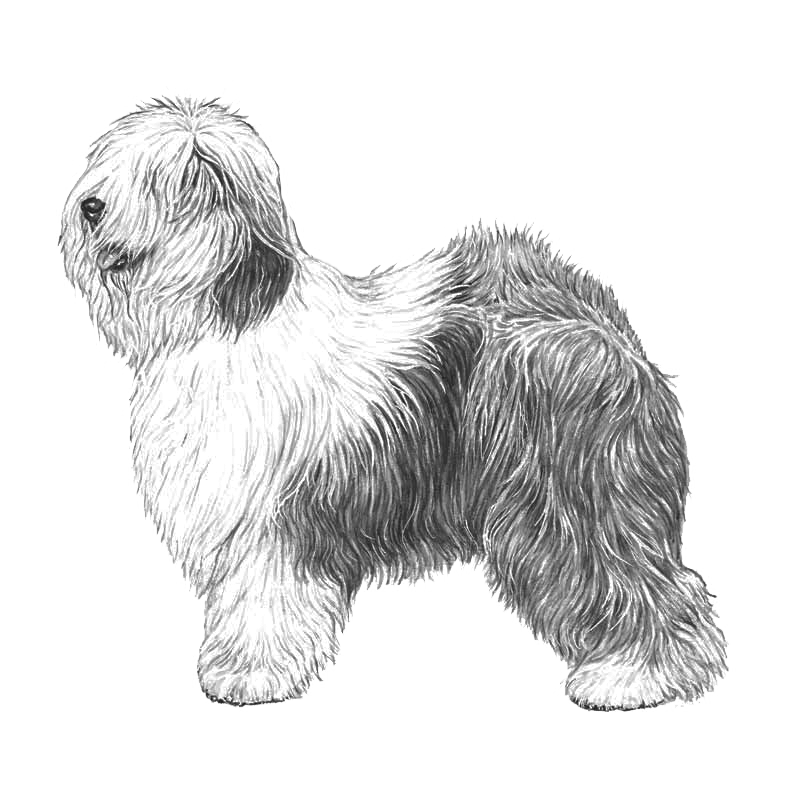
The Old English is the most substantial of sheepdogs, and underneath the glamour of a crisp blue and white coat, there should be a dog still fit for working with the flocks.
Source: The Kennel Club (UK)
-
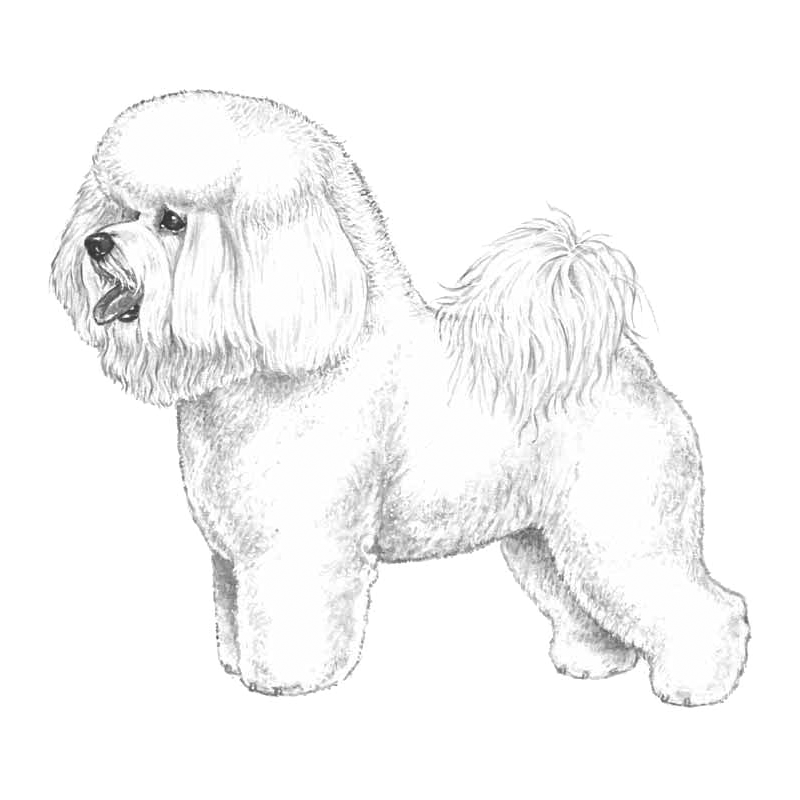
A Bichon Frisé (/ˈbiʃɒn ˈfriz/ or /ˈbiʃɒn frɪˈzeɪ/; French, meaning curly lap dog), is a small breed of dog of the Bichon type.
Source: Wikipedia
-
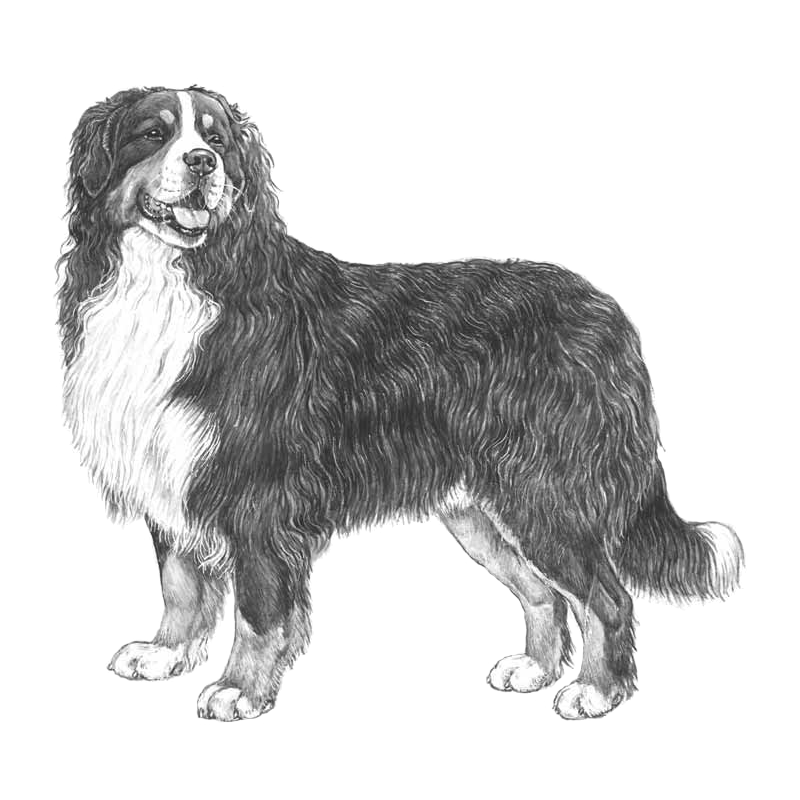 Bernese Mountain Dogs were originally found in the valleys of the Bernese Oberland of Switzerland and were used as general multi purpose farm dogs. They were draught dogs pulling cart loaded with produce to market, items such as basket ware, cheese, or milk to the local dairy. The carts were also decorated for village festivals and celebrations which still puts the dogs as centre of attention today. They were also employed in helping to herd sheep and cattle to and from the mountain pastures. Al
They are one of 4 tri-coloured Swiss Mountain Breeds, (Appenzeller, Entlebucher and Great Swiss Mountain Dog being the other), but are the only one with longer coat. The Bernese is still popular in Switzerland generally but especially in the hills of the Bernese Oberland.
-
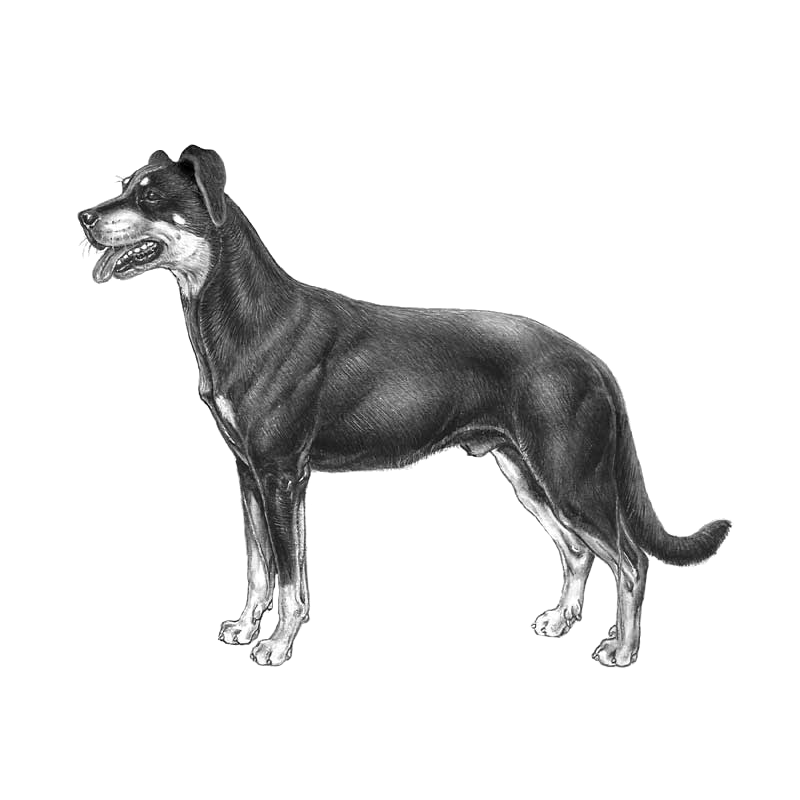
The Beauceron is a guard dog and herding dog breed falling into the working dog category whose origins lie in the plains of Northern France.
Source: Wikipedia
-
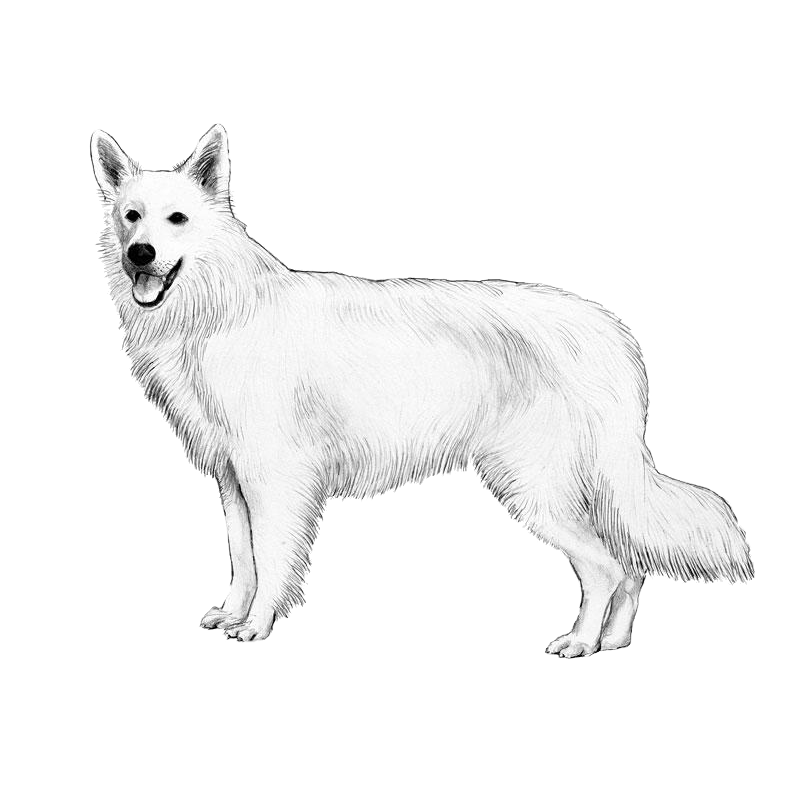
The Berger Blanc Suisse (English: White Swiss Shepherd, German: Weisser Schweizer Schäferhund, Italian: Pastore Svizzero Bianco) is a breed of dog from Switzerland. It is of the same origins as the White Shepherd and the German Shepherd Dog, and has been recognized as a separate breed by the FCI.
-
- international breed collaboration
- swedish insurance data
- australian shepherd
- health surveys
- australia
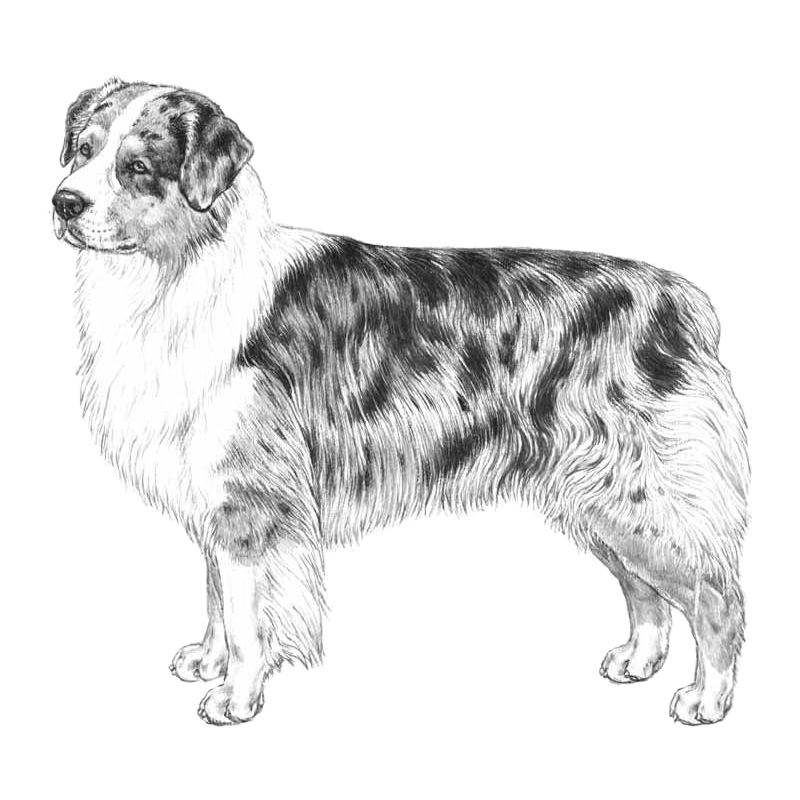
The Australian Shepherd, commonly known as the Aussie, is a medium size breed of dog that was developed on ranches in the western United States. Despite its name, the breed was not developed in Australia, but rather in the United States where they were seen in the West as early as the 1800s.
Source: Wikipedia
The Australian Shepherd was given its name because of the association with Basque Sheepherders who came to the United States from Australia in the 1800’s.
-
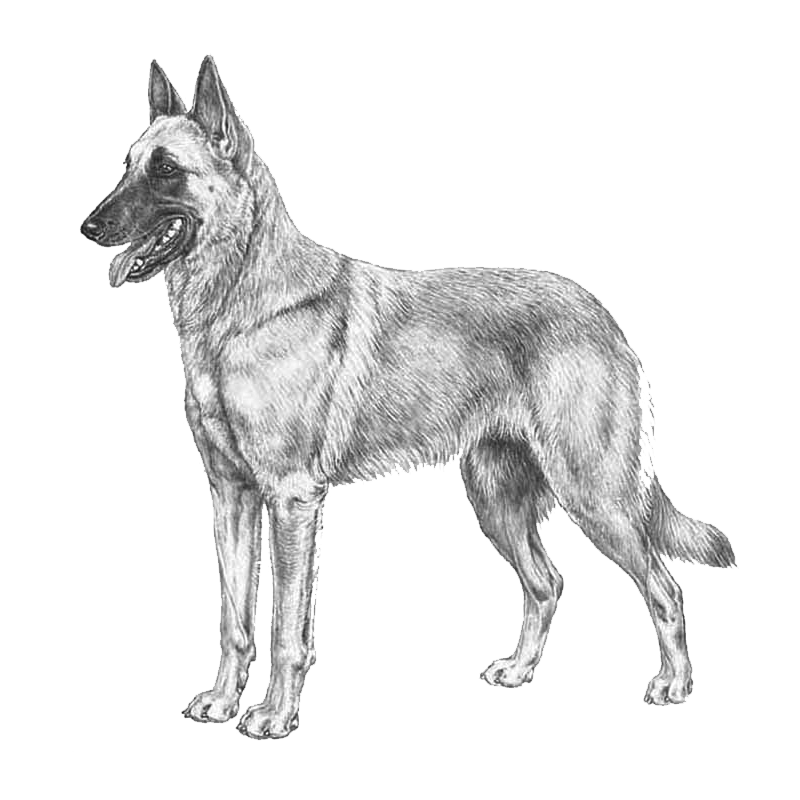
The Malinois /ˈmælɨnwɑː/ is a medium to large breed of dog, sometimes classified as a variety of the Belgian Shepherd Dog rather than as a separate breed. It is named after the Belgian city of Malines, where the breed originated. Its name is the French word for Mechlinian, which in Dutch is either Mechelse herder or Mechelaar (one from Mechelen).
Source: https://en.wikipedia.org/wiki/Malinois_(Belgian_Shepherd_Dog)
NOTE: The Federation Cynologique Internationale (FCI) describes the Malinois, together with the Groenendael, the Laekenois, and the Tervueren, as varieties of the Belgian Shepherd dog breed. The American Kennel Club, however, officially recognizes the Belgian Malinois, the Belgian Sheepdog (FCI: Groenendael), the Belgian Laekenois (FCI: Laekenois), and the Belgian Tervuren (FCI: Tervueren) as four distinct breeds.
Source: https://www.ncbi.nlm.nih.gov/pmc/articles/PMC7140874/
-
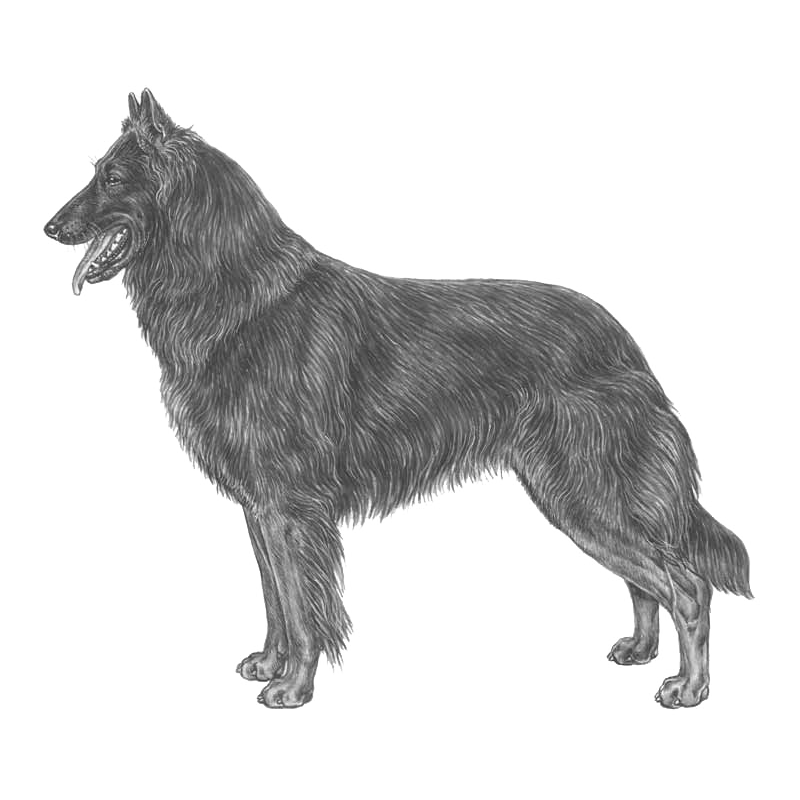
The Groenendael /ˈɡroʊnɨndæl/ is a dog that is included in the Belgian Shepherd breed. In the United States it is generally recognized under the name Belgian Sheepdog.
Source: https://en.wikipedia.org/wiki/Groenendael_(Belgian_Shepherd_Dog)
-
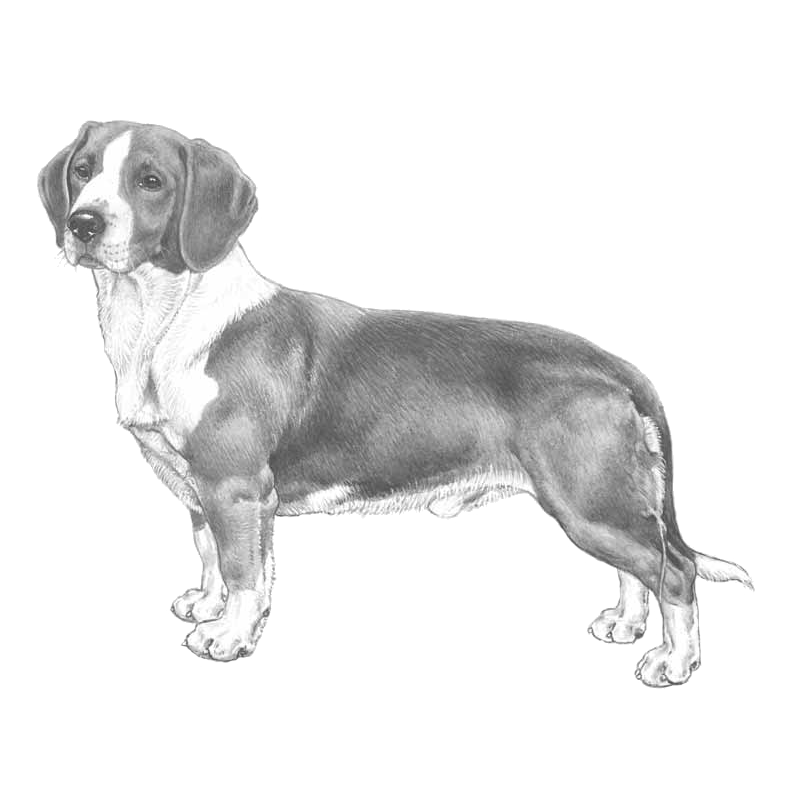
The Drever is a breed of dog, a short-legged scenthound from Sweden used for hunting deer and other game.
Source: Wikipedia
-
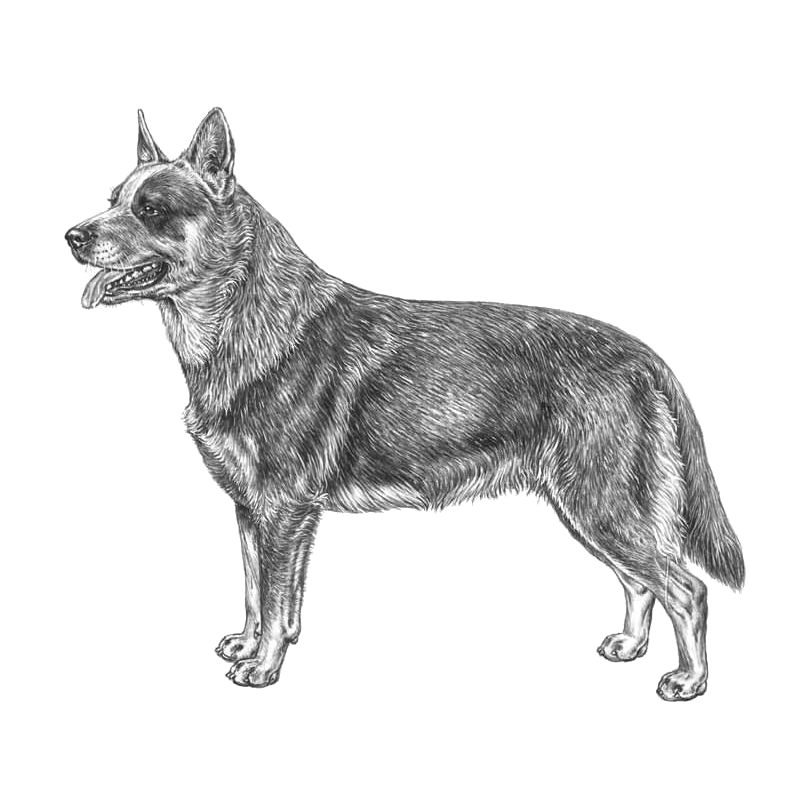
The Australian Cattle Dog (ACD), or simply Cattle Dog, is a breed of herding dog originally developed in Australia for droving cattle over long distances across rough terrain.
Source: Wikipedia
-
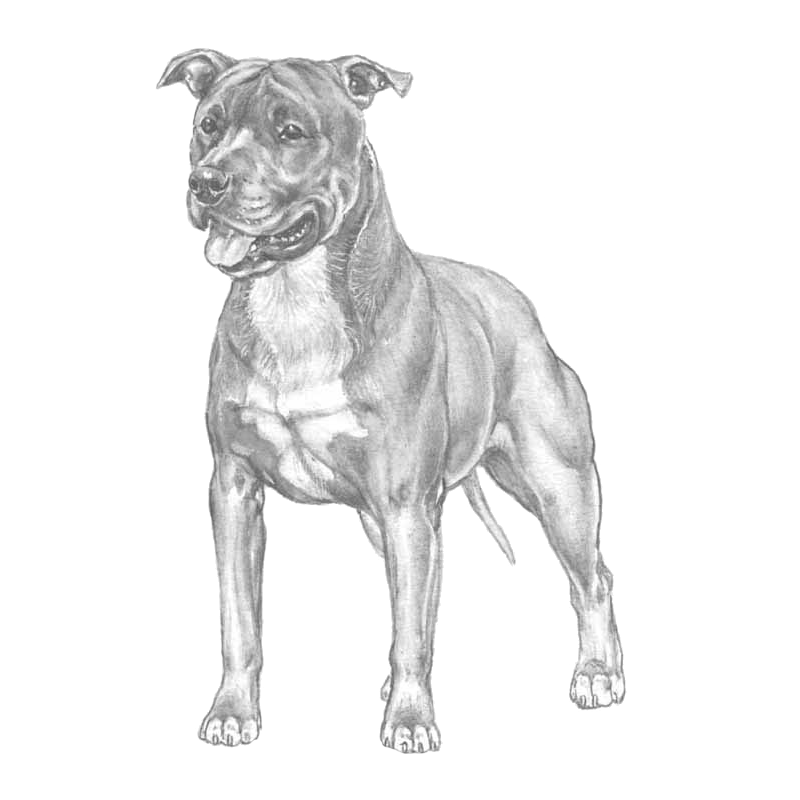
The American Staffordshire Terrier also known as Amstaff is a medium-sized, short-coated American dog breed. In the early part of the twentieth century the breed gained social stature and was accepted by the American Kennel Club as the American Staffordshire Terrier in 1936.
Source: Wikipedia
-
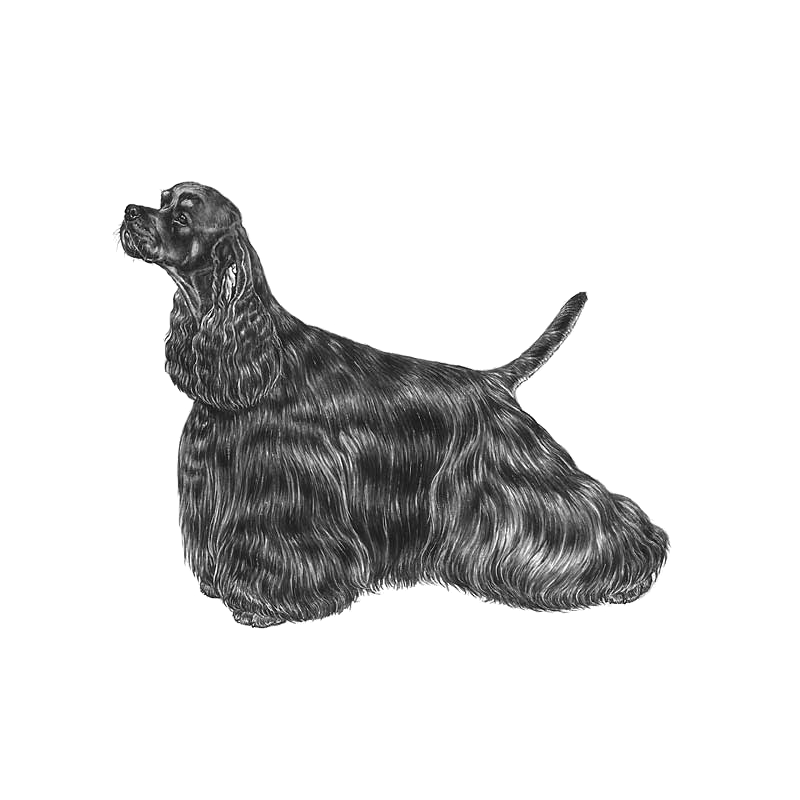
The American Cocker Spaniel is a breed of sporting dog. It is a spaniel type dog that is closely related to the English Cocker Spaniel; the two breeds diverged during the 20th century due to differing breed standards in America and the UK. In the United States, the breed is usually called the Cocker Spaniel, while elsewhere in the world, it is called the American Cocker Spaniel in order to differentiate between it and its English cousin.
Source: Wikipedia
-
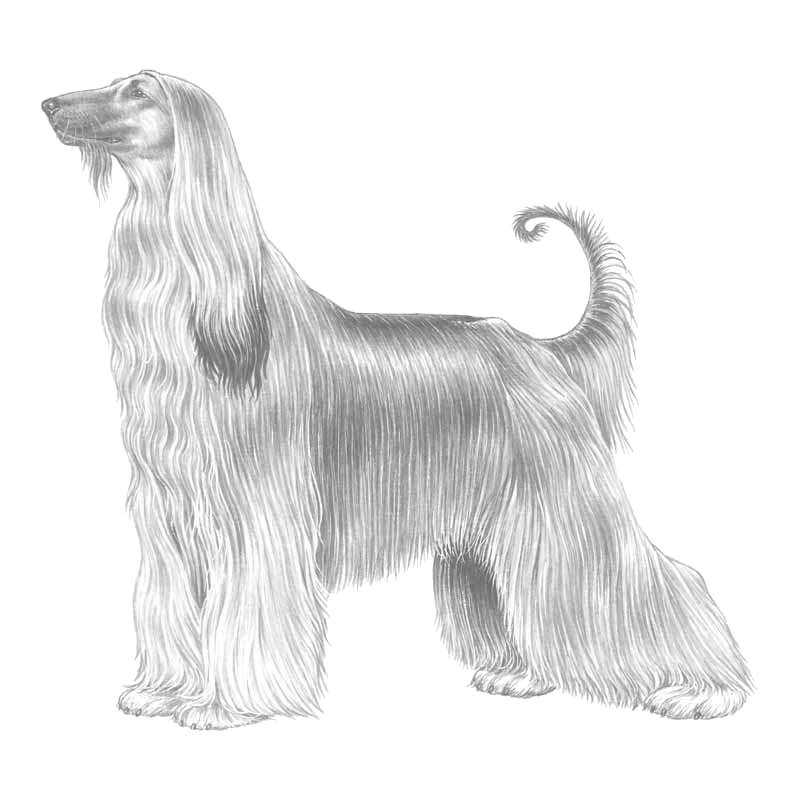
Glamour in the dog world comes in many forms but the Afghan Hound must be in the top ten of anybody’s list. The first Afghan Hounds arrived in Britain in the early 1900s and one, called Zardin, won in spectacular style at the 1907 Crystal Palace show
Source: The Kennel Club
-
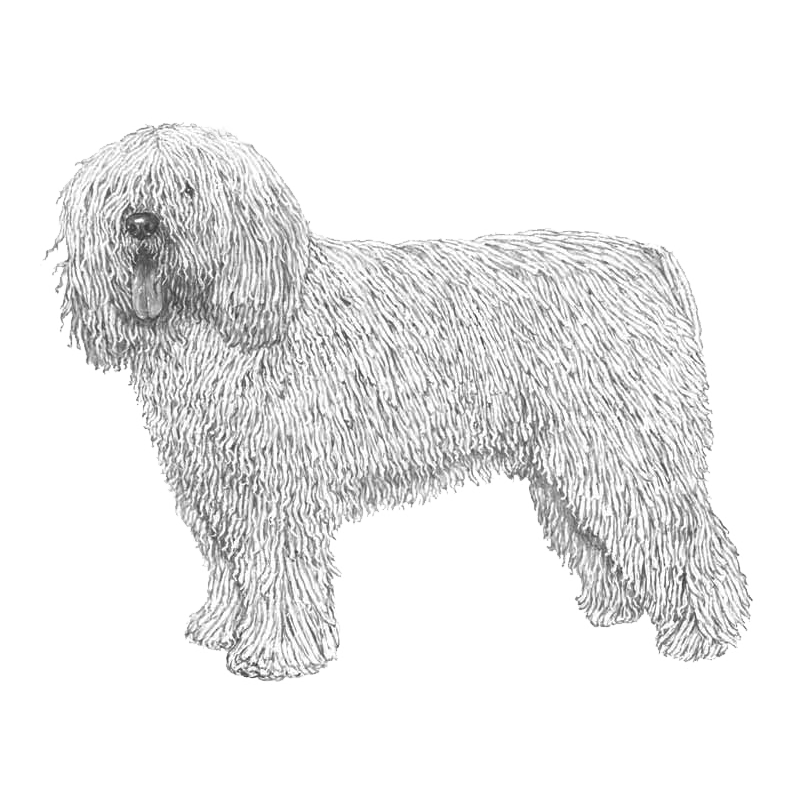
Although the Spanish Water Dog was primarily a retriever of wildfowl, he has also traditionally been used as a herder of sheep. His thick coat, a feature of the breed, requires clipping once or twice each year.
(Source: The Kennel Club)
-
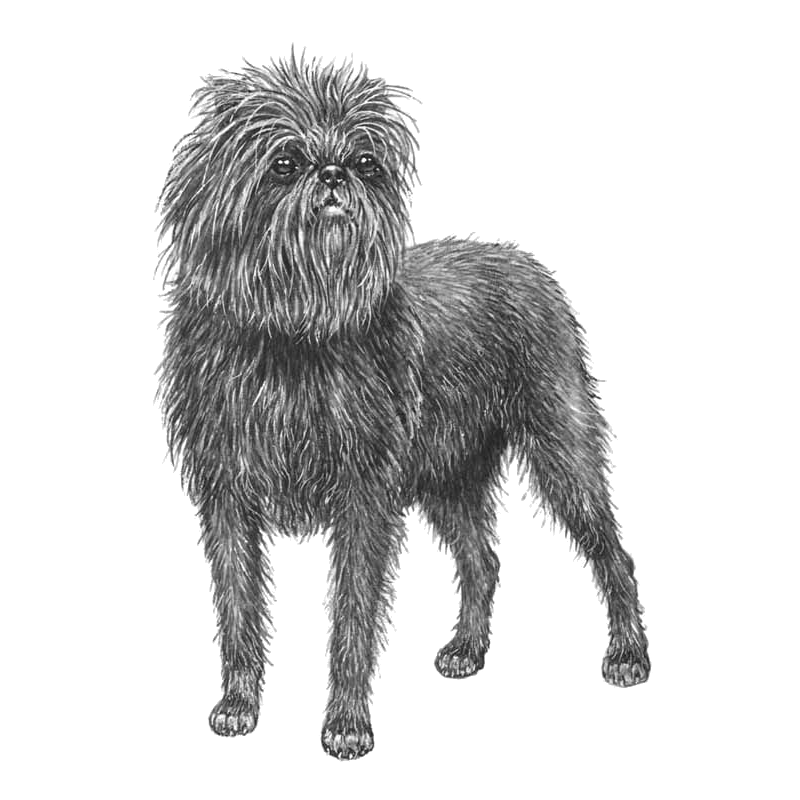
The Affenpinscher is rough haired, small and compact with a monkey-like expression. Fearless, alert, persistent and devoted, sometimes full of quick-tempered passion. He is an agreeable family dog in all aspects.
-
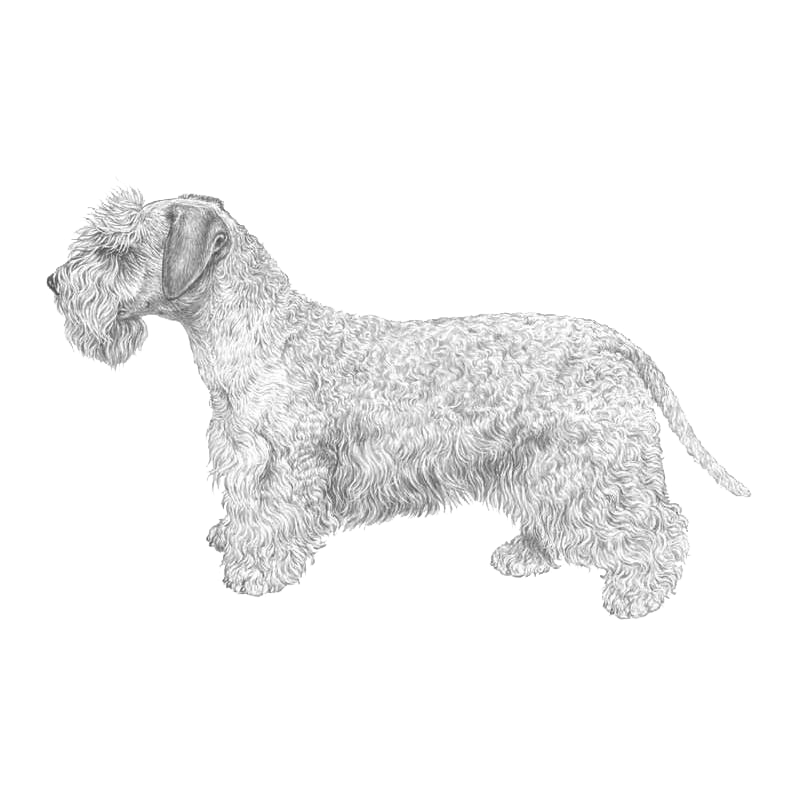
The Cesky Terrier was created by a Czech breeder, František Horák, in 1948, as a cross between a Sealyham Terrier and a Scottish Terrier, to create a terrier suitable for hunting in the forests of Bohemia.
Source: Wikipedia
-
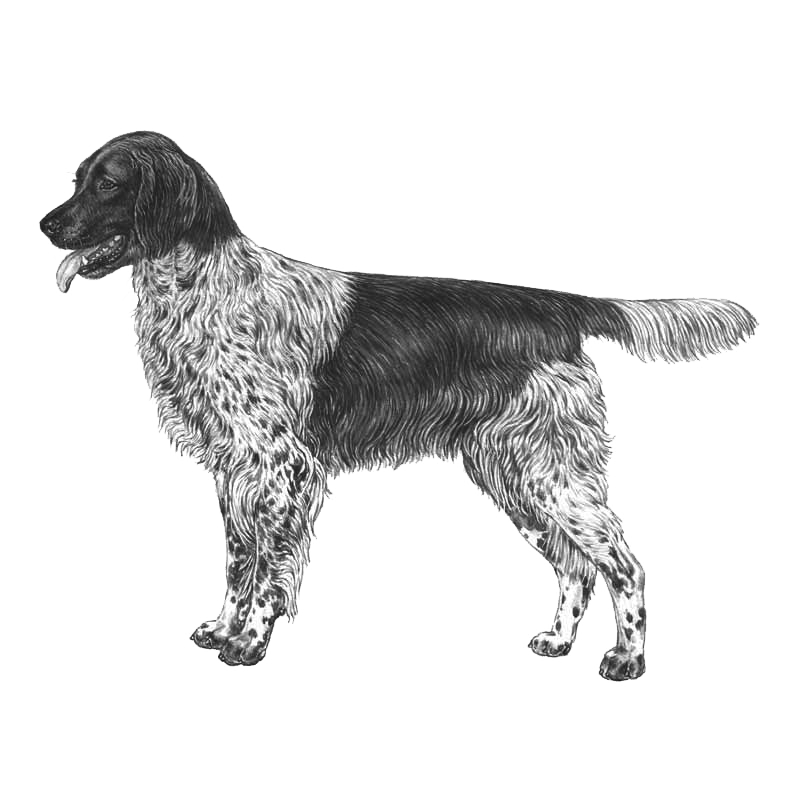
The Stabyhoun or Stabij is one of the top five rarest dog breeds in the world[1][2][3]. It is from Friesland and in particular from the Frisian forest area, a region in the southeast and east of Friesland. The breed has been mentioned in Dutch literature going back to the early 1800s, but has only extended its range from the 1960s outside of Friesland and not until the 2000s did the range officially extend beyond the Netherlands.
(Source: Wikipedia)