









Jump to content
View in the app

A better way to browse. Learn more.

DogWellNet

A full-screen app on your home screen with push notifications, badges and more.

To install this app on iOS and iPadOS
  1. Tap the Share icon in Safari
  2. Scroll the menu and tap Add to Home Screen.
  3. Tap Add in the top-right corner.
To install this app on Android
  1. Tap the 3-dot menu (⋮) in the top-right corner of the browser.
  2. Tap Add to Home screen or Install app.
  3. Confirm by tapping Install.
A group blog by Research Impressions in General
  • Entries

    32
  • Comments

    2
  • Views

    23,327

Contributors to this blog

About this blog

Here we will be featuring links to current research that may be of interest to clubs, health committees and dog breeders. Comments and perspectives will be posted as time permits. Viewpoints and impressions - dog breeder, veterinary epidemiologist, health club advisor

Entries in this blog

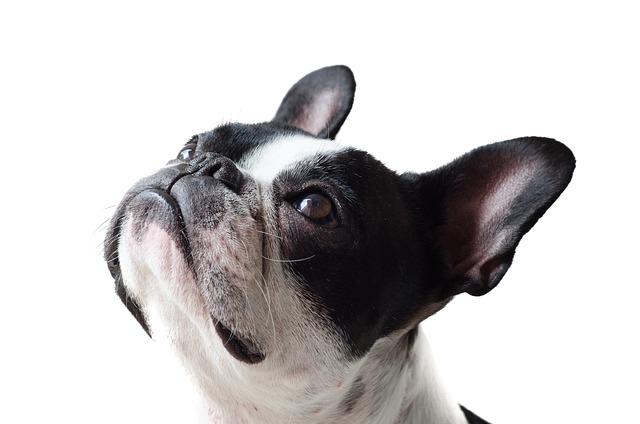
Brachycephalic obstructive airway syndrome (BOAS), observed in many flat-faced dog breeds, is one of the most urgent welfare problems in pedigree dogs. A Finnish study evaluated the results gained from the Finnish Kennel Club's (FKC) BOAS test and estimated the heritability for clinically graded BOAS signs. The BOAS test used by the FKC includes: an exercise component with a recovery assessment, BOAS grading by a veterinarian that evaluates upper respiratory signs before and
A Nordic collaboration study aimed to reveal if there is enough phenotypic and genotypic variation to breed for a change in anatomy and predisposition for Brachycephalic Obstructive Airway Syndrome (BOAS). The study gathered data and samples from each Scandinavian country on a wide variety of individual dogs of four brachycephalic breeds – English bulldog, French bulldog, Pug and Boston terrier. Here's the summary of the study: Lack of success in reduction of illness related to a
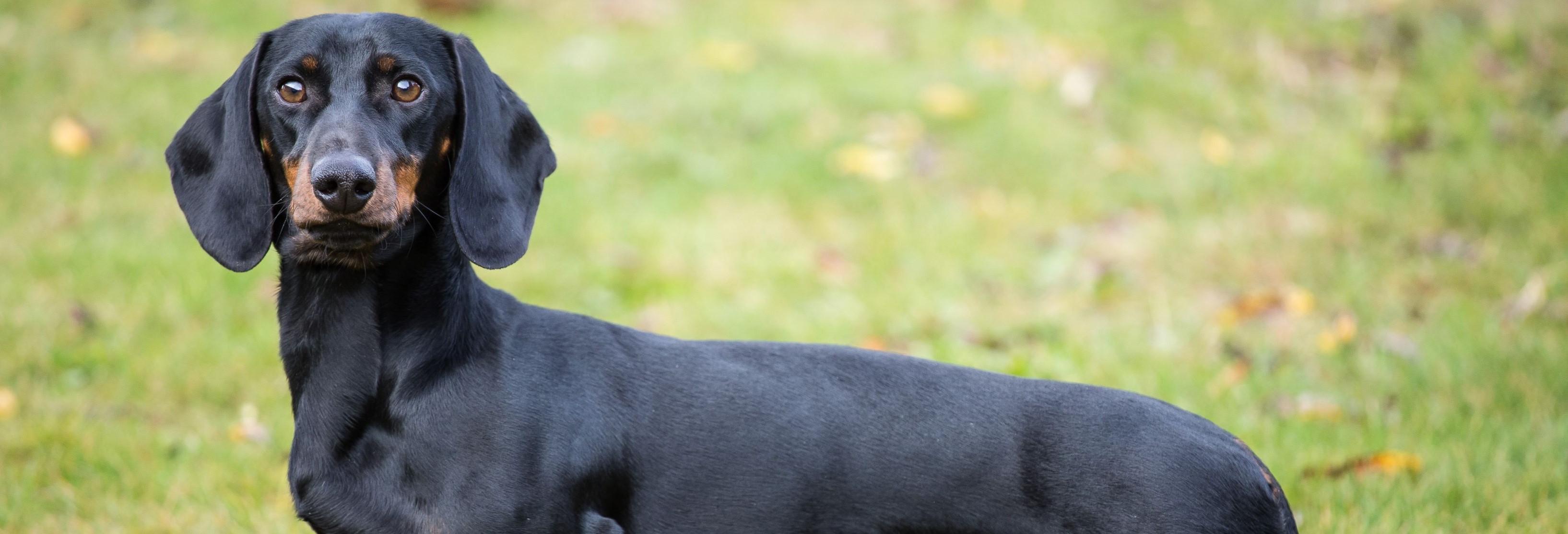
Lappalainen et al. from Helsinki University have published a study on differences in front limb conformation between three chondrodysplastic breeds. Chondrodysplasia is a skeletal disorder characterized by dwarfism and abnormal body proportions, giving the short-legged breeds their characteristic phenotype. The researchers studied angular front limb deformity (ALD), which refers to an excessively curved limb conformation, seen in some chondrodysplastic dog breeds. Common characteristics of
A review on ocular surface disorders in brachycephalic dogs has been published in December 2022. This review by Lionel Sebbag and Rick F. Sanchez "offers a summary of the physiological and anatomical features of brachycephalic ocular syndrome (BOS) that predispose brachycephalic dogs to develop ocular surface disease, followed by a concise description of common ocular diseases associated with BOS. It ends with an overview of evidence-based guidelines and animal welfare legislation that some in t
Correcting the Confusion around Degenerative Myelopathy Brenda Bonnett, BSc, DVM, PhD, Veterinary Science Officer, International Partnership for Dogs Jerold Bell, DVM, Adjunct Professor of Genetics Department of Clinical Sciences Cummings School of Veterinary Medicine Tufts University, USA, Chairman, Hereditary Disease Committee, World Small Animal Veterinary Association (WSAVA), and IPFD friend and collaborator has written the definitive paper on Degenerative Myelopathy (DM), DEGENERA
Disclaimer
All materials on this site are the property of their respective authors and may not be reprinted without the author's written permission, unless otherwise indicated. The views and opinions expressed by the authors and those providing information or comments on this website are theirs alone, and do not necessarily reflect the views, opinions or positions of the International Partnership for Dogs (IPFDogs) or DogWellNet.com. We make no representations as to accuracy, completeness, timeliness, suitability or validity of any information and will not be liable for any errors, omissions, or delays in this information or any losses, injuries or damages arising from its display or use. All rights reserved. DogWellNet © 2014 - 2026
Find Us On
Contact Us
Questions? Comments? Looking to get involved in our work? We’d like to hear from you!
or if you prefer feel free to reach out to us on social media.

Powered by Invision Community

Important Information

By using this site, you agree to our Terms of Use.

Configure browser push notifications

Chrome (Android)
  1. Tap the lock icon next to the address bar.
  2. Tap Permissions → Notifications.
  3. Adjust your preference.
Chrome (Desktop)
  1. Click the padlock icon in the address bar.
  2. Select Site settings.
  3. Find Notifications and adjust your preference.