






Pedigree Breeds
184 entries in this category
-
- Last comment date
- Title
- Start Date
- Most Commented
- Most Viewed
- Last Updated
- Publish Date
- Brief Description
- Content
- Links to Breed Descriptions
- Other Names for Breed
- Country of Origin and Parent Breed Club
- Health and Well-Being
- Breed-Specific Articles
- Breed Standards
- Breed-Specific Statistics
- Breeding/Health Strategy Documents
- Breed-Specific DNA Tests
- Other Breed-Specific Webpages
- Breed-Specific Research
- Breed Clubs
- Custom
-
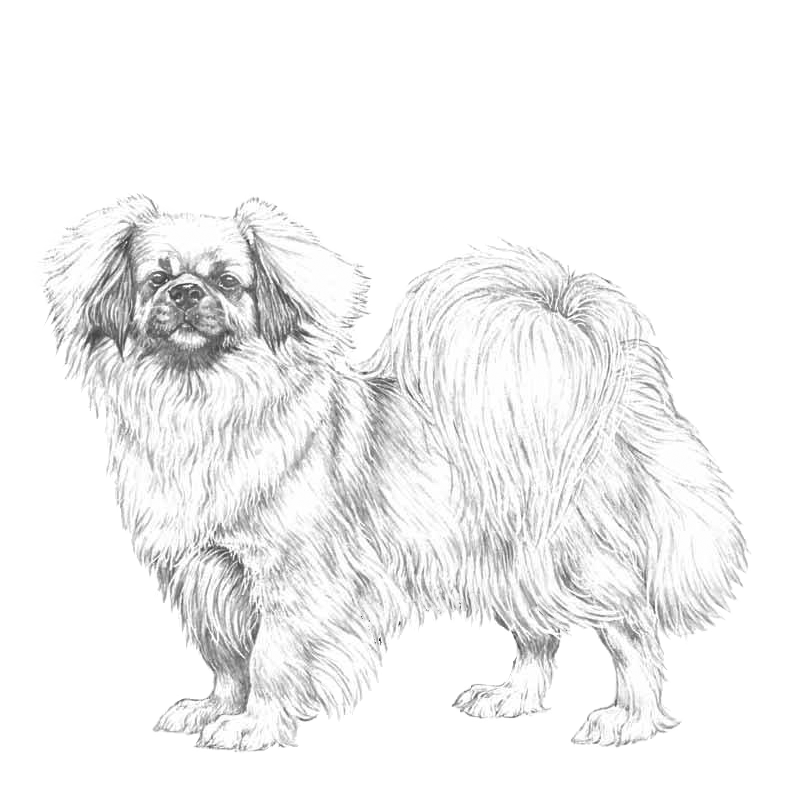
The Tibetan Spaniel is a breed of assertive, small, intelligent dogs originating over 2,500 years ago in the Himalayan mountains of Tibet. They share ancestry with the Pekingese, Japanese Chin, Shih Tzu, Lhasa Apso, Tibetan Terrier and Pug.
-
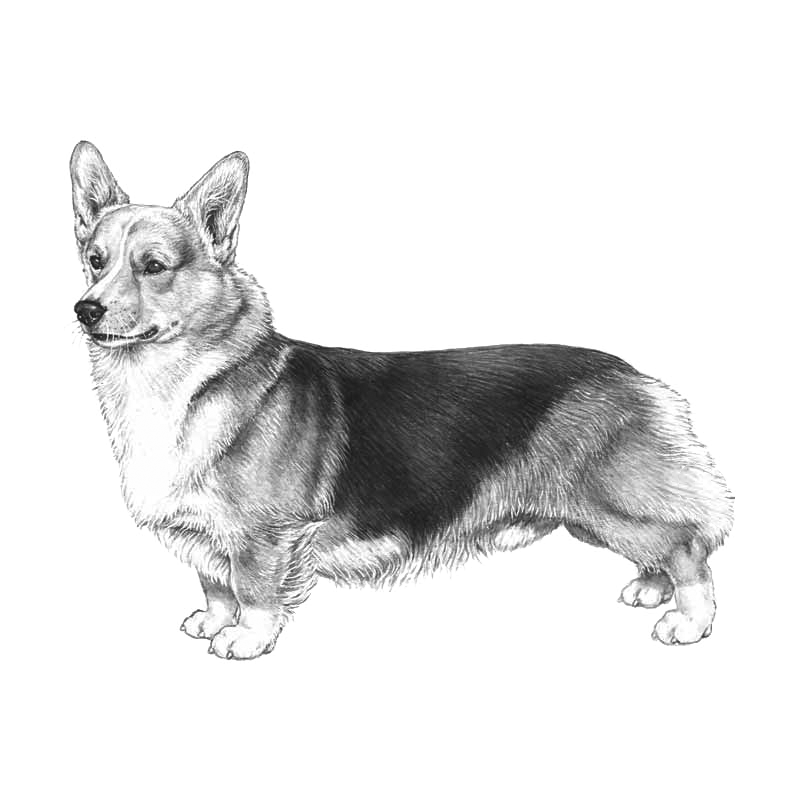
Welsh Corgis have historically been used as herding dogs, specifically for cattle. They are of the type of herding dog referred to as "heelers", meaning that they would nip at the heels of the larger animals to keep them on the move. Both Pembrokeshire and Cardigan are historically agricultural areas of Wales.
Source: https://en.wikipedia.org/wiki/Welsh_Corgi
The two Corgi breeds are named for those regions. Once interbred, the Kennel Club designated the different types as two distinct breeds in 1934. Slightly smaller than the Cardigan, not quite as long in body and with a smaller ear and straighter front legs, the Pembroke was traditionally docked, but that differentiation no longer exists since the docking ban. However some breeders have worked hard to produce natural bobtails. The Pembroke has always been the more popular breed, perhaps helped by the Royal patronage it has received since the reign of King George VI and carried on by our present monarch Queen Elizabeth II.
Source: https://www.thekennelclub.org.uk/search/breeds-a-to-z/breeds/pastoral/welsh-corgi-pembroke/
Also see: Cardigan Welsh Corgi https://dogwellnet.com/breeds/pedigreed/cardigan-welsh-corgi-r220/
-
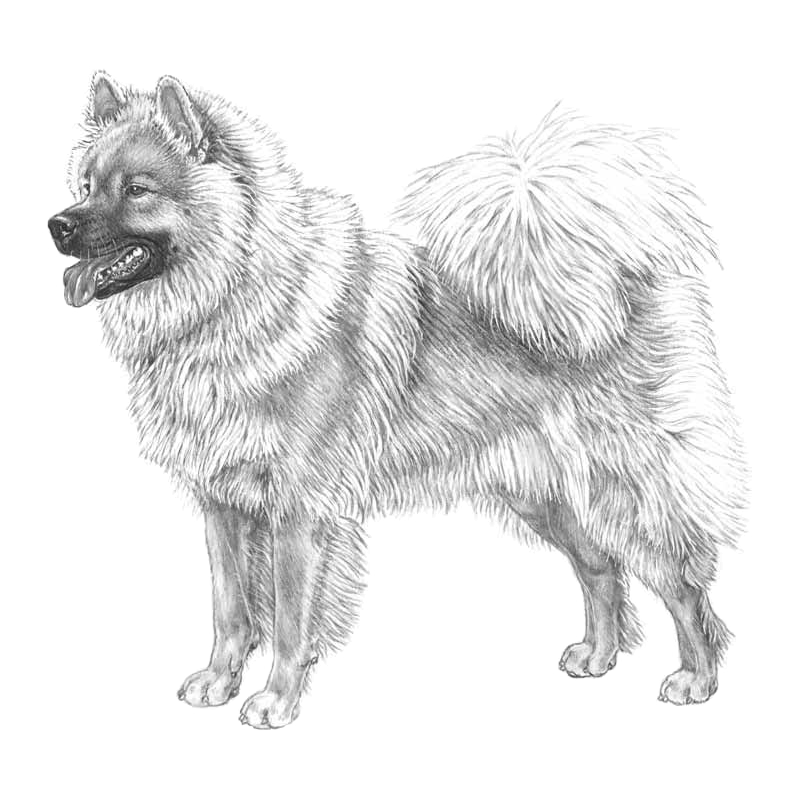 Balanced, well constructed medium sized dog of Spitz type with prick ears and coat in varied colours. Length of coat should be such as still to reveal the body proportions. With medium bone. Balanced, well constructed medium sized dog of Spitz type with prick ears and coat in varied colours. Length of coat should be such as still to reveal the body proportions. With medium bone. Self-assured, calm, even tempered with high resistance against any provocation.
Watchful and alert without being noisy. Very strongly developed link to his family. Reserved towards strangers without being aggressive. No hunting instinct. For the full development of these qualities, the Eurasian needs constant close domestic contact with his family and understanding, yet consistent training.
-
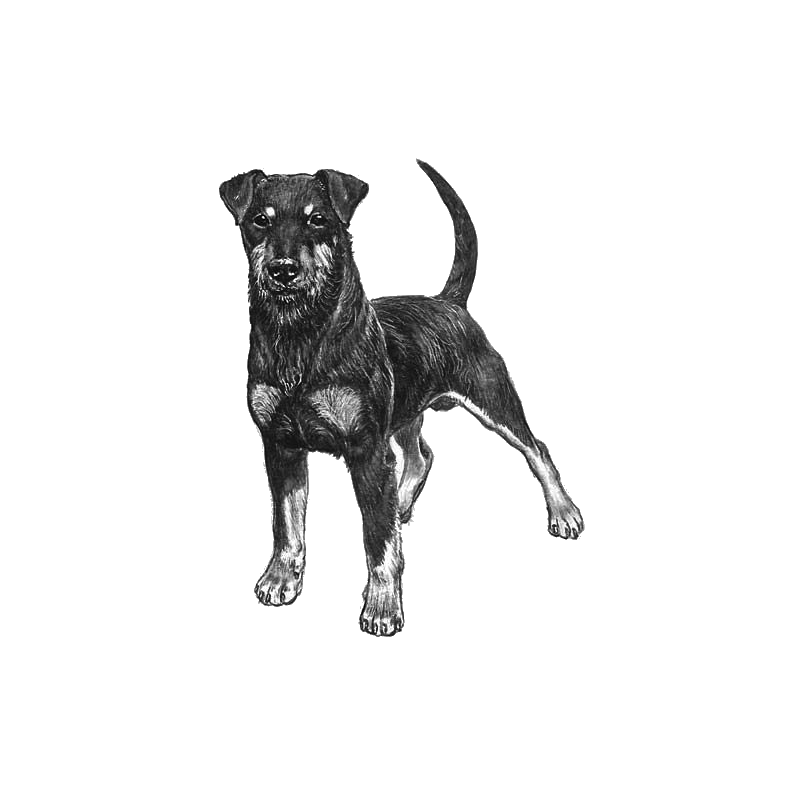
Versatile hunting dog, suited in particular for the hunt under the ground and as a flushing dog. A smallish, generally black and tan, compact, well proportioned working hunting dog. Courageous and hard, takes pleasure in work, enduring, vital, full of temperament, reliable, sociable and trainable, neither shy or aggressive. The German Hunting Terrier is breed developed and maintained for its usefulness as a hunting dog, steadiness of character, courage and drive.
Source: http://www.djt-club.de/der-djt/rassestandard/englisch.html & the F.C.I. Breed Standard http://www.fci.be/Nomenclature/Standards/103g03-en.pdf
-
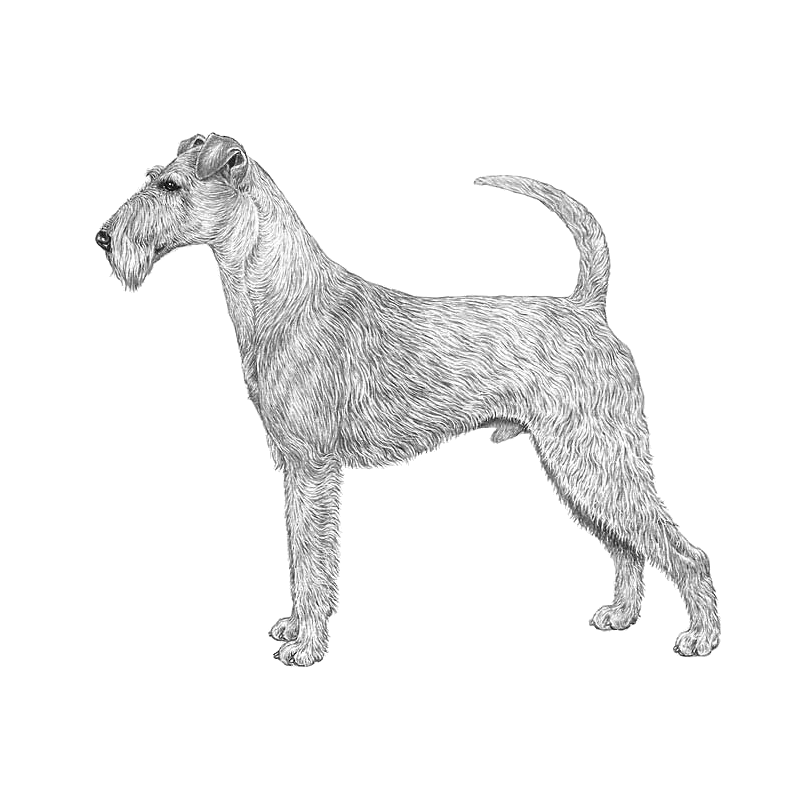
Versatile farmyard dog, family pet, guard dog with utter contempt for danger or hurt, hunter and gundog. The dog must present an active, lively, lithe and wiry appearance; lots of substance, at the same time free of clumsiness, as speed and endurance as well as power is very essential. The Irish Terrier must be neither “cloddy nor cobby” but should be framed on the “lines of speed” showing a graceful racy outline.
Source: http://www.ikc.ie/dog-ownership/types-of-dog/breeds/native-breeds-of-ireland/native-irish-breed/73/
-
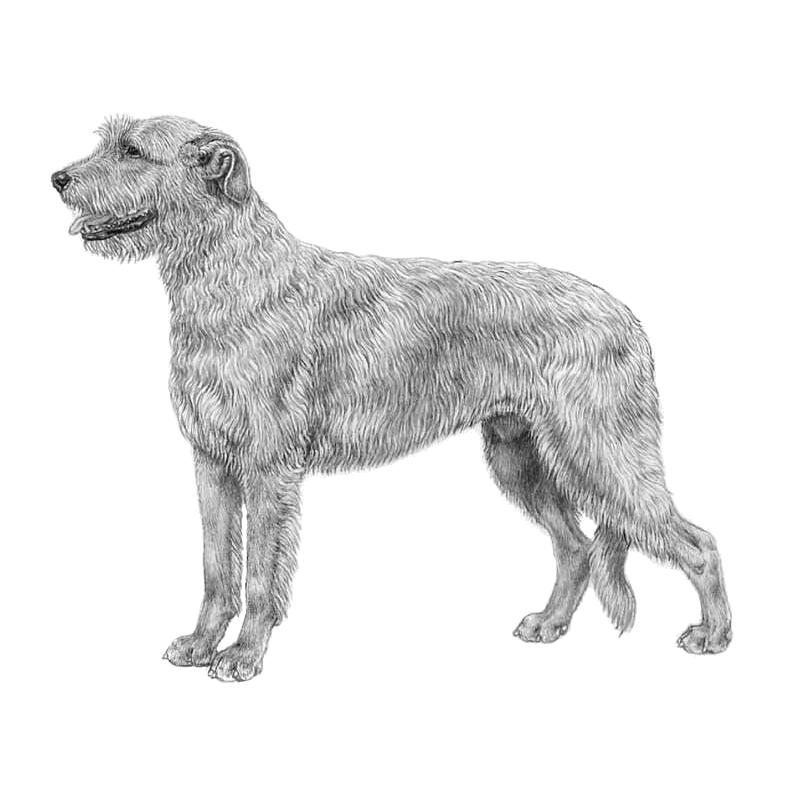
Up to the end of the17th century, Irish Wolfhounds were used for hunting wolves and deer in Ireland. They were also used for hunting the wolves that infested large areas of Europe before the forests were cleared.
Source: Irish Kennel Club
-
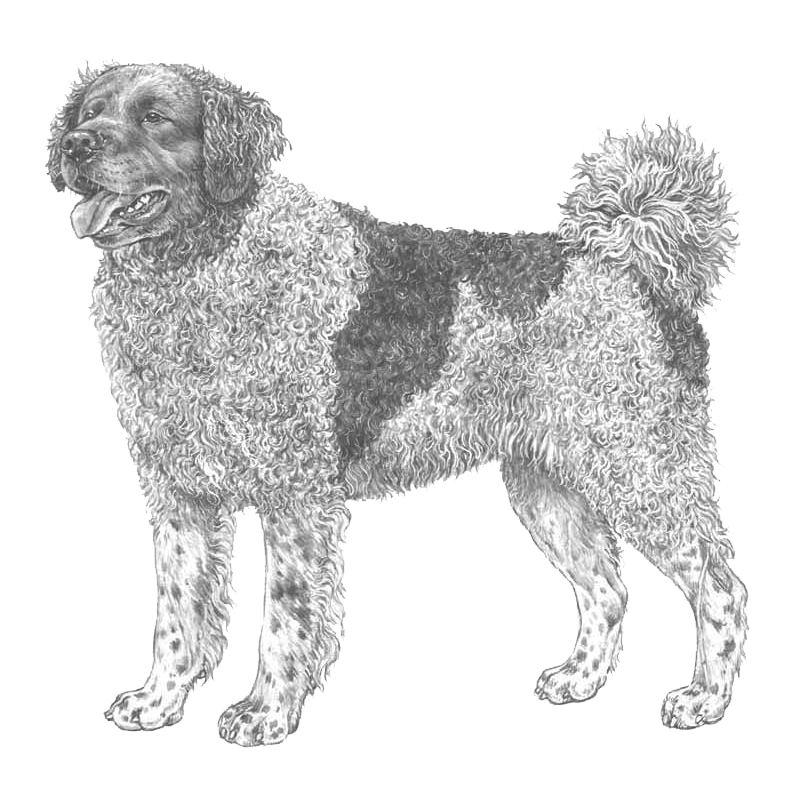
Traditionally used as a hunting dog for hunting small mammals and waterfowl in the province of Fryslan in the Netherlands, the breed is an excellent gun dog, effective as both a land and water retriever... its strong will and natural guarding abilities make early training a requirement. The breed standard describes the breed's temperament as reserved and "an ideal guard-dog"... though never aggressive, which makes it an excellent family-dog.
Source: https://en.wikipedia.org/wiki/Wetterhoun
-
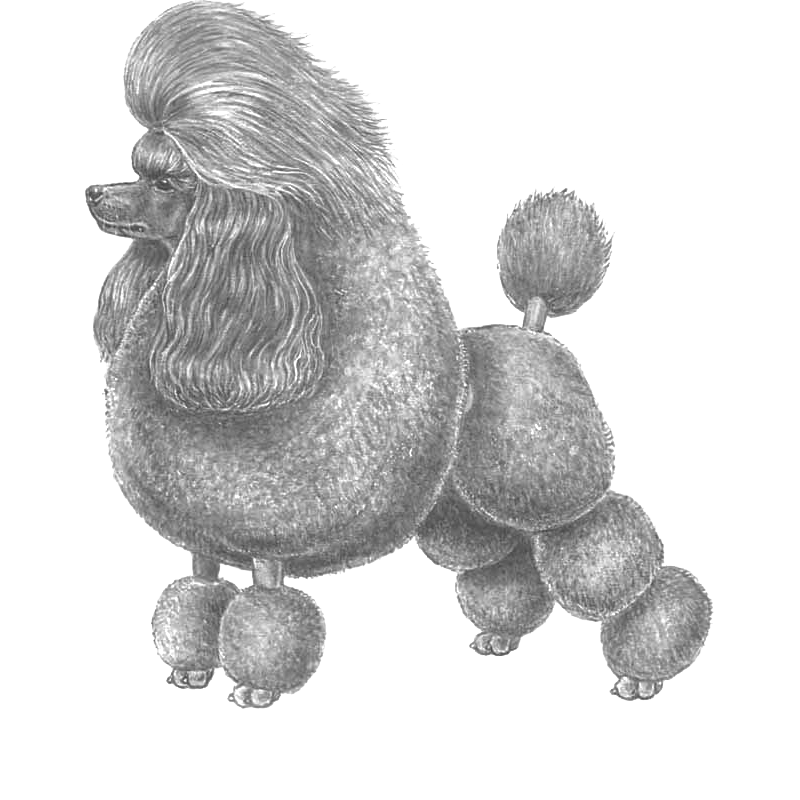
Traditionally the Standard Poodle, the largest of the subtypes, was a retriever or gun dog, used in particular for duck hunting and sometimes upland bird hunting.
-
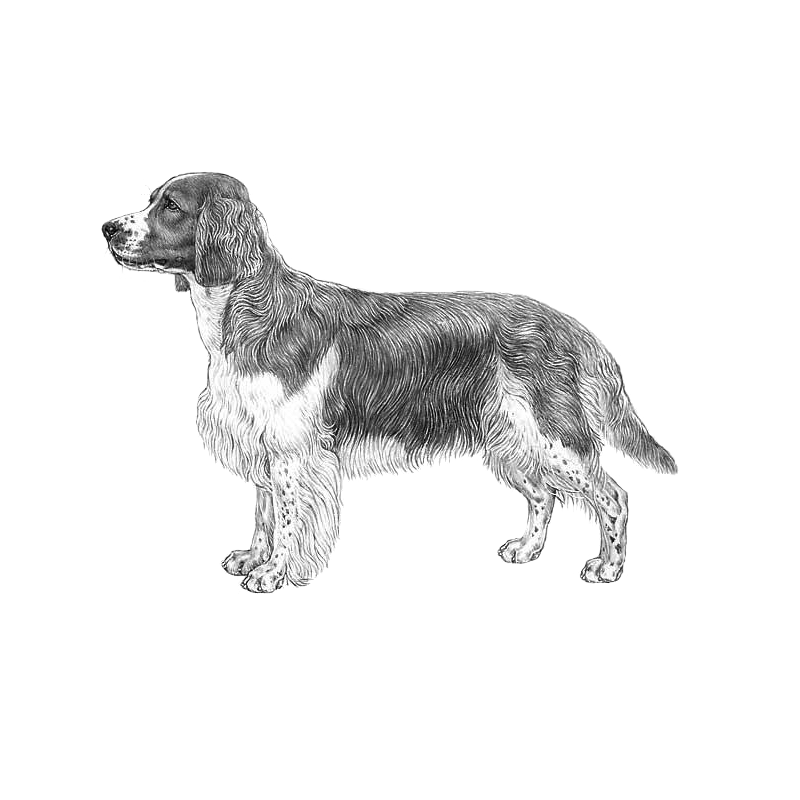
Thought to be comparable to the old Land Spaniel, they are similar to the English Springer Spaniel and historically have been referred to as both the Welsh Spaniel and the Welsh Cocker Spaniel.
Source: https://en.wikipedia.org/wiki/Welsh_Springer_Spaniel
-
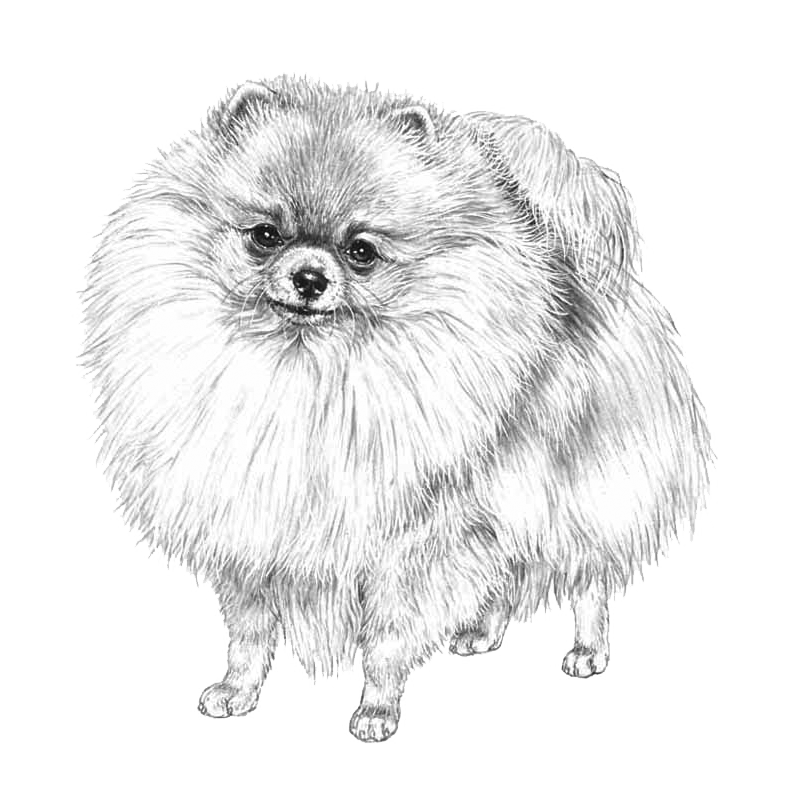
Though Britain is listed as the country of development of the Pomeranian, he is a Spitz-type dog descended from the much larger sled-hauling dogs of the Arctic. He was bred from the German Spitz before becoming known in the UK in 1870. In 1890, he entered the kennels of Queen Victoria, which popularised the breed, and the Pomeranian Club was formed the following year.
Source: https://www.thekennelclub.org.uk/search/breeds-a-to-z/breeds/toy/pomeranian/
-
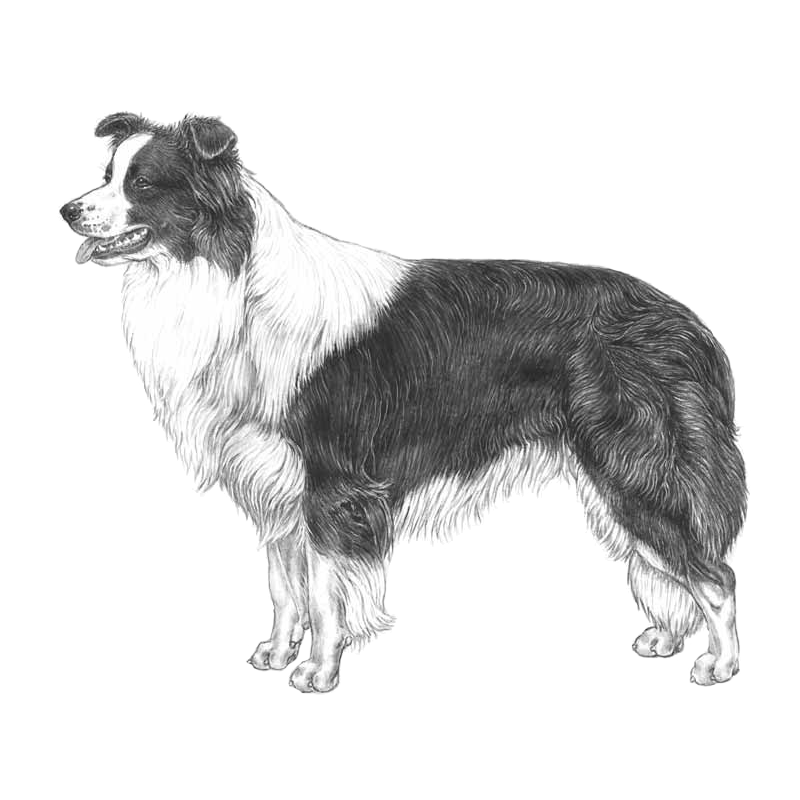
This highly intelligent dog has an inborn instinct to work, and responds readily and eagerly to training. He was originally used for working sheep in the hills and mountains, mainly in the border counties of England, Scotland and Wales, but his prowess as a working sheepdog has now spread countrywide throughout Britain and even farther afield.
Source: The Kennel Club
-
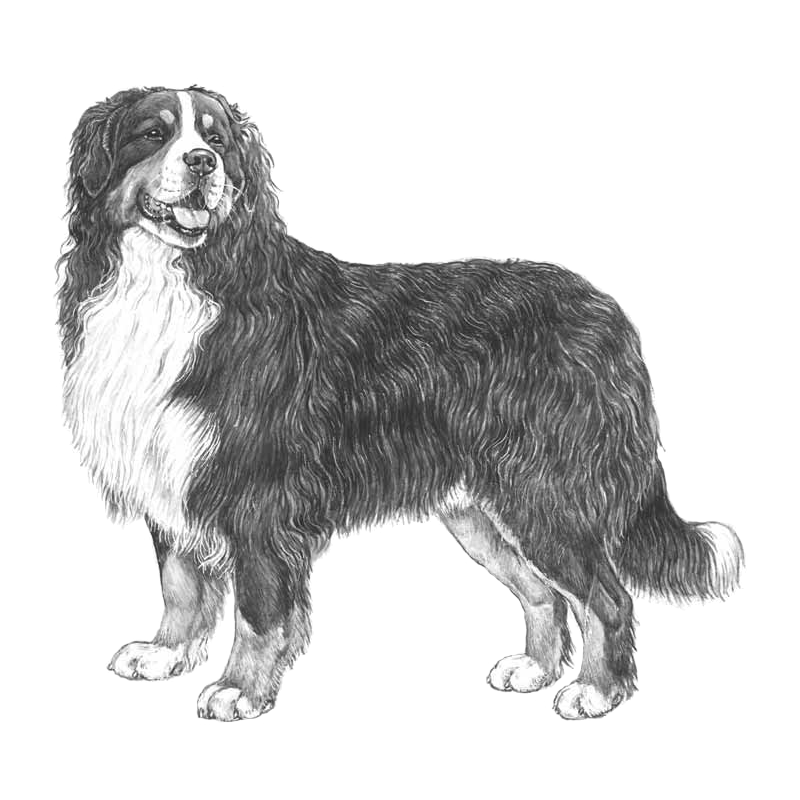 Bernese Mountain Dogs were originally found in the valleys of the Bernese Oberland of Switzerland and were used as general multi purpose farm dogs. They were draught dogs pulling cart loaded with produce to market, items such as basket ware, cheese, or milk to the local dairy. The carts were also decorated for village festivals and celebrations which still puts the dogs as centre of attention today. They were also employed in helping to herd sheep and cattle to and from the mountain pastures. Al
They are one of 4 tri-coloured Swiss Mountain Breeds, (Appenzeller, Entlebucher and Great Swiss Mountain Dog being the other), but are the only one with longer coat. The Bernese is still popular in Switzerland generally but especially in the hills of the Bernese Oberland.
-
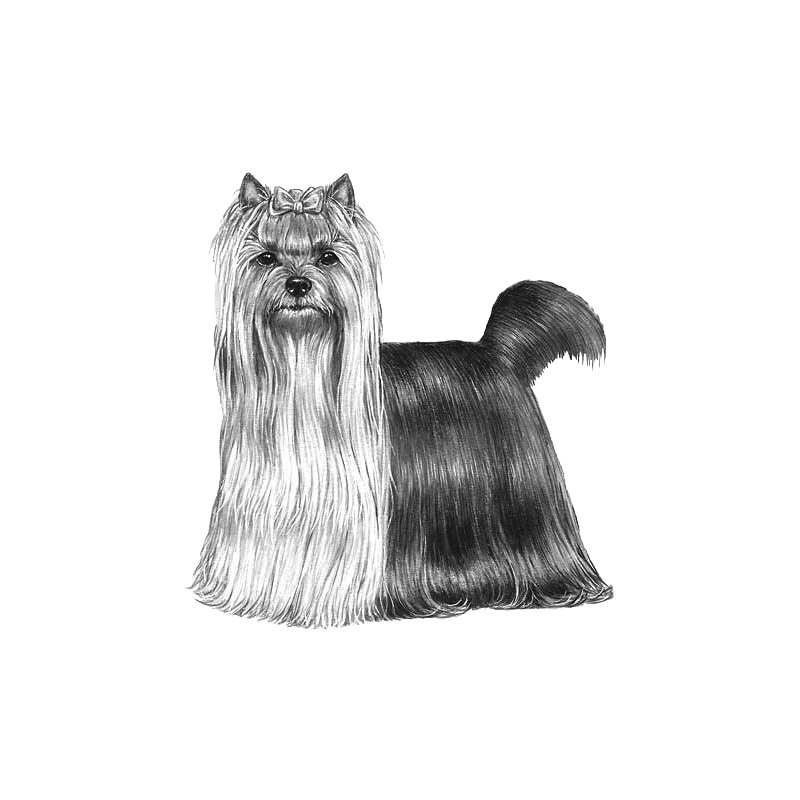
The Yorkshire Terrier is a small dog breed of terrier type, developed in the 19th century in the county of Yorkshire, England, to catch rats in clothing mills, also used for rat-baiting.
-
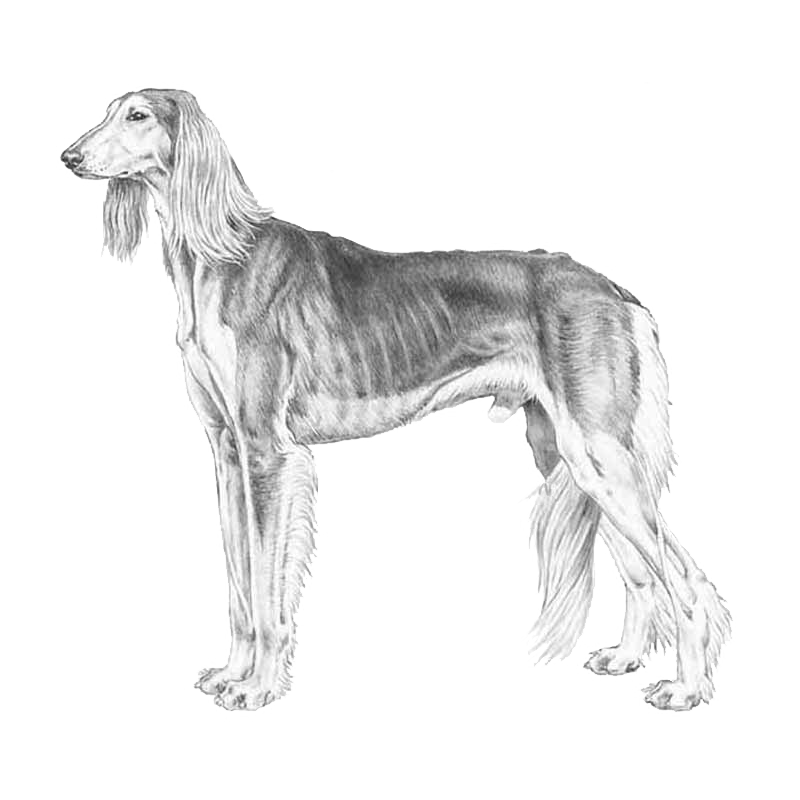 Salukis vary in type and the variation is desired and typical for the breed. The reason for the variation is the special place held by the Saluki in the Arab tradition and the immense size of the Middle East area where the Saluki has been used as a hound of the chase for thousands of years. Photo: Jessica Bolander, emoticon.se
The whole appearance of this breed should give an impression of grace and symmetry and of great speed and endurance coupled with strength and activity. Smooth variety: the points should be the same with the exception of the coat which has no feathering. Reserved with strangers, but not nervous or aggressive. Dignified, intelligent and independent.
-
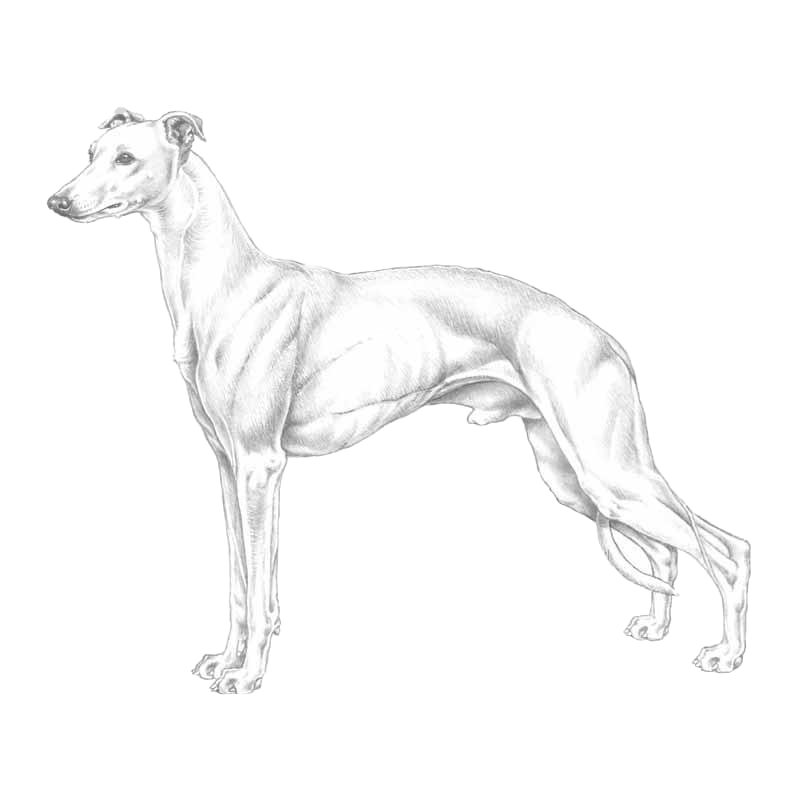
The Whippet (also English Whippet or Snap dog) is a dog breed of medium-size. They are a sighthound breed that originated in England, where they descended from greyhounds. Whippets today still strongly resemble a smaller greyhound.
-
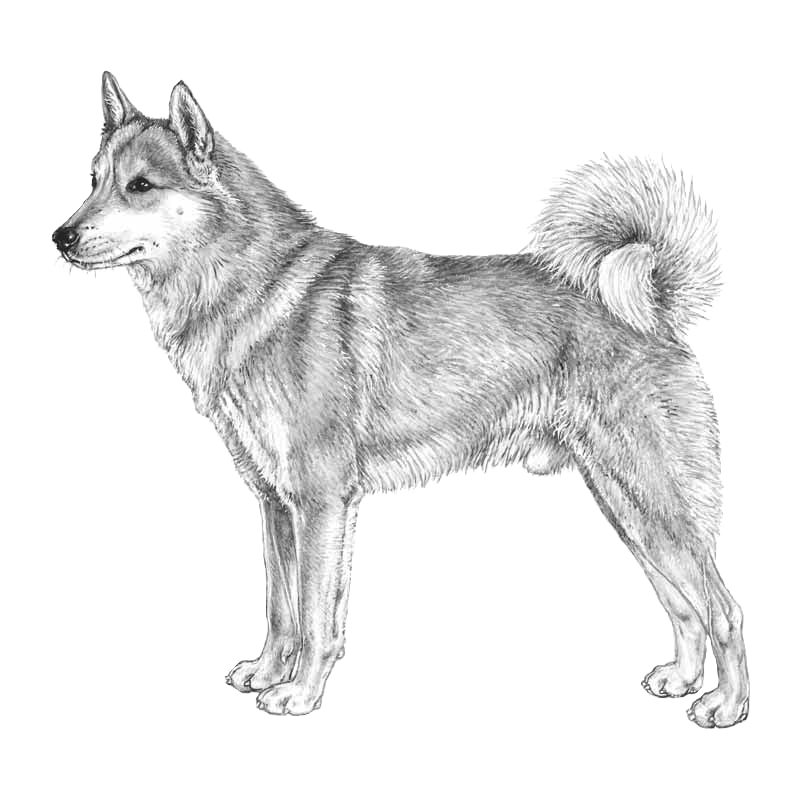
The West Siberian Laika or WSL, is a breed of hunting dog. Russian publications indicate that the term West Siberian Laika loosely applied to hunting dogs originating with the Mansi and Khanty people in Ural and West Siberia, but there were no standards or registrations of WSL as such until 1930.
-
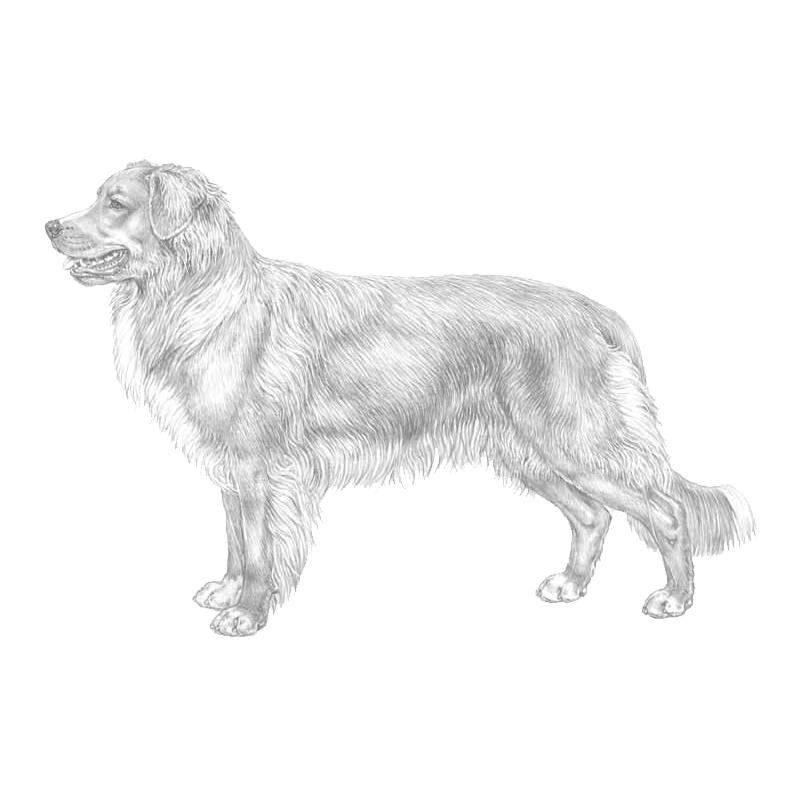 AKC: http://www.akc.org/dog-breeds/nova-scotia-duck-tolling-retriever/
The Toller is a medium-sized, powerful, compact, balanced, well-muscled dog; medium to heavy in bone, with a high degree of agility, alertness and determination. The Toller is highly intelligent, easy to train and has great endurance. A strong and able swimmer, he is a natural and tenacious retriever on land and from water setting himself for springy action the moment the slightest indication is given that retrieving is required.
Source: http://www.fci.be/en/nomenclature/NOVA-SCOTIA-DUCK-TOLLING-RETRIEVER-312.html
-
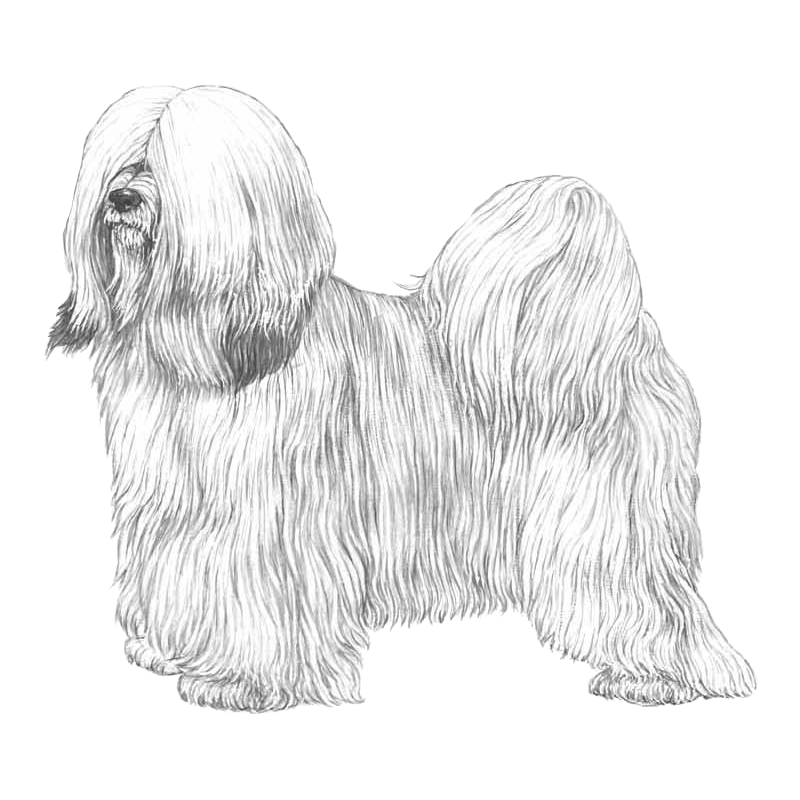
The Tibetan Terrier is a medium-size breed of dog that originated in Tibet. Despite its name, it is not a member of the terrier group. The breed was given its English name by European travelers due to its resemblance to known terrier breeds. The Tibetan name for the breed, Tsang Apso, roughly translates to "shaggy or bearded ("apso") dog, from the province of Tsang".
-
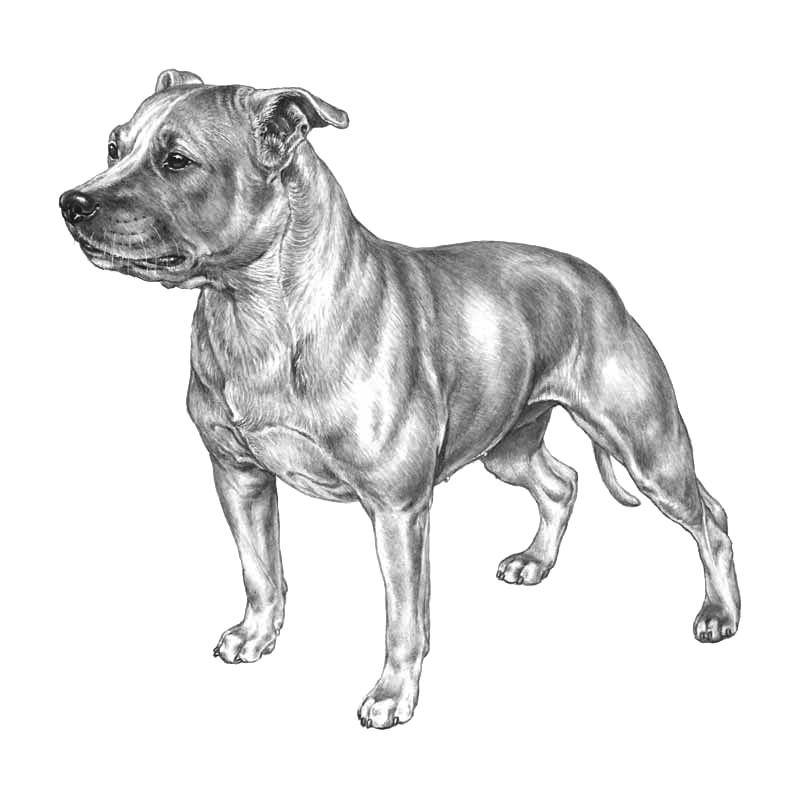
The Staffordshire Bull Terrier (informally: Staffie, Stafford, Staffy or Staff) is a medium-sized, short-coated breed of dog.
Source: http://en.wikipedia.org/wiki/Staffordshire_Bull_Terrier
-
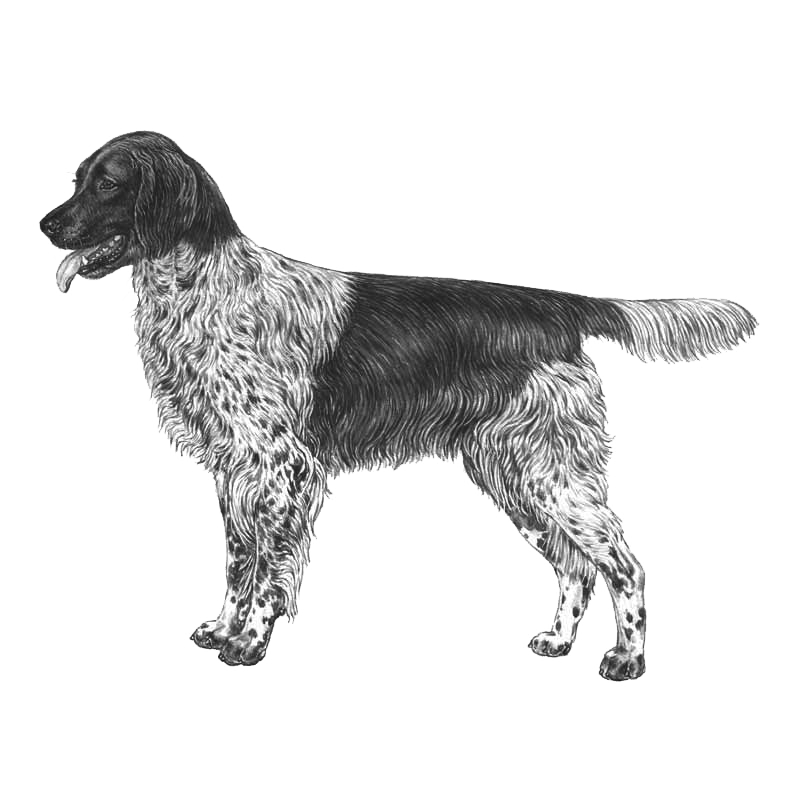
The Stabyhoun or Stabij is one of the top five rarest dog breeds in the world[1][2][3]. It is from Friesland and in particular from the Frisian forest area, a region in the southeast and east of Friesland. The breed has been mentioned in Dutch literature going back to the early 1800s, but has only extended its range from the 1960s outside of Friesland and not until the 2000s did the range officially extend beyond the Netherlands.
(Source: Wikipedia)
-
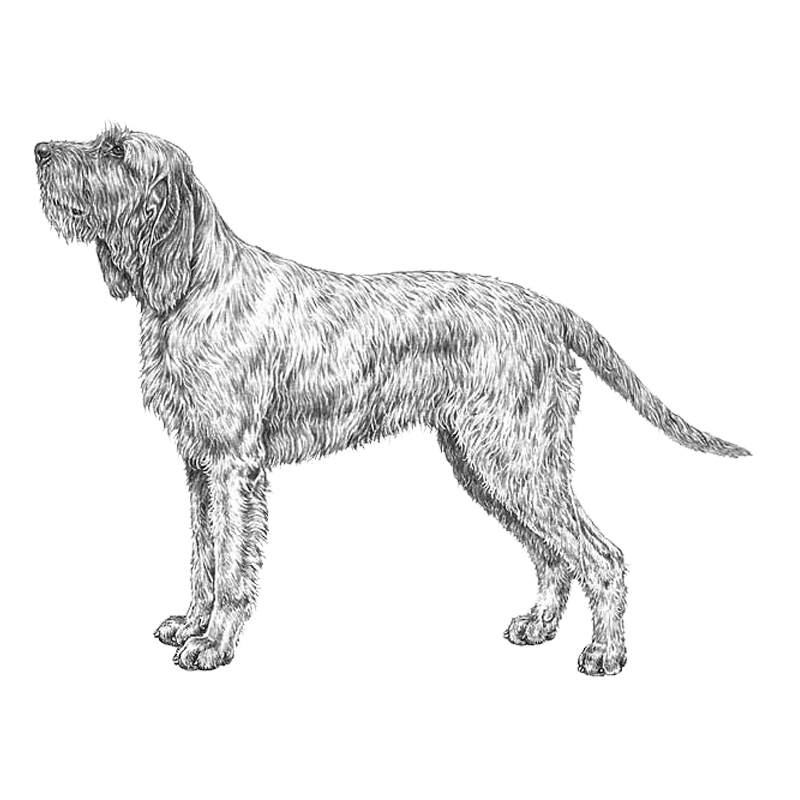
The Spinone Italiano is a "dog of solid construction, robust and vigorous with powerful bone, well-developed muscles and with a rough coat." "Naturally sociable, docile and patient, the Spinone is an experienced hunter in all terrains; very resistant to tiredness, goes easily into thorny underwood, or throws himself into cold water. He has remarkable dispositions for an extended and fast trot; by nature he is an excellent retriever."
Source: FCI Breed Standard (English)
-
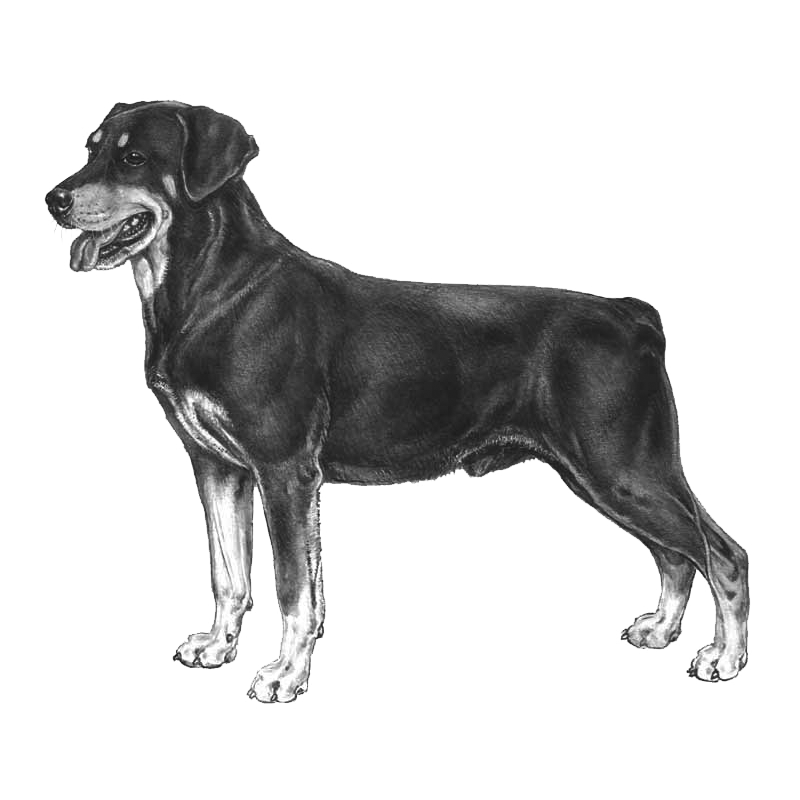
The Smaland Hound (Swedish: Smålandsstövare) is a breed of dog that originated in Sweden in the 16th century. Thought to be the oldest scent hound breed native to Sweden, it was first recognized by the Swedish Kennel Club in 1921.
-
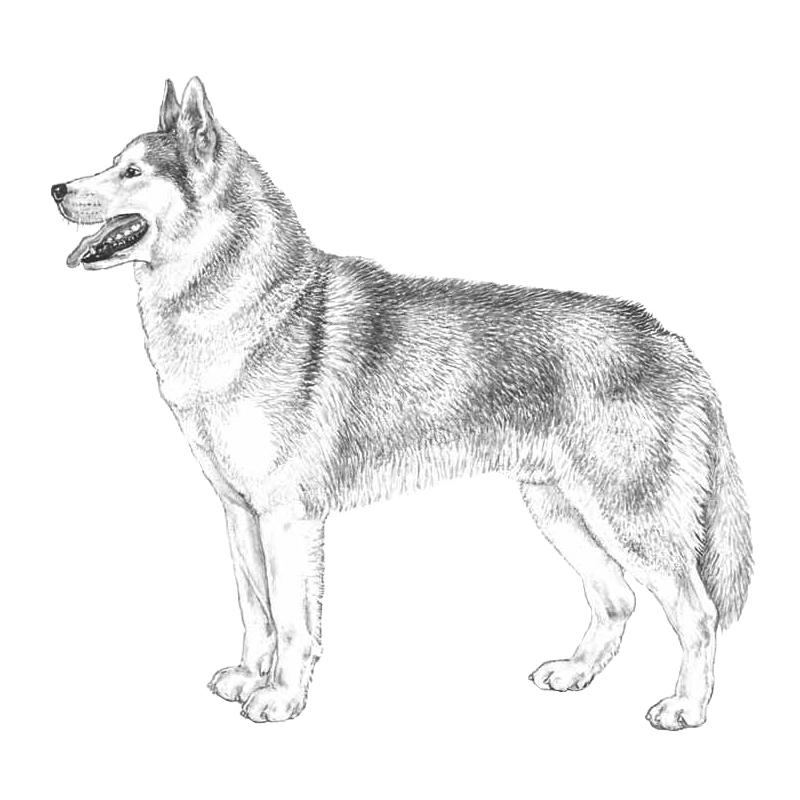
The Siberian Husky (Russian: сибирский хаски, "Sibirsky hasky") is a medium size, dense-coat working dog breed that originated in north-eastern Siberia. The breed belongs to the Spitz genetic family.
-
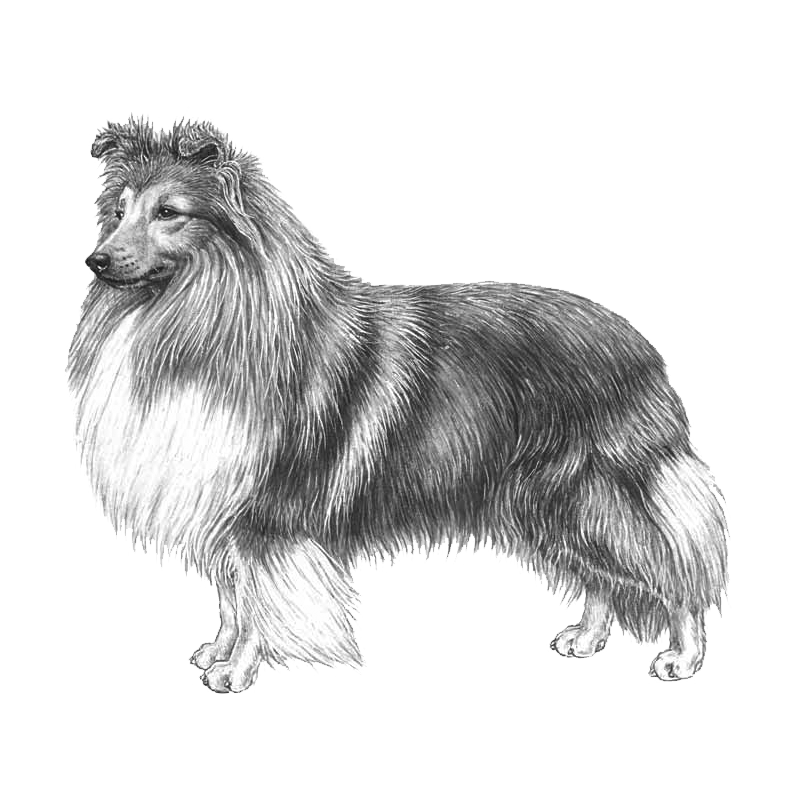
The Shetland Islands off northeast Scotland lay claim to a number of animals small in size. The Shetland Sheepdog is one – an active, intelligent and glamorous dog, who always wants to be ‘on the go’ and is virtually tireless.
Source: https://www.thekennelclub.org.uk/search/breeds-a-to-z/breeds/pastoral/shetland-sheepdog/
-
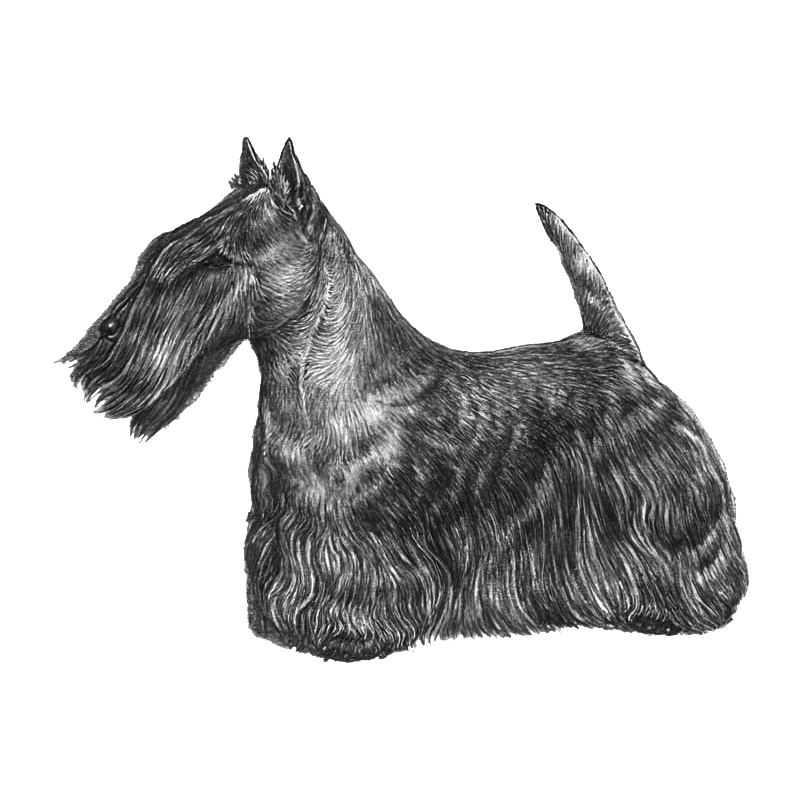
The Scottish Terrier (also known as the Aberdeen Terrier), popularly called the Scottie, is a breed of dog. Initially one of the highland breeds of terrier that were grouped under the name of Skye Terrier, it is one of five breeds of terrier that originated in Scotland, the other four being the modern Skye, Cairn, Dandie Dinmont, and West Highland White Terrier.