





Pedigree Breeds
184 entries in this category
-
- Last comment date
- Title
- Start Date
- Most Commented
- Most Viewed
- Last Updated
- Publish Date
- Brief Description
- Content
- Links to Breed Descriptions
- Other Names for Breed
- Country of Origin and Parent Breed Club
- Health and Well-Being
- Breed-Specific Articles
- Breed Standards
- Breed-Specific Statistics
- Breeding/Health Strategy Documents
- Breed-Specific DNA Tests
- Other Breed-Specific Webpages
- Breed-Specific Research
- Breed Clubs
- Custom
-
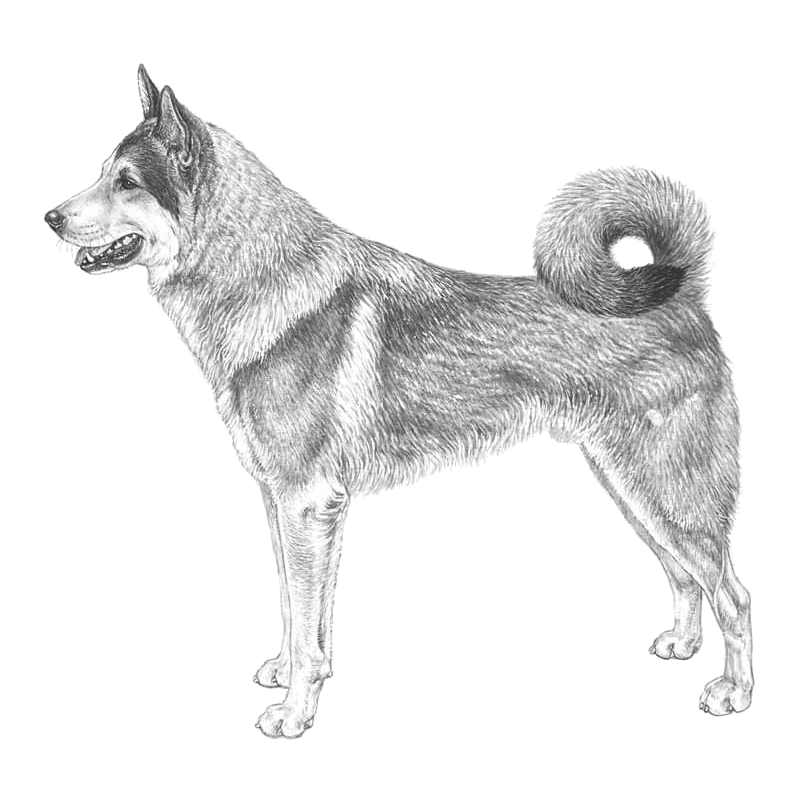
The East Siberian Laika (Vostotchno-Sibirskaia Laika) is a Russian breed of dog of spitz type, a hunting dog originating in parts of Siberia east of the Yenisei River. Source: Wikipedia
The East Siberian Laïka is a hunting dog of the spitz type that was developed to hunt large game such as deer and bear. Traditionally they were also used as draft/sledge dogs and drovers. They are one of three Russian Laïkas (or 'barkers'), the other two being the West Siberian and Russo-European Laïkas. At one time a fourth Laïka was recognized, the Karelo-Finnish Laïka, but this breed was merged with the Finnish Spitz in 2006 due to having minor differences. Source: https://www.worldlydogs.com/east-siberian-laiumlka.html
-
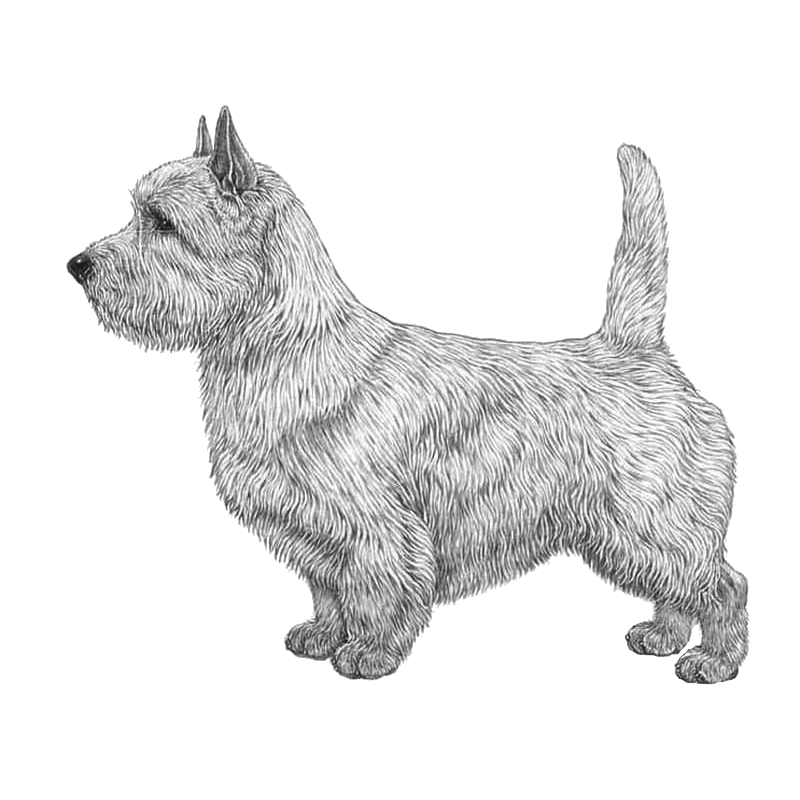
It originates in the United Kingdom and was bred to hunt small vermin or rodents. With a friendly personality, Norwich Terriers are today mostly a companion dog breed.
-
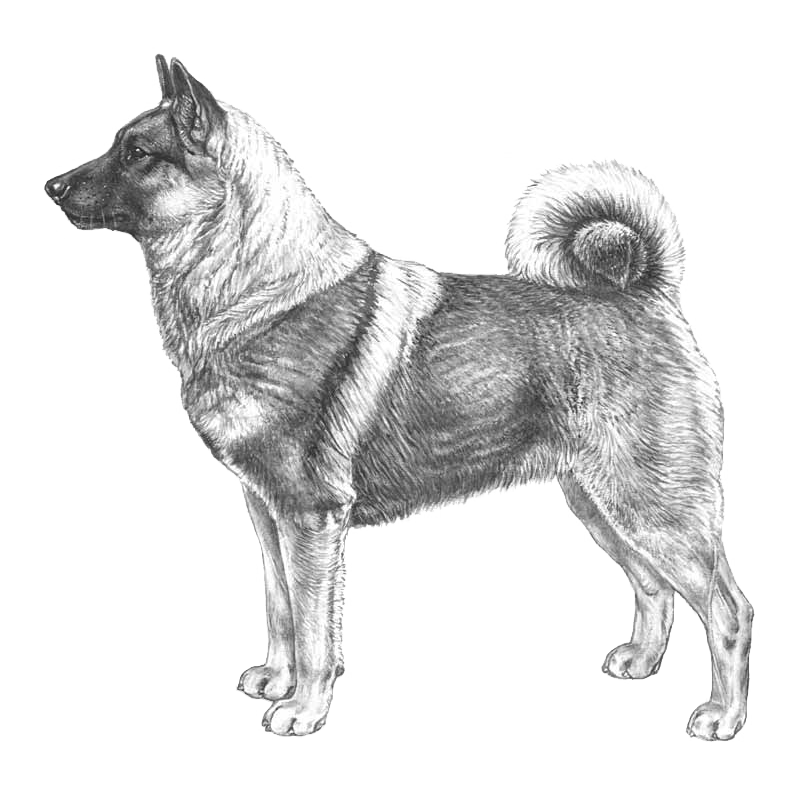
The Norwegian Elkhound is one of the ancient Northern Spitz-type breed of dog and is the National Dog of Norway. The Elkhound has served as a hunter, guardian, herder, and defender.
Source: Wikipedia
-
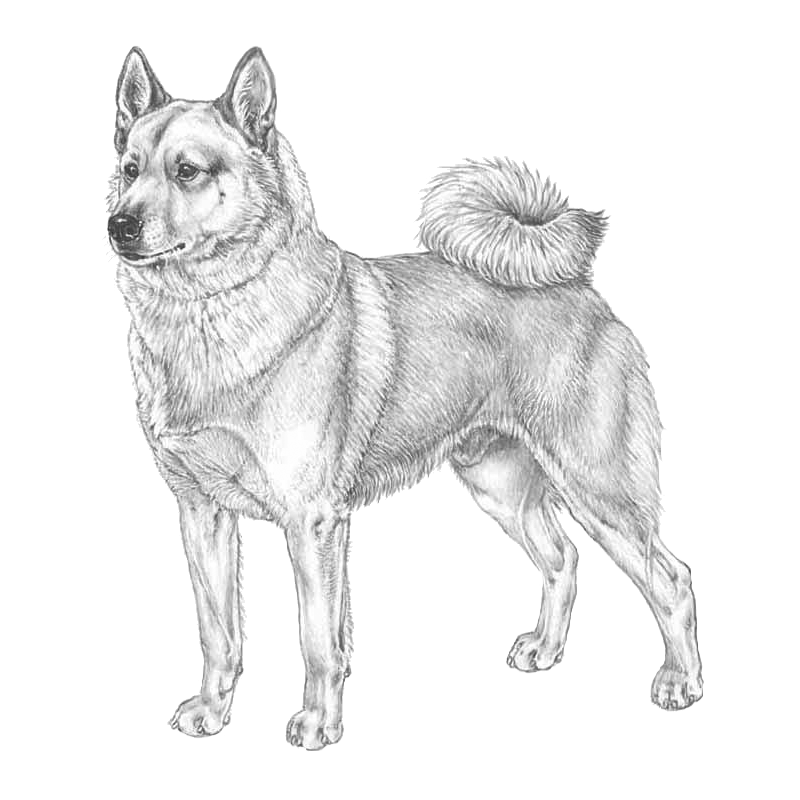
The Norwegian Buhund is a breed of dog of the spitz type. It is closely related to the Icelandic Sheepdog and the Jämthund. The Buhund is used as an all purpose farm and herding dog, as well as watch dog.
-
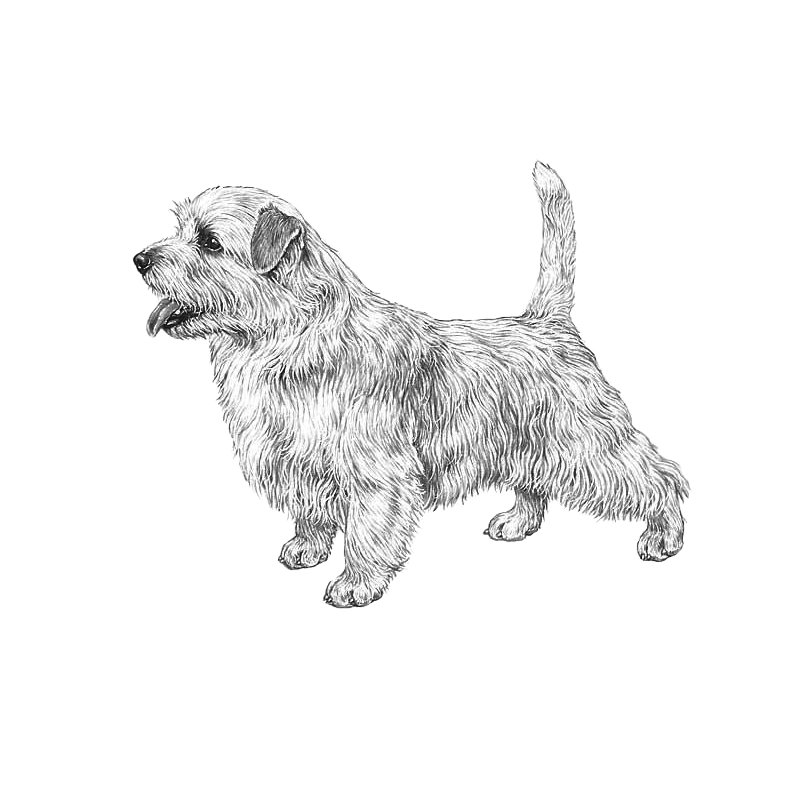
Prior to gaining recognition as an independent breed in 1960, it was a variety of theNorwich Terrier, distinguished from the "prick eared" Norwich by its "drop ears" (or folded ears). Together, the Norfolk and Norwich Terriers are the smallest of the working terriers.
-
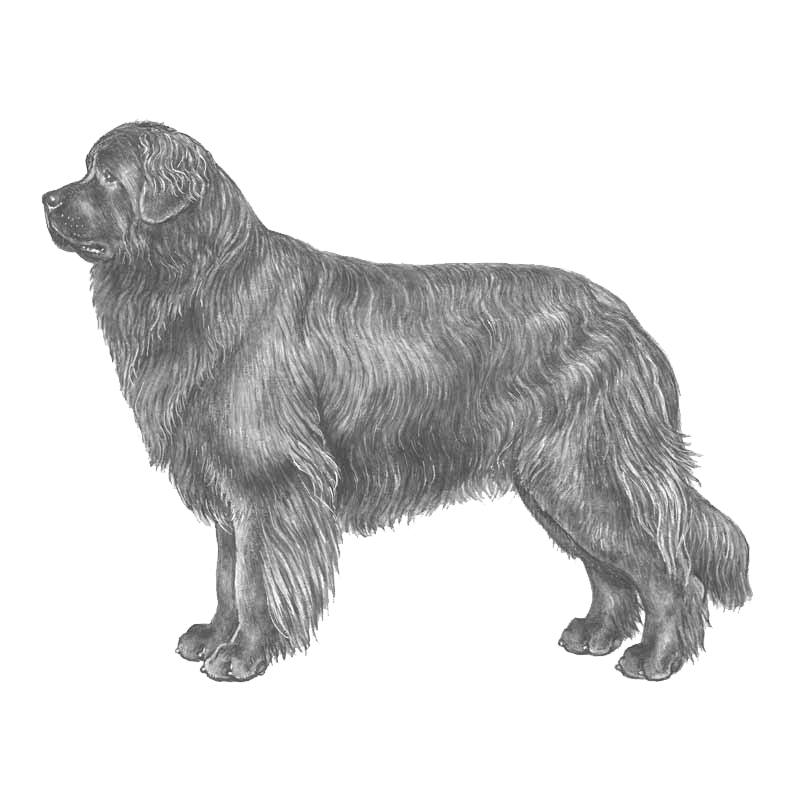
The Newfoundland is a large working dog. Newfoundlands can be black, brown, white and black (called Landseer) or gray. However, in Canada, the country of their origin, the only correct colours are black (including black with white markings) and white and black (Landseer).
-
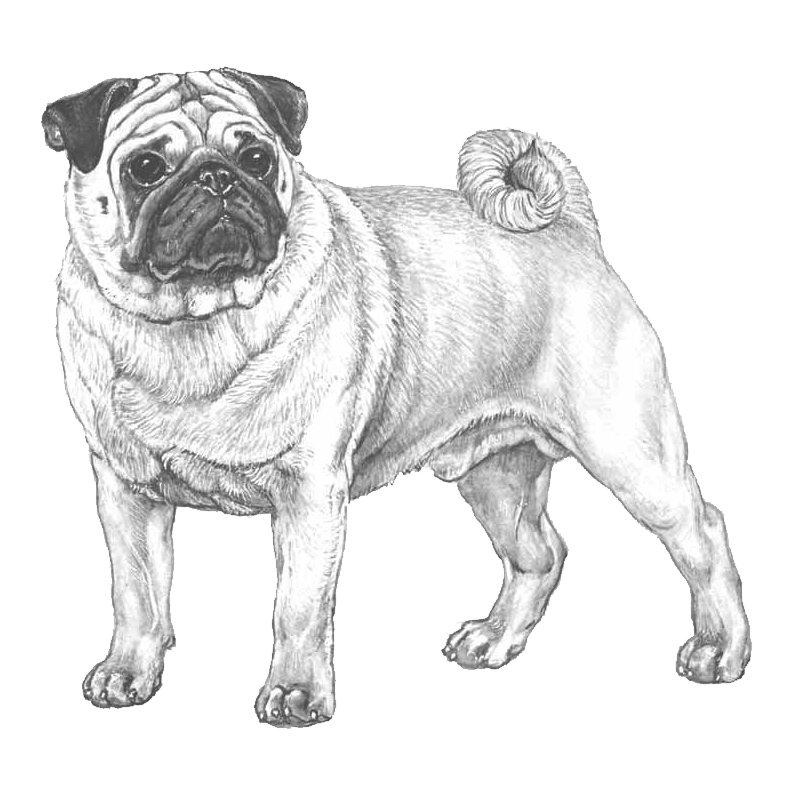
A dignified dog, very intelligent, good-natured and sociable, he is robust and self-reliant, with great character and personality. An adaptable companion for both young and old, and one who integrates himself very closely with family life. He can talk with his eyes, has his mischievous moments, and usually lives to a ripe old age.
Source: The Kennel Club: https://www.thekennelclub.org.uk/search/breeds-a-to-z/breeds/toy/pug/
-
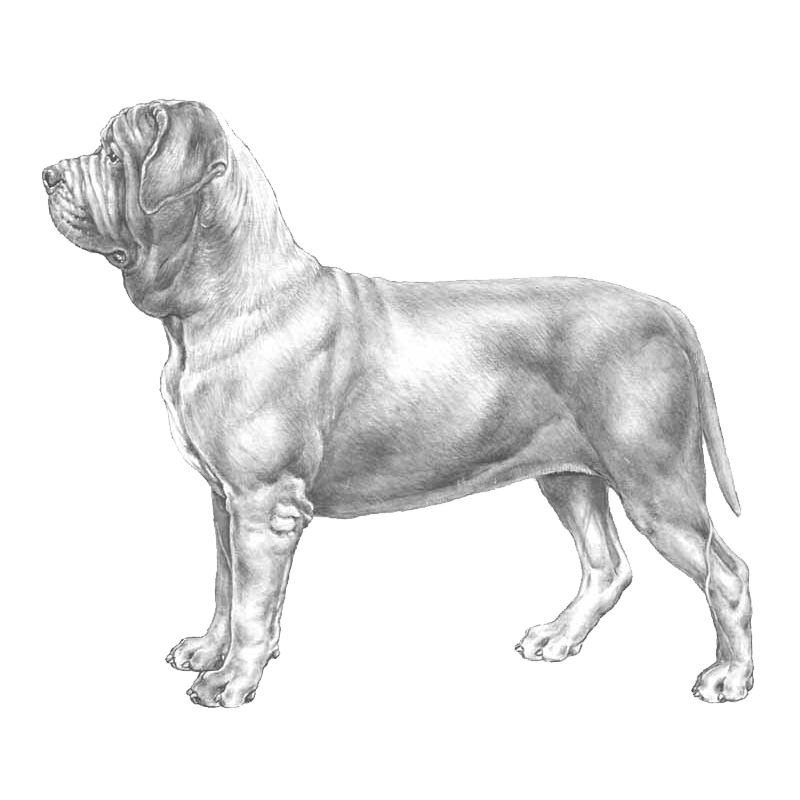
The Neapolitan Mastiff or Italian Mastiff, (Italian: Mastino Napoletano) is a large, ancient dog breed. This massive breed is often used as a guard and defender of family and property due to their protective instincts and their fearsome appearance.
-
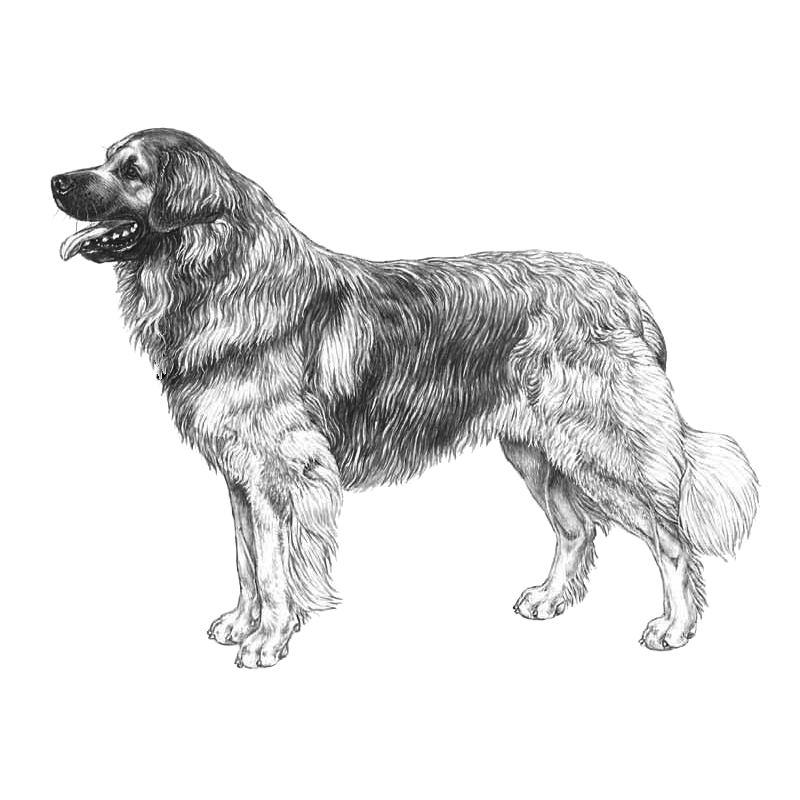
The Leonberger is a giant dog breed. The breed's name derives from the city of Leonberg in Baden-Württemberg, Germany. According to legend, the Leonberger was ostensibly bred as a 'symbolic dog' that would mimic the lion in the town crest.
-
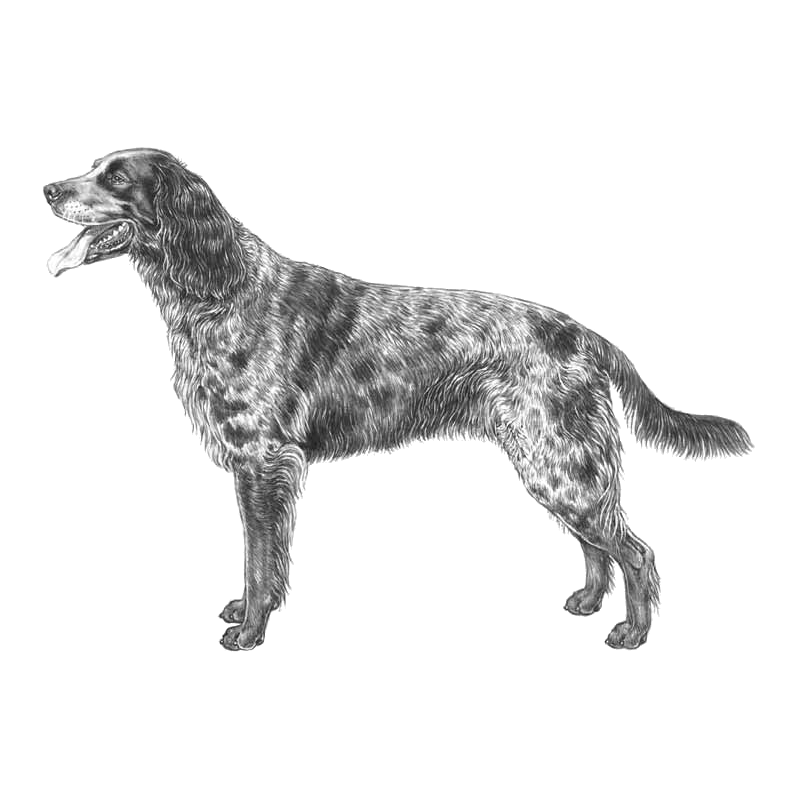
Strong; muscular; low set; flowing lines. Smaller dogs must have plenty of substance, but too massive and thereby clumsy dogs are not desired. Balanced, calm, temperament, good natured, easily trained.
Source: http://www.fci.be/en/nomenclature/DEUTSCH-LANGHAAR-117.html
-
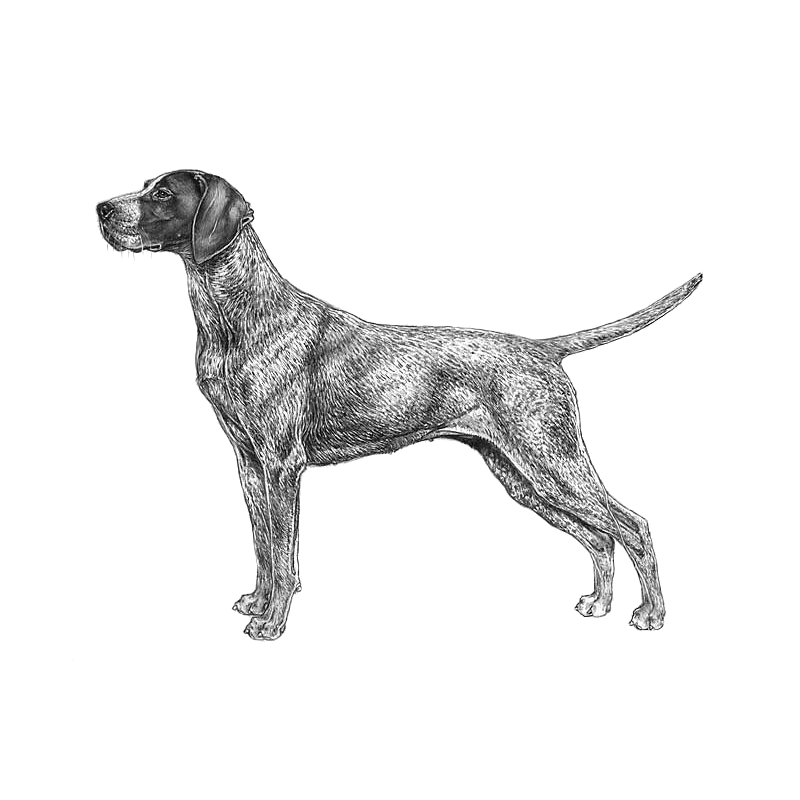
A dog of noble and balanced appearance, the conformation of which ensures strength, endurance and speed. Proud attitude, smooth outlines, lean head, well carried tail, firm shiny coat and well reaching, harmonious strides emphasize its nobility. Firm, balanced, reliable, restrained temperament, neither nervous nor shy or aggressive.
Source: http://www.fci.be/en/nomenclature/GERMAN-SHORT-HAIRED-POINTING-DOG-119.html
-
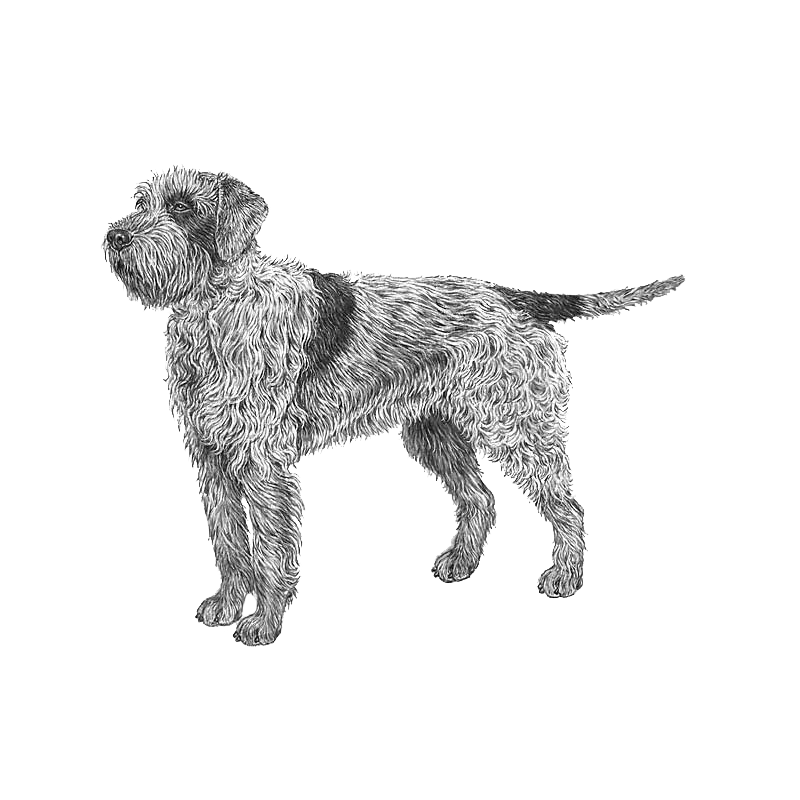
Medium sized and bred to cover all terrain encountered by the walking hunter, the Wirehaired Pointing Griffon has been called the "4-wheel drive of hunting dogs" as he will enter briars or underbrush without hesitation. Griffs excel equally as pointers in the field and as retrievers in the water. Their coarse double coat protects them in rough cover and gives them an unkempt appearance.
Source: AKC
-
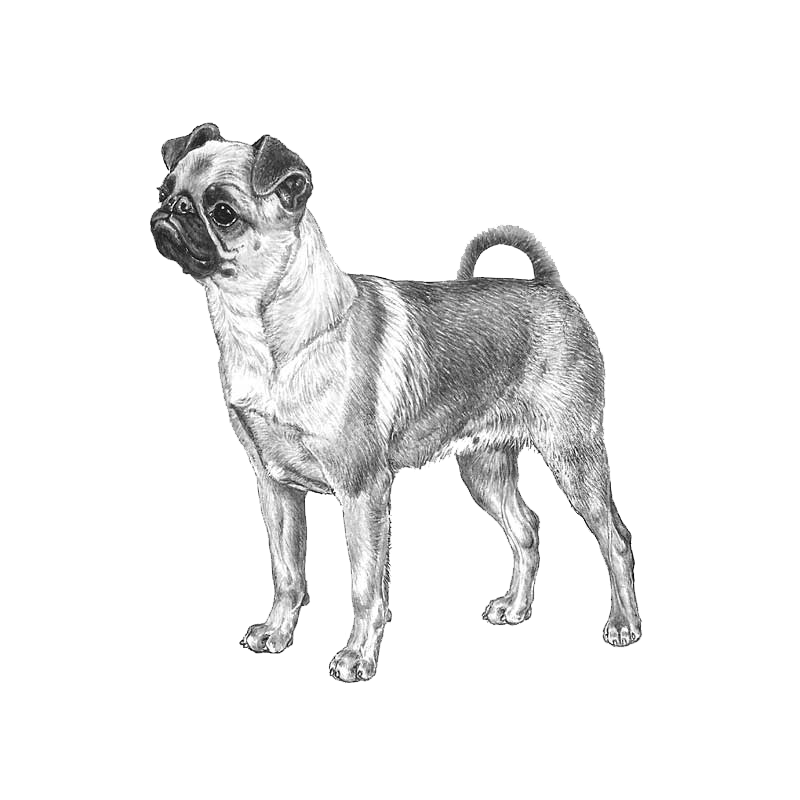
The Petit Brabançon is a small companion breed that was originally developed from ratters working in the stables of Belgian carriage men. The Fédération Cynologique Internationale (FCI) recognize them as one of three different breeds of griffon from Belgium, the other two being Belgian Griffon and Brussels Griffon. The American Kennel Club and Kennel Club recognize all varieties as a single breed.
Source: Worldly Dogs
Breed variants should be treated as a breed. All three breeds can be paired with each other and can be born in the same litter. Griffon bruxellois, griffon belge and petit brabançon are only separated by color and coat: Griffon Bruxellois (Brussels Griffon)- Rough-haired / red; Griffon Belge (Belgian Griffon)
Shaggy / black or black and tan; Petit Brabancon short haired / red, black or black and tan
-
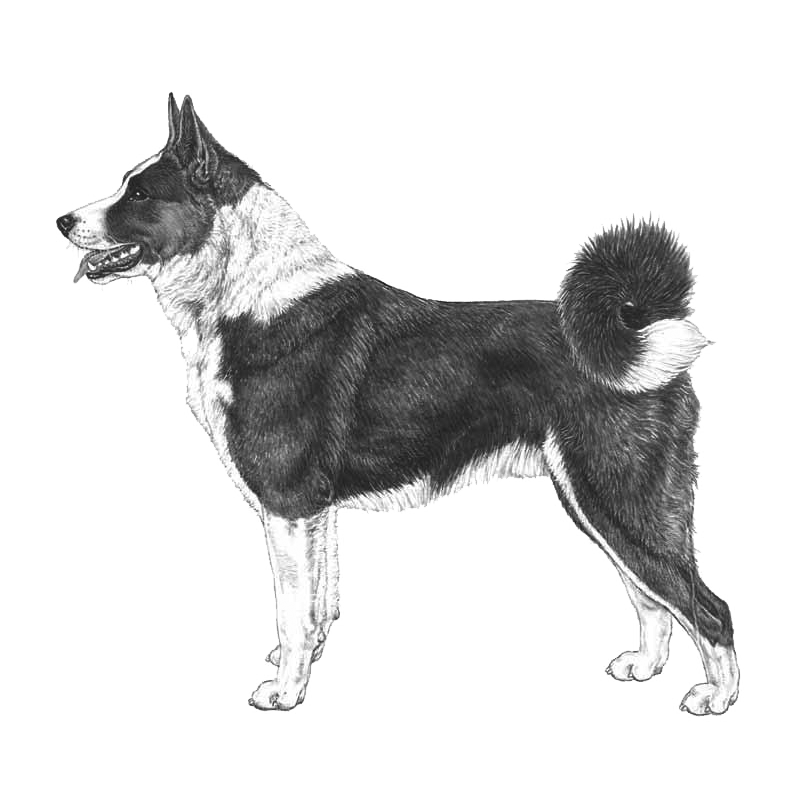
The Karelian Bear Dog is an old breed from the forested areas of Karelia. It is a traditional big-game hunting dog that is nowadays used by hunters to corner elk and bears.
The Karelian Bear Dog is a mid-sized, sturdily built, but not heavy, dog that is powerful and only a little longer than it is tall. It has a thick coat, which is black and white with clearly-defined markings. Its coat may, at times, have a slight shade of brown. Its eyes are relatively small, somewhat oval and dark-brown in colour. Its expression is alert and sharp. The ears are erect, mid-sized and only a little rounded at the tip.
From: Kennelliito (The Finnish Kennel Club, IPFD Founding Partner) Native Breeds
-
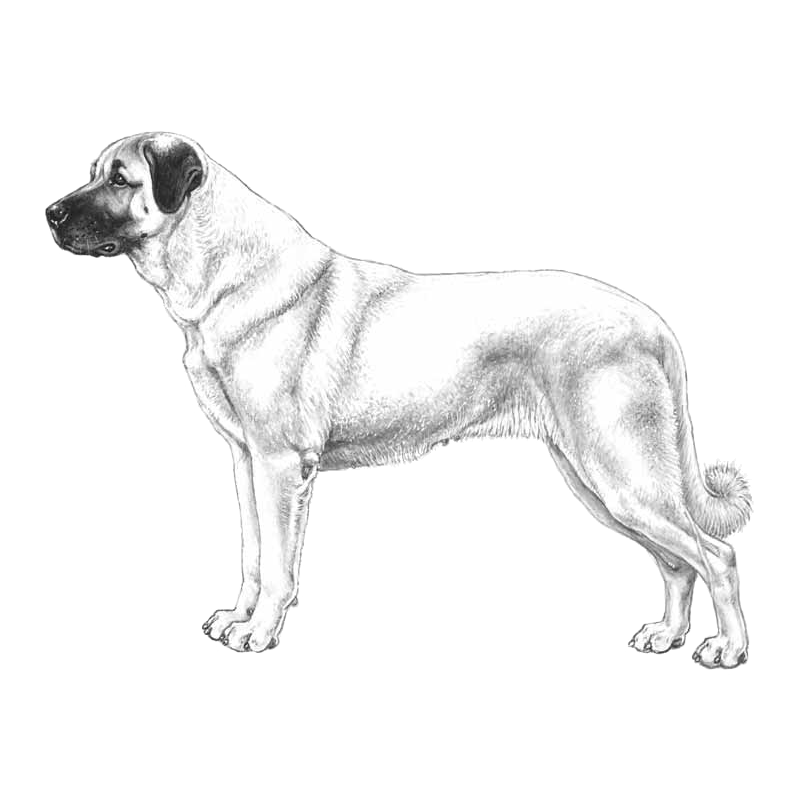
Large, rugged and powerful, the Anatolian Shepherd Dog is a working guard dog, possessing a superior ability to protect livestock. While not a "glamour" breed, the Anatolian's loyalty, independence and hardiness is cherished by breeders and owners.
Source: AKC
-
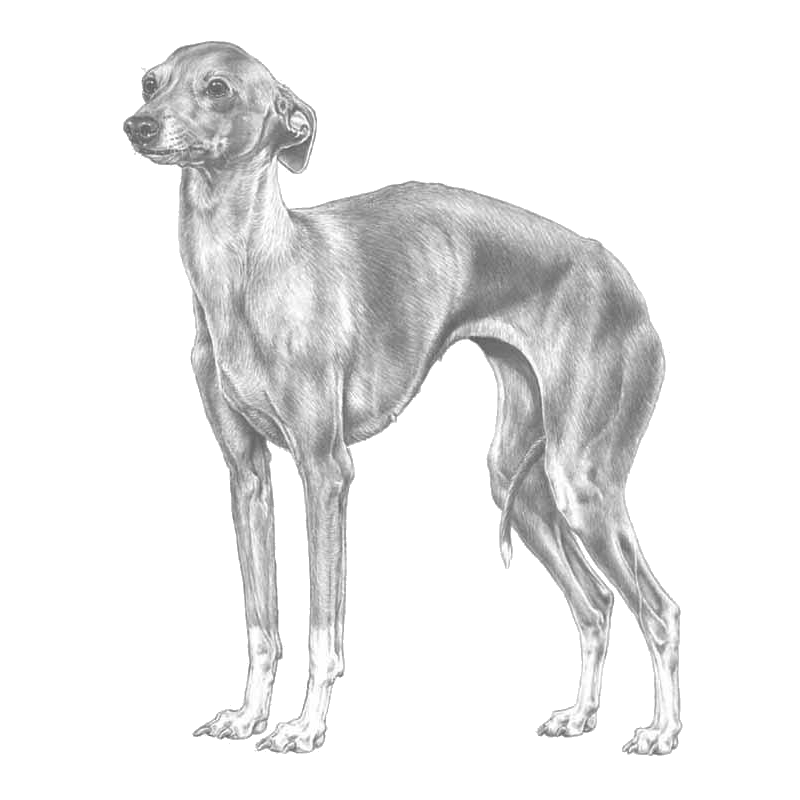
The Italian Greyhound (in Italian: Piccolo Levriero Italiano) is a small breed of dog of the sight hound type, sometimes called an "I.G." or an "Iggy".
-
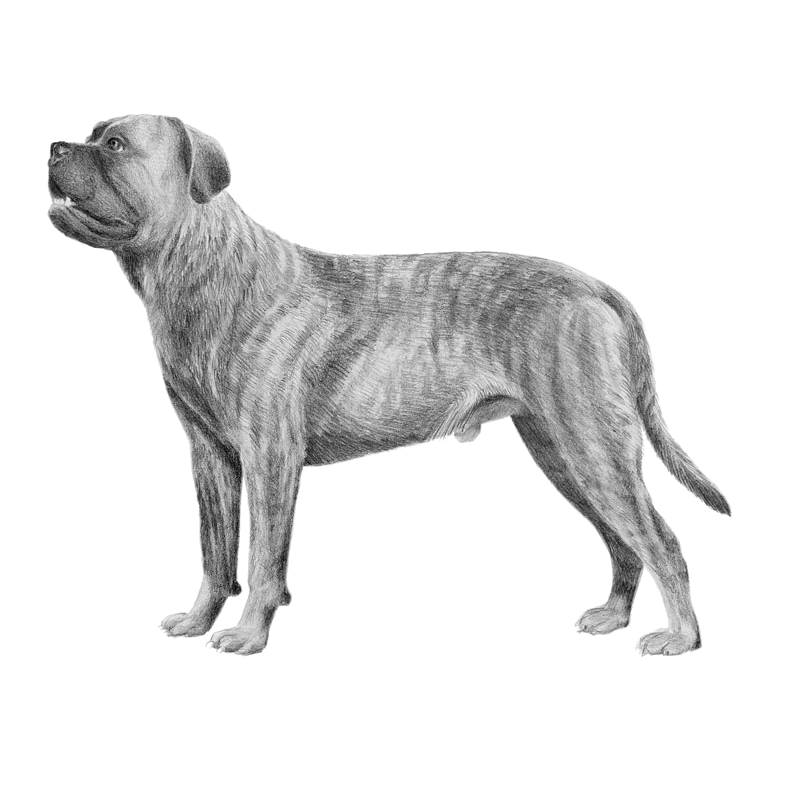
The Cane Corso [ˈkaːne ˈkɔrso] is a large Italian breed of dog, for years valued highly in Italy as a companion, Guard dog and hunter.
Source: Wikipedia
-
- icelandic sheepdog
- swedish insurance data
- breed health database
- registration statistics
- international breed collaboration
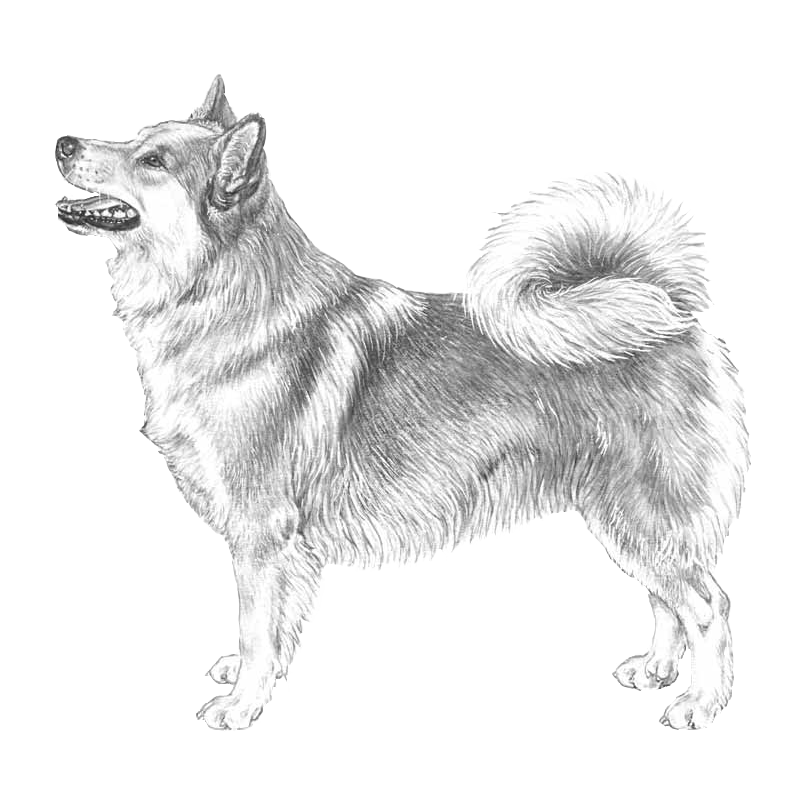
The Icelandic Sheepdog is a breed of dog of Spitz type originating from the dogs brought to Iceland by the Vikings. It is of similar type to the Norwegian Buhund and to the ancestor of the modern Shetland Sheepdog and Welsh Corgi.
-
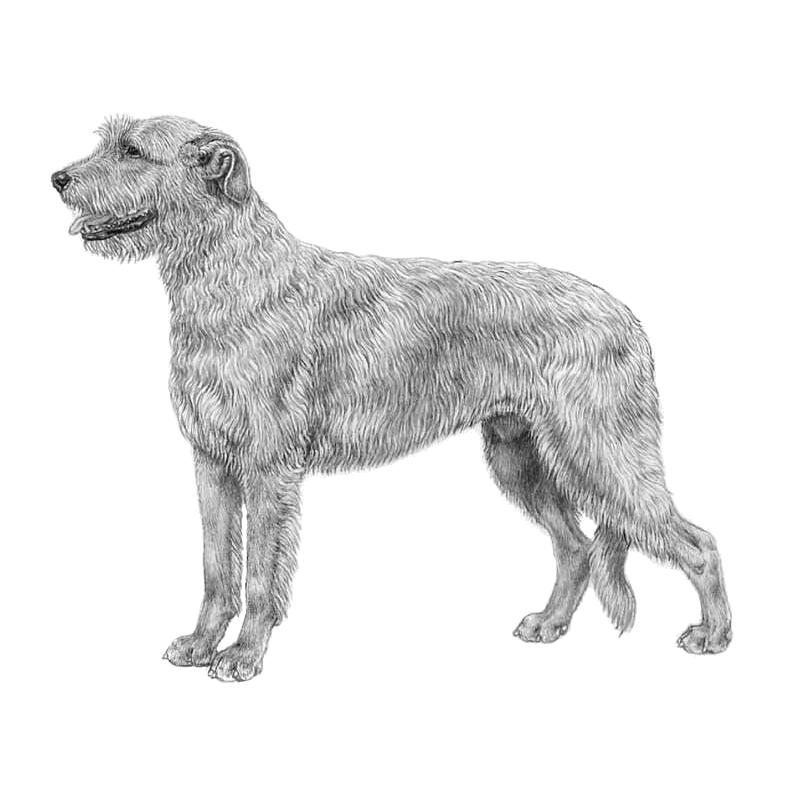
Up to the end of the17th century, Irish Wolfhounds were used for hunting wolves and deer in Ireland. They were also used for hunting the wolves that infested large areas of Europe before the forests were cleared.
Source: Irish Kennel Club
-
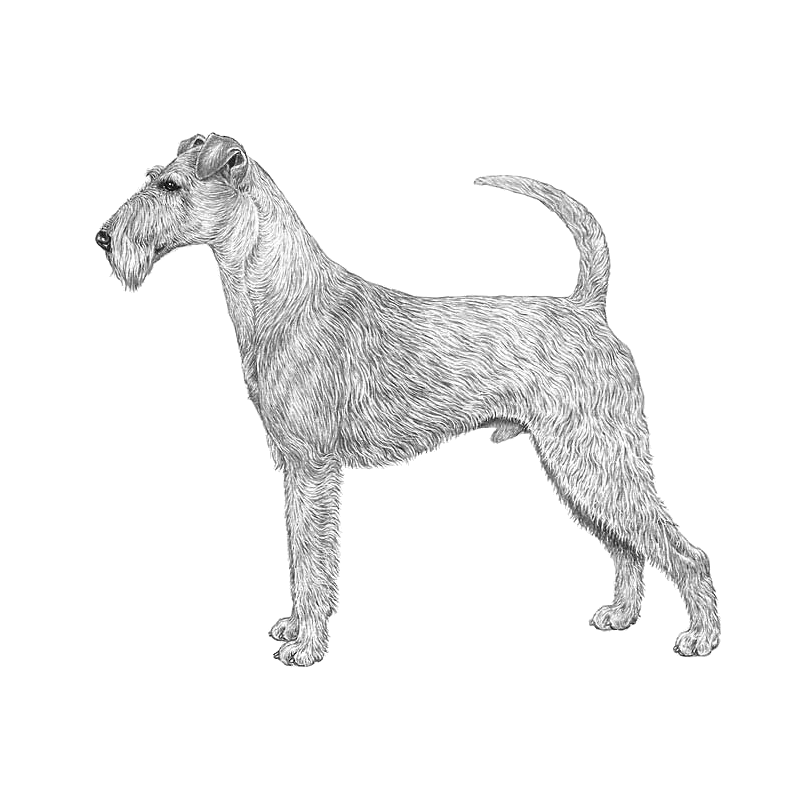
Versatile farmyard dog, family pet, guard dog with utter contempt for danger or hurt, hunter and gundog. The dog must present an active, lively, lithe and wiry appearance; lots of substance, at the same time free of clumsiness, as speed and endurance as well as power is very essential. The Irish Terrier must be neither “cloddy nor cobby” but should be framed on the “lines of speed” showing a graceful racy outline.
Source: http://www.ikc.ie/dog-ownership/types-of-dog/breeds/native-breeds-of-ireland/native-irish-breed/73/
-
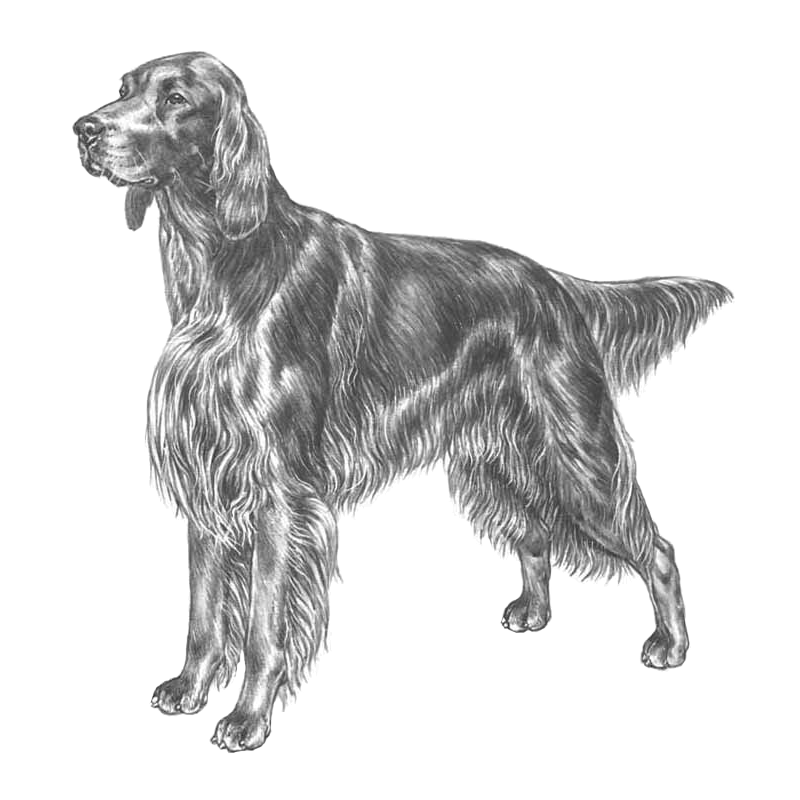 The breed is derived from the Irish Red and White Setter and an unknown solid red coloured dog. It was a clearly identifiable type in the 18th century.
The Irish Red Setter Club was established in 1882 to promote the Breed. The club issued the Breed Standard in 1886, and has organised field trials and shows to set the Standard for the Breed since that time. In 1998 the club published the working style for the breed. The standard and working style together describes the physical form and working ability of the breed. The Irish Red Setter has evolved down the years into a hardy, healthy, intelligent dog, possessed of excellent working ability and great stamina.
Source: http://www.ikc.ie/dog-ownership/types-of-dog/breeds/breed-details/50/
-
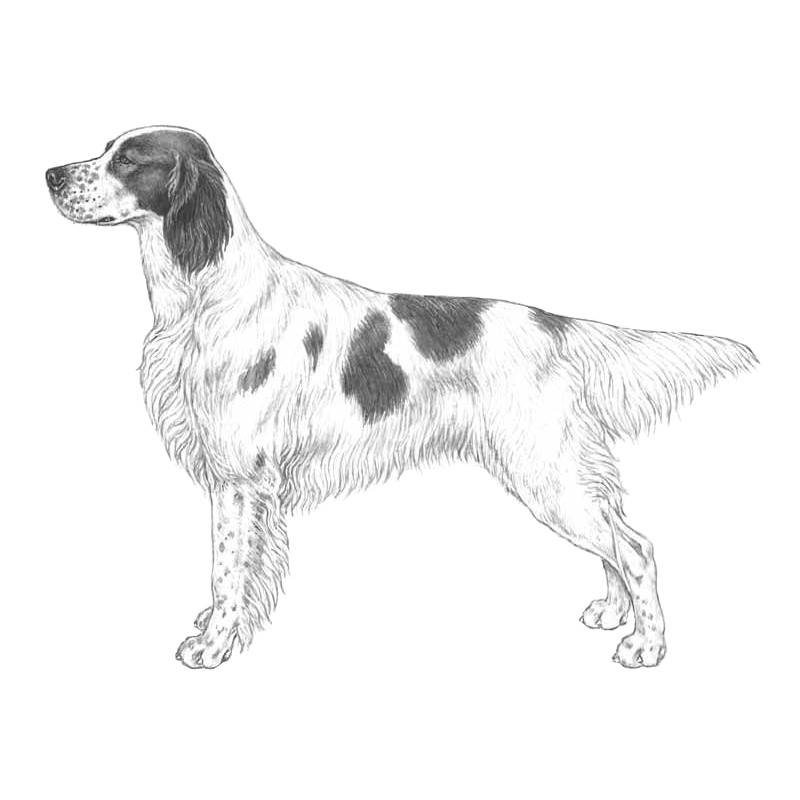
It is not well known outside of Ireland that there are two breeds of Irish Setters, but is fairly certain, that the Red and White Setter is the older of the two, and that judicious selective breeding evolved the solid red colour. Strong well balanced and proportioned without lumber; athletic rather than racy. Most acceptable companion and friend in the homes and the fields. The Irish Red & White Setter is bred primarily for the field.
Source: https://www.ikc.ie/dog-ownership/types-of-dog/breeds/breed-details/?breedId=51
-
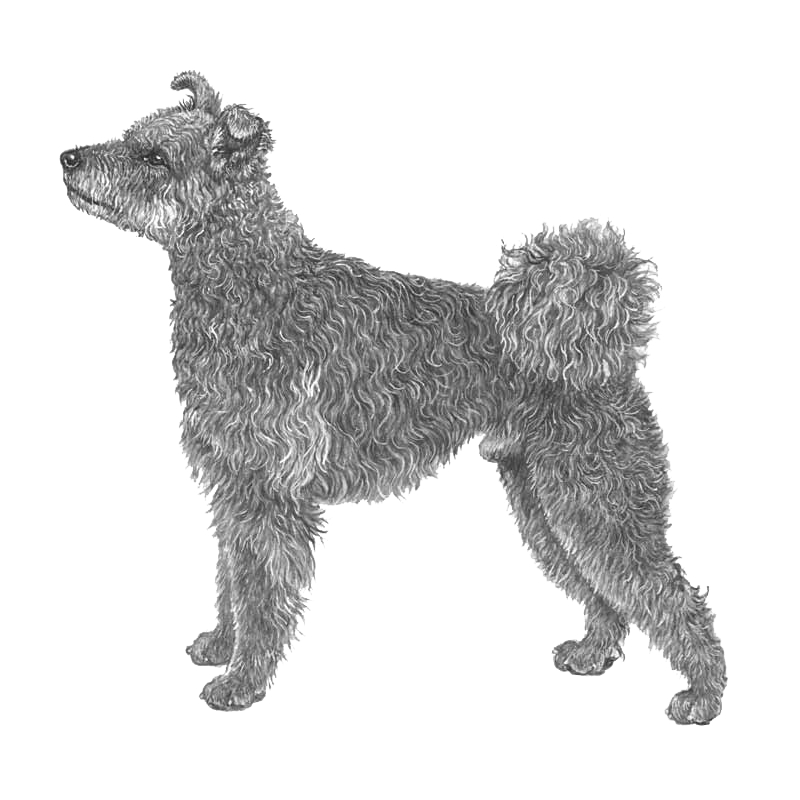
The Pumi is an active dog, combining the biddability and intelligence of the herding dog along with the alertness and activity of a terrier. Because they are intelligent, they need daily work to do, whether it’s herding, obedience, flyball, jogging, or chasing tennis balls.
Source: Hungarian Pumi Club of America
-

The Havanese, a breed of Bichon type, is the national dog of Cuba, developed from the now extinct Blanquito de la Habana ("little white dog of Havana").
Source: Wikipedia
-
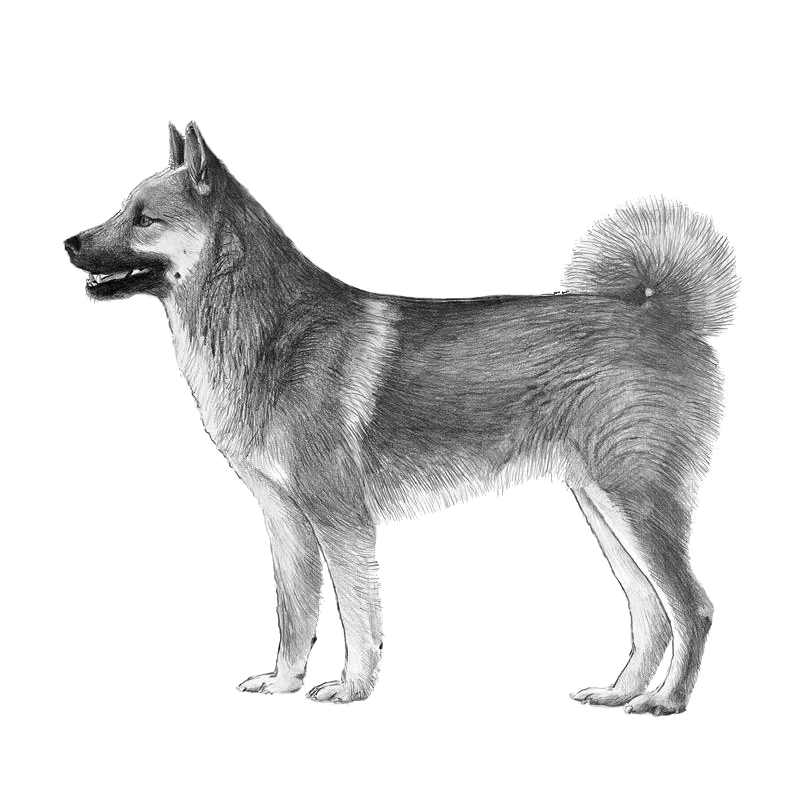
The Hällefors Elkhound is a medium-sized, rectangular Spitz with either a sickle or curly tail.
Source: https://en.wikipedia.org/wiki/Hällefors_Elkhound
(Google translate) The appearance and the emergence of the dogs that today are part of hällefors breed took place in parallel with the strong growth of the moose population that occurred during the 1930s in some areas of Värmland and Västmanland... Parts of the forest staff who were employed at Hellefors Bruks AB had, therefore, during the period 1935-1955 elk hunting as one of its main tasks during the autumn. A task usually performed as a one-man hunting with a capable löshund.
The need for good hunting dogs along with a rapidly growing moose population is the foundation on which hällefors dog's creation rests.Source: Hällefors Dog Club - https://www.halleforshunden.org/historia
Kept as a hunting and tracking dog of elk, wild boar, bear and badgers, the breed is active and durable in the field. This breed is not recognized by the FCI.