






Pedigree Breeds
184 entries in this category
-
- Last comment date
- Title
- Start Date
- Most Commented
- Most Viewed
- Last Updated
- Publish Date
- Brief Description
- Content
- Links to Breed Descriptions
- Other Names for Breed
- Country of Origin and Parent Breed Club
- Health and Well-Being
- Breed-Specific Articles
- Breed Standards
- Breed-Specific Statistics
- Breeding/Health Strategy Documents
- Breed-Specific DNA Tests
- Other Breed-Specific Webpages
- Breed-Specific Research
- Breed Clubs
- Custom
-
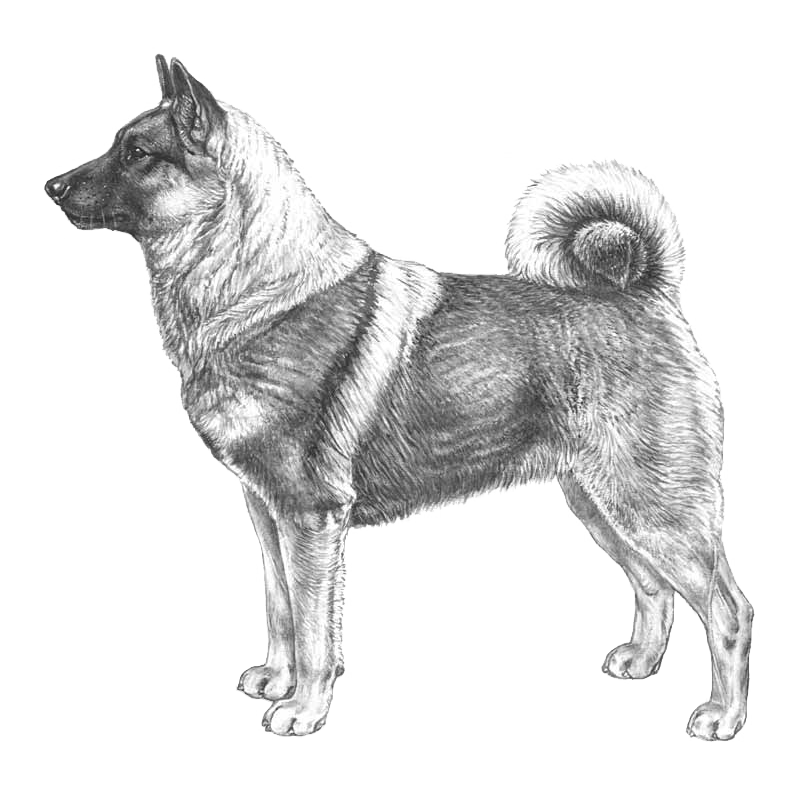
The Norwegian Elkhound is one of the ancient Northern Spitz-type breed of dog and is the National Dog of Norway. The Elkhound has served as a hunter, guardian, herder, and defender.
Source: Wikipedia
-
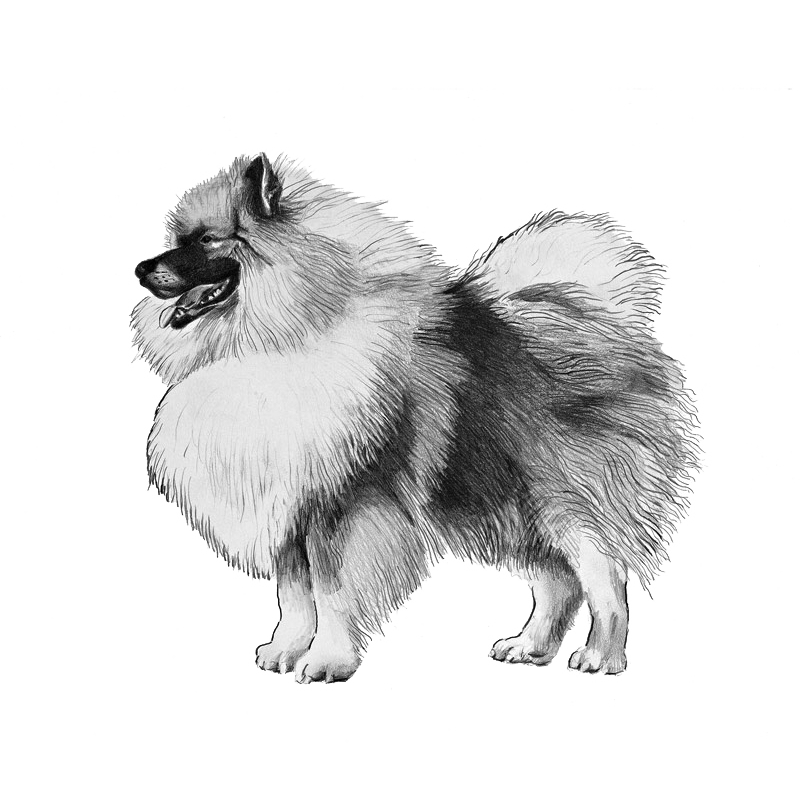
The Keeshond is a medium-sized dog with a plush, two-layer coat of silver and black fur with a ruff and a curled tail. It originated in Holland, and its closest relatives are the German spitzes such as the Großspitz, Mittelspitz, and Kleinspitz or Pomeranian.
Source: Wikipedia
-
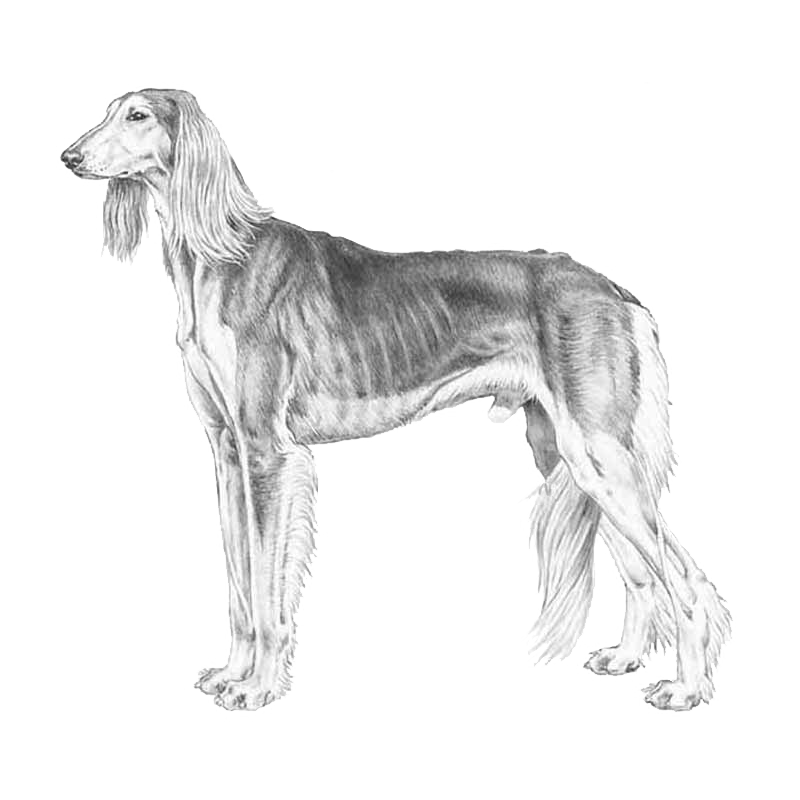 Salukis vary in type and the variation is desired and typical for the breed. The reason for the variation is the special place held by the Saluki in the Arab tradition and the immense size of the Middle East area where the Saluki has been used as a hound of the chase for thousands of years. Photo: Jessica Bolander, emoticon.se
The whole appearance of this breed should give an impression of grace and symmetry and of great speed and endurance coupled with strength and activity. Smooth variety: the points should be the same with the exception of the coat which has no feathering. Reserved with strangers, but not nervous or aggressive. Dignified, intelligent and independent.
-
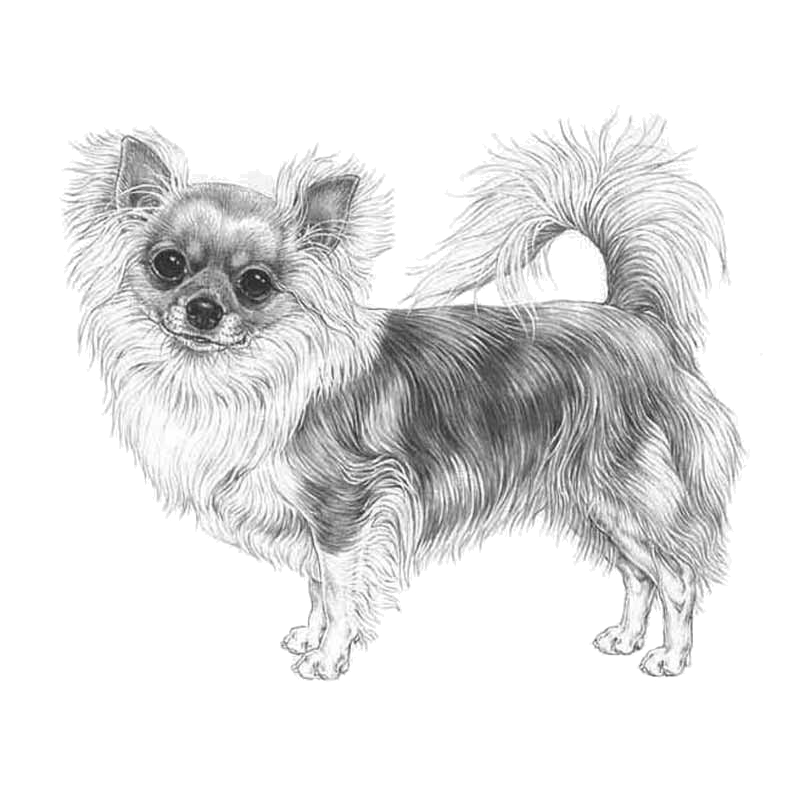
The Chihuahua tʃɪˈwɑːwɑː/ (Spanish: chihuahueño) is the smallest breed of dog and is named for the state of Chihuahua in Mexico. Chihuahuas come in a wide variety of sizes, head shapes, colors, and coat lengths.
Source: Wikipedia
-
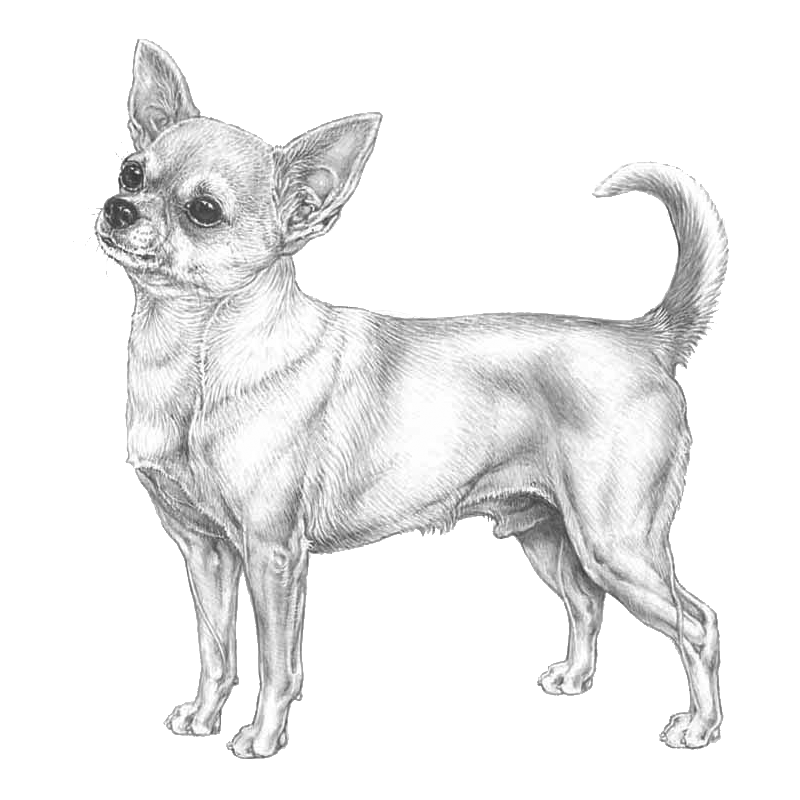
The Chihuahua tʃɪˈwɑːwɑː/ (Spanish: chihuahueño) is the smallest breed of dog and is named for the state of Chihuahua in Mexico. Chihuahuas come in a wide variety of sizes, head shapes, colors, and coat lengths.
Source: Wikipedia
-
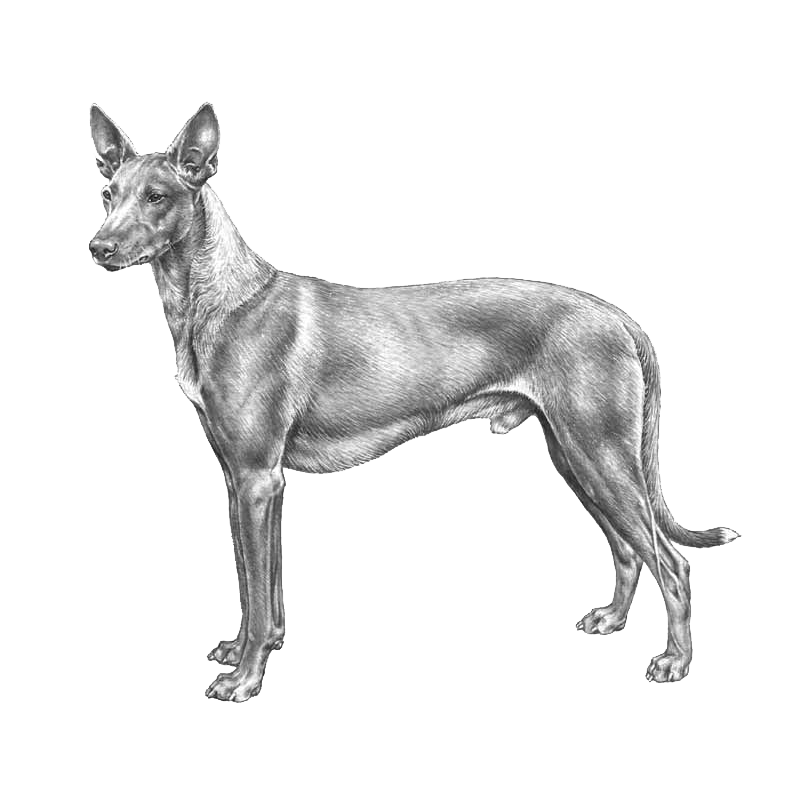
Medium-sized and of noble bearing, the Pharaoh Hound should be graceful, powerful, and above all - fast. Coat color can range from tan to chestnut to red golden, with white markings on the tip of the tail, chest, toes and on the center line of the face. A unique breed characteristic is their "blush" - when happy or excited, the nose and ears turn a deep rose color. Today, their willingness to please makes them excellent candidates for hunting, obedience and lure coursing.
-
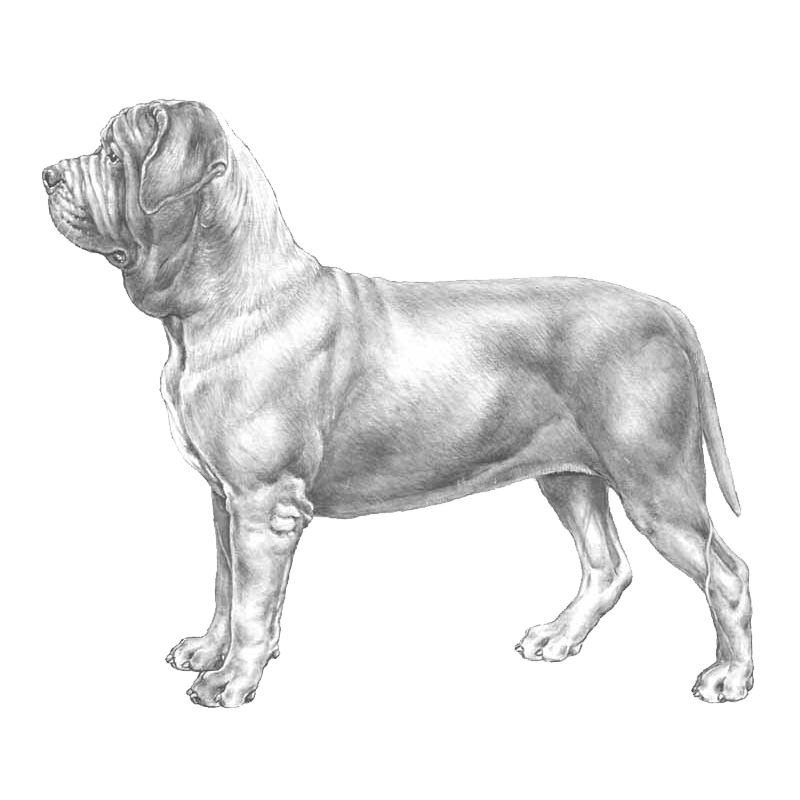
The Neapolitan Mastiff or Italian Mastiff, (Italian: Mastino Napoletano) is a large, ancient dog breed. This massive breed is often used as a guard and defender of family and property due to their protective instincts and their fearsome appearance.
-
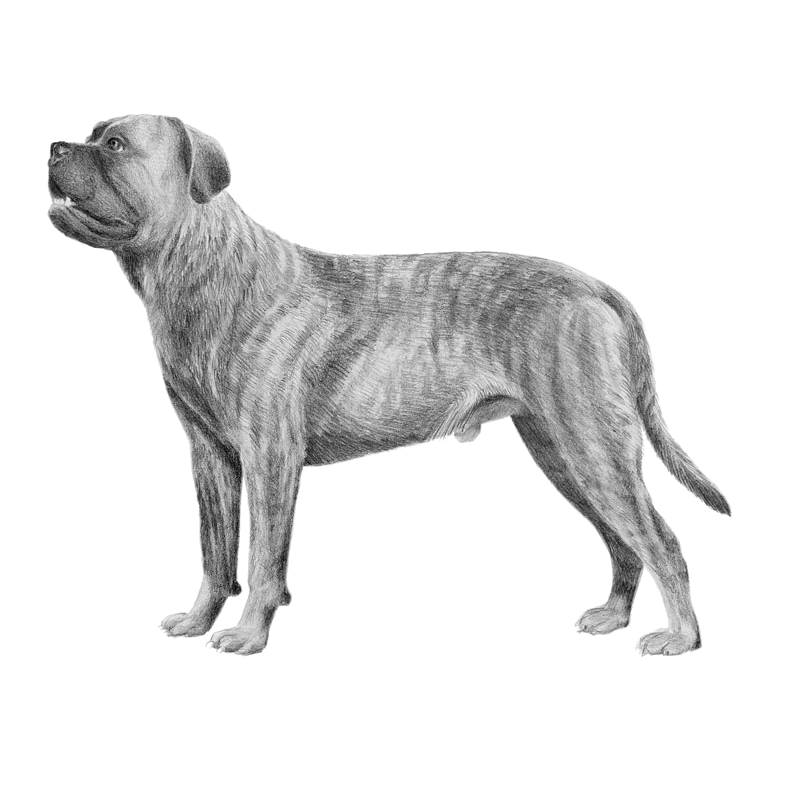
The Cane Corso [ˈkaːne ˈkɔrso] is a large Italian breed of dog, for years valued highly in Italy as a companion, Guard dog and hunter.
Source: Wikipedia
-
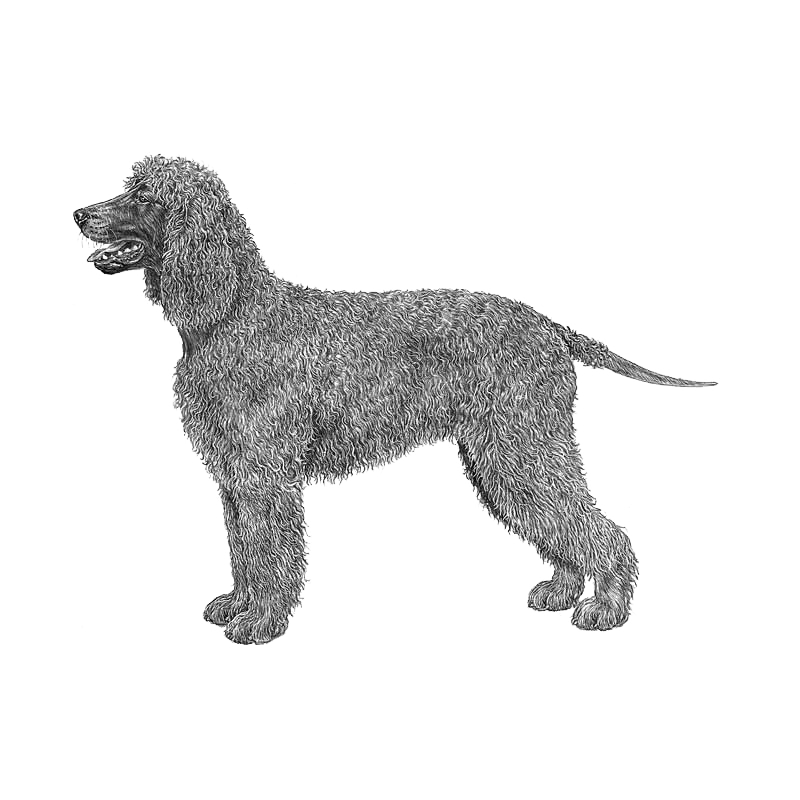
There is no real evidence of the ancestry of the Irish Water Spaniel except in its most peculiar feature-the rat tail. This feature appears in no similar dog and makes it very likely that the modern breed had an indigenous Irish ancestor. The tail has given rise to the names “ Whip Tail” and “ Rat Tail”.
(Source: Irish Kennel Club)
-
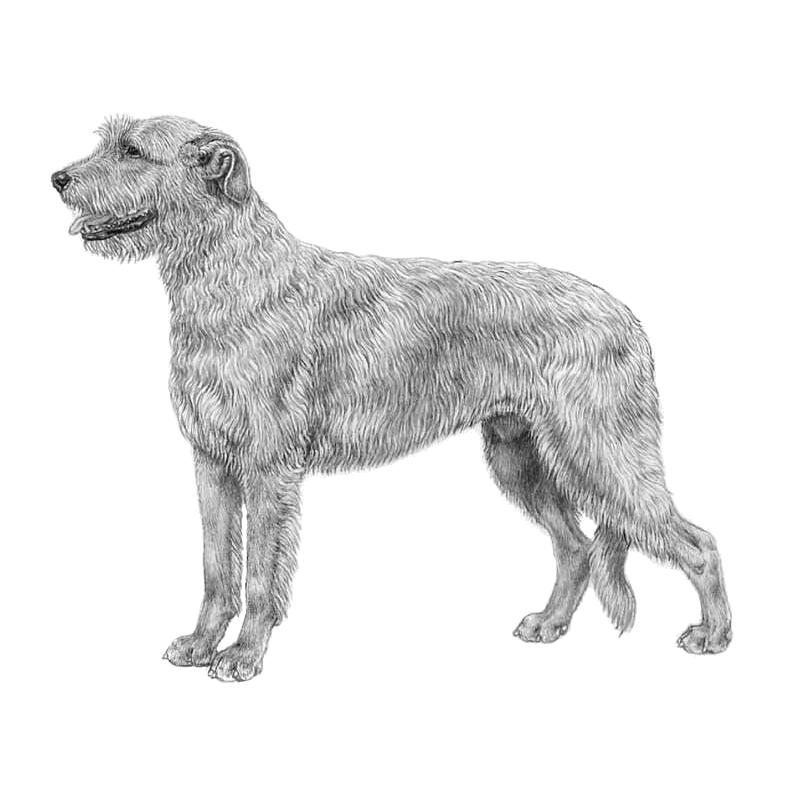
Up to the end of the17th century, Irish Wolfhounds were used for hunting wolves and deer in Ireland. They were also used for hunting the wolves that infested large areas of Europe before the forests were cleared.
Source: Irish Kennel Club
-
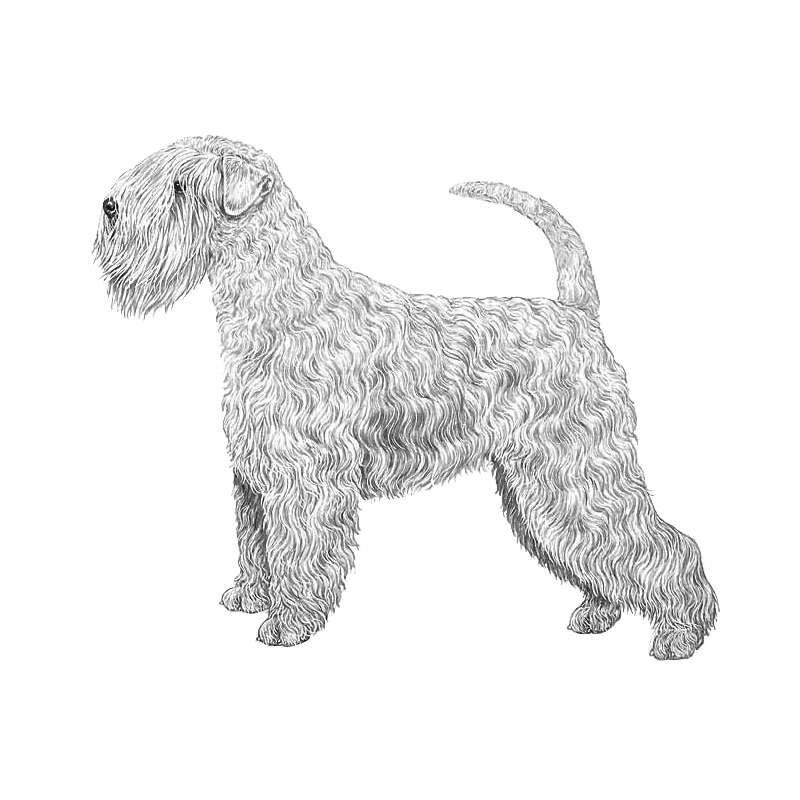 The Wheaten is probably the oldest of the four breeds. Its existence for at least 200 years can be inferred from textual references to "soft-coated" dogs.
- ireland
- registration statistics
- swedish insurance data
- soft coated wheaten terrier
- international breed collaboration
The relation of the modern Irish Terrier to the Wheaten, though less well documented, appears to have been the result of deliberate breeding experiments. So the humble Wheaten probably has a fairly mixed ancestry. Despite the long history of the Wheaten, it wasn't until 1937, that the Soft Coated Wheaten was officially recognised by the Irish Kennel Club. The breed has grown steadily in popularity since and is now well known world-wide.
Source: https://www.ikc.ie/dog-ownership/types-of-dog/breeds/breed-details/?breedId=74
-
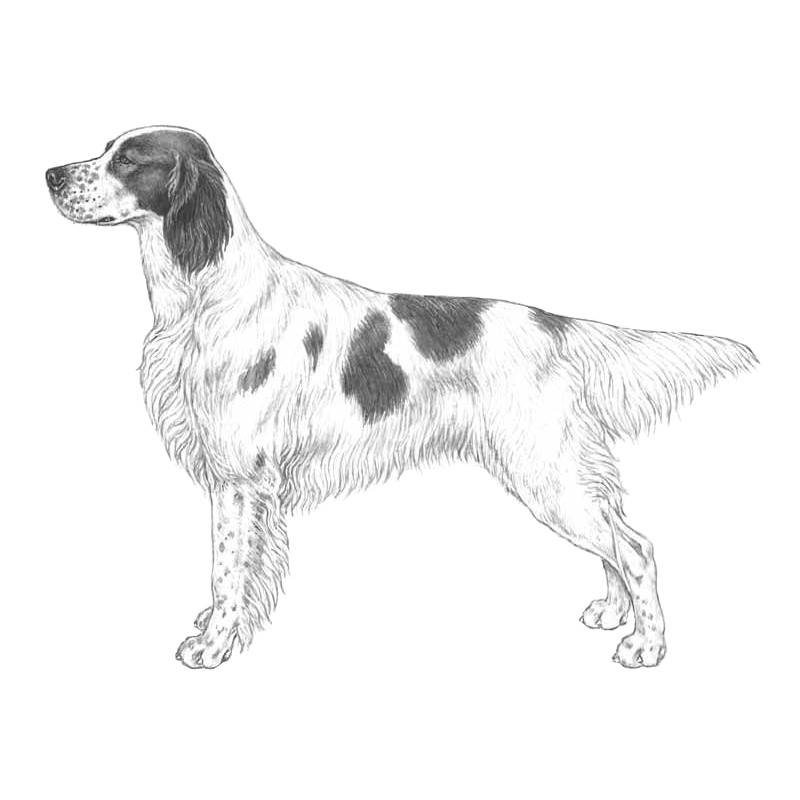
It is not well known outside of Ireland that there are two breeds of Irish Setters, but is fairly certain, that the Red and White Setter is the older of the two, and that judicious selective breeding evolved the solid red colour. Strong well balanced and proportioned without lumber; athletic rather than racy. Most acceptable companion and friend in the homes and the fields. The Irish Red & White Setter is bred primarily for the field.
Source: https://www.ikc.ie/dog-ownership/types-of-dog/breeds/breed-details/?breedId=51
-
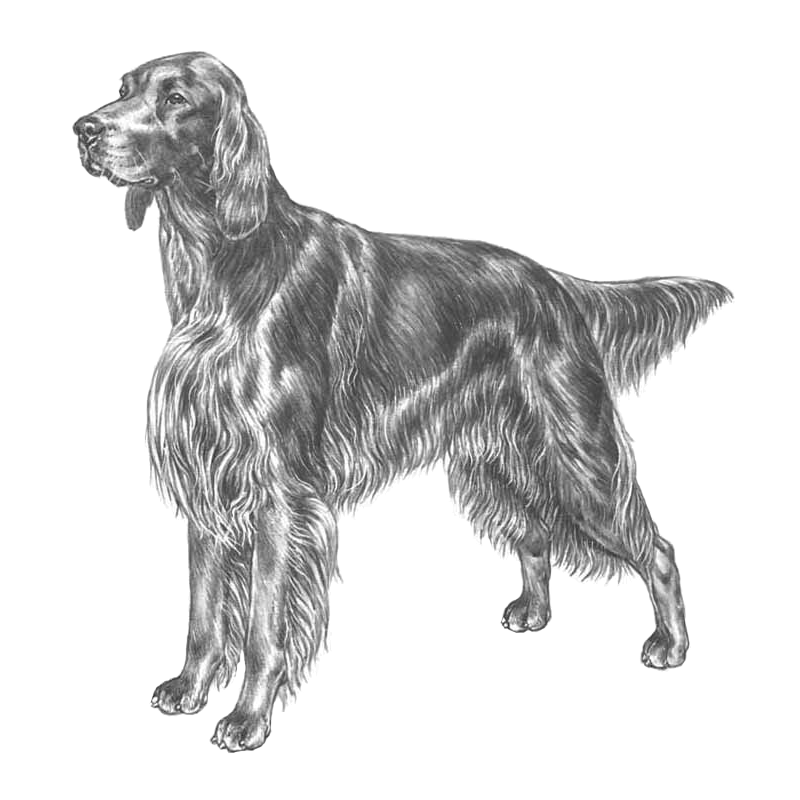 The breed is derived from the Irish Red and White Setter and an unknown solid red coloured dog. It was a clearly identifiable type in the 18th century.
The Irish Red Setter Club was established in 1882 to promote the Breed. The club issued the Breed Standard in 1886, and has organised field trials and shows to set the Standard for the Breed since that time. In 1998 the club published the working style for the breed. The standard and working style together describes the physical form and working ability of the breed. The Irish Red Setter has evolved down the years into a hardy, healthy, intelligent dog, possessed of excellent working ability and great stamina.
Source: http://www.ikc.ie/dog-ownership/types-of-dog/breeds/breed-details/50/
-
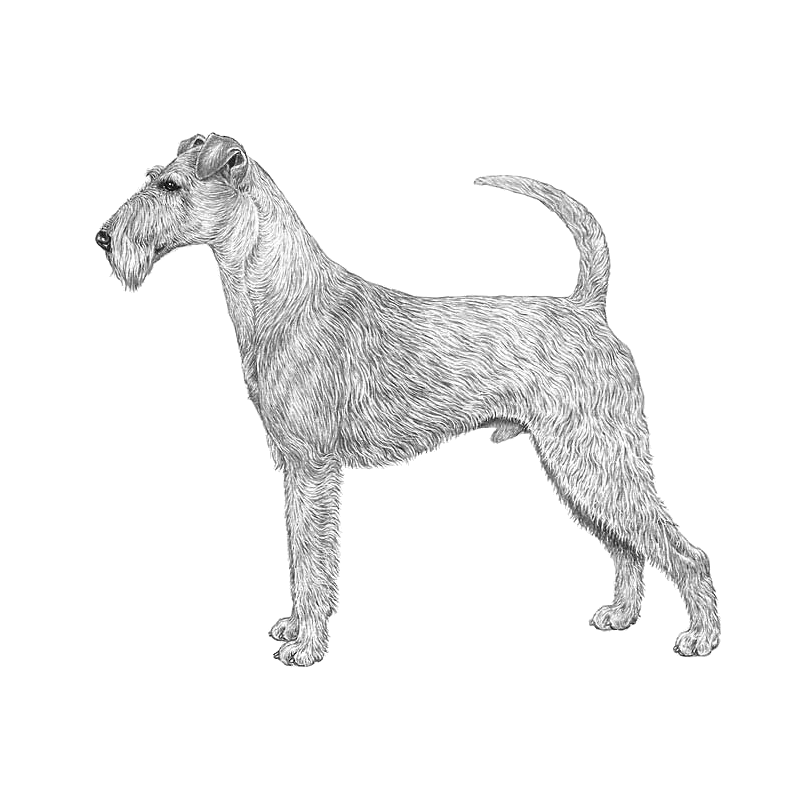
Versatile farmyard dog, family pet, guard dog with utter contempt for danger or hurt, hunter and gundog. The dog must present an active, lively, lithe and wiry appearance; lots of substance, at the same time free of clumsiness, as speed and endurance as well as power is very essential. The Irish Terrier must be neither “cloddy nor cobby” but should be framed on the “lines of speed” showing a graceful racy outline.
Source: http://www.ikc.ie/dog-ownership/types-of-dog/breeds/native-breeds-of-ireland/native-irish-breed/73/
-
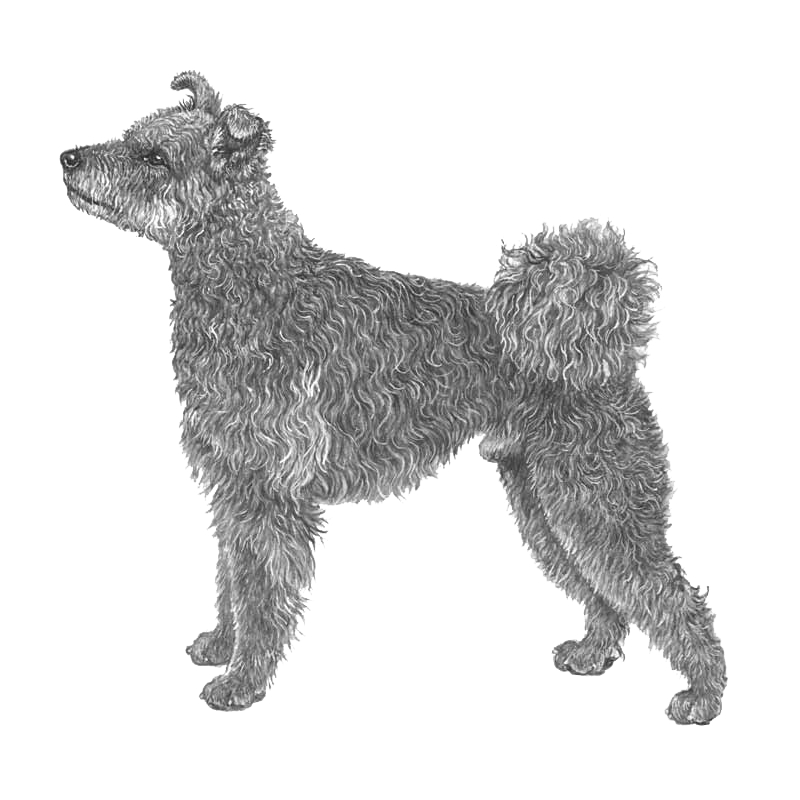
The Pumi is an active dog, combining the biddability and intelligence of the herding dog along with the alertness and activity of a terrier. Because they are intelligent, they need daily work to do, whether it’s herding, obedience, flyball, jogging, or chasing tennis balls.
Source: Hungarian Pumi Club of America
-
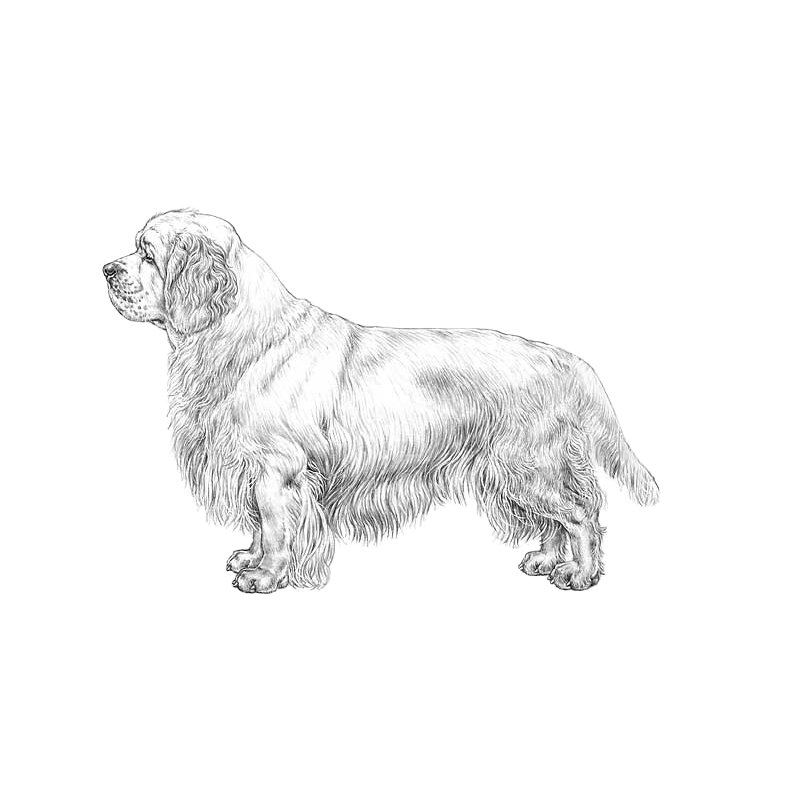
Said to have come in the first place from France more than 200 years ago, the Clumber was brought to Great Britain by the Duke of Newcastle and bred at his family home of Clumber Park in Nottinghamshire.
Source: The Kennel Club
-
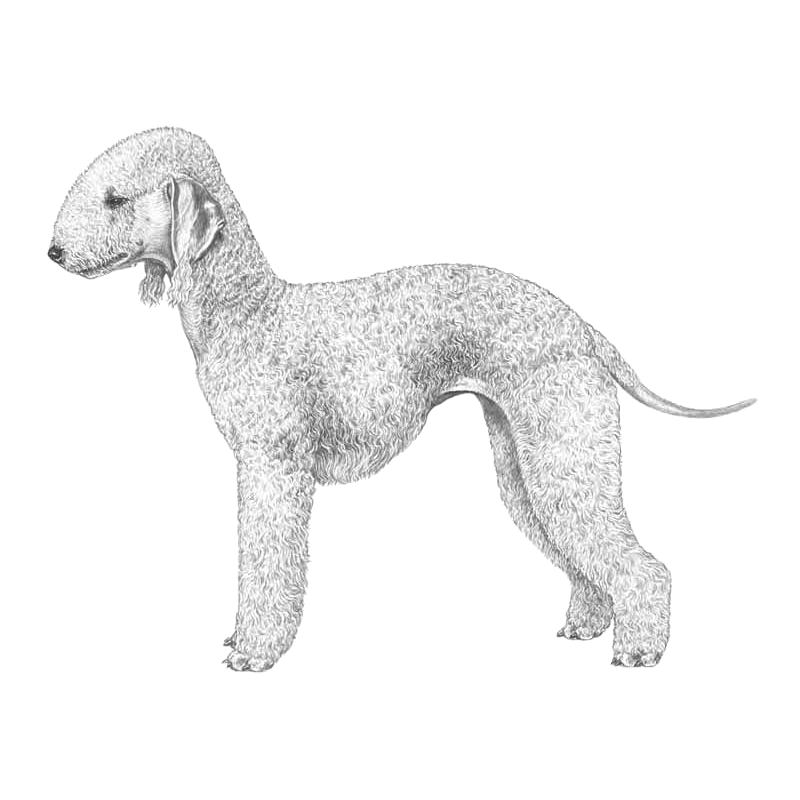
The linty coat and distinctive arched loin of the Bedlington and his long head give him a lamb-like appearance, but he is an excellent dispatcher of vermin from rabbit to fox. The origins of the breed are much debated with some suggestion of the Bull Terrier and the Otterhound and perhaps some Dandie Dinmont but as in many breeds there is some dispute in the background of the breed.
Source: The Kennel Club
-
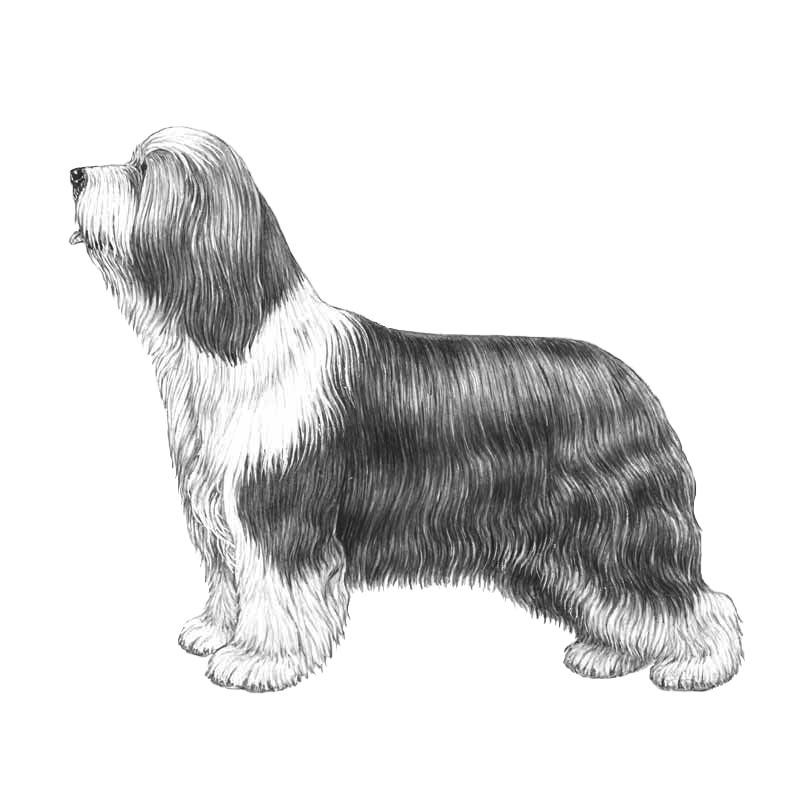
The ‘Beardie’, as he is affectionately known, is a hardy dog with a lovable temperament. His handy size and adaptability, combined with workmanlike qualities, have given him a following far outside the farming community. Ideally suited to life in the country, with a double weather-resistant coat and active nature, he is a happy dog, neither timid nor aggressive. Ready to join in any activity, he has an enquiring expression that seems to ask‘ Well, what shall we do now?’ Gentle, and good with children and adults, he makes an ideal member of a fun-loving family.
Source: The Kennel Club
-
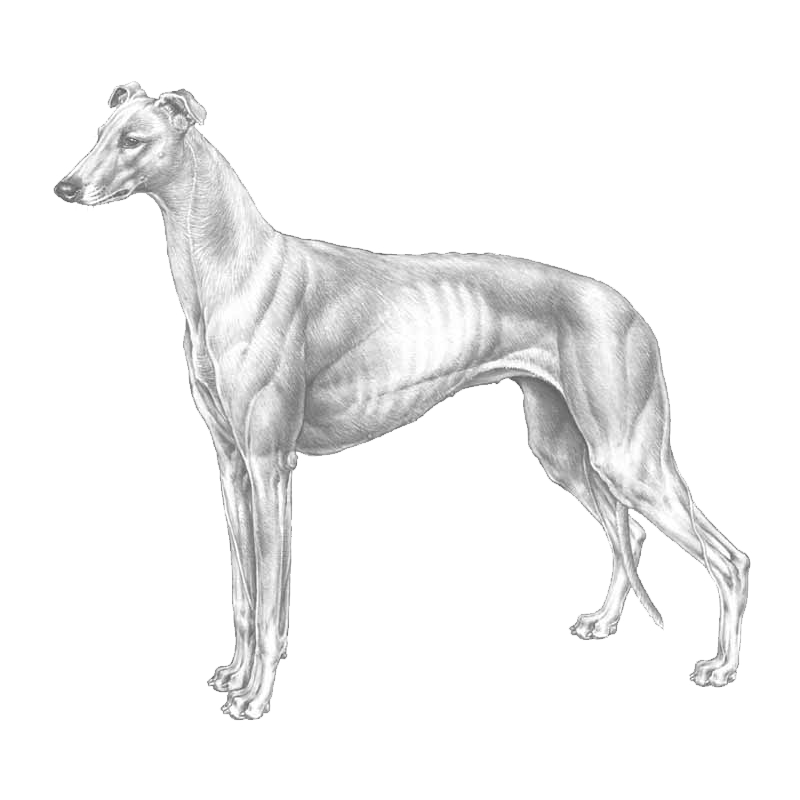
The Greyhound is a very old European breed of dog, a sighthound which has been historically bred for coursing game and latterly Greyhound racing.
-
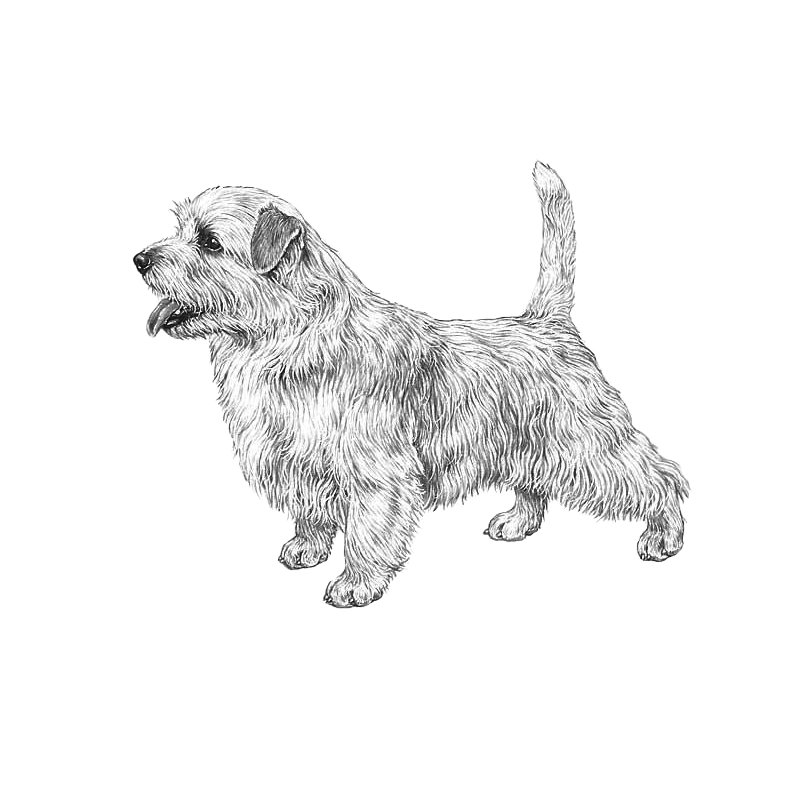
Prior to gaining recognition as an independent breed in 1960, it was a variety of theNorwich Terrier, distinguished from the "prick eared" Norwich by its "drop ears" (or folded ears). Together, the Norfolk and Norwich Terriers are the smallest of the working terriers.
-
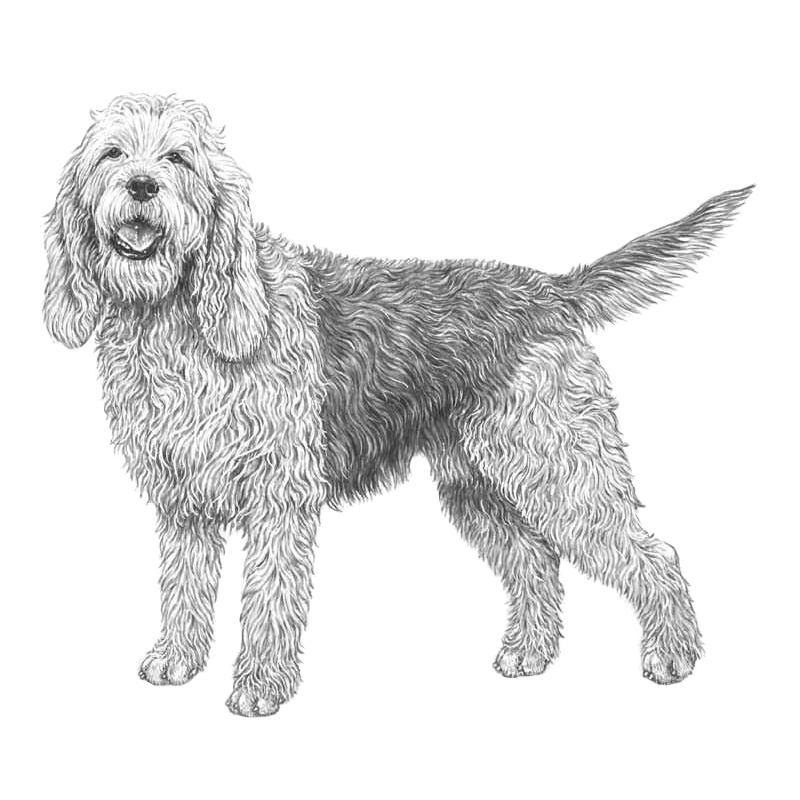
The Otterhound is an old British dog breed. The origins are not known. It is a scent hound and is currently recognised by the Kennel Club as a Vulnerable Native Breed... Source: https://en.wikipedia.org/wiki/Otterhound
It is estimated there are approximately 850 - 900 Otterhounds in the world today. The registration figures worldwide can be found in the Otterhound Database located on the US Otterhound Club website as they are supplied with official registrations from around the world.
-
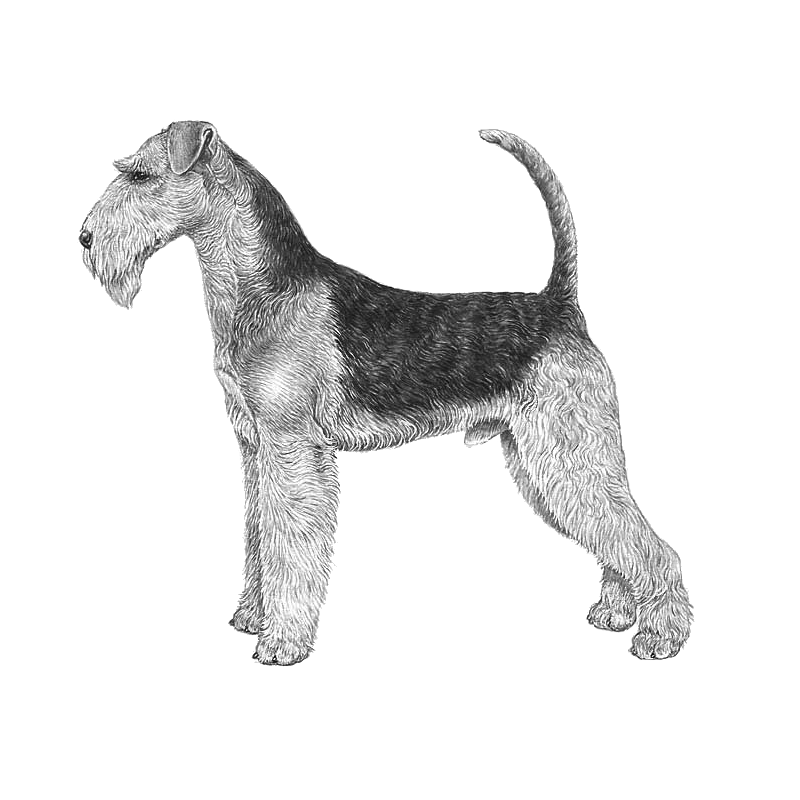
The King of the Terriers – a name he earns as the largest of the Terrier breeds, originated in Yorkshire, when a group of breed enthusiasts met to 'show' their terriers at Airedale Show – in the area around Ilkley. The breed was often known as the Waterside Terrier because of their working of the riverbanks to keep down vermin.
Source: The Kennel Club
-
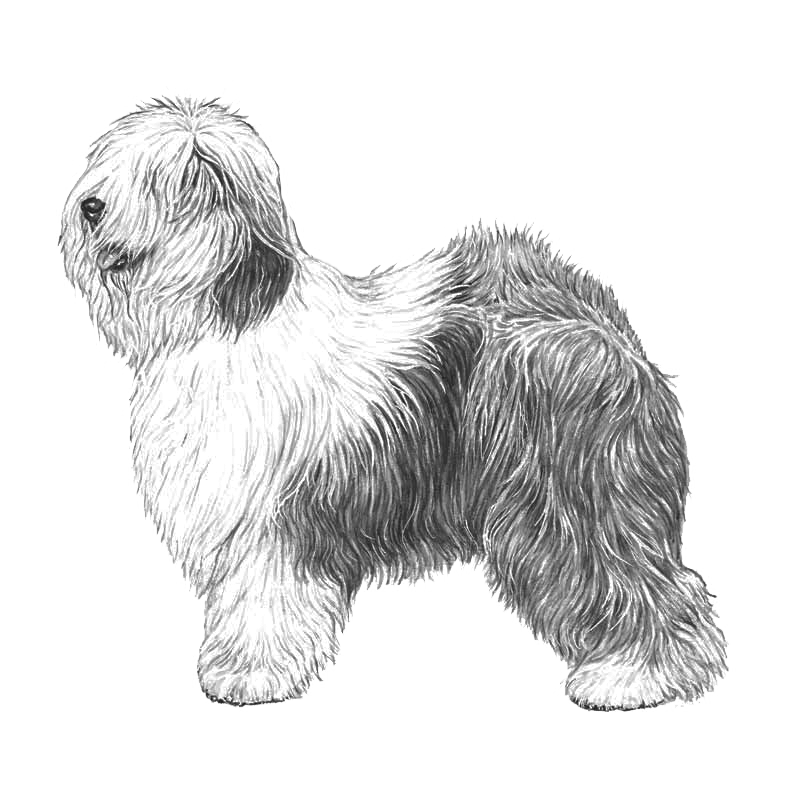
The Old English is the most substantial of sheepdogs, and underneath the glamour of a crisp blue and white coat, there should be a dog still fit for working with the flocks.
Source: The Kennel Club (UK)
-
 His nature is similar to that of the Schnauzer and is determined by the temperament and the behaviour of a small dog. Intelligence, fearlessness, endurance and alertness make the Miniature Schnauzer an agreeable house dog as well as a watch and companion dog which can be kept even in a small apartment without problems.
Small, strong, stocky rather than slim, rough coated, elegant. A reduced image of the Schnauzer without the drawback of a dwarfed appearance. His nature is similar to that of the Schnauzer and is determined by the temperament and the behaviour of a small dog. Intelligence, fearlessness, endurance and alertness make the Miniature Schnauzer an agreeable house dog as well as a watch and companion dog which can be kept even in a small apartment without problems.
Source: http://www.fci.be/en/nomenclature/MINIATURE-SCHNAUZER-183.html
-
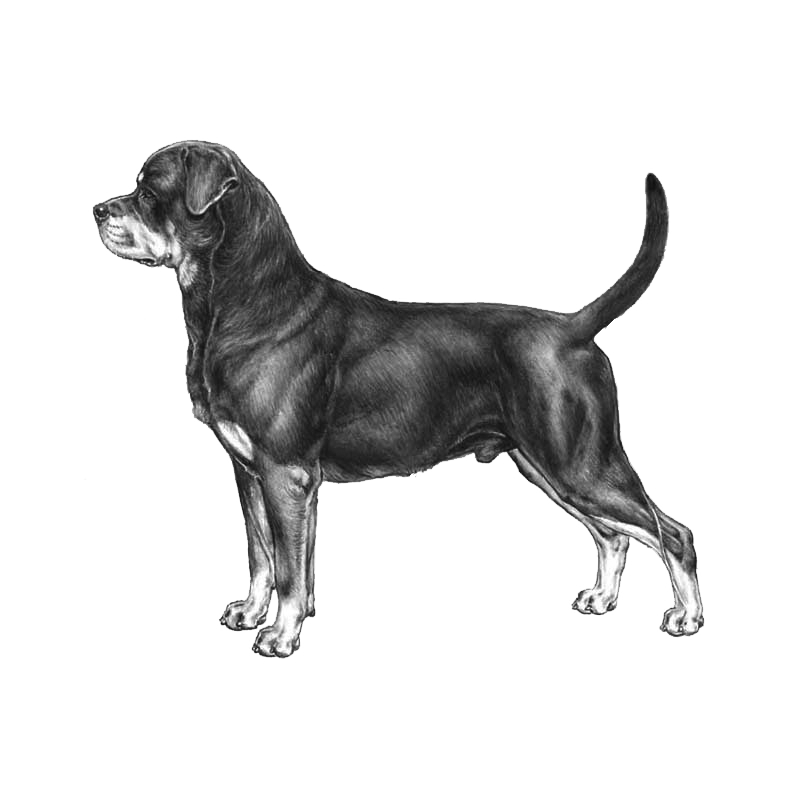 These Mastiff-type dogs stem from animals taken to Germany by Roman soldiers as they marched across Europe. Used to guard livestock, they were either discarded as the cattle were eaten or were left to guard outposts, and many finished up in Switzerland while others reached southern Germany. They were especially known around the town of Rottweil, which for 1,800 years was a centre for livestock trading. The evolving dog became a butcher’s dog, drover and draught dog. The Rottweiler, which fi
He is a very active dog that needs plenty of exercise, but his smooth coat requires only short periods of regular grooming to keep it in the desired shining condition.
Source: https://www.thekennelclub.org.uk/search/breeds-a-to-z/breeds/working/rottweiler/