






Pedigree Breeds
184 entries in this category
-
- Last comment date
- Title
- Start Date
- Most Commented
- Most Viewed
- Last Updated
- Publish Date
- Brief Description
- Content
- Links to Breed Descriptions
- Other Names for Breed
- Country of Origin and Parent Breed Club
- Health and Well-Being
- Breed-Specific Articles
- Breed Standards
- Breed-Specific Statistics
- Breeding/Health Strategy Documents
- Breed-Specific DNA Tests
- Other Breed-Specific Webpages
- Breed-Specific Research
- Breed Clubs
- Custom
-
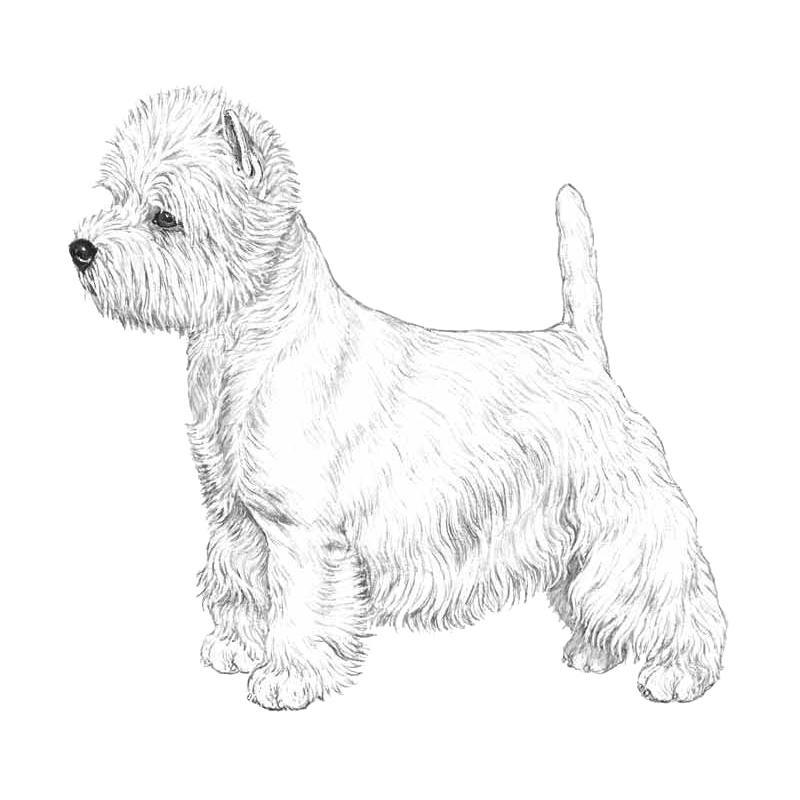
One of the most popular of the terrier breeds, the West Highland White has a cheerful, outgoing personality. He makes an ideal companion and playmate for youngsters as he is full of fun and virtually tireless.
Source: https://www.thekennelclub.org.uk/search/breeds-a-to-z/breeds/terrier/west-highland-white-terrier/
-
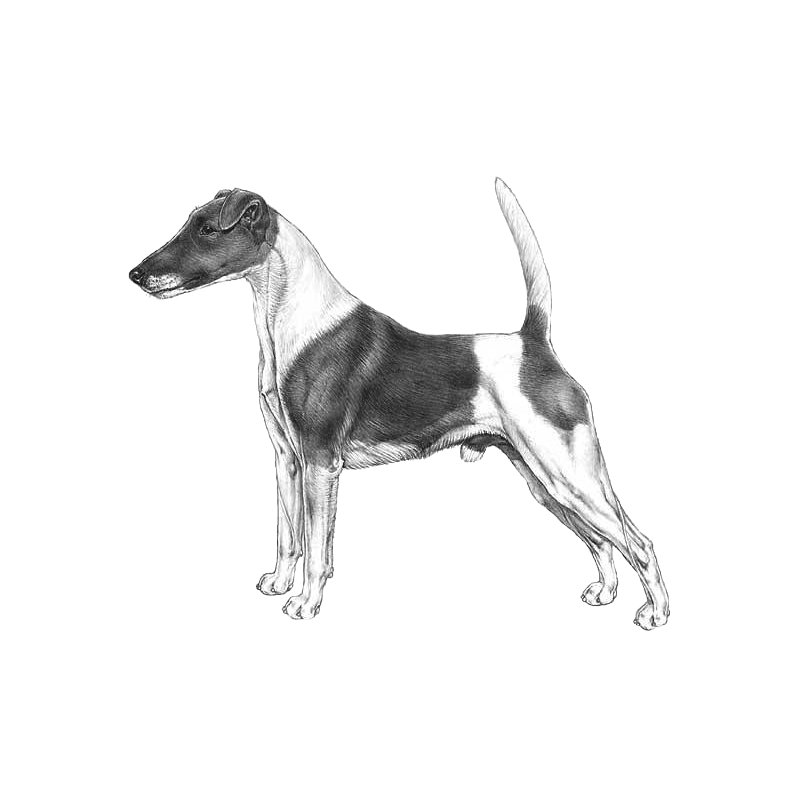
It was the first breed in the fox terrier family to be given official recognition by The Kennel Club (circa 1875; breed standard 1876). It is well known, and although not a widely popular breed today outside of hunting and show circles, it is extremely significant due to the large number of terriers believed descended from it.
-
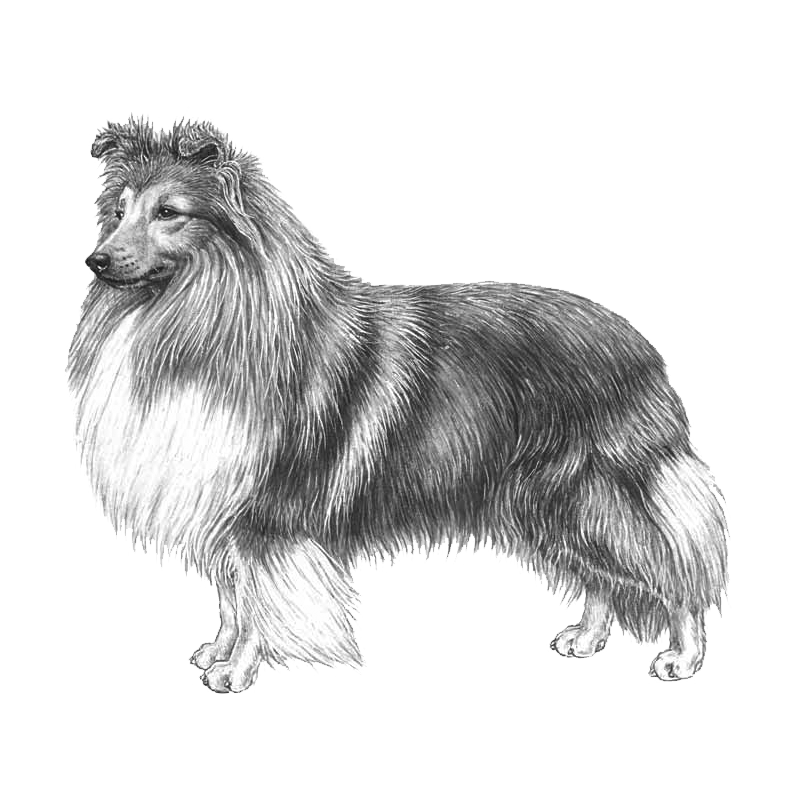
The Shetland Islands off northeast Scotland lay claim to a number of animals small in size. The Shetland Sheepdog is one – an active, intelligent and glamorous dog, who always wants to be ‘on the go’ and is virtually tireless.
Source: https://www.thekennelclub.org.uk/search/breeds-a-to-z/breeds/pastoral/shetland-sheepdog/
-
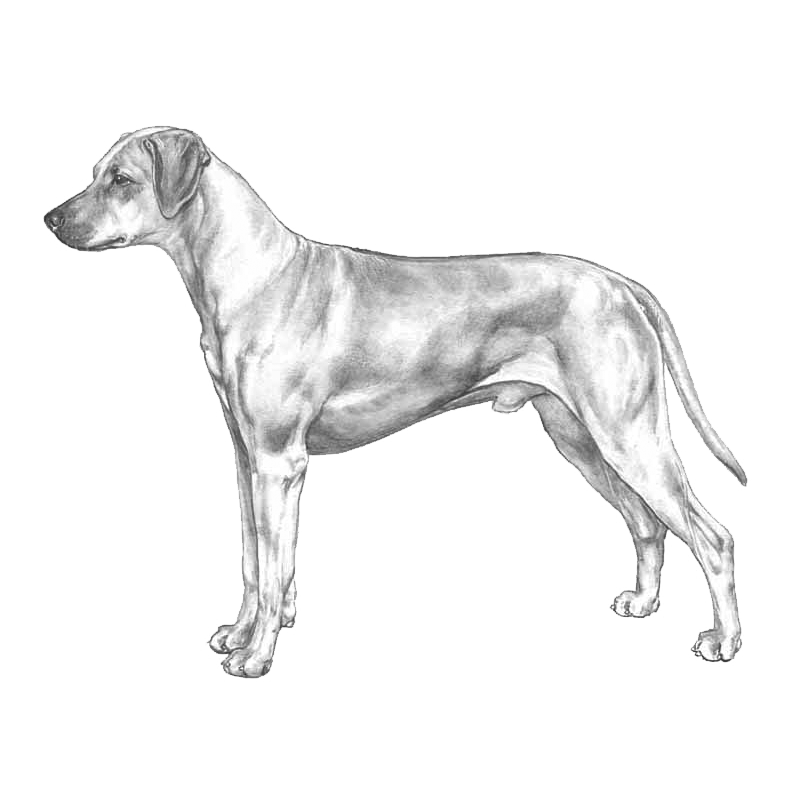
The Rhodesian Ridgeback is a dog breed developed in Southern Africa. Its European forebears can be traced to the early pioneers of the Cape Colony of southern Africa, who crossed their dogs with the semi-domesticated, ridged hunting dogs of the Khoikhoi.
-
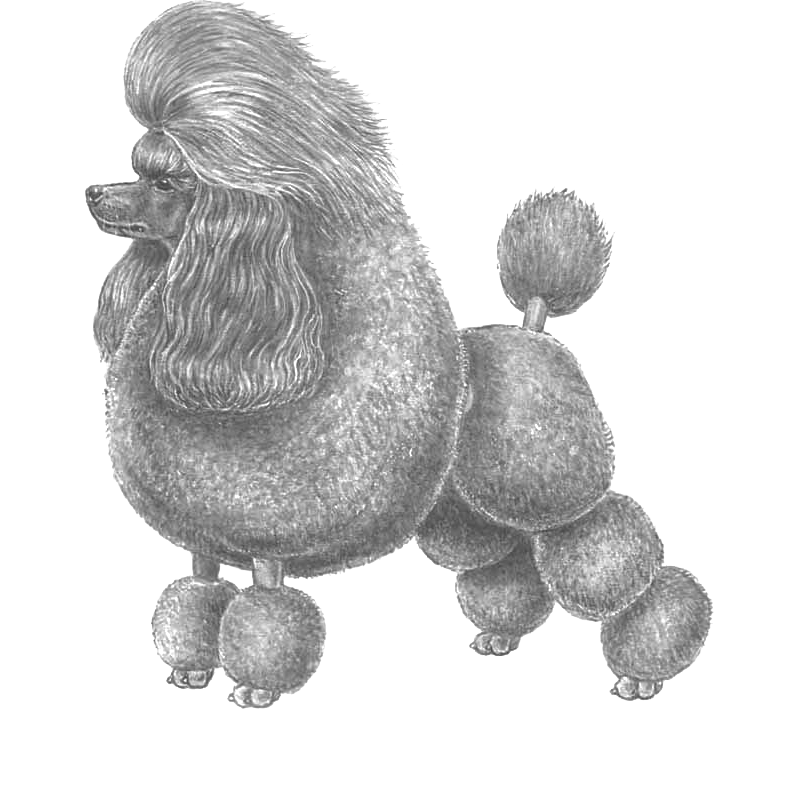
The poodle has been bred in at least three sizes, including Standard, Miniature, and Toy. According to the American Kennel Club, the Standard Poodle is the oldest of the three varieties, and was later bred down to the miniature and toy sizes.
-

The poodle has been bred in at least three sizes, including Standard, Miniature, and Toy. According to the American Kennel Club, the Standard Poodle is the oldest of the three varieties, and was later bred down to the miniature and toy sizes.
-
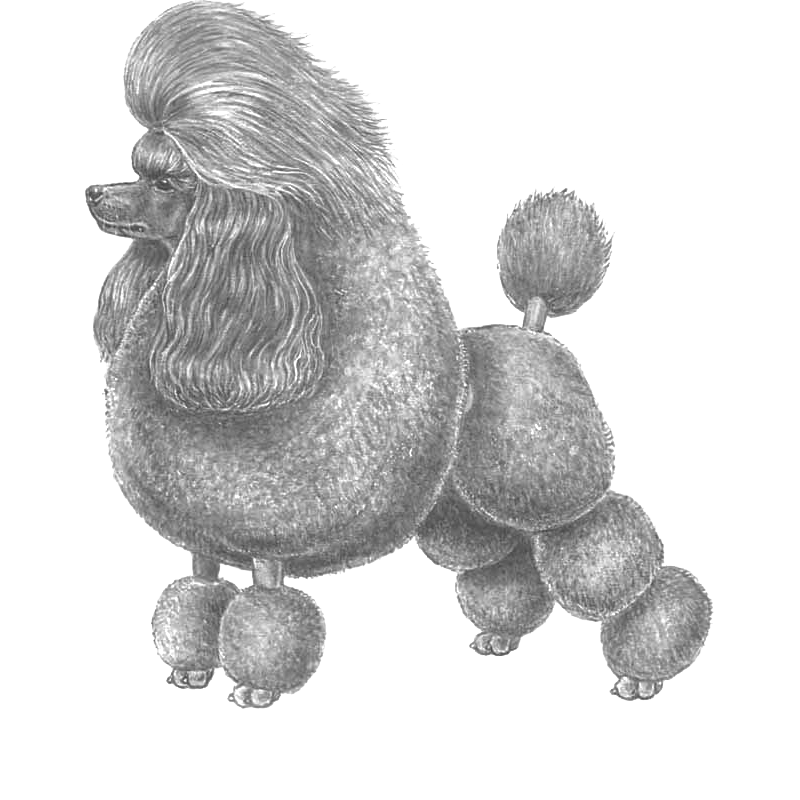
Traditionally the Standard Poodle, the largest of the subtypes, was a retriever or gun dog, used in particular for duck hunting and sometimes upland bird hunting.
-
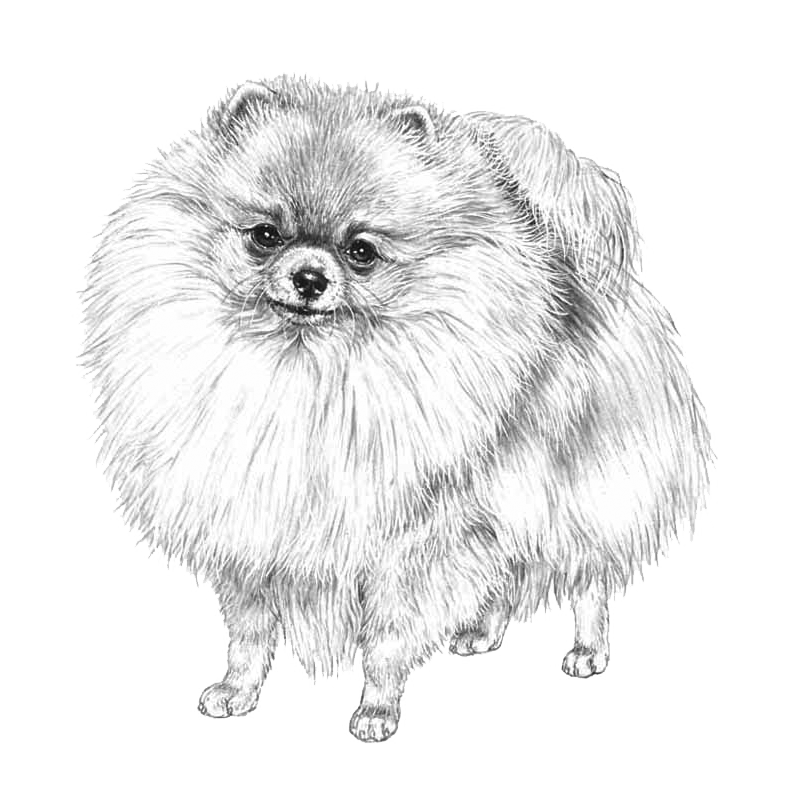
Though Britain is listed as the country of development of the Pomeranian, he is a Spitz-type dog descended from the much larger sled-hauling dogs of the Arctic. He was bred from the German Spitz before becoming known in the UK in 1870. In 1890, he entered the kennels of Queen Victoria, which popularised the breed, and the Pomeranian Club was formed the following year.
Source: https://www.thekennelclub.org.uk/search/breeds-a-to-z/breeds/toy/pomeranian/
-
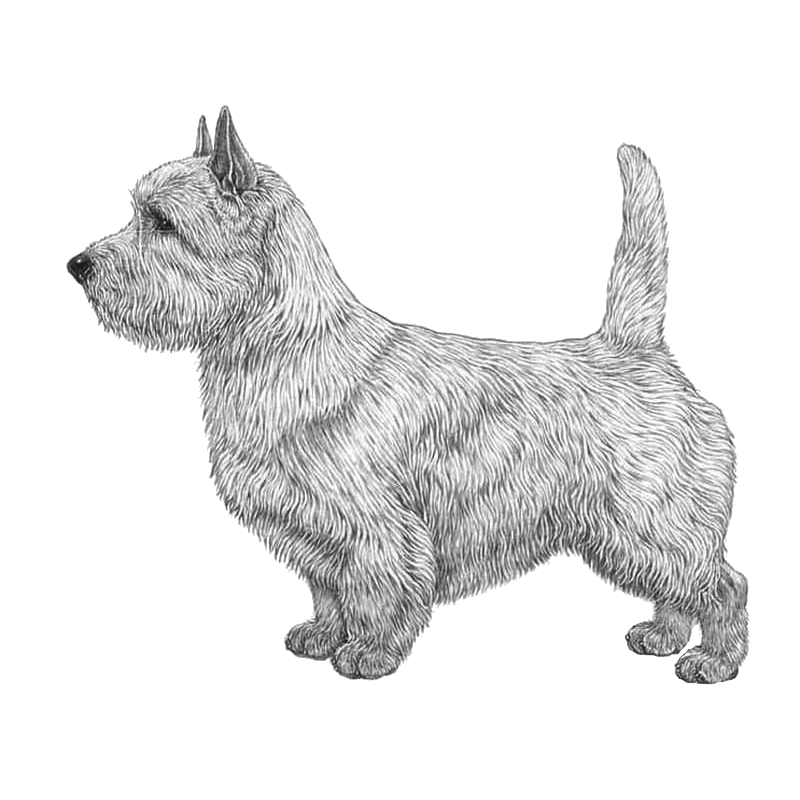
It originates in the United Kingdom and was bred to hunt small vermin or rodents. With a friendly personality, Norwich Terriers are today mostly a companion dog breed.
-
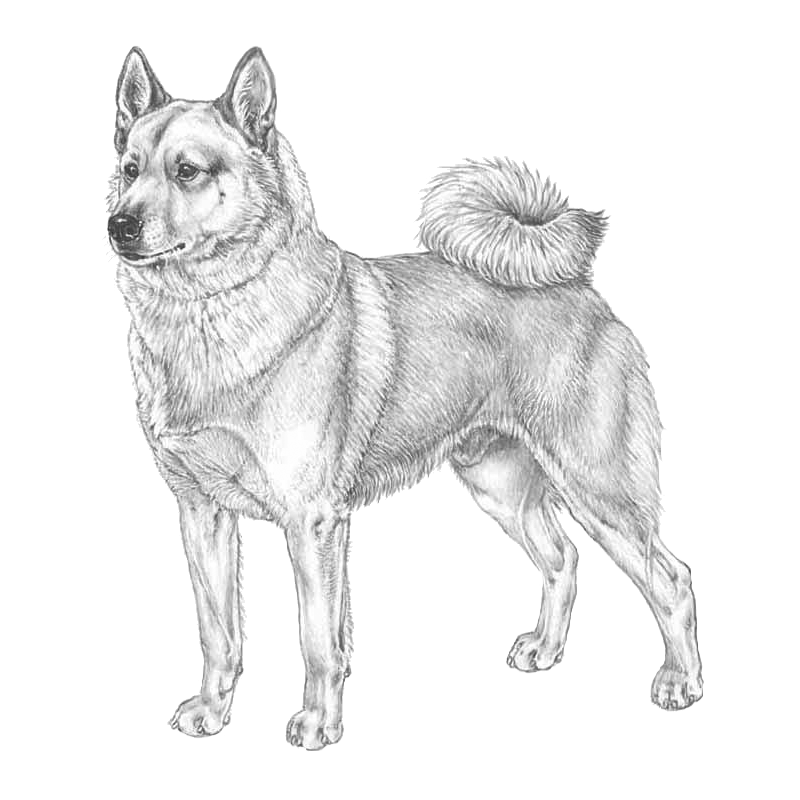
The Norwegian Buhund is a breed of dog of the spitz type. It is closely related to the Icelandic Sheepdog and the Jämthund. The Buhund is used as an all purpose farm and herding dog, as well as watch dog.
-
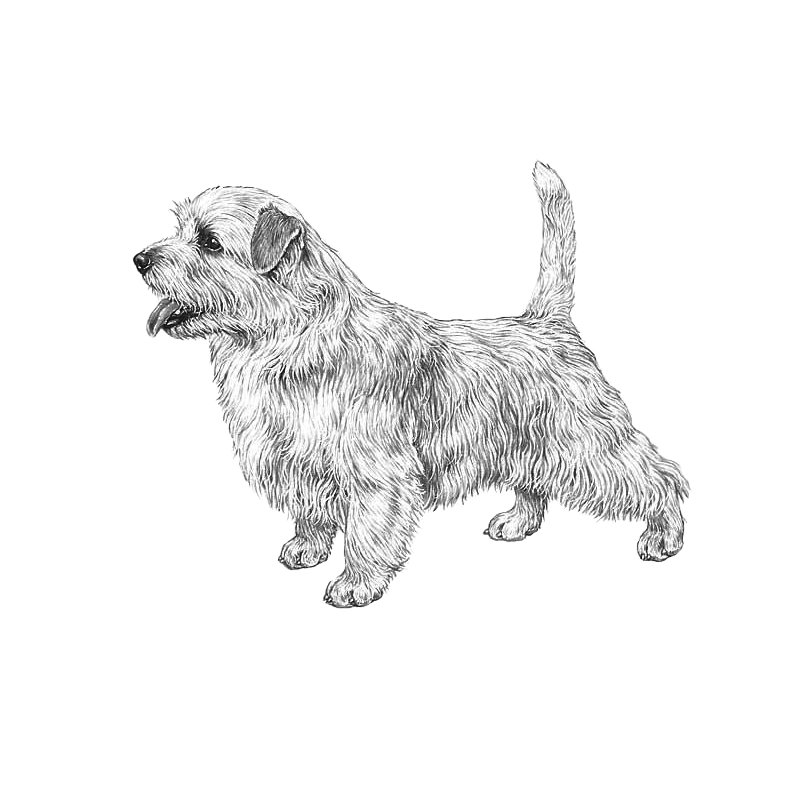
Prior to gaining recognition as an independent breed in 1960, it was a variety of theNorwich Terrier, distinguished from the "prick eared" Norwich by its "drop ears" (or folded ears). Together, the Norfolk and Norwich Terriers are the smallest of the working terriers.
-
 His nature is similar to that of the Schnauzer and is determined by the temperament and the behaviour of a small dog. Intelligence, fearlessness, endurance and alertness make the Miniature Schnauzer an agreeable house dog as well as a watch and companion dog which can be kept even in a small apartment without problems.
Small, strong, stocky rather than slim, rough coated, elegant. A reduced image of the Schnauzer without the drawback of a dwarfed appearance. His nature is similar to that of the Schnauzer and is determined by the temperament and the behaviour of a small dog. Intelligence, fearlessness, endurance and alertness make the Miniature Schnauzer an agreeable house dog as well as a watch and companion dog which can be kept even in a small apartment without problems.
Source: http://www.fci.be/en/nomenclature/MINIATURE-SCHNAUZER-183.html
-
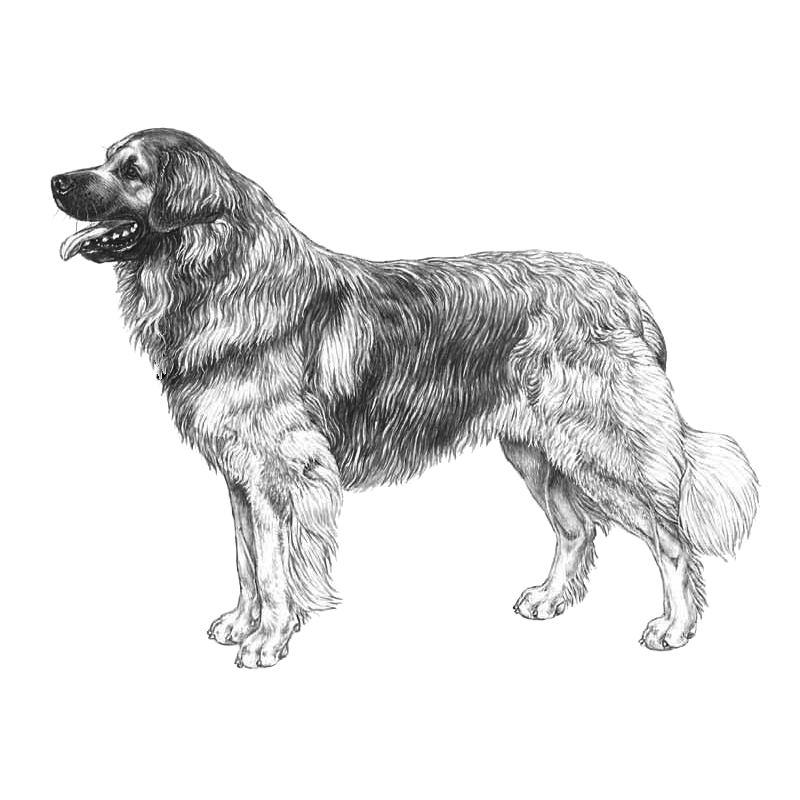
The Leonberger is a giant dog breed. The breed's name derives from the city of Leonberg in Baden-Württemberg, Germany. According to legend, the Leonberger was ostensibly bred as a 'symbolic dog' that would mimic the lion in the town crest.
-
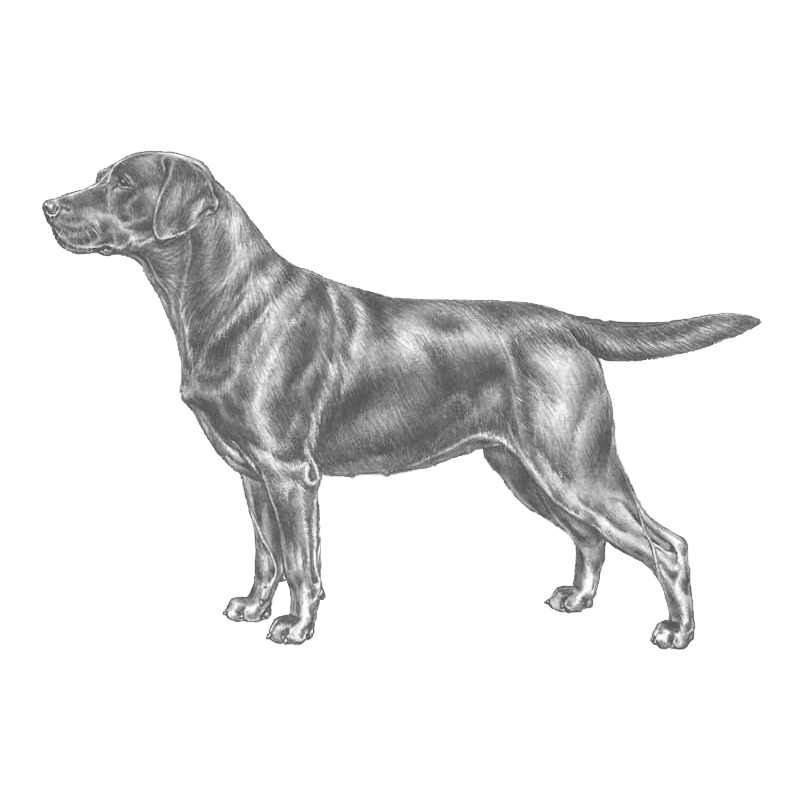
The Labrador is one of the best all-round dogs in the world. Not only used for retrieving game, he has also made his mark in the world of assistance dogs and as a ‘sniffer’ dog for drug and arms detection.
Source: https://www.thekennelclub.org.uk/search/breeds-a-to-z/breeds/gundog/retriever-labrador/
-
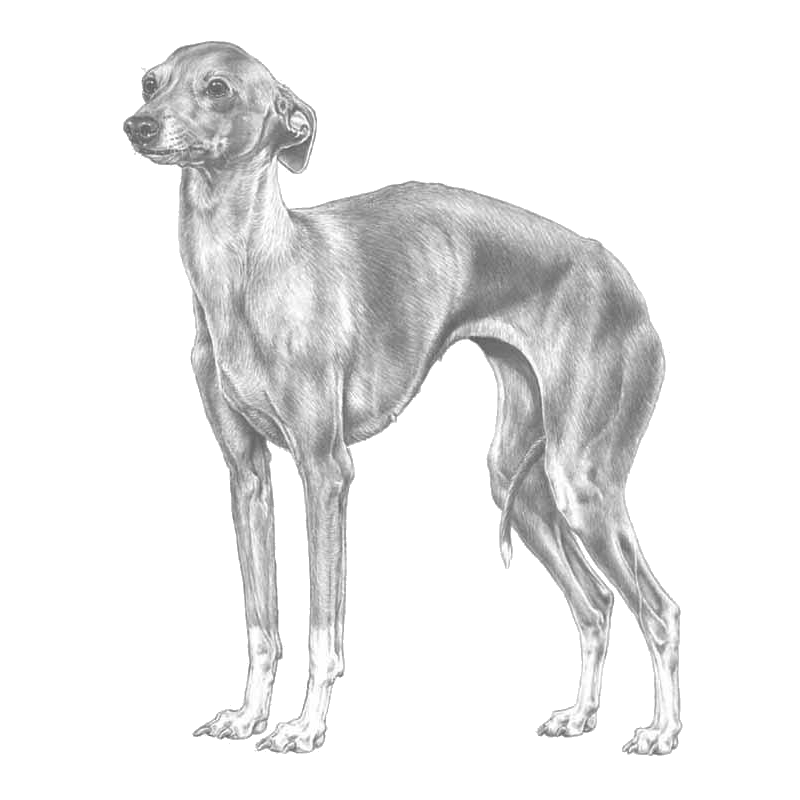
The Italian Greyhound (in Italian: Piccolo Levriero Italiano) is a small breed of dog of the sight hound type, sometimes called an "I.G." or an "Iggy".
-
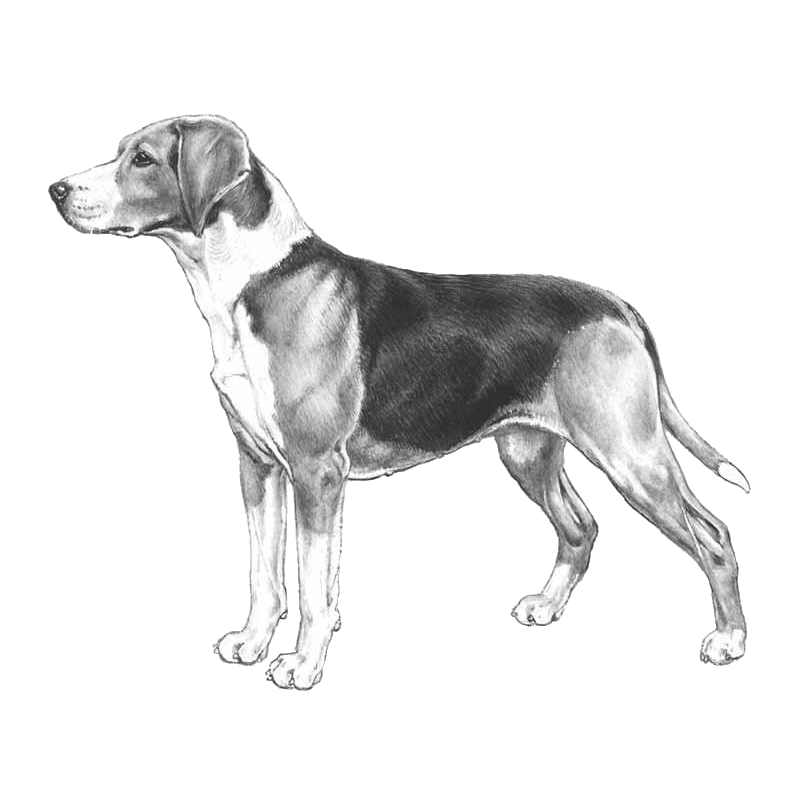
The Hamiltonstövare is above all a working dog, bred for hunting fox and hare, working singly or in pairs rather than in a pack. The combination of working ability and a lovely temperament makes the Hamiltonstövare a pleasant shooting dog. Standing 19 to 24 inches (49 to 61 centimetres) at the withers, makes him one of the larger stövare.
source: http://caninechronicle.com/uncategorized/masterminds-the-hamilton-hound/
-
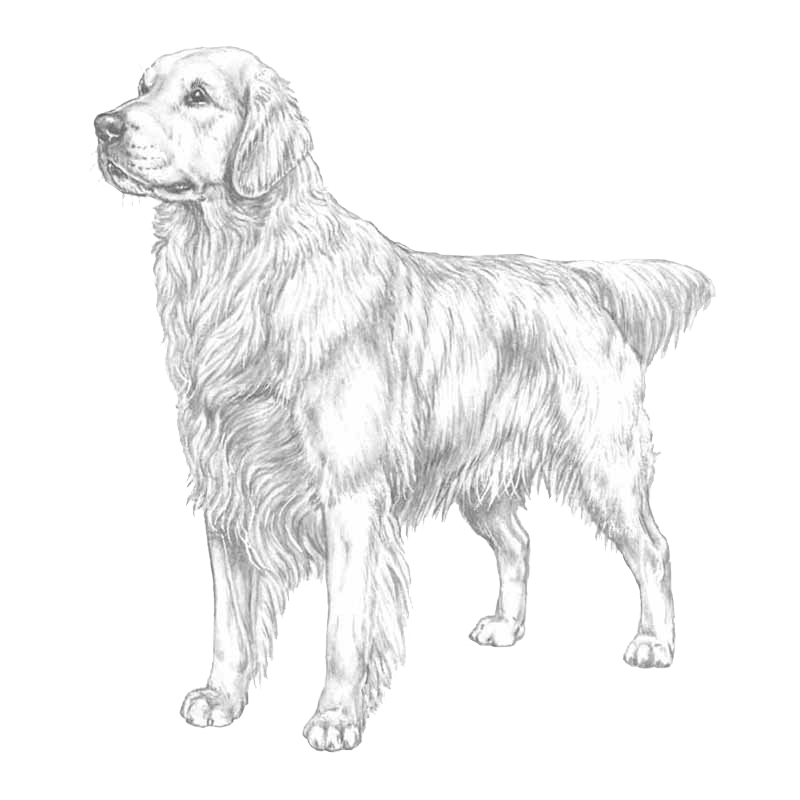
The Golden Retriever is a large-sized breed of dog bred as gun dogs to retrieve shot waterfowl such as ducks and upland game birds during hunting and shooting parties, and were named 'retriever' because of their ability to retrieve shot game undamaged.
-
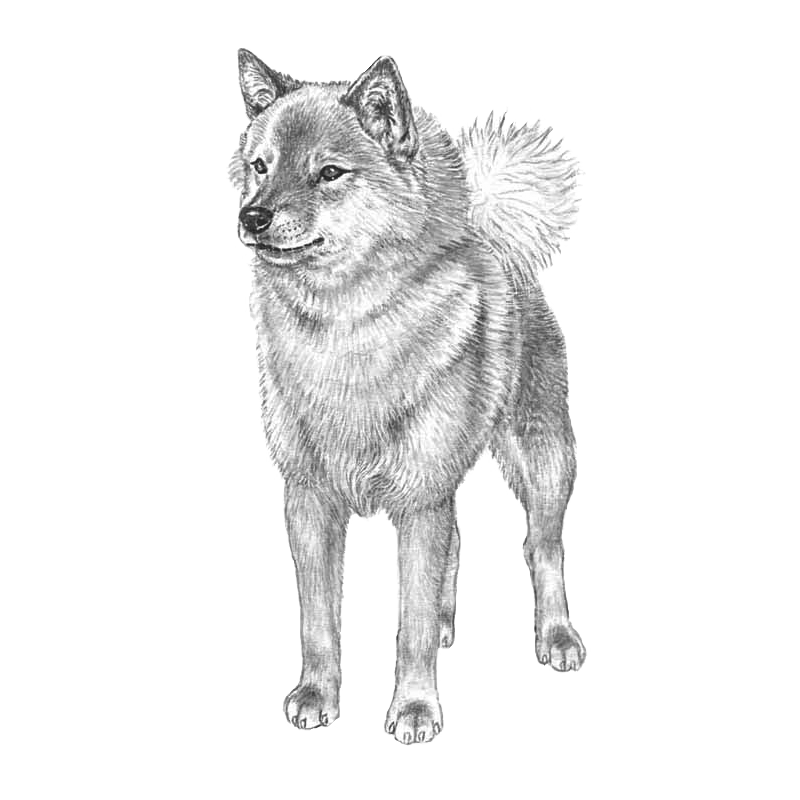
The national dog of Finland, the Finnish Spitz, is by far the oldest of all the Finnish breeds. It was bred directly from the native landrace dog population without crossbreeding, and it has followed the Finnish people since ancient times. A dog similar to the Finnish Spitz has been found in prehistoric cave paintings. The Finnish people lived in isolated residential areas in the wilderness in the Northern part of Finland, from Kainuu all the way to Murmansk, and their dogs remained purer in comparison with dogs living more south where they easily got mixed with other dogs.
See More: From the Finnish Dog Museum (Online)
-
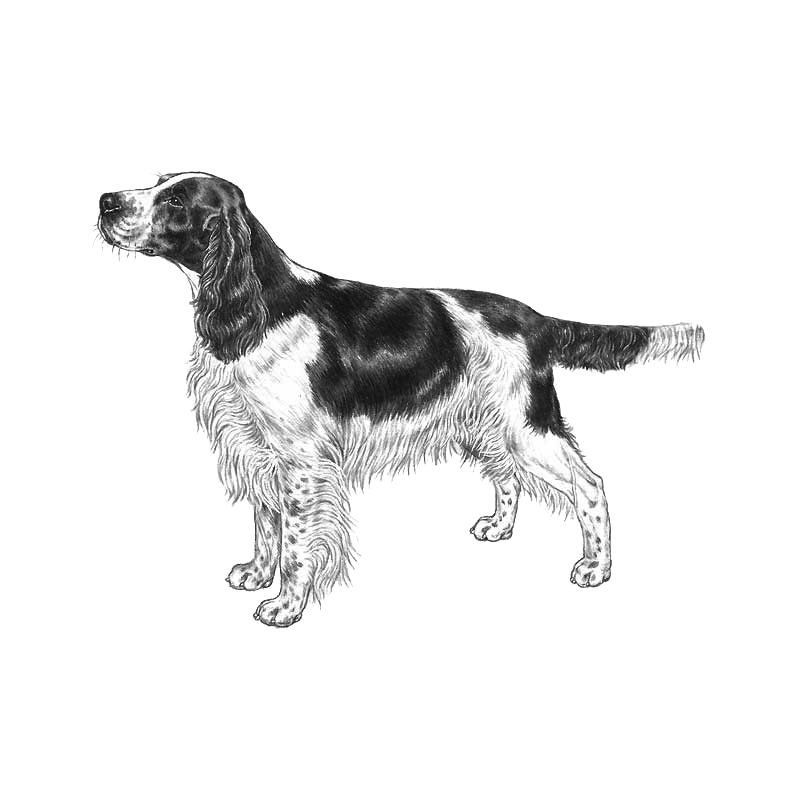
Developed to flush game from cover and to retrieve it, the English springer spaniel's coat is liver and white, black and white or tri-coloured. The English Springer is the most popular of the spaniels for working in the field. A happy and very biddable temperament lends itself well to family life. Field-bred and bench-bred dogs are available - as the names suggest the Field type is used in the field for hunting and the Bench type is bred for their looks in the show ring. Field dogs tend to be taller on leg, not as heavily bodied or boned, shorter coated and may be more energetic/hunting work oriented than their show counterparts.
-
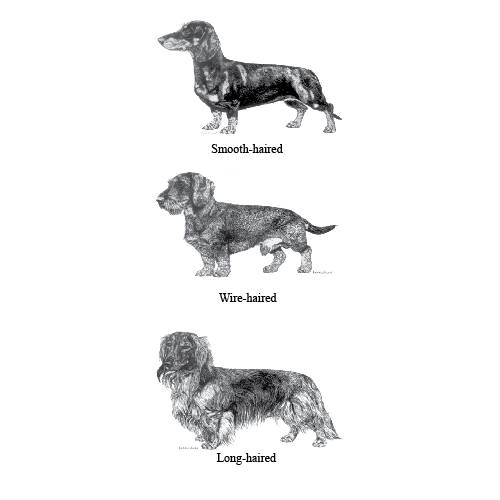
The Dachshund, also called Dackel or Teckel, has been known since the Middle Ages. Low, short legged, elongated but compact build, very muscular with cheeky, challenging head carriage and alert facial expression. His general appearance is typical of his sex. In spite of his legs being short in relation to the long body, he is very mobile and lithe. For decades the Dachshund has been bred in three sizes (Teckel, Miniature Teckel and Rabbit Teckel) and in three different kinds of coat (Smooth-haired, Wire-haired and Long-haired).
Source: FCI
-
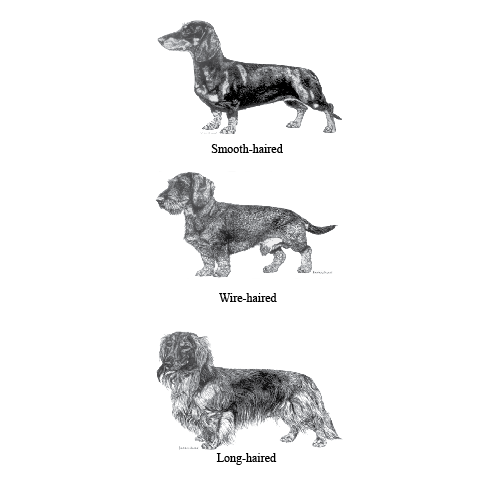 photo source: http://dgk.dk/wp-content/uploads/Diskusprolaps-hos-gravhunde_Charlotte-Mørck-Andersen-Tine-Marx.pdf
The Dachshund, also called Dackel or Teckel, has been known since the Middle Ages. Low, short legged, elongated but compact build, very muscular with cheeky, challenging head carriage and alert facial expression. His general appearance is typical of his sex. In spite of his legs being short in relation to the long body, he is very mobile and lithe. For decades the Dachshund has been bred in three sizes (Teckel, Miniature Teckel and Rabbit Teckel) and in three different kinds of coat (Smooth-haired, Wire-haired and Long-haired).
Source: FCI
-
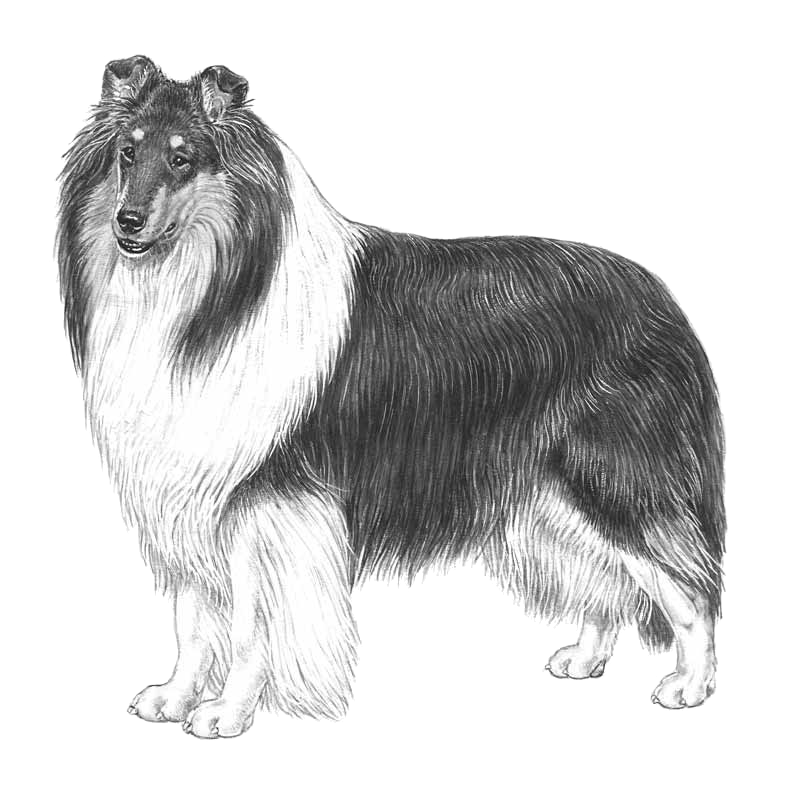
The Rough Collie is the same as the Smooth Collie with the exception of coat length. The breed is thought to have evolved from dogs brought originally to Scotland by the Romans that then mated with native types.
Source: The Kennel Club
-
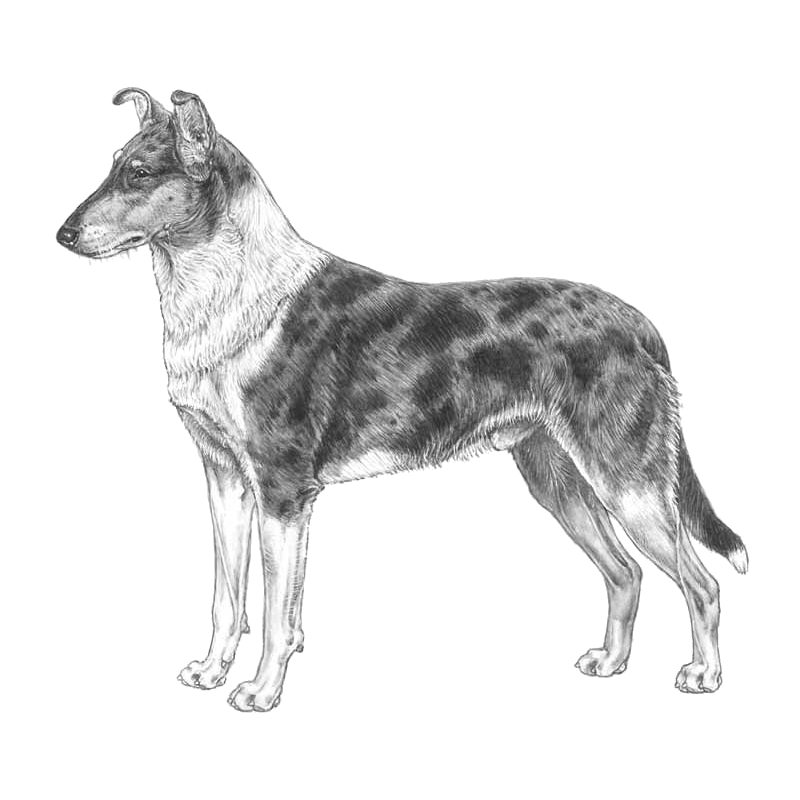
The obvious difference between the breeds Rough and Smooth Collies is the coat length, which in the case of the Smooth Collie is short and flat with a harsh texture on a dense undercoat. Source: The Kennel Club
Also see DWN's Rough Collie page for breed-specific resources.
-
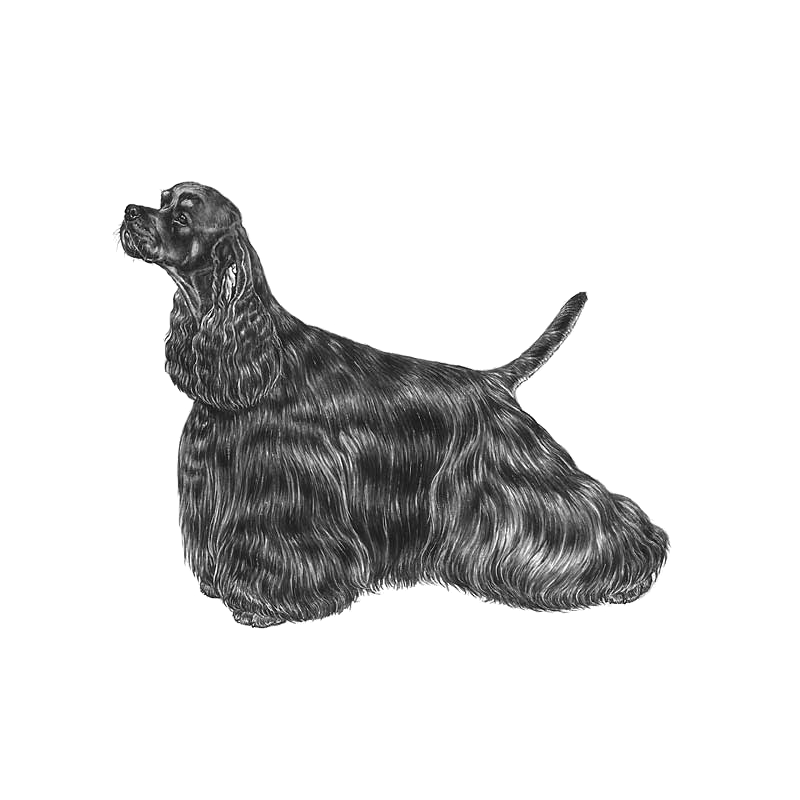
The American Cocker Spaniel is a breed of sporting dog. It is a spaniel type dog that is closely related to the English Cocker Spaniel; the two breeds diverged during the 20th century due to differing breed standards in America and the UK. In the United States, the breed is usually called the Cocker Spaniel, while elsewhere in the world, it is called the American Cocker Spaniel in order to differentiate between it and its English cousin.
Source: Wikipedia
-
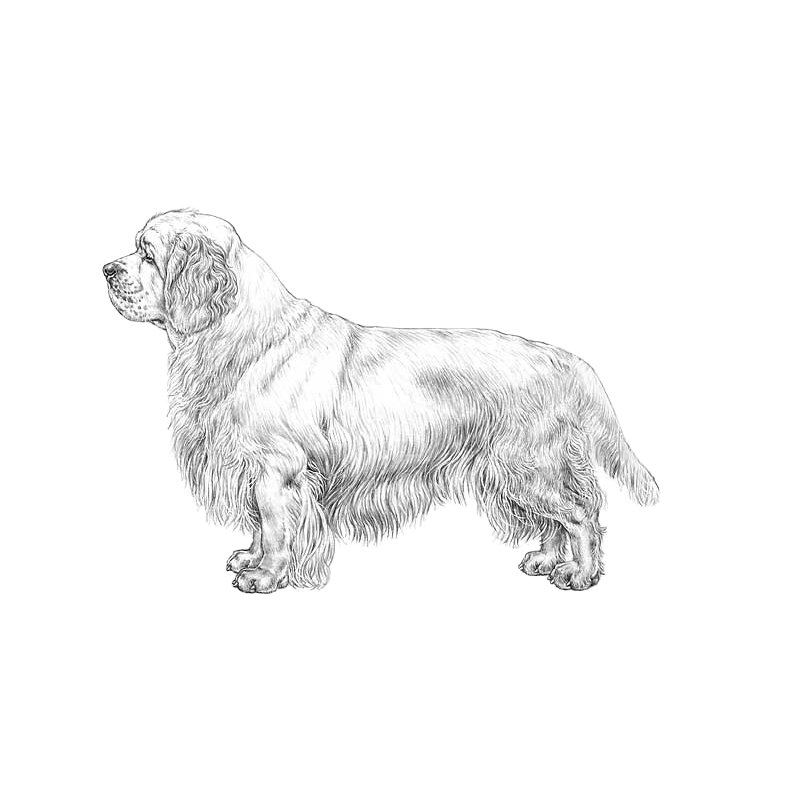
Said to have come in the first place from France more than 200 years ago, the Clumber was brought to Great Britain by the Duke of Newcastle and bred at his family home of Clumber Park in Nottinghamshire.
Source: The Kennel Club