






Pedigree Breeds
184 entries in this category
-
- Last comment date
- Title
- Start Date
- Most Commented
- Most Viewed
- Last Updated
- Publish Date
- Brief Description
- Content
- Links to Breed Descriptions
- Other Names for Breed
- Country of Origin and Parent Breed Club
- Health and Well-Being
- Breed-Specific Articles
- Breed Standards
- Breed-Specific Statistics
- Breeding/Health Strategy Documents
- Breed-Specific DNA Tests
- Other Breed-Specific Webpages
- Breed-Specific Research
- Breed Clubs
- Custom
-
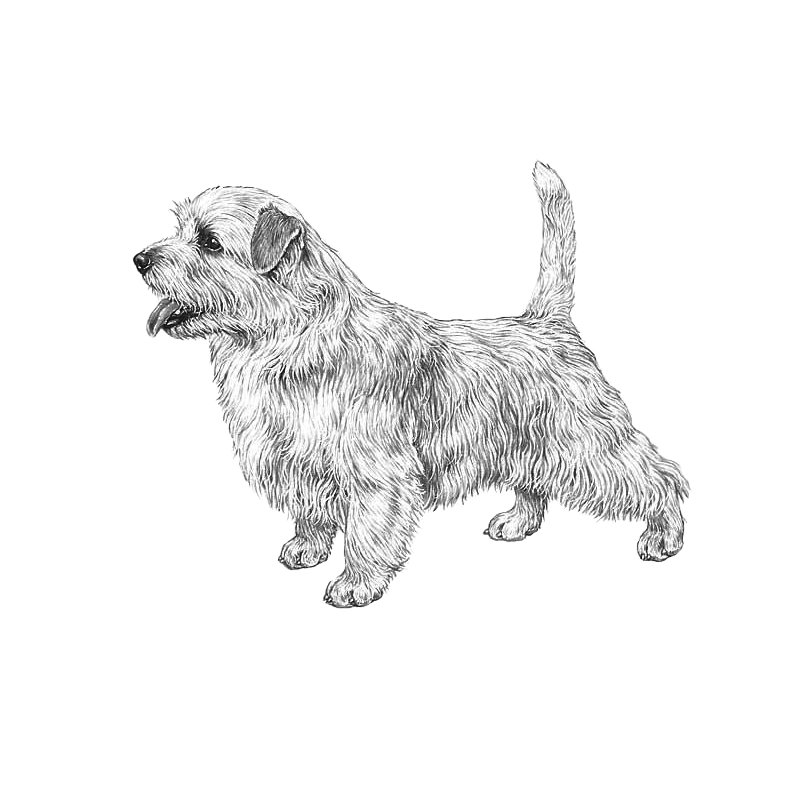
Prior to gaining recognition as an independent breed in 1960, it was a variety of theNorwich Terrier, distinguished from the "prick eared" Norwich by its "drop ears" (or folded ears). Together, the Norfolk and Norwich Terriers are the smallest of the working terriers.
-
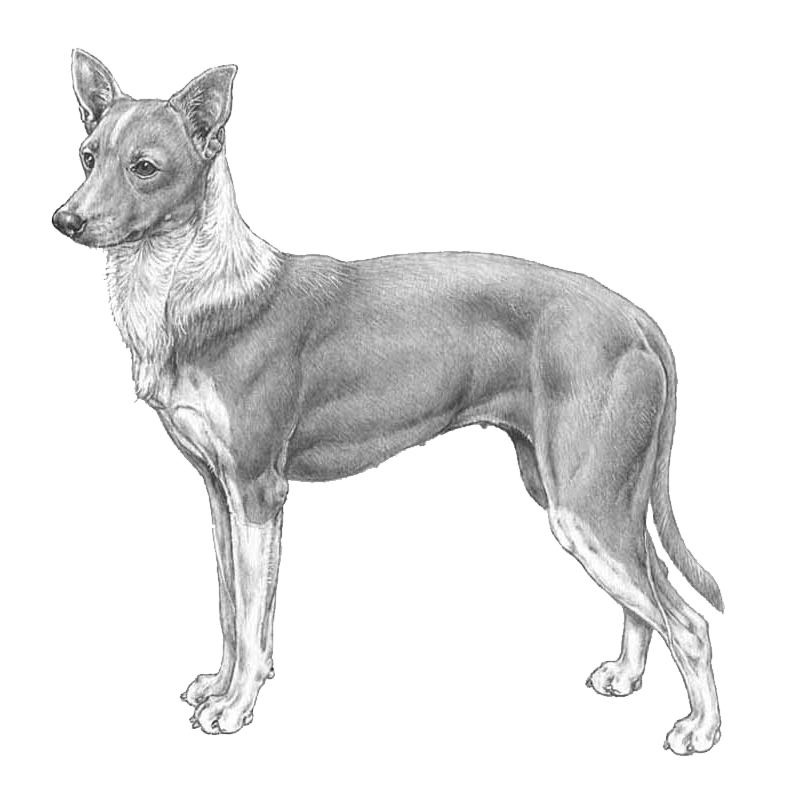
The Portuguese Podengo is an ancient multi-sensory hound breed of dog from Portugal. As a breed, the Podengo is divided into three size categories that are not interbred: small, medium and large.
-
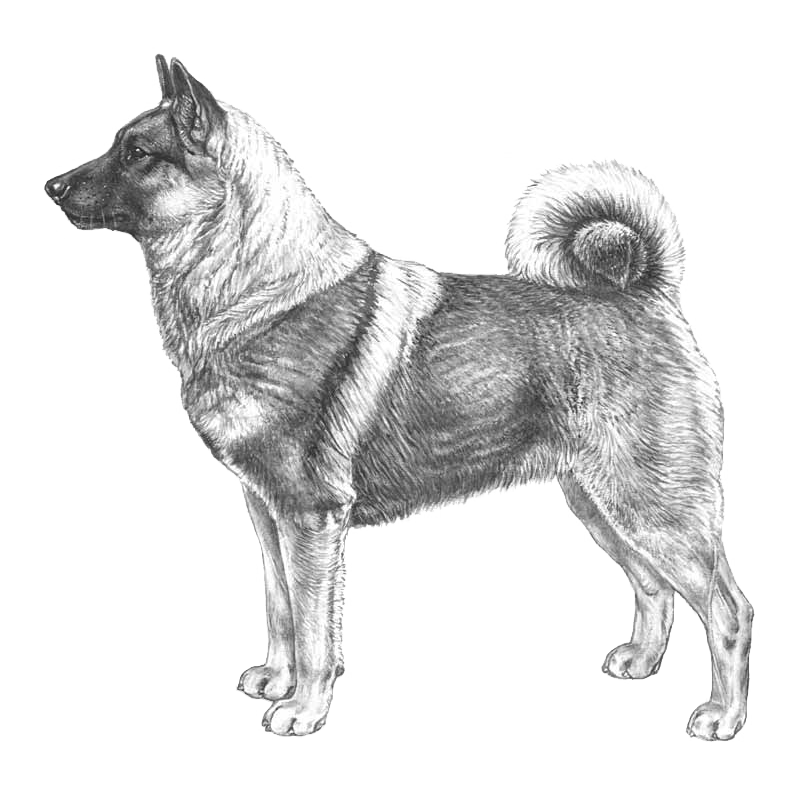
The Norwegian Elkhound is one of the ancient Northern Spitz-type breed of dog and is the National Dog of Norway. The Elkhound has served as a hunter, guardian, herder, and defender.
Source: Wikipedia
-
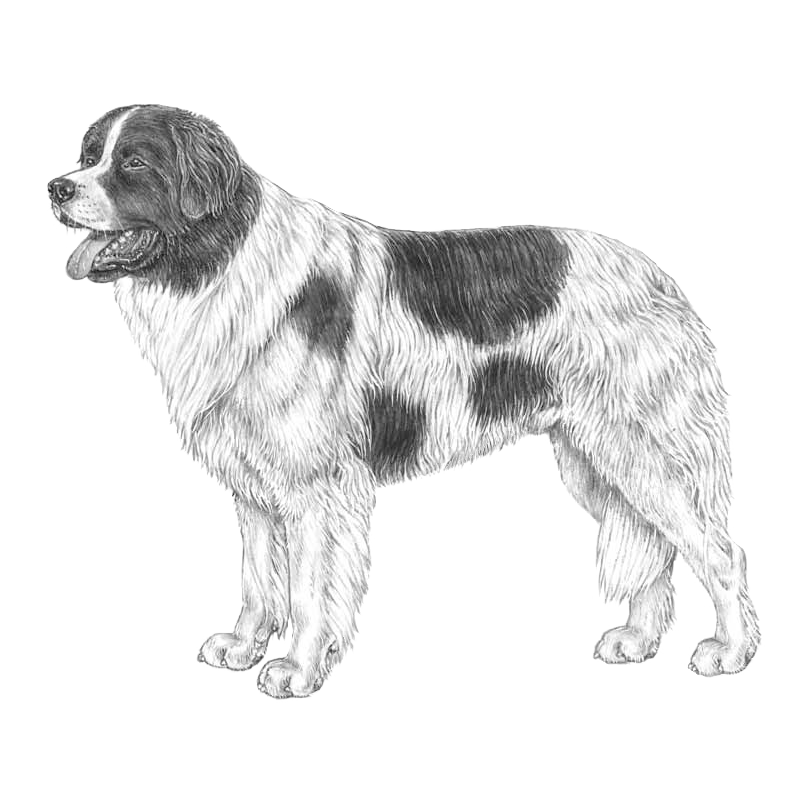 NOTE: LANDSEER ECT is not the same breed of dog as the black and white 'Landseer' Newfoundland Newfoundland - Landseer History Newfoundland, Landseer or both? Actually, there are 3 versions: The American Newfoundland Landseer, the European Newfoundland Landseer and the European Landseer ECT. The USA (AKC) recognizes both European and American Newfoundland Landseers but does not recognize the 3rd version, the Landseer ECT, as a version of the Newfoundland or even as a b
The Federation Cynologique Internationale (FCI) recognized the Landseer as a distinct breed in 1960. In countries not affiliated with the FCI, such as Canada, the U.S. and the UK, the white and black Newfoundland is still referred to as a Landseer (descriptive); everywhere else, it is a white and black Newfoundland. Between 1945 and 1960 the Landseer Continental Type was bred as a part of the Newfoundland Clubs in Europe. As the dogs had many differences to the Newfoundland and the popularity of the Landseer ECT grew, the breed was recognized as a separate breed.
Source Wiki: https://en.wikipedia.org/wiki/Landseer_%28dog%29
-
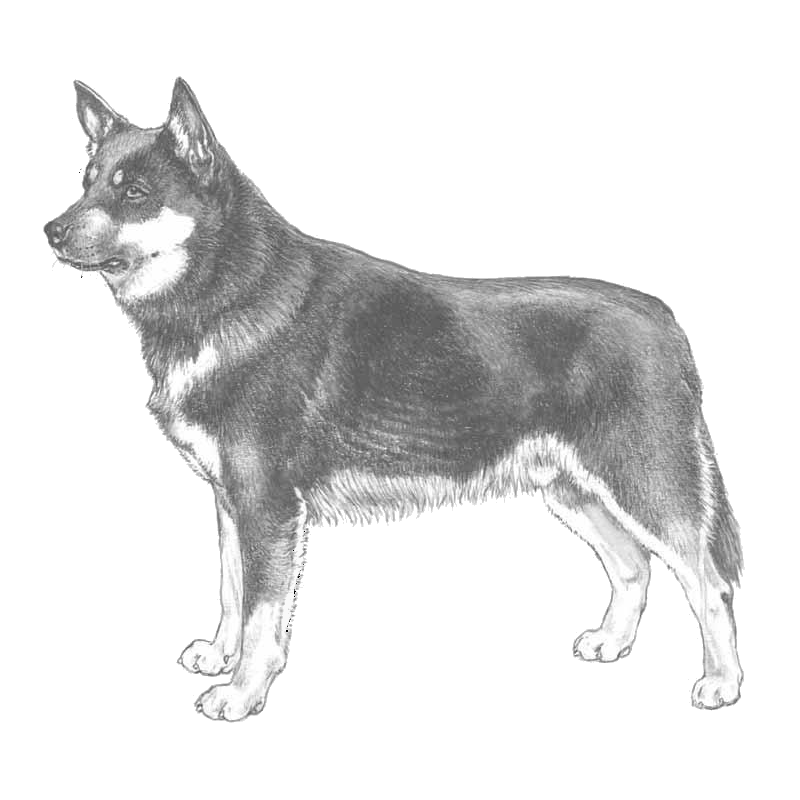
The Lapponian Herder has a good temperament; it is calm, quick to learn, energetic and eager to serve. It barks a lot when working. It is friendly to people, but not suited to be a companion dog only because it demands action as well. It can handle being outdoors all the time.
From: Kennelliito (The Finnish Kennel Club, IPFD Founding Partner) Native Breeds: Lapponian Herder
-
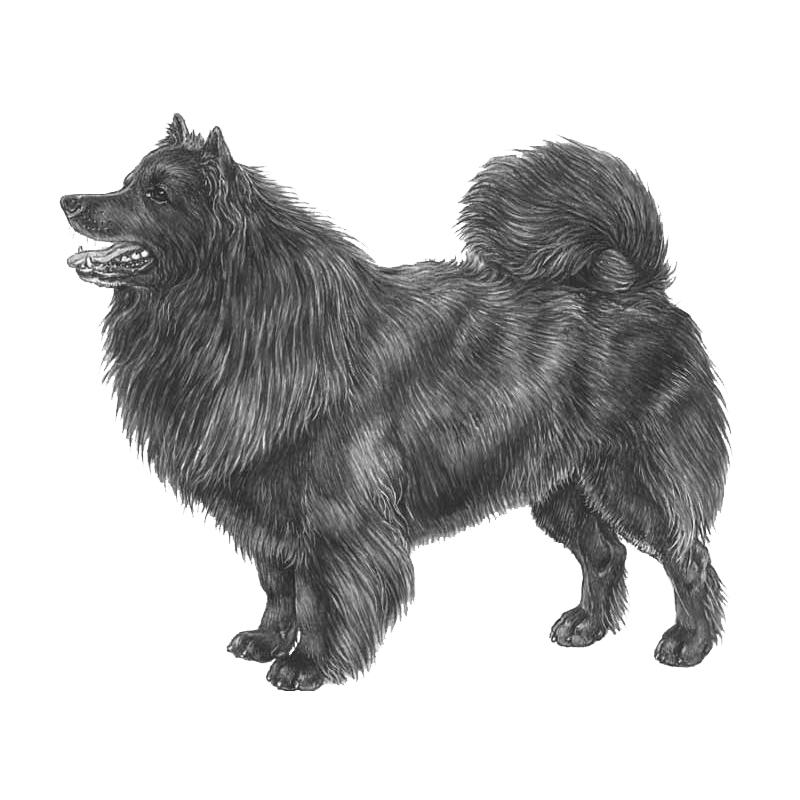
The Lapphunds are mainly known as the reindeer-herder but they were originally used as hunting dogs. The rearing of reindeer in a businesslike manner is relatively new. Most probably it was the Sami tribes that long ago brought the dogs with them to the Northern parts of Scandinavia. The authentic Lapphund was facing extinction in the beginning of the 20th century.
Source: Swedish breeds of dogs: http://www.skk.se/global/dokument/hundrasguiden/svenska-raser.pdf
The Swedish Lapphund is the oldest of the native Swedish breeds with a history dating back thousands of years. Believed to be descended from the ancient Nordic spitz, it is one of the oldest known breeds in existence today.
-
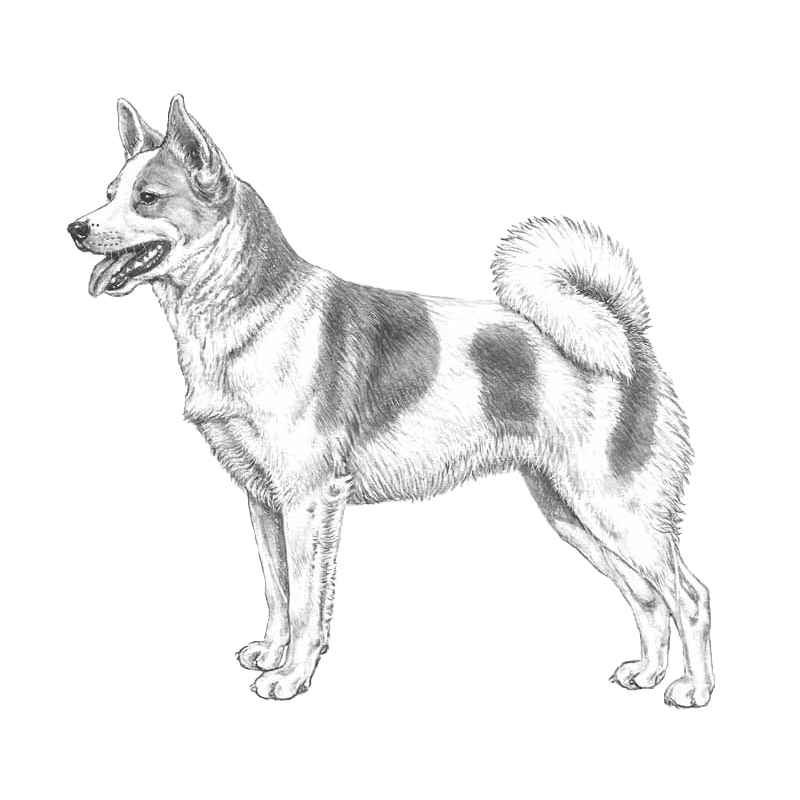
It is believed that the little spitz from the North Bothnia area originates from small laikas that in prehistoric time lived with hunting tribes at the Nordkalotten. It has survived through selective laws of nature where survival of the fittest is the code, hence only the really good hunting dogs had a chance. The breed is foremost known as an excellent hunting dog for forest birds. The Swedish Kennel Club registers ca 100 Norrbottenspets yearly.
Source: http://www.skk.se/Global/Dokument/Hundrasguiden/Svenska-raser.pdf?epslanguage=sv
-
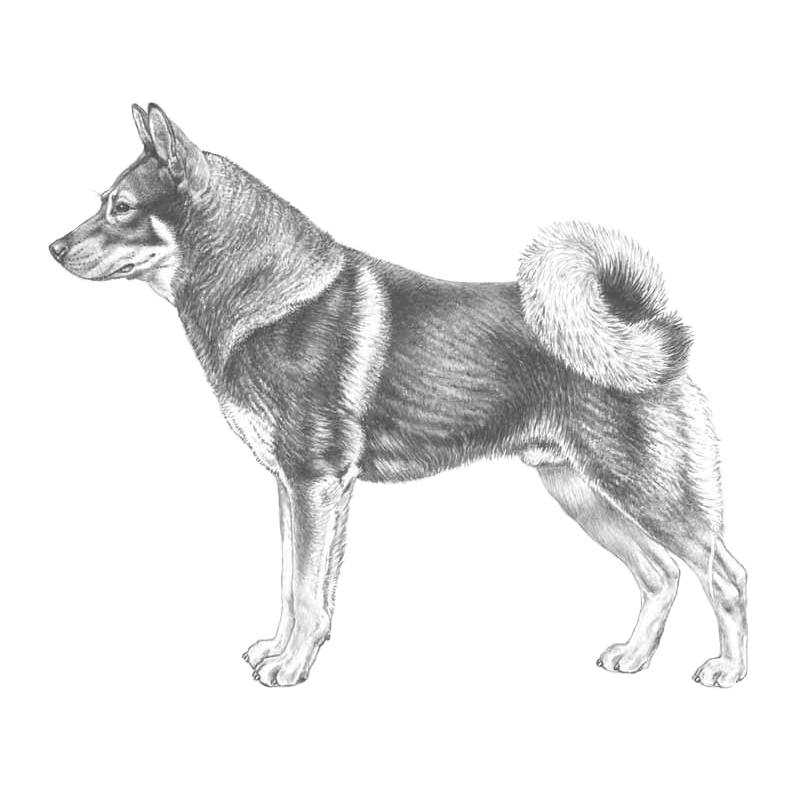
The Jämthund derives from a large hunting spitz found in the Forest region of the North barrier of Scandinavia and Russia. These spitzs’ probably came with the hunting tribes that migrated to Sweden thousands of years ago. Two types of wolf coloured spitz have been recognised in Scandinavia. The Norwegians decided in 1877 that the smaller was to be called Norwegian Elkhound. The large variety that was mainly known in the Swedish county of Jämtland did not match the standard for Elkhound on several points, especially not for size.
Source: SKK
-
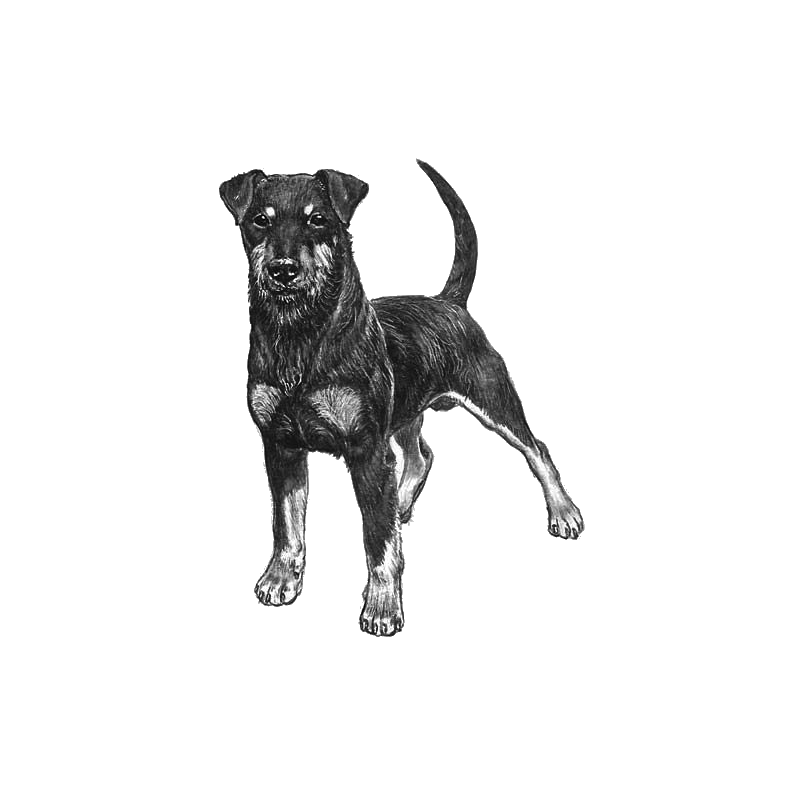
Versatile hunting dog, suited in particular for the hunt under the ground and as a flushing dog. A smallish, generally black and tan, compact, well proportioned working hunting dog. Courageous and hard, takes pleasure in work, enduring, vital, full of temperament, reliable, sociable and trainable, neither shy or aggressive. The German Hunting Terrier is breed developed and maintained for its usefulness as a hunting dog, steadiness of character, courage and drive.
Source: http://www.djt-club.de/der-djt/rassestandard/englisch.html & the F.C.I. Breed Standard http://www.fci.be/Nomenclature/Standards/103g03-en.pdf
-
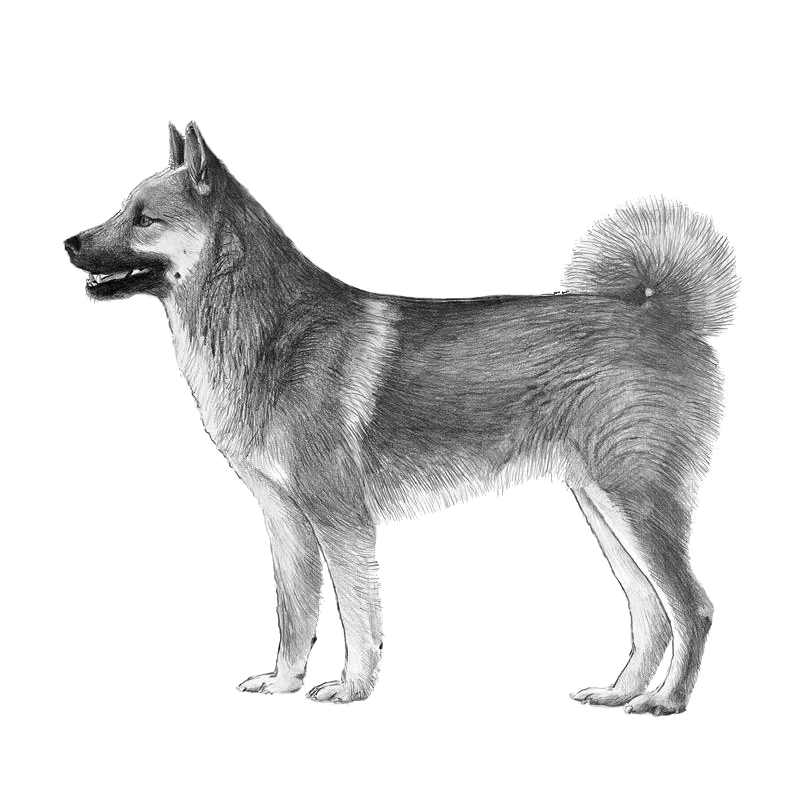
The Hällefors Elkhound is a medium-sized, rectangular Spitz with either a sickle or curly tail.
Source: https://en.wikipedia.org/wiki/Hällefors_Elkhound
(Google translate) The appearance and the emergence of the dogs that today are part of hällefors breed took place in parallel with the strong growth of the moose population that occurred during the 1930s in some areas of Värmland and Västmanland... Parts of the forest staff who were employed at Hellefors Bruks AB had, therefore, during the period 1935-1955 elk hunting as one of its main tasks during the autumn. A task usually performed as a one-man hunting with a capable löshund.
The need for good hunting dogs along with a rapidly growing moose population is the foundation on which hällefors dog's creation rests.Source: Hällefors Dog Club - https://www.halleforshunden.org/historia
Kept as a hunting and tracking dog of elk, wild boar, bear and badgers, the breed is active and durable in the field. This breed is not recognized by the FCI.
-
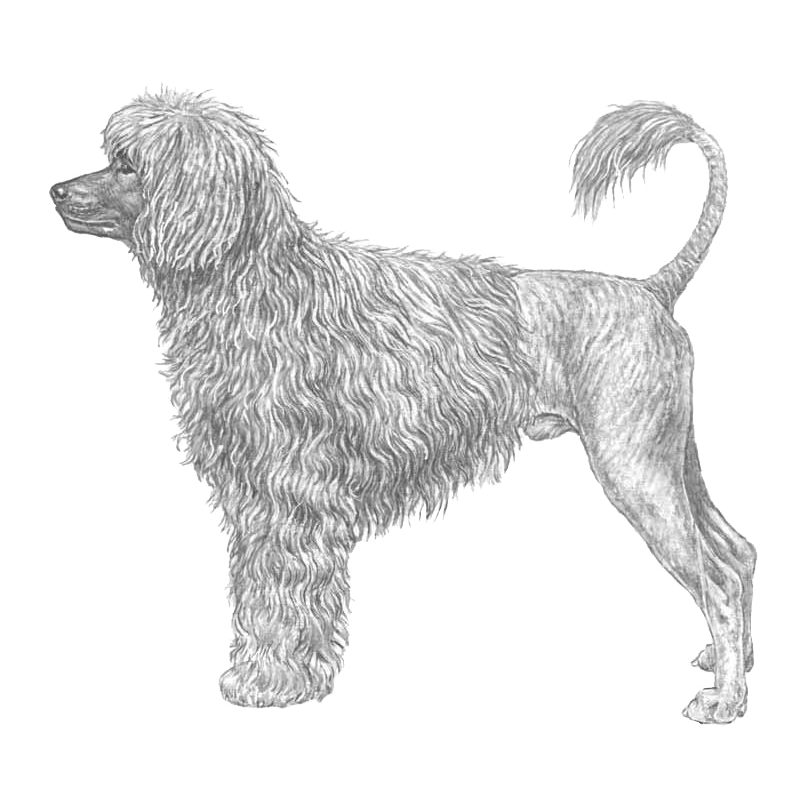
Portuguese Water Dogs are originally from the Portuguese region of the Algarve, from where the breed expanded to all around Portugal's coast, where they were taught to herd fish into fishermen's nets, to retrieve lost tackle or broken nets, and to act as couriers from ship to ship, or ship to shore.
-
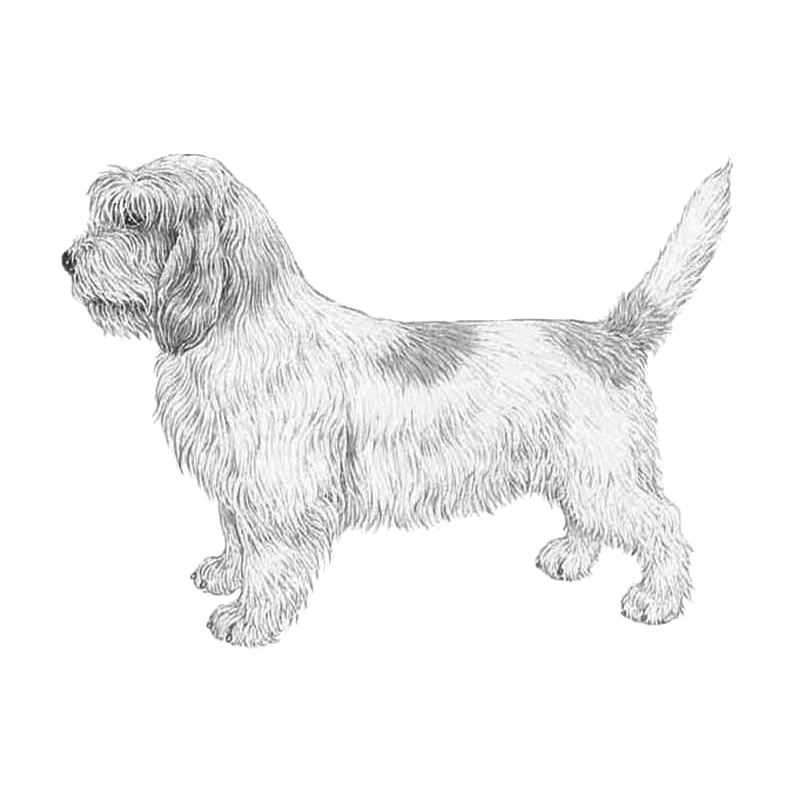
The Petit Basset Griffon Vendéen or PBGV, is a breed of dog of the scent hound type, bred to trail hares in bramble-filled terrain of the Vendée district of France.
Source: https://en.wikipedia.org/wiki/Petit_Basset_Griffon_Vendéen
-
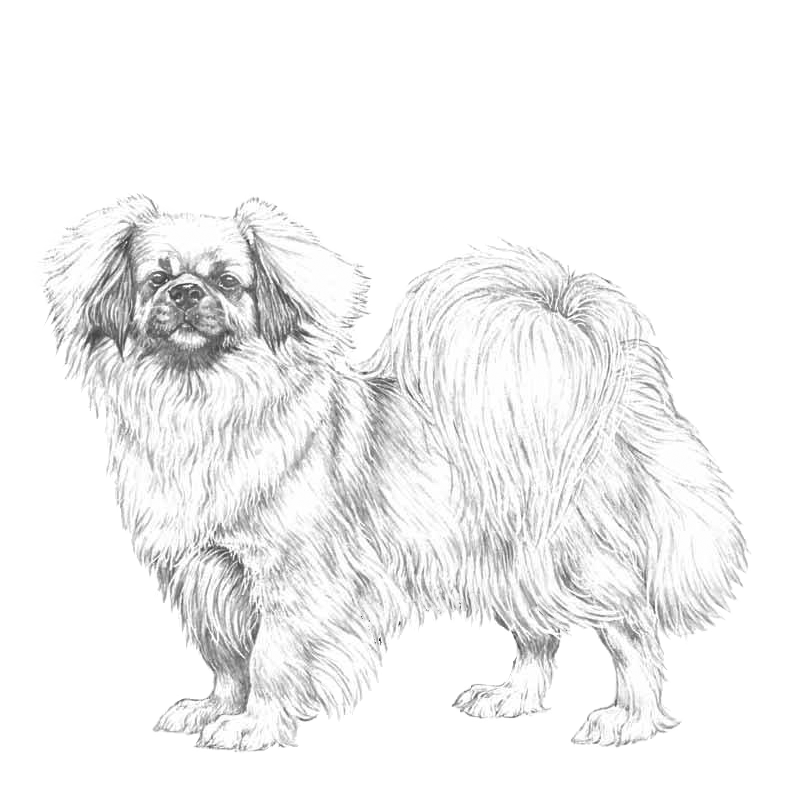
The Tibetan Spaniel is a breed of assertive, small, intelligent dogs originating over 2,500 years ago in the Himalayan mountains of Tibet. They share ancestry with the Pekingese, Japanese Chin, Shih Tzu, Lhasa Apso, Tibetan Terrier and Pug.
-
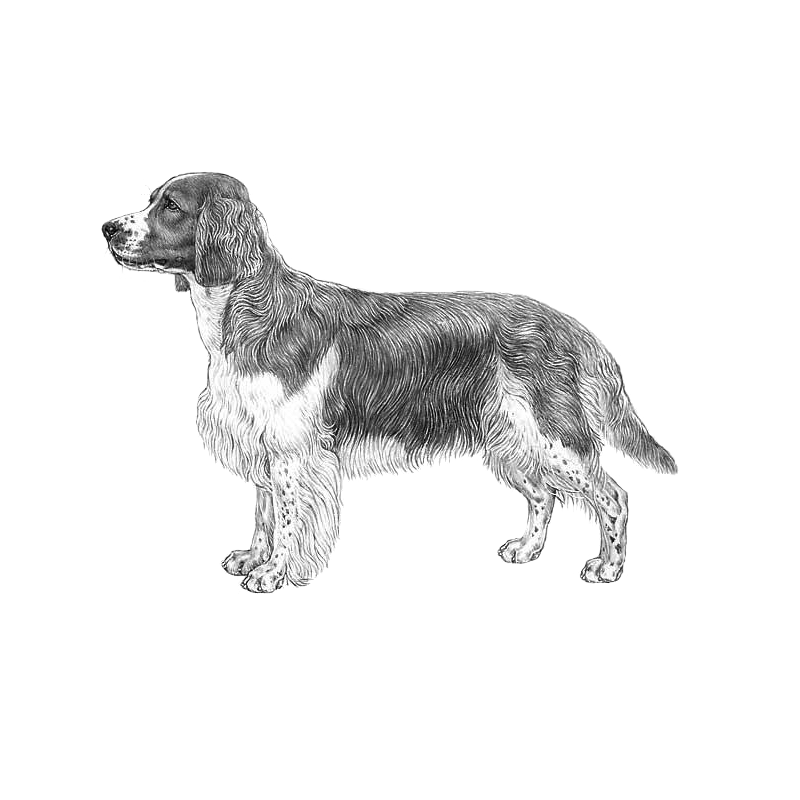
Thought to be comparable to the old Land Spaniel, they are similar to the English Springer Spaniel and historically have been referred to as both the Welsh Spaniel and the Welsh Cocker Spaniel.
Source: https://en.wikipedia.org/wiki/Welsh_Springer_Spaniel
-
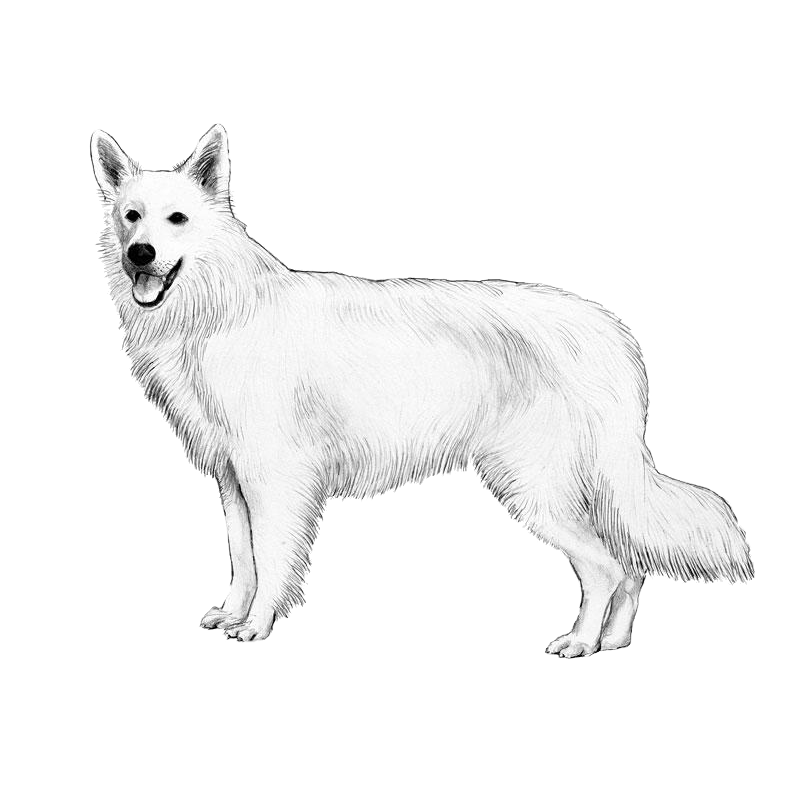
The Berger Blanc Suisse (English: White Swiss Shepherd, German: Weisser Schweizer Schäferhund, Italian: Pastore Svizzero Bianco) is a breed of dog from Switzerland. It is of the same origins as the White Shepherd and the German Shepherd Dog, and has been recognized as a separate breed by the FCI.
-
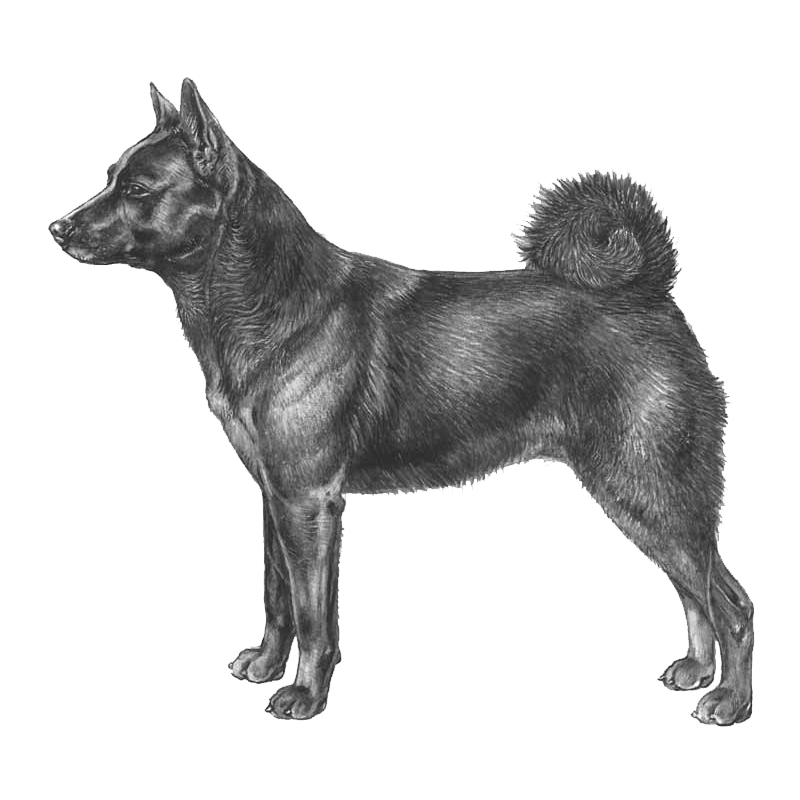
The Black Norwegian Elkhound, a native breed of Norway, is a typical spitz-type dog and the smallest of the elkhounds. It is a calm, devoted dog that forms close bonds with family members.
Source: http://web2.nkk.no/en/about_nkk/norwegian_breeds/ (Internet Archives)
-
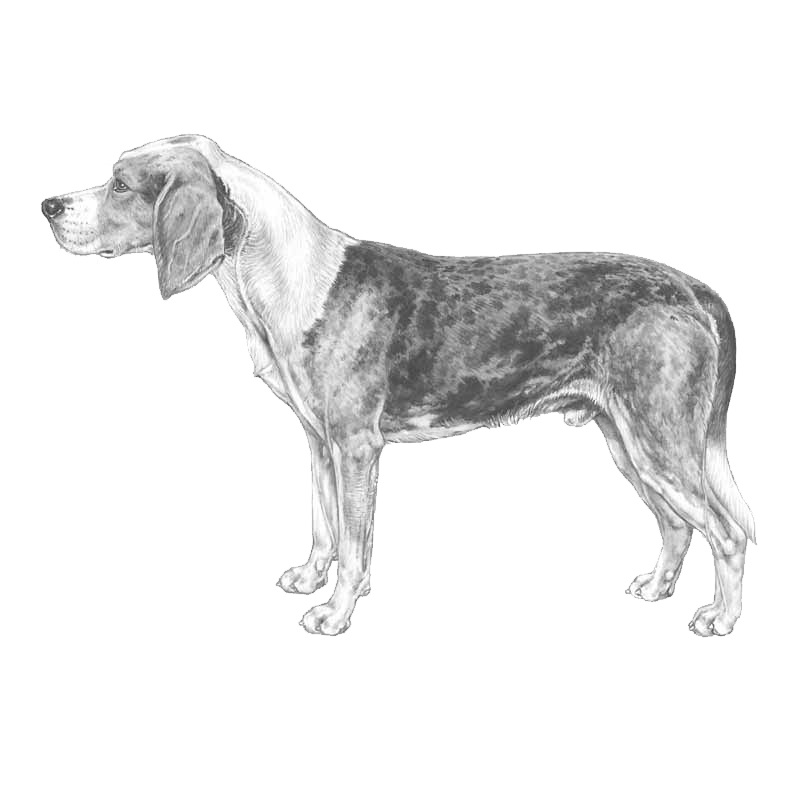
The Norwegian Hound is considered to be a good scent hound. It cooperates closely and well with its owner in the woods and bays on the trail. Breeding efforts have always aimed at strengthening the best characteristics of the old Norwe-gian scent hound, which was a hardy and robust dog with an excellent temperament. Today’s hunters especially call attention to the breed’s strong paws. These tolerate ice and crusty snow much better than the feet of other scent hounds.
Source: http://www.skogoglandskap.no/filearchive/native_dog_breeds_norway.pdf
-
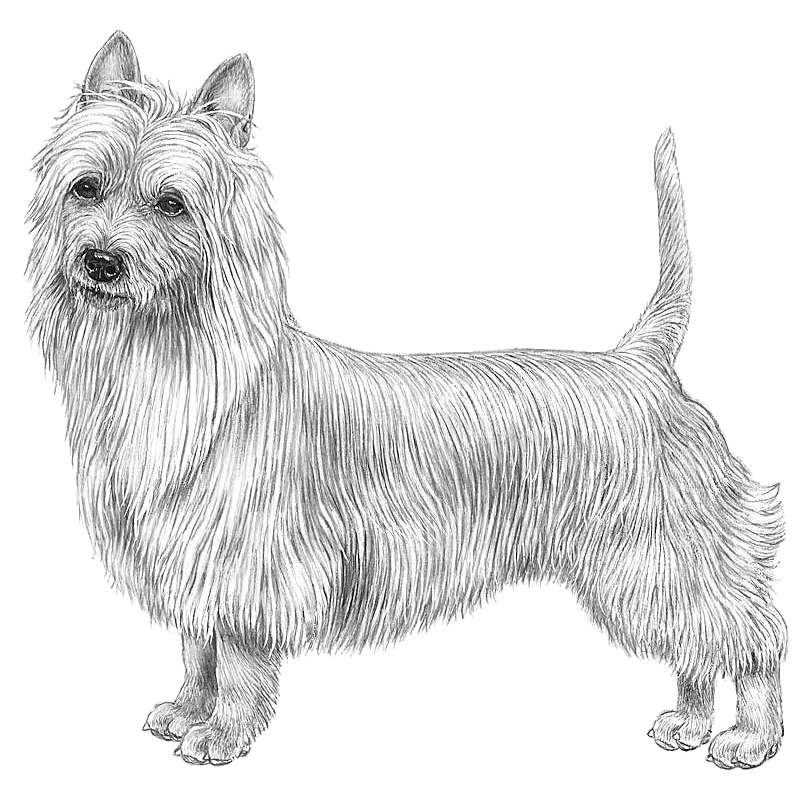
The Australian Terrier, one of the smallest of the working Terriers, was bred to be both a helper and companion in rough times and terrain. A native dog (known as the "rough-coated terrier") and a close relative of the old Scotch dog of Great Britain (not to be confused with the present-day Scottish Terrier) are believed to have been cross-bred with a number of other breeds of British stock to produce the fast, sturdy, weather-resistant and fearless little dog that the settlers needed as they expanded the frontiers of their country.
Source: Australian Terrier Club
-
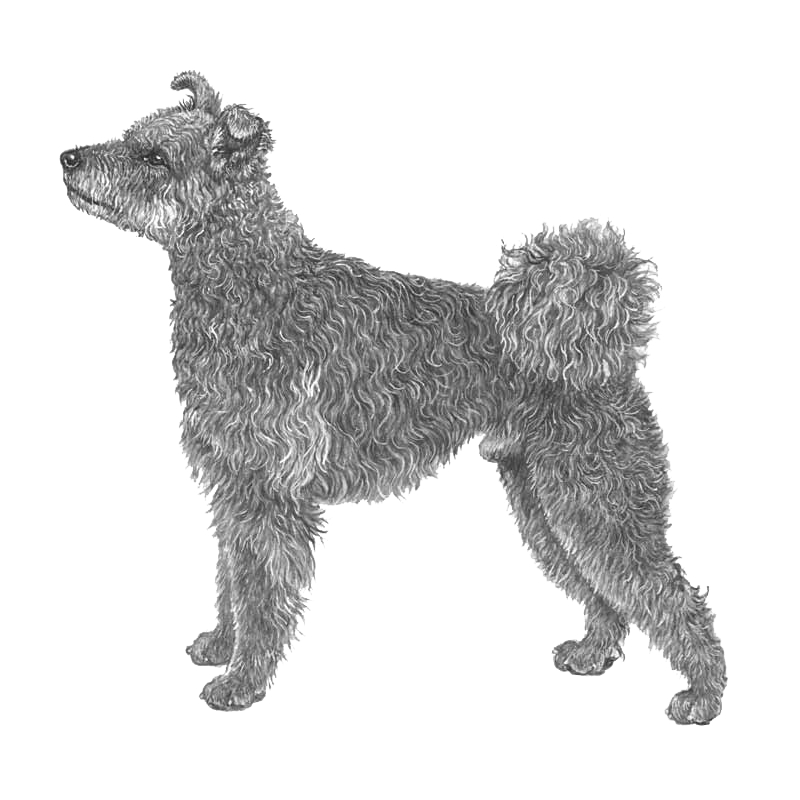
The Pumi is an active dog, combining the biddability and intelligence of the herding dog along with the alertness and activity of a terrier. Because they are intelligent, they need daily work to do, whether it’s herding, obedience, flyball, jogging, or chasing tennis balls.
Source: Hungarian Pumi Club of America
-
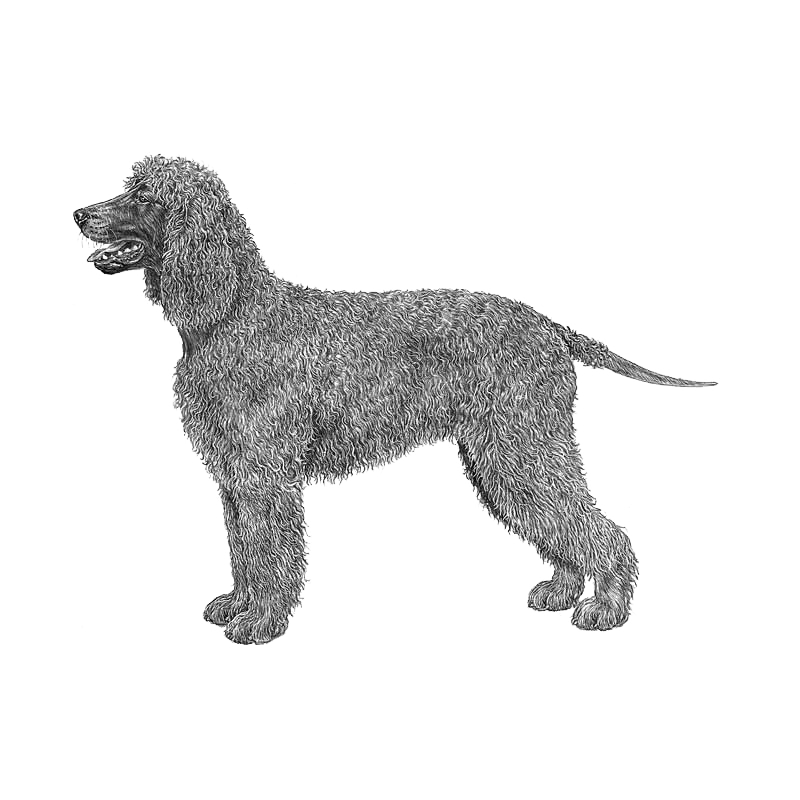
There is no real evidence of the ancestry of the Irish Water Spaniel except in its most peculiar feature-the rat tail. This feature appears in no similar dog and makes it very likely that the modern breed had an indigenous Irish ancestor. The tail has given rise to the names “ Whip Tail” and “ Rat Tail”.
(Source: Irish Kennel Club)
-
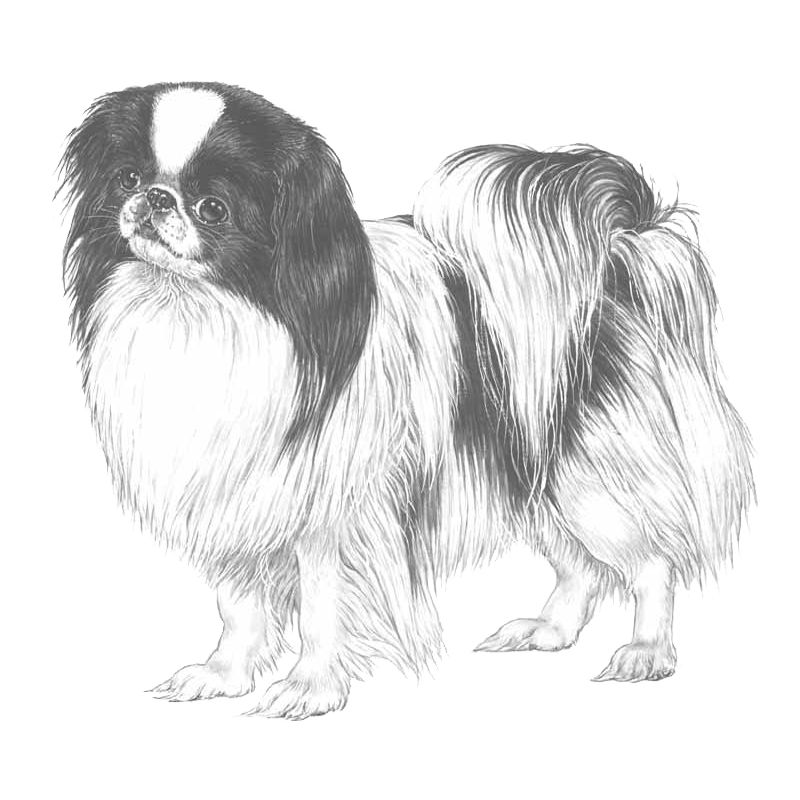
The Japanese Chin, also known as the Japanese Spaniel, is a dog acknowledged for its importance to Japanese nobility. It is also known for its strabismus of the eyes.
-
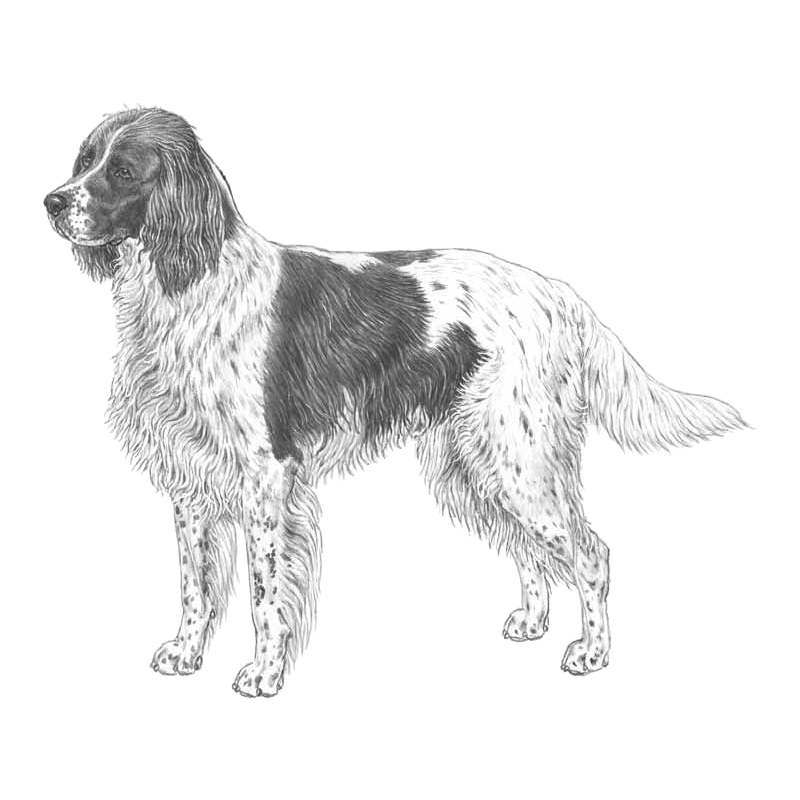
The French Spaniel (Epagneul Français) was developed in France as a hunting dog, descended from dogs of the 14th century.
(Source: AKC)
-
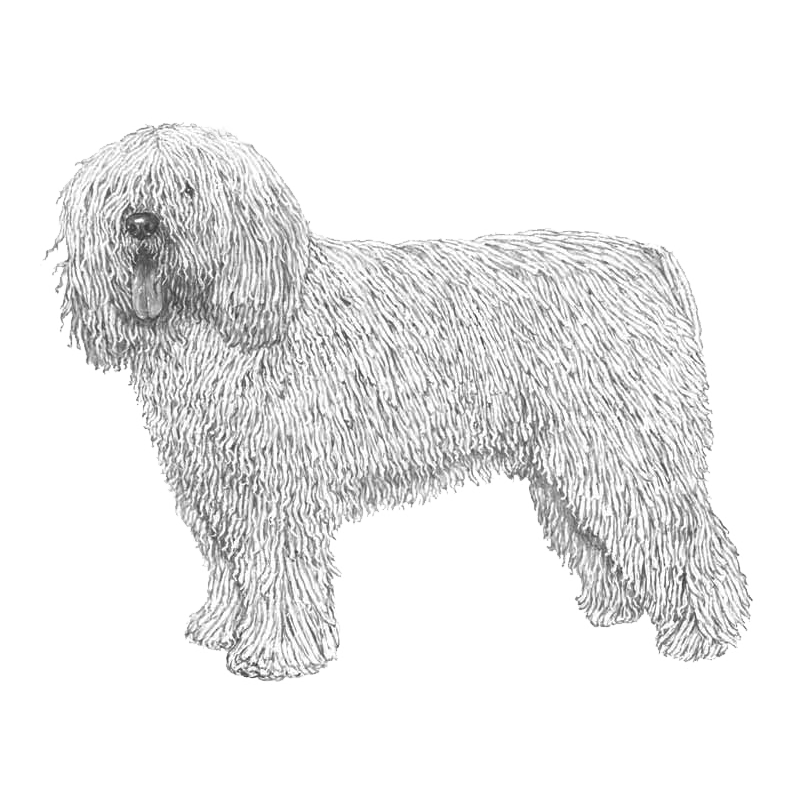
Although the Spanish Water Dog was primarily a retriever of wildfowl, he has also traditionally been used as a herder of sheep. His thick coat, a feature of the breed, requires clipping once or twice each year.
(Source: The Kennel Club)
-
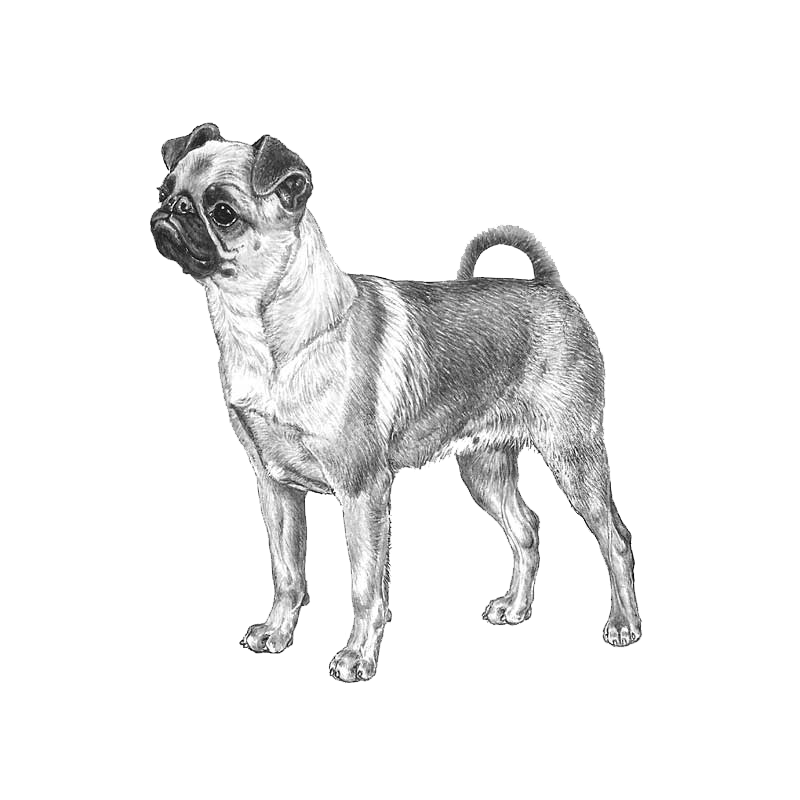
The Petit Brabançon is a small companion breed that was originally developed from ratters working in the stables of Belgian carriage men. The Fédération Cynologique Internationale (FCI) recognize them as one of three different breeds of griffon from Belgium, the other two being Belgian Griffon and Brussels Griffon. The American Kennel Club and Kennel Club recognize all varieties as a single breed.
Source: Worldly Dogs
Breed variants should be treated as a breed. All three breeds can be paired with each other and can be born in the same litter. Griffon bruxellois, griffon belge and petit brabançon are only separated by color and coat: Griffon Bruxellois (Brussels Griffon)- Rough-haired / red; Griffon Belge (Belgian Griffon)
Shaggy / black or black and tan; Petit Brabancon short haired / red, black or black and tan
-
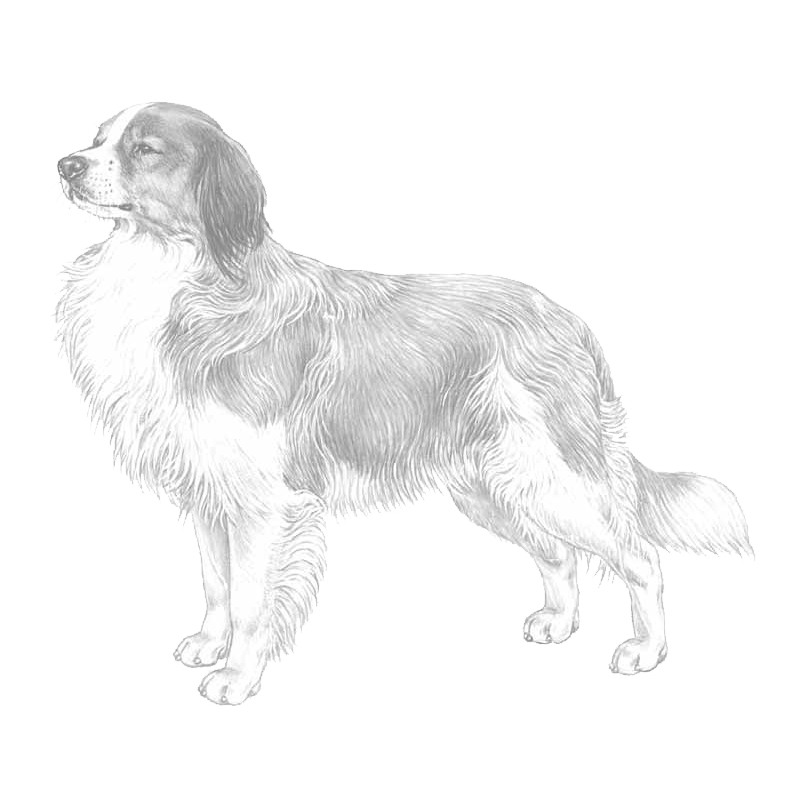
A Dutch breed which works with hunters as a decoy to attract ducks by waving its white plumed tail and lures them along streams where they are eventually trapped in nets. The orange/red of its parti-coloured coat is thought by some to be associated with the Royal House of Orange and Dutch historians tell of the ‘Kooiker’ which saved Prince William of Orange by barking loudly when intruders entered the royal chambers.
Source: https://www.thekennelclub.org.uk/services/public/breed/display.aspx?id=2170