






Pedigree Breeds
184 entries in this category
-
- Last comment date
- Title
- Start Date
- Most Commented
- Most Viewed
- Last Updated
- Publish Date
- Brief Description
- Content
- Links to Breed Descriptions
- Other Names for Breed
- Country of Origin and Parent Breed Club
- Health and Well-Being
- Breed-Specific Articles
- Breed Standards
- Breed-Specific Statistics
- Breeding/Health Strategy Documents
- Breed-Specific DNA Tests
- Other Breed-Specific Webpages
- Breed-Specific Research
- Breed Clubs
- Custom
-
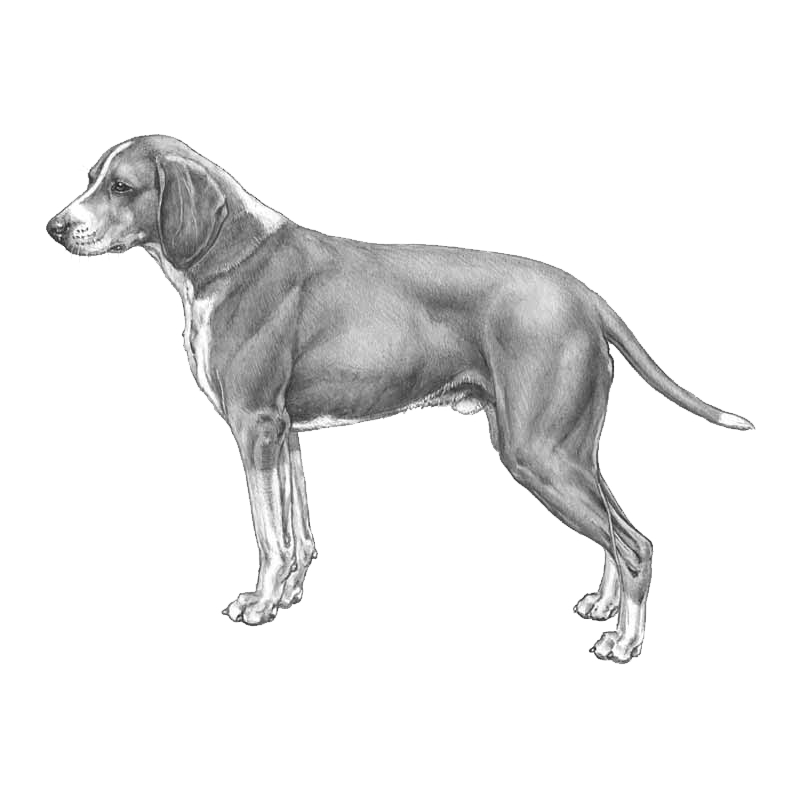
The Hygen Hound is a good scent hound with a friendly nature. The breed is eager to learn, starts to hunt at an early age and has a strong hunting desire. It is suitable as a family dog, as it usually is calm around people and easy to train.
Source: Native Dog Breeds of Norway native_dog_breeds_norway.pdf
-
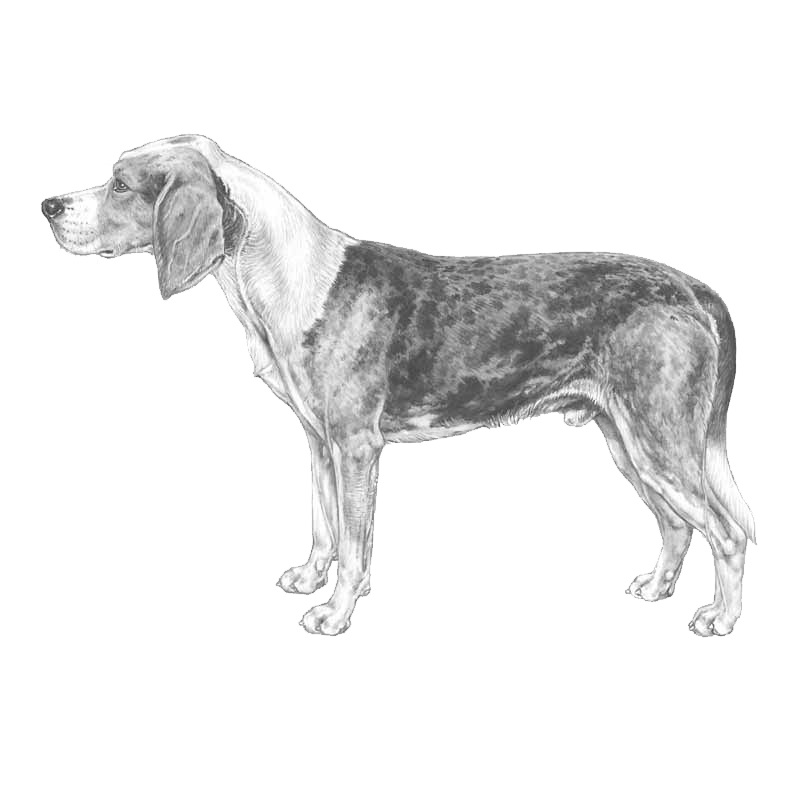
The Norwegian Hound is considered to be a good scent hound. It cooperates closely and well with its owner in the woods and bays on the trail. Breeding efforts have always aimed at strengthening the best characteristics of the old Norwe-gian scent hound, which was a hardy and robust dog with an excellent temperament. Today’s hunters especially call attention to the breed’s strong paws. These tolerate ice and crusty snow much better than the feet of other scent hounds.
Source: http://www.skogoglandskap.no/filearchive/native_dog_breeds_norway.pdf
-
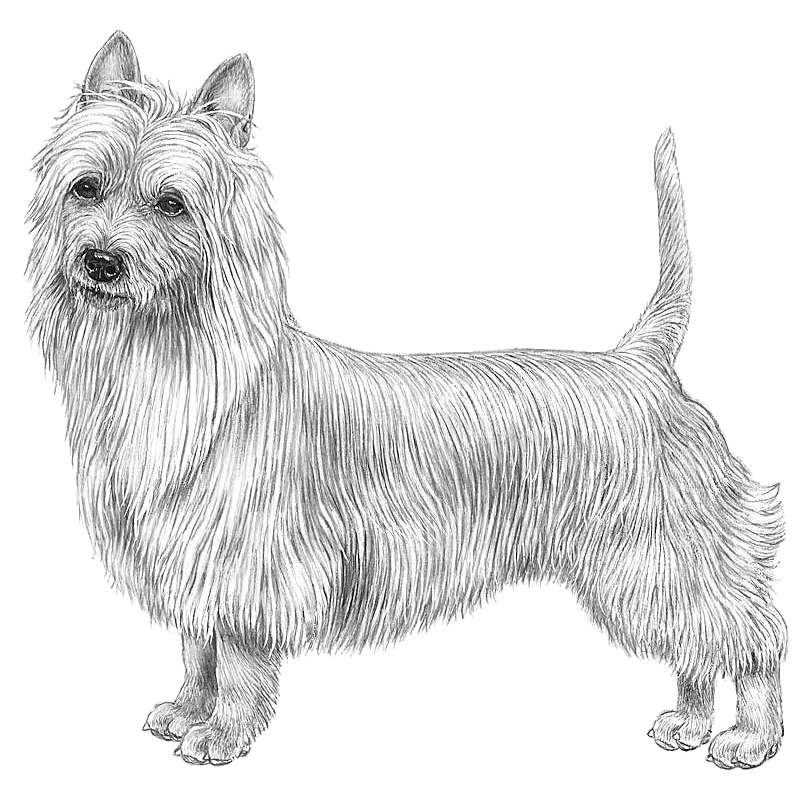
The Australian Terrier, one of the smallest of the working Terriers, was bred to be both a helper and companion in rough times and terrain. A native dog (known as the "rough-coated terrier") and a close relative of the old Scotch dog of Great Britain (not to be confused with the present-day Scottish Terrier) are believed to have been cross-bred with a number of other breeds of British stock to produce the fast, sturdy, weather-resistant and fearless little dog that the settlers needed as they expanded the frontiers of their country.
Source: Australian Terrier Club
-
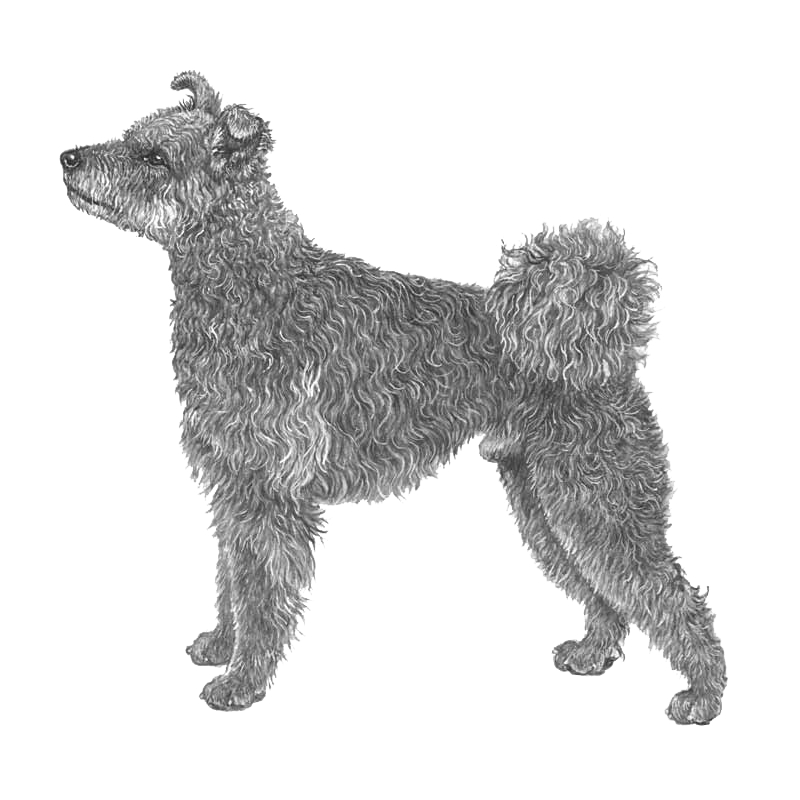
The Pumi is an active dog, combining the biddability and intelligence of the herding dog along with the alertness and activity of a terrier. Because they are intelligent, they need daily work to do, whether it’s herding, obedience, flyball, jogging, or chasing tennis balls.
Source: Hungarian Pumi Club of America
-
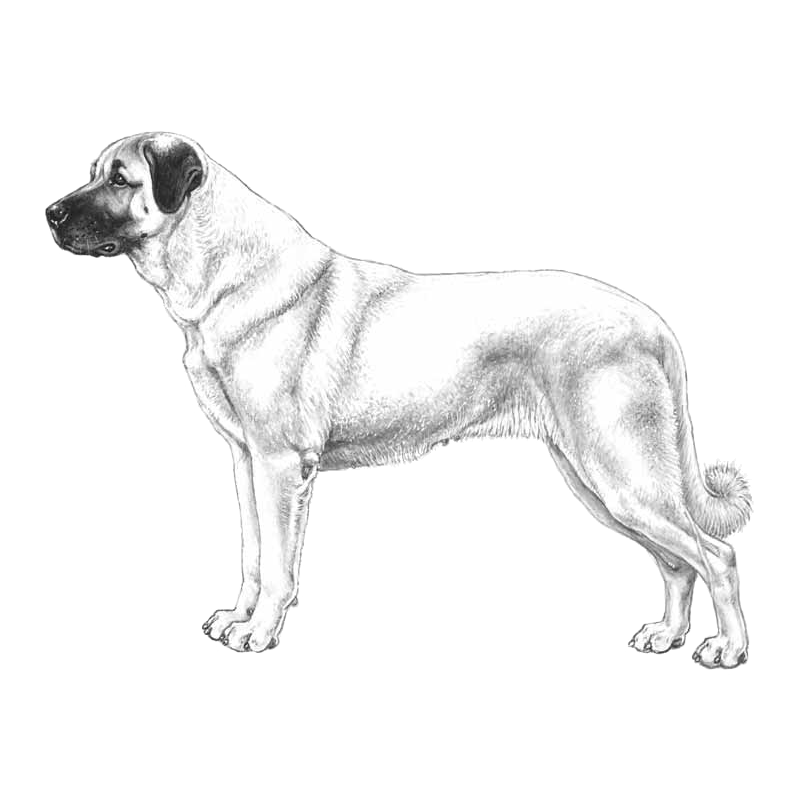
Large, rugged and powerful, the Anatolian Shepherd Dog is a working guard dog, possessing a superior ability to protect livestock. While not a "glamour" breed, the Anatolian's loyalty, independence and hardiness is cherished by breeders and owners.
Source: AKC
-
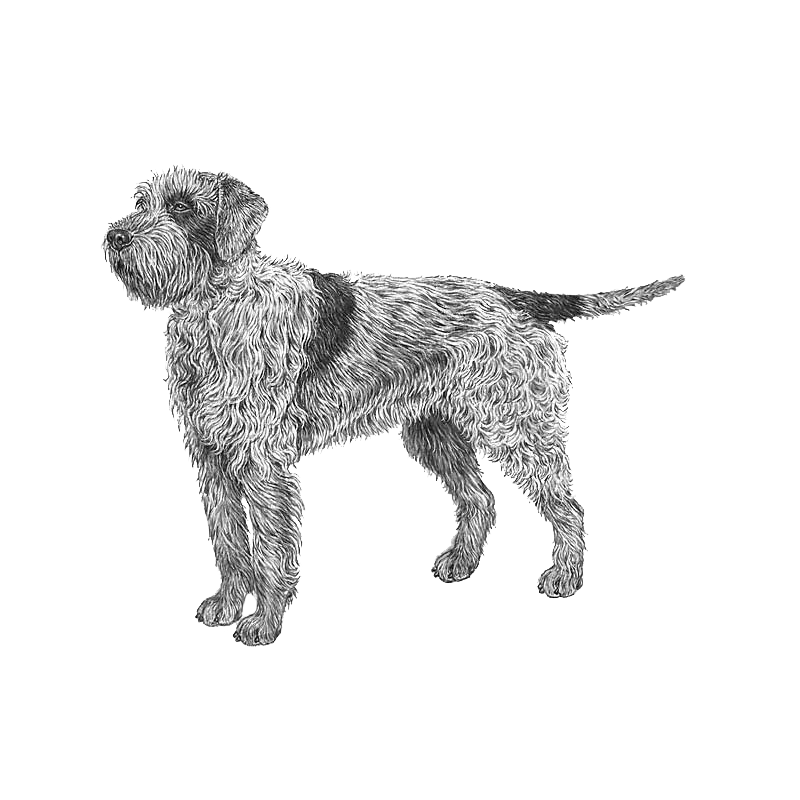
Medium sized and bred to cover all terrain encountered by the walking hunter, the Wirehaired Pointing Griffon has been called the "4-wheel drive of hunting dogs" as he will enter briars or underbrush without hesitation. Griffs excel equally as pointers in the field and as retrievers in the water. Their coarse double coat protects them in rough cover and gives them an unkempt appearance.
Source: AKC
-
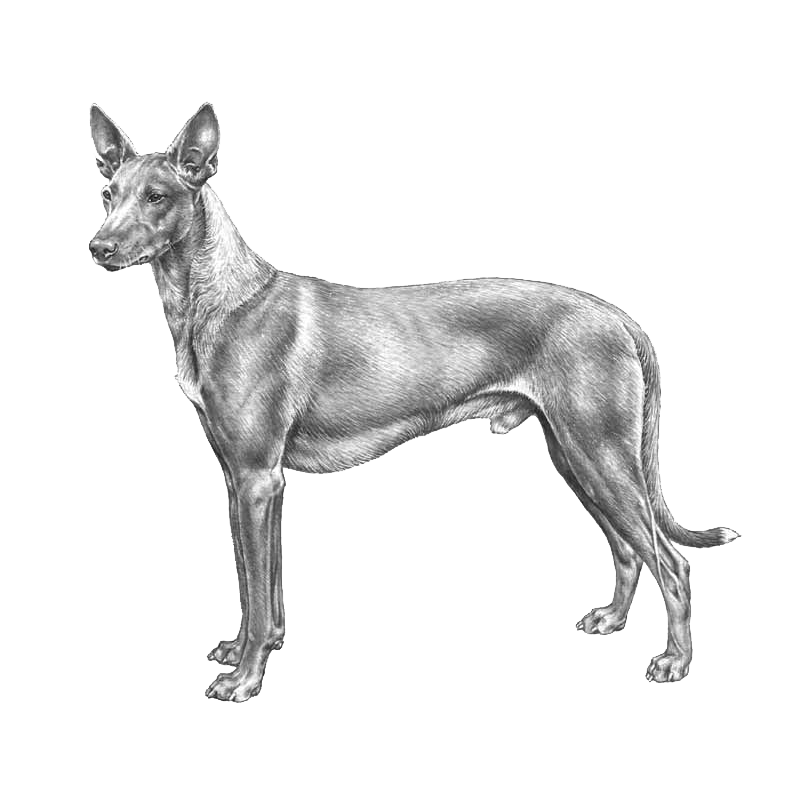
Medium-sized and of noble bearing, the Pharaoh Hound should be graceful, powerful, and above all - fast. Coat color can range from tan to chestnut to red golden, with white markings on the tip of the tail, chest, toes and on the center line of the face. A unique breed characteristic is their "blush" - when happy or excited, the nose and ears turn a deep rose color. Today, their willingness to please makes them excellent candidates for hunting, obedience and lure coursing.
-
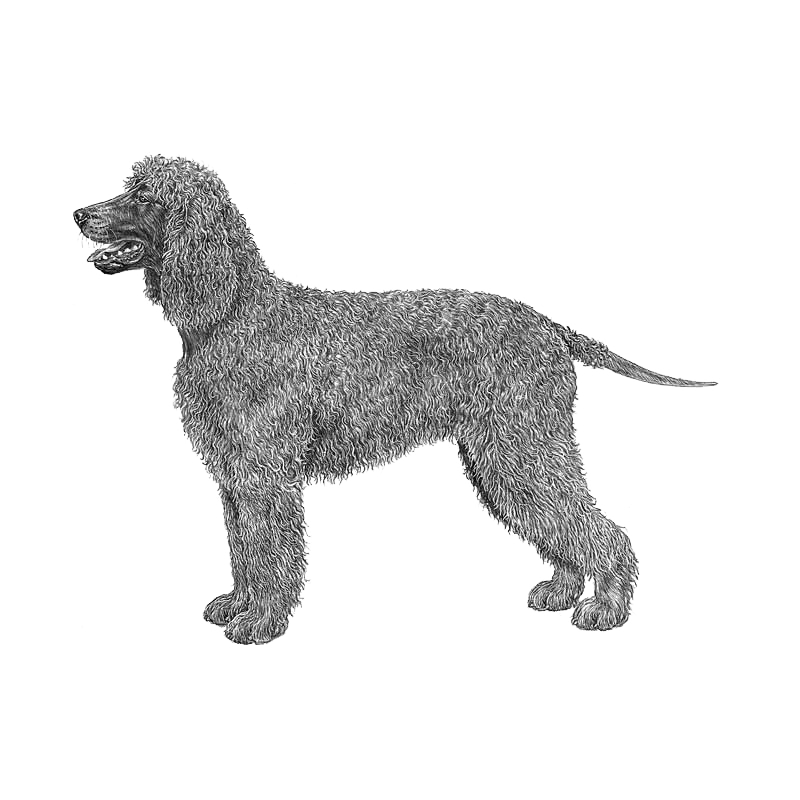
There is no real evidence of the ancestry of the Irish Water Spaniel except in its most peculiar feature-the rat tail. This feature appears in no similar dog and makes it very likely that the modern breed had an indigenous Irish ancestor. The tail has given rise to the names “ Whip Tail” and “ Rat Tail”.
(Source: Irish Kennel Club)
-
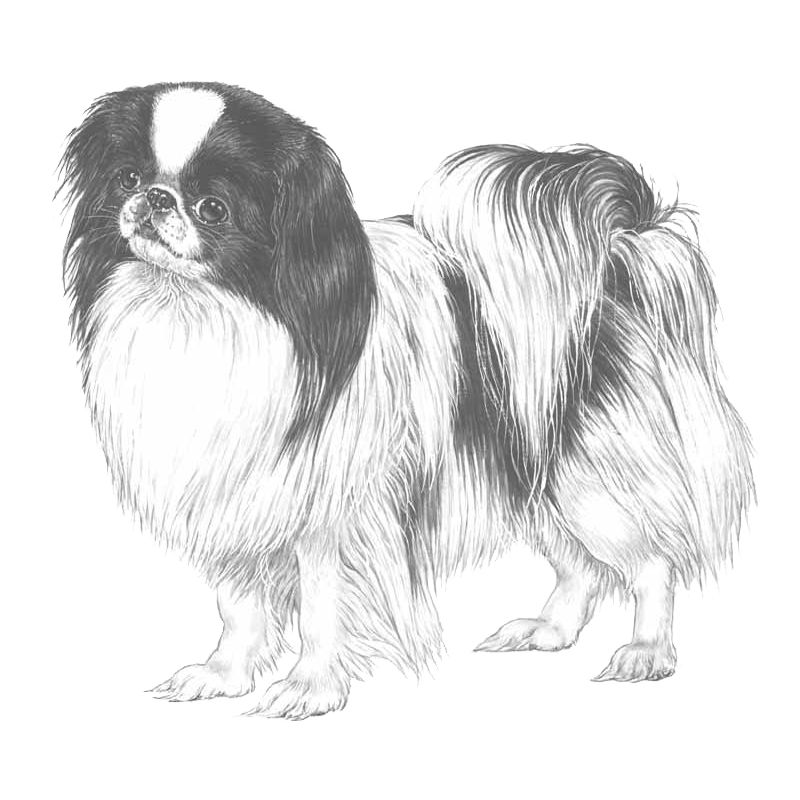
The Japanese Chin, also known as the Japanese Spaniel, is a dog acknowledged for its importance to Japanese nobility. It is also known for its strabismus of the eyes.
-
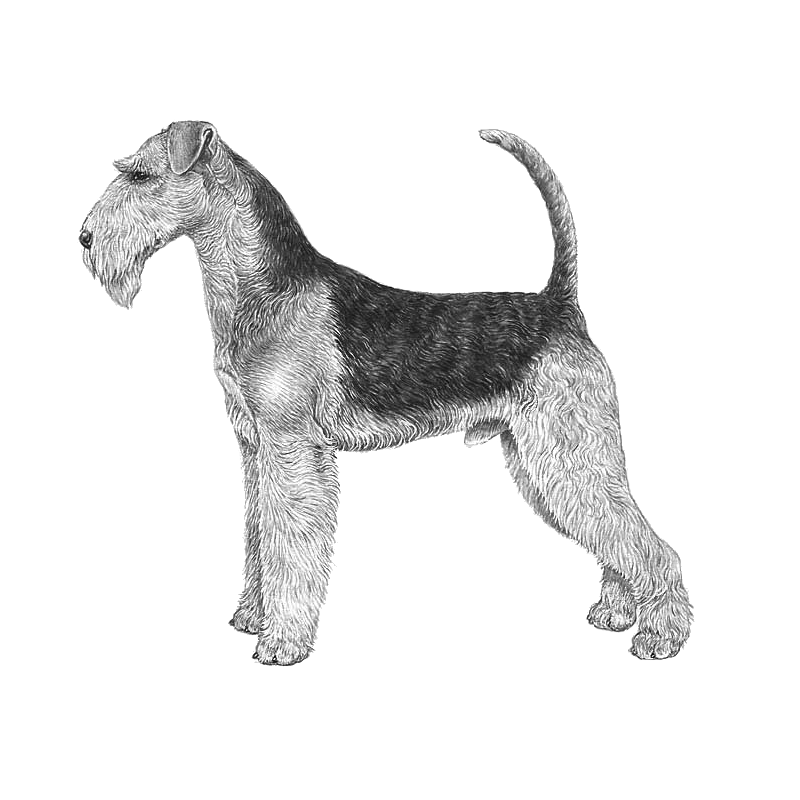
The King of the Terriers – a name he earns as the largest of the Terrier breeds, originated in Yorkshire, when a group of breed enthusiasts met to 'show' their terriers at Airedale Show – in the area around Ilkley. The breed was often known as the Waterside Terrier because of their working of the riverbanks to keep down vermin.
Source: The Kennel Club
-
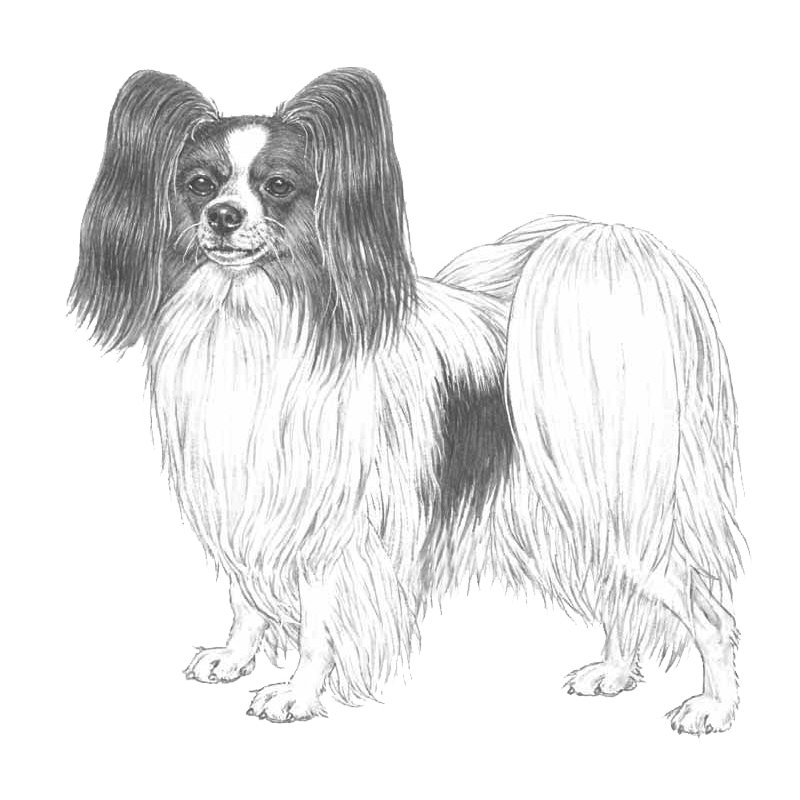
The Papillon, also called the Continental Toy Spaniel, is a breed of dog of the Spaniel type. One of the oldest of the toy spaniels, it derives its name from its characteristic butterfly-like look of the long and fringed hair on the ears, the French word for "butterfly" being papillon.
(Source: Wikipedia)
-
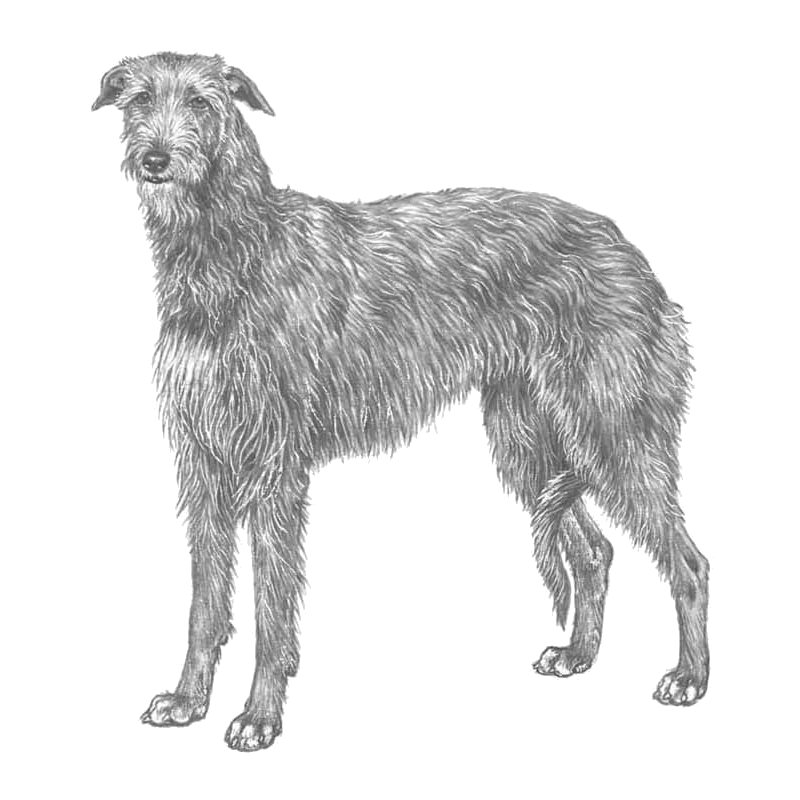
Large rough coated dogs of greyhound type have been known in Scotland for at least 500 years. Early in its history the breed was called the Scottish Wolfdog but as the wolf population began to disappear it was developed as a deer coursing breed.
-
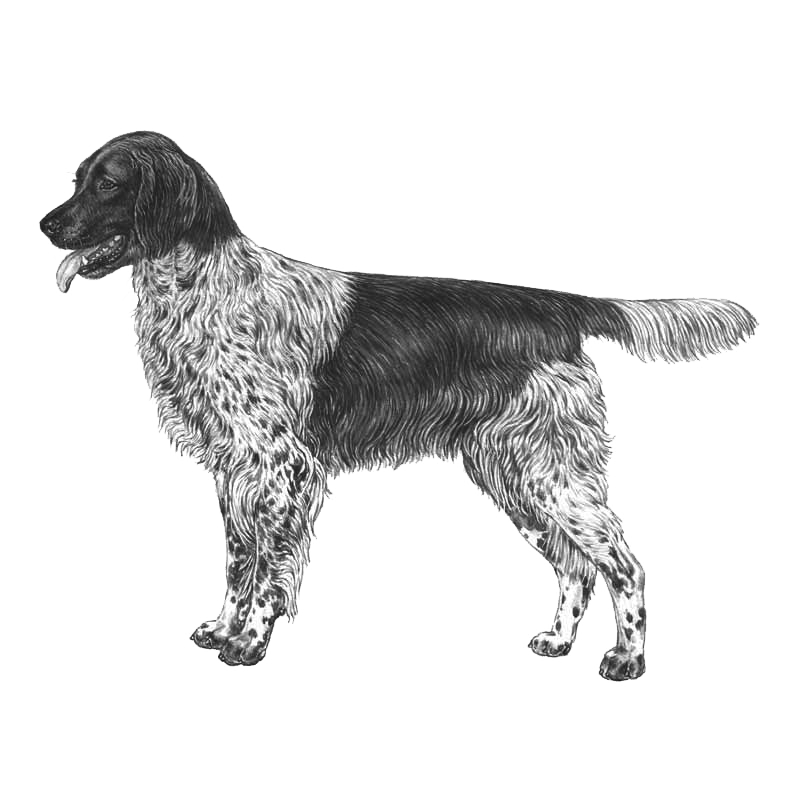
The Stabyhoun or Stabij is one of the top five rarest dog breeds in the world[1][2][3]. It is from Friesland and in particular from the Frisian forest area, a region in the southeast and east of Friesland. The breed has been mentioned in Dutch literature going back to the early 1800s, but has only extended its range from the 1960s outside of Friesland and not until the 2000s did the range officially extend beyond the Netherlands.
(Source: Wikipedia)
-
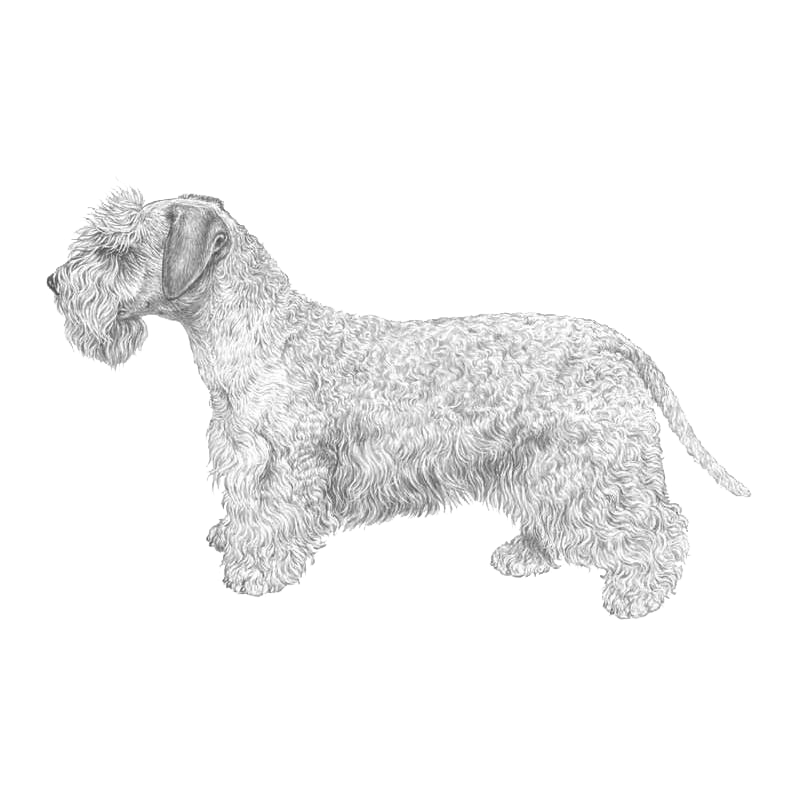
The Cesky Terrier was created by a Czech breeder, František Horák, in 1948, as a cross between a Sealyham Terrier and a Scottish Terrier, to create a terrier suitable for hunting in the forests of Bohemia.
Source: Wikipedia
-
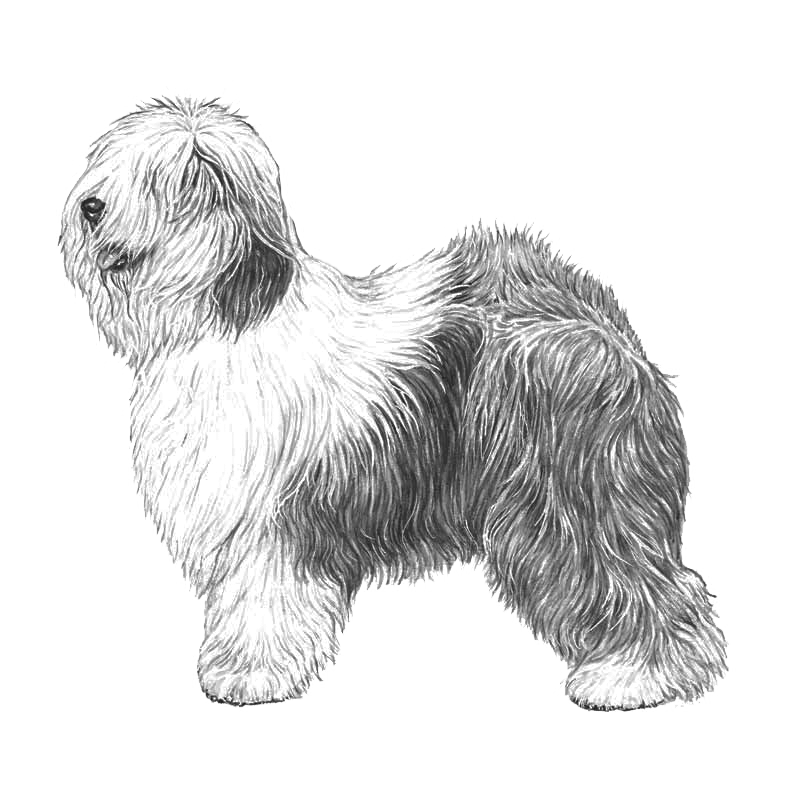
The Old English is the most substantial of sheepdogs, and underneath the glamour of a crisp blue and white coat, there should be a dog still fit for working with the flocks.
Source: The Kennel Club (UK)
-
 Russia’s premiere Toy Dog & one of the smallest dogs in the world.
The Russkiy Toy, in spite of its tiny, petite size and appearance is very active, agile and has an excellent character. They are best described as bold, fearless and rarely show signs of aggression. The breed has two Varieties: Short and Long Haired. Fast learners trained with great ease, Russkiy Toys are extremely sociable with adults and children alike, as well other varieties of pets. Extremely loyal, the perfect companion lap dog, they love to snuggle around you and will let you know when they feel neglected!
-
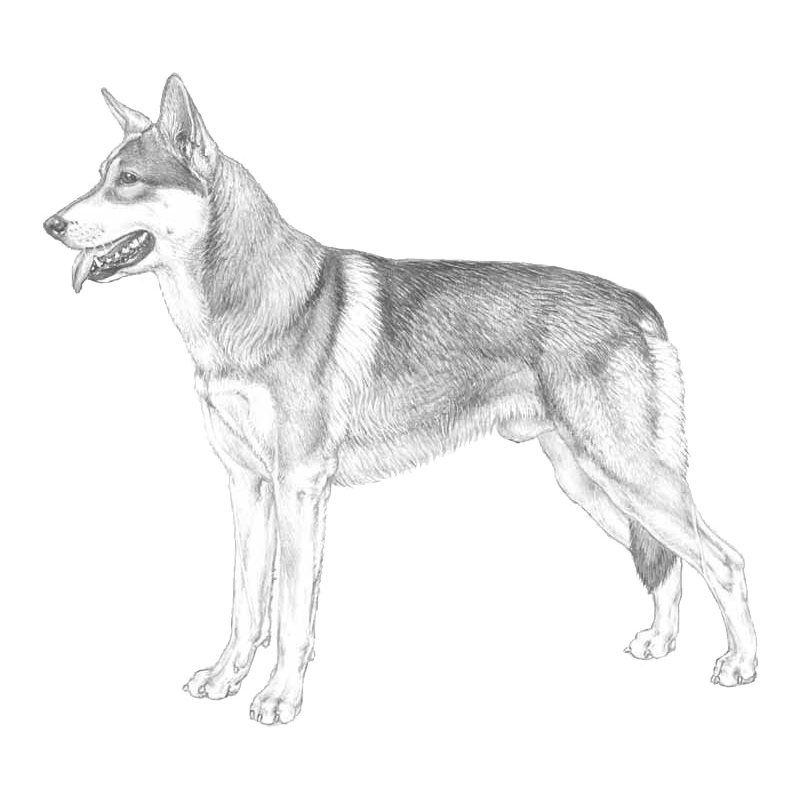
The Saarlooswolfhond was developed in the Netherlands by Leendert Saarloos. The breed is based on cross breeding German Shepherd Dogs and wolves.
In 1975, the breed was recognized by the Dutch KC, and in 1977 by the FCI. The breed standard dates from November 1981 and was modified in 1993.
Considered a rare breed, the Saarlooswolfhond is a strongly built dog whose outer appearance (body build, movement and coat) are reminiscent of a wolf. The breed is devoted and reliable with its master but suspicious of strangers. A natural, wolf-like reserve and desire to flee from unknown situations is typical of this breed.
-
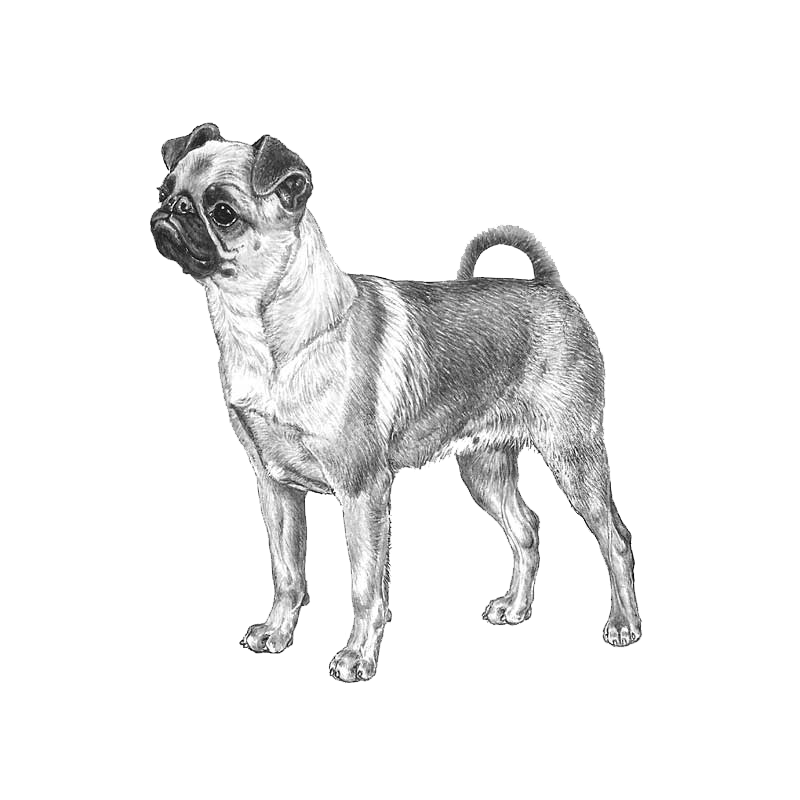
The Petit Brabançon is a small companion breed that was originally developed from ratters working in the stables of Belgian carriage men. The Fédération Cynologique Internationale (FCI) recognize them as one of three different breeds of griffon from Belgium, the other two being Belgian Griffon and Brussels Griffon. The American Kennel Club and Kennel Club recognize all varieties as a single breed.
Source: Worldly Dogs
Breed variants should be treated as a breed. All three breeds can be paired with each other and can be born in the same litter. Griffon bruxellois, griffon belge and petit brabançon are only separated by color and coat: Griffon Bruxellois (Brussels Griffon)- Rough-haired / red; Griffon Belge (Belgian Griffon)
Shaggy / black or black and tan; Petit Brabancon short haired / red, black or black and tan
-
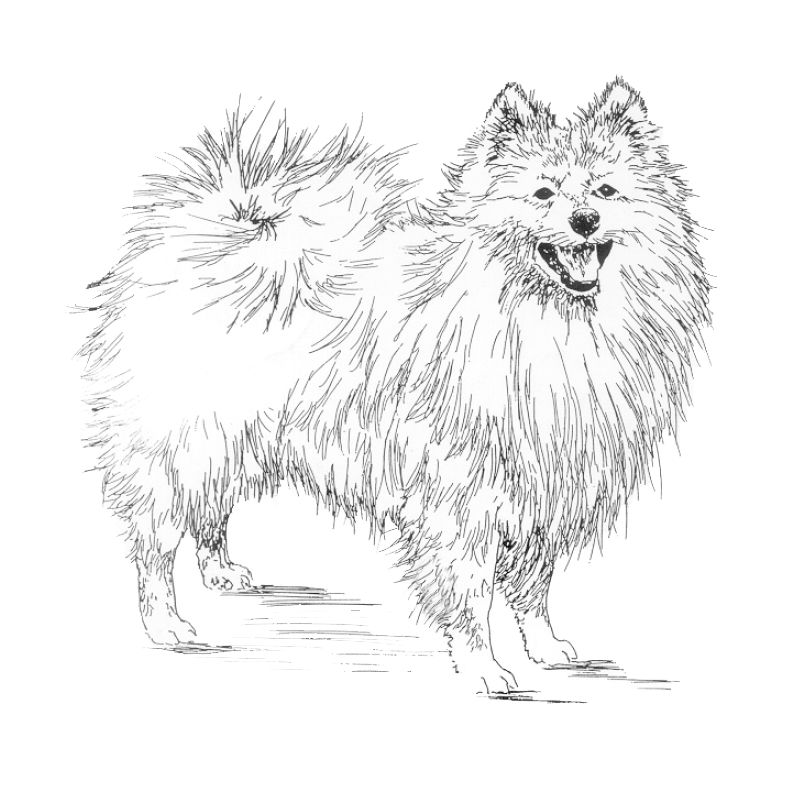
Historically, the German Spitz was primarily used as a working dog on farms. He is usually stubborn and independent, so you will have to establish yourself as a dominant leader through persistent obedience training. Mittelspitz is often curious and will definitely try to explore the surroundings whenever he gets a chance. This is a very agile breed, kept as companions or family pets, known to be good watchdogs with bold and fiery personalities.
All German Spitz dogs share some common characteristics, such as intelligence, agility, cheerfulness, playfulness, alertness, loyalty, resourcefulness, boldness, independence, and curiosity.Source: Compiled from Primitive Dogs
-
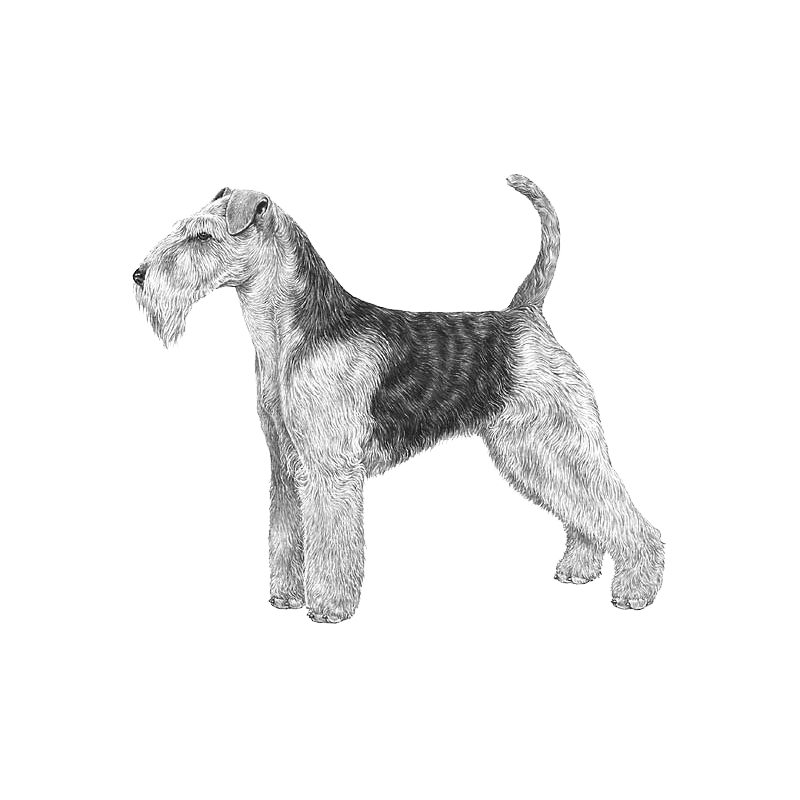
Originally used in hunting the fox, badger and even otter, the Welsh and Lakeland Terriers, which have considerable similarity, may well have had a common origin prior to the Roman invasion of Britain when their Celtic owners retreated to the Welsh mountains and the Lake District. He is a neat, workmanlike dog with a tight wiry coat normally of black and tan.
Source: IKC
-
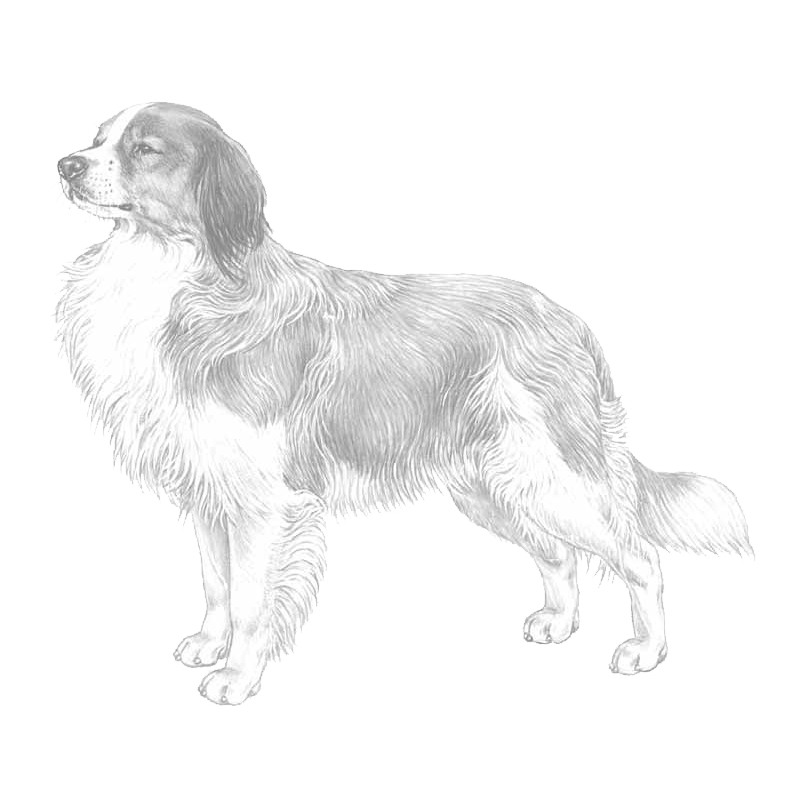
A Dutch breed which works with hunters as a decoy to attract ducks by waving its white plumed tail and lures them along streams where they are eventually trapped in nets. The orange/red of its parti-coloured coat is thought by some to be associated with the Royal House of Orange and Dutch historians tell of the ‘Kooiker’ which saved Prince William of Orange by barking loudly when intruders entered the royal chambers.
Source: https://www.thekennelclub.org.uk/services/public/breed/display.aspx?id=2170
-
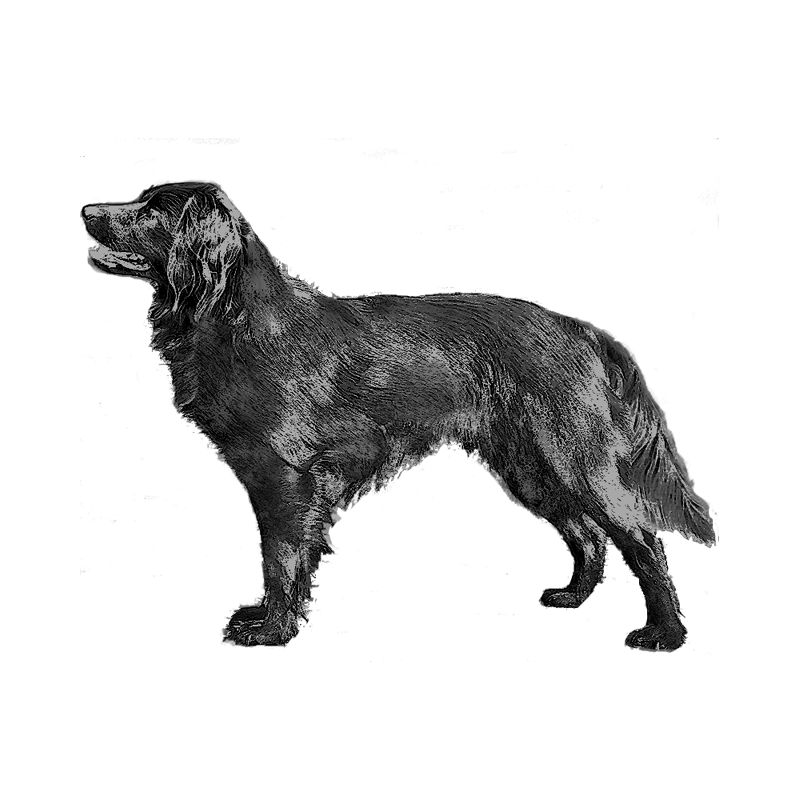
The Markiesje is an authentic Dutch Spaniel whose origin can be traced back to the Middle Ages. The Markiesje is finely built, black, elegant and intelligent. Cheerful and curious as long as it receives enough attention from its owner - this breed is 'under reconstruction'. Registration is done by the Dutch Kennel Club in a temporary register.
-
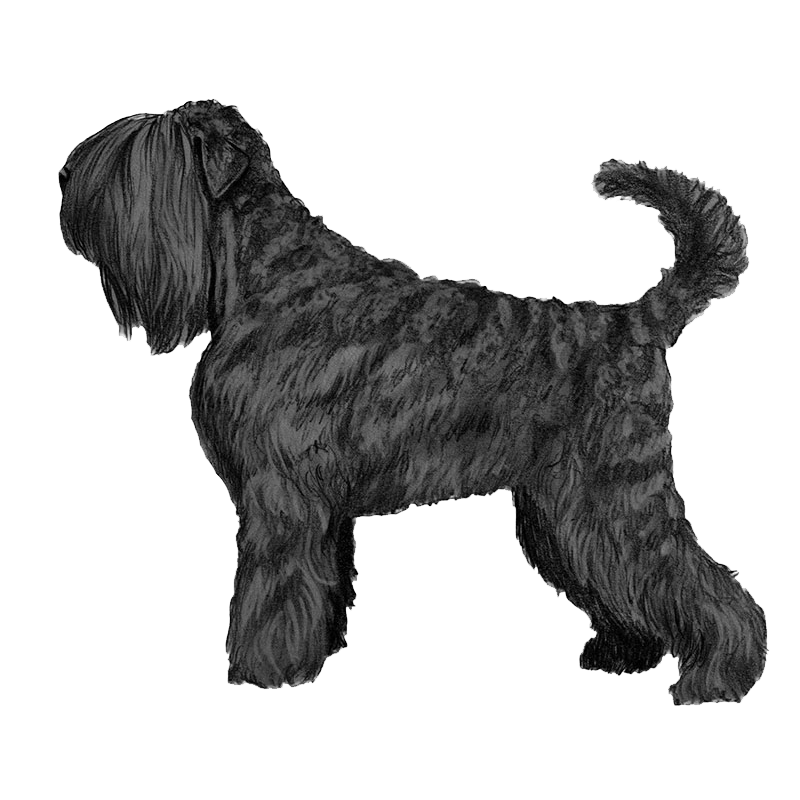
The Black Russian Terrier, also known as the Chornyi Terrier is a breed of dog created in the USSR in the Red Star Kennel during the late 1940s and the early 1950s for use as military/working dogs. BRTs are calm, confident, self-assured, highly intelligent dogs that with proper training and socialization are loyal, reliable, robust working companions. This large and powerful dog is not in all likelihood an ideal fit for the first-time dog owner.
-
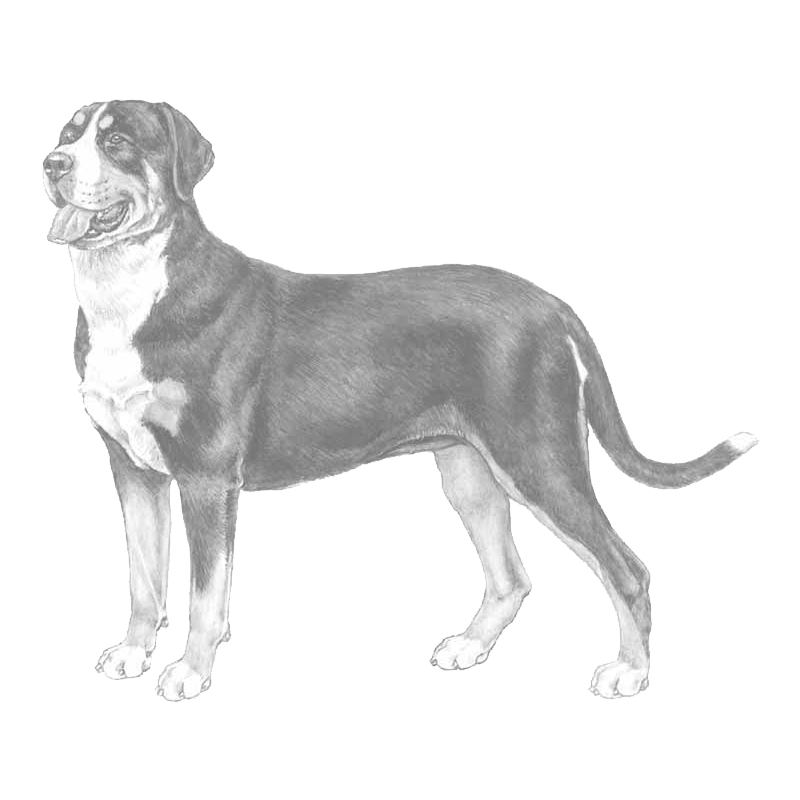
The breed is large and heavy-boned with great physical strength, but is still agile enough to perform the all-purpose farm duties it was originally used for. Its breed standard calls for a black, white, and rust colored coat. The Greater Swiss Mountain Dog is sociable, active, calm, and dignified, and loves being part of the family. It is relatively healthy for its size and tends to have far fewer problems than more popular breeds in its size range. Among the four Sennenhunde, or Swiss mountain dogs, this breed is considered the oldest, and is also the largest.
Source: Wikipedia
-
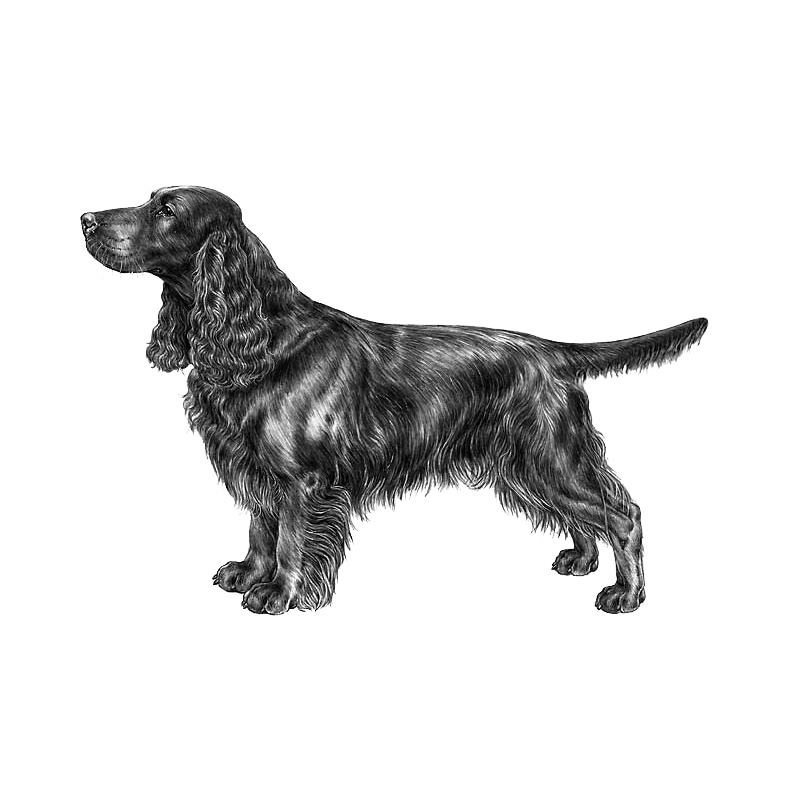
The Field Spaniel is an active and inquisitive breed, and makes a good companion. However, if left alone and unoccupied for long periods of time, they may become bored and destructive. They are suitable for dog agility and hunting. They are also patient with children and like to stay close to their family. When socialised, they are good with other dogs. They are generally docile and independent. Source: https://en.wikipedia.org/wiki/Field_Spaniel. With very few dogs in the UK-KC's registry the Field Spaniel is considered a Vulnerable Native Breed. Source: https://www.thekennelclub.org.uk/getting-a-dog-or-puppy/finding-the-right-dog/vulnerable-native-breeds/.