






Pedigree Breeds
184 entries in this category
-
- Last comment date
- Title
- Start Date
- Most Commented
- Most Viewed
- Last Updated
- Publish Date
- Brief Description
- Content
- Links to Breed Descriptions
- Other Names for Breed
- Country of Origin and Parent Breed Club
- Health and Well-Being
- Breed-Specific Articles
- Breed Standards
- Breed-Specific Statistics
- Breeding/Health Strategy Documents
- Breed-Specific DNA Tests
- Other Breed-Specific Webpages
- Breed-Specific Research
- Breed Clubs
- Custom
-
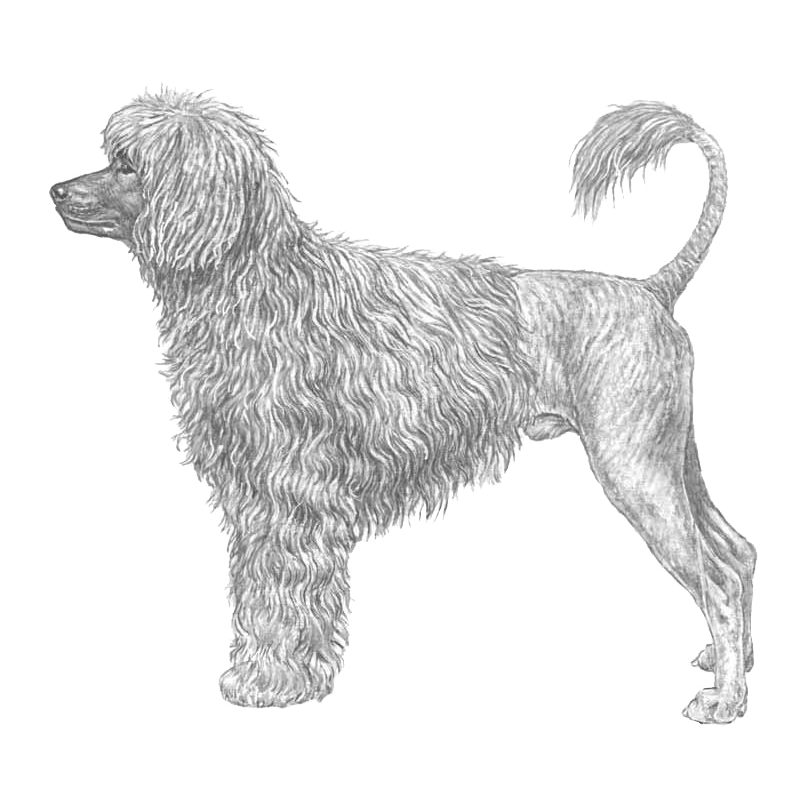
Portuguese Water Dogs are originally from the Portuguese region of the Algarve, from where the breed expanded to all around Portugal's coast, where they were taught to herd fish into fishermen's nets, to retrieve lost tackle or broken nets, and to act as couriers from ship to ship, or ship to shore.
-

The Havanese, a breed of Bichon type, is the national dog of Cuba, developed from the now extinct Blanquito de la Habana ("little white dog of Havana").
Source: Wikipedia
-
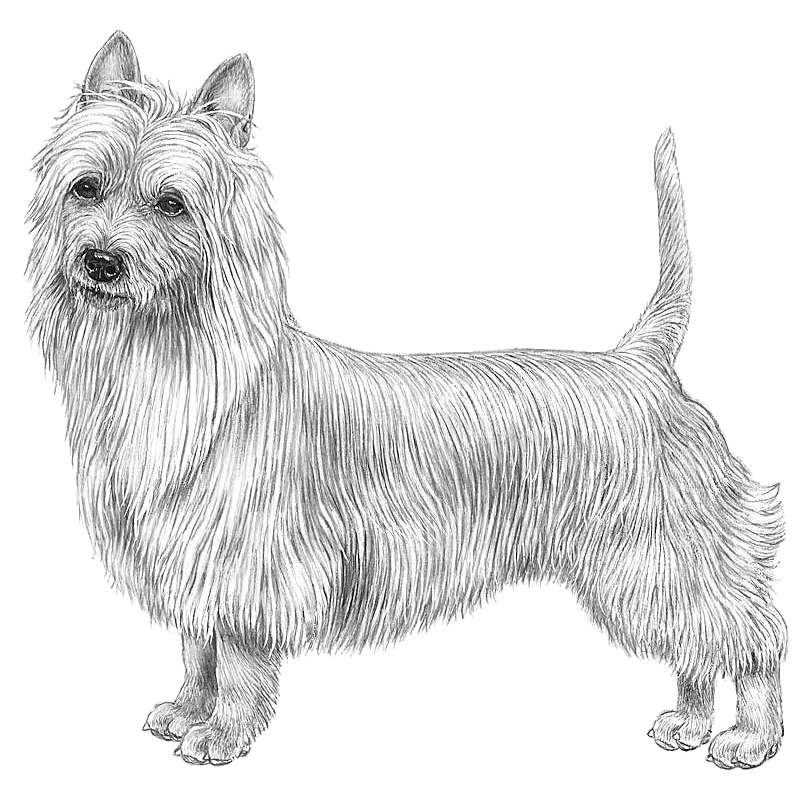
The Australian Terrier, one of the smallest of the working Terriers, was bred to be both a helper and companion in rough times and terrain. A native dog (known as the "rough-coated terrier") and a close relative of the old Scotch dog of Great Britain (not to be confused with the present-day Scottish Terrier) are believed to have been cross-bred with a number of other breeds of British stock to produce the fast, sturdy, weather-resistant and fearless little dog that the settlers needed as they expanded the frontiers of their country.
Source: Australian Terrier Club
-
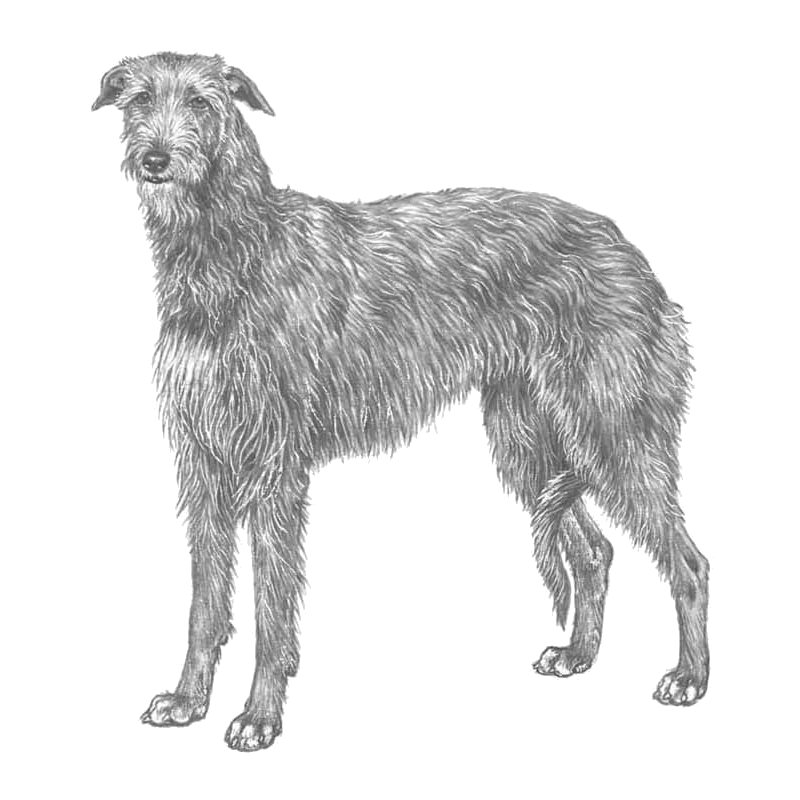
Large rough coated dogs of greyhound type have been known in Scotland for at least 500 years. Early in its history the breed was called the Scottish Wolfdog but as the wolf population began to disappear it was developed as a deer coursing breed.
-
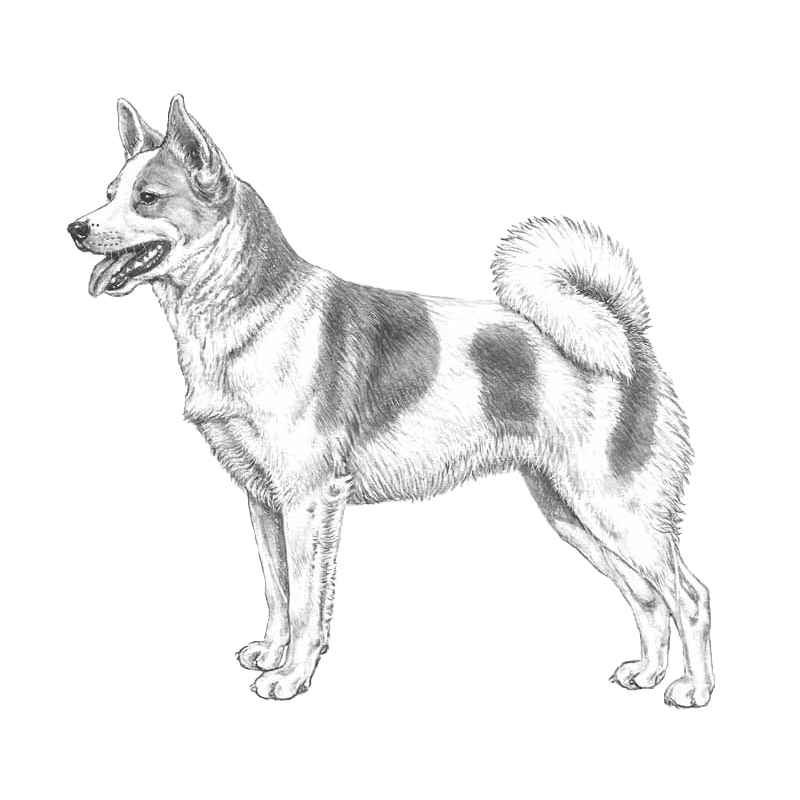
It is believed that the little spitz from the North Bothnia area originates from small laikas that in prehistoric time lived with hunting tribes at the Nordkalotten. It has survived through selective laws of nature where survival of the fittest is the code, hence only the really good hunting dogs had a chance. The breed is foremost known as an excellent hunting dog for forest birds. The Swedish Kennel Club registers ca 100 Norrbottenspets yearly.
Source: http://www.skk.se/Global/Dokument/Hundrasguiden/Svenska-raser.pdf?epslanguage=sv
-
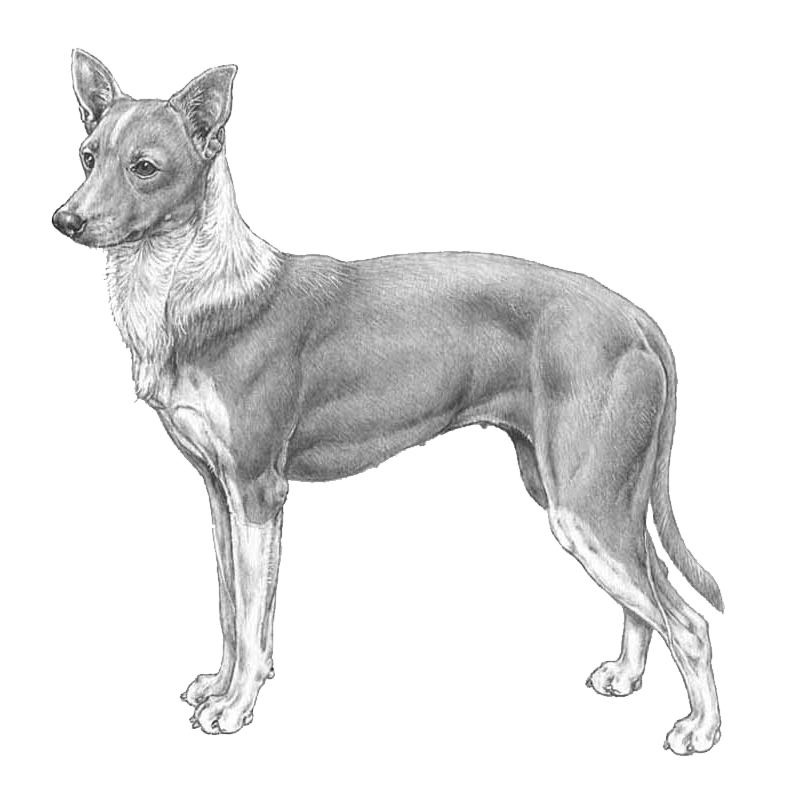
The Portuguese Podengo is an ancient multi-sensory hound breed of dog from Portugal. As a breed, the Podengo is divided into three size categories that are not interbred: small, medium and large.
-
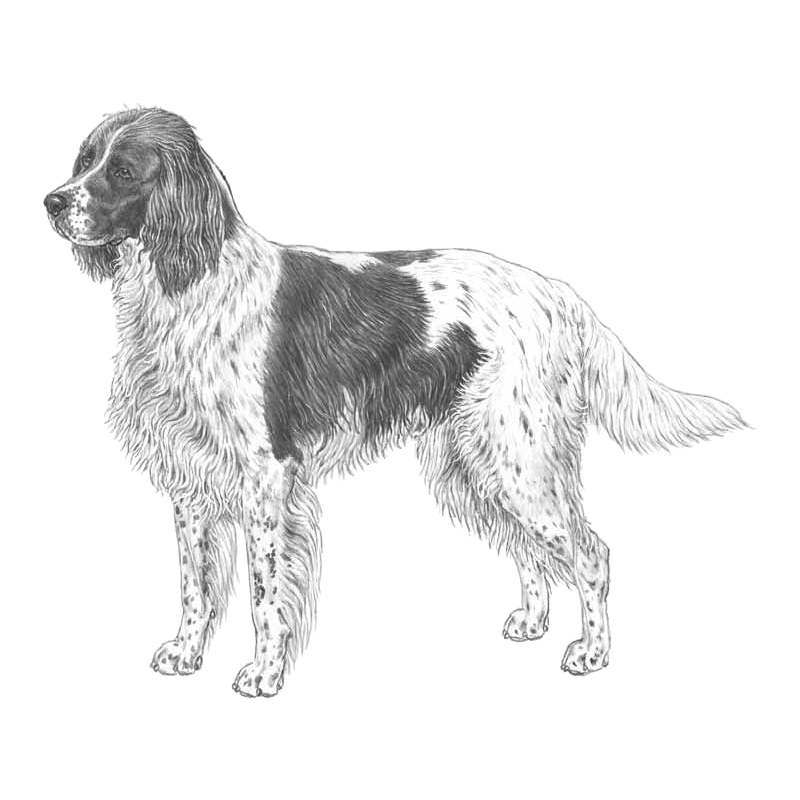
The French Spaniel (Epagneul Français) was developed in France as a hunting dog, descended from dogs of the 14th century.
(Source: AKC)
-
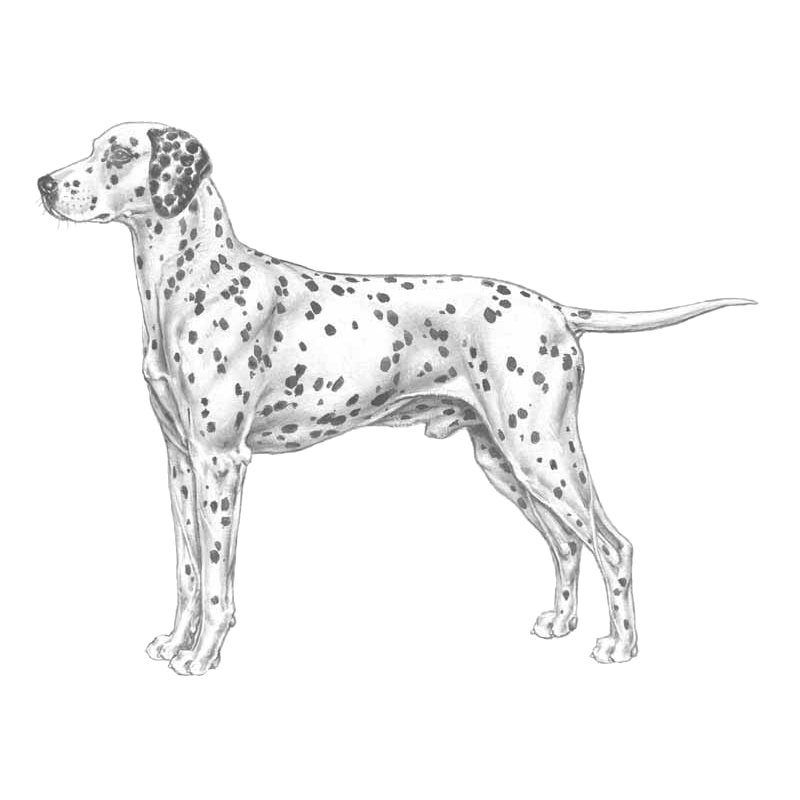
The Dalmatian is a large breed of dog noted for its unique black or liver spotted coat and was mainly used as a carriage dog in its early days.
Source: Wikipedia
-
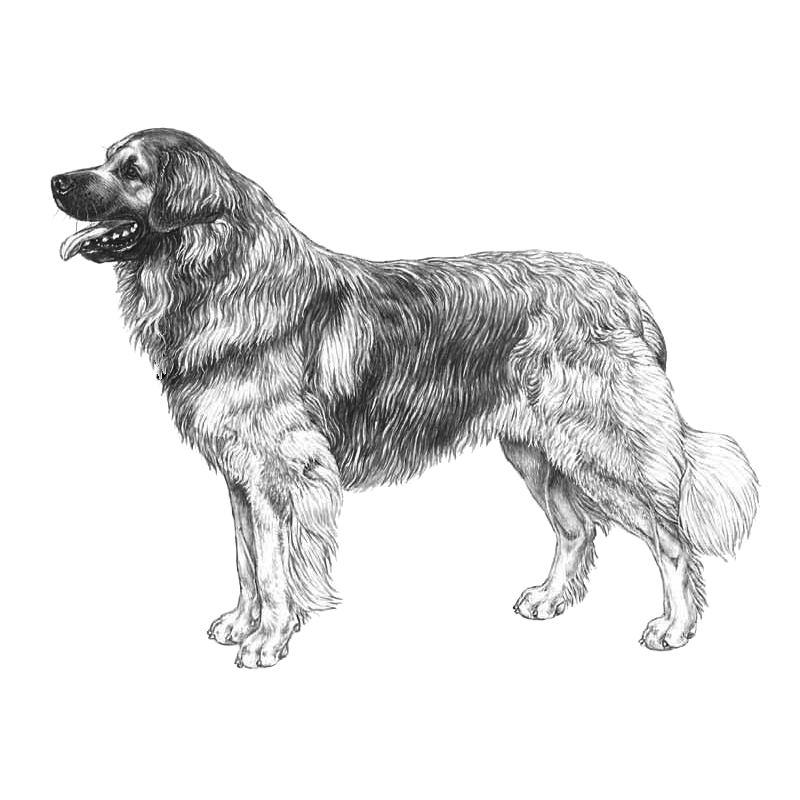
The Leonberger is a giant dog breed. The breed's name derives from the city of Leonberg in Baden-Württemberg, Germany. According to legend, the Leonberger was ostensibly bred as a 'symbolic dog' that would mimic the lion in the town crest.
-
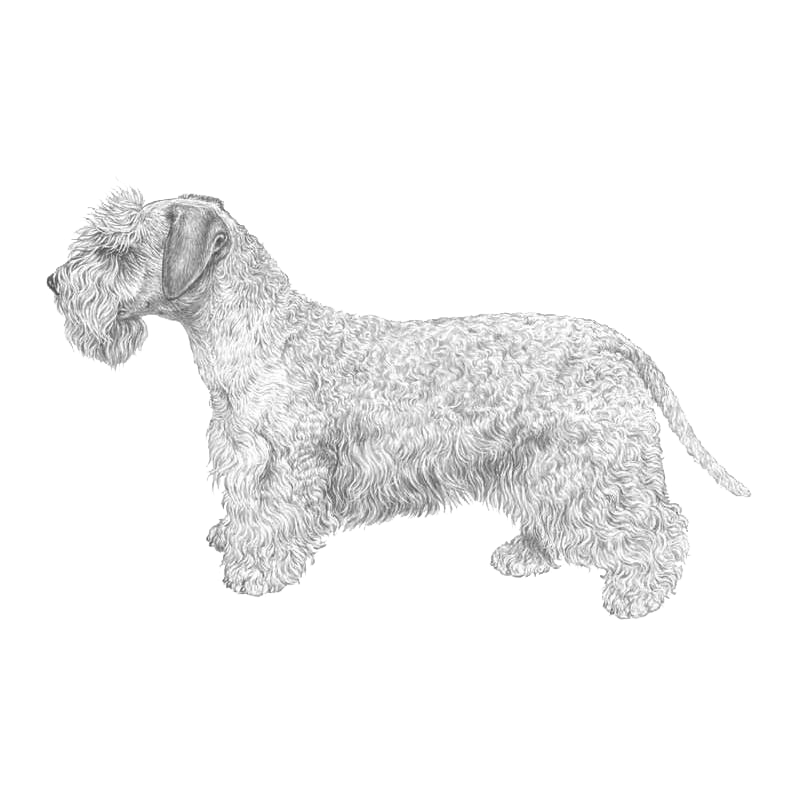
The Cesky Terrier was created by a Czech breeder, František Horák, in 1948, as a cross between a Sealyham Terrier and a Scottish Terrier, to create a terrier suitable for hunting in the forests of Bohemia.
Source: Wikipedia
-
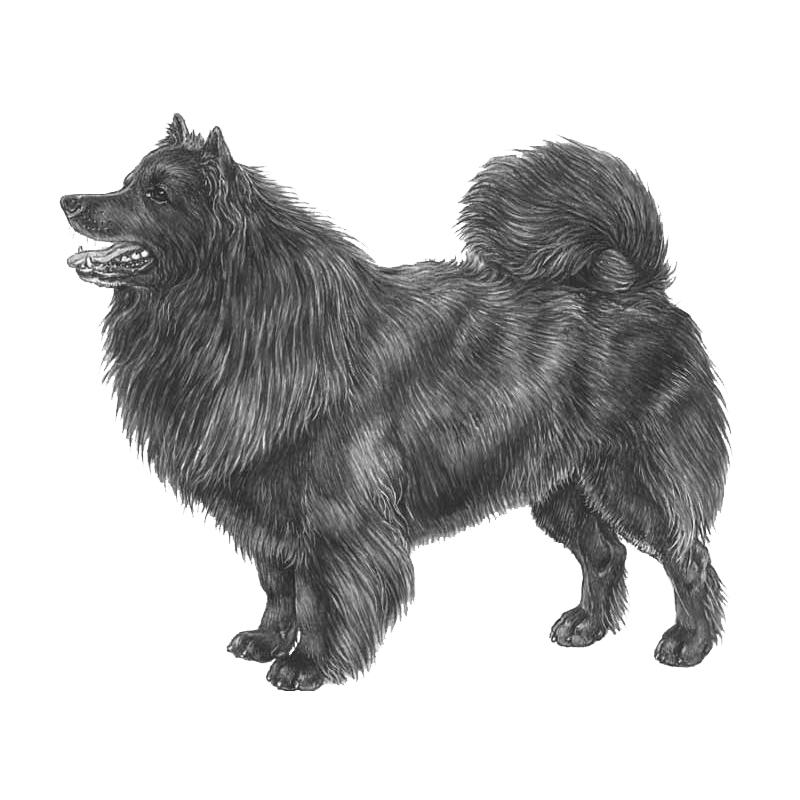
The Lapphunds are mainly known as the reindeer-herder but they were originally used as hunting dogs. The rearing of reindeer in a businesslike manner is relatively new. Most probably it was the Sami tribes that long ago brought the dogs with them to the Northern parts of Scandinavia. The authentic Lapphund was facing extinction in the beginning of the 20th century.
Source: Swedish breeds of dogs: http://www.skk.se/global/dokument/hundrasguiden/svenska-raser.pdf
The Swedish Lapphund is the oldest of the native Swedish breeds with a history dating back thousands of years. Believed to be descended from the ancient Nordic spitz, it is one of the oldest known breeds in existence today.
-
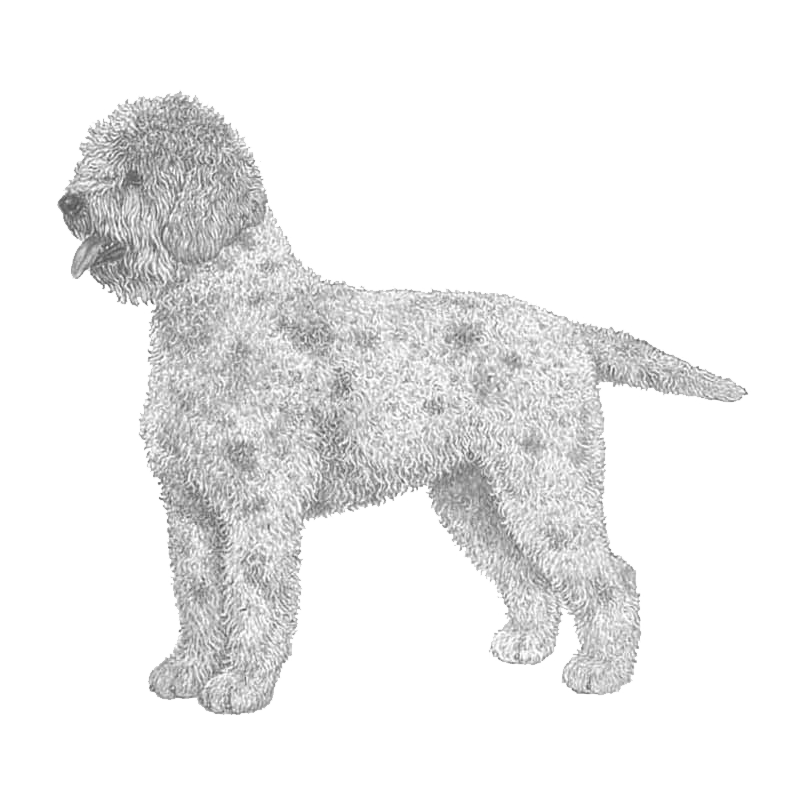
The Lagotto Romagnolo [laˈɡɔtto romaɲˈɲɔlo] is a breed of dog that comes from the Romagna sub-region of Italy. The name means "lake dog from Romagna," originating from the Italian word lago, meaning lake. Its traditional function is a gundog, specifically a water retriever.
-
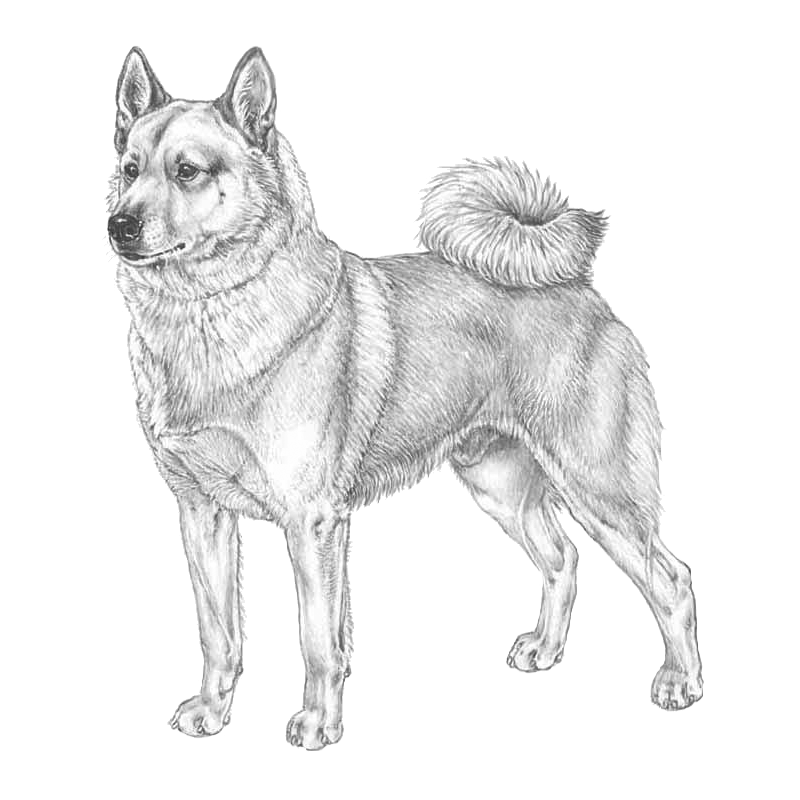
The Norwegian Buhund is a breed of dog of the spitz type. It is closely related to the Icelandic Sheepdog and the Jämthund. The Buhund is used as an all purpose farm and herding dog, as well as watch dog.
-
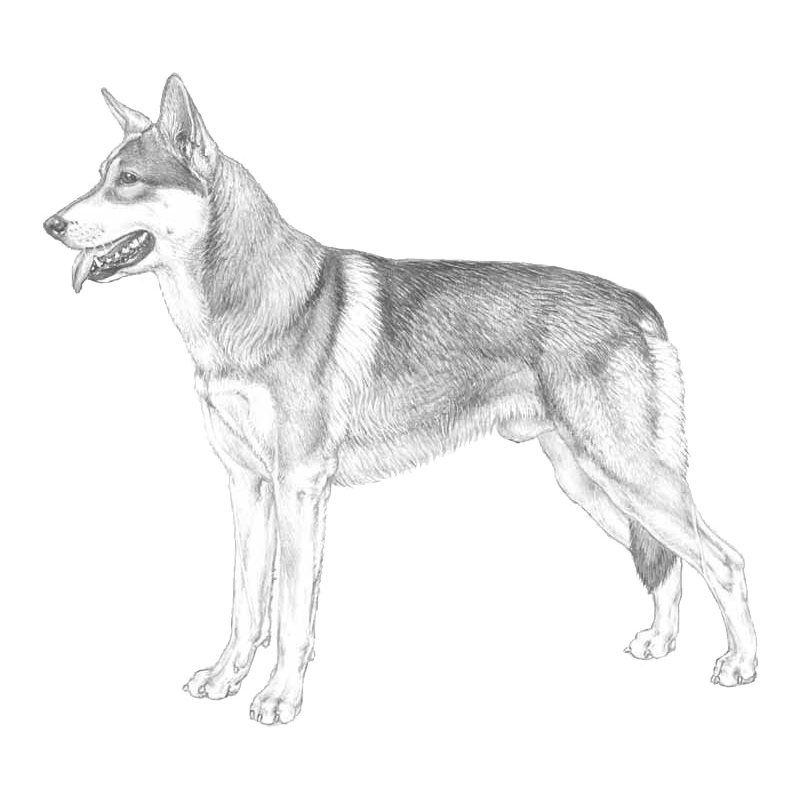
The Saarlooswolfhond was developed in the Netherlands by Leendert Saarloos. The breed is based on cross breeding German Shepherd Dogs and wolves.
In 1975, the breed was recognized by the Dutch KC, and in 1977 by the FCI. The breed standard dates from November 1981 and was modified in 1993.
Considered a rare breed, the Saarlooswolfhond is a strongly built dog whose outer appearance (body build, movement and coat) are reminiscent of a wolf. The breed is devoted and reliable with its master but suspicious of strangers. A natural, wolf-like reserve and desire to flee from unknown situations is typical of this breed.
-
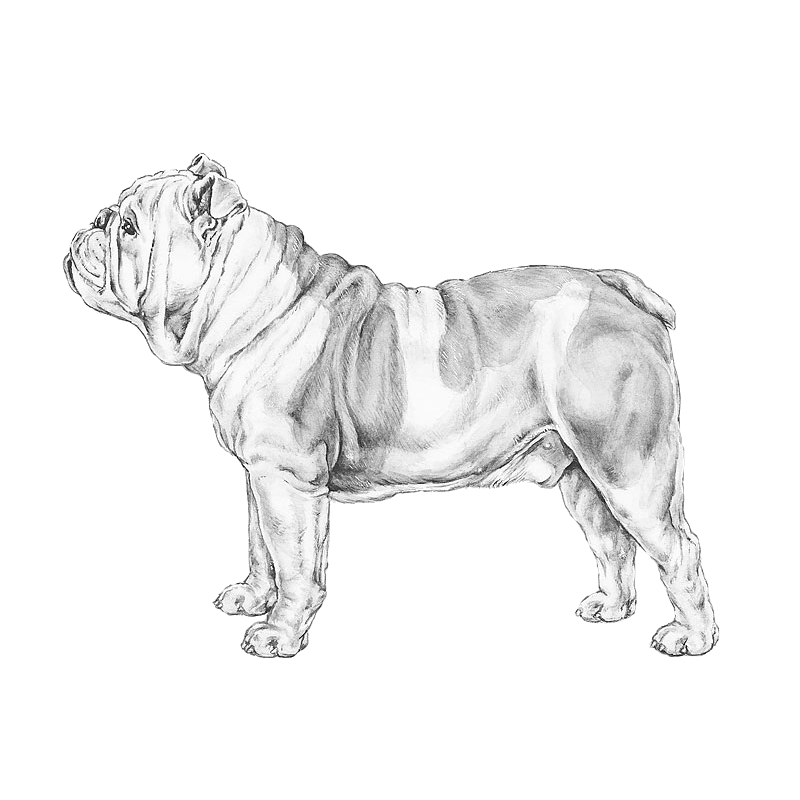
One of Britain’s oldest indigenous breeds, the Bulldog is known as the National dog of Great Britain and is associated throughout the world with British determination and the legendary John Bull. The Bulldog was first classified as such in the 1630s, though there is earlier mention of similar types referred to as bandogs, a term reserved today for a type of fighting dog.
Source: The Kennel Club
-
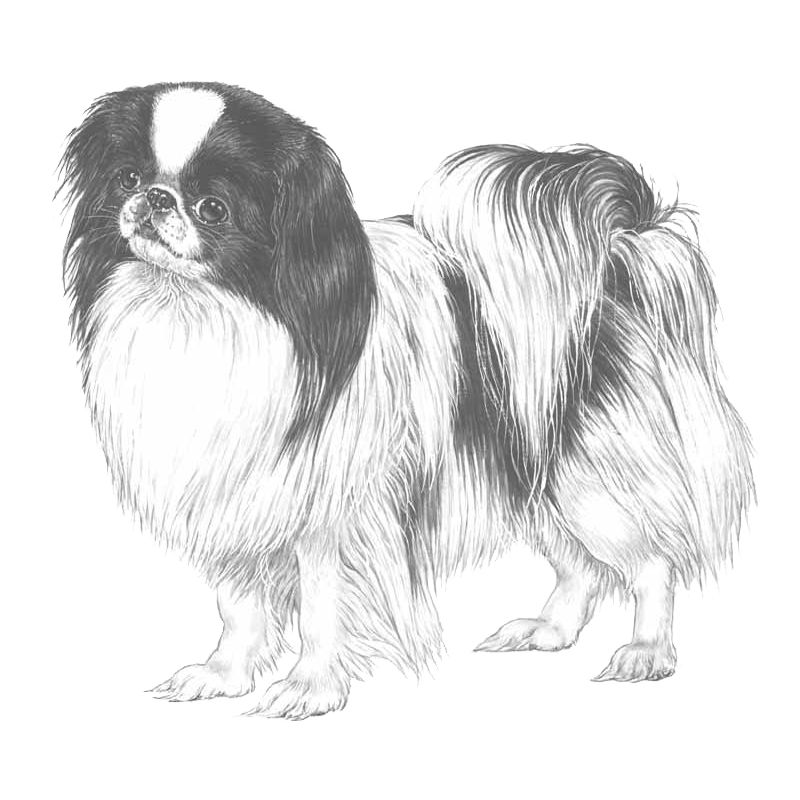
The Japanese Chin, also known as the Japanese Spaniel, is a dog acknowledged for its importance to Japanese nobility. It is also known for its strabismus of the eyes.
-
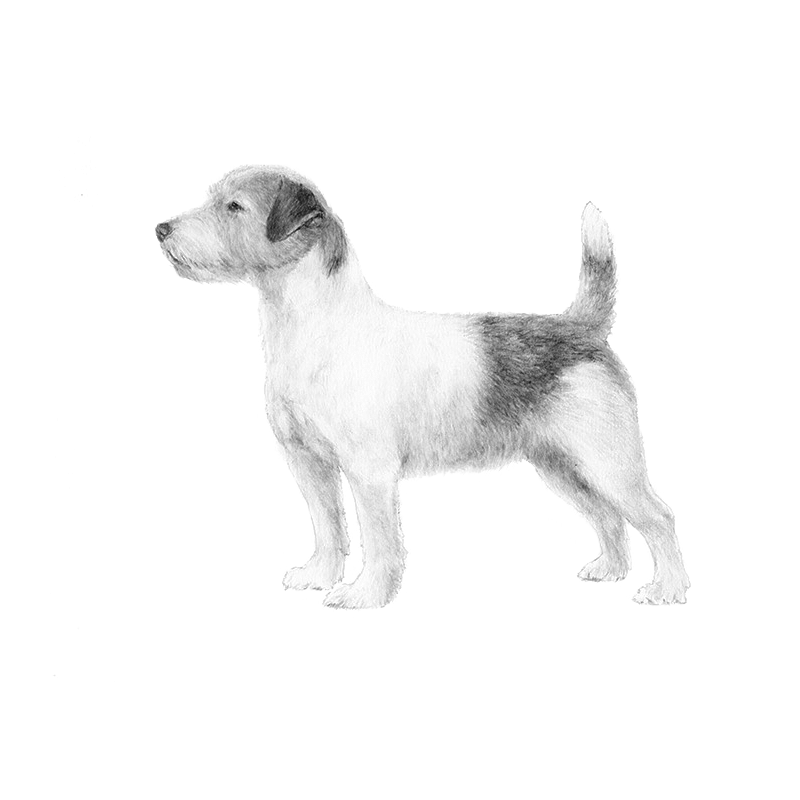
The Russell Terrier is a strong, hardy, earth-working Terrier. He is full of life and moves with confidence that matches his keen expression. The breed's handy size, small flexible chest, nose, strong voice and fearless nature make it an excellent specimen to work vermin below ground. Its weatherproof coat may be smooth, broken or rough and is predominantly white with tan and/or black markings.
-
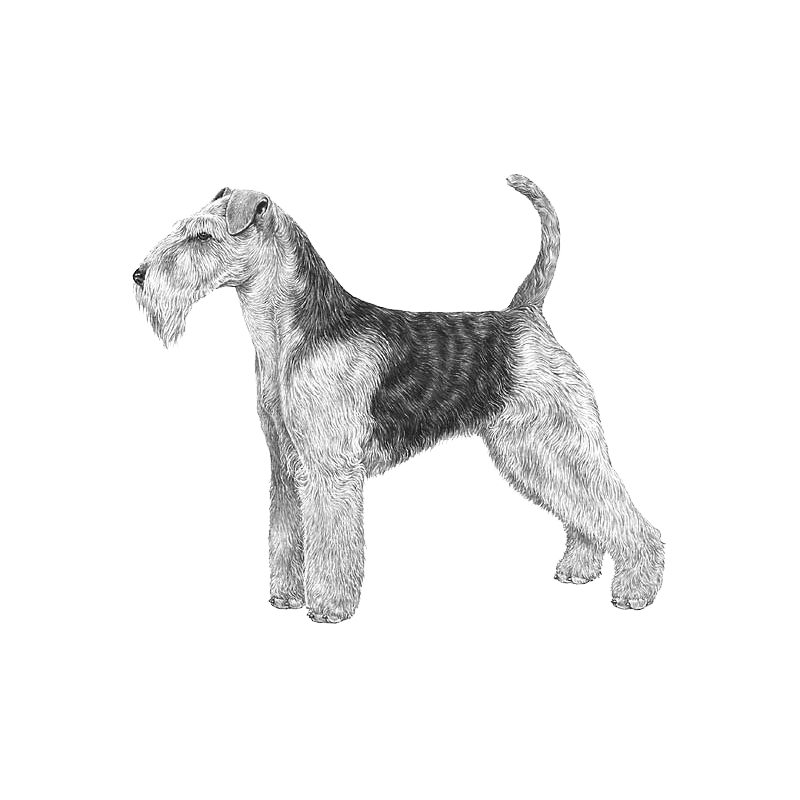
Originally used in hunting the fox, badger and even otter, the Welsh and Lakeland Terriers, which have considerable similarity, may well have had a common origin prior to the Roman invasion of Britain when their Celtic owners retreated to the Welsh mountains and the Lake District. He is a neat, workmanlike dog with a tight wiry coat normally of black and tan.
Source: IKC
-
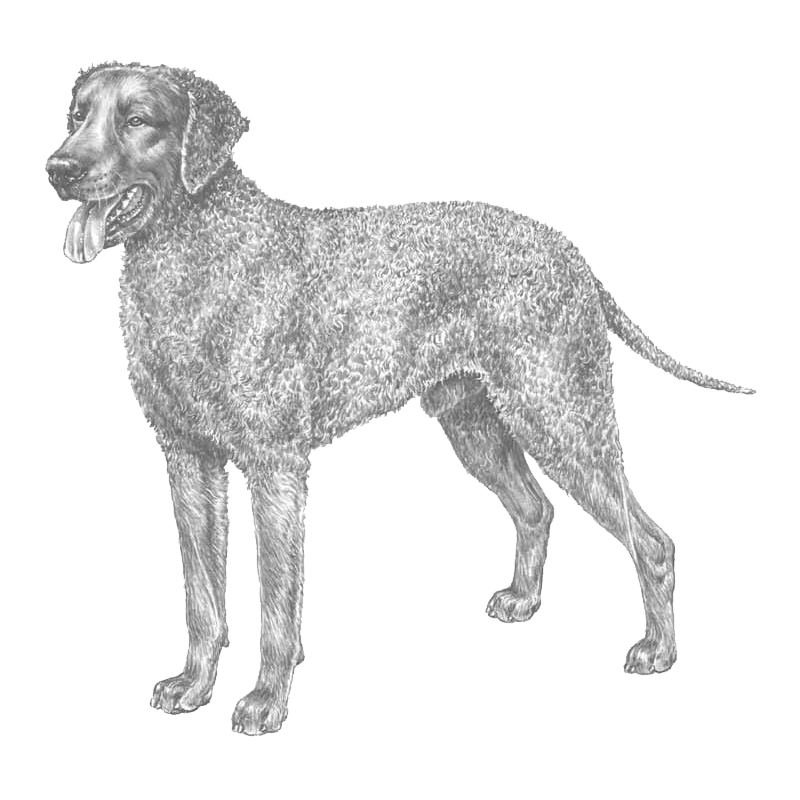
A breed with a hunting heritage as an upland game and waterfowl dog, the Curly Coated Retriever is an active, quick and agile breed requiring plenty of exercise. Known for possessing a discerning independent nature, the dogs can be aloof with strangers and are protective, affectionate and loyal companions.
..............
It has been claimed that the Curly Coated Retriever is the oldest of the Retriever breeds. He is also the tallest. The hallmark of the breed, a coat of small tight curls, nods acknowledgement to his ancestor, the English Water Spaniel, now extinct, which was added to a base of Retriever blood probably the Labrador. Poodle blood was also added to the mix to give the tightness of curl. The coat gives the dog a waterproof quality when retrieving ducks from water, the function for which he was originally bred.
Source: The Kennel Club (UK)
-
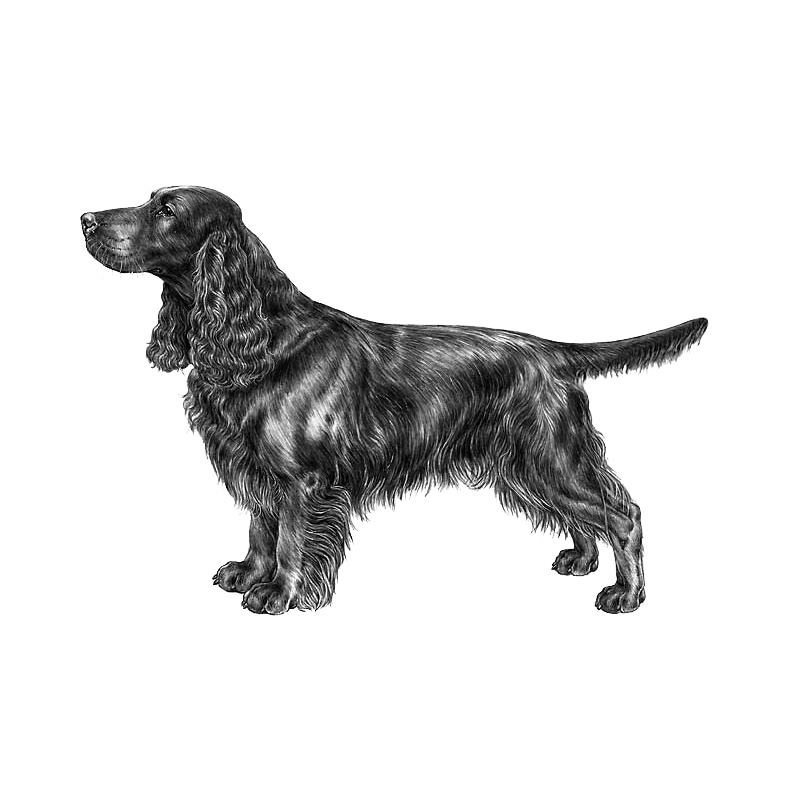
The Field Spaniel is an active and inquisitive breed, and makes a good companion. However, if left alone and unoccupied for long periods of time, they may become bored and destructive. They are suitable for dog agility and hunting. They are also patient with children and like to stay close to their family. When socialised, they are good with other dogs. They are generally docile and independent. Source: https://en.wikipedia.org/wiki/Field_Spaniel. With very few dogs in the UK-KC's registry the Field Spaniel is considered a Vulnerable Native Breed. Source: https://www.thekennelclub.org.uk/getting-a-dog-or-puppy/finding-the-right-dog/vulnerable-native-breeds/.
-
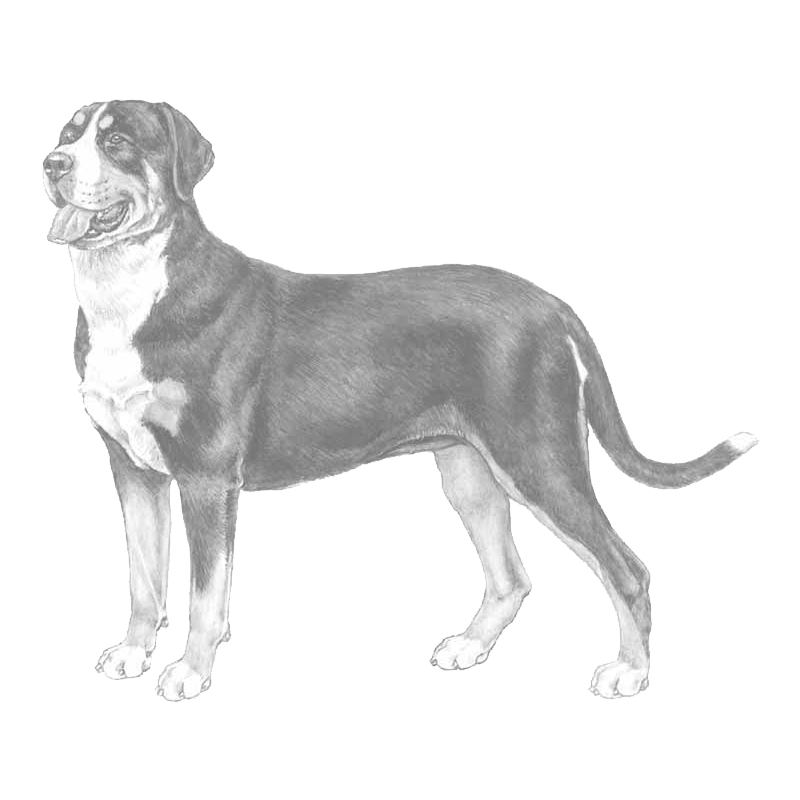
The breed is large and heavy-boned with great physical strength, but is still agile enough to perform the all-purpose farm duties it was originally used for. Its breed standard calls for a black, white, and rust colored coat. The Greater Swiss Mountain Dog is sociable, active, calm, and dignified, and loves being part of the family. It is relatively healthy for its size and tends to have far fewer problems than more popular breeds in its size range. Among the four Sennenhunde, or Swiss mountain dogs, this breed is considered the oldest, and is also the largest.
Source: Wikipedia
-
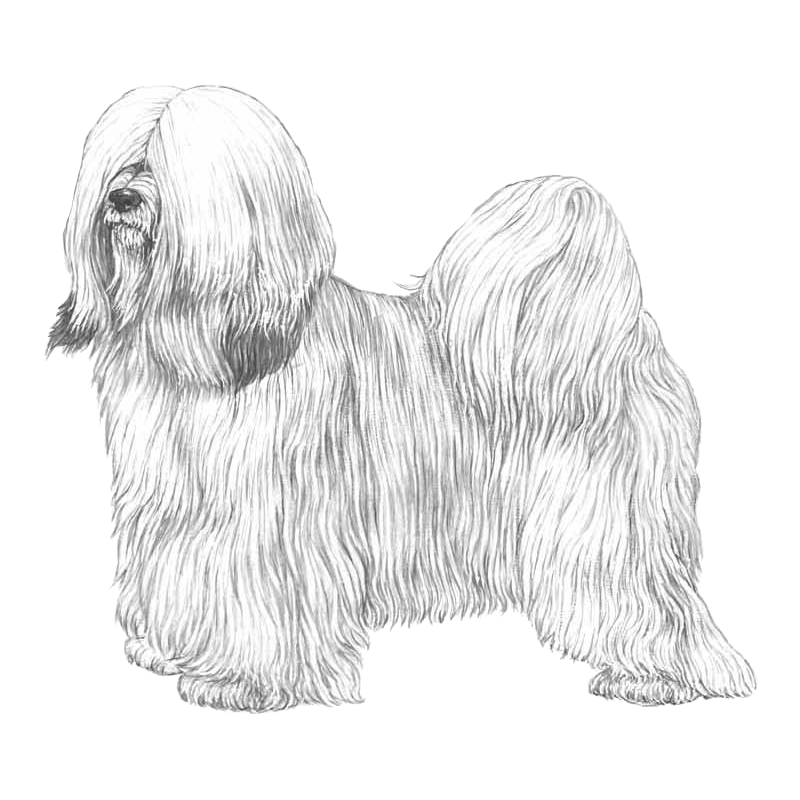
The Tibetan Terrier is a medium-size breed of dog that originated in Tibet. Despite its name, it is not a member of the terrier group. The breed was given its English name by European travelers due to its resemblance to known terrier breeds. The Tibetan name for the breed, Tsang Apso, roughly translates to "shaggy or bearded ("apso") dog, from the province of Tsang".
-
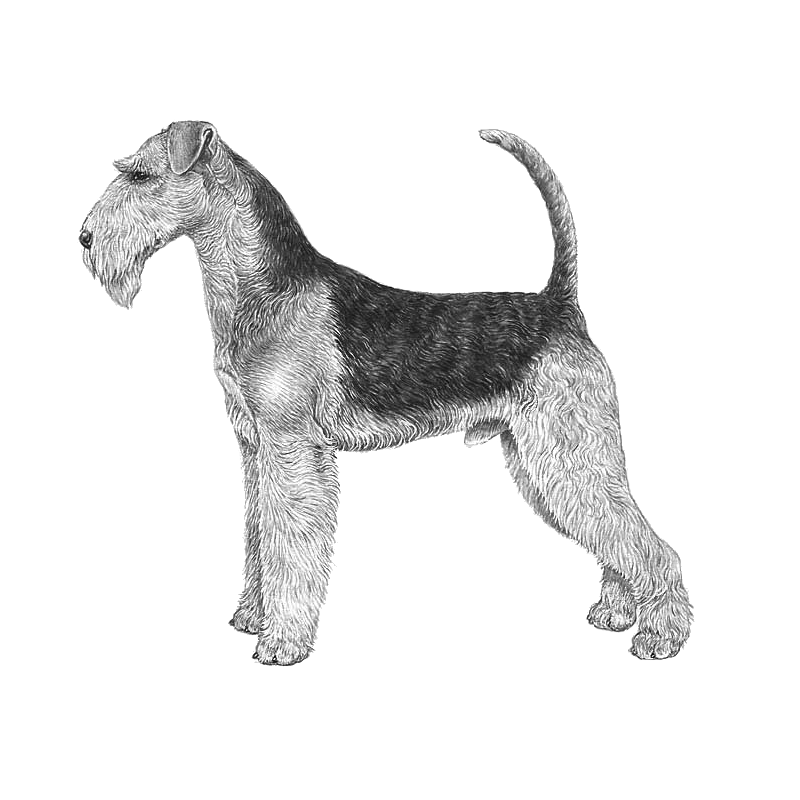
The King of the Terriers – a name he earns as the largest of the Terrier breeds, originated in Yorkshire, when a group of breed enthusiasts met to 'show' their terriers at Airedale Show – in the area around Ilkley. The breed was often known as the Waterside Terrier because of their working of the riverbanks to keep down vermin.
Source: The Kennel Club
-
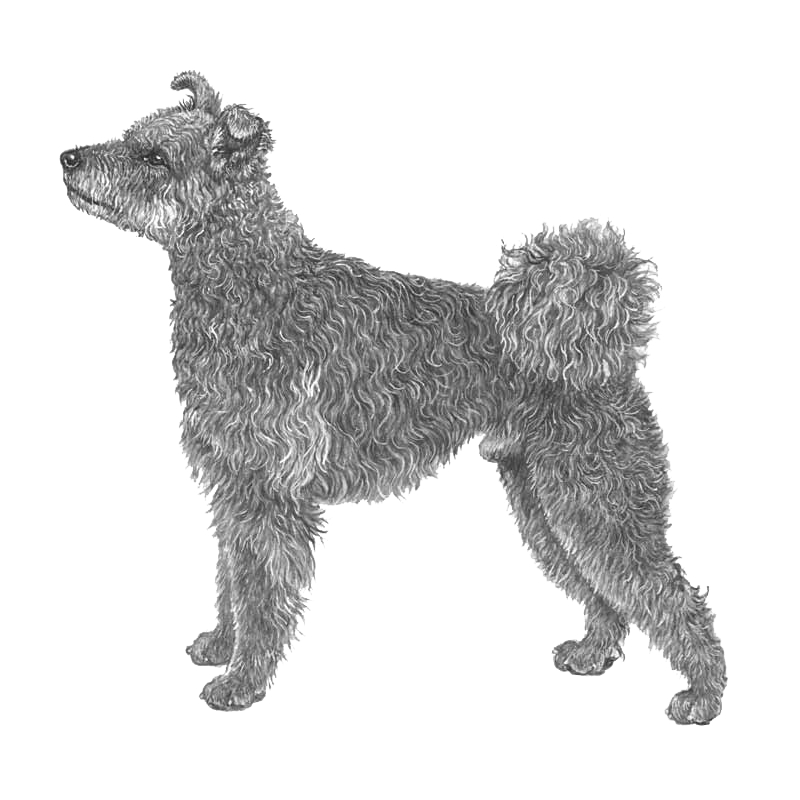
The Pumi is an active dog, combining the biddability and intelligence of the herding dog along with the alertness and activity of a terrier. Because they are intelligent, they need daily work to do, whether it’s herding, obedience, flyball, jogging, or chasing tennis balls.
Source: Hungarian Pumi Club of America
-
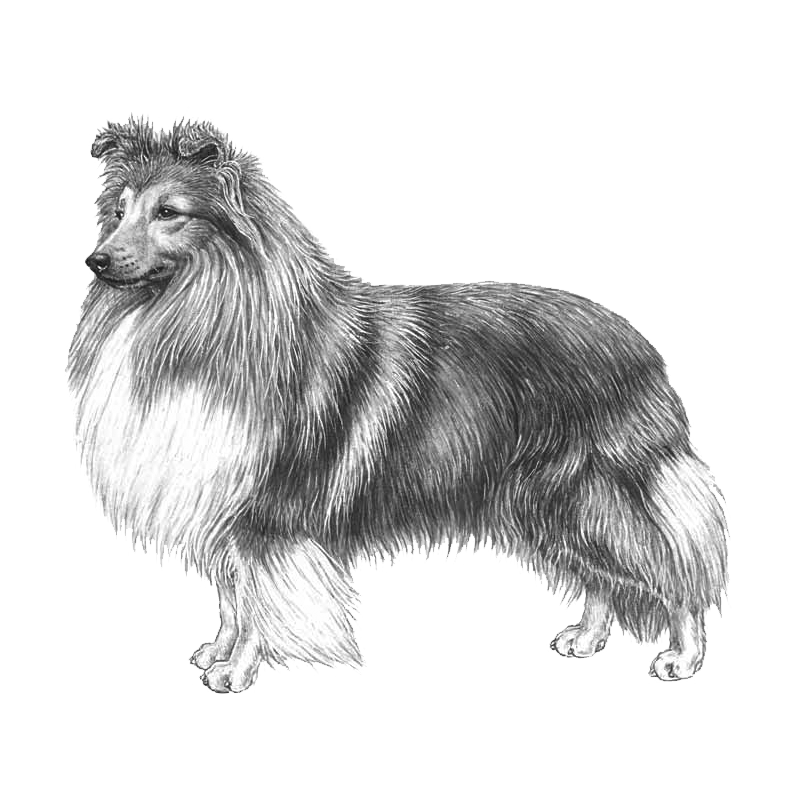
The Shetland Islands off northeast Scotland lay claim to a number of animals small in size. The Shetland Sheepdog is one – an active, intelligent and glamorous dog, who always wants to be ‘on the go’ and is virtually tireless.
Source: https://www.thekennelclub.org.uk/search/breeds-a-to-z/breeds/pastoral/shetland-sheepdog/