





Antimicrobial Resistance / Prudent Use of Antibiotics
Catalog of articles, resources, tools and links to information on Antimicrobial Resistance (AMR) and Prudent Use of Antibiotics (PUA). Includes resources being developed by the IPFD Student 2017.
8 articles in this category
-
 From the BVA: "Concerns about the possible environmental impacts of small animal parasiticide products should be taken seriously by the veterinary profession, pharmaceutical industry, and animal owners Veterinary professionals should always take a risk-based approach to prescribing medicines, including parasiticides. They should avoid blanket treatment, and instead risk assess use of parasiticides for individual animals, taking into account animal, human and environmental health risks,
- The British Veterinary Association (BVA) has published its policy on Responsible use of parasiticides for cats and dogs.
-
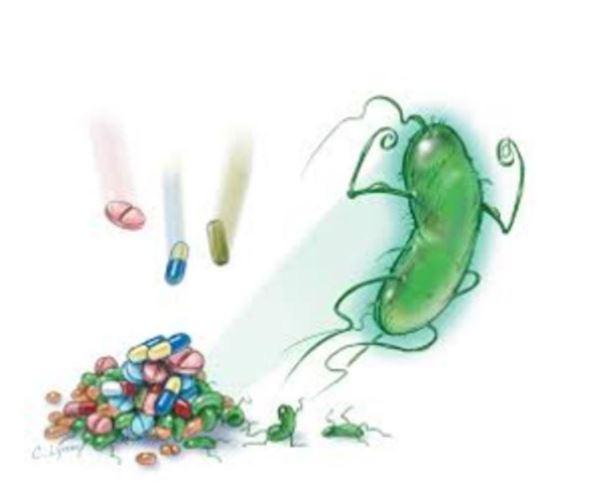 Audience: Dog Owners Module Goal: To learn how to change behaviors towards more prudent usage of antimicrobials. Why should we care? The rapid increase of antimicrobial resistance around the globe means more difficult and expensive treatments for our pets well as a contribution to a major public health hazard. To access the learning module: Click Here!
- Learn how you can protect your dogs from AMR in 30 minutes or less- your vet can help!
-
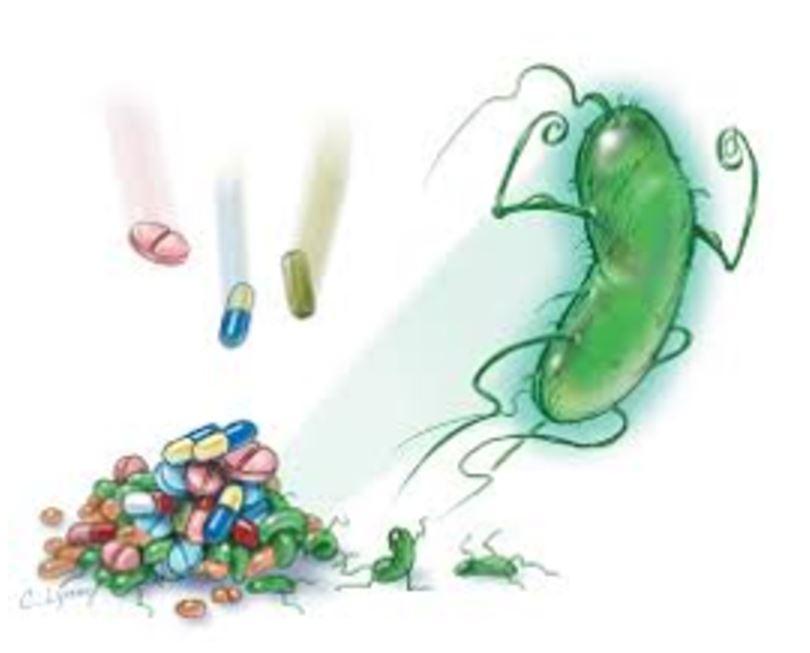 Audience: Veterinary Professionals Module Goal: To learn how to change behaviors in your clinic to a more prudent usage of antimicrobials. Why should we care? The rapid increase of antimicrobial resistance around the globe means more difficult and expensive treatments for patients at your clinic as well as a contribution to a major public health hazard. To access the learning module: click here!
- Educate your clinic staff on prudent use of antimicrobials in 30 minutes or less!
-
 Australia Guidelines Antibiotic Prescribing Detailed Guidelines.pdf Great resource with detailed guidelines for both feline and canine patients that are organized by anatomical part of the animal. Gives recommendations for non-antibiotic therapies based on disease as well as which antibiotic to use if necessary. Tabs available on PDF to easily access each section. Australasian Infectious Disesse Advisory Panel (AIDAP): 2013.
- This document will serve as a compilation of different antimicrobial use resources from different countries around the world. This list is not exhaustive, and the purpose is to include a samples of guidelines from countries of both the first and third world origin. Countries are sorted alphabetically. We hope to keep developing this resource and welcome suggestions and submissions.
-
 2022 - BVA - Responsible use of parasiticides for cats and dogs "Concerns about the possible environmental impacts of small animal parasiticide products should be taken seriously by the veterinary profession, pharmaceutical industry, and animal owners Veterinary professionals should always take a risk-based approach to prescribing medicines, including parasiticides. They should avoid blanket treatment, and instead risk assess use of parasiticides for individual animals, taking into acc
- onehealth
- amr
- humans
- antimicrobial
-
Tagged with:
- This section will serve as a table of contents and compile resources available elsewhere on DogWellNet.com. Current AR/AMR information and links to news from national and international organizations and agencies will be posted. The TOC has been mainly compiled as part of the IPFD Student Project of Ariel Minardi and supported by the Skippy Frank Fund. For a list of Ariel's work see, also, IPFD Student Project 'B.A.R.K. | Bacterial Antimicrobial Resistance Knowledge' - Chronological Overview.
-
 Some ages and stages are at increased risk ! Breeding and Whelping When puppies first come into the world, they are vulnerable, so it is important that we provide good healthcare to the puppies pre and post whelping. According to my interviewed connections in this area, some breeders will misuse antibiotics during the breeding and whelping stages, which can in turn create superbugs; thus, I coined the phrase ‘breeding
- Antimicrobial resistant infections can be lethal to immunocompromised dogs such as puppies and seniors. It is important that we use antimicrobials properly. The purpose of this article is to:
- Provide strategies to help prevent development of resistant infections while keeping your dog’s health as the number one priority.
- Highlight special considerations organized by life stages of the dog - from breeding and whelping to puppyhood to senior years.
- Let's not be breeding super bugs when we are breeding dogs!
-
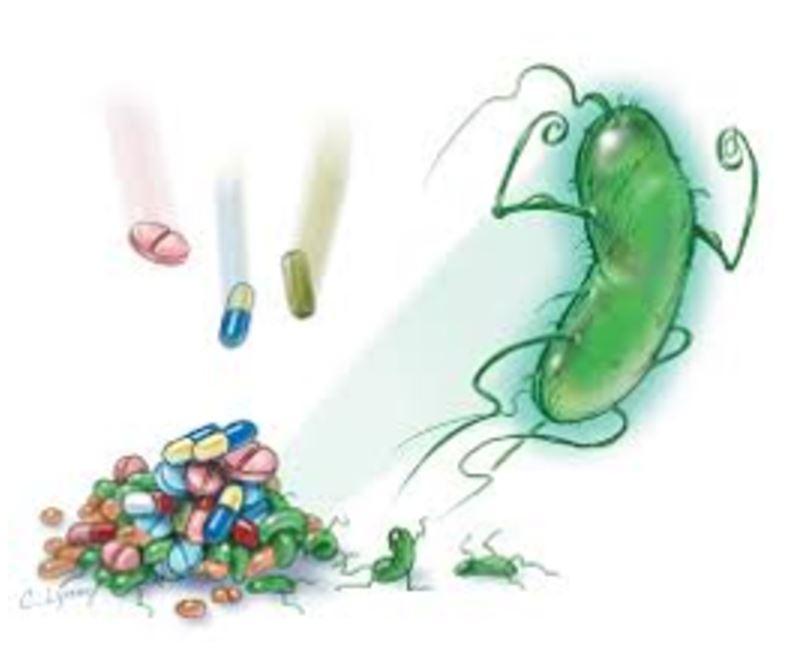
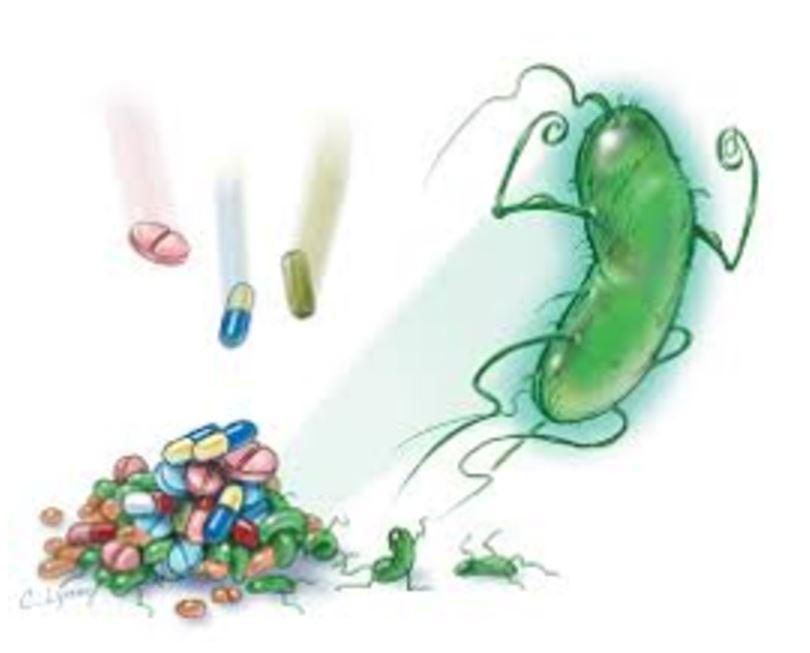 Antimicrobials are designed to treat infections caused by microorganisms such as bacteria, protozoa, and fungi. These drugs target parts of the infective microorganism such as the cell itself, or its mechanisms of survival like metabolism and synthesis. Unfortunately, bacteria are capable of developing resistance to antimicrobials, whereby specific drugs are no longer effective at treating infections. Overuse and misuse led to the immense problem today of antimicrobial resistance (AMR) in both h
- This is a reminder to do the Abstract, here are some reminders what an Abstract is for.
- What is this article about?
- Who is this article for?
- What is the take-home message?
-
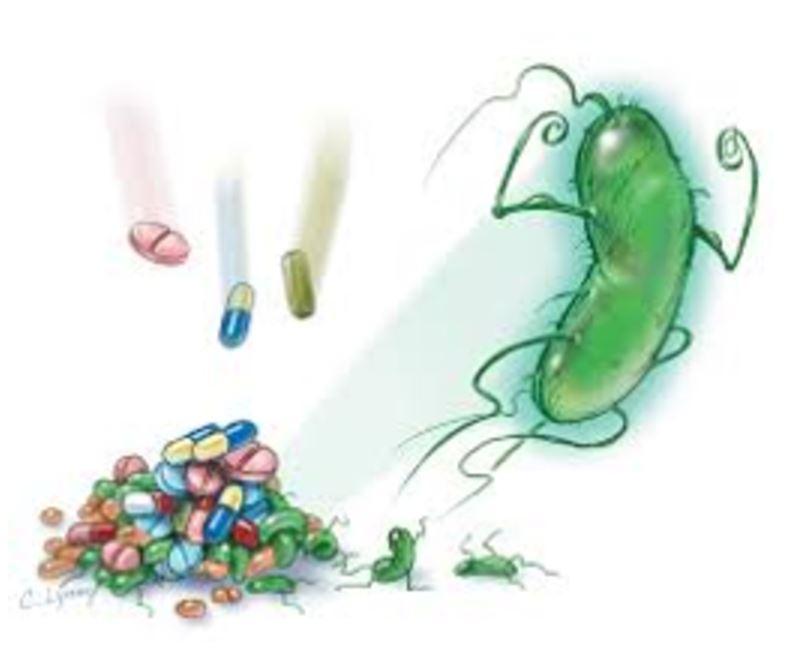 This is the second IPFD Student Project and Ariel Minardi, our 2017 student, is developing articles, a blog and a video blog (‘vlog’) to share with the DogWellNet.com community. Ariel is a 3rd year veterinary student from The Ohio State University and her project is generously sponsored by the Skippy Frank Fund. Below is an overview of Ariel’s project. Project Objectives: To researc
- Here is the catalog and links to work on the 2017 IPFD Student Project on the global public health threat of antimicrobial resistance. This article will be continuously updated during the summer of 2017 and serves as an index to references, links, blogs and other resources.