






Pedigree Breeds
184 entries in this category
-
- Last comment date
- Title
- Start Date
- Most Commented
- Most Viewed
- Last Updated
- Publish Date
- Brief Description
- Content
- Links to Breed Descriptions
- Other Names for Breed
- Country of Origin and Parent Breed Club
- Health and Well-Being
- Breed-Specific Articles
- Breed Standards
- Breed-Specific Statistics
- Breeding/Health Strategy Documents
- Breed-Specific DNA Tests
- Other Breed-Specific Webpages
- Breed-Specific Research
- Breed Clubs
- Custom
-
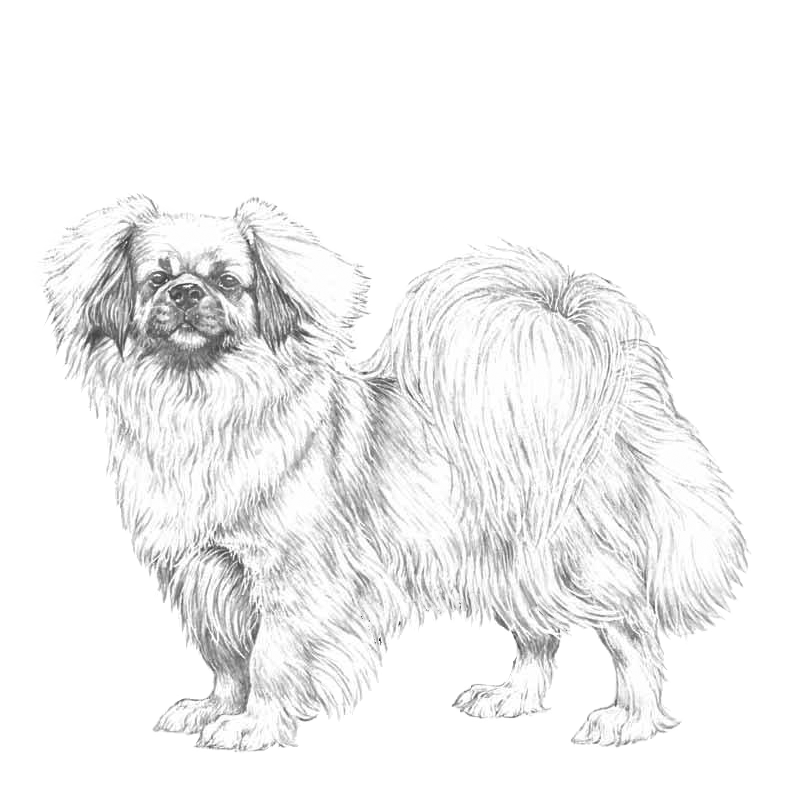
The Tibetan Spaniel is a breed of assertive, small, intelligent dogs originating over 2,500 years ago in the Himalayan mountains of Tibet. They share ancestry with the Pekingese, Japanese Chin, Shih Tzu, Lhasa Apso, Tibetan Terrier and Pug.
-
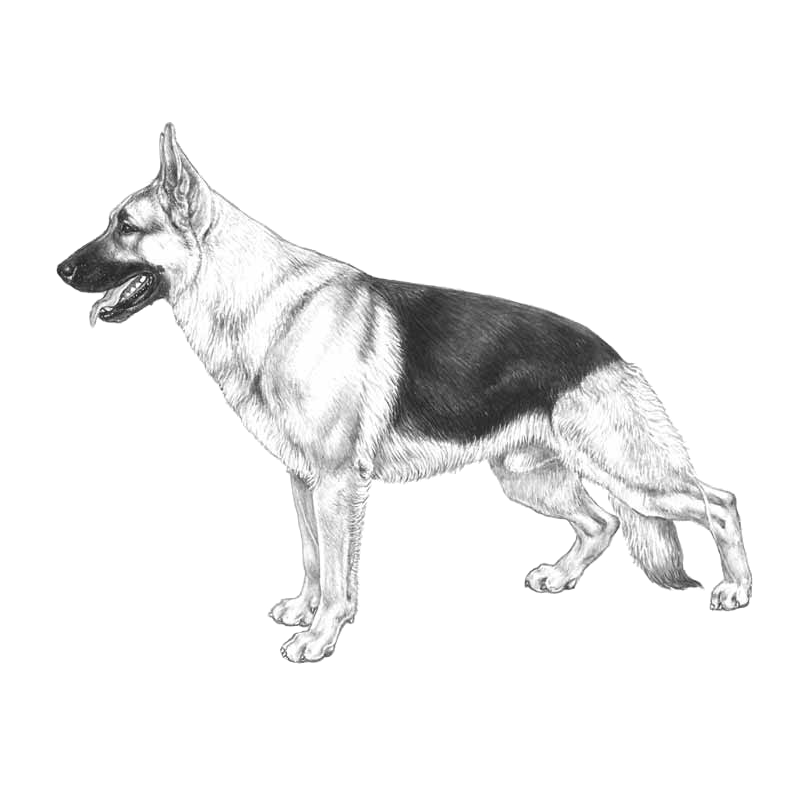
The German Shepherd Dog is medium-size, slightly elongated, powerful and well-muscled, with dry bone and firm overall structure. The German Shepherd Dog must be well-balanced (with strong nerves) in terms of character, self-assured, absolutely natural and (except for a stimulated situation) good-natured as well as attentive and willing to please. He must possess instinctive behaviour, resilience and self-assurance in order to be suitable as a companion, guard, protection, service and herding dog.
Source: http://www.fci.be/en/nomenclature/GERMAN-SHEPHERD-DOG-166.html
-
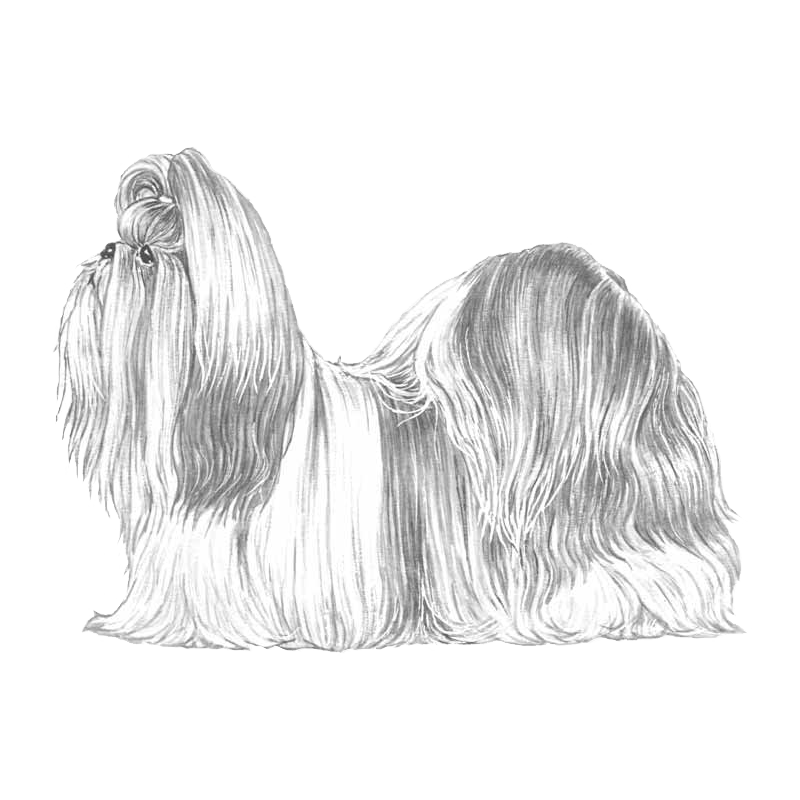
The roots of the Shih Tzu are in Tibet but it was developed in China, where dogs like these lived in the imperial palaces. After China became a republic in 1912, examples of the breed found their way to the West. Temperamentally, the Shih Tzu is a bouncy character and very outgoing. A complete extrovert and full of infectious enthusiasm, he makes a delightful companion who is happy to be part of any family.
Source: https://www.thekennelclub.org.uk/search/breeds-a-to-z/breeds/utility/shih-tzu/
-
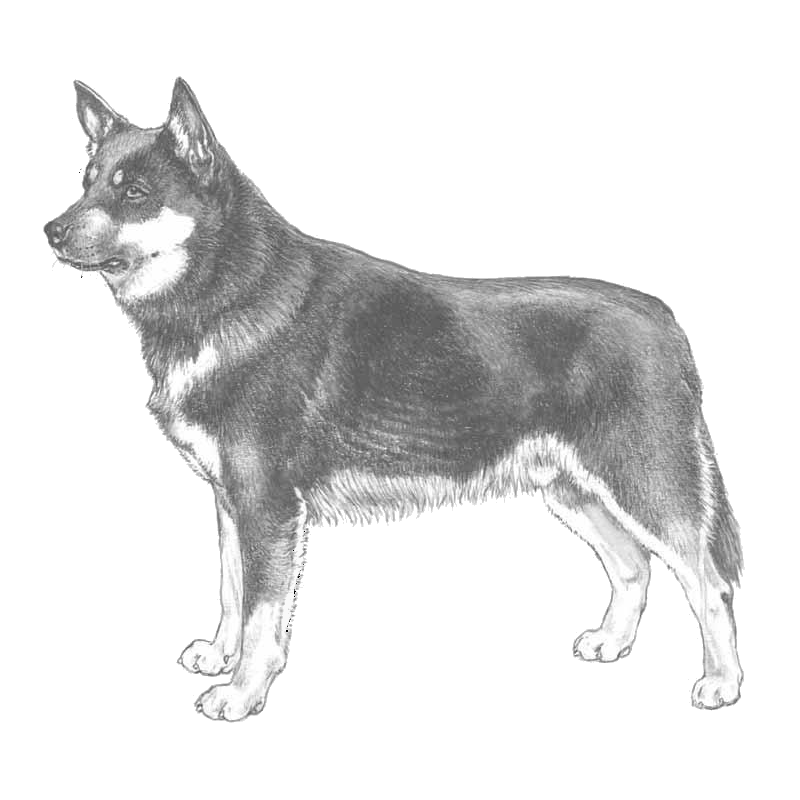
The Lapponian Herder has a good temperament; it is calm, quick to learn, energetic and eager to serve. It barks a lot when working. It is friendly to people, but not suited to be a companion dog only because it demands action as well. It can handle being outdoors all the time.
From: Kennelliito (The Finnish Kennel Club, IPFD Founding Partner) Native Breeds: Lapponian Herder
-
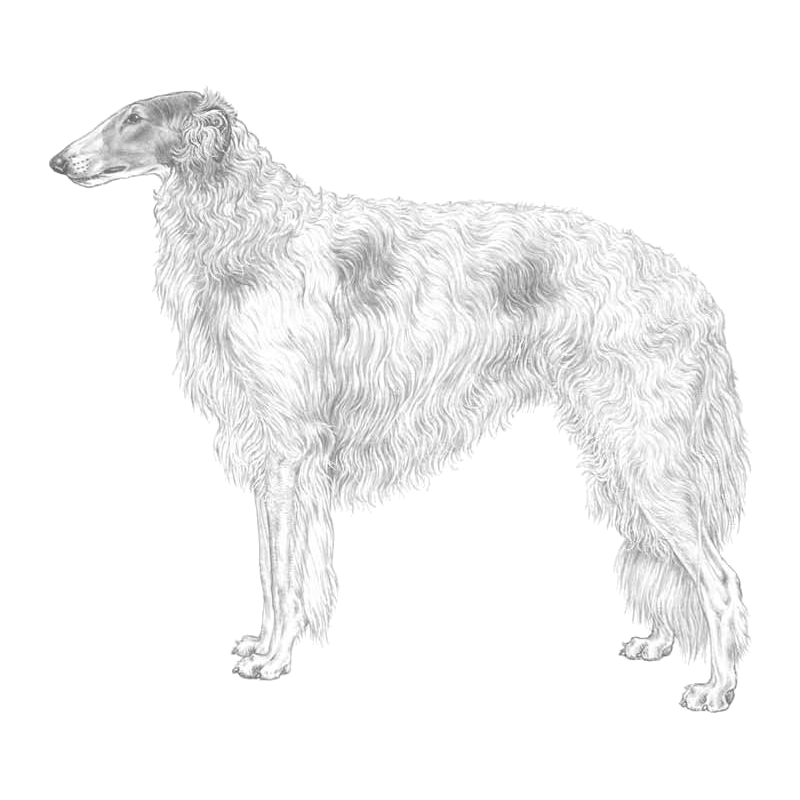
The Borzoi (/ˈbɔrzɔɪ/, literally "fast"), also called the Russian wolfhound (Russian: Ру́сская псовая борзая), is a breed of domestic dog (Canis lupus familiaris). Descended from dogs brought to Russia from central Asian countries, it is similar in shape to a greyhound, and is also a member of the sighthound family.
Source: Wikipedia
-
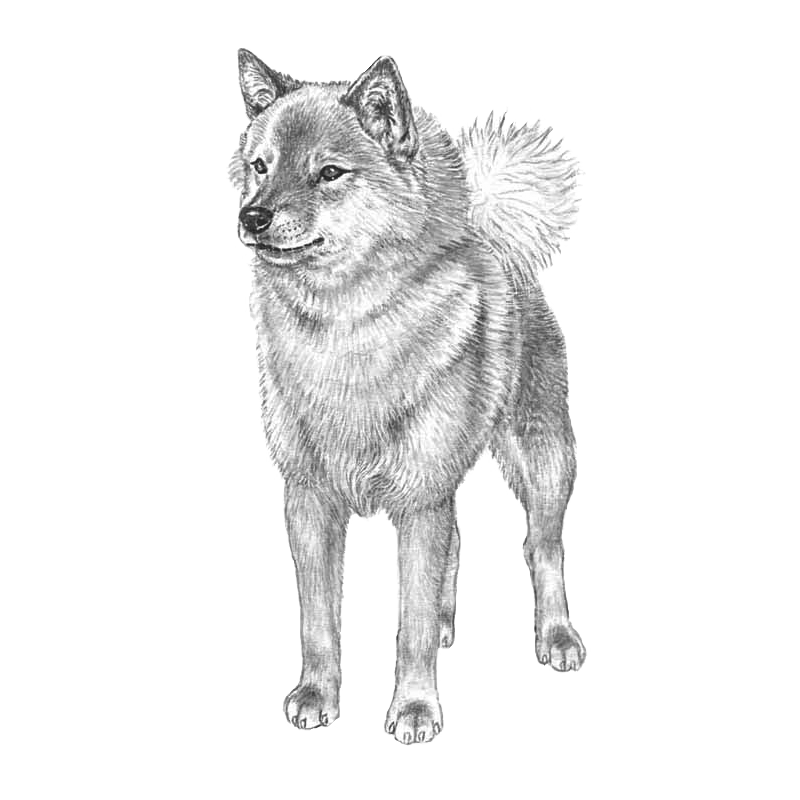
The national dog of Finland, the Finnish Spitz, is by far the oldest of all the Finnish breeds. It was bred directly from the native landrace dog population without crossbreeding, and it has followed the Finnish people since ancient times. A dog similar to the Finnish Spitz has been found in prehistoric cave paintings. The Finnish people lived in isolated residential areas in the wilderness in the Northern part of Finland, from Kainuu all the way to Murmansk, and their dogs remained purer in comparison with dogs living more south where they easily got mixed with other dogs.
See More: From the Finnish Dog Museum (Online)
-
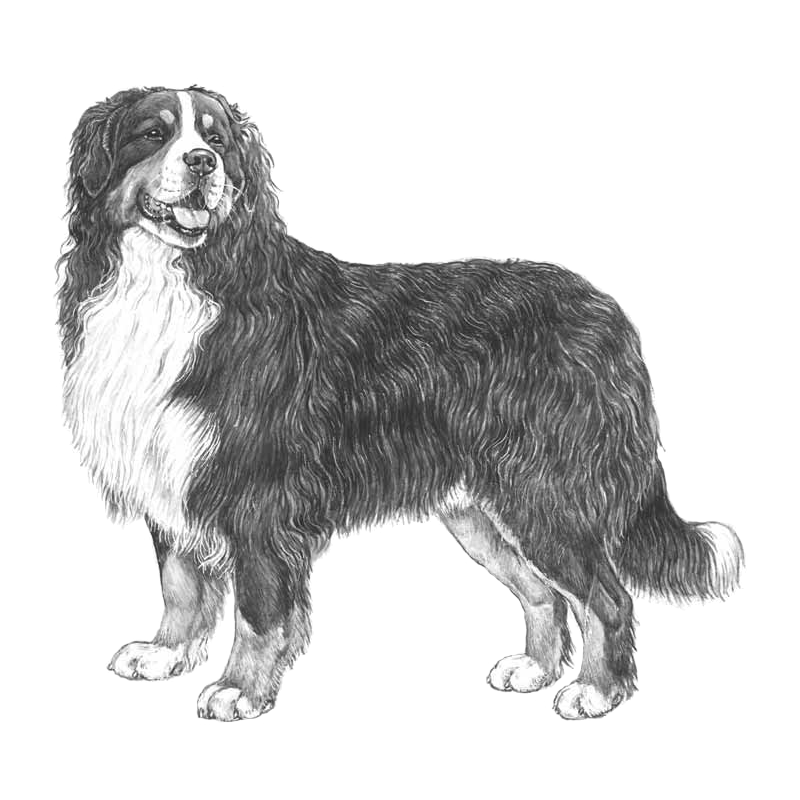 Bernese Mountain Dogs were originally found in the valleys of the Bernese Oberland of Switzerland and were used as general multi purpose farm dogs. They were draught dogs pulling cart loaded with produce to market, items such as basket ware, cheese, or milk to the local dairy. The carts were also decorated for village festivals and celebrations which still puts the dogs as centre of attention today. They were also employed in helping to herd sheep and cattle to and from the mountain pastures. Al
They are one of 4 tri-coloured Swiss Mountain Breeds, (Appenzeller, Entlebucher and Great Swiss Mountain Dog being the other), but are the only one with longer coat. The Bernese is still popular in Switzerland generally but especially in the hills of the Bernese Oberland.
-
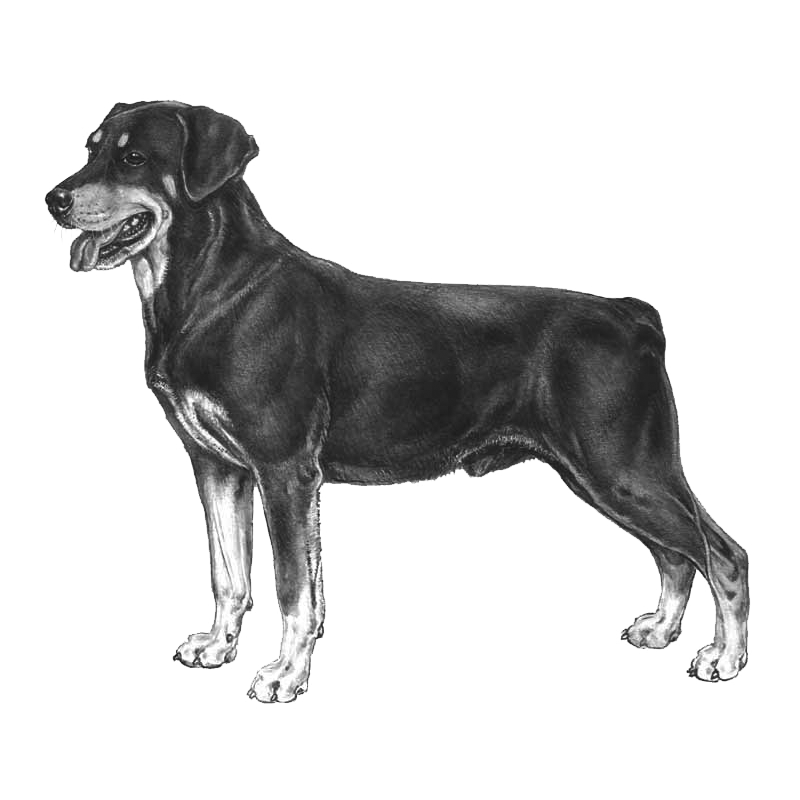
The Smaland Hound (Swedish: Smålandsstövare) is a breed of dog that originated in Sweden in the 16th century. Thought to be the oldest scent hound breed native to Sweden, it was first recognized by the Swedish Kennel Club in 1921.
-
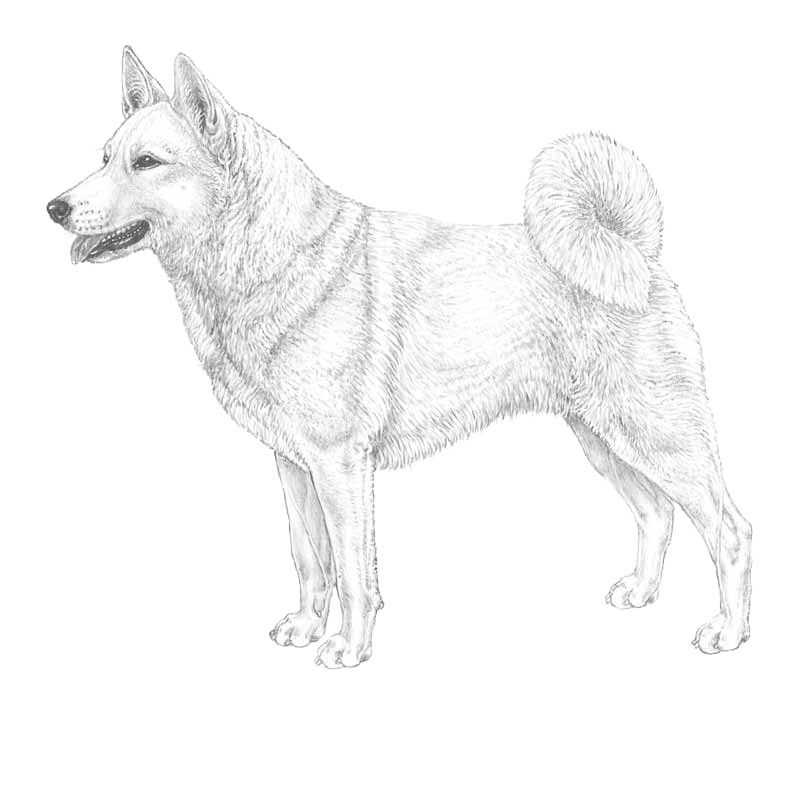
- The White Elkhound derives from the grey Jämthund and the grey Norwegian Elkhound.The type is like the Jämthund, regarding both size and proportions. It is a distinct hunting dog. In addition to hunting moose, the breed is also good at hunting bears, lynx and badgers. Source: SKK
The Svensk vit älghund is recognized by the NKU and belongs to group 5. The breed is not recognized by the FCI. Source NKU: https://www.skk.se/en/NKU-home/nordic-dog-breeds/sweden/svensk-vit-alghund/
-

Many hunters consider the Finnish Hound to be the world's best game-pursuing breed at the moment.
The Finnish Hound is a native breed and one of the most popular dog breeds in Finland. It is used almost solely to hunt hares or foxes. It works independently, tracking either earth or airborne scent and will pursue game and bark passionately. The long hunting season for hares and foxes contribute to the breed's popularity. The Finnish Kennel Club registered 1,475 Finnish Hounds in 2012. In total, 20,030 Finnish Hounds were registered in 2003-2012.
From: Kennelliito (The Finnish Kennel Club, IPFD Founding Partner) Native Breeds
-
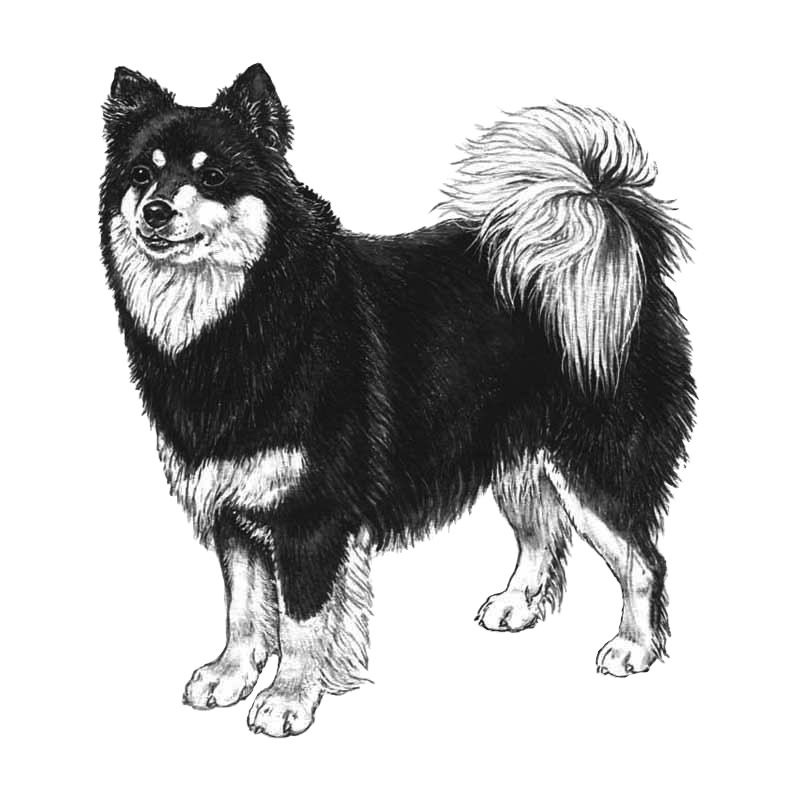
The Finnish Lapponian Dog shares its roots with the Lapponian Herder and the Swedish Lapphund. It is descended from the long-haired reindeer herding dogs that are common in the fell regions of Lapland and is nowadays a popular companion dog. The Finnish Lapponian Dog is intelligent, brave, eager to learn, friendly and fairly submissive. Its herding instinct is strong and it displays a clear disposition to guard.
From: Kennelliito (The Finnish Kennel Club, IPFD Founding Partner) Native Breeds
-
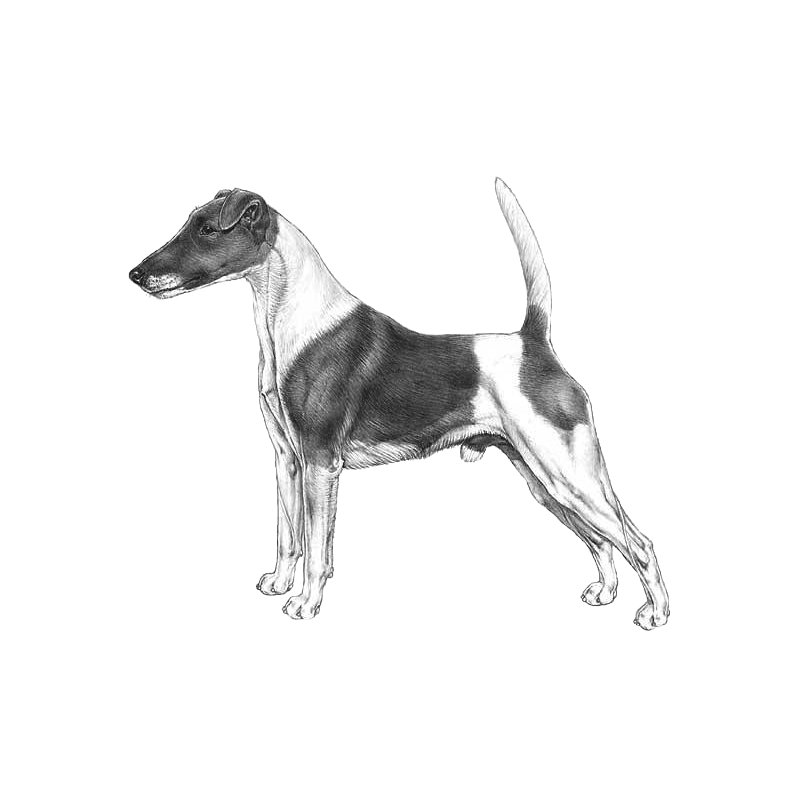
It was the first breed in the fox terrier family to be given official recognition by The Kennel Club (circa 1875; breed standard 1876). It is well known, and although not a widely popular breed today outside of hunting and show circles, it is extremely significant due to the large number of terriers believed descended from it.
-
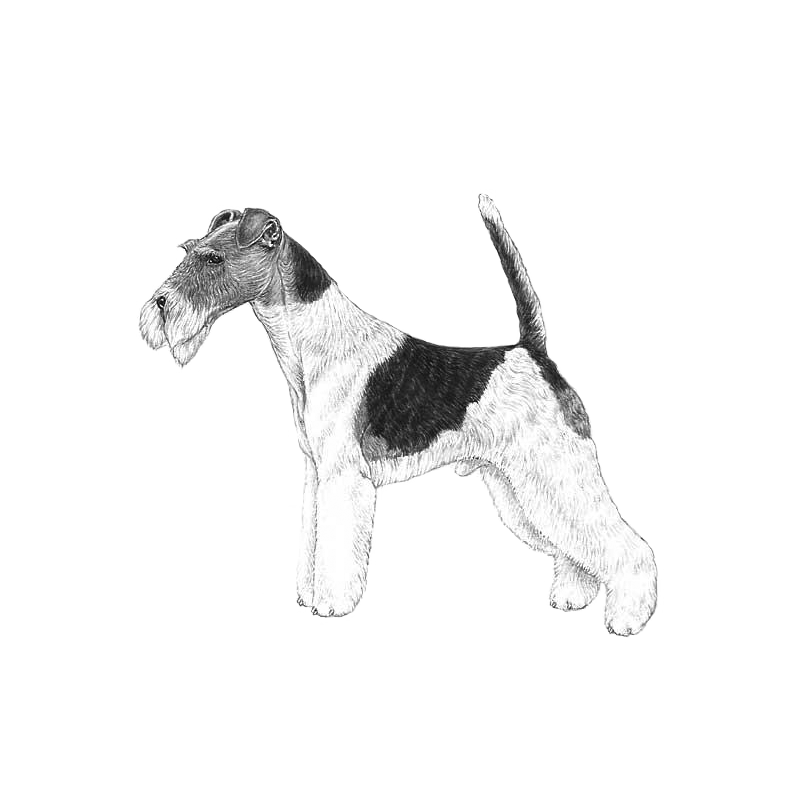
It is a fox terrier, and although it bears a resemblance to the smooth fox terrier, they are believed to have been developed separately.
-
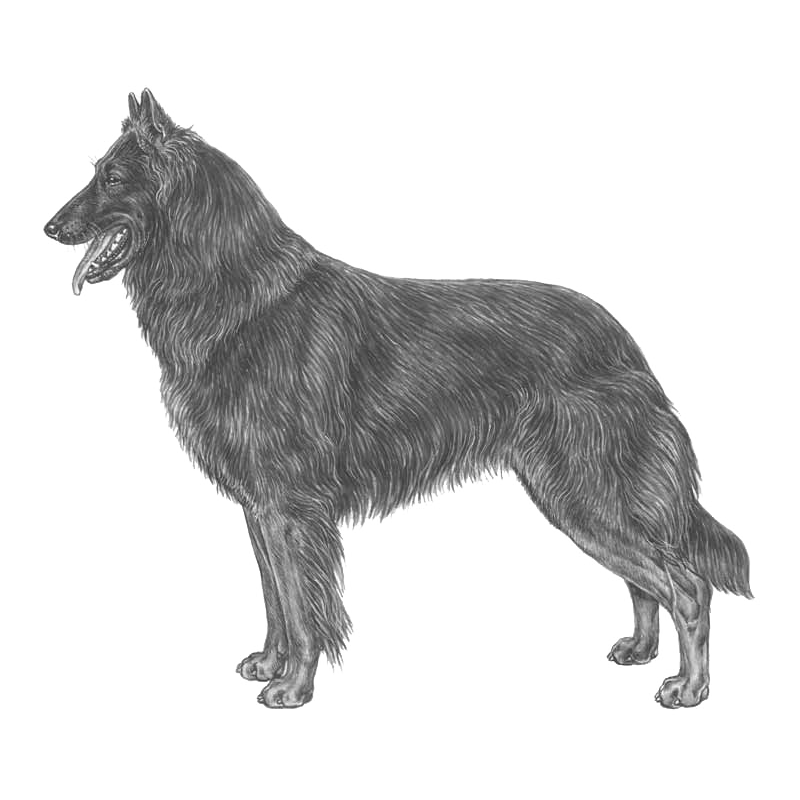
The Groenendael /ˈɡroʊnɨndæl/ is a dog that is included in the Belgian Shepherd breed. In the United States it is generally recognized under the name Belgian Sheepdog.
Source: https://en.wikipedia.org/wiki/Groenendael_(Belgian_Shepherd_Dog)
-
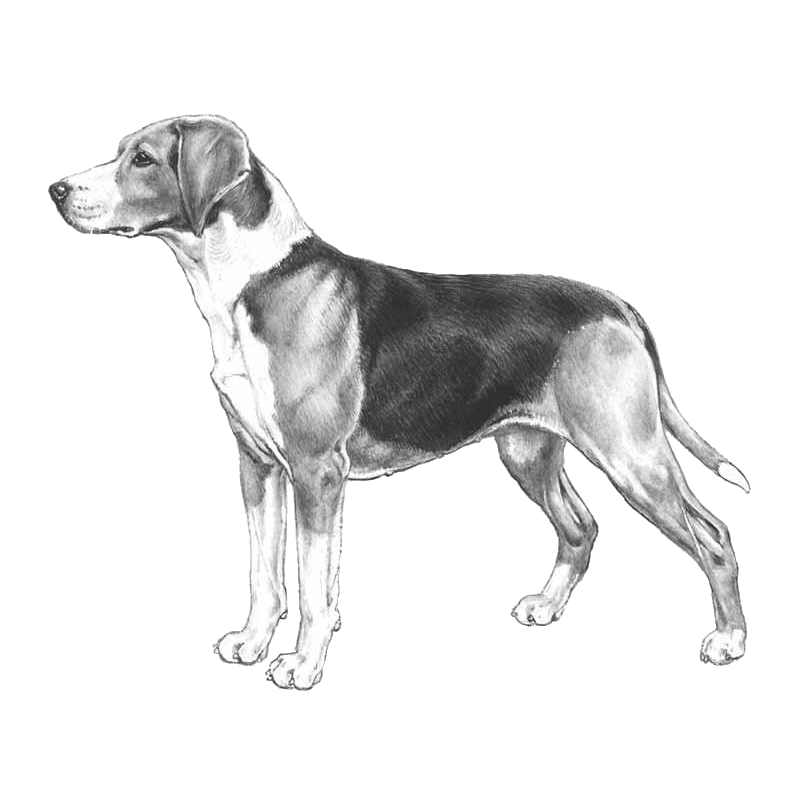
The Hamiltonstövare is above all a working dog, bred for hunting fox and hare, working singly or in pairs rather than in a pack. The combination of working ability and a lovely temperament makes the Hamiltonstövare a pleasant shooting dog. Standing 19 to 24 inches (49 to 61 centimetres) at the withers, makes him one of the larger stövare.
source: http://caninechronicle.com/uncategorized/masterminds-the-hamilton-hound/
-
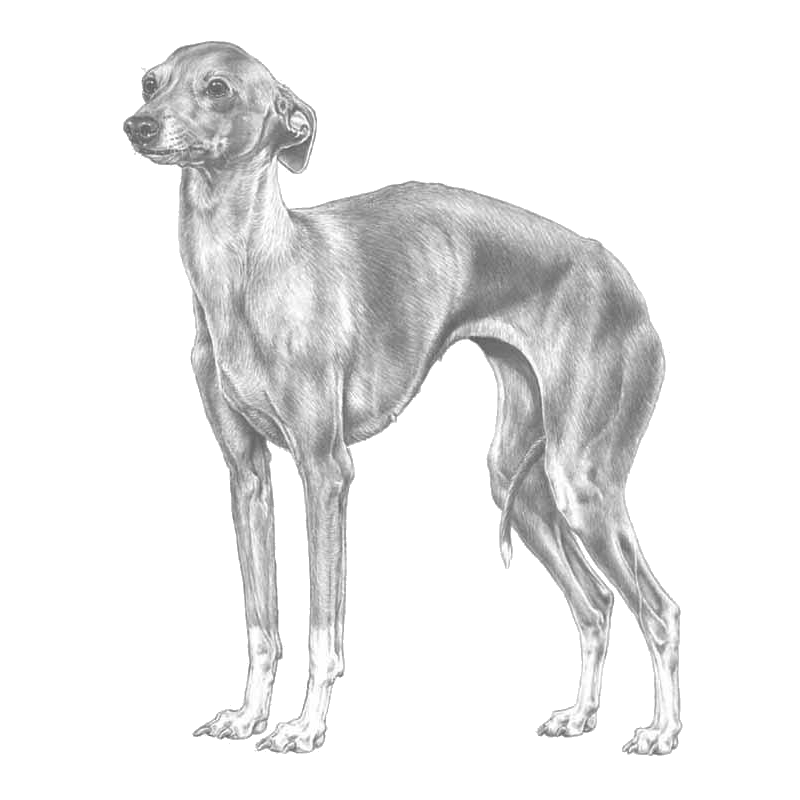
The Italian Greyhound (in Italian: Piccolo Levriero Italiano) is a small breed of dog of the sight hound type, sometimes called an "I.G." or an "Iggy".
-
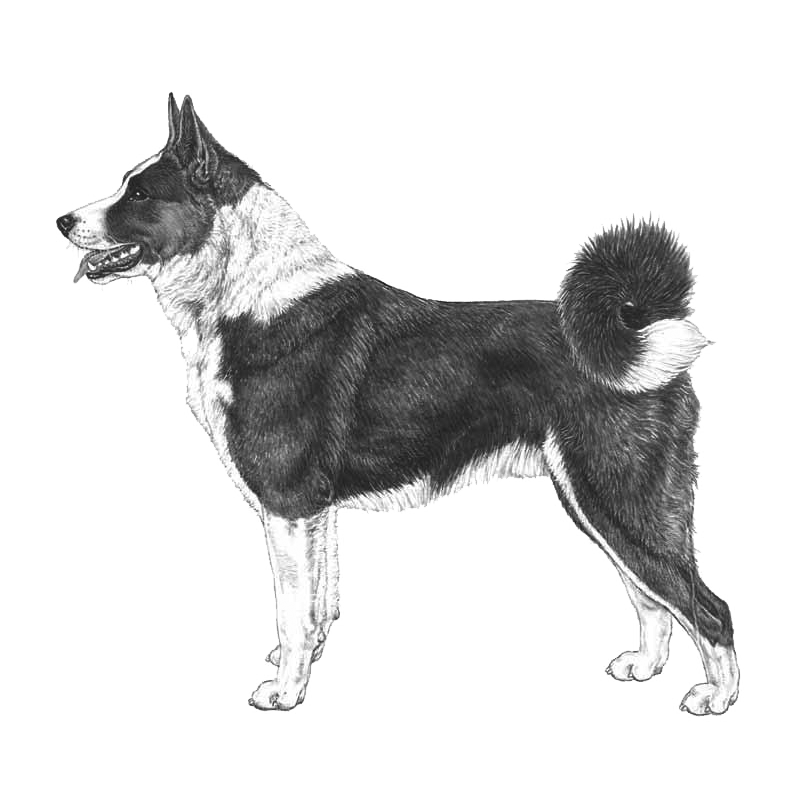
The Karelian Bear Dog is an old breed from the forested areas of Karelia. It is a traditional big-game hunting dog that is nowadays used by hunters to corner elk and bears.
The Karelian Bear Dog is a mid-sized, sturdily built, but not heavy, dog that is powerful and only a little longer than it is tall. It has a thick coat, which is black and white with clearly-defined markings. Its coat may, at times, have a slight shade of brown. Its eyes are relatively small, somewhat oval and dark-brown in colour. Its expression is alert and sharp. The ears are erect, mid-sized and only a little rounded at the tip.
From: Kennelliito (The Finnish Kennel Club, IPFD Founding Partner) Native Breeds
-
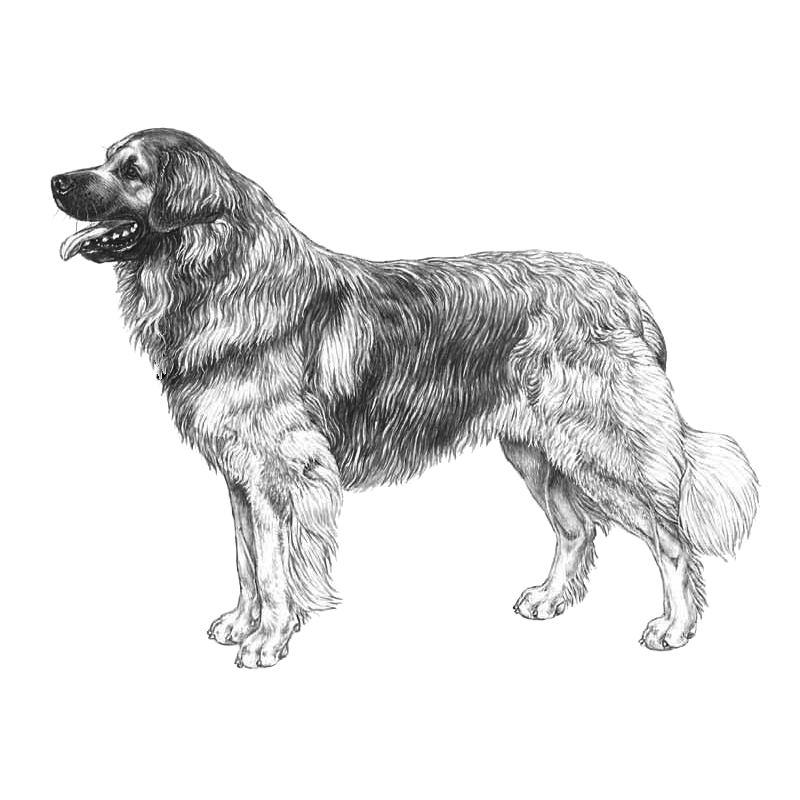
The Leonberger is a giant dog breed. The breed's name derives from the city of Leonberg in Baden-Württemberg, Germany. According to legend, the Leonberger was ostensibly bred as a 'symbolic dog' that would mimic the lion in the town crest.
-
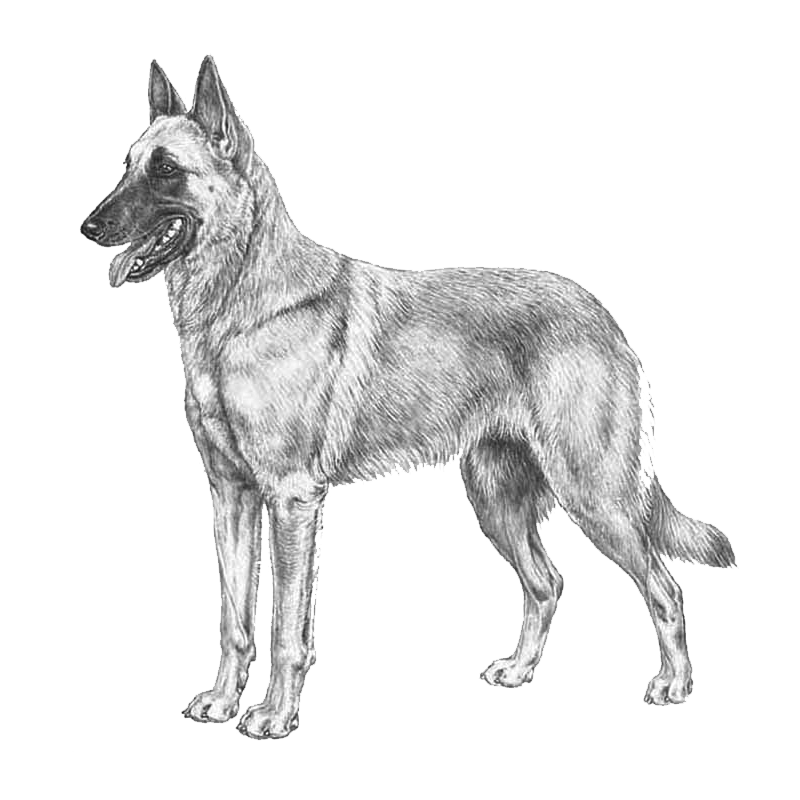
The Malinois /ˈmælɨnwɑː/ is a medium to large breed of dog, sometimes classified as a variety of the Belgian Shepherd Dog rather than as a separate breed. It is named after the Belgian city of Malines, where the breed originated. Its name is the French word for Mechlinian, which in Dutch is either Mechelse herder or Mechelaar (one from Mechelen).
Source: https://en.wikipedia.org/wiki/Malinois_(Belgian_Shepherd_Dog)
NOTE: The Federation Cynologique Internationale (FCI) describes the Malinois, together with the Groenendael, the Laekenois, and the Tervueren, as varieties of the Belgian Shepherd dog breed. The American Kennel Club, however, officially recognizes the Belgian Malinois, the Belgian Sheepdog (FCI: Groenendael), the Belgian Laekenois (FCI: Laekenois), and the Belgian Tervuren (FCI: Tervueren) as four distinct breeds.
Source: https://www.ncbi.nlm.nih.gov/pmc/articles/PMC7140874/
-
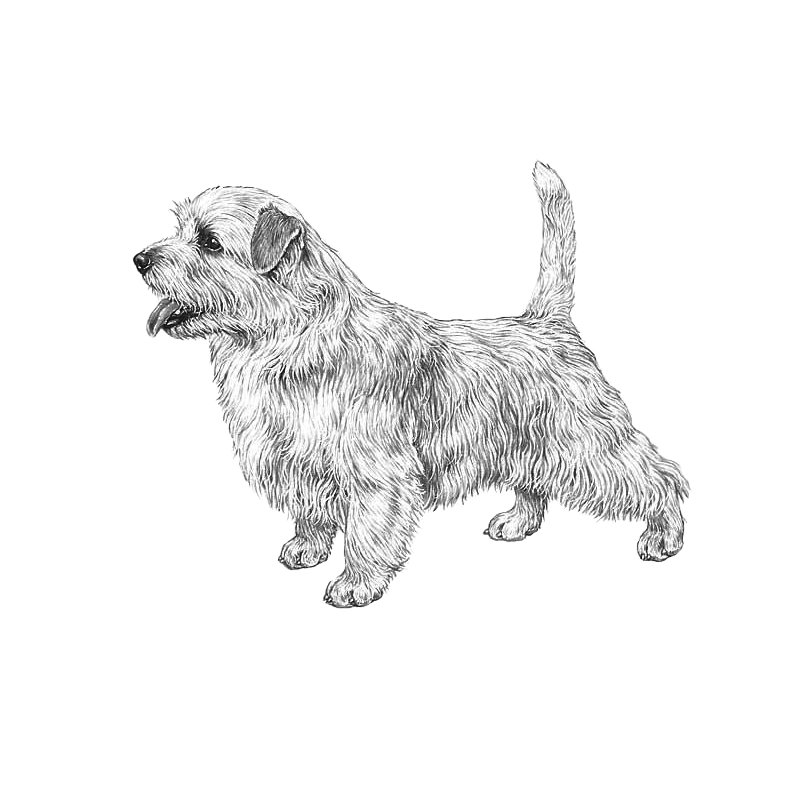
Prior to gaining recognition as an independent breed in 1960, it was a variety of theNorwich Terrier, distinguished from the "prick eared" Norwich by its "drop ears" (or folded ears). Together, the Norfolk and Norwich Terriers are the smallest of the working terriers.
-
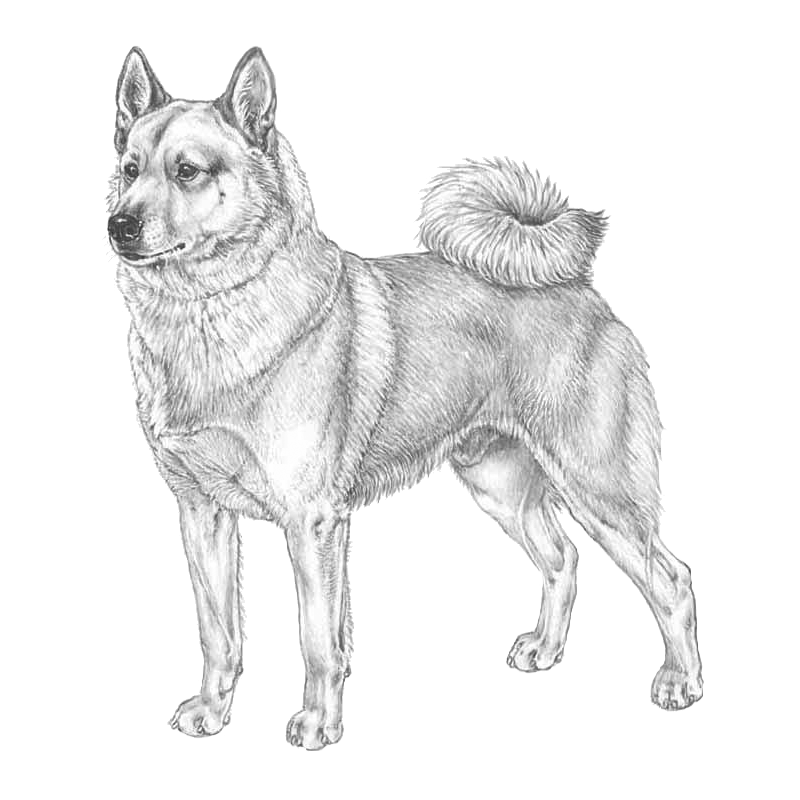
The Norwegian Buhund is a breed of dog of the spitz type. It is closely related to the Icelandic Sheepdog and the Jämthund. The Buhund is used as an all purpose farm and herding dog, as well as watch dog.
-
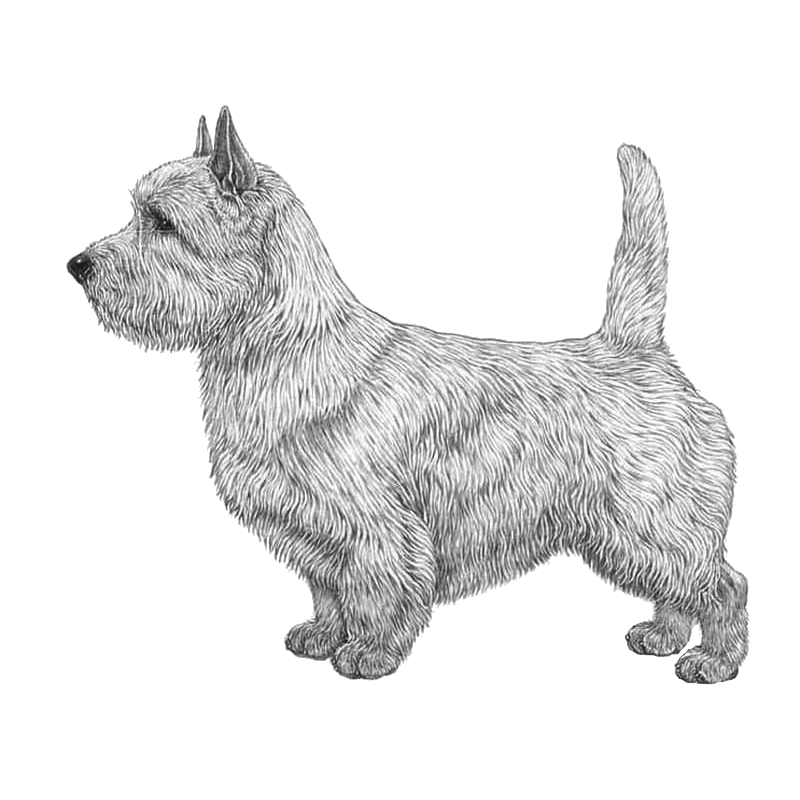
It originates in the United Kingdom and was bred to hunt small vermin or rodents. With a friendly personality, Norwich Terriers are today mostly a companion dog breed.
-
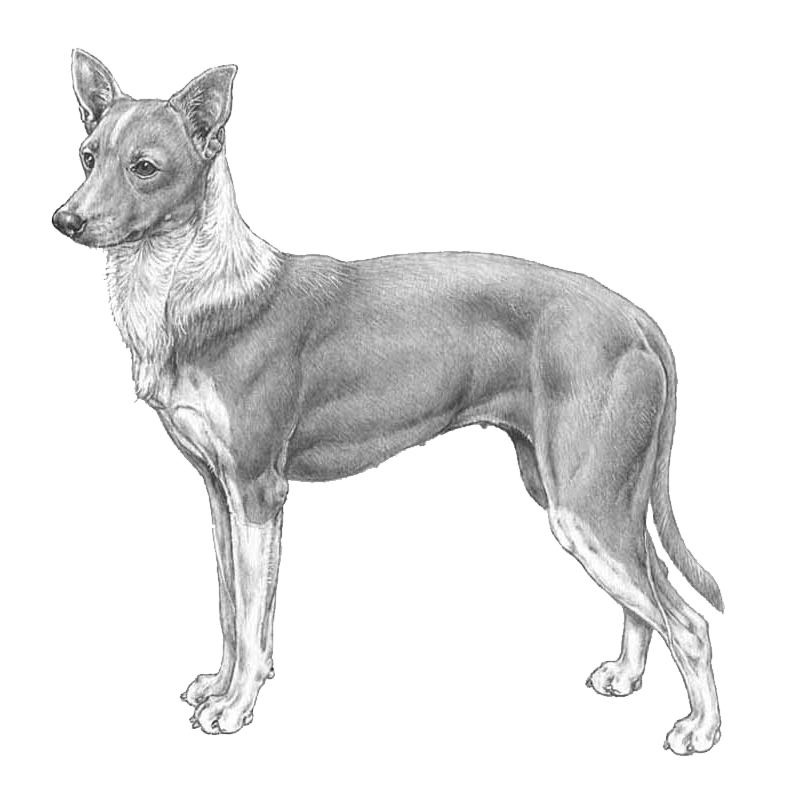
The Portuguese Podengo is an ancient multi-sensory hound breed of dog from Portugal. As a breed, the Podengo is divided into three size categories that are not interbred: small, medium and large.
-
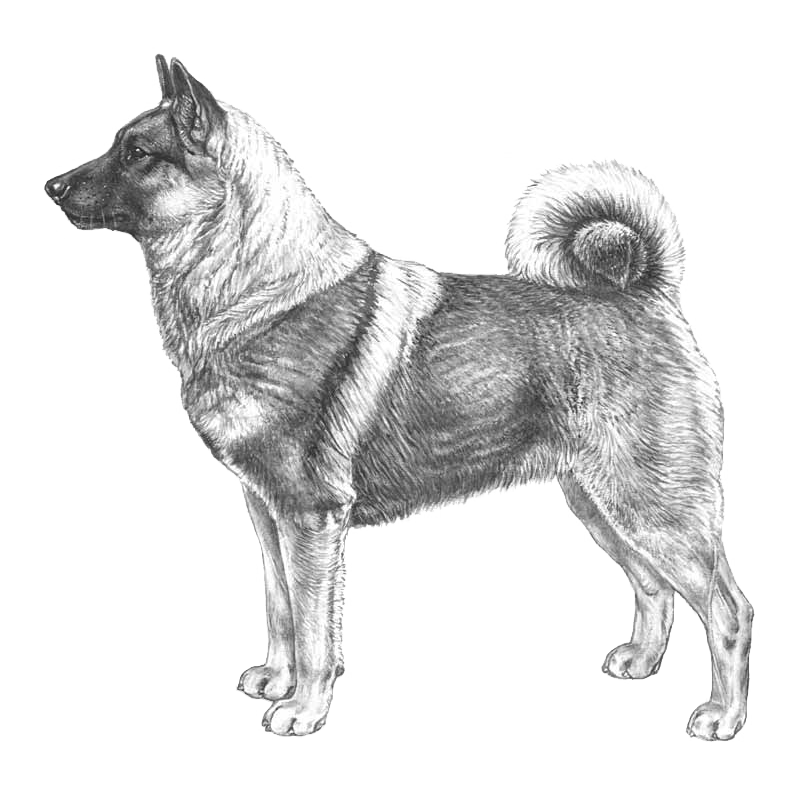
The Norwegian Elkhound is one of the ancient Northern Spitz-type breed of dog and is the National Dog of Norway. The Elkhound has served as a hunter, guardian, herder, and defender.
Source: Wikipedia
-
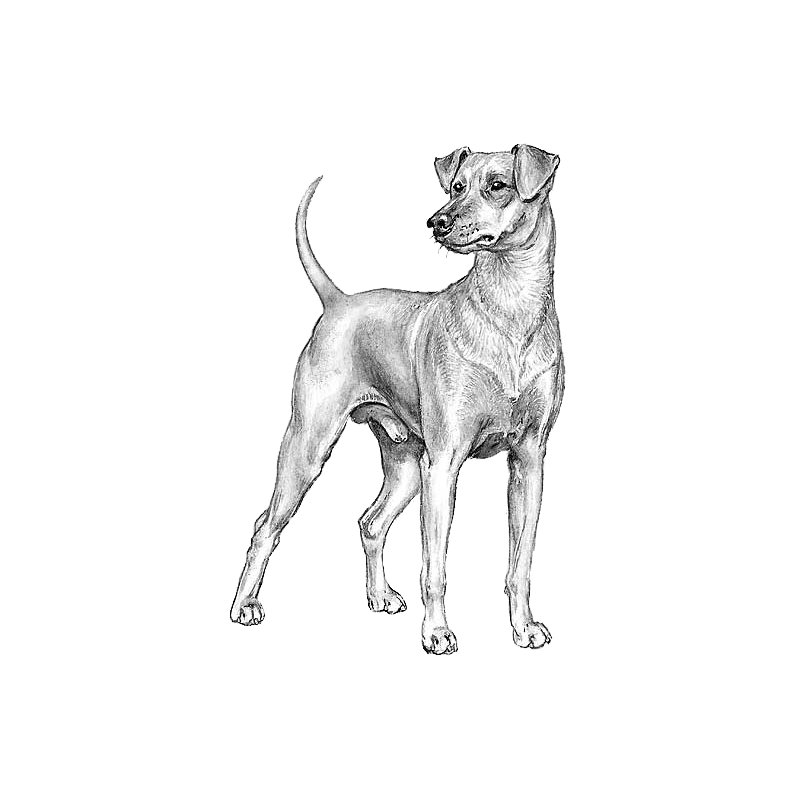
The German Pinscher is a medium-sized dog, usually weighing between 25–45 pounds (11–20 kilograms) and typically 17–20 inches (43–51 centimetres) in height, with a short coat. Colors for this breed include black and rust, red, fawn, blue and tan. The ideal German Pinscher is elegant in appearance with a strong square build and moderate body structure, muscular and powerful endurance and agility. For all countries where the Fédération Cynologique Internationale standard applies, only black and rust and solid red are allowed colors. Colors that became extinct during the world wars of the twentieth century include solid black, salt-and-pepper, and harlequin.
Source: https://en.wikipedia.org/wiki/German_Pinscher