






Pedigree Breeds
184 entries in this category
-
- Last comment date
- Title
- Start Date
- Most Commented
- Most Viewed
- Last Updated
- Publish Date
- Brief Description
- Content
- Links to Breed Descriptions
- Other Names for Breed
- Country of Origin and Parent Breed Club
- Health and Well-Being
- Breed-Specific Articles
- Breed Standards
- Breed-Specific Statistics
- Breeding/Health Strategy Documents
- Breed-Specific DNA Tests
- Other Breed-Specific Webpages
- Breed-Specific Research
- Breed Clubs
- Custom
-
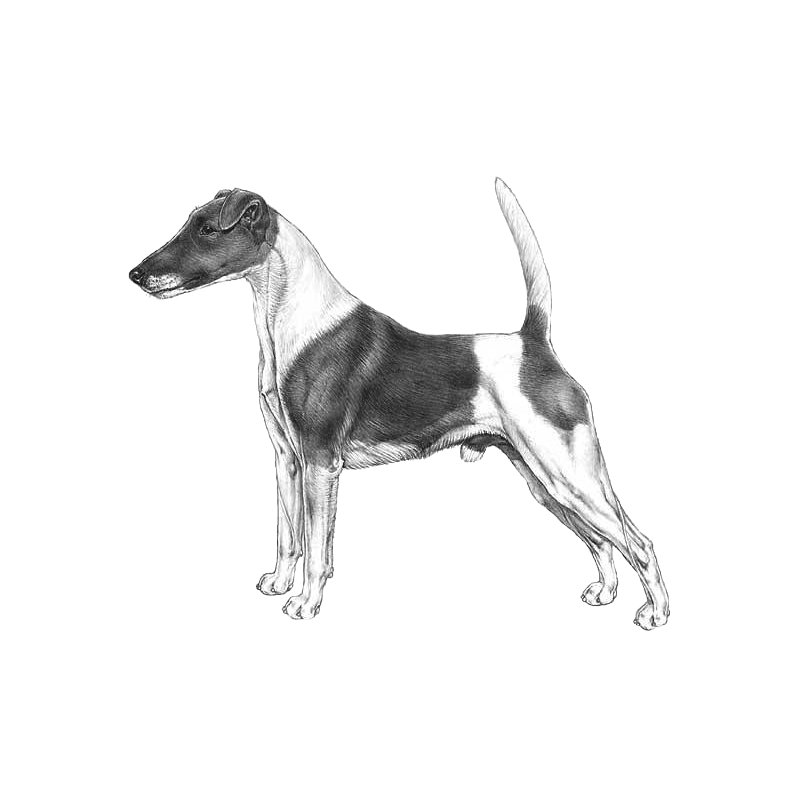
It was the first breed in the fox terrier family to be given official recognition by The Kennel Club (circa 1875; breed standard 1876). It is well known, and although not a widely popular breed today outside of hunting and show circles, it is extremely significant due to the large number of terriers believed descended from it.
-
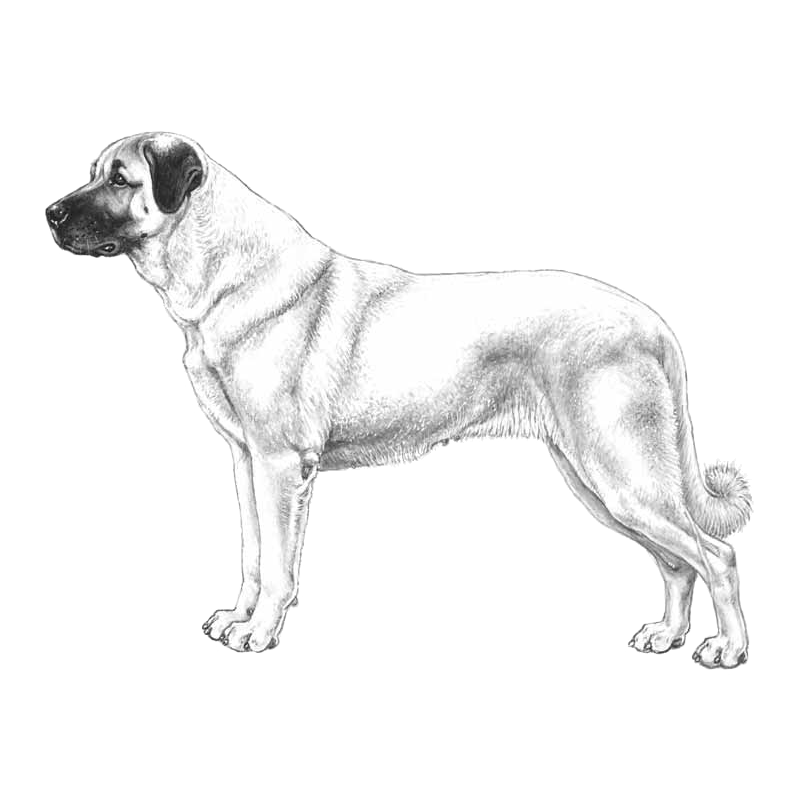
Large, rugged and powerful, the Anatolian Shepherd Dog is a working guard dog, possessing a superior ability to protect livestock. While not a "glamour" breed, the Anatolian's loyalty, independence and hardiness is cherished by breeders and owners.
Source: AKC
-
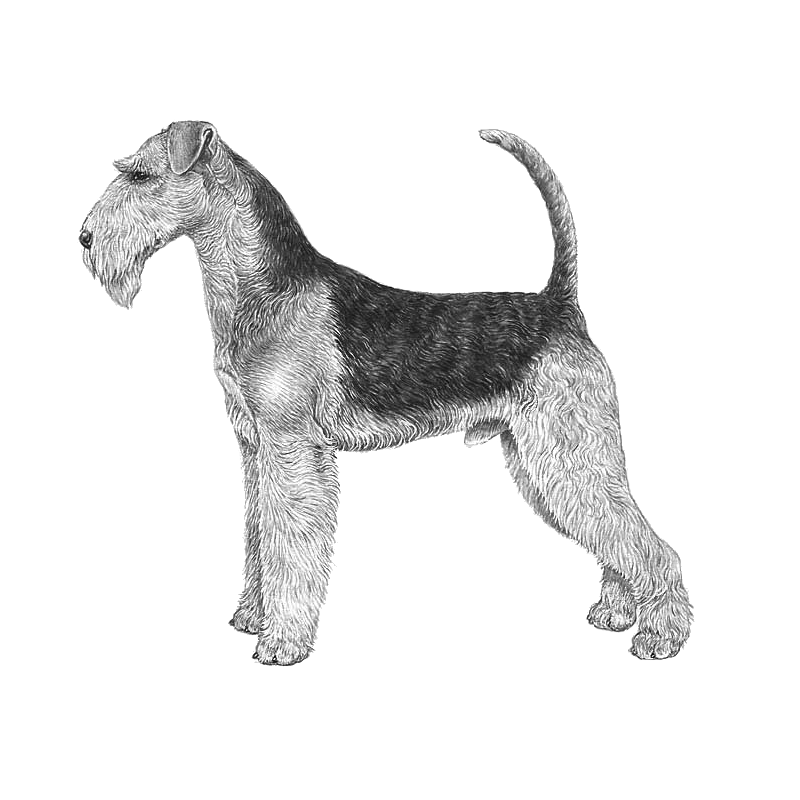
The King of the Terriers – a name he earns as the largest of the Terrier breeds, originated in Yorkshire, when a group of breed enthusiasts met to 'show' their terriers at Airedale Show – in the area around Ilkley. The breed was often known as the Waterside Terrier because of their working of the riverbanks to keep down vermin.
Source: The Kennel Club
-
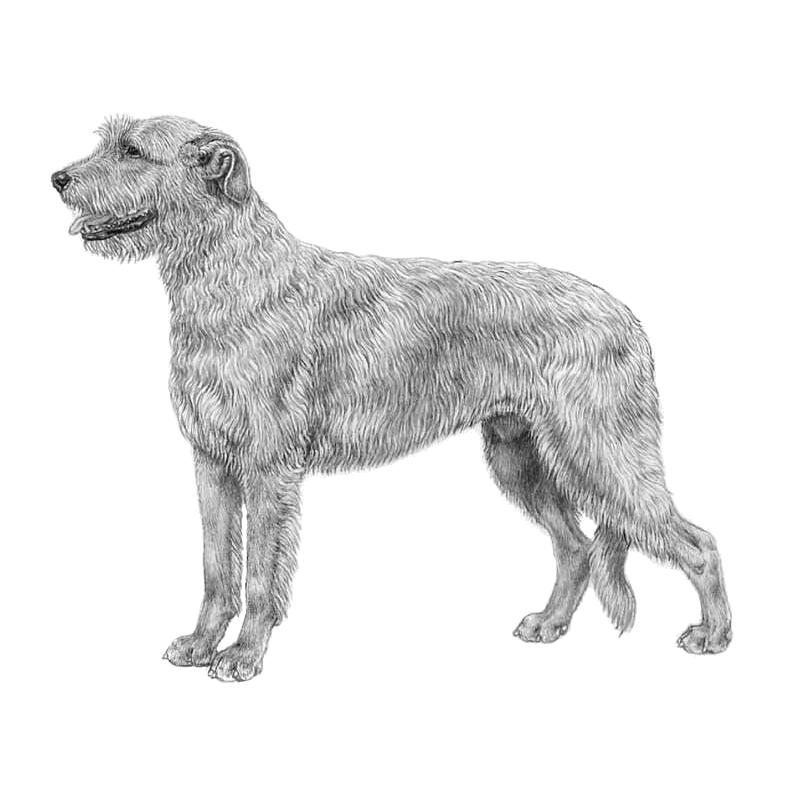
Up to the end of the17th century, Irish Wolfhounds were used for hunting wolves and deer in Ireland. They were also used for hunting the wolves that infested large areas of Europe before the forests were cleared.
Source: Irish Kennel Club
-
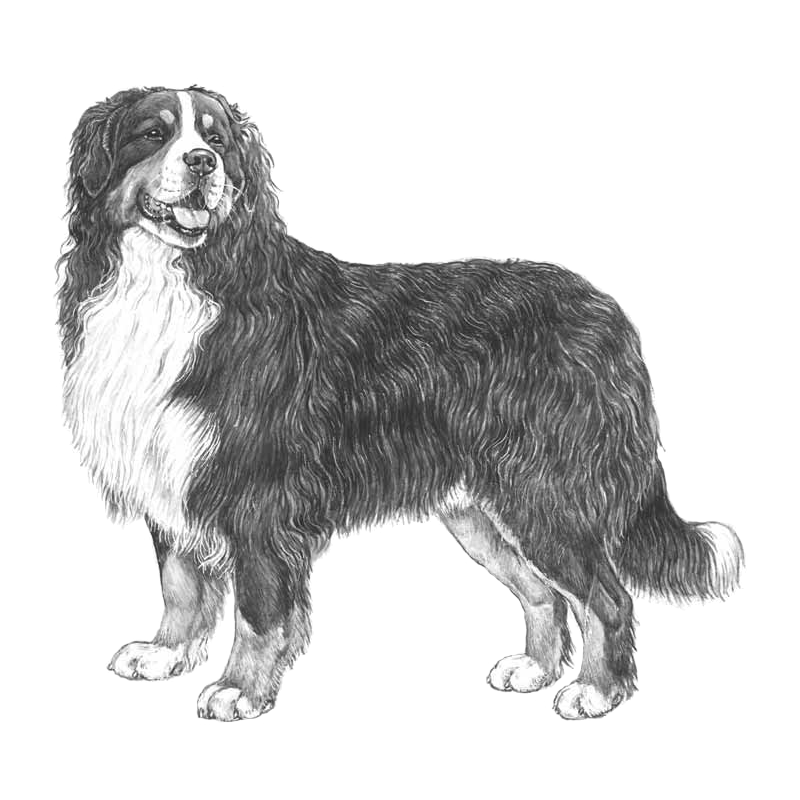 Bernese Mountain Dogs were originally found in the valleys of the Bernese Oberland of Switzerland and were used as general multi purpose farm dogs. They were draught dogs pulling cart loaded with produce to market, items such as basket ware, cheese, or milk to the local dairy. The carts were also decorated for village festivals and celebrations which still puts the dogs as centre of attention today. They were also employed in helping to herd sheep and cattle to and from the mountain pastures. Al
They are one of 4 tri-coloured Swiss Mountain Breeds, (Appenzeller, Entlebucher and Great Swiss Mountain Dog being the other), but are the only one with longer coat. The Bernese is still popular in Switzerland generally but especially in the hills of the Bernese Oberland.
-
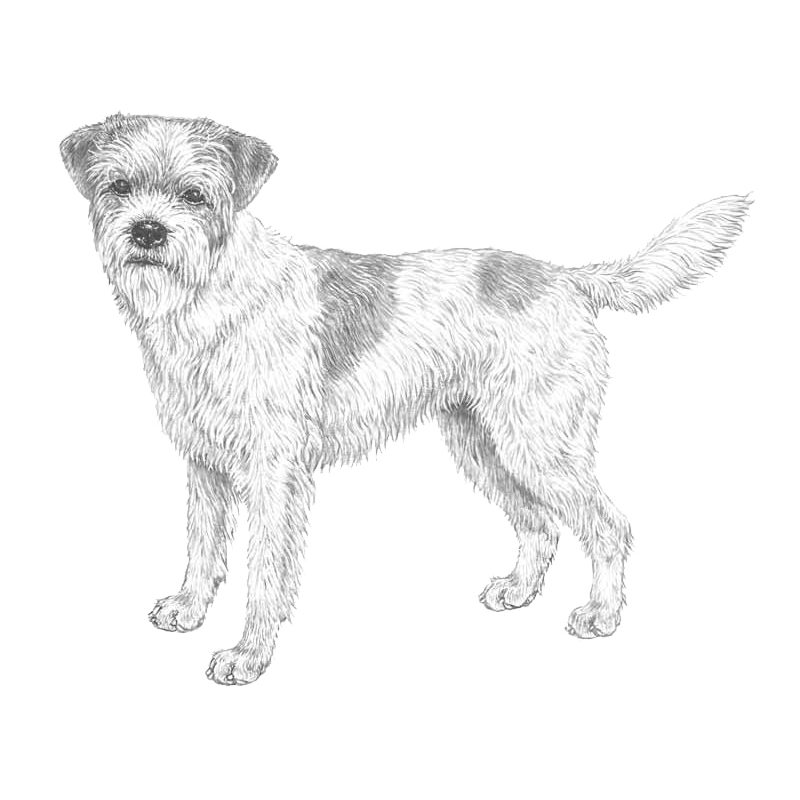
Medium size. There are two separate varieties, distinguished by coat type: Rough coat and Smooth coat. Adaptable, docile and highspirited companion and house-dog, somewhat reserved about strangers, with a moderate hunting instinct. Aggressiveness and timidity not desired.
Source: http://www.fci.be/en/nomenclature/KROMFOHRLANDER-192.html
-
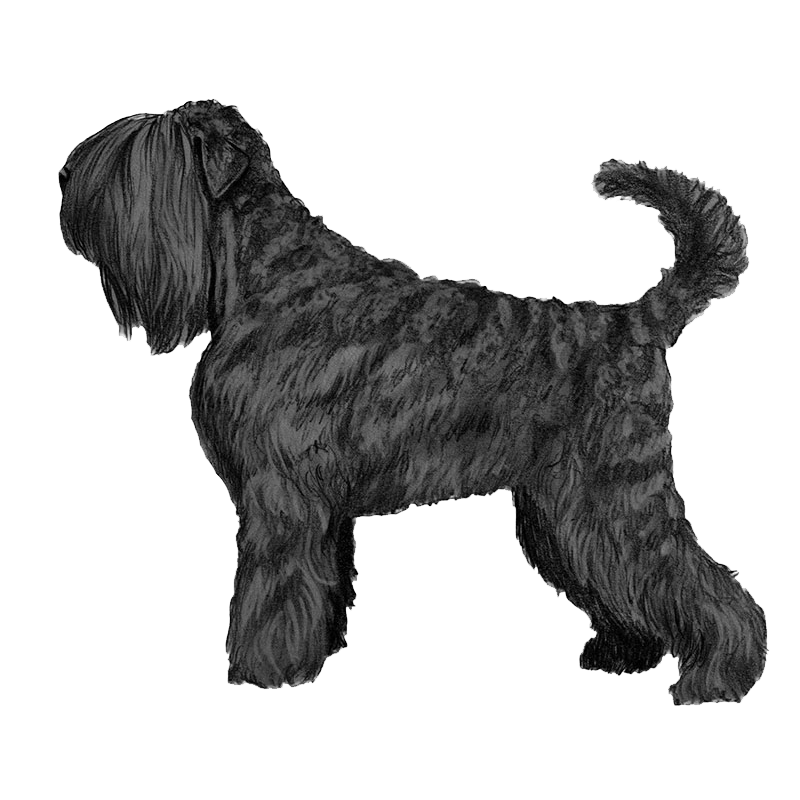
The Black Russian Terrier, also known as the Chornyi Terrier is a breed of dog created in the USSR in the Red Star Kennel during the late 1940s and the early 1950s for use as military/working dogs. BRTs are calm, confident, self-assured, highly intelligent dogs that with proper training and socialization are loyal, reliable, robust working companions. This large and powerful dog is not in all likelihood an ideal fit for the first-time dog owner.
-
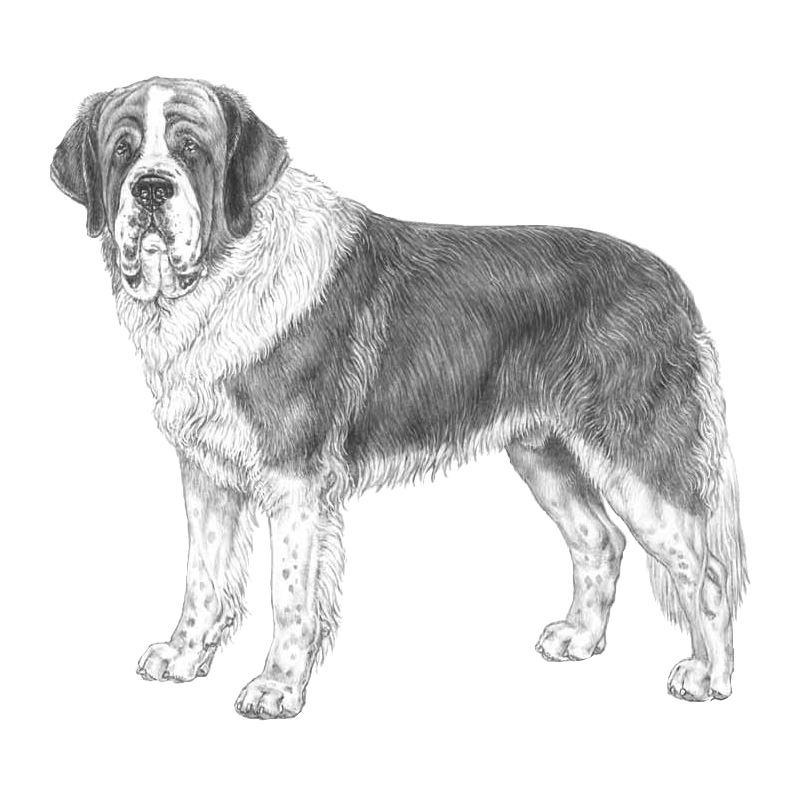
In the 11th century, monks founded a hospice as a refuge for travellers and pilgrims on the 2469 metre - high Great Saint Bernard Pass. Large mountain dogs have been kept at the hospice since the mid 17th century to guard and protect those staying there. The first photographic evidence of the presence of mountain dogs dates back to 1695, and the first written document is a hospice memo from the year 1707. The dogs were rapidly adopted as companion dogs and above all as rescue dogs for travellers who lost their way in the snow and mist. The dogs from the Great Saint Bernard Pass saved the lives of a great number of people, averting many deaths in the snow. The reputation of the Saint Bernards (then called "Barry dogs") grew throughout Europe in the 19th century thanks to chronicles published in many languages and to reports passed on by word of mouth by the soldiers who had crossed the pass with Napoleon Bonaparte in 1800. The legendary Barry became the archetype of the rescue dog.
Source: Fondation Barry: http://fondation-barry.ch/sites/default/files/mediennews/Medienmappe_FB_E.pdf?54
-
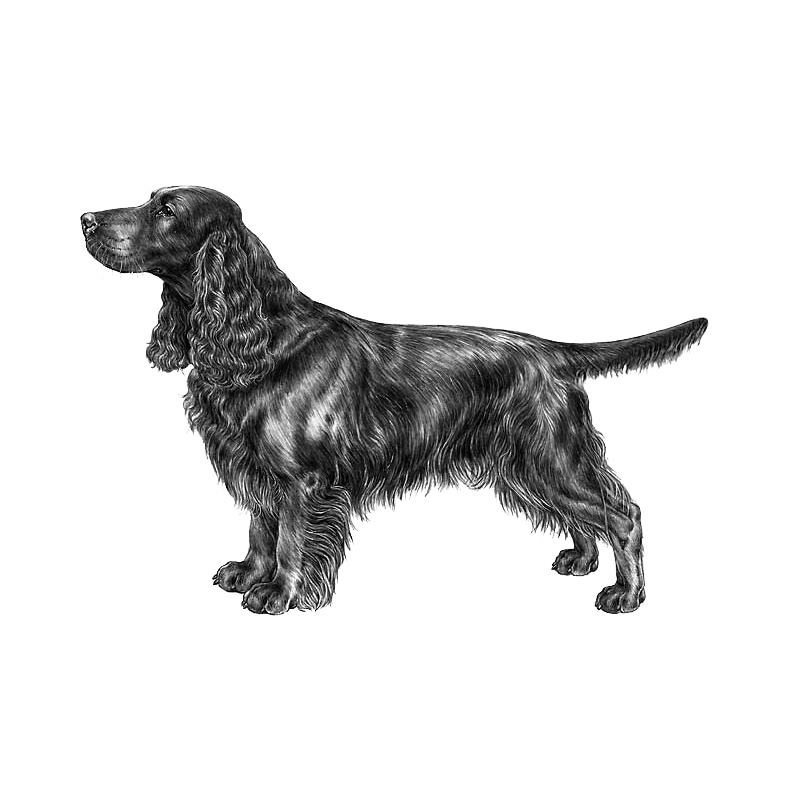
The Field Spaniel is an active and inquisitive breed, and makes a good companion. However, if left alone and unoccupied for long periods of time, they may become bored and destructive. They are suitable for dog agility and hunting. They are also patient with children and like to stay close to their family. When socialised, they are good with other dogs. They are generally docile and independent. Source: https://en.wikipedia.org/wiki/Field_Spaniel. With very few dogs in the UK-KC's registry the Field Spaniel is considered a Vulnerable Native Breed. Source: https://www.thekennelclub.org.uk/getting-a-dog-or-puppy/finding-the-right-dog/vulnerable-native-breeds/.
-
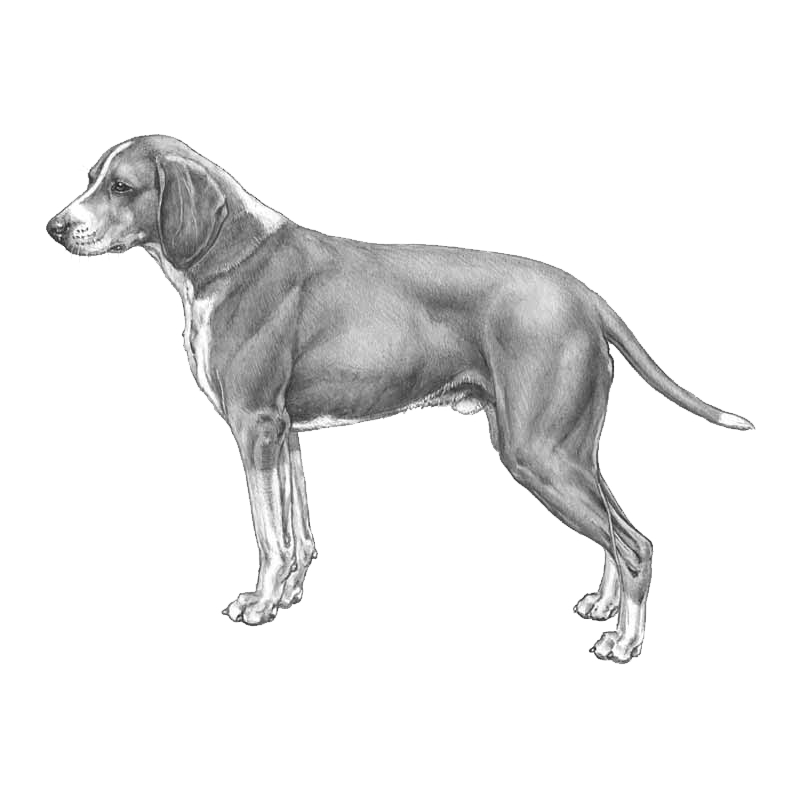
The Hygen Hound is a good scent hound with a friendly nature. The breed is eager to learn, starts to hunt at an early age and has a strong hunting desire. It is suitable as a family dog, as it usually is calm around people and easy to train.
Source: Native Dog Breeds of Norway native_dog_breeds_norway.pdf
-
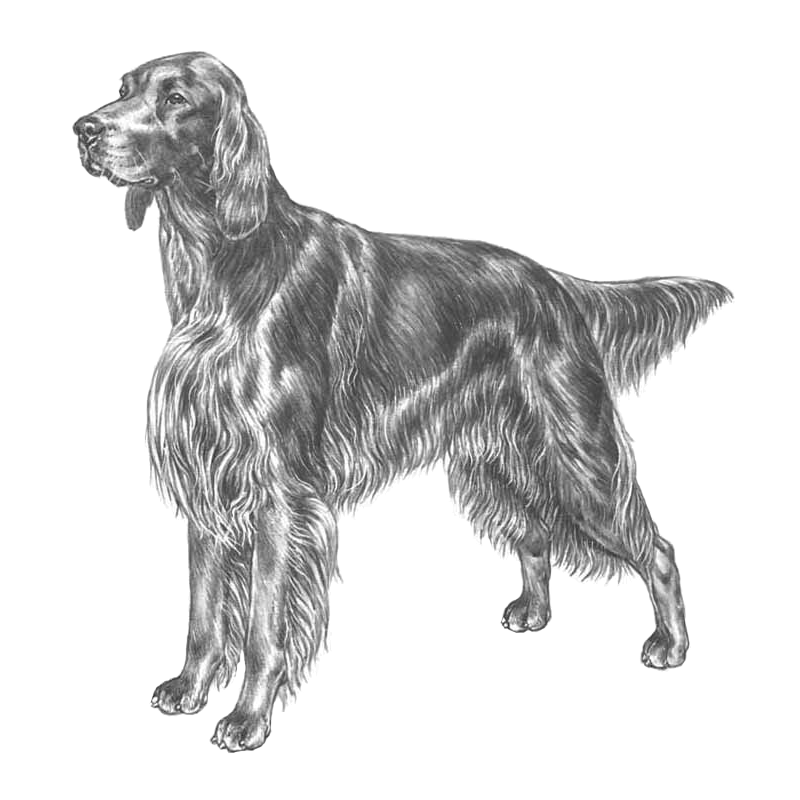 The breed is derived from the Irish Red and White Setter and an unknown solid red coloured dog. It was a clearly identifiable type in the 18th century.
The Irish Red Setter Club was established in 1882 to promote the Breed. The club issued the Breed Standard in 1886, and has organised field trials and shows to set the Standard for the Breed since that time. In 1998 the club published the working style for the breed. The standard and working style together describes the physical form and working ability of the breed. The Irish Red Setter has evolved down the years into a hardy, healthy, intelligent dog, possessed of excellent working ability and great stamina.
Source: http://www.ikc.ie/dog-ownership/types-of-dog/breeds/breed-details/50/
-
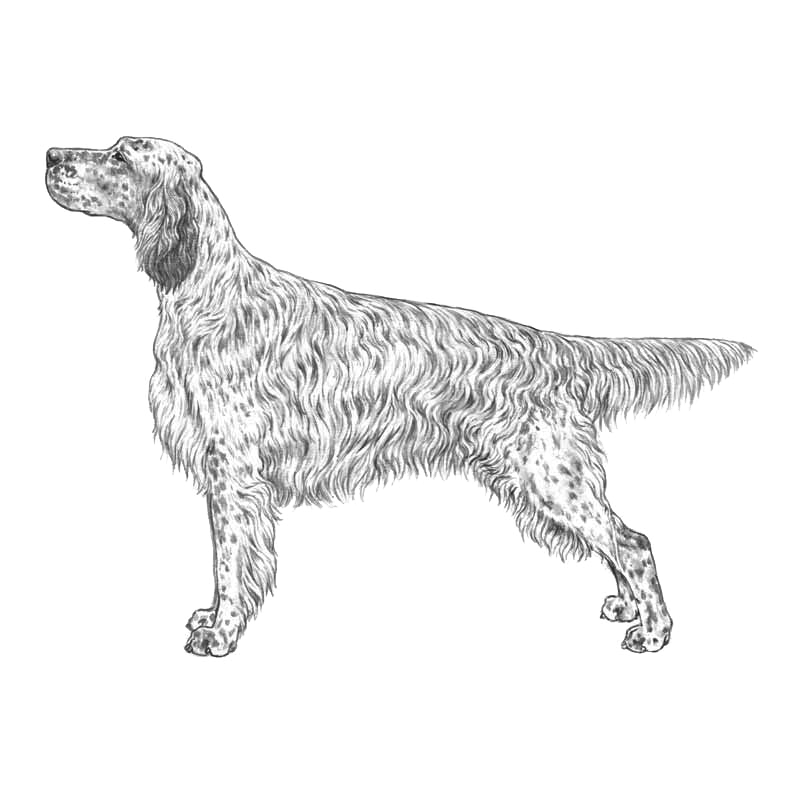
The English Setter is a medium size breed of dog. It is part of the Setter family, which includes the red Irish Setters, Irish Red and White Setters, and black-and-tan Gordon Setters.
Source: Wikipedia
-
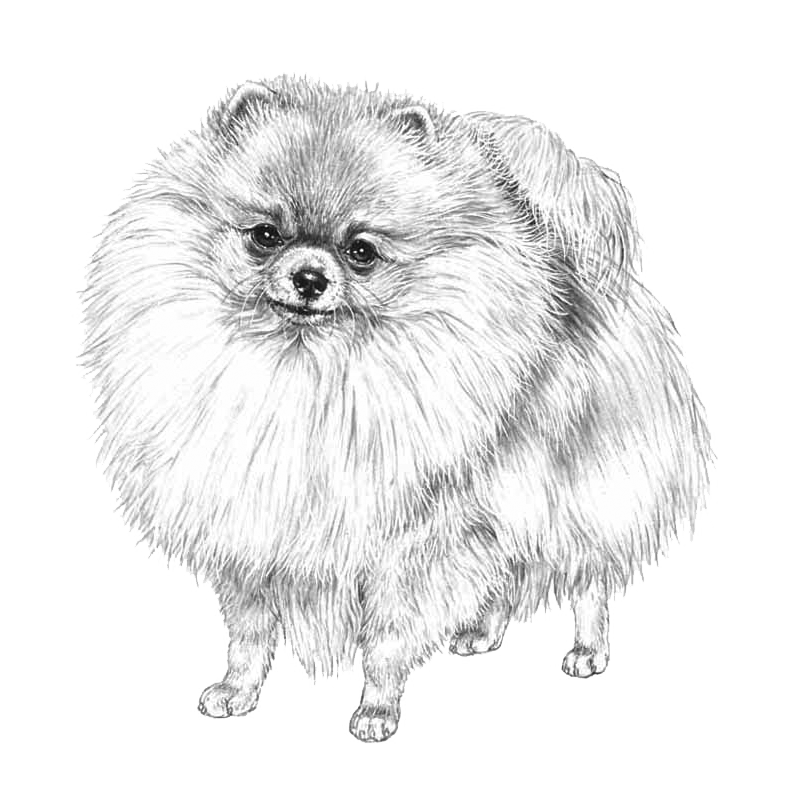
Though Britain is listed as the country of development of the Pomeranian, he is a Spitz-type dog descended from the much larger sled-hauling dogs of the Arctic. He was bred from the German Spitz before becoming known in the UK in 1870. In 1890, he entered the kennels of Queen Victoria, which popularised the breed, and the Pomeranian Club was formed the following year.
Source: https://www.thekennelclub.org.uk/search/breeds-a-to-z/breeds/toy/pomeranian/
-
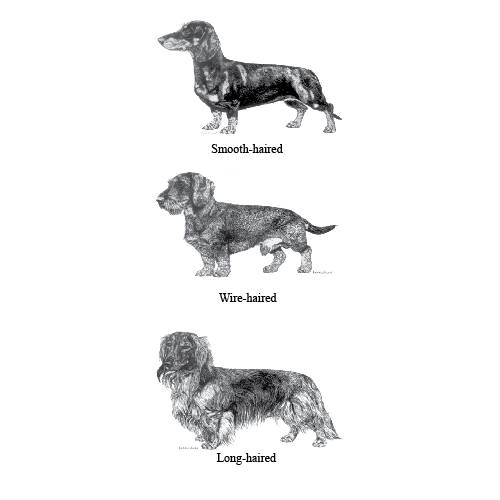
The Dachshund, also called Dackel or Teckel, has been known since the Middle Ages. Low, short legged, elongated but compact build, very muscular with cheeky, challenging head carriage and alert facial expression. His general appearance is typical of his sex. In spite of his legs being short in relation to the long body, he is very mobile and lithe. For decades the Dachshund has been bred in three sizes (Teckel, Miniature Teckel and Rabbit Teckel) and in three different kinds of coat (Smooth-haired, Wire-haired and Long-haired).
Source: FCI
-
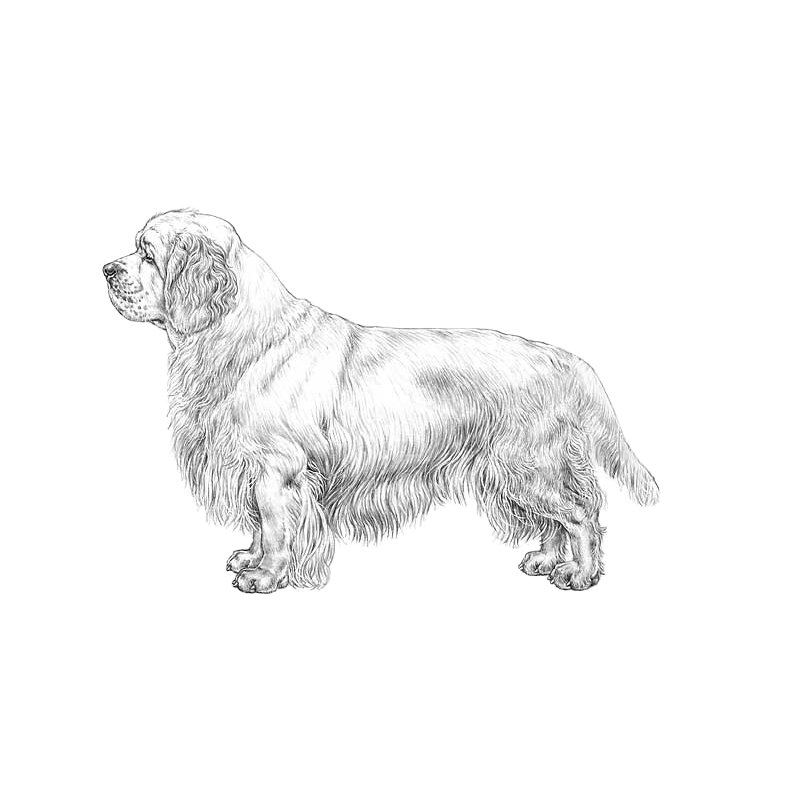
Said to have come in the first place from France more than 200 years ago, the Clumber was brought to Great Britain by the Duke of Newcastle and bred at his family home of Clumber Park in Nottinghamshire.
Source: The Kennel Club
-
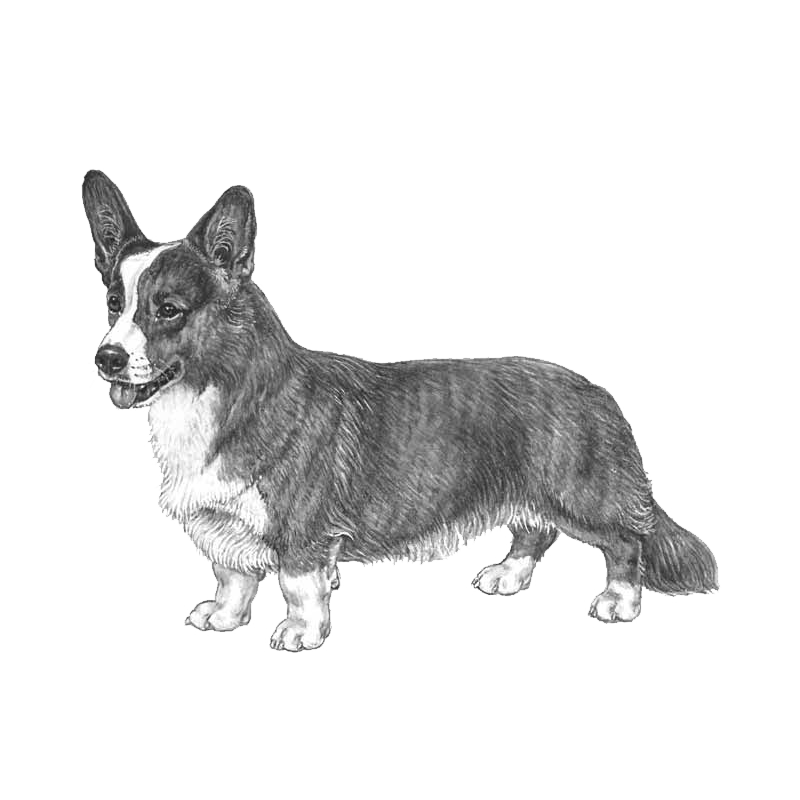
Welsh Corgis have historically been used as herding dogs, specifically for cattle. They are of the type of herding dog referred to as "heelers", meaning that they would nip at the heels of the larger animals to keep them on the move. Both Pembrokeshire and Cardigan are historically agricultural areas of Wales.
Source: https://en.wikipedia.org/wiki/Welsh_Corgi
The two Corgi breeds are named for those regions. Once interbred, the Kennel Club designated the different types as two distinct breeds in 1934. The Cardigan Welsh Corgi breed is listed by the Kennel Club in the current vulnerable breeds list. The breed is ranked by AKC at #68 of 195.
Source: https://www.thekennelclub.org.uk/search/breeds-a-to-z/breeds/pastoral/welsh-corgi-cardigan/
Also see: Pembroke Welsh Corgi https://dogwellnet.com/breeds/pedigreed/pembroke-welsh-corgi-r221/
-
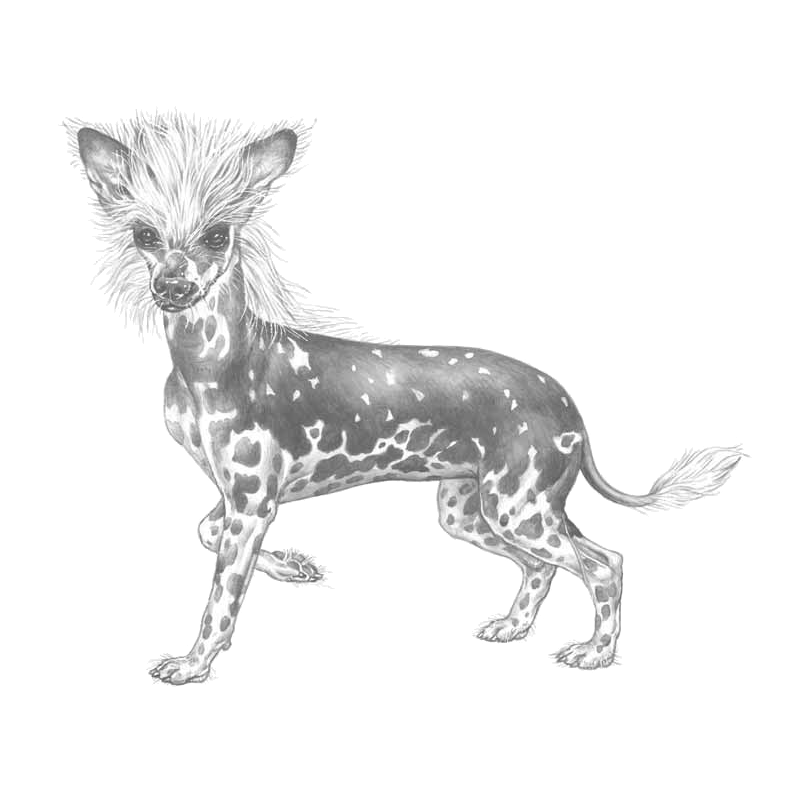
The Chinese crested dog is a hairless breed of dog. Like most hairless dog breeds, the Chinese crested comes in two varieties, with and without fur, which are born in the same litter: the Powder Puff and the Hairless.
Source: Wikipedia
-
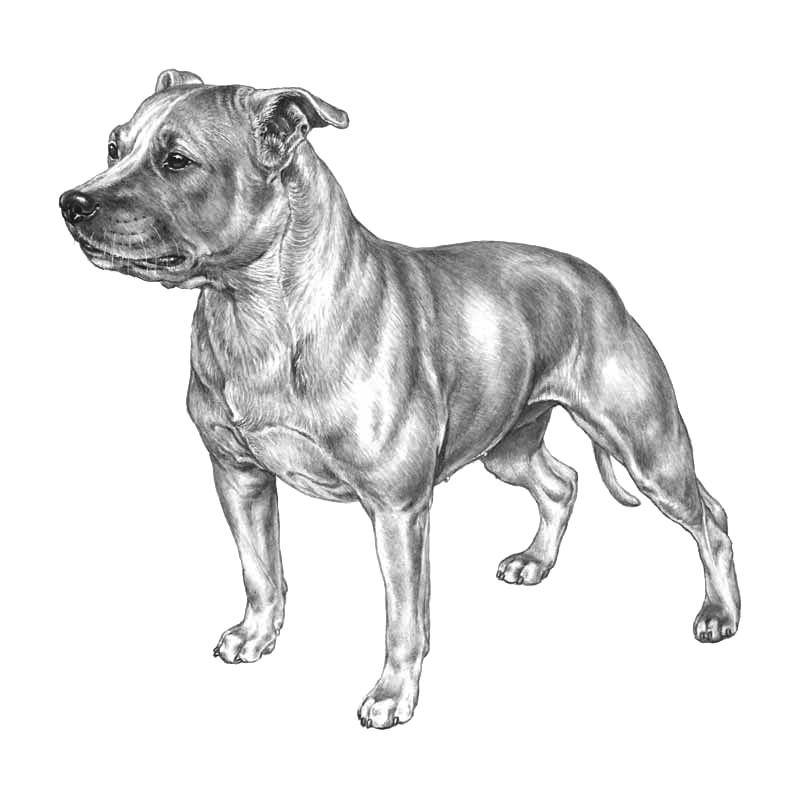
The Staffordshire Bull Terrier (informally: Staffie, Stafford, Staffy or Staff) is a medium-sized, short-coated breed of dog.
Source: http://en.wikipedia.org/wiki/Staffordshire_Bull_Terrier
-
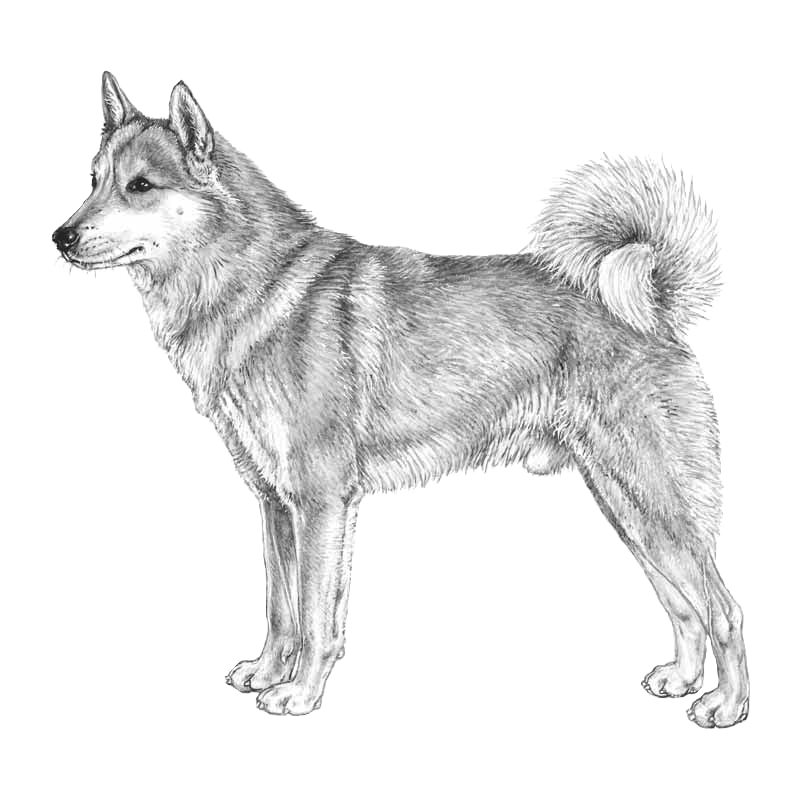
The West Siberian Laika or WSL, is a breed of hunting dog. Russian publications indicate that the term West Siberian Laika loosely applied to hunting dogs originating with the Mansi and Khanty people in Ural and West Siberia, but there were no standards or registrations of WSL as such until 1930.
-
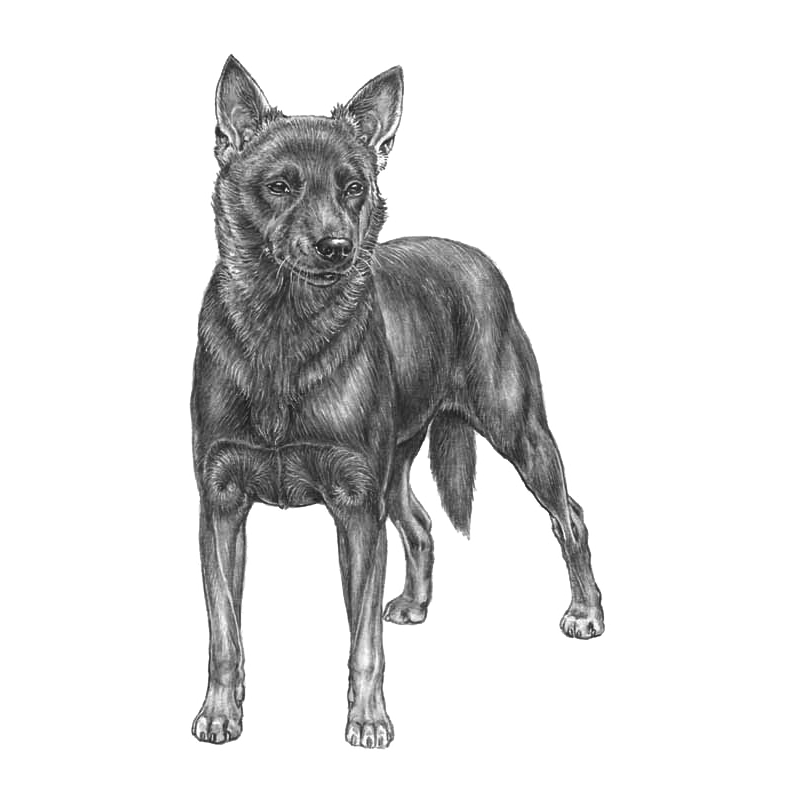
The Australian Kelpie, or simply Kelpie, is an Australian sheep dog successful at mustering and droving with little or no guidance. It is a medium-sized dog and comes in a variety of colours.
Source: Wikipedia
-
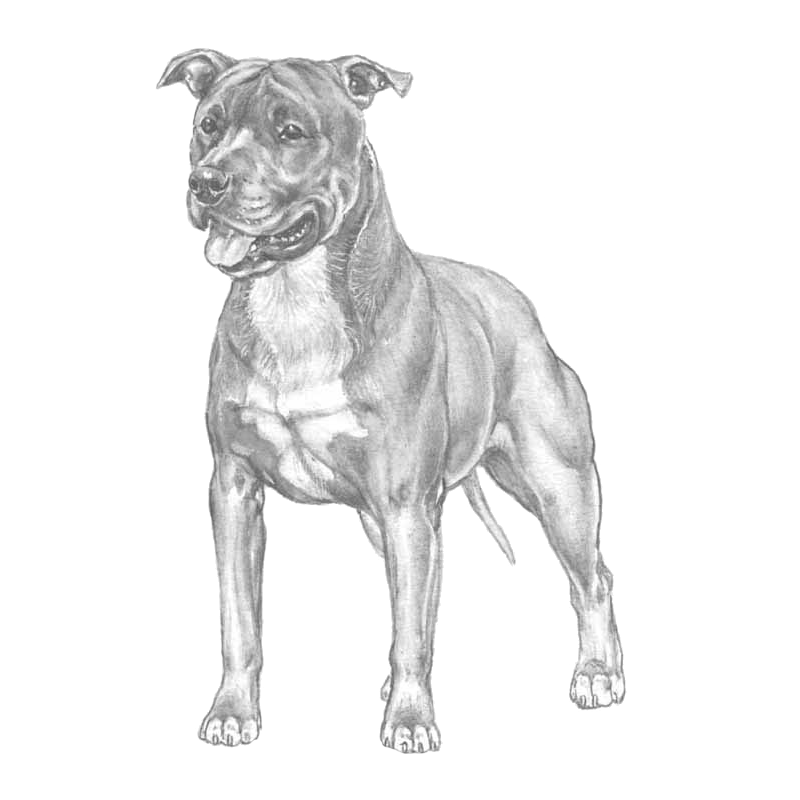
The American Staffordshire Terrier also known as Amstaff is a medium-sized, short-coated American dog breed. In the early part of the twentieth century the breed gained social stature and was accepted by the American Kennel Club as the American Staffordshire Terrier in 1936.
Source: Wikipedia
-
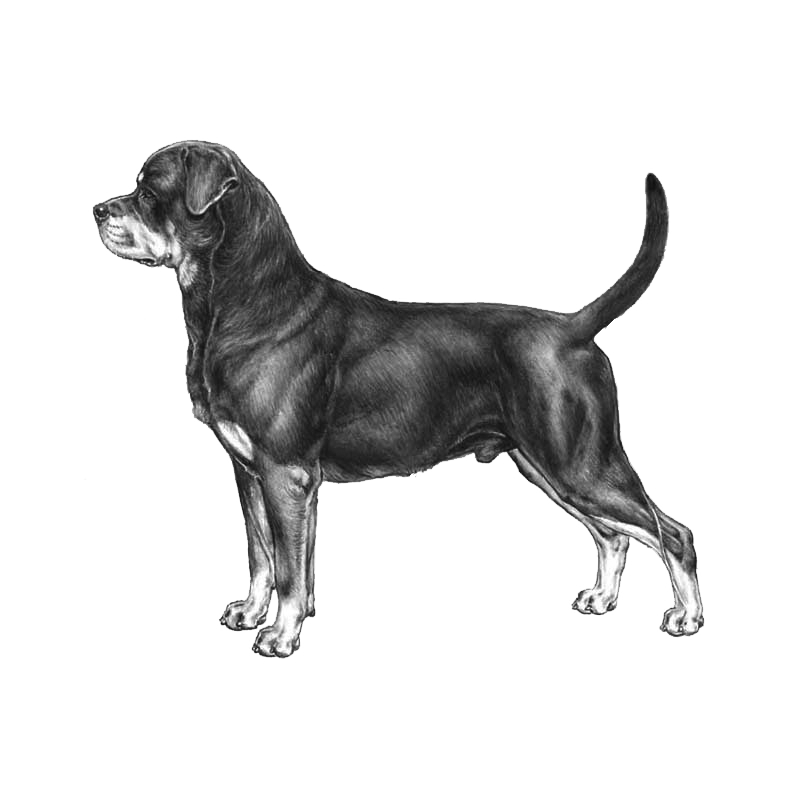 These Mastiff-type dogs stem from animals taken to Germany by Roman soldiers as they marched across Europe. Used to guard livestock, they were either discarded as the cattle were eaten or were left to guard outposts, and many finished up in Switzerland while others reached southern Germany. They were especially known around the town of Rottweil, which for 1,800 years was a centre for livestock trading. The evolving dog became a butcher’s dog, drover and draught dog. The Rottweiler, which fi
He is a very active dog that needs plenty of exercise, but his smooth coat requires only short periods of regular grooming to keep it in the desired shining condition.
Source: https://www.thekennelclub.org.uk/search/breeds-a-to-z/breeds/working/rottweiler/
-
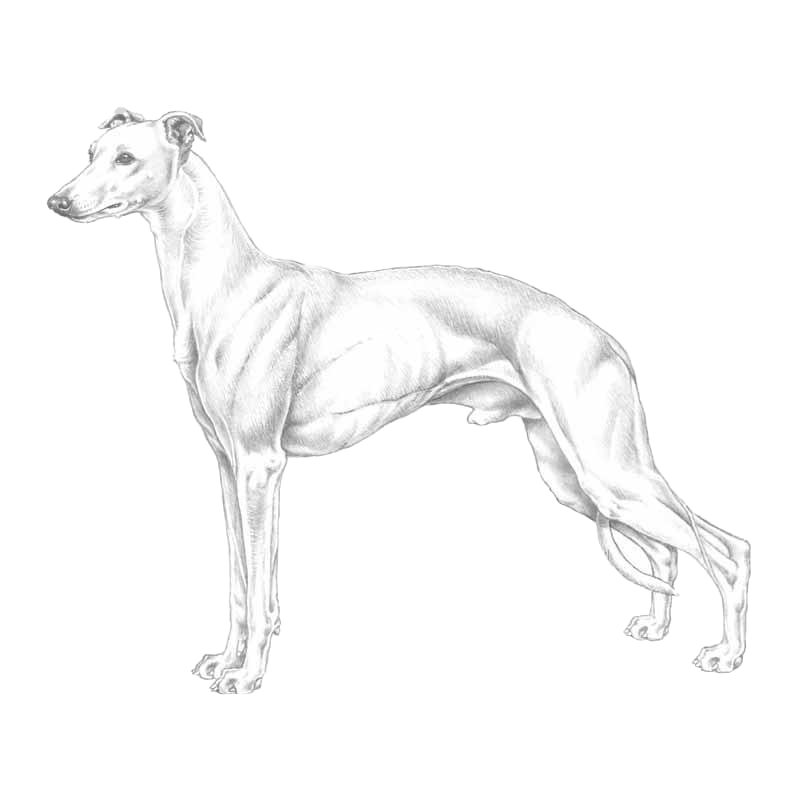
The Whippet (also English Whippet or Snap dog) is a dog breed of medium-size. They are a sighthound breed that originated in England, where they descended from greyhounds. Whippets today still strongly resemble a smaller greyhound.
-
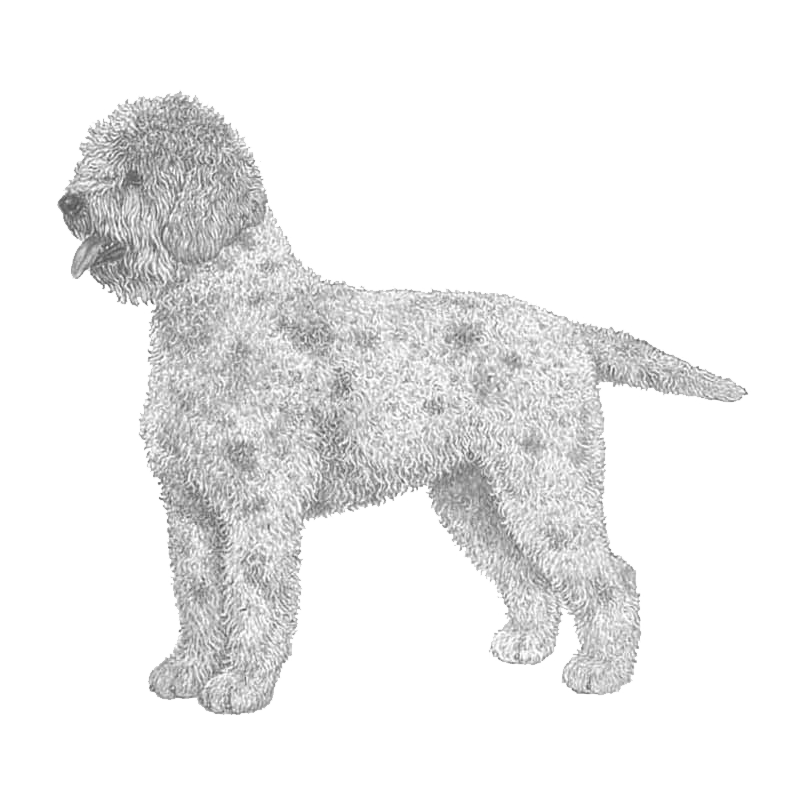
The Lagotto Romagnolo [laˈɡɔtto romaɲˈɲɔlo] is a breed of dog that comes from the Romagna sub-region of Italy. The name means "lake dog from Romagna," originating from the Italian word lago, meaning lake. Its traditional function is a gundog, specifically a water retriever.
-
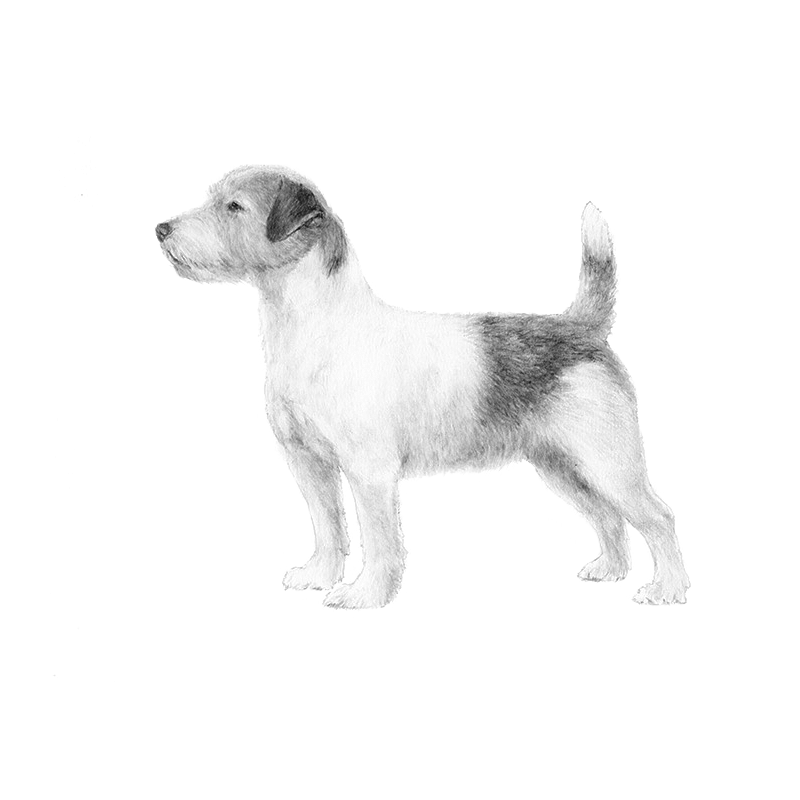
The Russell Terrier is a strong, hardy, earth-working Terrier. He is full of life and moves with confidence that matches his keen expression. The breed's handy size, small flexible chest, nose, strong voice and fearless nature make it an excellent specimen to work vermin below ground. Its weatherproof coat may be smooth, broken or rough and is predominantly white with tan and/or black markings.