





Skip to content
View in the app

A better way to browse. Learn more.

DogWellNet

A full-screen app on your home screen with push notifications, badges and more.

To install this app on iOS and iPadOS
  1. Tap the Share icon in Safari
  2. Scroll the menu and tap Add to Home Screen.
  3. Tap Add in the top-right corner.
To install this app on Android
  1. Tap the 3-dot menu (⋮) in the top-right corner of the browser.
  2. Tap Add to Home screen or Install app.
  3. Confirm by tapping Install.

Blogs

Featured Entries

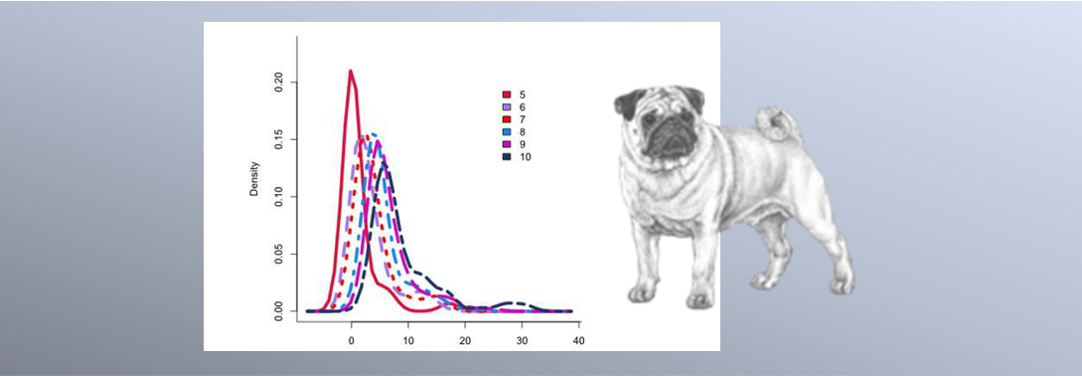
Summary of Kennel Club Breed Records: Pug 2020 A new research report, Summary of Kennel Club Breed Records: Pug 2020, has been produced by Cassandra Smith. The report utilises publicly available data offered by The Kennel Club to describe health and breeding-related statistics and information. The author’s previous reports on similar and other breeds have been well-accepted, with appropriate methodology and presentation.  This analysis includes KC-registered dogs with statistics presen
HGTD This Week: NEW feature - Key Comments In our continued effort to improve HGTD, we have a new addition to our breed-specific testing information. Complementing the Breed Relevance Ratings, the new Key Comments feature highlights in the breed search, any tests that have a comment related to the relevance of the test for that breed. Users can then click through to the phenes information to not only read the Key Comment, but also other general, and breed-specific information about the p
As part of IPFD's support of new research and research participation, we welcome this guest blog by Quinn Rausch. The Puppy Project is an opportunity for  breeders in the US and CA to contribute to important research on puppy socialization and behaviour development. The content of this blog, including  external links and all information was provided by Quinn Rausch, and all questions should be directed to them.  Background to the Puppy Project To what extent does a young puppy’s experi
Is it "tough talk" or "open dialogue" - and why is it a challenge in the dog world?   As often happens, the same topic comes up several times in a short space of time - and from different sources and angles. Someone asked me why do many kennel clubs not record or link any health information to pedigrees, when in most countries kennel clubs are under a mandate to not only register dogs, but also to protect the health of those for whom they are responsible?  Explanations might inclu
Recently we have had questions from dog breeder health advisors about using inbreeding tools, particularly pedigree-based tools such as estimating Coefficients of Inbreeding (COI). This blog discussion describes COIs, some advantages and disadvantages, and provides thoughts on usage.    There are several resources available to both individual breeders and breed organizations (clubs and kennel clubs) that can help to monitor and track genetic diversity, and estimate an individual dog's
The epidemiology of stifle joint disease in an insured Swedish dog population https://bvajournals.onlinelibrary.wiley.com/doi/epdf/10.1002/vetr.197 Engdahl, K, Hanson, J, Bergström, A, Bonnett, B, Höglund, O, Emanuelson, U. Epidemiology of stifle joint disease in an insured Swedish dog population. Vet Rec. 2021;e197. https://doi.org/10.1002/vetr.197 Abstract Background: Stifle joint diseases (SJD) are common in dogs and include a variety of diagnoses. The objective of the stu
"As one of the first countries to notice the clinical significance of hip dysplasia (HD) as a developmental disorder resulting in arthritis, active research, and actions to reduce its prevalence have now been performed in Sweden for more than 60 years." Swedish Experiences From 60 Years of Screening and Breeding Programs for Hip Dysplasia—Research, Success, and Challenges Hedhammar A (2020) Swedish Experiences From 60 Years of Screening and Breeding Programs for Hip Dysplasia—Rese
Epidemiology and clinical management of elbow joint disease in dogs under primary veterinary care in the UK excepts from the study... This study was conducted in the UK; it "shows that elbow joint disease is a relatively common diagnosis in dogs and has a high welfare impact. There are strong breed predispositions, in particular for large breed dogs." "The current study substantiated some previously reported breed-related variation in prevalence of elbow disease. The breeds with
Researchers discover new features of a gene defect that affects the length of the muzzle and caudal vertebrae in dogs Date: February 23, 2021 Source: University of Helsinki Summary: A recent genetic study provides new information on the occurrence of a DVL2 gene defect associated with a screw tail and its relevance to canine constitution and health. The variant was found in several Bulldog and Pit Bull type breeds, and it was shown to result in caudal verteb
Linebreeding vs. Inbreeding – Let’s be perfectly clear. Note: This topic was prompted partly by IPFD's participation in the Canine Health Summit put on by Embark Veterinary. See our Q&A article on breeding and genetics topics here. Inbreeding is the mating of related individuals – that is those who have one or more relatives in common. Linebreeding is not simply a form of inbreeding – it IS inbreeding.   How close that inbreeding is depends on the selection of individuals with
The Big Picture - in the Dog World as a Whole and for your next Breeding Decision Note: This topic was prompted partly by IPFD's participation in the Canine Health Summit (videos available) put on by Embark Veterinary. See our Q&A article on breeding and genetics topics here. My last blog in 2020 was on the Big Picture in the dog world - it was about Reframing Discussions, globally.  Based on our document...the blog describes a webinar and links to presentations discussing all the
Recently we received a question from a Harmonization of Genetic Testing (HGTD) user, who had wanted to use an "Ancestry" genetic test to determine a puppy's likely sire. It is not uncommon, when trying to determine the right test for your purposes, to mistake "Ancestry" tests for parentage, or genetic identification tests. The information below talks about what ancestry, or breed mix genetic tests are, how they can be used, and some of the limitations. What is an Ancestry/Breed Mix Genetic
Reframing Discussions - What is needed for progress? A webinar sponsored by the All-party Parliamentary Dog Advisory Welfare Group (APDAWG), the UK Centre for Animal Law (A-LAW) and Our Dogs Magazine. December 1st, 2020 saw well over a hundred concerned and committed dog people joined virtually in discussions with IPFD CEO Dr. Brenda Bonnett. Organized and spearheaded by Marc Abraham, BVM&S MRCVS, and Lisa Cameron, MP. In September, IPFD published an article entitled: Re
Breed Relevance Ratings (BRR) are a way to assess the relevance of a specific test for a specific breed, based on the currently best-known information on the research and development of a test - but genetic tests are not limited to pedigree breeds. Genetic tests are used for a variety of reasons on all dogs, and understanding the relevance is important for any purpose-bred dog or breeding program, as well as individual dogs. BRR’s are estimated for all dogs, and where the research is not availab
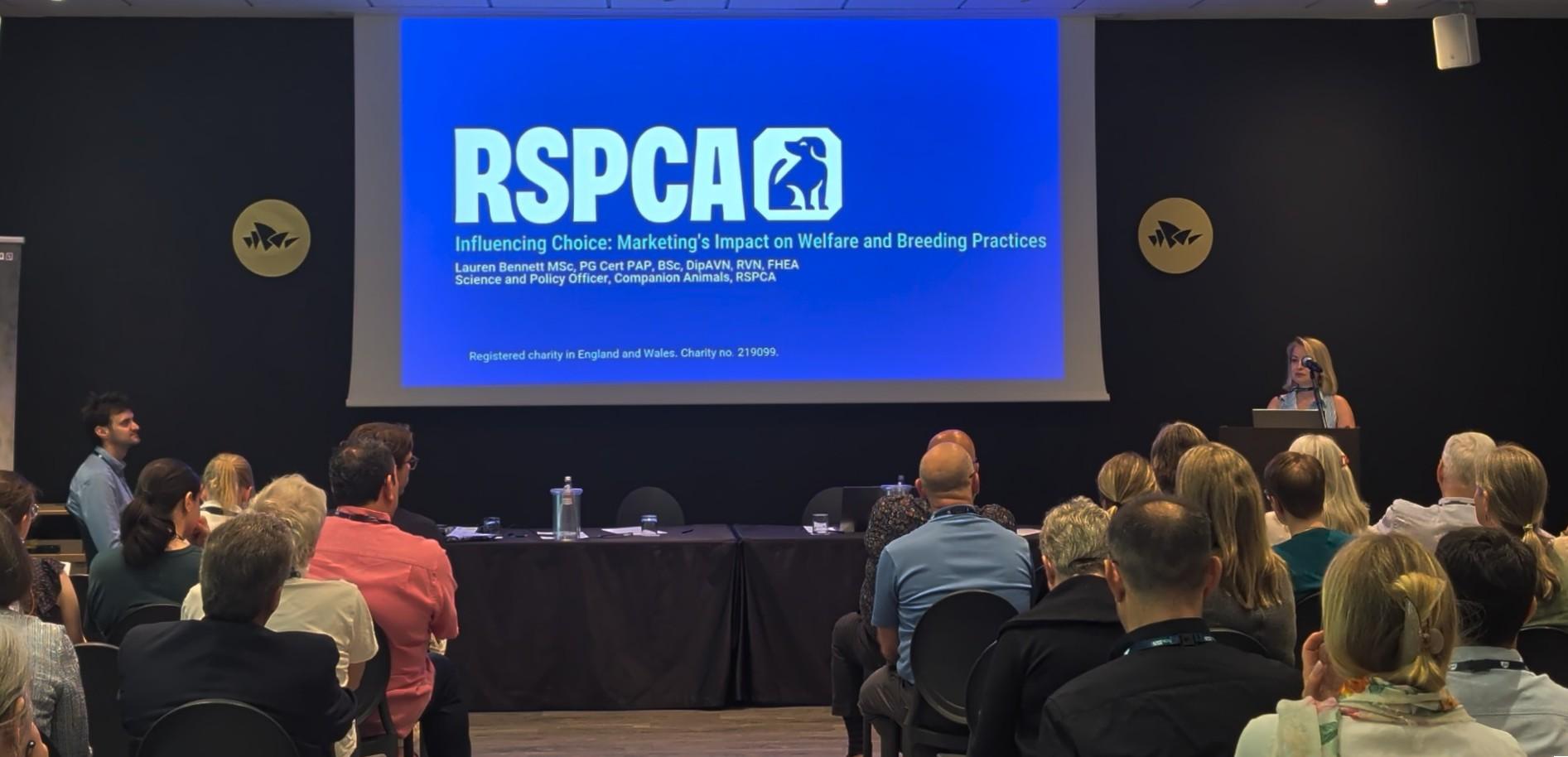
I was honoured to participate - virtually - in the Swedish Veterinary Congress in October. This talk, as requested by the organizer looks primarily at the veterinarian's responsibility in issues related to responsible breeding, current legislative and regulatory actions, and various controversial issues in dog health and welfare - including extremes of conformation.  It also addresses concerns about how importing of dogs might impact the situation. Sweden historically has a population
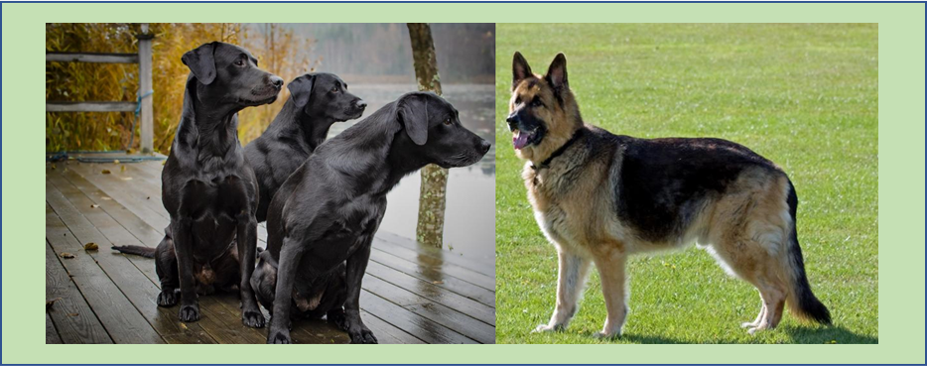
According to a press release from the University of Surrey in the UK:  "Movement of German Shepherd Dogs is dependent on their shape".     Perhaps most people might first respond like I did, i.e. No Kidding! I do not think it takes an anatomist or veterinarian or experienced dog person to think that the dogs in these images might 'move differently' and that it likely would have something to do with their shape. But hey.  We all try to find catchy titles for press release
HGTD This Week: NEW Inclusive breed-specific test listings on HGTD In our continued effort to improve HGTD, we have made major changes to our breed-specific genetic test listings. We’ve added a number of new features and information to help owners, breeders, and canine health professionals make the most of the breed-specific test listings.  See the updated article: HGTD - What is a Breed Relevance Rating? for more details. NEW Test type descriptions Breed-specific tests
19 Oct 2020 If you’re a dog owner, or looking for a puppy what does it REALLY mean when a dog is “genetically tested”? “My dog is genetically tested” is an increasingly common statement from dog owners. We see it on breeder’s webpages as part of advertising puppies, or as information on the dam/sire… it’s common on social media as a point of pride or a mark of care and responsibility by owners… but what does genetically tested (or DNA tested) actually mean? While using genetic testi
Calling All Breed Experts! HGTD’s phenes database and breed relevancy ratings (BRR) are an important source of information for anyone engaged in dog health and breeding, through the harmonizing of scientific data from a wide-variety of experts, research publications, veterinary and genetics researcher contributions, and in-house expertise.  Just as important, though, are the contributions from breed experts. Breed experts are individuals with significant knowledge of their breed or bre
Come for the looks, stay for the personality? A mixed methods investigation of reacquisition and owner recommendation of Bulldogs, French Bulldogs, and Pugs ...is the latest analysis of data collected and reported on in a 2019 study - see - Great expectations, inconvenient truths, and the paradoxes of the dog-owner relationship for owners of brachycephalic dogs.  As we said in that blog: "Popularity of brachycephalic (flat-faced) dog breeds is increasing internationally despite well-documen
Vets – what can HGTD do for you? Genetic testing is part of our dog's lives Just as genetic testing has become normalized in the human world, thanks to popular direct to consumer products like 23 and Me, or Ancestry.com, so it has in the veterinary world. While perhaps once the preserve of specialist dog breeders, it is increasingly common for vets in practice to have questions from clients about DNA testing. While covering the basics of testing and inheritance is part of many veter
HGTD This Week, 7 Aug 2020: Canine Crime Scene Investigators When we think about genetic testing, we often focus on how it can be a tool to improve health and welfare - generally centered around breeding for health or finding more about the health or potential health risks for an individual dog. Knowing about health risks that are especially relevant to specific breeds or dog types makes testing even more powerful in helping reduce risks of disease or undesirable traits (see Breed Relevancy
The Harmonization of Genetic Testing for Dogs (HGTD) project work includes harmonizing genetic test information across many different boundaries. That can be as simple as adding consistency to nomenclature from around the world, or as challenging as cataloging test information and research from dozens of different international sources. With so much variation in how tests are developed, and how they are released to the public, a big part of my work is ensuring that phene names we publish on HGTD

Blogs Disclaimer
The contents of these blogs are for informational purposes only and represent the opinion of the author(s), and not that of the International Partnership for Dogs (IPFD). This is not intended to be a substitute for professional, expert or veterinarian advice, diagnosis, or treatment. We do not recommend or endorse any specific tests, providers, products, procedures, opinions, or other information that may be mentioned on, or linked to from these blogs.

Disclaimer
All materials on this site are the property of their respective authors and may not be reprinted without the author's written permission, unless otherwise indicated. The views and opinions expressed by the authors and those providing information or comments on this website are theirs alone, and do not necessarily reflect the views, opinions or positions of the International Partnership for Dogs (IPFDogs) or DogWellNet.com. We make no representations as to accuracy, completeness, timeliness, suitability or validity of any information and will not be liable for any errors, omissions, or delays in this information or any losses, injuries or damages arising from its display or use. All rights reserved. DogWellNet © 2014 - 2026
Find Us On
Contact Us
Questions? Comments? Looking to get involved in our work? We’d like to hear from you!
or if you prefer feel free to reach out to us on social media.

Powered by Invision Community

Important Information

By using this site, you agree to our Terms of Use.

Account

Navigation

Search

Search

Configure browser push notifications

Chrome (Android)
  1. Tap the lock icon next to the address bar.
  2. Tap Permissions → Notifications.
  3. Adjust your preference.
Chrome (Desktop)
  1. Click the padlock icon in the address bar.
  2. Select Site settings.
  3. Find Notifications and adjust your preference.