





Skip to content
View in the app

A better way to browse. Learn more.

DogWellNet

A full-screen app on your home screen with push notifications, badges and more.

To install this app on iOS and iPadOS
  1. Tap the Share icon in Safari
  2. Scroll the menu and tap Add to Home Screen.
  3. Tap Add in the top-right corner.
To install this app on Android
  1. Tap the 3-dot menu (⋮) in the top-right corner of the browser.
  2. Tap Add to Home screen or Install app.
  3. Confirm by tapping Install.

Blogs

Featured Entries

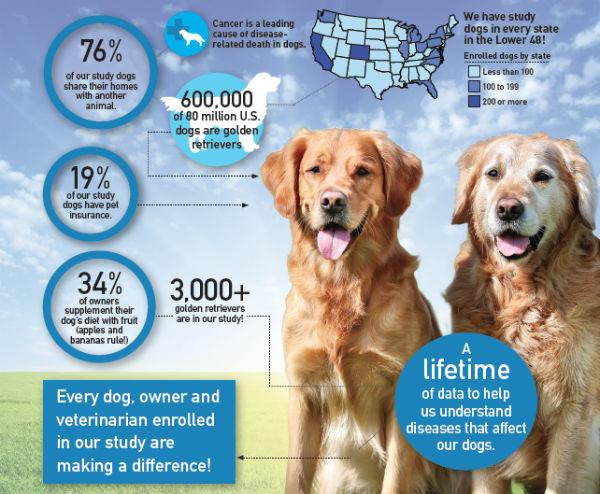
Morris Animal Foundation answers questions about hemangiosarcoma May 21, 2020   "This is a webinar which answers some questions about hemangiosarcoma, a cancer dreaded by all golden retriever owners and veterinarians. Dr. Kelly Diehl, Morris Animal Foundation Senior Director of Science and Communications, speaks with Dr. Rod Page, Director of the Flint Animal Cancer Center, and Principal Investigator for the Foundation's Golden Retriever Lifetime Study."   The present
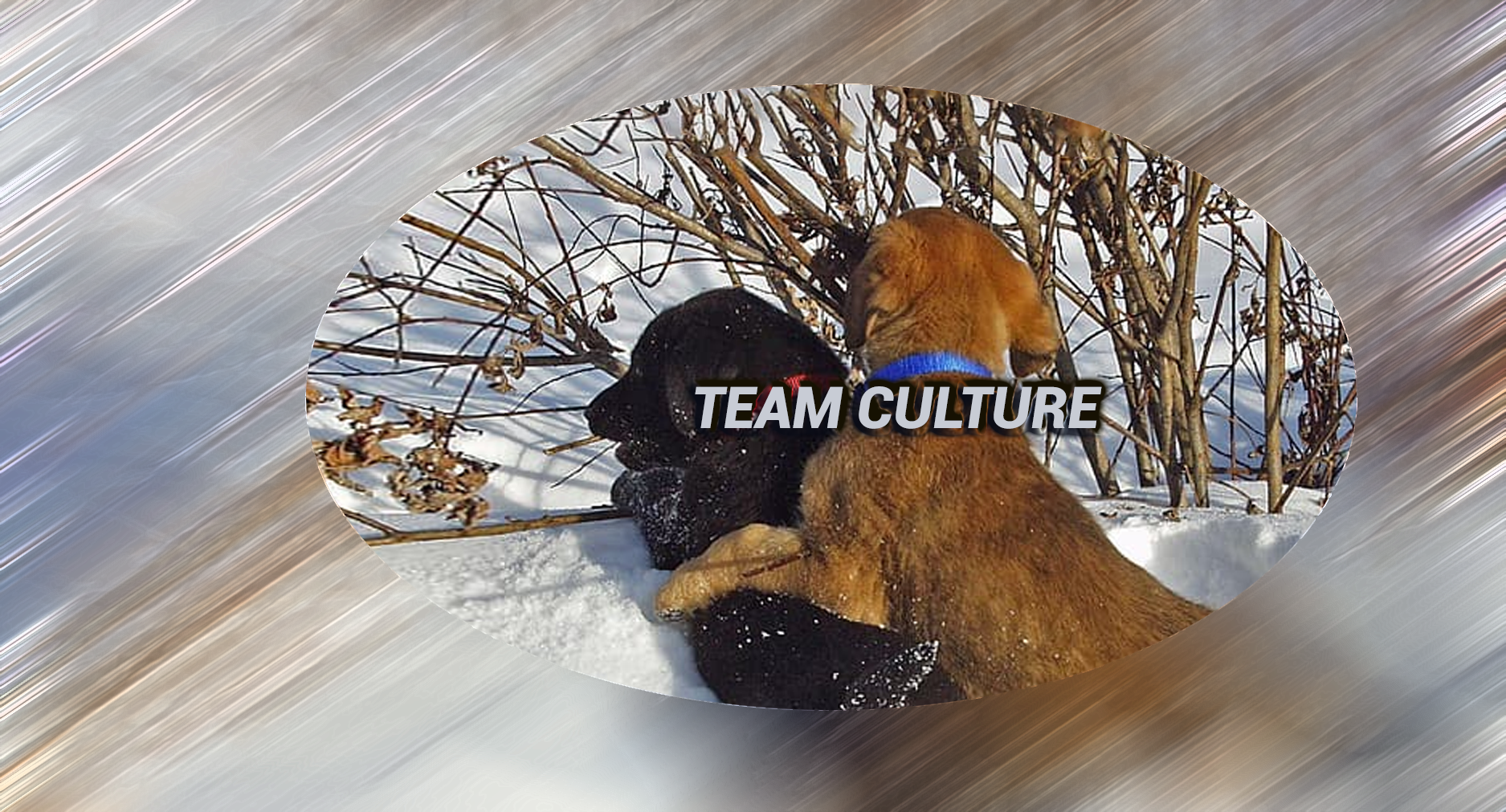
Ian Seath has again stimulated our 'little grey cells' and maybe even touched on some emotions, attitudes, and even deep-seated beliefs in his DOG-ED: SOCIAL ENTERPRISE post (23 June 2020): CULTURE EATS STRATEGY FOR BREAKFAST! Catchy title - firstly - where does that come from, and what does it mean? "Management Guru Peter Drucker famously stated that culture eats strategy for breakfast. So, What does "culture eats strategy" mean for you and your organization?              
The continued review of breed-specific tests for assigning relevance ratings, and ongoing discussions with genetic experts has led to a refinement of the breed relevance ratings (please see: BRR) . To better accommodate the spectrum of genetic test validation, we’ve added a new orange BRR.  The orange BRR indicates where all current available evidence has been reviewed, but the relevance is inconclusive. It could be that a mutation is detectable in a specific breed, but that there is no evi
HGTD, and IPFD, were thrilled to be able to send our very best wishes and acknowledgements to Prof Frank Nicholas, on the 25th Anniversary of the Online Mendelian Inheritance in Animals (OMIA) resource. (see Brenda's Blog) Collaboration with, and integration of OMIA's information is vital for a lot of what HGTD is able to do - and fundamental to animal genetics researchers the world over. OMIA is a catalogue/compendium of inherited disorders, other (single-locus) traits, and genes in 251 animal
Congratulations to the University of Sydney and OMIA - the Online Mendelian Inheritance in Animals database.  25 years old 25 May 2020.  Check out the celebration webpage here. This amazing resource underpins research and education on genetics in many species and has been a key support for advancement in the world of dog genetics and genomics. The development and maintenance of this fantastic database is due to the input and support of many academics, researchers, and others, man
HGTD Update: 12 May 2020 Since the last blog, we’ve had additional expert review of many Breed Relevance Ratings (BRRs) – particular in commonly tested eye conditions, and ataxias. As we are growing our expert out-reach for input into BRRs, we are pleased to note that there is consensus between experts self-reviewing their tests as well as peer-reviewing each other. This adds reassurance to us that the current BRR estimation of combining what we can learn from research publications, phene d
We get questions about how we ensure the quality of the information available on HGTD. It can actually be very challenging, and we rely on having good processes, and collaboration when developing content. To meet the IPFD principle of transparency, we are starting a series of blogs to describe how we manage this resource. We hope to then provide a regular news feed on HGTD developments and changes, to give you all an insight into this work. To get started, here is a little insight into running a
Is COVID-time the Right Time to Kon Mari Your Genetic Testing Plans? a blog by Aimee Llewellyn-Zaidi, MSc; Project Director of the IPFD Harmonization of Genetic Testing for Dogs (HGTD) initiative.    “People around the world have been drawn to this philosophy not only due to its effectiveness, but also because it places great importance on being mindful, introspective and forward-looking.” -Marie Kondo, Founder of the Kon Mari method. If you’ve already, like so many of us, us
The HGTD arose from discussions at the IPFD International Dog Health Workshops (IDHWs); it is a proud achievement,  exemplifying the IDHW tagline:  Information – Collaboration – Action! In 2019, the HGTD project could be summarized in one word: Growing. We’ve consistently grown our list of genetic test providers (GTPs). Participating GTPs have provided information on their accreditation, expertise, and practices – all of which helps individuals find a GTP that has the quality measures most
And not all dams and sires with 'clear' test results will be good choices for breeding. Oh, would that life and breeding decisions could be made easy!  But every experienced breeder knows that nothing is simple.  Breeding and inheritance and health and temperament are very complex issues - each on their own -  and combined they constitute a puzzle with no guaranteed solutions.  With the increased availability of genetic testing, with its media-inspired aura of high-tech infallibility and di
Sources of accurate and relevant COVID-19 information for your dog, your puppies and you. In the face of the great uncertainty surrounding COVID-19 and its impact on pets and pet owners, many veterinary and regulatory organizations have been providing excellent information and advice, as have kennel and breed organizations.  It is important to remember that recommendations and restrictions vary depending on location and owners need to access and follow local recommendations, especially as t
The wonderful thing about our IPFD collaborator, brilliant person, and incredibly knowledgeable dog person Ian Seath, is that, when major issues are at foot, my procrastination at commenting is rewarded by him posting an article that says almost everything I wish I would have said.  All that is left for me to do is to add a few comments and send it out. This is very true for his latest installment on his platform Dog-Ed:  COVID-19: A (dog) world of unanticipated consequences Ian
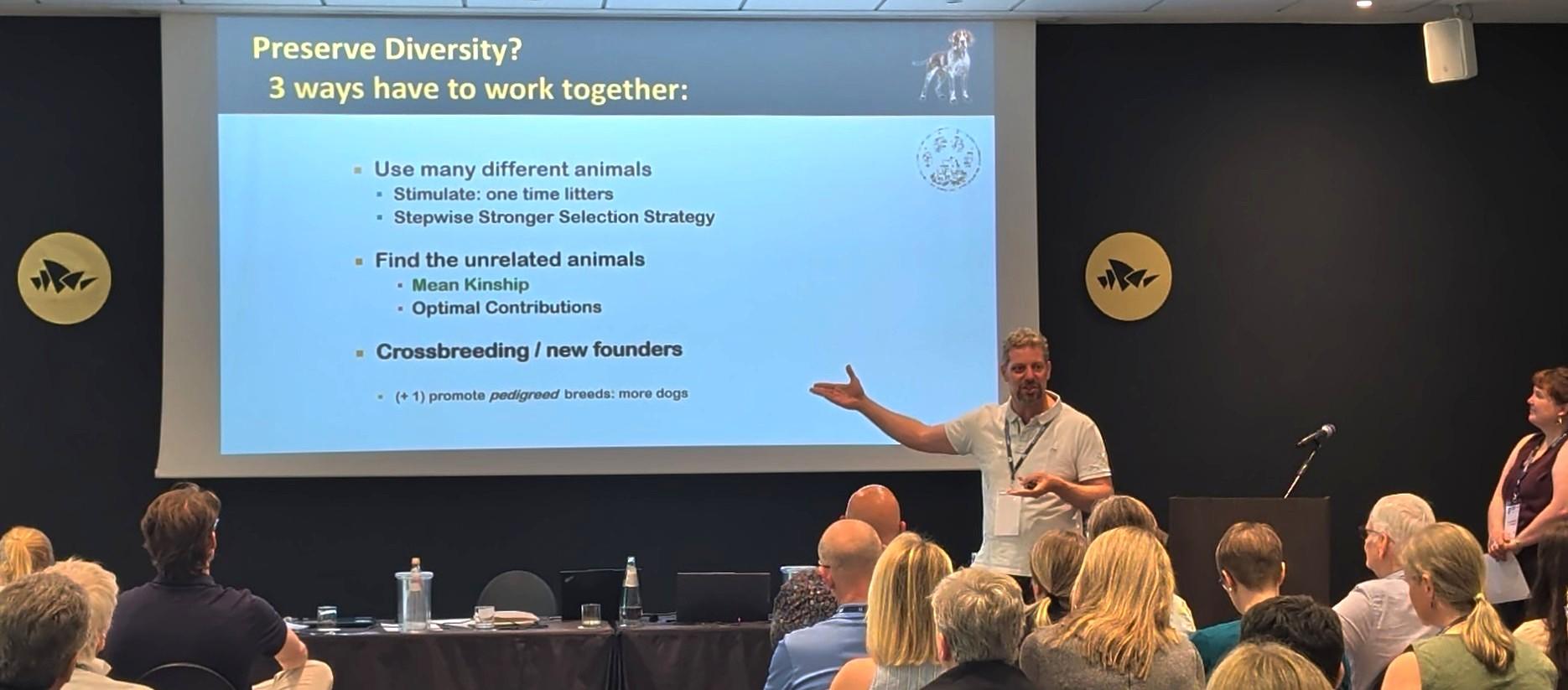
After watching to play the video  again use the controls and select "Replay" ⟲... or select from other displayed IPFD videos. It seems that every day - in the world of dogs and the world beyond - we see decisions made that may work for part of a problem, but because they do not take into account the complex reality of the bigger picture, they are unlikely to be fully effective. Every step we take at IPFD reminds me of this interconnectedness - and of the need for IPFD's international, mult
A recent article provided by the Golden Retriever Club of America, Golden Retriever Health and Genetics Highlight: Neuronal Ceroid Lipofuscinosis in Golden Retrievers, by Ann Hubbs and Ron Rubrecht,, discussed the challenges faced in Fall 2018, by a breeder who had unsuspectingly bred a litter of puppies from two carriers of neuronal ceroid lipofuscinosis (NCL 5) – a devastating neurological disease considered rare in the breed. While a DNA test existed, most Golden Retriever owners wouldn’t be
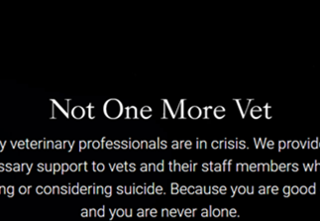
This blog is going to be a little different.  Still about health and well-being...  but this time about veterinarians and the veterinary community.  Many of you may not realize that every veterinary conference now has a major stream on the well-being of veterinarians, themselves. On self-care, and caretaker fatigue, and mental health.  And on suicide prevention. You may not have seen this Time article: Veterinarians Face Unique Issues That Make Suicide One of the Profession's Big Worries, b
Once again our IPFD friend and collaborator Ian Seath has come out with a thought provoking but practical article. In BREED HEALTH AT THE START OF A NEW DECADE – WHAT’S YOUR VISION FOR 2030?  on the DOG-ED: SOCIAL ENTERPRISE site, Ian does several things: Makes it personal - by sharing what he himself is doing - as a breeder, as chair of the Dachshund Breed Council in the UK, as the leader of the Breed-Specific Health Strategies theme at the IPFD International Dog Health Workshops (
Congratulations to our Partners and Collaborators at Société Centrale Canine (SCC)- The French Kennel Club.  Having had the privilege to visit their offices and their amazing library, many times, I am happy today to share links to their wonderful online library of images.   (Note:  the images here are screen captures... the actual images online of even higher quality.)   See La Photothéque     Old and new.... dog shows, events, military history, cultural treasures
Another interesting post from our IPFD friend and collaborator and Dachshund Breed Health Council Coordinator Ian Seath. Following his insightful discussion about puppy socialization that was prompted by reports of increased numbers of mini-dachs [(see here)] he has provided a classification of breeders to help define sources of puppies (see: Breeders, the good, the bad and the future).  I think it is important emphasize his message and to add a few further comments. As was discussed i
In our final installment of the Digest for 2019, we are putting the spotlight on 2019 milestones, and looking forward to 2020 – which promises to be a pivotal year for IPFD and DogWellNet.com.   In 2019, our fifth full year of operation, we focused our efforts on several key initiatives, including: the Harmonization of Genetic Testing for Dogs (HGTD); the 4th International Dog Health Workshop (IDHW); the continued growth of DogWellNet.com and our online community. We provided an independe
Packer RMA, O’Neill DG, Fletcher F, Farnworth MJ (2019) Great expectations, inconvenient truths, and the paradoxes of the dog-owner relationship for owners of brachycephalic dogs. PLoS ONE 14(7): e0219918. https://doi.org/10.1371/journal.pone.0219918    Abstract Popularity of brachycephalic (flat-faced) dog breeds is increasing internationally despite well-documented intrinsic health and welfare problems associated with their conformation. Given this apparent paradox, greate
Purdue University News  -  Press release - Your dog might be hiding its true colors From the Press release... " New research from Purdue University’s College of Veterinary Medicine shows that some breeds of dogs have hidden coat colors – and in some cases, other traits – that have been lurking all along. Example: There are around 18 recognized breeds of dogs that have the genetic potential to be born without a tail – such as the popular Australian Shepherd (shown in photo). But the dat
Following discussions at the August 2019 AKC Canine Health Foundation National Parent Club Canine Health Conference, DogWellNet.com's collaborators at AKC-CHF hosted a webinar available for viewing at VetVine, Canine Degenerative Myelopathy: From Gene Mutation Discovery to Clinical Trials (free VetVine registration required). Dr. Joan Coates' presentation (free VetVine registration required) gave a detailed overview of the disease and current research, including veterinary and human applica
I just listened to The role of client communication and euthanasia for the veterinarian | VETgirl Veterinary Continuing Education Podcasts with Professor Jane Shaw from Colorado State University. What a great explanation of aspects of best practices in communication on sensitive issues like euthanasia and of the gaps there can be across pet owner and veterinarian perceptions. This is worth listening to for both vets AND for anyone who has had, or will have, the experience of humanely l

Blogs Disclaimer
The contents of these blogs are for informational purposes only and represent the opinion of the author(s), and not that of the International Partnership for Dogs (IPFD). This is not intended to be a substitute for professional, expert or veterinarian advice, diagnosis, or treatment. We do not recommend or endorse any specific tests, providers, products, procedures, opinions, or other information that may be mentioned on, or linked to from these blogs.

Disclaimer
All materials on this site are the property of their respective authors and may not be reprinted without the author's written permission, unless otherwise indicated. The views and opinions expressed by the authors and those providing information or comments on this website are theirs alone, and do not necessarily reflect the views, opinions or positions of the International Partnership for Dogs (IPFDogs) or DogWellNet.com. We make no representations as to accuracy, completeness, timeliness, suitability or validity of any information and will not be liable for any errors, omissions, or delays in this information or any losses, injuries or damages arising from its display or use. All rights reserved. DogWellNet © 2014 - 2026
Find Us On
Contact Us
Questions? Comments? Looking to get involved in our work? We’d like to hear from you!
or if you prefer feel free to reach out to us on social media.

Powered by Invision Community

Important Information

By using this site, you agree to our Terms of Use.

Account

Navigation

Search

Search

Configure browser push notifications

Chrome (Android)
  1. Tap the lock icon next to the address bar.
  2. Tap Permissions → Notifications.
  3. Adjust your preference.
Chrome (Desktop)
  1. Click the padlock icon in the address bar.
  2. Select Site settings.
  3. Find Notifications and adjust your preference.