Behaviour and Welfare: Pre-Workshop Required Reading
2 articles in this category
-
Zoopsy Position Statement On Puppy Socialization...
English translation
"Zoopsy is a veterinary association of Zoopsychiatry . The aim of its members is to protect, improve or restore the behavioral balance of domestic animals by using all the means available in the respect of the animal, its well-being and the relationship with its owners ." Behavioral and psychological outcomes for dogs sold as puppies through pet stores and/or born in commercial breeding establishments: Current knowledge and putative causes
Puppy parties and beyond: the role of early age socialization practices on adult dog behavior
Franklin D. McMillan*
Journal of Veterinary Behavior: Clinical Applications and Research; Volume 19, May–June 2017, Pages 14–26- https://www.dovepress.com/puppy-parties-and-beyond-the-role-of-early-age-socialization-practices-peer-reviewed-fulltext-article-VMRR
- PDF version: VMRR-62081-puppy-parties-and-beyond--the-role-of-early-age-socializatio_042915.pdf
Published: January 23, 2013- http://dx.doi.org/10.1371/journal.pone.0054907
- http://journals.plos.org/plosone/article?id=10.1371/journal.pone.0054907
AVSAB Position Statement On Puppy Socialization You will receive an Attendee list in your package at the workshop. But here is the Full Attendee List (by Theme): Attendee List IPFD 3rd International Dog Health Workshop.pdf
- 1 comment
- 2,076 views
-
Possible Questions for the Breakout Sessions: Behaviour and Welfare Who is doing what and where... and what is making a difference? E.g.: What are existing resources? Programs/ guidelines/ recommendations/ regulations? (Resources/ links will be posted on DogWellNet.com) What are similarities and differences across countries and regions? What is known about breed-specific differences? What tools/ plans are available to help achieve proper ea- General Goals and Outcomes - all Themes:
By the conclusion of the 3rd IDHW participants should leave with a clear sense of key decisions on priorities / needs within the theme; remaining gaps/ challenges/ controversies; List of specific tasks/ actions to be undertaken over the next two years, by whom; and a clear understanding of how they, personally, will help achieve the desired outcomes.
Please see: 3rd IDHW_Program Overview, Schedule, Themes and Speakers for further information.
Canine Behaviour And Welfare Theme
• Working Group Coordinator(s): Alexandre Balzer, Franc; Nathalie Marlois, France
• IPFD/SCC Steering Committee Liaison: Gregoire Leroy;
• Facilitator: Patricia Olson, USA; Caroline Kisko, UK
• Notetaker: Kelly Arthur, USA Keys To The Behaviour And Welfare Theme
The Theme will focus on what can be done during breeding decisions, early life and onward to address issues related to behaviour, health and welfare, in the context of current knowledge. We are not yet able to fully quantify the roles of genetics vs. environment (physical and human (breeder, owner)), in general, and certainly not across all breeds. However, many feel that an increased focus on behaviour/ mentality/ personality as part of a holistic approach to overall health, well-being and welfare is warranted. Given this complex inter-relationship of dog and human factors, it is important to address this problem at a multi-stakeholder level and to identify the roles different groups and individuals. Some of the keys we hope to address in the Behaviour and Welfare theme are:- What is the inter-relationship between health, welfare and behaviour in assessing the well-being of dogs? (Introduced by plenary speaker Paula Boyden from Dogs Trust.)
-
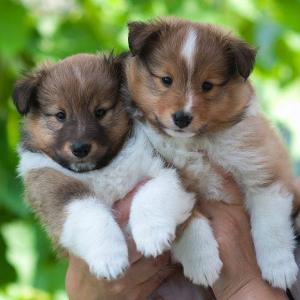
Early socialization is an important issue with a lasting impact on behaviour and welfare:
- What are the roles and responsibilities for authorities, breeders, cynological organizations, ethologists, geneticists, veterinarians and welfare organizations?
- What are the greatest barriers, challenges and opportunities that can be addressed at an international level?
- How is this impacted by the source of puppies, i.e. the increasing proportion that are coming from commercial breeders who are unlikely to breed for good temperament or to provide adequate early socialization.
- 0 comments
- 2,232 views