






New study on front limb conformation in three short-legged breeds: clinical findings and methods for breeding healthier dogs

By Katariina Mäki in New research
· Viewed: 3,817 times
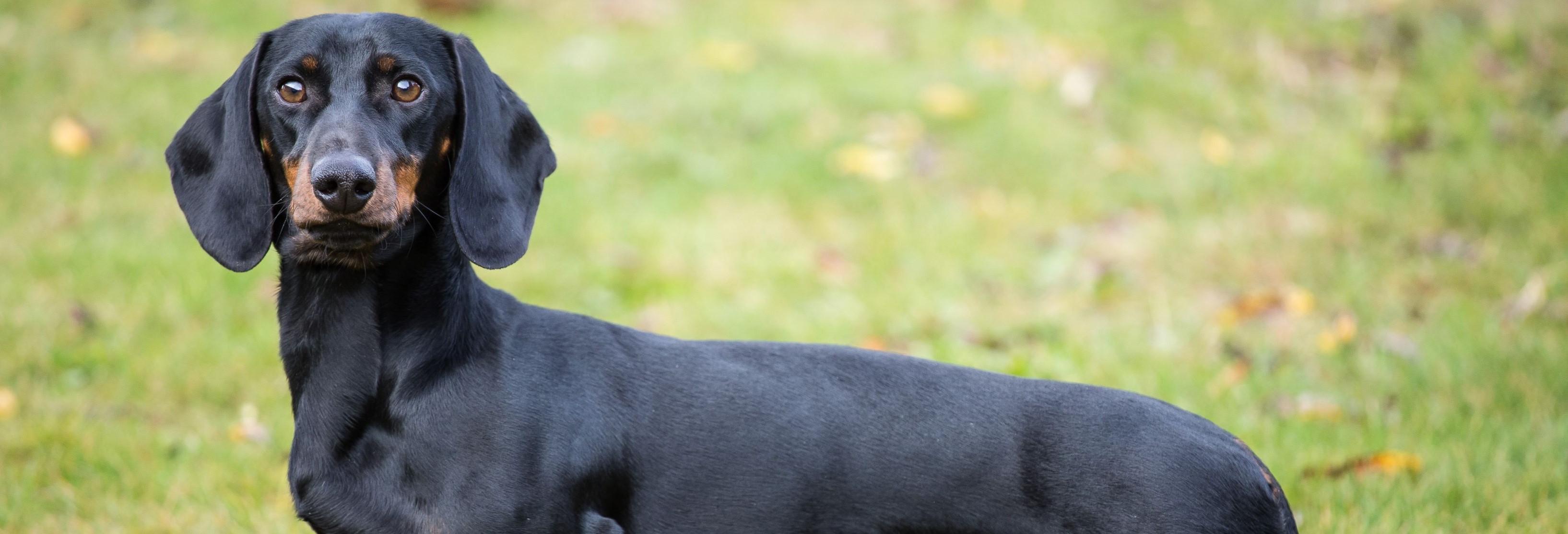
 Lappalainen et al. from Helsinki University have published a study on differences in front limb conformation between three chondrodysplastic breeds. Chondrodysplasia is a skeletal disorder characterized by dwarfism and abnormal body proportions, giving the short-legged breeds their characteristic phenotype.
The researchers studied angular front limb deformity (ALD), which refers to an excessively curved limb conformation, seen in some chondrodysplastic dog breeds. Common characteristics of ALD include carpal valgus (VALG), front limb rotation (ROT), elbow incongruity, and lateral radial head subluxation. These may cause lameness and discomfort in affected dogs.
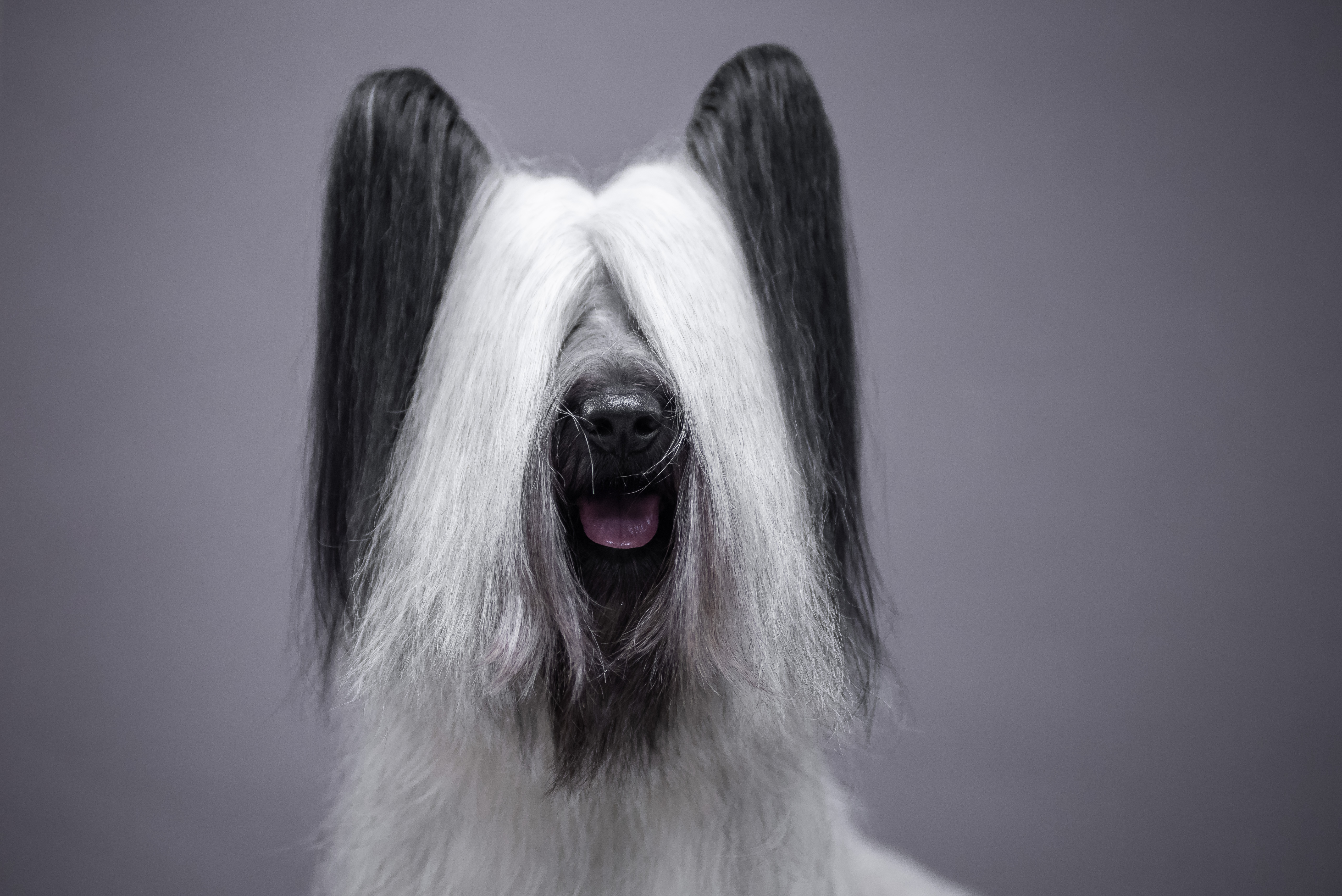
Data from a total of 224 front limbs from 112 dogs of three chondrodysplastic dog breeds (30 Standard Dachshunds, 29 Skye terriers, and 53 Glen of Imaal terriers) were included in the study.
Front limb VALG and ROT were measured with a goniometer. From the radiographs, the elbow joint was graded for incongruity, and the humeroradial angle was measured to assess lateral radial subluxation. The association of front limb conformation with clinical signs and limb function was investigated using orthopedic examination, goniometric and kinetic measurements, and radiography.
Elbow incongruity, front limb rotation, carpal valgus, and lateral radial head subluxation were found to be associated with several measurable clinical abnormalities and limb function such as pain, lameness, limited range of motion, and elbow joint osteoarthritis.
The researchers propose that the methods used in the study to classify findings in the interosseous space and to quantify lateral radial head subluxation could be used in addition to radiographic screening of elbow incongruency when choosing musculoskeletal characteristics of dogs suitable for breeding.
The article is open access and can be read here: https://www.frontiersin.org/articles/10.3389/fvets.2022.1099903/full.
Reference and more information
Lappalainen et al. 2023. Breed-typical front limb angular deformity is associated with clinical findings in three chondrodysplastic dog breeds. Front. Vet. Sci. 9. DOI:10.3389/fvets.2022.1099903.
Information on radiographic screening and grading of elbow incongruity in the Finnish Kennel Club: https://www.kennelliitto.fi/lomakkeet/guidelines-radiographic-screening-and-grading-elbow-joint-incongruity-short-limbed-and-chondrodystrophic-breeds-elbow-incongruity-guidelines-1
Recommended Comments