






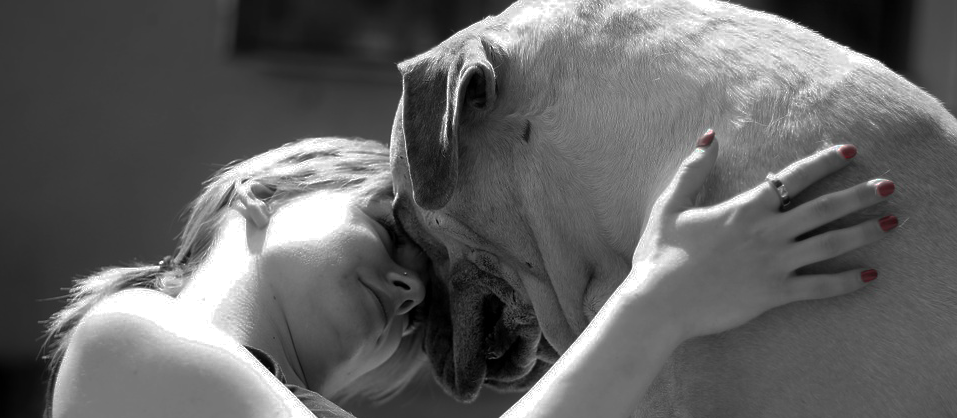
European Parliament event: Health Before Looks

· Viewed: 4,521 times
This message was delivered to the European Parliament at an event organized by our Collaborating Partner the Federation of European Companion Animal Veterinary Associations (FECAVA) together with the EU Dog and Cat Alliance and the Federation of Veterinarians of Europe(FVE). (Download PDF below.)
This event was "aimed at ending the unnecessary suffering of dogs and cats bred with exaggerated features such as flat faces, narrowed nostrils,
skin folds and protruding eyes" and is part of the ongoing work, especially throughout Europe, to address health and welfare in brachycephalic breeds. The speakers represented the veterinary, welfare and breed organization perspectives on the issue. It was great to see this international, multi-stakeholder approach, similar to that we have promoted through the IPFD International Dog Health Workshops (IDHWs) and reflected in the many resources on the brachycephalic isssue on DogWellNet.com.
Kristin Prestrud (a veterinarian from another of our Partners, the Norwegian Kennel Club) put into perspective that although there are wide variations across dog breeds in form and function, there should be defined limits for extremes, so that selective breeding does not compromise health or welfare. The challenge, raised at our IDHWs is that those limits are not clear nor consistent across regions and cultures; we need research and collaborative work to define those limits. As Prestrud, explained, for pedigree dogs breeding happens according to written breed standards - however those are often open to interpretation and may vary widely across countries. "“We love that dogs look cute, that they have some particular look that we love. And so, short legs have got shorter, heavy bodies got heavier, long coats got longer, loose skin got looser, long ears got longer and wrinkles more extended. Not in all cases, not in all breeds, but in several breeds.” And when breeders select really strongly for some traits and restrict genetic input from outside, there is always the risk of reducing genetic variation."
The British Veterinary Association’s encouragement of data reporting of conformation altering surgery (and caesareans) - by veterinarians with the consent of owners - was described. Similar registers are underway in, e.g. Scandinavian countries. However, there are challenges to compliance with these programs and only time will tell whether they achieve the goal of determining the prevalence of dogs that need such surgery. Speakers also highlighted the role of veterinarians in this issue, saying, “we must be aware that there are a lot of vets who earn their money by doing this very expensive surgery."
I was encouraged to see that the discussion by the politicians did not focus simply on legislation of breeding as being the best solution. They discussed the need to control the marketing of unregistered puppies and kittens, “the majority of which are on the internet and are totally without control” . It was estimated that over half of puppies In the Netherlands come from unsupervised sources and it may be as high as 90% for some breeds, e.g. the French Bulldog. One of the members of parliament suggested that "efforts would be better focused on reducing demand by making extreme breed animals unfashionable. “We have to make unhealthy bad conformation unfashionable, it has to stop.”"
And, so, as has been discussed in much of our work, we come back to this fact: the challenges are about the people, more than the dogs, and successfully improving health and welfare of dogs needs an approach that addresses human-animal interactions, human attitudes and actions, and using techniques of education that are likely to result in human behaviour change. Addressing sourcing of dogs and communication for change will be two themes at the upcoming 4th IPFD IDHW in Old Windsor, UK, May 30-June 1 2019.
Congratulations to FECAVA and their co-organizers for an important event and to the European Parliament for taking an interest in the health and welfare of dogs.
Health before looks Collaborative action is urgently needed to stop the practice of extreme breeding in dogs and cats
Download: European Parliament Event article by Parliament Magazine - 7-2018



Recommended Comments