






The extent to which genes play a role shaping the health and inherited diseases in dogs and impact canine welfare cuts across all breeds and mixed breeds. The power of understanding the genetics of dogs is a subject of interest to every person, dog owner, breeder, clubs, veterinarians, researchers studying both human and canine diseases; and believe it or not, the dog and its genome even influences the country's of the world laws and services.
Below find a listing for a few resources on DogWellNet.com pertaining to genetics and the use of genetic tests.
April 2018: HGTD IS ONLINE! Harmonization of Genetic Testing for Dogs.
 The HGTD's genetic Counselling Resources provides access to basic introductory articles on genetics, articles on application of genetics in breed health management and advanced work in technical genetics research.
HGTD - Genetics BLOG
Genetics Basics for Breeders
Collected genetics articles authored by Dr. Jerold Bell (DWN Downloads)
This file contains the following documents:
Pedigree Analysis and How Breeding Decisions Affect Genes
Small Population Breeds and Issues of Genetic Diversity
Popular-Sire Syndrome: Keeping watch over health and quality issues in purebreds
The Effects of Genetic Testing: Constructive or Destructive?
Removing the stigma of genetic disease
Breeding Strategies for Managing Genetic Traits
Breed-specific health and genetics information - See DogWellNet's Pedigreed Dogs Database
Disease/System-specific health and genetics information
Eyes: The Genetics of Eye Disorders in Dogs
GENERAL EDUCATION
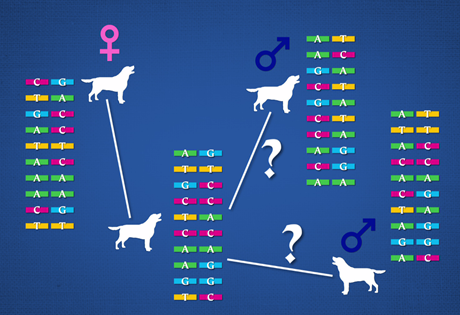 Canine Genetics -The Kennel Club - DNA testing
The Current state of Genetic Testing - A Living Resource (2020) Veterinary Practice News says this "genetic test resource helps breed healthier dogs: Preventing future generations of dogs from suffering illness due to inherited disease is the primary objective of a new resource from the American Kennel Club (AKC) Canine Health Foundation (CHF)".
DWN Genetics Videos: https://dogwellnet.com/media/category/canine-genetics-4/
Blog: Brenda Bonnett
Genetic Testing issues -- JAVMA Article on Genetic Testing
Read Dr. Bonnett's 'Big Picture' examination of panel testing, owner, breeder and veterinary considerations, testing labs and more connections to the rapidly emerging roles and use of DNA tests in management of canine health and welfare concerns.
More on Breeding Strategies
- IDH Workshops Presentations - DNA - Genetic Testing (Dortmund, Germany, 2015)
- See entries in Blogs - especially from Katariina Mäki and Gregoire Leroy - Inherited diseases: the adequate breeding strategy (1) and (2)
- Molecular-Genetic (DNA) Tests - This section provides resources on genetic DNA testing, which has grown in popularity among breeders to determine an animal’s predisposition towards disease and other genetic conditions.
- DNA Tests: For Use in Breeding Decisions - This section of DogWellNet.com offers resources on issues relative to Molecular-Genetic Tests for use in breeding decisions.
Achieving a balanced approach...
The Effects of Genetic Testing: Constructive or Destructive?
Bell-The Effects of Genetic Testing- Constructive or Destructive
By Jerold S. Bell, DVM, Tufts University School of Veterinary Medicine
A Clinical Genetics Approach to Understanding Genetic, Multiplex and Health Testing
AKC-CHF video: View this presentation and learn:
- The practical applications for using the results of these tests to improve the health of dogs
- The dangers for the inappropriate use of genetic tests to dog health
- The roles of the breeder, dog owner and veterinarian in utilizing genetic tests
Maintaining-and-Improving-Breeds-Perspectives-Article-Sept-2016
January 2018 ... From the AKC Gazette Jerold S. Bell, DVM. "Breeding by the Numbers." AKC Gazette. January 2018, pp 12-16.
“A goal of all breeds is to grow and maintain a large, diverse, and healthy population.”
Source: http://viewer.zmags.com/publication/211323a7#/211323a7/12
Internal link: AKC Gazette-January 2018, pgs.12-16 - J.Bell - Breeding by the Numbers
This article addresses the aspect of population size on healthy breeding in dog breeds, genetic disorders and selection. Excerpts... "In both large- and small-population breeds, genetic diversity can be lost if breeders do not utilize dogs from the breadth of the gene pool. This is most evident in the popular sire syndrome." "Health-conscious selection through breed-appropriate genetic screening of prospective breeding individuals is the most important aspect of improving and maintaining the genetic health of any breed, regardless of its population size."
The Veterinarian's role in hereditary disease...
A listing of organizations/links providing tools for investigation of clinically relevant information on hereditary diseases and genetic predispositions in dogs.
Vets urged to take a proactive role in tackling hereditary disease
The World Small Animal Veterinary Association has called on vets to take a proactive role in tackling hereditary disease and to advise breeders on the tests available to them before they breed from their animals. Speaking at a press briefing during BSAVA Congress 2017, Dr Cathryn Mellersh, Head of Canine Genetics at the Animal Health Trust and a member of the WSAVA Hereditary Disease Committee, also urged vets not to shy away from telling owners if they have made a bad choice to try to deter them from making the same mistake again.
Further, "We ask vets to advise breeders to use DNA test results to avoid breeding clinically affected dogs and to reduce the frequency of mutation within a breed, over time, without damaging genetic diversity. When selecting a test, it is important that they ensure that the test they are using is based on sound science and on the right mutation for the breed being tested.”
Dr. Mellersh also warned vets not to advise against breeding with carriers and said that dogs should not be excluded from breeding on the basis of a single mutation that they could test for. “The disease mutation that the DNA test is for is not the only mutation that a carrier has,” she said. “Most dogs carry at least 50 recessive mutations so, if carriers are not bred from and only clear dogs used then there is a risk that other mutations carried by these clear dogs will increase in frequency within the breed and new inherited diseases could emerge.”
Interactive Module
- Its goal is for users to expose themselves to ethical questions as they relate to breeding dog welfare and use expertise from their own experience to think critically.
- Includes numerous links to further resources, an interactive multiple choice question, and a survey on the degree to which the user is already involved in breeding dog welfare.
Over time we hope to add to this list of resources.
Please note Elaine Ostrander's presentation, Dog Genes Tell Surprising Tales, begins at ~12 minutes
Recommended Comments
Join the conversation
You can post now and register later. If you have an account, sign in now to post with your account.
Note: Your post will require moderator approval before it will be visible.